By Heloa | 1 May 2025

Autism spectrum disorder (asd): symptoms, support, and living well

9 minutes
de lecture

By Heloa | 1 May 2025

Autism spectrum disorder (asd): symptoms, support, and living well

9 minutes

Par Heloa, le 1 May 2025

Autism spectrum disorder (asd): symptoms, support, and living well

9 minutes
de lecture

Every parent wants to see their child thrive, to witness those little milestones—first smile, first word, first friend. But sometimes, those moments don’t arrive as expected, bringing questions, worries, and the urge to find answers. What if your child avoids eye contact, repeats the same movement for hours, or seems overwhelmed by everyday noises? These are the realities many families face with Autism Spectrum Disorder (ASD)—a condition that can feel both mysterious and overwhelming at first glance. ASD isn’t a one-size-fits-all diagnosis; it’s a dazzling mosaic, each child presenting a unique blend of strengths, interests, and challenges. By understanding what ASD means medically, what signs to watch for, and what supports exist—including evidence-based therapies and guidance for daily living—parents can feel more empowered, make informed choices, and ensure their child gets every opportunity to shine. You may wonder, how does ASD really impact a family? Which therapies actually help? How can communication, learning, and quality of life be boosted at each stage? Answers to these—and many more parental questions—are unpacked here, offering clarity, hope, and actionable advice.

Understanding Autism Spectrum Disorder (ASD)

Take a moment. Imagine communication unfolding not just with words, but with a complex language of gestures, facial cues, routines, and even repetitive play. Autism Spectrum Disorder (ASD), a neurodevelopmental condition, shapes how a child perceives the world. It is defined by persistent differences in social interaction and communication—paired with highly repetitive behaviours, focused interests, and sometimes intense sensitivities to sounds, textures, or lights.

What makes the “spectrum” in ASD? It’s this immense variability. A child might be nonverbal yet solve puzzles others can’t. Another may quote encyclopaedic facts but feel anxious about change. Some have striking attention to detail and excel in music, maths, or drawing. Others find joy in repeating a familiar movement, rhythmically flapping their hands, or following a ritual with precision. No two journeys are identical.

Recent figures estimate nearly 1 in 36 children may be diagnosed with ASD; the numbers speak for themselves. Boys are identified more often than girls, but, interestingly, research suggests girls sometimes present more quietly, masking difficulties and leading to later diagnosis. The reality? ASD is as diverse as humanity itself.

Recognizing Signs and Symptoms of ASD

Social Communication and Interaction

What could it look like when a child struggles with social cues? Eye contact might feel intense or absent. A child may prefer parallel play over group games, or seem unsure how to join a conversation. Delicate subtleties—like sarcasm or jokes—may remain unpicked. If your baby rarely reacts to your smile, or avoids shows of affection, questions may naturally arise. Does your little one imitate actions, like waving bye-bye, or point to share an interest? These back-and-forth exchanges often feel different with ASD.

Restricted and Repetitive Behaviours

Have you noticed your child lining up toys with military precision, spinning the wheels of a car but not racing it across the room? Repetition—be it words (echolalia), movements, or routines—offers comfort and predictability, but can also cause distress if broken. Some children fixate on a particular topic, animal, or pattern with remarkable intensity, teaching you more about trains or dinosaurs than you ever thought possible.

Early Warning Signs

Still waiting for first words at 18 months? Or perhaps your child doesn’t respond to their name, giggle during peek-a-boo, or engage in pretend play. Odd responses to touch, noises, or even certain clothing may stand out. Early clues—though each child develops at their own pace—deserve attention, as timely screening opens doors to effective support.

Symptom Change and Individuality

ASD does not follow a script. As children grow, challenges and strengths may shift. Girls, for example, may copy others’ social behaviour to “blend in,” making difficulties less visible but no less real. Sometimes, only when social demands increase—think of adolescence, group projects, or friendship dramas—do differences surface more clearly.

Causes and Risk Factors for ASD

Genetics and Heritability

The science is fascinating. In many cases, Autism Spectrum Disorder (ASD) has a strong genetic link, with multiple genes each contributing a small piece of a much larger puzzle. Twin studies, as well as family histories, help us know that genes play a big part, even though pinpointing a single cause is rare. Sometimes, rare genetic mutations—like those in fragile X or Rett syndrome—are involved, but for most families, it’s an interplay of many subtle changes.

Environmental and Prenatal Factors

Genes aren’t the only players. Certain prenatal influences—advanced parental age, gestational diabetes or infections during pregnancy, specific medications such as valproate, or even premature birth—can influence risk. Still, these factors never act alone, always mingling with genetics.

Myths: Vaccines and ASD

A quick sidebar, because this question comes up: Decades of research from global health authorities confirm that vaccines do not cause ASD. Myths about MMR or other shots have been thoroughly invalidated. Skipping vaccines exposes children to preventable diseases but brings no protection regarding ASD risk.

Diagnosing Autism Spectrum Disorder

Diagnostic Criteria and Tools

How is ASD identified? There is no blood test or brain scan for ASD. Instead, diagnosis relies on observing how a child communicates, forms relationships, and behaves. The DSM-5 and ICD-11 define ASD based on persistent social and communicative difficulties, combined with repetitive behaviors, classed by severity.

Specialists may use the Autism Diagnostic Observation Schedule (ADOS)—a structured play and interaction assessment—alongside caregiver interviews like the Autism Diagnostic Interview-Revised (ADI-R), which explores early development and behavior. Beyond these, cognitive, speech, and medical evaluations complete the picture.

Diagnostic Challenges

Why do some girls or adults slip through the net? Simple answer: symptoms may be less obvious or masked. Adults may learn “scripts” for social interaction, making difficulties much less visible to an untrained eye. Diagnosis, therefore, often requires a team—doctors, psychologists, therapists—all sharing insight.

Types and Presentations of ASD

Support Levels and Labels

Every child is different; the level of help they need varies widely.

  • Level 1: Might require some support, but can often adapt well with guidance.
  • Level 2: Needs noticeable, regular support—communication often feels hard work.
  • Level 3: Intensive, continual care needed; may be non-speaking or face major daily challenges.

You’ll also hear terms like “high-functioning autism” or even “Asperger’s syndrome”. These were once diagnoses, now replaced by ASD, but reflect particular profiles—good verbal skills, average or above intelligence, but still significant social or sensory challenges.

Non-verbal Autism

Some children do not speak at all, but that doesn’t mean they don’t communicate. Gestures, pictures, sign language, or digital devices can open new doors. The journey is about finding the right key for each child.

Gender Differences in Presentation

Girls with ASD sometimes show more subtle or socially acceptable intense interests, or use imitation to ‘mask’ difficulties. This can mean delayed recognition and different support needs—so trust your instincts if ‘something seems different’.

Related Conditions (Comorbidities)

Children with ASD often manage more than one set of challenges. Anxiety shows up in nearly 20%—stomach aches, worry, or avoidance can signal stress. Traits of ADHD and OCD are common, adding layers to attention and behaviour. Nearly one-third deal with intellectual disability, affecting how they learn and process information. Epilepsy, digestive disorders, and sleep difficulties are much more frequent among children with ASD than their peers, influencing daily comfort and well-being.

Evidence-Based Therapies and Interventions

Behavioural and Developmental Therapies

  • Applied Behavior Analysis (ABA): Structured, goal-oriented, and proven to build skills and reduce frustration.
  • Early Intensive Behavioral Intervention (EIBI): High-frequency support during the early years.
  • Early Start Denver Model (ESDM): Blends play and relationship-based techniques for young children.
  • Pivotal Response Treatment (PRT): Boosts motivation for social engagement and communication.

Communication and Speech Therapies

Speech-language therapy isn’t just about words—it’s about meaningful connection. Support may use pictures, special devices, or sign language, building understanding step by step.

Occupational and Sensory Integration Therapies

Many children with ASD see the world through a sensory lens. Occupational therapy addresses sensitivities (touch, sound, movement), helps develop self-care skills, and supports smoother daily routines.

Educational Strategies

Individualized Education Plans (IEPs) tailor the classroom, enabling teachers to build learning around a child’s strengths. Structured programmes like TEACCH, focused social skills groups, and anxiety management help bridge school and life.

Medication for Associated Issues

No medicine “cures” ASD, but targeted medications ease severe anxiety, agitation, or ADHD when needed. Every decision is personalised and monitored; side effects are possible, but the benefits can bring real relief.

Alternative Approaches

Music therapy, sensory diets, mindfulness—these offer promise for some symptoms but lack the scientific evidence of other therapies. Caution is needed: treatments like chelation or hyperbaric oxygen carry risks, not benefits. Always seek professional advice before exploring new interventions.

Early Identification and Care Coordination

Neurodevelopment touches every corner of a child’s life—speech, learning, friendships, family moments. Parents are usually first to sense something is “off” or slower than expected. If those signals persist—delayed babbling, social withdrawal, repetitive play—a healthcare professional can guide the next steps. Referral for ASD screening and connected support is as much about peace of mind as diagnosis.

Multidisciplinary teams—paediatricians, psychologists, therapists—work together to assess and design care. In some regions, these experts are accessible via national health systems. Early intervention isn’t just a phrase; it’s a foundation that can shift a child’s developmental path towards more engagement, growth, and lifelong inclusion. Regular monitoring, adapted routines at home, and clear, ongoing guidance make the journey less daunting for families.

Living with ASD: Practical Realities and Strengths

In School and at Work

Pattern recognition, memory, perseverance—all potential superpowers! Still, sensory overload or unclear expectations can swamp learning or employment. Adjustments—like quiet spaces, written instructions, or job coaching—unlock talent that otherwise might remain hidden.

Social Relationships

Friendship: sometimes hard-won, always valuable. Structured group activities, tailored social skills sessions, or simply cultivating understanding at home can help children (and adults) discover their way to connect.

Daily Life and Independence

Routines matter—predictable meals, bedtime rituals, visual schedules soothe anxiety and build confidence. Occupational therapy can teach dressing, eating, or even handling money—one new skill at a time.

Sensory-Friendly Spaces

Soft lighting, quiet corners, fidget tools, noise-cancelling headphones—modifications that might seem small can transform a child’s (or adult’s) experience. Each adjustment is a sign of genuine respect for their unique way of engaging with the world.

Celebrating Talents

From art to mathematics, mechanics to storytelling—autistic strengths often shine brightest where passion and focus meet. Fostering self-advocacy, and valuing neurodiversity, lays the groundwork for resilience and self-worth.

Inclusion and Advocacy

Involving autistic voices in decisions—whether about school, work, or the community—sparks real inclusion. Advocacy expands opportunity and cements the message: every individual has a place, value, and potential.

Family and Caregiver Support

Emotional Landscape

Hearing the words “Autism Spectrum Disorder (ASD)” stirs emotion—a swirl of worry, hope, relief, or plain confusion. Some parents feel isolated, others determined to “fix” things. All responses are normal. Adjustment takes time, and that’s OK.

Accessing Services

Timely connections to skilled health professionals, teachers, and therapists help structure the path forward. Organising documents, logging progress, and understanding available supports empower families to advocate well.

Building Support Networks

Other families, local or online, can become lifelines. Parent groups, autism organisations, and community resources offer not just information, but emotional encouragement and practical tools. Don’t underestimate the power of shared experience.

Self-Care for the Family

A well-rested, supported parent copes better than an exhausted one. Regular routines, moments of respite, and attention to siblings’ needs strengthen the whole family. Seeking qualified counselling isn’t weakness—it’s strategy.

Autism Across the Lifespan

  • Childhood: Speech delays, distinctive play, sometimes difficult transitions. Targeted education and therapies build skills and social curiosity.
  • Adolescence: Social demands surge. Puberty brings emotional shifts, sometimes anxiety or frustration. Exploration of self-identity and preparation for autonomy require adapted support.
  • Adulthood: Some will live and work independently; others need ongoing assistance. Self-advocacy, community ties, and recognition of diverse strengths shape adulthood for each person.
  • Aging: With age, new health or support issues may arise. Attention to dignity, tailored healthcare, and continued engagement in meaningful activity support well-being.

Research and Next Steps

Genetic, neurobiological, and behavioural science pushes forward, mapping the “how and why” of ASD. Early detection tools, personalised therapies, and community inclusion are focus areas. The neurodiversity movement reframes autism not as something to “fix,” but as one way of being. Policy change, advocacy, and global initiatives make progress possible, step by step.

Key Takeaways

  • Autism Spectrum Disorder (ASD) is a diverse neurodevelopmental condition bringing unique strengths and support needs.
  • Early detection and tailored intervention pave the way for better progress.
  • No single pathway: symptoms and supports are deeply individual, changing with age and circumstances.
  • Multiple evidence-based therapies exist—combine them as needed, always adapted to your child.
  • Taking care of family well-being supports every member, not just the child with ASD.
  • Advocating for acceptance, practical inclusion, and policy change benefits your child and the broader community.

There is help all along the path. Keep in mind, numerous resources and professionals are ready to advise and support families. For personalised guidance and free child health questionnaires, you can download the Heloa application.

Questions Parents Ask

Can children with Autism Spectrum Disorder (ASD) develop heartfelt connections?

Certainly. Children with ASD absolutely can build strong bonds—with parents, siblings, caregivers, even classmates. It’s just that their way of showing affection might look a bit different. Perhaps your child prefers to sit quietly close to you rather than offer a hug, or demonstrates happiness through favourite activities, not always words or direct eye contact. The connection is genuine, though it may be expressed in unique, subtle ways.

Does Autism Spectrum Disorder (ASD) end after childhood, or continue into adult years?

ASD is lifelong. Early signs may stand out in childhood, but features often evolve with time. Many adults with ASD lead fulfilling lives—some independently, some with tailored support in studies, work, or relationships. With the right assistance and encouragement, learning and growth never truly stop.

Are there helpful activities or therapies that parents can start at home for a child with Autism Spectrum Disorder (ASD)?

Absolutely! Consistency and clear steps work wonders: use visual cues, maintain routines, and celebrate each achievement, however small. Engaging in shared interests (like reading, building, or playing sensory games) builds closeness and confidence. Positive reinforcement, such as praise or favourite rewards, encourages growth. If uncertain, professional advice is just as important—every child benefits from strategies adapted to their unique profile.

Further reading:

Similar Posts

A diagnosis of Autism Spectrum Disorder (ASD) often sparks a storm of questions in parents’ minds. What do those early signs really mean? Does “spectrum” imply all experiences are the same? How do you know what support your child truly needs, and where to turn for answers grounded in evidence, not internet hearsay? The world of ASD is vibrant and nuanced, brimming with scientific discoveries, evolving care options, and deeply individual journeys. If you’ve found yourself wondering why your child repeats certain actions, shies away from noisy gatherings, or insists on sameness, you are far from alone in your concerns. Let’s delve into the essentials—key medical knowledge, lived realities, and indispensable tools—to help you move forward with confidence.

Understanding Autism Spectrum Disorder (ASD): The Spectrum Unveiled

What exactly does it mean when clinicians speak of Autism Spectrum Disorder (ASD)? The phrase “neurodevelopmental condition” may sound technical, but it simply signals a difference in how the brain develops and interacts with the world, especially regarding social interaction, language, and behavior. There’s no single way ASD presents itself; one child may speak with ease yet avoid eye contact, another may be non-speaking but light up around familiar faces. Roughly 1 in 100 children globally, and up to 1 in 31 in the United States, will be diagnosed with ASD—numbers that reflect heightened awareness and refined screening, not an “epidemic.”

Notably, ASD is about variability—heterogeneity is a hallmark. Intellectual and verbal abilities span from minimal speech to advanced vocabulary. Some children display intense preferences or rituals, while others quietly observe from the periphery. Sensitivities to sounds or textures, a fascination for spinning objects, or an uncanny memory for details might coexist with struggles to understand playmates’ facial expressions. Autism does not “look” one way.

The prevalence discrepancy between genders is striking: ASD is diagnosed three to four times more commonly in boys, yet specialists now recognize that girls often fly under the radar due to subtler cues and adeptness at masking difficulties. This diversity challenges stereotypes and demands personalized support.

Recognizing ASD: Symptoms, Signs, and What to Watch

Social Communication and Interaction

Does your child seem lost during group play or rarely join in back-and-forth chatter? Deficits in social reciprocity—the natural give-and-take of interaction—form the backbone of ASD. Limited eye contact, few gestures like pointing, and difficulty “reading” emotional cues frequently emerge early. Conversations may feel one-sided, or filled with misunderstood idioms.

Repetitive Behaviors and Restricted Interests

Hand-flapping, rocking, or insistent adherence to routines are more than “quirks”—they are often self-stimulatory behaviors (known as “stimming”) offering comfort or emotional regulation. Deep interests, whether for train schedules or dinosaur facts, can consume hours. Some children echo speech (echolalia), while others line up toys or become visibly distressed at unexpected changes.

Sensory Features and Early Childhood Clues

Heightened responses to noises, aversion to certain clothing fabrics, or refusal to participate in familiar games may seem puzzling at first. Delayed babbling, lack of response to one’s name, or an absence of spontaneous smiles or mimicry (think “peek-a-boo”) warrant gentle observation. It’s not about missing milestones by a set age, but watching for persistent, meaningful differences in communication and play.

Variability: Gender, Age, and Individuality

Here’s a compelling question: Why are girls so often diagnosed late, sometimes even in adulthood? Girls with ASD may demonstrate less visible repetition or compensate by mimicking socially adept peers. As school or social demands rise, difficulties can become more apparent, shifting the “diagnostic window.”

Causes and Risk Influences: Genetics Meets Environment

Genetic Foundations and Heritability

Science has advanced rapidly. Twin and family studies consistently reveal a strong genetic component, involving many genes (polygenic) rather than one culprit. Rare single-gene disorders, such as fragile X, can explain a subset of ASD cases. Yet, the interplay of genetic “susceptibility” is tangled and individualized.

Prenatal and Environmental Factors

Fast-paced parental lives, higher maternal or paternal age, and exposures such as gestational diabetes, specific medications (valproate), preterm birth, or increased environmental stressors (like air pollution) act as modifiers, not standalone triggers. Genetics sets the stage; the environment shapes the scene.

Disputing the Myths

Vaccines? Resounding scientific consensus, built on large-scale studies from reputable institutions (CDC, WHO), confirms absolutely no link between vaccines and ASD. The earlier myth connecting the MMR vaccine to autism has been categorically debunked. Avoiding vaccines puts all children at greater risk—there’s no health benefit for ASD prevention.

Diagnosis: From Screening to Multidisciplinary Insight

How ASD is Diagnosed

There’s no blood test for ASD. Diagnosis combines careful observation, comprehensive parent interviews, and standardized tools such as the Autism Diagnostic Observation Schedule (ADOS) and the Autism Diagnostic Interview-Revised (ADI-R). These instruments measure social engagement, repetitive actions, language, and play, while other assessments capture cognitive strengths and adaptive abilities.

A multidisciplinary team—pediatricians, psychologists, speech and occupational therapists—ensures a well-rounded evaluation, considering possible co-existing conditions like anxiety, ADHD, or epilepsy.

Special Challenges: Girls, Women, and Adults

Girls often slip through the cracks: less overt stimming, better camouflage, and interests that veer toward the socially “acceptable” mean diagnosis can be delayed by years. Adults, who may have built up coping strategies, also experience frequent mislabeling.

Spectrum of Support Needs

ASD encompasses a vast range of support levels:

  • Level 1 (needing some support): Communicates clearly but struggles with nuanced social situations.
  • Level 2 (requiring substantial support): Has marked verbal, nonverbal, or behavioral challenges.
  • Level 3 (requiring very substantial support): May be non-speaking, highly dependent, and require daily tailored care.

Associated Conditions: The Broader Picture

Many children with Autism Spectrum Disorder (ASD) experience additional medical or psychological issues—comorbidities. Anxiety affects approximately one in five, attention difficulties abound (ADHD and ASD frequently overlap), and some may show symptoms reminiscent of Obsessive-Compulsive Disorder (OCD). Intellectual disabilities are present in about a third, while others thrive with average or above-average cognitive ability.

Epilepsy (involuntary electrical activity in the brain) affects 10%, gastrointestinal complaints like chronic constipation surface often, and sleep disturbances are notorious—sometimes caused by heightened sensory sensitivities. Recognizing and addressing these is paramount; they impact well-being, behavior, and education.

Evidence-Based Interventions and Support Strategies

Behavioral and Developmental Therapies

Applied Behavior Analysis (ABA) remains a widely validated intervention, aiming to increase adaptive behaviors and curb those that interfere with daily living. Younger children benefit from Early Intensive Behavioral Intervention (EIBI) and hybrid models, like the Early Start Denver Model, which combine play-based learning and skill-building in naturalistic settings.

Pivotal Response Treatment (PRT) leverages children’s own motivation and interests, enhancing communication and social skills through daily activities.

Communication, Language, and Alternative Systems

Speech therapy spans spoken language work to facilitating communication via augmentative and alternative communication (AAC) devices or sign language, especially for non-speaking children.

Occupational, Sensory, and Daily Living Supports

Occupational therapy builds independence—self-care (feeding, dressing), sensory integration (tolerating sounds, lights, crowded environments), and fine motor skills. Sensory diets curate tailored input, providing relief and improving participation in routines.

Educational Planning

A bespoke plan is essential. Individualized Education Programs (IEPs), visual supports, and structured teaching methods like TEACCH optimize classroom participation. Cognitive Behavioral Therapy (CBT) addresses anxiety and helps manage emotions or transitions.

Medication Considerations

No medication treats core ASD features, but targeted options exist for severe irritability (risperidone), symptoms of ADHD, anxiety, or sleep disorders. Risk-benefit is assessed case by case, with thorough monitoring for side effects.

Alternative and Emerging Therapies

Sound therapies, music, mindful movement, and animal-assisted interventions generate interest but must be scrutinized for evidence. Caution: Approaches like chelation or hyperbaric oxygen lack scientific backing and may present safety hazards.

Early Identification and Coordinated Care Pathways

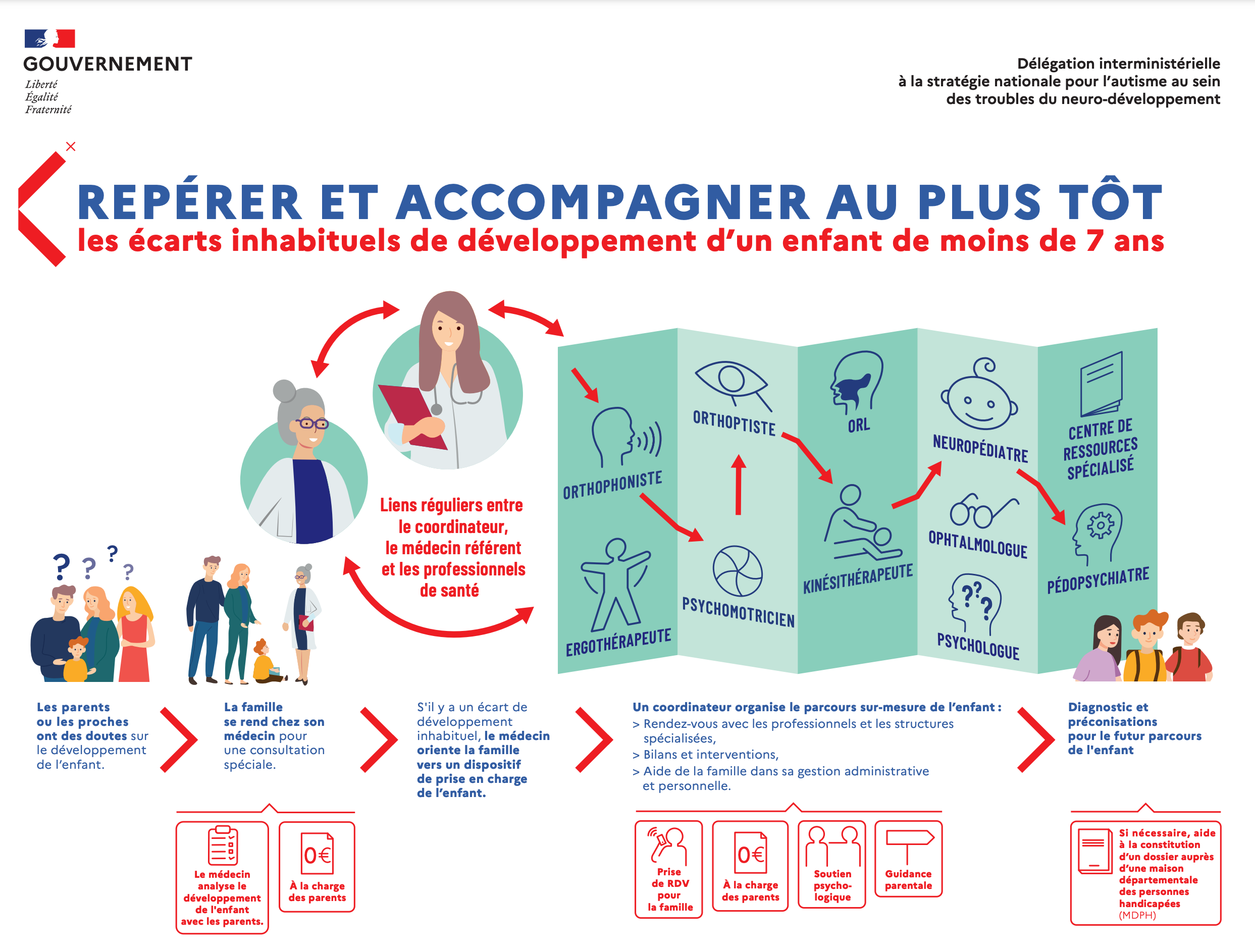
When a child struggles with language, learning, or social engagement, early monitoring is the gold standard. Parents, as keen observers, play a vital role here. Primary care visits initiate developmental surveillance, screening, and, if needed, referrals to specialist teams—developmental pediatricians, speech therapists, psychologists—who collaborate to assess strengths and challenges.

Specialized care platforms, where multidisciplinary teams create individualized intervention plans, help parents avoid going it alone or feeling lost in a maze of appointments. Developmental tracking at home, guided by evidence-based resources, maximizes progress and adaptation.

Care pathways often interweave supports for other neurodevelopmental disorders—dyslexia, dyspraxia, ADHD, intellectual disabilities—ensuring a holistic approach.

Life with Autism Spectrum Disorder (ASD): Strengths, Hurdles, and Day-to-Day Experiences

School and Employment

Children and teens with ASD often shine in areas like memory, detail-spotting, or technical interests—sometimes revealing true “spiky profiles” where certain skills outpace others. Sensory-aware classrooms, patient educators, and thoughtful job coaching unlock these talents.

Social Relationships

Making and sustaining friendships can prove daunting, but skill-building—like social stories or interest-based groups—can help. Instead of molding children to “fit in” at all costs, the focus trends toward celebrating diverse social styles and supporting community connection.

Independence and Routine

Predictable routines don’t just bring comfort—they buffer anxiety. Occupational therapy, life skills coaching, and gradual exposure to new challenges encourage genuine autonomy, shaped by each child’s developmental pace.

Sensory Adaptations

Think designated quiet corners, fidget objects, visual timetables. Small environmental tweaks can transform daily life—making parties, classes, and family outings less overwhelming.

Celebrating Neurodiversity

Spotlighting a child’s strengths—artistic flair, number sense, vivid visual thinking—nurtures confidence. Self-advocacy grows naturally when children are heard and accepted for who they are, rather than what they’re not.

Advocacy, Inclusion, and Social Change

From schools embracing inclusive practices to national groups fighting stigma, the world is gradually moving toward accepting, valuing, and uplifting the contribution of people with Autism Spectrum Disorder (ASD). As awareness shifts, so do opportunities for meaningful participation on every level.

Family and Caregiver Support: Guidance Without Judgment

Coping with Diagnosis and Daily Life

Hearing the words “Autism Spectrum Disorder (ASD)” brings a rush of emotions. Relief at finally having an explanation may intermingle with uncertainty. Adjustment is a process, not a moment. Parents, siblings, and caregivers will all need time—and practical help.

Accessing Resources

Healthcare professionals knowledgeable about ASD, supportive educators, and experienced therapists form a scaffolding for the whole family. Early intervention, clear record-keeping, and Individualized Education Programs (IEPs) ease the journey.

Finding Your Network

Parent support groups, community resources, and specialist clinics are more than lifelines; they are spaces for honest questions and shared tips. Advocacy groups demystify legal rights, educational access, and break down the red tape surrounding care.

Family Well-Being and Self-Care

Balancing a child’s support needs with those of siblings and personal well-being is not an indulgence—it’s essential. Family routines, counseling, peer connection, and moments of rest matter profoundly.

ASD Across the Lifespan: Evolving Needs, Ongoing Support

Childhood

Early years witness the richest developmental shifts—language acquisition, play, emotional growth. ASD may color these with unique shades but does not preclude joy or skill-building. Evidence-based intervention can foster enduring progress.

Adolescence

Puberty brings new uncertainties. Identity, self-awareness, emerging independence: autistic teens may find this stage turbulent, especially when navigating friendships or mental health challenges. Family and professional support remain pillars.

Adulthood

Adulthood is not an afterthought. While some autistic adults thrive independently, others require structured support for daily living or work. Recognition of individual preferences replaces one-size-fits-all objectives.

Aging

Aging with ASD may surface fresh medical, cognitive, or community needs. The landscape for older autistic adults is growing, with healthcare increasingly respectful of neurodiversity and personal dignity.

Medical Advances, New Perspectives, and the Future

Genetic and Neurobiological Breakthroughs

Research highlights: hundreds of gene variants, altered neurotransmission, and new insights into neural connectivity underpin our understanding of Autism Spectrum Disorder (ASD). Diversity in brain structure is not a flaw, but a facet worthy of acceptance.

Screening, Diagnosis, and New Models

Earlier, more sensitive screening tools empower access to supportive therapies at the right time. “Normalization” is no longer the ambition—instead, maximizing each individual’s well-being and autonomy takes center stage.

Embracing Neurodiversity

Once seen simply as a disorder, Autism Spectrum Disorder (ASD) now embodies a valued form of neurodiversity. Advocacy movements, self-advocate voices, and public awareness campaigns reshape not only policies but public attitudes.

Policy and Global Action

International organizations and advocacy networks partner to expand healthcare, educational opportunities, address stigma, and enshrine the rights of autistic individuals—laying the foundation for a more inclusive society.

Key Takeaways

  • Autism Spectrum Disorder (ASD) reflects a spectrum, not a single story: each child’s strengths, challenges, and support needs are unique.
  • Early recognition, coordinated intervention, and evidence-based therapies can optimize developmental, emotional, and educational progress.
  • Symptoms and strengths shift with age, vary by gender, and evolve as demands change.
  • No single test or intervention suffices—the best outcomes stem from personalized, multidisciplinary approaches.
  • Family support, well-being, and advocacy are just as important as clinical care: parents and caregivers deserve compassionate, practical guidance throughout the journey.
  • Resources, supportive communities, and health professionals are available to help families foster each child’s full potential. For additional support, personalized advice, and free health questionnaires for children, parents can download the Heloa app.

Questions Parents Ask

Can children with Autism Spectrum Disorder (ASD) form emotional attachments?

Absolutely. Children on the autism spectrum can and do develop strong emotional bonds with parents, siblings, caregivers, and even peers. However, the way they express affection or attachment may sometimes differ from what is typically expected. Some children may show their love through actions rather than words or eye contact, while others might express their feelings uniquely or subtly. Each connection is meaningful, even if it looks different from what you might have anticipated—your presence and understanding play an essential role in nurturing these bonds.

Does Autism Spectrum Disorder (ASD) only affect childhood, or does it continue into adulthood?

ASD is a lifelong neurodevelopmental difference, not restricted to childhood. While early signs and challenges might be most noticeable during young years, autistic traits and individual support needs often evolve as a child grows into adolescence and adulthood. Many autistic adults lead fulfilling, independent lives, sometimes requiring specific accommodations or support in social, educational, or professional settings. Rassurez-vous—people with ASD continue to learn, adapt, and thrive at every stage of life, with the right support and environment.

Are there activities or therapies parents can do at home to support a child with ASD?

Yes, and even small daily actions can make a big difference! Encouraging routines, offering clear visual cues, and breaking tasks into simple steps can provide structure and security. Engaging in shared interests—like reading together, building with blocks, or exploring sensory-friendly play—strengthens connection and fosters communication. Using positive reinforcement (such as praise or favorite activities) to support progress, and gently introducing new experiences, helps children build confidence in a safe space. Try to celebrate small successes and remain patient—every step forward matters. If you have questions or need guidance, don’t hesitate to connect with professionals who can offer tailored recommendations.

tnd PCO

Further reading:

Similar Posts