By Heloa | 26 April 2025

Baby 12 months: development, nutrition, sleep, safety and play

9 minutes
de lecture
Bébé 12 mois debout sur ses jambes en train de tendre les bras, illustration Heloa

By Heloa | 26 April 2025

Baby 12 months: development, nutrition, sleep, safety and play

9 minutes
Bébé 12 mois debout sur ses jambes en train de tendre les bras, illustration Heloa

Par Heloa, le 26 April 2025

Baby 12 months: development, nutrition, sleep, safety and play

9 minutes
de lecture
Bébé 12 mois debout sur ses jambes en train de tendre les bras, illustration Heloa

The first birthday; an occasion brimming with wonder, pride, and not a touch of bewilderment. Suddenly, your child is standing (sometimes not quite, sometimes already running circles), setting off on tiny adventures with eager steps or a determined crawl; the border between baby and toddler feels both close and far. Daily you witness bursts of independence—if not at mealtime, then certainly when your mobile explorer asserts preferences, reaches for your hand, or turns pages in a sturdy board book with focused intensity. The stage of baby 12 months can leave parents with an avalanche of questions: “Should my child be walking now?” “How much milk is enough?” “Why does he refuse his favourite food all of a sudden?” and, more importantly, “Is all this normal?” From physical leaps to emotional ripples, from the mysterious world of nutrition to the puzzle of sleep, new discoveries emerge almost every day. While you juggle milestones, surprising regressions, and that ever-pressing call for safety, there’s both reassurance and challenge in the journey. Let’s dive deep: expect precise advice, medical clarity, and empathetic answers to your most persistent doubts.

Transitioning from Infant to Toddler: Newfound Independence and Emotional Growth

One day your little one is clinging to your finger, the next attempting solo missions across the living room floor. At this milestone, baby 12 months represents both an explosion in gross motor skills and a nuanced shift in emotions. Walking might just be a few wobbly steps or a distant milestone (anywhere between 10 and 18 months can be perfectly typical), while crawling and cruising around furniture are equally valid modes of exploration. The fascination with pressing buttons, opening drawers, and investigating every corner can be relentless—questions like “What’s inside that cupboard?” dominate the day.

But there’s another side: rapid bursts of boldness fade just as quickly to moments of clinginess or loud protest when you step out of sight. Separation anxiety might now peak, manifesting as intense attachment to you or another primary caregiver. This is less regression than a sign of healthy emotional security flourishing alongside curiosity.

Recognising these swings can help: is your child darting away, laughing, only to pivot and rush back for a comforting touch? That push-pull is simply the foundation for growing self-confidence, a delicate dance between autonomy and the enduring need for reassurance.

Physical Development: Growth Patterns, Motor Skills, and Teething

The numbers may appear simple: baby 12 months usually weighs about three times their birth weight and measures between 71 and 81 cm (28–32 inches), with head and chest circumference generally close. Yet, each graph, every data point, is just a cue—there’s no universal script. Height spurts might slow, while the addition of teeth can be unpredictable: at this stage, between 1 and 8 primary (also called deciduous teeth) may have erupted, with teething sometimes making its presence known through disturbed sleep or a new fascination with biting.

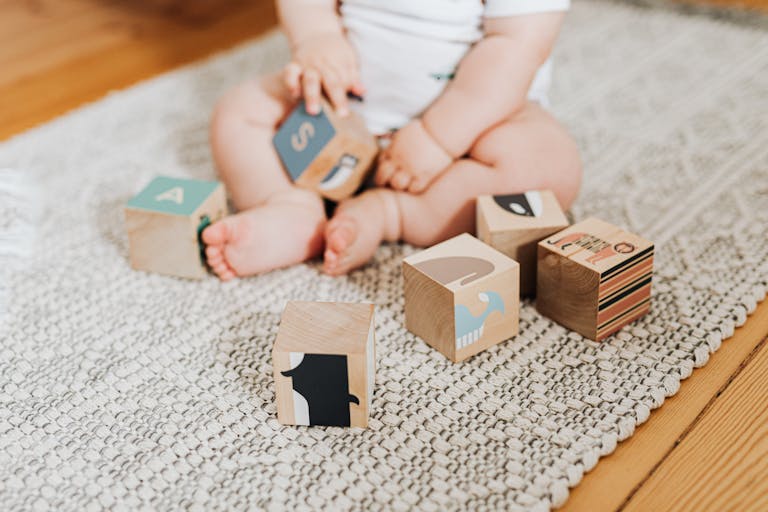
Motor skills, both gross and fine, take centre stage. Perhaps your child is pulling to stand, shuffling along sofas, balancing with increasing sureness, or still perfecting the art of crawling—some will walk at 10 months, others at 18. Such variety is normal and healthy. Meanwhile, watch as fine motor mastery unfolds: the pincer grasp (thumb and forefinger pinch), block stacking, page turning (often several at once), and the irresistible urge to drop objects, just to see where they land. All these are signs of maturing hand-eye coordination and spatial problem-solving.

While each child’s rhythm is unique, certain safety nets remain universal: secure furniture, gate stairs, cover electrical outlets, store coins and batteries far from reach. Childproofing is not just advice, but a day-to-day necessity for a naturally adventurous age.

Cognitive and Sensory Development: Exploration and Early Problem-Solving

Envision your baby, meticulously (but playfully) removing blocks from a box, then giggling as they stuff them back in: this is object permanence in action—a realisation that toys, and even people, continue to exist out of sight. Suddenly, games like peekaboo become not only endlessly entertaining, but a vital training ground for abstract thought.

Symbolic play (pretending to drink from a toy cup, “brushing” a doll’s hair) now appears, heralding robust leaps in imagination. The urge to imitate adults—whether banging on a pot, waving goodbye, or producing a cheerful babble—signals burgeoning communication. Simple instructions (“Give the ball to daddy!”) start to make sense.

Curiosity seems infinite. Give your baby 12 months a new material—soft wool, bumpy plastic; a rattle with a clashing clang—and you’ll witness careful examination, poking, squeezing, and, eventually, shaking. Sensory play supports the development of all neural pathways; textures, sounds, and vivid colours ignite their drive to investigate. Medical research shows that repeated multisensory experiences help consolidate both memory and motor learning.

Recognition skills become ever more astonishing. Responding to one’s own name, seeking familiar toys, and recognising faces (sometimes with a burst of excitement, sometimes with shyness) form the early roots of social connection and attachment.

Language, Social, and Emotional Development

At the threshold of one year, speech hovers between sound and sense. Baby 12 months is likely to say 1–3 words, often those with high emotional resonance (“mama,” “dada,” “nana” for food, or a beloved toy’s name). Waving, pointing, head-shaking, and repeating syllables—complex babbling—define expressive gestures. Understanding of single words and repeated instructions unfolds rapidly; suddenly, you realise your little one knows much more than they can articulate.

Interaction is more than talking; it’s a two-way street. Narrate your routines, give names to daily objects, use picture books for shared pointing, sing, play clapping games—each offers a scaffold for growing vocabulary. The value of repetition and ritual in child development cannot be overstated; consistent exposure and gentle correction shape both comprehension and confidence.

Emotionally, separation anxiety may intensify. Comfort objects—like a worn blanket or beloved stuffed animal—help self-soothe. The need for recognizable routines is strong. When your child clings at drop-off or weeps at bedtime, naming their feelings (“You’re missing papa, aren’t you?”) can help build early, healthy emotional recognition and self-regulation skills.

Early play with peers is often parallel, not interactive: your child may watch another, play nearby, mimic, but not yet collaborate. Social games—rolling a ball back and forth, peekaboo, singing nursery rhymes—introduce the idea of turn-taking in gentle, age-appropriate ways.

Nutrition and Feeding: Transitioning to Family Foods

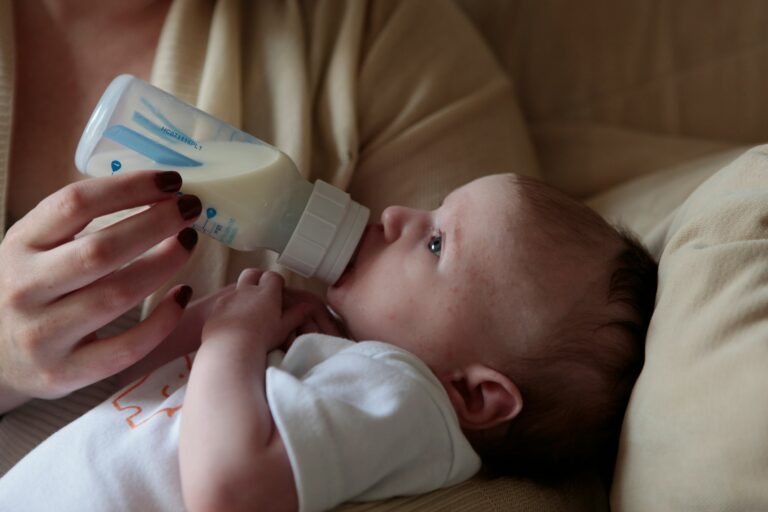
Milk remains a major player at baby 12 months—now whole cow’s milk can usually replace formula or breast milk (unless your healthcare provider suggests otherwise), aiming for about 16–24 ounces (roughly 500–700 ml) daily. Gradually, bottles give way to cups, directly benefiting dental health and the development of oral muscles.

Diet now broadens to “table food,” yet, while your toddler might devour dal-rice with fingers one day, they may throw it across the room the next. Encourage self-feeding with small, soft finger foods—boiled vegetables, bite-sized bread, soft fruit, well-cooked meats or legumes—and introduce a spoon, letting messiness reign.

Medical recommendations urge caution with choking hazards: whole grapes, hard nuts, round candies, popped corn, and pieces of tough meat are best delayed. Continuous supervision during meals is indispensable.

A typical day’s plan? Offer small portions with varied textures—mashed carrots, cooked spinach, diced roti, steamed fish or paneer. Limit added salt and sugar. Water should be freely available, milk should never be the main thirst-quencher after meals, and fruit juice (if given) should be kept to less than 120 ml a day, prioritising fresh fruit for fibre and hydration.

Picky eating—sometimes a mild frustration, sometimes a battle of wills—is almost a rite of passage. The best response? Patience. Never pressure; instead, offer without expectation and model eating a wide selection. Acceptance may take ten or more presentations. Family mealtimes support not only nutrition but social learning, language, and emerging independence.

Sleep Patterns and Healthy Sleep Habits

If sleep with a baby 12 months sometimes feels elusive, science can explain why: between developmental leaps, teething, and increased mobility, the so-called sleep regression of this age is well-documented. Babies need about 11–14 hours of sleep in 24 hours, usually split between a consolidated night stretch and one or two daytime naps. Some children begin the shift from two naps to one in this window.

Bedtime rituals—warm baths, bedtime stories, soft music—create reliable signals. Resistance to naps or night waking may intensify; soothing, predictable responses help. Allowing short periods for your child to self-settle (with comforting presence nearby) can gradually ease the transition to independent sleep. If separation anxiety disrupts bedtime, keep reactions gentle but consistent, reassuring your child of your return.

Health, Safety, and Preventive Care

The first birthday often coincides with the next scheduled health check-up, during which your healthcare provider will measure height, weight, head circumference, and developmental achievements (standing with support, babbling, using gestures). Immunisations begin a new set: measles, mumps, rubella (MMR), hepatitis A, varicella, and sometimes meningococcal, following local guidelines and individual medical history.

Dental hygiene becomes pressing as teeth erupt: start brushing daily with a smear of fluoride toothpaste, and consider the first dental visit during this year. Bottle-weaning is medically recommended to prevent “bottle caries,” a form of early childhood tooth decay.

Parents must remain vigilant for red flags: persistent fever, unusual rashes, repeated respiratory symptoms like wheezing or cough, or failure to attain previous milestones. If your baby 12 months is not crawling, babbling, showing gestures, or standing with support, or if skills seem to disappear, seek early assessment—a proactive approach allows timely intervention. Always remember, premature babies may progress according to their adjusted age.

At this stage, household babyproofing becomes a necessity:

  • Install child locks on cabinets with cleaning agents or medications,
  • Block stairs and balconies with gates,
  • Cover wall sockets,
  • Secure or anchor heavy furniture,
  • Store small objects high and out of sight,
  • Pad sharp corners.

Burns, choking, poisoning, and falls are the leading home accident risks—constant supervision during meals or baths, careful water heater temperature adjustment, and secure storage of all chemicals or medicines must become part of your new routines. Rear-facing car seats properly installed are non-negotiable for outings, while barefoot exploration indoors strengthens foot development.

Play, Learning, and Daily Structure

What fuels the mind of your baby 12 months most? Predictable routines paired with bursts of innovative play. Early mornings are often best for physically active games—crawling, pushing pull-toys—while post-nap hours lend themselves to the colourful calm of picture books or stacking blocks.

Choose toys that foster both gross and fine motor growth: blocks, simple puzzles, busy boards, soft balls, but also cause-and-effect games like “drop and return.” Sensory baskets filled with fabrics, textured balls, and musical toys invite tactile and auditory exploration. Music (think nursery rhymes and upbeat rhythms) aids language and emotional expression, while your encouragement of trying and persevering instills resilience.

Allowing your child choices—between two toys or which shirt to wear—boosts initiative. Observe, narrate (“You picked the blue ball!”), and let your child repeat, experiment, and—even if mess results—learn.

Delicate boundaries secure emotional safety—lovingly reinforced routines and familiar “transition objects” (comfort blankets, favourite toys) can help adapt to change, from visitors to new surroundings.

Encouraging Autonomy, Celebrating Progress

Tiny hands, clumsy perhaps but oh so determined, reach for spoons, books, even socks, eager to participate in everyday rituals. Whether tidying up toys, picking between snacks, or trying to dress, each act of inclusion builds self-confidence for your baby 12 months.

Healthy risk is not rashness: it’s the gentle invitation to try, stumble, and try again, under your watchful eye. Name emotions (“You seem frustrated with that spoon!”), let your child problem-solve, introduce novel foods, and explore new places at a comfortable pace.

Supporting Parents: Daily Challenges and Wellbeing

Feeding refusals, naps cut short, bursts of temper—these are not failings, but signs of emerging will. Offer variety, not pressure—medical research reveals that exposure to a wide range of foods and calm mealtimes pay dividends long-term.

Mark the first birthday with intention: keep it simple, matching celebration to your child’s rhythms, surrounded by warmth, familiar faces, perhaps a low-sugar homemade cake. Document memories, not perfection—what counts are the laughs, smiles, and tiny triumphs.

Mind your own wellbeing too. Shared tasks, scheduled breaks, and attention to posture (especially during feeding or carrying) benefit everyone.

If concerns arise, trust your instincts—bring any questions about growth, sleep, or emotional development to your paediatrician at the 12-month checkup. Early questions lead to the best outcomes.

Key Takeaways

  • Baby 12 months signals not only physical growth but waves of independence, emotional connection, and unpredictable daily challenges.
  • Security is built through steady routines, diverse nutrition, responsive communication, and enriched play.
  • Medical understanding of developmental milestones gives reassurance and enables timely support.
  • Home safety (childproofing, oversight at mealtimes, emergency planning) is a continuous necessity for your rapidly exploring child.
  • Parents benefit from both information and support; resources and professionals can help you navigate each stage.
  • For personalised health tips and free child health assessment tools, download the application Heloa.

Questions Parents Ask

What vaccinations are needed for a 12-month-old?

The routine immunisation schedule at baby 12 months typically includes MMR (measles-mumps-rubella), varicella (chickenpox), hepatitis A, and sometimes meningococcal or pneumococcal vaccines, depending on medical guidelines and your child’s previous vaccinations. If you have questions about side effects or the timing of appointments, your paediatrician will explain and guide you through each step.

How can language skills be supported at this age?

Talking frequently, describing activities, and using names for objects or people all help develop language comprehension. Reading picture books, clapping to rhymes, and playing pointing games provide enjoyable opportunities for word learning. Children progress at their own pace—exposure and encouragement foster confidence in expressing themselves.

Is it normal if my 12-month-old refuses to eat certain foods?

Selective eating is commonplace. Babies assert preferences as part of their developmental journey. The best approach is to keep presenting a wide variety of healthy options without pressure. Family meals, modelled eating, and calm repetition usually encourage broader acceptance over time. If worries about nutrition persist, do consult your health provider.

Further reading:

Similar Posts

Navigating life with a baby 12 months in age transforms the daily routine into a whirlwind of discovery, curiosity, and, occasionally, uncertainty. As your child edges into the realm of toddlerhood, the eagerness to explore everything within reach peaks—sometimes literally, as little feet begin wobbling toward those first hesitant steps. Parents often find themselves oscillating between pride and slight anxiety: Is my child on track? Are sleep shifts or picky eating a sign of concern, or simply part of this amazing transformation? Questions swirl—about growth, nutrition, sleep patterns, safety, and how to nurture learning while still keeping boundaries intact. Let’s walk together through the ways to support development and anticipate the marvels and hurdles of the baby 12 months milestone, blending practical strategies with the science that empowers caregivers to make informed decisions.

The Great Leap: Baby 12 Months Developmental Changes

Transition to Toddlerhood: Rising Independence and New Challenges

A baby at 12 months signals a new era—a surge of energetic independence, visible in every tottering step or determined crawl across the room. Some little ones surge forward, barely holding onto furniture, eager for upright mobility, while others prefer the trusted method of crawling, exploring at their own pace. Curiosity intensifies; a simple drawer or shiny object can guarantee minutes of intense investigation. And yet, as your baby 12 months old bravely ventures away, separation anxiety may also heighten, drawing them swiftly back to familiar arms for reassurance. This stage may feel contradictory—a push for autonomy coupled with a need for comforting routines.

Growth Patterns and Emotional Shift

Physical growth at baby 12 months follows predictable, yet variable, patterns. Picture a body three times heavier than at birth, standing between 28 and 32 inches (71–81 cm) tall. Head circumference now aligns with the chest, a mark of rapid neurological maturation. Symbolic play emerges: perhaps your child “drinks” from a toy cup, or imitates waving bye-bye. Meanwhile, emotional growth surges alongside physical development. Attachment remains deep, but your child tests boundaries and relishes personal achievements.

Physical Development: From Head to Tiny Toes

Typical Growth, Teething, and Emerging Hygiene Routines

How many teeth dot your baby’s smile? At 12 months, you may count anywhere from a single pearly incisor to a row of eight. Teething can disrupt sleep or appetite, but it’s also a predictable part of this journey. Now is the ideal time to consider first dental checkups and begin gentle brushing with a dab of fluoride toothpaste—preventing dental caries well before they can gain a foothold.

Gross Motor Milestones: Balancing, Cruising, and Blazing New Trails

Whether your baby 12 months is pulling up, cruising with hands anchored on the sofa, standing unaided for a moment, or just starting to toddle, every movement is a rehearsal for future coordination. These large-muscle adventures develop the foundation for running, climbing, and jumping that will soon define their days. Remember, some children sprint ahead at ten months, while others may wait until nearly 18 months to take their first unassisted steps—an extraordinary variation that medical professionals consider entirely typical.

Fine Motor Mastery: Pincer Grasp, Dexterity, and Curiosity Unleashed

A true marvel at this stage: the precision of picking up a crumb using thumb and forefinger, known as the pincer grasp. Watch for pages clumsily turned in a cardboard book or a toy purposefully thrown—this is exploration, not misbehavior. Developments here lay the groundwork for self-feeding and artful scribbles in the months ahead.

Creating Safe Havens for Exploration

As mobility explodes, so does the need for vigilant childproofing. Secure cabinets (especially those tempting kitchen drawers), place gates near stairs, conceal electrical outlets, and anchor furniture that could tip under a climber’s weight. Remove or supervise access to anything small enough to fit into a curious mouth—choking hazards remain a hidden danger at baby 12 months.

Cognitive and Sensory Flourishing

Object Permanence, Problem-Solving, and Play

Can your child seek out a toy hidden beneath a blanket? Welcome to the world of object permanence—the realization that people and objects exist even when unseen. Interactive play like peekaboo, or repeated filling and emptying of containers, hints at early problem-solving abilities. Pressing buttons, switching lights on and off—such cause-and-effect activities engross a baby 12 months, making the mundane magical.

The Dance of Imitation and Early Language

Children at this age mirror gestures, wave, point, and delight in mimicking everyday actions. Responding to simple directions—“Give me the ball,” “Clap your hands”—demonstrates both growing understanding and social engagement.

Senses in Overdrive: Texture, Sound, and Curiosity

Exposure to a web of textures—fuzzy, smooth, bumpy—and sounds sharpens perception. Why does your baby 12 months repeatedly crinkle paper or bang blocks? This sensory play is a workout for both brain and fingertips. Provide safe objects for exploration, mixing fabrics, shapes, and colors to keep their world both stimulating and soothing.

Recognition and Social Connection

At this age, a baby 12 months will likely respond to their name, point toward a favorite book, or light up at a familiar face. These recognition skills build the bedrock for a blossoming social life and early language growth.

Communication and Social-Emotional Growth

First Words and Gestural Conversations

“Mama.” “Dada.” Sometimes a sibling’s name, or even the dog’s. Simple words break through, but equally powerful are gestures—pointing, waving, clapping. Encourage this by narrating actions, labeling objects, and establishing simple back-and-forth exchanges.

Nurturing Language: Practical Steps

Turn daily rituals—meals, bath, trips to the park—into vocab lessons. “This is your cup. Here’s your shoe.” Point to images in a favorite storybook, repeating the names and demonstrating actions. Embedded repetition, storytelling, and labelling strengthen the building blocks for expressive and receptive language.

Handling Separation Anxiety and Emotional Swings

Intense attachment may make partings difficult around baby 12 months. Recognize the validity of tears, name the feeling (“You’re missing me. That is very normal.”), and provide consistent routines that cushion these big emotions. Self-soothing strategies—sucking a thumb, snuggling a soft toy—are adaptive at this stage.

Social Play and Peer Awareness

Don’t expect cooperative play just yet. At baby 12 months, children usually practice parallel play—exploring in proximity to others without direct interaction. Rolling a ball, nursery rhymes, or a shared laughter over a game of peekaboo introduce the earliest forms of turn-taking without pressure.

Nutrition and Eating Habits for Baby 12 Months

Welcoming Cow’s Milk and Evolving Meals

A milestone for many parents: transitioning from formula or breast milk to whole cow’s milk, ideally in a cup rather than a bottle. Begin with 16–24 ounces daily, mindful of any signs of intolerance or allergy (such as rash, vomiting, or digestive upset). Milk remains a nutritional pillar, supplying vital calcium and vitamin D as your child navigates new flavors.

Self-Feeding: Independence with a Fork or Spoon

Expect a mess—this is practice, not perfection. A baby 12 months craves autonomy: picking up pieces of food, brandishing a spoon. Finger foods encourage fine motor skills. Offer a range of textures—cooked vegetables, diced fruits, soft proteins like tofu or legumes—cut to minimize choking risk.

Sample Plate: Diverse Foods, Small Portions

Meals should echo the family table: simple, nutritious, and cut small enough to prevent blocked airways. Rotate proteins (eggs, fish, beans), grains, and produce. Limit added sugar and salt; whole, minimally-processed foods protect against early childhood obesity and dental decay.

Picky eating? It’s developmentally normal. Repeatedly offering new foods (sometimes a dozen or more exposures) increases acceptance over time. Maintain a low-pressure environment—dividing responsibility: parents provide healthy choices, children decide what and how much to eat from what’s offered.

Safety at the Table

Choking remains a leading emergency at baby 12 months. Vigilantly avoid nuts, popcorn, whole grapes, marshmallows, or chunks of meat and cheese. Sit together while eating, and supervise continuously. Water is the best drink between meals; limit juice to less than four ounces daily, prioritizing hydration from water and whole fruit.

Sleep Rhythms and Routines

How Much Sleep Does a Baby 12 Months Need?

Most children average 11–14 hours across both night and day. While some still nap twice, many begin shifting to a single mid-day nap—a transition that may cause temporary disruption. Predictable routines—bath, story, lullaby—signal it’s time to wind down.

Sleep Regressions and Teething Wakeups

Many parents notice sudden night awakening or cranky bedtimes around 12 months: emerging mobility, separation anxiety, or even teething pain play a role. This turbulence is short-lived. Anchor the day and night with consistent timing—offer reassurance, avoid stimulating play right before sleep, and practice patience as patterns settle.

Helping with Self-Soothing at Sleep

Teach your child to drift off solo, but remain near enough to offer comfort. Familiar objects—a soft blanket, favorite stuffed friend—provide additional security, especially as their world expands and becomes less predictable.

Health Maintenance and Safety

Pediatric Checkups

Around baby 12 months, standard well-child visits include tracking growth parameters, developmental milestones, and family dynamics. Reviewing motor and language progress allows for early intervention if any delays or concerns arise.

Immunizations and Dental Monitoring

This age heralds an array of scheduled vaccines: measles, mumps, rubella (MMR), varicella (chickenpox), hepatitis A, and in some settings, meningococcal disease. Some parents wonder about vaccine timing or side effects—raising questions with your health professional ensures tailored, up-to-date guidance. With teeth erupting, preventive dental care starts now: morning and bedtime brushing with a fluoride paste, and a visit to a pediatric dentist within the coming months.

Common Health Questions

Variability in growth, sporadic appetite, or brief sleep regressions seldom indicate concern. However, persistent fever, respiratory symptoms (like wheezing, cough, or rapid breathing), or any noticeable regression in acquired skills warrant prompt evaluation. For babies born prematurely, practitioners correct for gestational age in milestone assessments.

Home Safety for the Adventurous Explorer

Anchoring furniture, using safety latches and window stops, and keeping floors free from small toys or coins create a safe base of operations. Maintain smoke-free environments and reduce exposure to potential respiratory irritants.

Preventing Household Accidents

Meal breaks, stairs, and baths all pose risks. Always supervise your baby 12 months closely—especially in bathrooms and near water. Adjust water heater temperatures below 120°F (49°C) to prevent scalds. Store cleaning agents and medication well out of sight and reach. Having quick access to first aid basics and emergency numbers is an act of foresight.

Play, Learning, and Sensory Adventures

Structuring the Day for Maximum Growth

Babies thrive on routines—predictable mornings for active games, post-lunch wind-downs with picture books or music, and calm before sleep. This rhythm provides comfort as developmental demands mount.

Playtime: Stacking, Building, and Creating Meaning

Stacking blocks, push-pull toys, and board books encourage hand-eye coordination, problem solving, and joy in achievement. Everyday objects inspire just as much as expensive gadgets—metal spoons on a pan, a scarf to pull and wave, echoes of laughter from rolling a ball.

Supporting Independence and Imagination

Let your baby 12 months choose between blocks or a soft ball, experiment with sounds, mimic action songs, or invent games. These sequential acts, seemingly simple, construct a foundation for independent play, confidence, and early decision-making.

Balancing Freedom and Security

Promote exploration while sustaining boundaries. Safe, open spaces allow for crawling, walking, and sensory activities. Simultaneously, anchors—favorite routines, comforting objects—steady your child as their world transforms daily.

Encouraging Autonomy and Resilience

Routines, Boundaries, and Small Choices

Early autonomy hinges on predictable routines and the chance to make simple choices—selecting between two shirts, helping tidy up. Celebrate mistakes as learning steps; after all, trial and error fuels genuine mastery.

Movement and Self-Feeding

Encourage your baby 12 months to handle a spoon, try new textures, and practice climbing under careful supervision. Outdoor walks and messy play deepen resilience, motor development, and joy.

Nurturing Emotional Awareness

Name emotions routinely—“You look excited,” “That felt frustrating”—validating experiences and guiding towards gentle regulation. New faces, unfamiliar foods, or different places may prompt shyness or withdrawal; gentle introductions in predictable settings support adaptation.

Parenting Support, Celebration, and Seeking Guidance

Picky Eating or Refusals: Staying Positive

Refusal to eat is rarely about disliking the parent or food. Patience and low-pressure exposure, accompanied by positive mealtime models, help a baby 12 months develop preferences without power struggles.

Celebrating the First Birthday

A baby 12 months old marks more than a date: it’s a collective triumph. Keep celebrations aligned with your child’s temperament—simple, intimate gatherings often trump overstimulating parties.

Self-Care and Parental Well-Being

Caregiving at this stage demands stamina. Routine, adequate sleep (as much as you can manage), ergonomic lifting, and division of labor where possible are just as vital for you. Acknowledge emotional ups and downs; reaching out to support groups or professionals is an expression of proactive parenting.

Consulting Health Providers

Questions about nutrition, growth, sleep, or emotional shifts? Make use of pediatric visits. Medical professionals welcome your observations—they’re essential for adapting recommendations to your baby 12 months’ unique profile.

Key Takeaways

  • The journey with a baby 12 months old weaves together remarkable strides in autonomy, mobility, and learning—one day exhilarating, the next plain exhausting.
  • Secure, stimulating environments paired with routines and loving boundaries create fertile ground for healthy development.
  • Early exposure to diverse foods, safe play, and everyday language builds not just skills but resilient parent–child connections.
  • Stay observant: significant loss of skills, persistent health issues, or parental intuition that “something isn’t right” should be shared with a pediatric professional.
  • Resources, reassurance, and guidance are always available; for tailored advice and free child health questionnaires, download the Heloa app.
  • Every milestone, from babbling “mama” to a stumbling first step, deserves not only a photograph but a moment of recognition—for both child and caregiver.

Questions Parents Ask

What vaccinations are recommended at 12 months?

At 12 months, it is often time for several important vaccinations, which may include those against measles, mumps, rubella (MMR), chickenpox (varicella), and hepatitis A. Depending on your location, additional vaccines such as meningococcal or pneumococcal may be advised. Your pediatrician will outline the right schedule and options according to your child’s health history and local guidelines. If you have questions or concerns about timing or side effects, do not hesitate to discuss them during your next appointment—your worries and questions are always welcome.

How can I encourage language development in my 12-month-old?

Around this age, children often start to say their first words or make meaningful sounds. You can support this exciting phase by talking to your child frequently, naming objects and actions during daily routines, and responding to their babbling. Simple games such as singing songs, reading picture books together, and encouraging them to point to things when asked all help nurture language skills. Remember, each child speaks at their own pace—patience and encouragement offer the best foundation.

Is it normal for my 12-month-old to be a picky eater?

It’s very common for children at this age to show strong likes or dislikes for certain foods, or to refuse things they previously enjoyed. This is a normal part of development as they discover independence and assert preferences. Rather than worrying, continue to offer a variety of healthy choices without pressure to finish everything. Giving your child the opportunity to explore different tastes and textures, and eating together as a family, often helps foster a positive relationship with food. If you’re ever concerned about nutrition or intake, your healthcare provider can offer personalized advice.

a joyful father watches his baby take first steps in a cozy living room setting. 6321641

Further reading:

Similar Posts