By Heloa | 22 April 2025

Galant reflex: what parents need to know about neurological development in early childhood

6 minutes
de lecture
test-du-réflexe-de-galant-sur-dos-bébé

By Heloa | 22 April 2025

Galant reflex: what parents need to know about neurological development in early childhood

6 minutes
test-du-réflexe-de-galant-sur-dos-bébé

Par Heloa, le 22 April 2025

Galant reflex: what parents need to know about neurological development in early childhood

6 minutes
de lecture
test-du-réflexe-de-galant-sur-dos-bébé

Does your little one seem extra wriggly at diaper time, or perhaps struggles to sit still, focus in class, or cope with labels brushing against the lower back? For many parents, such concerns can spark questions about their child’s physical comfort, attention, or even learning capacity. The Galant reflex, an essential yet often overlooked neurodevelopmental response, might hold the answers. By diving into its role, its timeline, and what it means if it lingers, let’s explore how understanding the Galant reflex can ease everyday parenting puzzles. Prepare to discover its influence on posture, coordination, and even those elusive dry nights.

Galant Reflex: Basics and Purpose

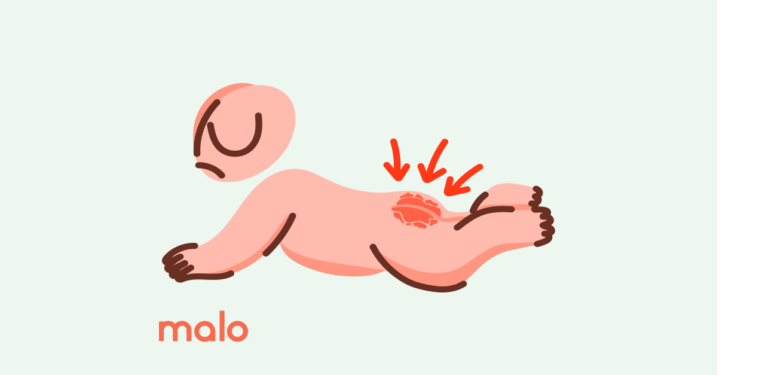
Nestled in the earliest chapters of human development, the Galant reflex—also called the truncal incurvation reflex or spinal Galant reflex—makes its grand debut around 20 weeks of gestation. Unique in its action and utility, this primitive reflex is triggered when the skin along one side of a newborn’s back, particularly nearby the lumbar region, receives a gentle stroke. Immediately, the baby’s trunk and hips flex toward the stimulus: an automatic, graceful arc that foreshadows a future of movement.

Why is this innate response there? Nature designed the Galant reflex for practical survival—assisting the baby’s rotation during birth, facilitating the passage through the birth canal, and establishing the initial connections between trunk motion and the vestibular system (the centre for balance and spatial orientation). The Galant reflex, by generating these lateral trunk sways, also lays a foundation for crawling, walking, and even effective bladder control.

Integration Timeline: When Does Galant Reflex Fade?

Those first months rush by in a cascade of rolling, stretching, and wriggling. In tandem, the Galant reflex should naturally integrate—that is, dissipate—between three and nine months after birth. As the child’s brain and nervous system mature, voluntary coordination gradually replaces automatic responses. The reflex’s disappearance signals the transition toward controlled, purposeful movements.

If, however, the Galant reflex persists well beyond this window, it may suggest neurological immaturity or integration difficulties. Subtle, perhaps—but with a ripple effect that can touch concentration, posture, sensory processing, and bladder function.

How to Identify the Galant Reflex: Home and Clinical Checks

Curiosity piqued? At home, a parent can conduct an easy, non-invasive check: gently trace one side of the child’s lower back with a soft object or finger. If you notice a sudden trunk curve or hip shift toward the touch, that’s a sign the reflex is active.

Medical professionals—pediatricians, neurologists, physiotherapists—prefer a precise approach. Holding the baby face down (ventral suspension) or allowing the infant to rest stomach-down, they stroke alongside the spine from shoulder or lumbar to buttocks. A positive response means a distinct, unilateral flexion, whereas a lack of symmetry, heightened sensitivity, or continued response after nine months may trigger further assessment.

Persistent Galant Reflex: Signs and Consequences

What happens if the Galant reflex lingers? Its echoes are rarely dramatic, often masquerading as common childhood quirks or behavioral habits:

  • Frequent fidgeting and restlessness in seated positions
  • Tendency towards hyperactivity or scattered attention
  • Persistent bedwetting (enuresis), especially after turning five
  • Discomfort with clothing around the lower back due to tactile sensitivity
  • Postural quirks: slouched sitting, pelvic tilt, or gentle scoliosis
  • Awkward gait or skipping the crawling stage altogether

How does this manifest day-to-day? Imagine a child always on the move, unable to quite settle in class, struggling with concentration or hand dominance. Or perhaps a routine school day complicated by discomfort, coordination issues, and recurring reminders about posture. Even the simplest activities—writing, running, or quiet reading—can feel unnecessarily challenging. Over time, musculoskeletal pains (especially in the lower back), pelvic imbalances, or even ongoing bedwetting can emerge, all tracing back to an unintegrated Galant reflex.

Risk Factors: Who Is More Likely Affected?

While every child develops at their own rhythm, some factors appear linked to the persistent presence of this reflex:

  • Babies born by Cesarean section (C-section), possibly due to reduced tactile feedback during birth
  • Premature infants or those with low birth weight
  • Experiences of perinatal difficulties—breathing challenges, illness, or oxygen deprivation
  • Limited opportunities for tummy time, movement, or free play
  • Delayed achievement of motor milestones such as rolling or crawling
  • Nutritional gaps, family stress, or lack of sensory stimulation in early months
  • Extended periods of illness or physical trauma

Each of these can contribute, independently or together, to a lag in reflex integration—though a child need not have all risk factors for the Galant reflex to persist.

Support and Integration: Practical Steps for Parents

The reassuring truth: most children naturally outgrow the Galant reflex. Still, parents eager to support healthy neurological growth can offer a spectrum of playful, practical activities:

  • Daily tummy time, rolling, and crawling games (the basics of trunk movement)
  • Soft back massages, exposure to varied textures, or tactile play with lights and sounds
  • “Snow angel” stretches or “starfish” arm and leg expansions on a mat
  • Slow, controlled crawling drills to encourage symmetrical use of hips and spine

In cases where extra help feels needed—whether due to effects on posture, learning, or bladder control—occupational and physical therapists may craft bespoke exercise plans. These can include rhythmic exercises, vibration or brushing protocols along the spine, and even home routines guided by mobile apps.

Professional support often yields significant changes within months. Increasingly, digital tools allow parents to track progress, explore new at-home movements, and consult experts from the comfort of their living room.

The Galant Reflex and Learning: What’s the Connection?

For some children, a persistent Galant reflex intimately affects attention, sitting still, and fine motor skills. Imagine trying to focus on reading or writing while the body involuntarily distracts—twitching or wiggling with every touch. This can result in hesitancy towards crossing the midline, organizing tasks, or maintaining a stable posture for classwork.

Researchers have started exploring clear links between persistent primitive reflexes such as the Galant reflex and learning difficulties—from ADHD indicators to reading or spatial processing challenges. Fortunately, targeted movement programs have shown promise, although the long-term science remains a work-in-progress.

Collaboration With Healthcare Teams

Medical guidance means peace of mind. Pediatricians and therapists possess the expertise to identify whether the Galant reflex has fully integrated—and, if not, what implications might exist for mobility, posture, or learning. Individualized care plans, regular reassessments, and a tandem effort between home and clinic encourage consistent development.

At home, attentive parents play an equally vital role: noting new quirks, celebrating milestones, and maintaining open dialogue with professionals as needed. The aim is progress, not perfection—healthy comfort, and vibrant growth for every child.

Differentiating: Galant Reflex vs Other Primitive Reflexes

Parenting sometimes feels like a memory game of symptoms and explanations. It’s helpful to remember that not all reflexes are built alike:

  • Galant reflex: Triggered by stroking one side of the back, leading to lateral trunk flexion—think of the gentle side-arc of a baby’s spine.
  • Asymmetrical Tonic Neck Reflex (ATNR): Caused by turning the head to one side—expect a “fencer’s pose,” with arm and leg extension on the gaze side and flexion on the opposite.
  • Moro reflex: Elicited by abrupt loss of support or sudden head movement—watch for arms flinging outward and then recoiling in a startled embrace.

Correct identification steers the process toward the most effective movements and ensures that therapy is tailored and successful.

Future Directions: Science and Innovative Tools

Recent findings have spotlighted the relationship between retained Galant reflexes and advanced concerns like ADHD, sensory processing disorders, and musculoskeletal challenges. Early intervention, especially featuring graded sensory integration, is yielding measurable results—though the field of research is actively evolving.

Interesting developments? The emergence of mobile applications, video-guided exercises, and personalized digital tracking makes staying proactive effortless. Parents, now, can access support tools that blend the expertise of seasoned therapists with the creativity of daily play.

Key Takeaways

  • The Galant reflex acts as an important bridge between primitive movement and advanced motor development in infancy—most children naturally integrate this reflex by nine months.
  • Persistence may affect posture, bladder control, concentration, and gross motor skills, but supportive exercises and professional advice can greatly improve outcomes.
  • Identifying subtle signs, offering regular sensory-rich play, and working closely with knowledgeable therapists or healthcare providers shape a nurturing path for every child’s comfort and success.
  • Thousands of parents see positive shifts with early detection and careful attention—gentle daily activities, expert advice, and digital innovations offer a modern toolkit for promoting neurological health.
  • For tailored care and up-to-date strategies for your child, try Heloa app for personalized advice and free health questionnaires designed for children.

Questions Parents Ask

Can the Galant reflex persist into adulthood?

The Galant reflex is not typically active in adults. Its presence later in life may hint at underlying neurological or developmental concerns. If such tendencies appear, especially alongside postural or coordination issues, a professional consultation can help determine the right course of action.

What if my older child still shows a strong Galant reflex?

A positive Galant reflex test beyond infancy may point toward delayed nervous system maturation, possibly linked to movement, posture, learning, or even attention challenges. Yet, this is just one part of the overall picture. Seeking clarification from a pediatrician, physiotherapist, or occupational therapist brings peace of mind and a targeted plan for moving forward.

Are there differences in the Galant reflex for premature babies?

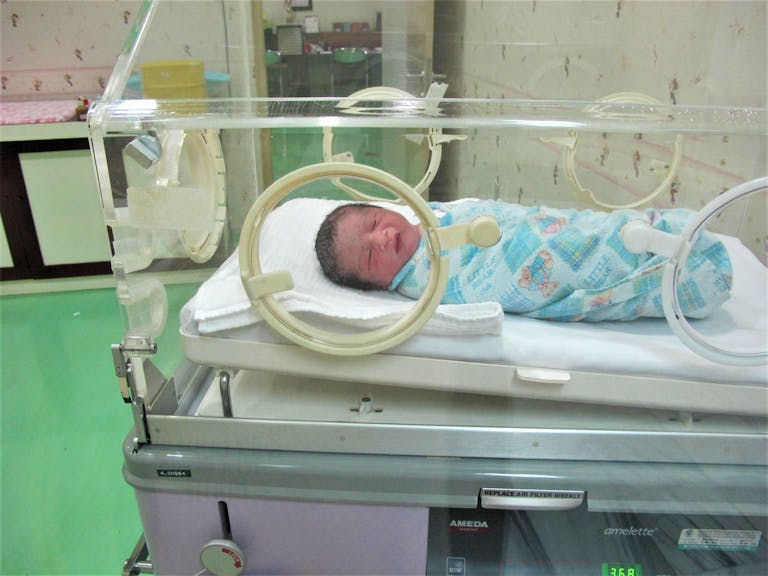
Premature babies may display variations or slight delays in reflex responses, including the Galant. Lower gestational age or birth weight, ongoing maturation, or early medical issues can influence the strength or timing. For parents of preterm infants, regular developmental follow-up with healthcare professionals is the best strategy—these children often catch up, but a tailored approach ensures the healthiest trajectory.


Similar Posts

The very first moments of a newborn’s life are a whirlwind of discovery for parents—from tiny grasping hands to that natural instinct to seek out comfort. But beneath these visible milestones, powerful neurological processes are quietly at work. The Galant reflex stands out among them, arising not just as a quirky newborn reaction, but as a key player in early development, posture, and coordination. Many parents, though attentive to growth and motor skills, find themselves perplexed when faced with labels such as primitive reflex or reflex integration. What does it really mean if this reflex persists beyond infancy? How much should families worry about its connection to movement, attention, or even bedwetting? Let’s explore the science behind the Galant reflex, its detection, and what practical steps can support your child—always respecting your family’s unique journey.

Understanding the Galant Reflex: The Science Beyond the Wriggle

The Galant reflex—sometimes referenced as the trunk incurvation reflex—emerges around the 20th week of gestation. Picture this: a gentle touch sweeping along one side of the lower back, and the tiny trunk naturally arches toward the stimulus. This isn’t simply a repetitive newborn quirk. Instead, it’s an indicator of a healthy developing nervous system—an automatic movement orchestrated by the central nervous system before conscious control exists.

Medical professionals test the Galant reflex by supporting the infant face down (ventral suspension) and lightly stroking down the spine, from shoulder to buttocks. The clinical response? A symmetrical, pronounced flexion of the trunk toward the side stroked. This reaction reflects the functioning of the vestibular system—the network of inner ear and brain structures managing balance and spatial orientation.

Interestingly, the Galant reflex also plays an active role during the journey through the birth canal, facilitating lumbar motion and rotation—a hidden choreography to herald a healthy start. As weeks turn into months, this reflex should gradually give way to voluntary, controlled movements, usually fading between three and nine months, replaced by more specific postural control mechanisms.

Why The Galant Reflex Matters: Foundations of Movement and Attention

Delve beneath the surface, and the importance of the Galant reflex reveals itself in layers. This primitive response is a cornerstone for future gross motor coordination. Pediatric researchers underscore its necessity in shaping early muscle tone, spinal flexibility, and the child’s ability to master fundamental milestones—rolling, crawling, sitting upright. The neural circuits established in this early window support motor planning and even contribute to bladder function, intricately linking the Galant reflex to sensorimotor integration.

Advances in neurodevelopmental science confirm: seamless integration of primitive reflexes like the Galant is associated with greater school readiness, focus, and adaptive behavior. When this reflex persists, however, subtle ripples can manifest—raising questions and concerns for attentive parents.

The Natural Timeline: When Should the Galant Reflex Disappear?

Curious about what’s typical? The Galant reflex should naturally fade away as the nervous system matures—usually sometime between three and nine months. By that point, a baby’s movements are becoming less automatic, increasingly coordinated, and under volitional control.

What if, as a parent, you still observe trunk arching or hip motion provoked by touch after nine months? Pediatricians and therapists often interpret persistent Galant reflexes as neurological immaturity—not a diagnosis in itself, but a useful clue. It can serve as a gentle warning sign, prompting further observation or assessment to preempt issues with reflex integration.

Spotting a Retained Galant Reflex: Signs, Symptoms, and When to Act

Vigilant parents often notice small but telling patterns. A retained Galant reflex can underpin everyday challenges—though the signs are rarely dramatic. Take a look at the most frequently reported symptoms:

  • Persistent fidgeting, difficulty staying still, especially when seated
  • Restlessness and hyperactivity
  • Unexplained bedwetting (enuresis) beyond age five, resisting conventional strategies
  • Unusual sensitivity to touch near the lower back (sometimes leading a child to squirm or avoid waistbands)
  • Subtle postural changes: mild scoliosis, pelvic rotation, or ongoing slouched posture
  • Apparent clumsiness, awkward gait, or skipped crawling phase
  • Difficulty focusing or staying attentive in classroom settings

Ask yourself: Does your child avoid wearing particular clothing? Is sitting upright a struggle? Do simple motor tasks seem unusually difficult? These observations, when combined, can help healthcare professionals shape a more comprehensive understanding.

The Medical Perspective: Assessment and Differentiation

Both at home and in clinics, practitioners rely on direct yet gentle assessment methods. For concerned families, a simple sweep of a clean hand or rounded tool along the back while the child lays flat can provide clues. Still, interpretation requires expertise.

Healthcare professionals will conduct more thorough exams: checking for asymmetrical reaction, comparing left and right movements, and screening for overlap with other primitive reflexes—like the Moro reflex or asymmetric tonic neck reflex (ATNR). Each has its own trigger and response pattern:

  • Galant reflex: Lateral trunk flexion following side-back stimulation
  • ATNR: Fencing posture when head is turned; limbs extend on the face side, flex on the opposite
  • Moro reflex: Sudden head movement triggers symmetrical arm flinging

Differentiating these is not just academic—it sets the direction for targeted therapies or at-home exercises, should they prove helpful.

Consequences of a Persistent Galant Reflex: Looking Beyond the Surface

Research in pediatric neurology draws clear connections. A non-integrated Galant reflex can make ordinary classroom experiences daunting, as children struggle to filter tactile input—each brush of a chair or waistband a potential distraction. The cascade continues: postural instability, compromised posture control, muscle imbalances, and, rarely, the onset of mild scoliosis—all have been reported in association.

A poignant area, too, lies in developmental pediatrics: ongoing studies are investigating correlations with ADHD symptoms and broader sensory processing difficulties. While not every child with a persistent Galant reflex faces such hurdles, staying attentive to early signs fosters timely intervention and prevents compounded frustration.

Root Causes and Risk Factors: Why Does the Galant Reflex Linger?

Not all babies shed these early-life reflexes at the same rate. Medical literature highlights several risk factors associated with persistent primitive reflexes, including:

  • Cesarean sections (C-section)—potentially less tactile feedback compared to vaginal birth
  • Preterm birth, low birth weight, neonatal illnesses, or low Apgar scores
  • Restriction of free movement in the neonatal period (e.g., limited tummy time)
  • Chronic illness or stressful early life environments, affecting overall neurodevelopment
  • Missed or delayed motor milestones, such as rolling or crawling
  • Nutritional deficits or prolonged hospitalization

Understanding origin points empowers families to tailor support, creating rich sensory experiences and maximizing opportunities for proprioceptive and vestibular system development.

Practical Strategies: Supporting Healthy Reflex Integration

Feeling proactive? Many interventions are both gentle and family-centered. Here’s what early intervention specialists and occupational therapists recommend:

  • Consistent tummy time from the newborn phase
  • Encouraging crawling, rolling, and supported sitting as developmentally appropriate
  • Sensory play: gentle textures, back rubs, light vibrations, and “snow angel” floor exercises
  • Introducing proprioceptive input through play—balancing, crawling tunnels, or swinging activities

If challenges persist, a pediatric physical or occupational therapist can offer customized exercise routines or sensory protocols, often yielding measurable gains over several months. Educational kinesiology and digital resources—such as interactive apps—continue to expand these supports for families, making home-based routines both engaging and evidence-based.

The Connection to Learning and Attention Challenges

One lingering question often troubles parents: Could the Galant reflex explain learning or attention difficulties? Pediatric neuropsychology research is increasingly attentive to this possibility. When a child’s brain is busy filtering uncomfortable tactile signals from the lower back, simple tasks—listening, reading, writing—may feel disproportionately difficult. Postural instability makes focusing, not to mention sitting still, a twice-daily struggle.

That said, every child travels a unique developmental path. Multiple factors shape focus and school performance—no one reflex tells the entire story. Still, identifying a retained Galant reflex opens the door to targeted support, restoring both comfort and self-confidence.

Clinical Care: Working Alongside Professionals

A partnership between parents and healthcare providers can transform concerns into actionable plans. Medical professionals—pediatricians, developmental specialists, therapists—bring nuanced assessment and help prioritize interventions. Progress is often tracked through regular follow-ups: has postural control improved? Are motor milestones falling into place?

Empowering families with knowledge, providing tools for daily observation, and ensuring access to resources make all the difference. Open communication builds trust and better outcomes—offering reassurance that, while challenges may arise, responsive care remains within reach.

Key Takeaways

  • The Galant reflex is a foundational primitive reflex supporting early posture, coordination, and vestibular system development in infants.
  • Normally, this reflex fades as voluntary motor control matures, most often between three to nine months.
  • A persistent Galant reflex can reveal itself through fidgeting, restlessness, bedwetting, postural challenges or difficulties with focus.
  • Early identification paves the way for gentle exercises, sensory play, and tailored interventions that help children build comfort and confidence.
  • No single sign or reflex defines your child’s journey: diverse influences shape development, so compassionate observation and teamwork are key.
  • Medical professionals and therapists are invaluable partners, offering assessment, support, and practical solutions.
  • Many parents find added peace of mind and guidance through digital health resources—explore the Heloa app for personalized advice, expert-backed tips, and free child health questionnaires that make it easier to support your child, step by step.

Parenthood can be a mosaic of questions and discoveries—each child writing a story all their own. With patience, evidence-based support, and trusted collaborators, the path to healthy development is one every family can nurture.

Questions Parents Ask

Can the Galant reflex be present in adults?

Although the Galant reflex is a normal part of infant development, it is not typically found in adults. If this reflex persists beyond early childhood, especially into adulthood, it may signal an underlying neurological issue or a developmental concern. In such cases, it is important to consult with a healthcare professional for a thorough assessment. Remember, each situation is unique and many factors can influence neurological reflexes across the lifespan.

What does a positive Galant reflex test indicate in an older child?

When a Galant reflex remains present in an older child, it can sometimes point to a delay in the integration of primitive reflexes. This situation may be associated with challenges in posture, movement coordination, or sensory processing. It’s important to consider this as one piece of a broader developmental picture. If there are concerns, reaching out to a specialist can help to clarify the next steps and provide reassurance.

Is the Galant reflex different in preterm infants?

Preterm infants might show variations in primitive reflexes, including the Galant reflex. Their responses might be less distinct or slightly delayed due to ongoing neurological maturation. This is common and, most often, preterm babies gradually catch up as they grow. Regular follow-ups with healthcare providers help to monitor their development and provide the support needed for each family’s particular circumstances.

Similar Posts