By Heloa | 19 June 2025

Gestational diabetes: causes, risks, symptoms, management, and everyday guidance

6 minutes
de lecture
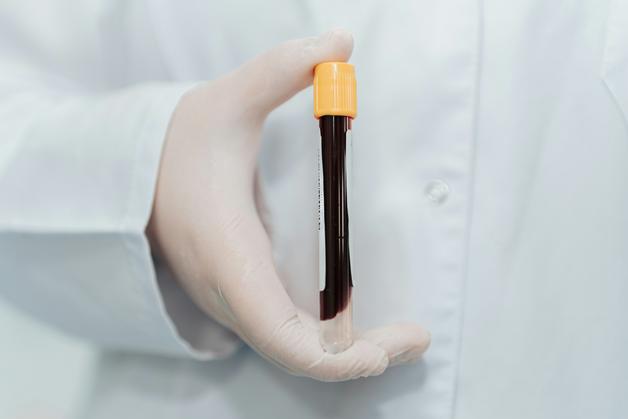
Échantillons de tests urinaires pour détecter la glycosurie grossesse et évaluer la santé maternelle.

By Heloa | 19 June 2025

Gestational diabetes: causes, risks, symptoms, management, and everyday guidance

6 minutes
Échantillons de tests urinaires pour détecter la glycosurie grossesse et évaluer la santé maternelle.

Par Heloa, le 19 June 2025

Gestational diabetes: causes, risks, symptoms, management, and everyday guidance

6 minutes
de lecture
Échantillons de tests urinaires pour détecter la glycosurie grossesse et évaluer la santé maternelle.

Pregnancy—a time glowing with anticipation, peppered sometimes with just as much apprehension. Among the many questions that ripple through parents’ minds, gestational diabetes carves its own space: Will it disrupt the joyful experience? What does it mean for your child, for your own health now and later? Facing this diagnosis or even just a risk can stir up a unique blend of anxiety, confusion, and urgency. But take a breath. Let’s untangle the science, the risks, and the support available, so you can step forward with calm, confident steps. From what sets gestational diabetes apart from other forms, to the rhythms of daily care—even the intricate details of blood sugar monitoring and dietary choices—every aspect will be addressed with factual clarity and empathy.

Understanding Gestational Diabetes and Glycosuria in Pregnancy

Imagine the body as a finely tuned symphony, each hormone contributing its note. Yet, pregnancy introduces entirely new instruments—placental lactogen, progesterone, oestrogen, and cortisol—each tweaking how you process sugar. With these changes, your body becomes more “insulin resistant.” The pancreas, ever the diligent conductor, tries to ramp up insulin production to maintain harmony, but sometimes, the effort falls a little short, and suddenly, glucose levels begin to rise. That’s the core of gestational diabetes.

Yet, a curious phenomenon: as the kidneys become a bit less effective at keeping glucose in the bloodstream, some sugar sneaks into the urine—this is what healthcare professionals call glycosuria. An occasional finding? Often simply physiological, no cause for alarm. But persistent sugar in the urine, especially if it appears alongside high blood glucose, sends a clear signal—further testing and careful follow-up are needed, as this could be an early sign of gestational diabetes.

Causes and Risk Factors for Gestational Diabetes

Why does gestational diabetes happen? The answer is multi-layered, like a well-spiced curry. Beyond the hormonal surges sits a landscape of personal and family traits:


  • Maternal age over 25 years: Risk gradually increases with age.
  • Overweight or obesity: More fat tissue equals more insulin resistance.
  • Family history of diabetes: Genetics sometimes whispers loud.
  • Ethnic background: South Asian descent, among others, faces a higher predisposition.
  • Personal history: Previous pregnancies with gestational diabetes or multiple occasions of glycosuria make recurrence more likely.
  • Polycystic ovary syndrome (PCOS): This metabolic condition raises baseline risk.

Tallying up risk factors isn’t meant to worry—it empowers you and your healthcare team to plan early screening and proactive support, rather than rushing at the last moment.

Recognising Symptoms and the Importance of Routine Checks

Perhaps the most confounding aspect: gestational diabetes often lurks quietly. No dramatic symptoms, no glaring warning signs. Occasionally, thirst, frequent urination, vague fatigue, or slightly blurred vision may emerge, but these shadow ordinary pregnancy effects. Relying only on symptoms? Not advisable.

Instead, routine—almost ritualistic—screenings become the parents’ best ally. Urine dipsticks during prenatal check-ups often detect sugar in urine; more of a red flag than a diagnosis. If persistent glycosuria or other risk features appear, blood glucose tests step into focus. It’s a stepwise approach, designed for catch and confirmation, not panic.

Screening and Diagnosis: Methods for Clarity

Timing matters. Typical screening for gestational diabetes occurs between the 24th and 28th week, but those with risk factors might begin even earlier. What does the pathway look like?

  • Step 1: Urine glucose test: A quick test, generally over within seconds. If values soar beyond 15 mg/dL (0.15 g/L), especially more than once, it nudges the care team to probe deeper.
  • Step 2: Blood glucose checks and Oral Glucose Tolerance Test (OGTT):
    • Fasting blood sugar offers a baseline; a value of ≥92 mg/dL merits attention.
    • For further clarity, the OGTT is administered—a measured challenge for the body’s sugar-regulating machinery. After a sugar solution, blood is tested at fasting, 1 hour, and 2 hours: if any results cross the diagnostic thresholds (92 mg/dL fasting, 180 mg/dL at 1 hour, 153 mg/dL at 2 hours), gestational diabetes is diagnosed.
    • Some situations call for a 100g, two-step test, though protocols vary.

This blend of urine and blood assessments is what distinguishes passing, harmless glycosuria from genuine, attention-requiring gestational diabetes.

Impact on Mother and Baby: Short- and Long-Term Effects

The canvas of gestational diabetes stretches wide, touching both parents and babies—sometimes in subtle brushstrokes, sometimes in bolder hues.

Risks for Mothers:

  • Short-term: Elevated chance of pregnancy-induced hypertension, preeclampsia, need for caesarean section, and infections.
  • Long-term: The shadow of type 2 diabetes looms, along with the possibility of metabolic problems in later years.

Risks for the Baby:

  • Macrosomia: Babies grow larger than usual, heightening the risk of tough deliveries or shoulder dystocia.
  • Neonatal complications: Preterm birth, respiratory distress, and even neonatal hypoglycemia (dangerously low blood sugar soon after birth).
  • Long-term: Exposure in the womb to high glucose can make children more likely to face weight issues, glucose intolerance, or metabolic challenges later in life.

But here’s the uplifting truth: With careful monitoring, regular checkups, and lifestyle tweaks, most of these potential troubles can be far lessened—sometimes avoided entirely.

Managing Gestational Diabetes: Strategies for Parents

Daily life need not be turned upside down. Here’s what science and experience recommend:

1. Diet and Nutrition

  • Picture the plate: array of vegetables, pulses, whole grains (brown rice, chapati with whole wheat), fresh fruits in moderation, and proteins like fish or paneer.
  • Smaller, regular meals help to flatten out blood sugar peaks and valleys.
  • Curb the temptation of refined sugars, pastries, and highly processed foods.
  • Hydration? Simple—water, sipped throughout the day.

2. Physical Activity

  • Gentle movement is a reliable ally. Walking, swimming, or prenatal yoga—thrice a week, 30 minutes if possible—each session nudges glucose levels in the right direction.

3. Blood Glucose Monitoring

  • A small, manageable ritual at home. The glucometer offers feedback, both building confidence and providing your care team with valuable insight.

4. Medication

  • When food and movement aren’t enough, prescribed insulin (and rarely, oral medications) can be added—carefully tailored, and proven safe for mother and baby.

5. Personalised Teamwork

  • Collaboration is everything. Obstetricians, midwives, dieticians, endocrinologists—they come together to build a support network, tuning care to unique situations.

6. Monitoring the Baby

  • Regular scans, check-ups, sometimes extra fetal monitoring—each point of contact adds a level of reassurance.

Preventing Gestational Diabetes and Its Consequences

Preparation begins long before delivery day.

Before and during pregnancy:

  • Manage weight with balanced eating and regular physical activity.
  • Choose fibre-rich options (dal, legumes, millets); minimize processed sugar and saturated fats.
  • Assess risk early with your medical team—especially previous gestational diabetes, family tendency, or PCOS.

During pregnancy:

  • Consistent antenatal follow-up sharpens early detection. Multiple gestations or early signs prompt tailored surveillance.

Every prompt, positive adjustment—however small—builds a safer path for parent and child alike.

Life After Pregnancy: Staying Healthy for Years Ahead

Gestational diabetes rarely lingers after birth, but its imprint can keep you vigilant.

  • Postpartum screening: Routine OGTT or fasting glucose sampling around 4–12 weeks after delivery, then at regular intervals.
  • Breastfeeding: More than nourishment for baby. It nudges maternal blood sugar toward stability and helps shed pregnancy weight.
  • Lifestyle choices: Healthy eating and moderate physical activity reduce the future risk of type 2 diabetes—for parent and child both.

Good habits started now can ripple forward, shaping a lifetime of better health outcomes.

Coping Emotionally: Finding Balance and Support

Gestational diabetes can spark a swirl of emotions—uncertainty, frustration, maybe even doubt. What helps?

  • Take a brief pause to process feelings (there is no scorecard or timeline for adjustment).
  • Reach towards support systems—family, friends, and even supportive online communities.
  • Bring doubts, fears, or questions to your healthcare team, no matter how small or frequent.
  • Simple, repeatable strategies help with stress: gentle breathing exercises, short walks, time with comforting music.
  • Above all: small, steady changes matter vastly more than sweeping, overnight transformations.

If a cloud of worry lingers, sharing your concerns with your medical team could reveal gentle ways forward.

Recent Evidence and Innovations

Research into gestational diabetes moves quickly: emerging markers in blood, refined risk prediction based on genetics, increasing use of continuous glucose monitoring (CGM) for real-time management. Oral medications such as metformin aren’t just discussed, but increasingly scrutinised for both safety and efficacy.

Some of the standout trends?

  • Universal OGTT screening at 24–28 weeks
  • Bespoke care (personalising choices based on maternal and fetal need)
  • A digital edge: telemedicine, remote consultations, and easy access to guidance
  • Fresh focus on long-term outcomes, ensuring both parent and child stay healthy beyond pregnancy

Consensus is growing—earlier diagnosis and personal follow-up matter, and ongoing innovation is making tools and care more effective, accessible, and tailored.

Key Takeaways

  • Not every instance of glycosuria during pregnancy signals diabetes, yet ongoing findings deserve attentive follow-up.
  • Gestational diabetes often shows no early symptoms. Only screening helps in timely detection and safer outcomes.
  • Healthy habits—eating, activity, and stress management—aren’t just recommended; they’re truly transformative.
  • Expert guidance blends teams together, giving each parent the confidence and autonomy needed to thrive during pregnancy.
  • Professional resources and multidisciplinary medical support are widespread. For added support, try the Heloa app—helpful for tailored advice, plus free health questionnaires for your child.

Questions Parents Ask

Can gestational diabetes go away after pregnancy?

For most parents, gestational diabetes does resolve after childbirth as pregnancy hormones that caused high blood sugar reduce naturally. Yet, a period of close blood sugar monitoring just after delivery is still recommended, since some might continue to face higher risk of diabetes later in life. Conversations with your medical team about regular checkups and preventive steps remain important for future wellbeing.

What foods should I avoid with gestational diabetes?

Limiting foods with high amounts of simple sugars is advised—think aerated drinks, sweets, bakery items, white rice, refined flour. Instead, picking whole grains, fresh seasonal fruits in moderation, pulses, and lean proteins can help in balancing blood sugar throughout the day. Tiny changes, like including more salad or swapping white bread for roti, can make a meaningful difference.

Is it possible to have a healthy baby with gestational diabetes?

Yes, with thorough monitoring, smart food choices, and medical support, most parents deliver healthy babies even when gestational diabetes becomes a part of the pregnancy journey. Early identification, ongoing care, and a care plan adjusted to your needs can pave the way for a safe, positive outcome. Each journey is unique, so keeping open communication with your care providers will help you make well-informed choices.

Further reading:

Similar Posts

Pregnancy promises transformation, anticipation, and—at times—waves of uncertainty. The mere mention of gestational diabetes can evoke an entire spectrum of emotions. Is it common? What does it really mean for both parent and child? Can it be prevented or reversed with effort and support? While headlines may swirl with numbers and risks, everyday realities are less often discussed. Many parents find themselves wondering about silent symptoms, nutritional pitfalls, blood sugar mysteries, and what the future might hold for their growing family. Here, step by step, evidence meets empathy. Discover how the science of gestational diabetes unfolds, how different bodies react, and why tailored advice matters for every household.

Understanding Gestational Diabetes: Layers Behind the Diagnosis

What sparks gestational diabetes in the first place? At its core, pregnancy transforms the body’s glucose management system. Placental hormones such as estrogen, progesterone, human placental lactogen, and cortisol trigger a gradual increase in insulin resistance—the body’s diminished ability to utilize insulin efficiently. Ideally, the pancreas compensates by releasing more insulin, but not everyone’s system adapts seamlessly. When compensation falls short, blood sugar climbs.

Interestingly, the kidneys behave differently during pregnancy. They may allow extra sugar to spill into urine—even when blood sugar levels seem reasonable—resulting in pregnancy glycosuria. For many, this is a harmless byproduct of pregnancy’s metabolic puzzle. Yet, persistent or substantial glycosuria, particularly in combination with elevated glucose readings, shines a spotlight on the need for extra screening.

Causes and Risk Factors: Who Is Most Affected?

Not every journey through pregnancy is mapped the same way. Several factors shape the risk profile for gestational diabetes:

  • Maternal age over 25 brings a slight uptick in likelihood.
  • Obesity intensifies insulin resistance and therefore raises susceptibility.
  • Family history of type 2 diabetes may set a genetic stage.
  • Ethnic background paints a complex picture: women of Hispanic, African American, South Asian, Middle Eastern, and Native American descent experience elevated risk.
  • Polycystic ovary syndrome (PCOS) hints at underlying insulin resistance even before conception.
  • Previous episodes—either of gestational diabetes or significant pregnancy glycosuria—reveal a predisposition.

Rather than provoking anxiety, identifying these risk factors paves the way for targeted action. Early recognition, more personalized screening, and proactive management often follow once these variables are acknowledged.

Symptoms and Routine Checks: Seeing Beyond the Surface

Curiously, gestational diabetes hides behind a veil of silence in many pregnancies. Obvious warning signs—excessive thirst, frequent urination, fatigue, or blurred vision—can easily masquerade as regular symptoms of pregnancy itself. Very often, nothing feels amiss.

Here is where science and routine collide. The dipstick urine test, frequently performed at prenatal appointments, can indicate the presence of urinary glucose. While a reading above 15 mg/dL may seem significant, it often reflects brief dietary changes or natural flux. Persistent glycosuria, especially matched with risk factors, pushes healthcare teams to request fasting blood sugar tests for clarity and safety. Early detection is never about blame but about shining a timely light on a mostly silent condition.

Screening and Diagnosis: Practical Protocols and Numbers That Matter

Gestational diabetes is usually evaluated between 24 and 28 weeks of pregnancy, earlier still if history or risk factors call for it. Screening rarely stops after a single checkpoint.

  1. Urine glucose test (dipstick): This quick test forms the starting line. Transient results aren’t always meaningful, but repeated findings prompt a second look.
  2. Fasting blood glucose: If results remain abnormal, a fasting value is the next yardstick. Measured after several hours without food, it gives a snapshot of the body’s baseline glucose handling.
  3. Oral Glucose Tolerance Test (OGTT): Widely considered the gold standard. It involves drinking a measured glucose solution (typically 75g), then measuring blood sugar at fasting, 1 hour, and 2 hours afterward. Diagnostic benchmarks:
    • Fasting: ≥92 mg/dL
    • 1 hour after ingestion: ≥180 mg/dL
    • 2 hours after ingestion: ≥153 mg/dL

Crossing any of these thresholds leads to a diagnosis of gestational diabetes. Some healthcare settings adopt a two-step approach with a 100g glucose load, requiring multiple thresholds to be surpassed for confirmation.

Combining these results helps distinguish between benign glycosuria (a harmless quirk of pregnancy) and genuine gestational diabetes requiring sustained attention.

How Gestational Diabetes Affects Mother and Baby

Unmanaged gestational diabetes (or ongoing pregnancy glycosuria) can ripple out, touching not just the pregnancy but long-term family health.

For mothers, risks include:

  • Pregnancy-induced hypertension and preeclampsia: Conditions that raise blood pressure and can have cascading effects.
  • Preterm labor and infections: Mother and baby may both require extra support if these occur.
  • Higher likelihood of cesarean delivery.
  • Beyond pregnancy, an increased chance of developing type 2 diabetes or facing another episode of gestational diabetes in future pregnancies.

For babies, potential impacts include:

  • Macrosomia: Extra glucose fuels additional growth, sometimes leading to a larger baby (and more challenging delivery scenarios).
  • Neonatal hypoglycemia: Babies accustomed to high sugar in the womb sometimes produce extra insulin after birth, leading to drops in their own blood sugar.
  • Early delivery: A higher risk of respiratory distress or need for neonatal care.
  • A lasting predisposition toward childhood obesity and altered glucose metabolism.

With vigilant supervision, thoughtful lifestyle adaptations, and dedicated healthcare guidance, the vast majority of these risks can be managed or even bypassed.

Day-to-Day Management: Science Meets Practical Advice

Adapting to a diagnosis of gestational diabetes is less about restriction and more about transformation—a different daily tempo, built on balance and self-awareness.

Diet and Nutrition

  • Focus on carbohydrate counting and distribute carbs evenly across meals and snacks.
  • Load your plate with vegetables, complex carbohydrates like brown rice and lentils, and lean protein sources (chicken, fish, beans).
  • Seize the power of fiber-rich foods to curb glucose spikes and preserve satiety.
  • Minimize high-sugar snacks and sweetened beverages.
  • Water—not juice or soda—should be the default companion at meals and between them.

Physical Activity

Movement becomes an ally. Simple activities such as walking, gentle swimming, or prenatal yoga promote blood sugar stability and emotional well-being. The goal: 30 minutes, three to five times weekly, adjusting for comfort and medical clearance.

Blood Sugar Monitoring

Empowerment frequently arrives one data point at a time. Using a glucometer, many parents-to-be measure their own blood sugar each day, observing patterns, connecting numbers to foods and feelings, and reporting those findings to their provider.

Medication

Sometimes, the body requests a little extra help. When lifestyle adjustments prove insufficient, insulin or certain oral medications may be introduced. Both have been evaluated for safety during pregnancy by endocrinologists and obstetricians, and are prescribed with vigilant dose monitoring.

Personalized Support

Every pregnancy is a singular event. Some individuals may need only routine advice, while others will benefit from collaborating closely with specialists—dietitians, endocrinologists, and midwives combine expertise to shape a treatment plan as unique as each expectant parent.

Maternal and Fetal Tracking

Beyond routine checkups, some providers schedule more frequent ultrasounds or fetal heart monitoring to track growth and well-being. These checkpoints ensure that both parent and baby benefit from consistent, adaptive care.

Prevention and Early Intervention: Hope on the Horizon

Wondering if anything can be done to avoid gestational diabetes before it starts? Research suggests that a few proactive steps may tip the balance:

  • Prioritize a balanced diet rich in whole foods, omega-3s, and low in added sugars, even before pregnancy.
  • Maintain a healthy weight through nutrition and routine motion.
  • Target risk assessment early—factors like age, family history, prior gestational diabetes, or glycosuria can prompt earlier, more vigilant screening.
  • During pregnancy, attend all scheduled prenatal appointments and ask questions about any unusual test results or recommendations.

Small, consistent habits established early can lay groundwork for a smoother pregnancy and postpartum experience.

Life After Delivery: Postpartum and Long-Term Perspectives

Most women with gestational diabetes see their blood sugar return to normal soon after childbirth. Yet, the biological imprint lingers, increasing chances for type 2 diabetes in years to come.

  • Postpartum screening is recommended, typically using a glucose tolerance test at 4–12 weeks following delivery, then at regular intervals.
  • Breastfeeding has demonstrated advantages for both mother and baby, lowering risk of later-life diabetes and supporting postpartum recovery.
  • Embracing a lifestyle centered on balanced eating, enjoyable movement, and regular medical checks benefits not only the parent but also fosters strong early habits for the child.

Cultivating a family environment that supports nutritious foods and activity—right from infancy—lays invisible groundwork for decades of resilience.

Emotional Well-being and Everyday Coping

Reaching a diagnosis of gestational diabetes or persistent pregnancy glycosuria can trigger a cascade of feelings: confusion, concern, even guilt or frustration. Adjusting daily habits may sometimes feel daunting and disruptive.

  • Allow yourself space to process shifting emotions. This transformation touches more than just physiology—it reaches relationships and routines.
  • Gather support where it’s offered—family, friends, or dedicated parent groups often provide solace and motivation through shared experiences and practical tips.
  • Engage with your medical team. Bring your questions, your uncertainties, and your hopes. No query is unwelcome.
  • Consider stress reduction strategies: deep breathing, mindfulness, or calm walks. Even brief pauses can replenish mental reserves on turbulent days.
  • Keep in mind: sustainable changes, made consistently, matter more than striving for perfection. Each family’s path will differ.

Should anxiety or persistent low mood disrupt daily life, healthcare teams can recommend tailored resources and—if needed—professional counseling.

Recent Research and Innovations Shaping the Future

The scientific story of gestational diabetes continues to evolve at a remarkable pace. Researchers highlight advances in biomarkers, early genetic risk assessments, and the expanding use of continuous glucose monitoring (CGM), which offers real-time feedback for optimizing daily choices.

Current trends also favor:

  • Universal screening between 24 and 28 weeks using standardized protocols
  • Individualization of treatment plans to better fit cultural, social, and physiological differences
  • Digital platforms and telehealth, opening doors for remote support and education
  • A growing focus on reducing inequalities in care and outcomes worldwide

These scientific advances translate into daily empowerment and more equitable care for all expectant parents.

Key Takeaways

  • Gestational diabetes is surprisingly common yet often silent. Persistent glycosuria, especially if tied to high blood sugar, deserves follow-up to ensure the safety and health of both parent and baby.
  • Effective lifestyle modifications—nutrition, movement, and attentive monitoring—form the bedrock of both prevention and management.
  • Medical supervision and modern tools, like self-monitoring and digital platforms, offer reassurance and practical support every step of the way.
  • Emotional adaptation is as important as physiological change; reach for the support systems that suit your family.
  • For ongoing guidance and child health questionnaires, families can download the Heloa app for personalized advice and free resources, ensuring every question finds timely, science-backed answers.

Questions Parents Ask

Can gestational diabetes go away after pregnancy?

For most parents, gestational diabetes resolves naturally after giving birth. This happens as pregnancy hormones, which contribute to insulin resistance, decrease. However, it remains important to monitor blood sugar in the weeks following delivery, car some people may develop type 2 diabetes later on. Don’t hesitate to discuss follow-up testing and future risk reduction strategies with your healthcare team — you deserve ongoing support and reassurance.

What foods should I avoid with gestational diabetes?

Managing gestational diabetes involves paying close attention to meals and snacks. You may want to limit foods that are high in refined sugars and simple carbohydrates—such as sweetened drinks, pastries, white bread, and processed cereals—since they can cause blood sugar spikes. Prioritizing a balance of whole grains, fruits, vegetables, lean protein, and healthy fats can help stabilize daily glucose levels. Rassurez-vous, il ne s’agit pas d’interdire tous les plaisirs, mais d’adapter ses choix alimentaires pour protéger sa santé et celle de bébé.

Is it possible to have a healthy baby with gestational diabetes?

Absolutely. With attentive monitoring, balanced nutrition, gentle movement, and the guidance of your care team, the vast majority of parents experience healthy pregnancies and welcome healthy babies, even with gestational diabetes. Early detection and a personalized care plan make a real difference. N’hésitez pas à poser toutes vos questions en consultation — chaque grossesse est unique et vous n’êtes jamais seul face à ces défis.

glycosurie grossesse yunus tug KMycj8VK77E unsplash

Further reading:

Similar Posts