By Heloa | 23 April 2025

Sick baby: symptoms, care, and when to seek help

7 minutes
de lecture
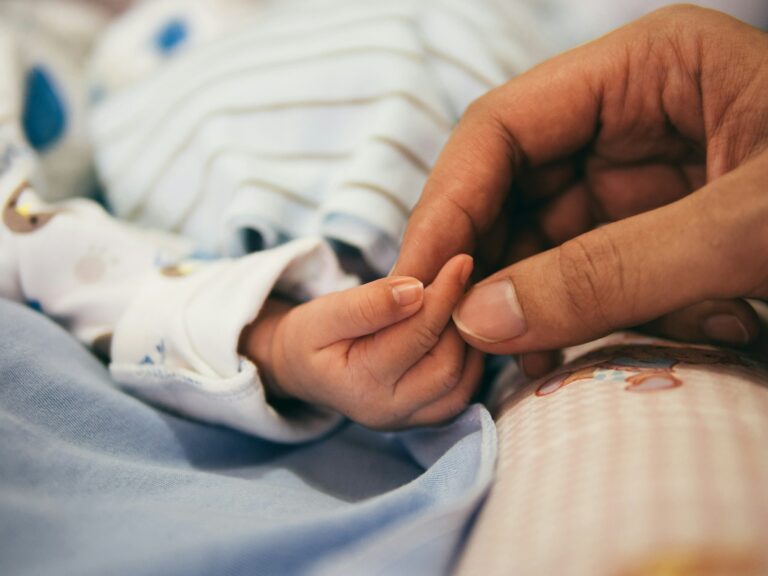
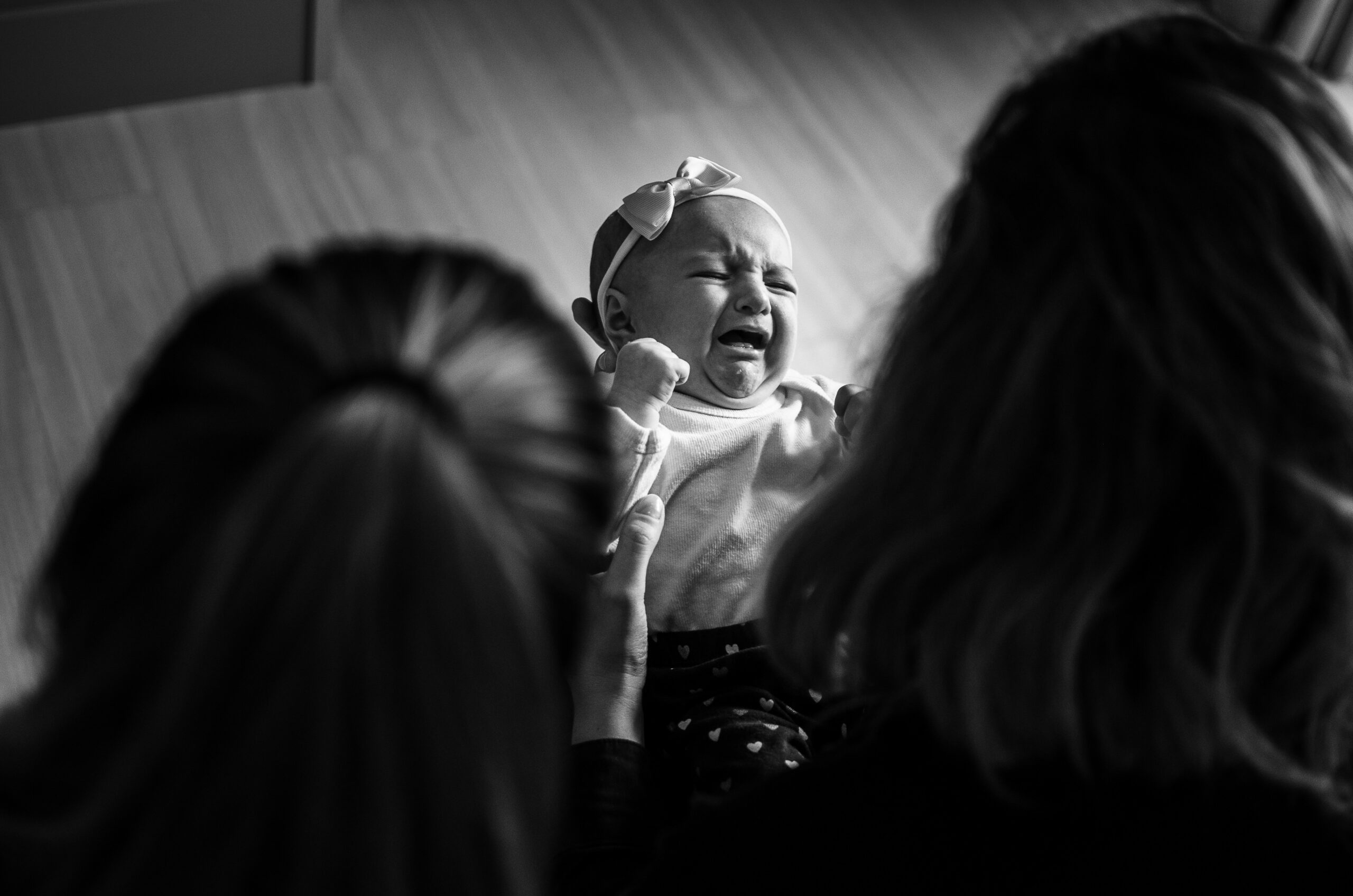
Bébé malade pleurant dans les bras de ses parents, montrant une détresse visible.

By Heloa | 23 April 2025

Sick baby: symptoms, care, and when to seek help

7 minutes
Bébé malade pleurant dans les bras de ses parents, montrant une détresse visible.

Par Heloa, le 23 April 2025

Sick baby: symptoms, care, and when to seek help

7 minutes
de lecture
Bébé malade pleurant dans les bras de ses parents, montrant une détresse visible.

Worrying about a sick baby is almost a rite of passage for parents, isn’t it? One minute, your little one is cooing contently; the next, there’s a sudden spike in temperature, a frown replacing the giggles, and every instinct cries out for reassurance and answers. Why is she refusing her bottle? Did those relentless sneezes signal just a change in weather or something more daunting? As parents, you face this whirlwind of questions—sometimes in the middle of the night, under the soft light of a nursery lamp. The smallest changes—a sluggish yawn, a rash traced along the skin, a moist cough—can unleash worry. Here, let’s untangle the warning signals, share practical relief strategies, highlight medical red flags, and help you feel both informed and prepared when facing a sick baby.

Identifying Symptoms: What Should Raise an Eyebrow?

Fever: The First Clue, or a Misstep?

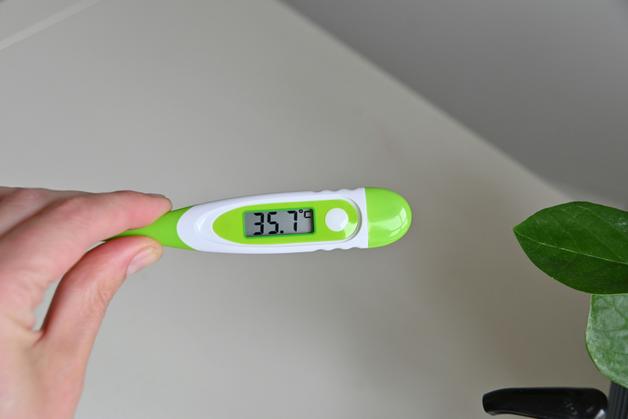
Among all ambiguous alarms, fever remains the most familiar—and yet, easily misunderstood—symptom of a sick baby. The thermometer flashes 100.4°F (38°C) and you wonder, “How serious is this?” Especially in babies under three months, fever is never a casual matter. Over 104°F (40°C)? It’s time for a medical check—not later, not tomorrow. But fever doesn’t work alone. Pair it with persistent crying, deeply set fatigue, or a baby who’s hard to comfort, and you get a picture that suggests your little one might need professional care. What else could this rise in temperature mean? Sometimes, it’s an immune system’s natural defense, but it may also hide more significant infections peeking beneath the surface.

Shifts in Behaviour: When Playfulness Fades

Babies, even very tiny ones, have their own unique rhythms. Suddenly sluggish, struggling to wake for feeds, or simply staring blankly at the world? These are classic signs that a sick baby might be experiencing lethargy—a profound lack of energy that can follow even minor illnesses. On the other end of the spectrum, relentless irritability (crying that refuses to calm, little fists clenching, squirming away from cuddles) might reflect discomfort, pain, or fever. If loss of appetite and trouble with feeding tags alongside these mood changes, stay vigilant.

Tracking Dehydration: More Than Counting Diapers

A sick baby can become dehydrated with lightning speed. What are the signs? Fewer wet diapers than usual, crying without tears, a tongue or lips that look dry, and skin that seems dull rather than bouncy. Dehydration isn’t just about missing a feed—it’s about fluid loss overtaking intake, especially when vomiting or diarrhea joins the picture. At the earliest hints, offer breast milk, formula, or, if directed, an oral rehydration solution. Remember—just a few hours can make a difference in tiny bodies.

Breathing: The Clearest Red Flag

Some signals need no translation. Is your child’s breathing suddenly labored—nostrils flaring, ribs clearly visible with every breath, or the skin around the lips taking on a bluish hue? These are urgent signs. Breathing difficulties in a sick baby must never be taken lightly. Other danger signs include repeated vomiting (not just a spit-up, but green, yellow, or blood-tinged fluids), a bulging fontanel (the soft spot feels unusually firm), seizures, or rashes that do not fade when pressed. If you notice these, seek medical attention immediately.

Gastrointestinal Clues: Vomiting, Diarrhea, and More

Not all tummy troubles are equal. Vomiting every now and then is common in babies, but repeated, forceful vomiting—especially if green, yellow, or tinged with blood—is alarming. The same holds for persistent diarrhea, which can sneakily chip away at hydration levels until the child is dangerously low on fluids. Keep track of stool count and texture, and seek medical advice sooner rather than later for any worrying pattern.

Causes: Unravelling the Mystery Behind a Sick Baby

Viruses: The Everyday Culprit

The word ‘infection’ can sound foreboding, but for most sick babies, viral infections—like the common cold, bronchiolitis, or gastroenteritis—rule the roster. They often tiptoe in, with a mild cough, increasing fussiness, or simply a poor appetite. Symptoms can build quietly before you realize your child is truly unwell.

Bacterial Threats: Less Common, More Intense

Sometimes, a sick baby deals with bacterial foes—think ear infection, urinary tract infection, or even conjunctivitis. These conditions generally need antibiotics. On rare occasions, severe infections such as meningitis or neonatal sepsis may surface—these are true emergencies. Wondering if a rash could be a sign? Some rashes are benign (like atopic eczema), while others, especially those that do not blanch when pressed, could flag a medical emergency. Contentious? Yes, because not all rashes are equal—but caution trumps guesswork.

Environmental and Individual Factors

A sick baby’s susceptibility can depend on many outside influences. Household smoke, urban pollution, or even crowded daycare centres add to illness risk. Babies born premature, or those with ongoing health conditions, deserve double attention—illness may be more frequent, or more severe, underscoring the need for routine pediatric visits and tight hygiene.

Teething: A Convenient Scapegoat, But Not Always the Cause

While teething brings drooling and might make your baby restless, persistent high fever or loose stools should always be investigated and not casually dismissed as “just teething.”

Caring for a Sick Baby: Practical Strategies for Comfort and Safety

What can you realistically do at home? Start with hydration—offer frequent, small feeds of breast milk or formula. For a stuffy nose, saline drops and a gentle bulb syringe work wonders. Try humidifying the room air (especially if your baby is coughing) or take a few calm minutes with your baby in a warm, steamy bathroom. Avoid over-the-counter medicines or traditional remedies unless a doctor confirms their safety.

Physical comfort is powerful—gentle rocking, soft lullabies, dim lighting, and short periods of skin-to-skin reassurance. Do not use honey before the age of one year, and always place your baby on their back to sleep, in a well-ventilated crib or cot. Keep the environment calm and safe—no soft toys or pillows nearby.

Feeling uncertain? Keep a daily log: temperature, number of feeds, wet nappies, and any changes in behaviour. This record will help your doctor make informed decisions.

Prevention: Small Steps, Big Impact

How to stop a sick baby episode before it starts? Handwashing—plain soap and water, at least 20 seconds. Disinfect toys, bottles, dummies, and surfaces, especially after playdates or visitors. Breastfeeding offers immune-boosting protection, so continue as long as possible. Avoid crowded, poorly ventilated spaces, and kindly ask anyone who’s unwell to keep visits for another day.

For daycare attendance, prioritise centres with sensible group sizes and visible attention to cleanliness and hygiene.

When to Seek Medical Attention: Trusting Your Instincts

Some situations demand immediate action—difficulty breathing, seizures, persistent vomiting, a limp or unresponsive baby, or a rash that won’t fade when pressed. Babies under two months with fever, or any sick baby who is drowsy and hard to wake, needs urgent medical evaluation. For persistent worry, ongoing fever, repeated vomiting, a refusal to eat for more than six hours, or rapidly worsening symptoms, contact your doctor directly.

Prepare for the visit—note all symptoms, bring photos of rashes, and clips of any strange movements. These little details can guide medical decisions.

Special Circumstances: What if My Baby Is Vulnerable?

A premature baby, or one with known health problems, is more susceptible. Practice strict hand hygiene, sanitize all surfaces, and limit exposure, especially during flu season. Be alert for early signs: fever, feeding troubles, breathing changes. Don’t wait—arrange a consultation at the first red flag.

Supporting Parents: Practical, Emotional Guidance

Caring for a sick baby isn’t just physically tiring—it can test your emotional reserves. Trust your observations; you’re the most attentive caregiver your baby could wish for. Divide care between family members when possible, snatch moments of rest, and plan in advance—keeping emergency numbers on your phone, learning basic first aid. If stress or worry becomes overwhelming, reach out to your healthcare provider, or connect with parent support groups. Every question you have is worth asking—a proactive parent is a well-equipped one.

Key Takeaways

  • Watch your sick baby closely—every symptom tells a story and deserves thoughtful attention.
  • Hydration and gentle comfort form the core of home care.
  • If a symptom feels unusual, or if you’re ever in doubt, ring your doctor straight away.
  • Some situations—difficulty breathing, persistent fever, unresponsive behaviour—demand immediate action.
  • There’s no substitute for a parent’s vigilance: trust your knowledge of your child.
  • For more tailored support and free health checklists, explore Heloa app to access trusted advice and health tools for your family.

Questions Parents Ask

Can teething make my baby sick?

It’s easy to wonder if those new teeth are to blame when your sick baby seems unsettled. Teething can bring drooling, gumming, and some moodiness, but severe symptoms—like high fever or persistent diarrhea—should be checked by your doctor. Sometimes, teething coincides with an infection, so it is vital not to overlook new or intense symptoms.

How can I know if my baby’s illness is catching?

When a sick baby has a cough, runny nose, or diarrhea, infections are often contagious. Think about pausing visits with newborns or elderly relatives, and prioritise handwashing for everyone in the house. Unsure? Ask your pediatrician about keeping interactions safe until your child recovers.

What should I do if my baby won’t eat when sick?

Loss of appetite is common in a sick baby. Try little, frequent feeds, stay patient, and prioritise fluids—sometimes, hydration truly takes precedence over food in the early days of sickness. If you note signs of dehydration—fewer wet nappies, a dry mouth, persistent vomiting—do not wait; seek medical input.

Is my baby’s sickness serious or can I manage at home?

The puzzle can be confusing—some symptoms settle with gentle care, while others signal a need for professional input. Danger signs include breathing trouble, seizures, persistent high fever, and lethargy. For things that worry you—even if they seem minor—it’s always better to check with your healthcare provider.

When should I worry about a rash?

A rash with a sick baby isn’t always dangerous, but if it does not vanish when pressed (use the glass test: the rash remains visible under a see-through object), appears alongside fever or is accompanied by irritability or lethargy, prompt medical assessment is best.

What makes dehydration dangerous for babies?

A sick baby who is not getting enough fluids can quickly tip into dehydration. The risk here isn’t just fewer wet nappies; the body’s delicate fluid balance is disrupted, impacting circulation, nerve function, and, ultimately, organ health. Look for dry lips, sunken eyes, skin that doesn’t bounce back, and a weak cry.

How do I comfort my sick baby during the night?

Babies need lots of reassurance—especially at night, when fever or cold symptoms can seem intense. Offer skin-to-skin contact, gentle rocking, and soft words. Make sure the nursery is cool and well-ventilated, and avoid extra blankets or pillows that could make the environment unsafe. Trust your instincts if you feel a check-up is needed.

Further reading:

Similar Posts

The moment parents notice a change in their infant’s behavior—the sudden fever, relentless crying, or listlessness that replaces those usual coos and giggles—a wave of uncertainty often follows. A sick baby, unpredictable and vulnerable, has the remarkable ability to turn the daily rhythm upside down. Should you worry about a cough that lingers, or was that dry diaper just a random occurrence? Parental intuition, sharp and attuned, immediately starts asking all the right questions. Is this a fleeting virus, or does it signal something urgent beneath the surface? When exhaustion mingles with anxiety, clarity can feel miles away. Here, each observation counts, every reaction matters, and finding a sense of reassurance can become a quest—one punctuated by moments of doubt and bursts of determination. With each symptom, from a flushed cheek to troubled breathing, the stakes can feel impossibly high. Let’s unravel, layer by layer, the puzzle of a sick baby—recognizing symptoms, choosing comfort measures, understanding the underlying causes, and knowing precisely when to seek expert care.

Recognizing red flags: how to tell when your baby is truly unwell

Fever: the body’s early warning signal

Fever, the ancient messenger of the immune system, never fails to jolt parental nerves. Technically, anything above 100.4°F (38°C) is considered a fever in infants—especially those under 3 months, whose immune defenses remain immature. If your sick baby’s temperature climbs beyond 104°F (40°C) or lingers stubbornly past a full day, worry is warranted. But fever rarely acts alone: it may be joined by inconsolable crying, limpness, or an abrupt loss of appetite. A short, sharp rise in body heat can sometimes signal the beginning of a mild viral infection—or, more rarely, a dangerous bacterial process. Parents often wonder, should they reach for acetaminophen or just the thermometer? The key is to watch for patterns: is your little one rousable, interactive, making eye contact? Or is there a new, unsettling quietness?

Unusual sleepiness, irritability, and behavior shifts

Ever felt your baby’s sleepy weight melt against you—then, one day, that familiar warmth is replaced by a confusing lethargy? A sick baby who won’t wake for feeds, barely moves, or seems almost detached, is raising a flag you shouldn’t ignore. On the flip side, relentless crying, fussiness that borders on rage, or total disinterest in toys can point toward underlying discomfort. Often, early infections begin not with dramatic symptoms, but with subtle behavior shifts—a shadow beneath the eyes, a stilled hand. These moments, though deceptively ordinary, often offer the earliest clue that something isn’t right.

Dehydration: watching for silent threats

Dehydration hides in plain sight. Fewer than four wet diapers in 24 hours, sunken eyes, skin that appears less elastic, and absent tears when crying—each can indicate that fluid balance is slipping fast. Factor in vomiting, diarrhea, or rapid breathing, and the risk multiplies. Parents sometimes underestimate just how quickly a sick baby can move from slightly dry lips to a concerning clinical picture. Quick intervention—offering breast milk, formula, or an oral rehydration solution when advised—becomes essential, especially as dehydration can exacerbate every other symptom and complicate recovery.

Breathing issues: when every breath counts

Nothing stirs panic like a baby struggling for air. A sick baby using the belly to breathe (watch the stomach, not just the chest), flaring nostrils, a blue shade along the lips, or rapid breathing exceeding expected rates for their age—these demand immediate attention. Rapid, shallow breaths or pauses (apneas) can accompany severe infections like bronchiolitis or pneumonia. No parent should hesitate to seek emergency help when confronted by these signs; delays can turn treatable respiratory distress into a life-threatening emergency.

Vomiting and diarrhea: distinguishing the worrisome from the benign

While the odd spit-up or loose stool is an inescapable part of infancy, frequent, projectile vomiting—especially if tinged green, yellow, or flecked with blood—signals trouble. Combine this with persistent diarrhea, and the dual threat of dehydration and underlying infection surfaces. Some parents are reassured by the notion that stomach bugs come and go; others worry about rarer, but more dangerous, causes like intussusception or metabolic disorders. Watching for frequency, appearance, and associated symptoms gives healthcare professionals essential clues.

Why babies get sick: unveiling the frequent and the rare

Common infections: the usual suspects

The world, for a baby, is teeming with viruses and bacteria. The common cold, subtle but relentless, may bring a stuffy nose, mild cough, and low-grade fever. Bronchiolitis, a prevalent lower respiratory tract infection often caused by RSV (respiratory syncytial virus), can progress rapidly in young infants, leading to breathing difficulties. Viral gastroenteritis, sometimes called “stomach flu,” leads to a cycle of vomiting and diarrhea that often spreads in daycare or playgroup settings. Ear infections (otitis media) and urinary tract infections may masquerade as unexplained irritability or fever.

Rashes and skin changes: decoding the visible clues

A sick baby’s skin often becomes a canvas for underlying processes. Mottling (lacy discoloration), hives, or pinpoint red or purple spots (petechiae or purpura) may appear, prompting investigation. Many rashes are harmless and self-limited, such as erythema toxicum in newborns. Yet, a non-blanching rash (one that does not disappear when pressed) mandates prompt evaluation for severe infections like meningococcemia.

Non-infectious contributors: teething, colic, and environment

Not everything attributed to a sick baby is infectious. Teething tends to provoke low-level discomfort and drooling—rarely actual fever or severe irritability. Colic, with its relentless evening crying, remains a medical mystery and source of parental exasperation. Cigarette smoke, indoor pollutants, and even abrupt environmental changes can increase vulnerability. For babies born early, or who have underlying cardiac or pulmonary diagnoses, the threshold for concern is significantly lower.

Supporting your sick baby at home: comfort, hydration, and safe practices

  • Prioritize hydration. Even small, frequent feeds provide both comfort and vital fluid.
  • Safe symptom relief: Use saline nasal drops, a gentle suction bulb, and a cool-mist humidifier (or shut yourself in a steamy bathroom for a few cozy, soothing minutes). Avoid over-the-counter cough or cold medications (especially those containing aspirin or honey for children under one year).
  • Comfort measures: Gentle rocking, skin-to-skin contact, and a dim, peaceful environment do wonders for both you and your baby.
  • Monitor closely: Track symptoms—when did the fever begin? How many times has your baby vomited? Are diapers becoming less frequent?
  • When in doubt: Trust your instincts. Sudden deterioration, new symptoms, or a gut feeling that something is “off” all warrant a call to your healthcare provider.

Prevention first: keeping your baby healthy

The simplest habits often offer the most robust protection. Handwashing—twenty seconds, soap, and water—remains your most effective shield. Regular disinfection of bottles, pacifiers, toys, and commonly touched surfaces reduces viral spread. If you are breastfeeding, provide it as long as possible; breast milk offers a unique blend of immune protection impossible to replicate. Avoiding cigarette smoke and limiting visits to crowded, poorly ventilated environments further tips the odds in your favor. Selecting daycares with strict hygiene protocols can also be a game-changer.

When to seek medical help: speed matters

Decisions come fast when you’re caring for a sick baby. Call a doctor immediately if your infant:

  • Has a fever under 8 weeks old
  • Struggles to breathe, turns blue or gray, or has significant lethargy
  • Shows signs of dehydration (no urine in 8 hours, dry mouth, absent tears)
  • Develops a new, non-fading rash
  • Has a seizure, or becomes unresponsive

For ongoing, milder symptoms—like persisting but moderate diarrhea, repeated vomiting without dehydration, or a new rash—monitor and consult as symptoms progress. Bring detailed notes to your appointment: track every symptom, feed, medication dose, and diaper. Photos or videos of concerning episodes can be invaluable for clinicians.

Special precautions for premature and medically complex babies

For infants born prematurely or with underlying heart, lung, or immune system challenges, vigilance is non-negotiable. Limit exposures, elevate hand hygiene, and be quick to recognize subtle signs—a drop in feeding, faster breathing, floppiness. Regular pediatric follow-up is your anchor, and all caregivers should be thoroughly educated about the specific vulnerabilities facing your child.

Parenting through uncertainty: caring for yourself to care for your baby

Parenting a sick baby can leave you physically depleted and emotionally raw. Listen to the voice that tells you something’s wrong; it is rarely mistaken. Accepting offers of help—whether for twenty minutes of rest or an extra hand with nighttime feeds—is not a weakness but a lifeline. Learn basic infant first aid and keep emergency numbers handy. If worry feels overwhelming or questions pile up, reach out. Support groups and reliable medical advice are there for you. Every moment you spend advocating, soothing, or seeking help is a testament to your dedication—trust that.

Key Takeaways

  • Respond quickly to new or persistent symptoms in your sick baby—timing often matters.
  • Prioritize hydration and comfort; these are the foundation of every recovery.
  • Early recognition of warning signs (lethargy, respiratory distress, dehydration, non-blanching rashes, seizures) can prevent severe outcomes.
  • Most illnesses are mild and self-resolving, but stay alert for the rare, serious conditions that need urgent care.
  • The combination of evidence-based knowledge, medical partnerships, and parental intuition creates the safest space for a vulnerable child.
  • Reliable resources and compassionate professionals stand ready to guide you. For tailored advice and free health checklists for your child, download the Heloa app—empowering parents, one question at a time.

Questions Parents Ask

Can teething make my baby sick?

It’s quite common for parents to notice changes during teething. While teething may make your baby a little more irritable, cause mild discomfort or lead to extra drooling, severe symptoms like high fever or persistent diarrhea usually signal another cause. If your baby presents these signs, don’t hesitate to consult a healthcare professional. Teething can sometimes coincide with other illnesses, making it important to distinguish between the two.

How can I tell if my baby’s sickness is contagious?

Many childhood illnesses, especially those with symptoms like cough, runny nose, or diarrhea, can be contagious—meaning they may pass from your baby to others. Trust your instincts: if your baby has a fever or visible symptoms, it’s best to minimize contact with vulnerable individuals, like newborns or elderly people. Regular handwashing and careful hygiene help limit the risk. If in doubt, your pediatrician can guide you on the most appropriate measures.

What should I do if my baby refuses to eat when sick?

A sick baby may lose interest in feeding, which is understandably concerning for parents. Offer smaller amounts more frequently and let your baby feed when and how they can. Sometimes, patience and gentle encouragement are enough. Prioritize keeping your baby hydrated—fluids are often more important than food in the first days of illness. If your baby continues to refuse liquids or shows signs of dehydration, seek medical advice without delay. Rassurez-vous, many babies regain their appetite as they start to feel better.

bebe malade katie smith mEUP7LcW8qs unsplash scaled

Further reading:

Similar Posts