By Heloa | 22 April 2025

Fine motor skills: milestones, activities, and expert support

6 minutes
de lecture
bébé tenant le doigt de sa maman avec la pince pouce-index

By Heloa | 22 April 2025

Fine motor skills: milestones, activities, and expert support

6 minutes
bébé tenant le doigt de sa maman avec la pince pouce-index

Par Heloa, le 22 April 2025

Fine motor skills: milestones, activities, and expert support

6 minutes
de lecture
bébé tenant le doigt de sa maman avec la pince pouce-index

From the very first attempts to grasp your finger to that magical moment when a child threads a tiny bead or carefully turns a book’s page, fine motor skills shape childhood—and in truth, follow us through every stage of life. Yet, understanding the subtle symphony behind actions as ordinary as holding a pencil or fastening a shirt button often stirs anxiety, even among the most attentive parents. Is my toddler’s grip normal? Should my six-year-old’s handwriting look neater? Anxiety bubbles, questions multiply—sometimes, solutions seem elusive. Between the physical world and a growing mind, fine motor skills are the golden bridge unlocking independence, self-confidence, and daily achievements.

So what exactly sets fine motor skills apart, and what can support their blossoming in your child? From developmental milestones and red flags to practical, home-friendly exercises (yes, without the need for fancy equipment) and new advances in therapy, each aspect invites curiosity and relief in equal measure. Let’s dive into what shapes those tiny hands, how daily life weaves lessons, and why celebrating every playful challenge is more valuable than chasing a mythical ideal.

What are fine motor skills? Understanding the basics and the big impact

When you watch a child delicately pinch a raisin or struggle (sometimes stubbornly) to button a shirt, you’re witnessing fine motor skills at work—a sophisticated melding of small muscle movements, especially those involving the hands and fingers, but also occasionally the toes. These aren’t just random actions; they’re the visible signs of fine-tuned coordination between muscles, nerves, and the brain, a ballet performed mostly on autopilot and yet deeply influenced by genetics, health, and experience.

So much hinges on the pincer grasp—that moment when thumb and forefinger create a miniature clamp, able to pick up grains of rice, tiny lego pieces, or puzzle parts. This grasp is more than a simple milestone; it’s a testament to neurological maturity and sets up a lifelong journey of dexterity, autonomy, and self-expression.

But how do fine motor skills differ from the sweeping arcs of running or jumping? Those are gross motor skills—the domain of big muscle groups in arms, legs, or back. Fine motor skills, meanwhile, sidestep into the world of detail, enabling precise actions like writing, drawing, or handling cutlery. Although gross motor skills usually appear first, the two work in harmony: sturdy balance and posture from core muscles provide the stable base for fingers to dance with control and confidence.

Fine motor skills milestones: the journey from infant to adult

Infants (0–12 months): grasping begins

It starts with instinct—a reflex grip that gradually yields to conscious, willed movements. By three months, tiny fists begin to uncurl, exploring the world by midline play—hands meeting at the centre, fingers tentatively opening. At six months, most infants graduate to a palmar grasp, using the whole hand to collect toys or food pieces. The crescendo arrives at 9 to 12 months, as the much-anticipated pincer grasp appears, allowing little fingers to pick up even minuscule crumbs. Delays or unusual hand postures, such as persistent clenched fists past three months or a lack of object transfer by seven months, may signal underlying neurological conditions or muscular challenges, sometimes prompting a gentle word with your child’s doctor.

Toddlers and preschoolers (1–5 years): practice, mastery, and mishaps

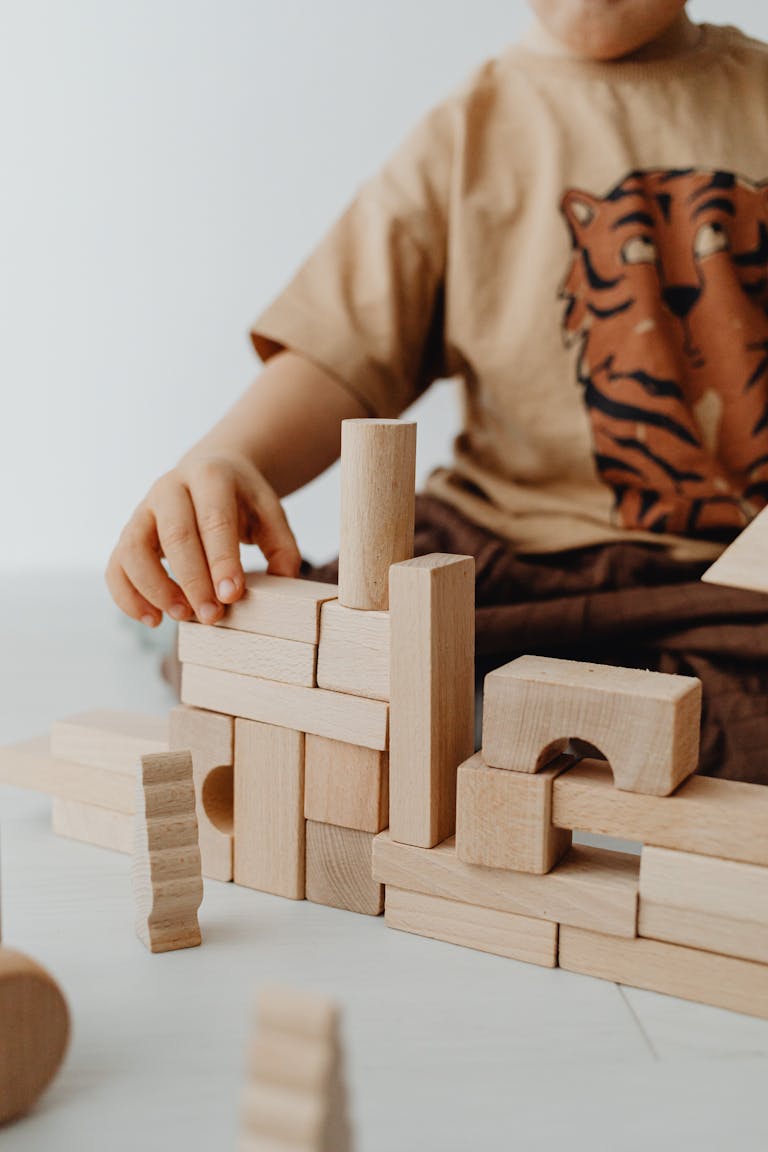
Watch a toddler at play and every clumsy stacking of blocks or scribbled line is an act of fine motor learning. Hand dominance emerges, attempts at buttoning, zipping, and self-feeding become bolder—even when spoons do more flipping than delivering food. Preschoolers, with multiplying confidence, wield scissors, string beads, twist bottle caps, and scrawl shapes. Repetition is key, and play—free, messy, light-hearted—serves as the best teacher.

School-age (6–12 years): handwriting and precision

Here, handwriting takes center stage, demanding sustained control and endurance. Cutting neatly, using rulers, manipulating intricate toys, or learning to tie shoelaces: each step may feel laborious for some, easy for others. Persistent avoidance, visible frustration, or excessive fatigue can point toward developmental coordination disorders, undiagnosed visual challenges, or neurological concerns. Early professional advice reassures as much as it diagnoses.

Adolescents, adults, and seniors: adapting and persevering

In later years, fine motor skills underpin academic demands, hobbies, employability, and even self-care. Typing, handling tools or musical instruments, painting, or preparing meals—such skills are refined through practice but never entirely static. With age, medical conditions (like arthritis) may challenge dexterity, and here, adaptive tools—thicker pen barrels, easy-grip utensils—help maintain autonomy with simple, effective adjustments.

Why do fine motor skills matter so much?

Consider daily rituals—getting dressed, eating, brushing teeth, writing homework, threading a needle—all powered by intricate, repetitive hand movements. Mastery brings more than just ease; it shapes self-esteem, academic participation, and social interactions. Children proud of their independence in self-care, or able to share in art and play with friends, often overflow with confidence—a resilience that spills into every part of life.

Medically, precise fine motor function ties directly to the brain’s maturation and the integrity of neuromuscular circuits. Deficits here sometimes unmask broader health concerns (underlying neurological or genetic syndromes, nutritional deficiencies impacting muscle strength, or even environmental factors that limit exposure to stimulating activities).

What shapes fine motor skills? Influencers and obstacles

  • Genetics and health status: Preterm birth, low muscle tone (hypotonia), or genetic conditions like Down syndrome can produce delays or alternate development timelines.
  • Nutrition: Adequate protein, vitamins, and minerals feed both brain and muscle growth. Deficiencies can subtly (or sometimes dramatically) slow progress.
  • Opportunities for practice: Hands-on play with textured toys, art, or kitchen tasks build neural pathways and hand strength.
  • Medical or developmental disorders: Some children face additional hurdles: cerebral palsy, autism spectrum disorder, or sensory processing difficulties change how fine motor learning unfolds. Early screening and supportive therapies can re-balance the odds.

Parents often ask—do delays mean trouble long-term? Sometimes, but not always. Each child’s rhythm is unique; what matters most is consistency in practice and compassionate scaffolding at home and school.

Recognising fine motor skill challenges: what to watch for

Warning signs are often subtle: a clear preference for running and climbing over puzzles or colouring, obvious struggle or avoidance with simple dressing tasks, slow or awkward writing, or even distress during art or craft activities. While some hesitation is perfectly normal, regressive hand use or pronounced difficulties should never be ignored.

Formal diagnoses—developmental coordination disorder, sensory processing disorder, specific neurological or muscular conditions—require medical input, typically a team effort between paediatricians, therapists, and educators.

Seek a paediatrician’s opinion if practical difficulties persist or escalate. Occupational therapists can offer tailored assessments, targeted exercises, and specific assistive devices—from pencil grips to Velcro fasteners—to make daily life smoother.

Practical activities for nurturing fine motor skills at every stage

For infants and young toddlers

  • Encourage reaching for toys, shaking rattles, and grasping textured blocks
  • Spread tiny pieces of soft food on a table to spark the pincer grasp
  • Demonstrate transferring blocks or soft objects hand-to-hand

For toddlers (1–3 years)

  • Provide spoons, tongs, or cups for transferring beads or dry pasta
  • Offer safe dough or clay for pinching, rolling, squishing, and shaping
  • Simple puzzles with chubby pieces build hand-eye precision

For preschoolers (3 years and above)

  • Interlocking blocks (think Lego) encourage detailed manipulation
  • Child-safe scissors for practising snipping strengthen finger control
  • Crayons and colouring, focussing on proper grip pattern

For school-age children

  • Activities like board games with tokens and pieces
  • Simple cooking: stirring, pouring, kneading dough
  • Practice in tying shoelaces, opening bottles, using rulers or keyboards

For teens, adults, and seniors

  • Typing, painting, playing music or assembling small gadgets
  • Crafts: embroidery, knitting, gardening—any task demanding focus and detail
  • For older adults, targeted hand exercises and adaptive tools keep independence within reach

Science, technology, and evolving therapies

Scientific evidence is clear—repetitive, meaningful hand exercises help construct new neural pathways at any age. Occupational therapy blends visual-motor integration techniques, playful challenges, and real-world activities, often augmented today by adaptive technologies. Virtual reality, interactive apps, and even motion tracking enable more personalised, engaging therapy than ever.

Family and teacher collaboration guarantees children receive consistent messages and gentle, patient encouragement. Goals need not be grand; daily acts—self-feeding, tidying, dressing—become opportunities for micro-achievements, each celebrated, never rushed.

Key Takeaways

  • Fine motor skills underpin daily independence—eating, dressing, writing, and more—beginning in infancy and evolving throughout life
  • Each developmental stage features its own milestones, but children progress at unique paces; gentle consistency always wins over pressure
  • Medical conditions (neurological, genetic, sensory) may challenge progress, but modern therapies and simple home activities provide robust avenues for support
  • Observation, open communication with professionals, and regular, purposeful play unlock the best outcomes
  • Celebrate every step, and remember, support is always at hand. The Heloa app offers access to personalised guidance and free health questionnaires for your child, connecting you to a network of trusted expertise

Questions Parents Ask

What are some easy activities to improve fine motor skills at home?

No need for expensive gadgets or elaborate setups. Activities like using kitchen tongs to shift cotton balls, kneading chapati dough together, letting your child stack building blocks, or stringing large beads deliver real impact. Encouraging sorting of lentils or picking up coins, simple colouring, or even helping out with folding laundry brings practice into the natural flow of daily life. Small, consistent efforts shape progress—little by little.

What toys or tools support fine motor development?

Look for building sets, pegboards, puzzles with chunky handles, thick crayons, or squeezy balls. Modelling clay, spinners, and construction kits help hands grow strong and nimble. As children move forward, challenge with games that involve sorting, building, or fitting small parts. These activities nurture both confidence and dexterity.

Can fine motor skills affect my child’s independence?

Yes—success in tying shoes, eating with a spoon, getting dressed, or writing homework translates directly into a sense of pride and self-assurance. With time, patient encouragement, and repeated small victories, children flourish—at home, in school, and beyond. Everyone’s pace may differ, but gentle, positive support shifts hurdles into stepping stones.


Similar Posts

From the very first unsteady attempt to grasp your finger, to the triumphant moment a child ties their own shoelaces—fine motor skills weave themselves through each step of growing up. Parents often face a flurry of questions: Is my child’s grip developing well? Should I be concerned about their reluctance to hold a crayon? Does struggling with buttons or zippers mean there’s a deeper issue? The world of small movements—those intricate gestures of the hands and fingers—can feel daunting when so much of independence, learning, and daily comfort rides on them. Unraveling the mysteries and milestones of fine motor skills, it becomes possible to replace anxiety with actionable strategies, grounded reassurance, and expert-backed solutions. Expect clarity about essential stages, red flags, adaptive supports, and the everyday ways families can empower children (and themselves) to thrive, whatever the pace or path.

What are fine motor skills?

Fine motor skills—sometimes called manual dexterity—describe the careful interplay of muscles, joints, nerves, and the brain to produce precise movements, especially with the hands and fingers. This isn’t just about “neatness” or talent; it’s the deep neurological choreography required to fasten a button or wield a pencil. Did you know that the pincer grasp—where the thumb and index finger unite to pick up tiny objects—represents a seismic leap in brain maturation? For babies, this move unlocks a whole world; suddenly, a raisin or bead becomes both snack and science experiment. These earliest movements tell a story of neural connections firing, muscles waking, senses collaborating.

The trajectory doesn’t stop at toddlerhood. Memory, problem-solving, and adaptive behavior all receive a boost when children use their hands for purposeful play and learning. Fine motor development is powered by activities as diverse as building with blocks, threading beads, self-feeding, and tracing lines. Whether writing a note, using utensils, or manipulating tiny Lego pieces, precision and coordination shape each experience.

Fine versus gross motor skills: why the distinction matters

Ever tried stacking blocks on a wobbly surface? Stability comes first—much like gross motor skills provide a foundation for fine motor skills. Gross motor abilities include big, sweeping movements: crawling, walking, running, jumping. They’re powered by larger muscle groups—legs, arms, back. Fine motor skills, in contrast (and often overlooked in daily routines), demand hand-eye coordination and muscle control at a micro level.

Children often develop gross motor control first—think sitting or standing before picking up dropped crumbs. This progression reflects how the body manages balance before layering on dexterity. If core or shoulder weakness is present, fine actions like zipping a jacket or drawing may also lag. Understanding both families of skills can reveal the whole developmental picture.

How fine motor skills shape daily life and learning

Why do pediatricians and therapists emphasize fine motor skills? These abilities reach far beyond arts and crafts. If a child can feed themselves using a spoon, independently brush teeth, or open a book, self-esteem and self-reliance bloom. At school, fine motor strength directly impacts writing, cutting, manipulating math counters, or using a mouse or touchpad. Even seemingly minor skills—rotating a doorknob, peeling stickers—feed into autonomy.

Research points out compelling connections between fine motor proficiency and cognitive development. Reading and math readiness, attention span, and problem-solving all flourish when children engage in activities that pair fingertips and focus. Social engagement, too, finds a boost; children who can participate naturally in play—building, drawing, sharing tools—often enjoy smoother peer relationships.

Stages and milestones in fine motor development

Infancy (0–12 months): reflexes and the first grasp

Within weeks of birth, most infants demonstrate the grasp reflex—the automatic clutch when something touches the palm. This fades by 2–3 months, letting voluntary movements emerge. The transition to open hands, shaking toys, and exploring the center line signals growing bilateral coordination—coordinating both sides of the body. By six months, the palmar grasp takes over; babies scoop objects into their palm (large blocks, rattles) and may even bash toys together for fun and feedback.

A transformative moment arrives between nine and twelve months: the pincer grasp. Suddenly, small objects can be pinched between thumb and fingertip—a movement at once simple and deeply complex in its neural underpinnings. This leap underlines the importance of ongoing, repeated practice with small safe objects and foods.

Toddler and preschool years (1–5 years): mastering manipulation, drawing, feeding

Toddlers refine their hand preferences, poke, stack, and become fascinated with lids, doors, and anything that opens. Scribbling, page-turning, and self-feeding bloom by age two. During the preschool window, skills intricate enough for snipping with child-safe scissors, stringing beads, or drawing circles emerge. The tripod grip—resting a pencil on two fingers and the thumb—heralds early writing skills.

Independence grows in bursts; the first successful attempt to button a shirt or assemble a puzzle generates pride (for you and your child). Could resistance or avoidance mean frustration or unrecognized delay? Sometimes—but gradual exploration and playful practice can shift the dynamic.

School-age (6–12 years): handwriting, tools, and complex play

Fine motor skills become more organized; handwriting takes shape and speed, scissors glide with intention, rulers measure straight lines, and craft projects feature layered details. Board games with tiny pieces, knot-tying, and constructing elaborate models all require nimble fingers and proprioceptive awareness (knowing where hands are without looking).

If a child regularly tires, avoids hand-based tasks, or struggles with tool use, it’s reasonable to monitor and support. Sometimes, underlying difficulties may surface more at this stage, prompting benefit from evaluation and early interventions.

Beyond childhood: adolescence, adulthood, and aging

Fine motor refinement doesn’t merely taper off; it evolves. Adolescents and adults encounter tasks like typing, musical instruments, using smart devices, or cooking, demanding sustained dexterity. Hobbies—whether knitting, gaming, or painting—draw on these foundational patterns. With age, physical changes—think arthritis, Parkinson’s, neuropathy—may interfere, but adaptive devices and specific exercises help sustain independence, comfort, and a sense of control.

Why do fine motor skills lag? Medical, genetic, and environmental perspectives

Are some children simply “not wired” for fine motor activities? Science pushes for nuance. Genetics, neurological maturity, health, and adequate nutrition each play a role in supporting or hindering fine motor development. Children with Down syndrome, cerebral palsy, or autism spectrum disorder may face extra obstacles due to differences in muscle tone, coordination, or sensory sensitivities.

On the flip side, a stimulating environment—plenty of play materials, involved caregivers, diverse textures and tools—acts as a powerful catalyst. Economic factors matter; lack of resources can limit practice and slow progress, but creative solutions and community supports often bridge the gap.

Recognizing challenges and when to seek help

What might signal an underlying problem? Keep an eye out for:

  • Consistently preferring big, whole-arm movements over finger play.
  • Avoiding puzzles, drawing, or using utensils.
  • Noticeable frustration or frequent need for help with dressing or feeding.
  • Slow or plateauing progress—or even regression—in previously mastered skills.

Medical red flags, like persistent fisting past three months, no object transfer by seven months, or an absent pincer grasp after a year, may merit closer look. Developmental coordination disorder (DCD), sensory processing difficulties, or neuromuscular conditions can impact progress. Early evaluation, often starting with a pediatrician and potentially an occupational therapist, can open pathways to targeted support—whether through exercise routines, adaptive tools, or supportive classroom strategies.

Activities and exercises: playful solutions with scientific roots

Infancy (6–12 months)

  • Offer safe, textured toys to activate underused muscles—think soft blocks, ridged rattles.
  • Scatter finger foods like tiny cereal puffs; encourage reaching, picking, transferring.
  • Model clapping, banging, passing objects from hand to hand—these repetitive actions build bilateral control.

Toddlers (1–3 years)

  • Hand them spoons, tongs, or measuring cups for sensory play (dry beans, rice, water beads).
  • Introduce playdough for pinching, rolling, squashing exercises.
  • Try large-piece puzzles and encourage stacking or nesting cups.

Preschoolers (3–5 years)

  • Build with interlocking blocks, thread beads onto shoelaces, string pasta for homemade jewelry.
  • Child-safe scissors: cutting across strips, corners, or shapes.
  • Offer chubby crayons; coach a gentle, relaxed grip—the basis for smoother pre-writing.

School age and beyond

  • Create shopping lists together, inviting children to write, cross out, and rewrite.
  • Incorporate kitchen tasks: kneading dough, pouring liquids, peeling eggshells.
  • Games and sports—ping pong, marbles, tricks with cards—build agility without feeling like homework.

Teens, adults, and seniors

  • Explore digital art, music, crafts: each uses unique neural and muscular pathways.
  • Keyboard skills, sewing, gardening, or stretching rubber bands maintain and even refine dexterity.
  • Adaptive tools—oversized grips, weighted pens, buttonhooks—make stubborn tasks manageable.

Personalized and adaptive supports

A one-size-fits-all approach? Rarely effective. Occupational therapists conduct functional assessments, measuring grip strength, hand-eye coordination, and sensory processing. Based on results, they might recommend targeted play, task breakdown, sensory-motor integration activities, and nuanced strategies for both home and classroom.

Assistive technology now puts digital tools, adaptive cutlery, pencil grips, and self-fastening clothes within reach. Teachers and families achieve best results with regular communication, shared goals, and celebration of effort—small everyday wins matter, even when mastery takes time.

Fine motor skills at school and home

Classrooms rich in sensorimotor activities offer slant boards, adaptive scissors, textured mats, and breaks for hand stretches. Educators chunk complex activities, encourage self-pacing, and reinforce successes. At home, prioritizing simple routines—setting the table, buttoning up, organizing small toys—prepares children not just to cope, but to flourish. Celebrate each step, adapt expectations, and remember: every child’s rhythm is unique.

Common myths—debunked by science and experience

  • “These skills only develop in early childhood.” Actually, repetition and meaningful, motivating tasks reshape neural connections and muscle control well into adulthood and old age.
  • “All kids progress at the same rate.” Biology, environment, personality—these variables drive individualized timelines.
  • “Struggles stem only from lack of effort.” The picture typically reflects a complex interplay of genetics, neurological wiring, experience, and context.

What does the research show?

Neuroscience now confirms: neuroplasticity—the brain’s capacity to reorganize itself—is not reserved for growing children. Purposeful, focused movement, whether in play or therapy, strengthens synapses and supports ever-improving fine motor skills. For those worried about falling behind, remember—timely support and practice can spark improvement at any stage.

Innovations on the horizon

Virtual reality programs, interactive motion tracking games, and brain-computer interface therapies promise tailored, high-resolution feedback. Digital platforms allow for individualized monitoring and playful home-based rehab. Wearable tech tracks small gains and relapses, allowing therapists and families to pivot strategies quickly. As personalized medicine and rehabilitation advance, tomorrow’s children—and today’s adults—gain new tools to maintain lifelong independence, dexterity, and quality of life.

Key takeaways

  • Fine motor skills fuel self-care, learning, and confidence from infancy through adulthood. Every improvement ripples outward—small motions, big moments.
  • Delays or variations in milestones are not doom—support, encouragement, and creative adaptations pave the way for progress.
  • Parents, educators, and caregivers serve as coaches and cheerleaders, shaping environments where hands can learn, play, and succeed.
  • Personalized exercises, adaptive devices, and innovative technology transform daily routines into opportunities.
  • New resources, from occupational therapy to digital coaching, open further doors for growth.
  • For tailored advice and free health questionnaires for your child, parents can download the Heloa app, ensuring support is just a click away.

Questions Parents Ask

What are some easy activities to improve fine motor skills at home?

You don’t need fancy materials to help your child strengthen fine motor abilities. Everyday moments become learning opportunities: encourage using kitchen tongs to transfer items, let your child play with building blocks, thread large beads, or help knead dough. Drawing, coloring, and sorting small toys all support dexterity. These simple games and tasks are not only effective—they’re also fun and easily adapted to your child’s age and interests. If you ever feel uncertain, keep in mind that small, regular practice fits seamlessly into daily routines and brings steady progress over time.

What toys or tools can support fine motor development?

Many toys support finger and hand strength in a gentle, enjoyable way. Building sets, pegboards, puzzles with knobs, and art supplies like thick crayons or chunky markers are great starting points. Toys that can be squeezed, stretched, or twisted—such as playdough or squishy balls—appeal to little hands and make practicing new movements less intimidating. As children grow, try games involving small pieces, construction kits, or stringing beads. Each of these tools helps to build coordination and confidence while your child plays and learns at their own rhythm.

Can fine motor skills affect my child’s independence?

Absolutely—these skills empower children to do so many everyday things for themselves, from feeding and dressing, to turning pages or painting a picture. Being able to handle small objects fosters pride and self-esteem, sometimes more than we imagine. Remember, every child acquires these abilities at their own speed. If a task proves tricky, patient encouragement and little adaptations make a big difference. Supporting fine motor growth helps children gain a sense of autonomy, which benefits them both at school and at home.

close up of a mother and babys hands symbolizing love and bond. 6182265

Similar Posts