By Heloa | 23 April 2025

Preterm birth: understanding causes, risks, and care for your baby

7 minutes
de lecture
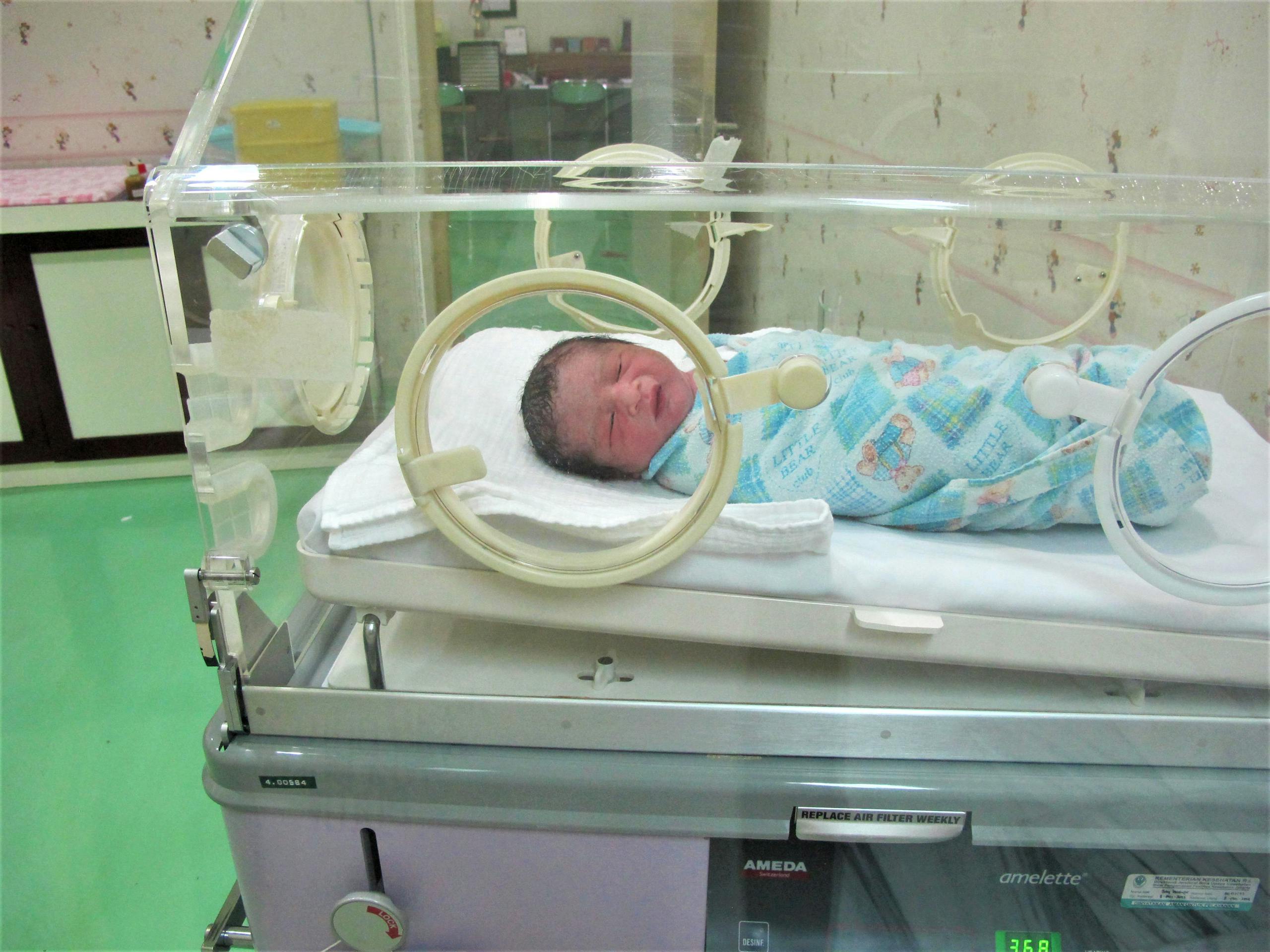
bébé-prématuré-allongé-dans-un-incubateur-dans-un-hopital

By Heloa | 23 April 2025

Preterm birth: understanding causes, risks, and care for your baby

7 minutes
bébé-prématuré-allongé-dans-un-incubateur-dans-un-hopital

Par Heloa, le 23 April 2025

Preterm birth: understanding causes, risks, and care for your baby

7 minutes
de lecture
bébé-prématuré-allongé-dans-un-incubateur-dans-un-hopital

Suddenly, everything shifts. The anticipation of meeting your little one is replaced with a rush of new questions. Preterm birth—when your baby arrives before the 37th week—can feel like pressing fast-forward on a story you hoped would play out a bit longer. Perhaps you’ve wondered if your own health, stress levels, or family history could shape your baby’s arrival. Maybe the flurry of medical terms—neonatal intensive care, gestational age, respiratory distress syndrome—is overwhelming, or the thought of navigating the complex web of newborn care feels daunting. Questions swirl: Will your child grow strong? Is every breath a struggle for preemies? Could you have done something different? Here, the goal is not only to provide information but also to offer reassurance, clarity, and a path towards understanding.

From causes and risk factors to innovations in neonatal care and the emotional ups and downs for families, each point will be untangled. Explore the spectrum of prematurity, the ways to spot early warning signs, the toolbox for prevention, and above all, how specialised, evidence-based support can change the outlook for you and your child. Ready to chart a gentle path forward, one step at a time?

What is preterm birth? Unravelling the basics

The term preterm birth refers to any baby born before reaching the 37th completed week of pregnancy. Picture the standard timeline: a full-term pregnancy stretches to 40 weeks, allowing organs to mature thoroughly. When a baby is born early—be it at 36 weeks or as soon as 28 weeks—their body is less prepared for life outside the womb. This gap in development is not just a matter of days or numbers; it means the lungs, gut, brain, and immune defences might all be playing catch-up.

Preterm birth is classified based on how early the baby arrives:

  • Moderate to late preterm: 32 to less than 37 weeks
  • Very preterm: 28 to less than 32 weeks
  • Extremely preterm: Below 28 weeks

Does every preterm baby face the same challenges? Not at all. The earlier the delivery, the higher the hurdles, especially when it comes to breathing, feeding, and fighting infections. Globally, around 13.4 million preterm births occur each year—putting many families on a rollercoaster of neonatal care, making the awareness of warning signs and access to specialised interventions more important than ever.

You might wonder: “What puts my baby at risk?” Or, “How can I give the best support if preterm labour starts?” These worries are natural, and knowledge is the first step to empowerment.

Causes and risk factors: disentangling the web

Why does preterm birth occur? Often, the answer sits at a crossroads—sometimes several factors overlap, and occasionally, despite thorough monitoring, no single cause is identified.

  • Medical influences: Chronic maternal illnesses are a recurrent theme—think hypertension, diabetes mellitus, asthma, or even conditions like thyroid disorder. Pregnancy complications such as preeclampsia, placenta previa, and carrying multiples heighten the risk. Infections, specifically urinary tract or lower genital tract infections (like bacterial vaginosis), have strong links with premature contractions.
  • Lifestyle triggers: Exposure to tobacco smoke, alcohol, recreational drugs, or ongoing severe stress can tip the balance unfavourably. Poor nutrition during pregnancy and overexertion are also influential. Even physical abuse or unsafe home environments may push the body toward an early delivery.
  • Genetic and social aspects: There’s evidence that a family history of preterm birth nudges your own risk higher, and genetics may subtly steer the ship. For some, the local environment—be it pollution, stressful urban living, or poor access to healthcare—adds another layer of vulnerability.
  • Maternal age: Teen pregnancies as well as pregnancies beyond 35 carry additional risks, partly due to physiological (and sometimes socio-economic) challenges.
  • Unpredictable factors: From sudden events like placental abruption to rare cervical or uterine abnormalities, the spectrum remains broad.

Questions from parents often revolve around self-blame. “Was it that walk I took? That cough? That missed check-up?” In reality, most cases have nothing to do with specific actions or minor lapses. Early detection, regular medical check-ups, and addressing these multi-layered risks are key.

The spectrum of prematurity and its impact on your baby

Prematurity isn’t a one-size-fits-all category. Consider these degrees:

  • Mild prematurity (32–37 weeks): Many babies in this group do well after a short hospital stay, sometimes needing minimal intervention for temperature regulation or jaundice.
  • Moderate prematurity (28–32 weeks): Babies here might require breathing support, help with feeding, and close monitoring for infection or neurological complications.
  • Severe prematurity (before 28 weeks): Survival now hinges on advanced neonatal support—ventilators, incubators, careful fluid balance and nutrition, and continuous observation.

Immediate impacts: what might you see?

Let’s break it down with examples:

  • Respiratory distress syndrome is probably the best known—a direct result of immature lungs not producing enough surfactant (a slippery fluid that keeps air sacs open).
  • Feeding issues surface when the coordination of sucking and swallowing is underdeveloped, and sometimes the gut isn’t quite ready for milk or formula.
  • Temperature instability—small preterm bodies lose heat quickly and struggle to maintain stable body temperature. Incubators or radiant warmers become vital.
  • Infections, everything from common colds to more serious bacterial threats, are more likely to take hold since immune systems are incomplete at birth.
  • Other issues like jaundice (yellowing of the skin due to immature liver function), hypoglycemia (low blood sugar), and even intraventricular hemorrhage (bleeding in the brain’s ventricles) may arise, needing prompt intervention.

Long-term perspective

Parents often ask, “Will my child catch up?” The answer: Many do, yet extra vigilance is needed. Monitoring for:

  • Motor delays, speech or cognitive delays, often highlighted in regular paediatric follow-ups.
  • Cerebral palsy, hearing loss, or vision difficulties—more common with very early births.
  • Conditions like asthma or persistent feeding issues, or even sensitive teeth and gums later on.

Celebrating progress, even if it comes a little slower, is vital. Advances in neonatal medicine, improved parental education, and early therapies offer new hope.

Specialised care: from delivery room to home

What really happens when a baby is born preterm? The journey often begins in the Neonatal Intensive Care Unit (NICU). The visual can be startling—monitors beeping, tiny bodies inside incubators, tubes and lines providing nutrition or delivering medications. But these are lifelines:

  • Incubators: Think of these as temperate mini-environments, carefully adjusted to mimic the womb’s warmth and humidity.
  • Artificial ventilation or CPAP: For babies whose lungs need extra help.
  • IV nutrition and tube feeding: Until the digestive system can safely handle oral milk or formula.
  • Frequent medical checks: For infection, blood sugar, jaundice, or neurological changes.

What about the emotional burden for parents? Here, skin-to-skin care, or kangaroo care, isn’t just symbolic. This closeness can stabilise the newborn’s vital signs, support breast milk supply, and strengthen parental confidence—one cuddle at a time.

Prevention: practical strategies and medical advances

Can preterm birth always be prevented? Not always. But early action and awareness can tip the odds in your favour. Here’s what medical science and experience show:

  • Regular antenatal visits: Early and frequent check-ups let healthcare providers detect warning signs, screen for infections, and intervene before complications escalate.
  • Lifestyle adjustments: Giving up tobacco, alcohol, and recreational drugs is universally advised; maintaining a balanced diet and reducing stress pay off beyond pregnancy.
  • Supportive supplements and interventions: Progesterone therapy for high-risk women, cervical cerclage (surgical support for a weak cervix), or corticosteroids to mature a baby’s lungs are all well-known, scientifically supported options.
  • Public health initiatives: Improved access to prenatal care, bans on smoking in public places, and community support systems reduce risk at a population level.

Reasonable spacing between pregnancies (ideally 18 months or more) has shown to lower the risk. And when preterm labour does begin, medications like tocolytics may buy precious hours or days—enough for a round of steroids or to arrange transfer to a higher-level care facility.

Innovations in neonatal care

Science is not standing still. Think smart incubators that automatically adapt temperature and humidity, or advanced monitors alerting nurses to the smallest change in heart or breathing rate. Improvements in feeding support, such as more effective tube feeding methods, mean even the tiniest babies are nourished safely. Research backs up the benefits of early, sustained kangaroo care—not just for body warmth or bonding, but also for improved long-term neurodevelopment.

Managing preterm labor and care post-birth

When preterm labor starts, the medical team responds quickly. There may be a rush of interventions:

  • Tocolytics to delay contractions
  • Corticosteroids for lung maturation
  • Magnesium sulphate to provide neuroprotection in very early births
  • Antibiotics if amniotic fluid is leaking (to stave off infection)
  • Transfer to a neonatal centre if needed for advanced care

Post-birth, stabilisation comes first: supporting breathing, keeping temperature steady, monitoring for any emerging problems. Parental involvement, especially frequent skin-to-skin, remains central for both health and emotional recovery.

Life after preterm birth: ongoing support

Home at last—yet the questions don’t stop. Regular follow-up visits track growth, monitor developmental milestones, and ensure hearing or vision is tested. Early intervention services—such as physiotherapy, occupational therapy, or speech therapy—make a real difference for children who need a boost. Many children “catch up” entirely; others may grow at their own pace, each step forward a testament to resilience.

The emotional side, though, is often underestimated. Caring for a preterm baby can exhaust even the strongest parents—accepting support from relatives, community health workers, or mental health resources is not just reasonable, it’s encouraged. The path may be winding, but with structured support and up-to-date medical follow-up, the outlook for preterm babies continues to improve each year.

Key Takeaways

  • Preterm birth means your baby arrives before 37 weeks—potentially needing extra care for breathing, feeding, or fighting infection.
  • Medical innovations like neonatal intensive care and smarter incubators dramatically boost survival and health outcomes, even for very premature infants.
  • Prevention is strengthened by routine antenatal care, healthy lifestyle choices, and timely medical interventions such as steroids or progesterone therapy for those at risk.
  • Support for parents—rest, reliable information, family help, and professional advice—proves equally vital, both physically and emotionally.
  • Many preterm babies thrive with the right blend of specialised medical care, early therapies, and parental resilience.
  • Track your child’s progress closely and remember to reach out for help when needed. For personalised advice and free child health questionnaires, you can download the application Heloa.

Questions Parents Ask

Can preterm birth run in families?

Sometimes, yes—a family history can slightly raise the chance, but remember, it’s just one piece of the puzzle. Many other factors, from maternal health to unpredictable events in pregnancy, are important too. If preterm birth exists in your family, do share it with your doctor—they may suggest more careful monitoring or special precautions.

Are there ways to spot the early signs of preterm labor?

Certainly. Watch for signs like regular contractions, a dull lower back ache, pelvic pressure, changes in vaginal discharge (such as a fluid or mucus increase), or mild cramping. Even if symptoms seem minor, trust your gut and consult your healthcare provider for reassurance and timely advice.

How does having a preterm baby affect parents emotionally?

It is truly a mix—hope, anxiety, fatigue, perhaps even guilt and confusion may cycle through. Such emotions are entirely normal. Connecting with support groups, hospital counsellors, or paediatricians often gives comfort. Sharing your experience, even if just with a close friend or professional, is a strength—not a weakness. The important part is knowing that with each day, you and your baby grow stronger together.

Further reading:

Similar Posts

When the question, “Will my baby be born too soon?” lodges itself in a parent’s thoughts, it tends to brush everything else aside. The unpredictability of preterm birth evokes a whirlwind of emotions and concerns: breathing issues, developmental outcomes, length of neonatal stays—the anxiety can be relentless and the answers, sometimes, elusive. You may find yourself pacing hospital corridors, dissecting every twitch and cramp, or navigating a sea of contradictory advice. But what does preterm birth really mean for your newborn, and what can you—as a parent—do to meet these challenges head-on, from the first signs to the weeks and months that follow? This comprehensive overview breaks down the realities, dispels confusion, and offers practical strategies—all supported by medical advances and scientific evidence. Expect nuanced discussions of medical terms (explained simply), expert-backed recommendations on prevention and care, and a compassionate acknowledgment of the emotional toll that preterm birth can take on families.

What exactly is preterm birth?

Preterm birth unfolds whenever a baby enters the world before reaching 37 weeks of gestation. While a typical pregnancy stretches close to 40 weeks, shaving off even just a couple of those precious days can have tangible impacts. The spectrum of prematurity is broad:

  • Moderate to late preterm: 32 to under 37 weeks.
  • Very preterm: 28 to under 32 weeks.
  • Extremely preterm: Less than 28 weeks.

Why such distinctions? Because a baby’s organ development—especially the lungs, the digestive tract, and the immune system—hinges on those crucial final weeks. Each week inside the womb bolsters survival odds and resilience.

Worldwide, more than 13 million infants are affected by preterm birth every year. Survival and outcomes swing dramatically depending on timing, available neonatal intensive care, and the presence of underlying risk factors. In regions with advanced technology and access to specialized units, babies have brighter outlooks than ever. Yet, each day gained in utero remains a victory.

Stages of prematurity: When timing defines care

Prematurity is seldom uniform. The nuances between a baby born at 36 weeks and one at 26 weeks could fill volumes. Medical teams categorize preterm birth into layers, tailoring support to each infant’s physiological maturity.

  • Mild prematurity (32–37 weeks): Respiratory support might be minimal, but temperature control and feeding support are still key.
  • Moderate prematurity (28–32 weeks): Here, breathing support, tube feeding, and stringent infection prevention are typically required.
  • Severe prematurity (below 28 weeks): These babies may need advanced mechanical ventilation, intravenous nutrition, and long-term developmental monitoring.

You may wonder: Will my baby walk, talk, or see like other children? Outcomes depend on the interplay of gestational age, interventions provided, and the unique resilience of every newborn.

Preterm birth: causes and risk factors demystified

The origins of preterm birth are layered—sometimes startlingly evident, sometimes wrapped in mystery. Let’s unravel the major threads:

  • Medical conditions: Underlying health issues such as diabetes, high blood pressure, kidney disorders, autoimmune diseases, or placenta previa increase the odds.
  • Pregnancy complications: Carrying multiples (twins, triplets), infections like urinary tract infection or bacterial vaginosis, and a short cervix as viewed on ultrasound can all spark preterm labor.
  • Lifestyle influences: Smoking, substance use, poor diet, significant stress, and physical violence are not just lifestyle choices—they act as physiological triggers.
  • Genetic and social factors: Some families may have a genetic predisposition. Communities exposed to higher rates of social adversity or discrimination may see elevated preterm birth rates.
  • Environmental contributors: Living near sources of pollution or lacking access to consistent medical care can silently amplify risk.
  • Sudden disruptions: Abrupt medical emergencies (think placental abruption) sometimes prompt early delivery without prior warning.

Only rarely can one pinpoint a single culprit. More often, preterm birth results from an intricate fusion of health, circumstance, and chance. This is why consistent prenatal care and tailored interventions make a significant difference, even when not all risks are fully in our control.

Short-term and long-term health effects: what parents should anticipate

Immediate medical challenges after preterm birth

A preterm baby’s lungs may struggle to draw that first gulp of air; their bodies might have trouble staying warm; feeding, a skill requiring intricate coordination, often needs fine-tuning in tandem with medical teams. Among the most immediate complications:

  • Respiratory distress syndrome: Underdeveloped alveoli (tiny air sacs) may not produce sufficient surfactant, leading to labored breathing. This can require mechanical ventilation or continuous positive airway pressure.
  • Feeding problems: Immature suck-swallow reflexes may render bottle or breast feeding a steep hill to climb.
  • Thermal instability (hypothermia): Preterm infants lose body heat rapidly—incubators become vital lifelines.
  • Immune vulnerability: A fragile immune response opens the door to infections (such as neonatal sepsis).
  • Metabolic instability: Hypoglycemia (low blood sugar), jaundice (due to immature liver function), anemia, and sometimes even intracranial hemorrhage (bleeding in the brain).

Enduring outcomes and the journey into childhood

Surviving the early weeks is just the beginning. As your child grows, you might encounter:

  • Delayed developmental milestones: Skills like walking, speaking, or fine motor coordination may develop more slowly. Sometimes physical therapy or early intervention is advised.
  • Learning challenges and sensory difficulties: Issues with vision, hearing, or processing information can emerge, more so for those born in the earliest weeks.
  • Chronic diseases: Asthma, recurring infections, or even dental issues have a stronger association in former preterms.
  • Neurological conditions: In a subset of cases, cerebral palsy or other movement disorders may result from brain injuries incurred during vulnerable periods.

Yet, in the majority of cases—especially with advances in care and rigorous follow-up—children born preterm can thrive, chasing every milestone with unique tenacity.

Advanced neonatal care: supporting preterm babies from the very first breath

The birth of a preterm baby instantly activates a multidisciplinary ballet. Neonatologists, nurses, and sometimes specialized therapists rally to craft a tailored plan, focusing on stabilization and gradual transition toward independent living.

  • Incubators and radiant warmers: Protect against cold stress and minimize energy expenditure.
  • Monitors: Continuous tracking of oxygen saturation, heart rate, and breathing provides real-time feedback for swift intervention.
  • Oxygen and ventilation: From nasal cannulae for mild support to sophisticated ventilators for deeper needs, strategies flex with each baby’s stability.
  • Nutritional support: Tube feeding (gavage) and sometimes intravenous nutrition provide energy until oral skills mature.
  • Infection surveillance: Regular blood tests, strict hygiene protocols, and prophylactic antibiotics target early warning signs.

Medical technology now goes even further—smart incubators adjust environments automatically, and feeding protocols can be personalized for optimal growth and digestion.

Engaging parents in the care process

Watching a tiny infant in an incubator—with tubes, monitors and softly blinking machines—can stir a potent mix of anxiety and helplessness. But parental involvement isn’t just welcome, it’s transformative.

  • Skin-to-skin contact (kangaroo care): Placing your baby directly on your chest, under medical staff’s guidance, enhances heart rate regulation, breathing, weight gain, and even brain maturation. It is a gentle yet powerful therapy.
  • Breastfeeding support: Even in the presence of initial feeding challenges, expressing milk and offering it by tube or bottle brings proven immune and developmental benefits.
  • Emotional care: Rest is not a luxury—it’s recovery for you, and, indirectly, for your child. Reaching out to counselors, social workers, or parent groups can be a lifeline rather than a sign of weakness.

As one day blurs into the next, every cuddle, every heartbeat felt through thin hospital gowns, becomes part of your newborn’s healing journey.

Prevention: what really makes a difference?

Minimizing the odds of preterm birth isn’t a guarantee, but layers of protection can be added. Think of prevention as a set of interconnected levers:

  • Regular antenatal check-ups: Monitoring blood pressure, cervical length, and fetal growth enables early detection and intervention for emerging issues.
  • Balanced lifestyle choices: Avoiding tobacco, alcohol, and illicit substances; steering clear of excessive physical strain; ensuring a nutrient-rich diet—these choices matter profoundly.
  • Medical therapies for high-risk parents: Progesterone supplementation, cervical cerclage (a procedure to reinforce a weak cervix), corticosteroids to accelerate lung maturity, and tocolytics (labor-delaying medications) are all available when indicated.
  • Community and healthcare access: Accessible prenatal care, public campaigns against smoking, and improved support structures lower risk across entire populations.

No one measure stands alone. It’s this thoughtful layering of medical science, community resources, and informed self-care that tips the scale.

Innovations shaping the future of neonatal care

Every year, new technologies and discoveries reshape the landscape of preterm birth:

  • Wearable monitors: Lightweight, wireless sensors now enable faster detection of respiratory or cardiac difficulties.
  • Feeding tube advancements: Safer, more accurate placements and protocols protect fragile digestive systems.
  • Progress in surfactant therapy: Modern synthetic alternatives, delivered even via minimally invasive techniques, reduce trauma and speed up lung readiness.
  • Expanded kangaroo care research: Early skin-to-skin contact is encouraged, not only for extremely preterm infants but now also those in more stable condition, thanks to robust clinical evidence supporting its neurodevelopmental benefits.

These breakthroughs offer hope and, more importantly, concrete gains in health and comfort for preterm infants and their families.

If preterm labor begins, swift action matters—but so does personalizing every step.

  • Tocolytics: Medications to buy time (often just days) so that vital treatments can be administered.
  • Antenatal corticosteroids: To boost the baby’s lung development, reducing the risk of respiratory distress.
  • Magnesium sulfate: A targeted defense for the developing brain, especially before 32 weeks.
  • Antibiotics: When membranes rupture early, infection prevention becomes a top priority.
  • Transfers to higher-level centers: Whenever needed, moving mother and baby to a specialized facility can make a defining difference in outcomes.

From that first contraction through to delivery and NICU admission, every procedure and medication is tailored—not only to gestational age but to family preferences and evolving needs.

Long-term journey: life after preterm birth

The story doesn’t end at discharge—quite the opposite. Regular developmental check-ups, access to early intervention services (including physiotherapy, speech therapy, and occupational therapy), and targeted educational support empower former preterm infants to bridge the gap with peers over time.

Parents, too, ought to find ongoing mental health support, peer discussion groups, and credible sources of guidance. Remember: parental resilience shapes a child’s recovery and confidence, fostering a positive spiral well beyond the NICU.

Key takeaways

  • Preterm birth encompasses a wide range of challenges, but with the right care and support, families can overcome significant hurdles.
  • Modern advances in neonatal intensive care, tailored nutritional support, and parent participation—such as kangaroo care—transform both short- and long-term outcomes.
  • Preventing preterm birth relies on a web of medical, social, and individual strategies, with a strong emphasis on regular prenatal care and healthy lifestyle modifications.
  • The emotional journey is every bit as significant as the medical path—availability of psychological resources and community support is essential for well-being.
  • For further guidance, reassurance, and personalized health advice—including free child health questionnaires—download the Heloa app.

Ultimately, preterm birth can transform a family’s expectations in unpredictable ways. Yet with vigilance, up-to-date medical science, and ongoing support, even the smallest beginnings can lead to extraordinary journeys.

Questions Parents Ask

Can preterm birth run in families?

In some cases, a family history of preterm birth can slightly increase the likelihood of experiencing a similar situation. However, genetics are just one piece of the puzzle—many factors, like maternal health, environment, and individual pregnancy circumstances, also play key roles. If there’s this kind of background in your family, don’t hesitate to discuss it openly with your healthcare provider, who will be attentive to your specific needs and may suggest personalized monitoring throughout pregnancy.

Are there ways to spot the early signs of preterm labor?

Yes, certain symptoms may be a sign that labor could begin sooner than expected. These might include regular contractions, lower back pain, pelvic pressure, changes in vaginal discharge (such as more discharge or a watery/mucus-like consistency), or mild abdominal cramps. It’s always better to seek advice if something seems different or worrisome—trust your instincts. Healthcare professionals are there to listen and provide guidance at every stage.

How does having a preterm baby affect parents emotionally?

The experience can bring a mix of intense emotions: hope, worry, fatigue, and sometimes even guilt. These feelings are completely normal, and you are not alone. Many parents find comfort in connecting with support groups or talking with professionals who understand the challenges of navigating life in the neonatal unit and beyond. Rassurez-vous, finding the right help and a sympathetic ear can make all the difference as you move forward, day by day.

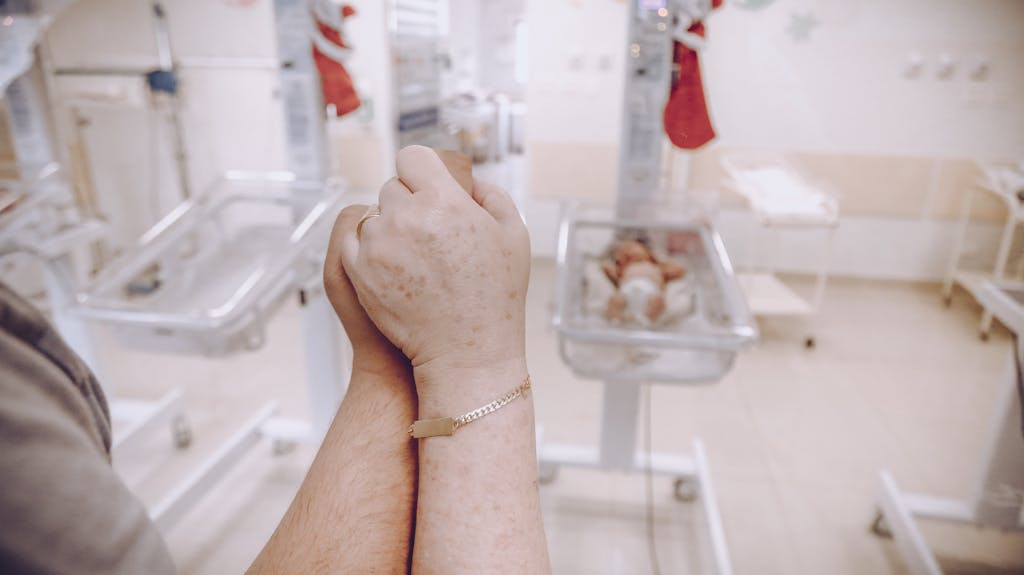
parents se tiennent la main dans une nursery avec des bebes prematures en arriere plan 4005603

Further reading:

Similar Posts