By Heloa | 17 May 2025

How to choose the right sport activity for your child: pediatric advice for parents

6 minutes
de lecture

By Heloa | 17 May 2025

How to choose the right sport activity for your child: pediatric advice for parents

6 minutes

Par Heloa, le 17 May 2025

How to choose the right sport activity for your child: pediatric advice for parents

6 minutes
de lecture

When faced with the often overwhelming choice of where to channel your child’s boundless energy, the question isn’t just “Which sport?” but rather “How do you choose the right sport activity child so that their growth — physical, emotional, and social — flourishes?” Many parents lie awake, wondering if early exposure to competition fosters resilient minds, or if quieter children are neglected in bustling team games. Is swimming better than cricket for boosting bone density? Do personality differences justify letting a child quit football for chess? The path winds through developmental milestones, fluctuating interests, medical facts, and the delicate tango of family schedules. Here, the journey of choose the right sport activity child finds clarity: from understanding muscular and cognitive maturation to decoding motivation, every factor is dissected with care. Let’s uncover how tailored decisions safeguard your child’s well-being, uphold scientific evidence, and nurture a lifelong zest for active living.

Why Thoughtful Sport Selection is a Game Changer

Life, for a growing child, revolves around movement, experimentation, and discovery. Science is unambiguous: physical activity acts as a vital catalyst for muscle strength, neurodevelopment, skeletal growth, and metabolic balance. Regular engagement in sports reduces the risk of paediatric obesity, supports immunological resilience, and sharpens attention spans—ask any paediatrician tracking trends in classroom performance post-exercise.

Yet, does the research only extol biological benefits? Not quite. Well-chosen sports become launchpads for confidence, perseverance, and nuanced social intelligence. Consider: teamwork in football teaches trust and communication, while individual discipline in athletics sharpens focus and self-reflection. Winning, contrary to popular belief, isn’t everything. Scientific data consistently links enjoyment and intrinsic motivation with long-term participation—children who associate exercise with joy build healthier habits for life.

When parents choose the right sport activity child, barriers dissolve. Children learn about setting goals, recovering from setbacks, and celebrating small victories. These micro-moments of progress, often missed in academic pursuits, matter. The safe space sport provides also guides socialisation, peer bonding, and emotional regulation.

Key Factors in Choosing the Right Sport

Age and Developmental Abilities: Timing Matters

Is your toddler ready for structured sports, or is free play sufficient? Research pinpoints motor skill readiness as an essential prerequisite. For a preschooler (3–5 years), expecting complex team strategies sets them up for avoidable frustration. Instead, focus on basic movement skills (running, jumping) and fun games, sometimes incorporating balance and coordination.

Age-appropriate grouping in clubs or classes is not bureaucracy—it’s neuroscience at work. Children placed according to both chronological age and motor development display higher satisfaction and fewer injuries. When you aim to choose the right sport activity child, ask coaches about their approach to skill grouping, and never hesitate to reassess placement if your child appears overwhelmed.

Interests and Preferences: The Engagement Engine

Does your child gravitate towards the ball at every family picnic, or do they invent elaborate dance routines in the living room? Motivation to persist comes from genuine interest, not from performance pressure. Listen to what gives your child joy: what do they recall excitedly after school—was it a friendly cricket match or a solo time in the swimming pool?

Trial classes or sports samplers allow for hands-on discovery. Children may discover unexpected passions—a soft spot for rhythmic gymnastics, an instant dislike for noisy basketball courts. When families choose the right sport activity child, facilitating these explorations (and respecting sudden changes of heart) builds autonomy and prevents burnout.

Personality and Social Preferences: Tailoring the Experience

The outgoing chatterbox may thrive in a volleyball squad, but for a reserved or anxious child, individual sports like swimming or athletics offer comfort and safe social exposure. The science here is clear: mismatches between temperament and sport style often correlate with higher dropout rates and lower self-esteem.

Careful assessment leads to better choices. For children displaying leadership qualities, team captain roles might build confidence; for those craving predictability, structured routines in gymnastics or martial arts can work wonders. Keep asking: does your preferred approach to choose the right sport activity child account for their comfort in group vs. solo settings?

Motivation, Perseverance and Year-Long Commitment

Spotting a dip in enthusiasm after a rainy match? Par for the course. It’s the year-long commitment to a club—or an agreed duration—that teaches children about effort and perseverance. Rather than dropping out at the first sign of boredom, children benefit from gentle reminders about their choices.

Involving them early on fosters ownership: “You chose this sport, let’s keep going till summer break and then decide again.” Research notes that children who reach milestones (even minor ones, like perfecting a dive or scoring a single goal) develop more robust self-worth.

Family Logistics: Schedules, Location and Cost

What good is finding the perfect fit if every Saturday turns into a logistical nightmare? Family and child well-being trump all. When deliberating how to choose the right sport activity child, map out weekly calendars: Will after-school chess club clash with tuition? Is the basketball court too far, causing daily stress?

Quality time doesn’t always mean club membership. A weekend bicycle ride or playing badminton at a neighbourhood park can be just as impactful. Accessibility, affordability, and frequency matter—a close-to-home activity that aligns with academic responsibilities and leaves room for relaxation often endures.

Matching the Sport with Age and Abilities: Milestones That Matter

Early Childhood (Ages 3–5): Foundations First

Young kids need simple, playful engagement—think swimming, free dance, beginner gymnastics or unstructured games in the backyard. Focus rests on basic motor skills, spatial awareness, and learning joy in motion. No strict rules, no performance anxiety—just fun.

Primary School (Ages 6–9): Structure Emerges

This is the period where coordination and rule-following can blossom. Children are often ready for more structured environments—football, T-ball, basketball or swimming lessons. Emphasis stays on inclusion, discovery, and cooperation, with a measured introduction to group dynamics.

Tweens and Teens: Diverse Choices and Challenges

By now, children can handle complexity—think tennis, martial arts, athletics, or advanced team games. Skill acquisition, personal achievement, and healthy competition enter the scene, but remember: sustained enjoyment outranks a podium finish.

Individual vs. Team, Indoor vs. Outdoor: Weighing the Options

There’s no one-size-fits-all. Individual sports like tennis or gymnastics build independence and personal goal setting, especially for introverted children. Team sports boost belongingness, communication, and collective resilience—perfect for the extroverts.

Indoor activities ensure climate consistency and routine; outdoor sports reconnect children with nature, encourage vitamin D synthesis (sun exposure matters for bone health), and diversify sensory experiences. The answer to choose the right sport activity child often lies in experimentation and flexibility.

Supporting Their Journey: Parent Roles and Collaboration

Encourage, Don’t Pressure

Children thrive in environments free from unnecessary pressure to specialise early or to seek only victory. Allow for trial and error. A year of basketball followed by a move to badminton? Normal. What counts is the child’s sense of agency, not a single-minded pursuit of medals.

Choose Coaches, Not Just Sports

A supportive, well-trained coach—who values child safety, positive feedback, and psychological development—exerts profound influence. Proactive communication between parents and trainers reduces misunderstandings and adjusts expectations.

Achieving Balance: Sport, School and Family

Modern children navigate full schedules. Help them build realistic routines. Adequate sleep, regular meals, schoolwork and free play alongside sports practice—juggling all these prevents fatigue and anxiety. Regular family check-ins support boundary setting and adaptive planning.

Common Pitfalls: Specialisation Anxiety, Comparison, and Overload

Pushing for early specialisation? Medical research signals increased injury risk and emotional fatigue. The urge to compare siblings or peers breeds demotivation. Instead, view sport as an evolving journey—one shaped as much by joy and flexibility as by discipline.

Key Takeaways

  • The foundation for choosing the right sport activity child lies in age-appropriate skill assessment, interest exploration, and logistical planning.
  • Listen deeply to your child’s changing preferences and personalities; adaptability trumps persistence in the wrong fit.
  • Prioritise enjoyment and holistic motivation over competition; participation sustains healthy development more effectively than pressure.
  • Maintain balance between sporting commitments, academic pursuits, and family rest—well-being emerges from harmony, not sacrifice.
  • When in doubt or at crossroads, expert guidance remains invaluable; tools and resources like the application Heloa can offer tailored advice and trusted health checklists, ensuring every family feels empowered and informed.

Questions Parents Ask

How to spot if my child is prepared for sport?

Wondering if your child can embark on a structured sport? Watch for physical readiness—can they follow instructions, show basic coordination, and seem enthusiastic about movement in school or park settings? Curiosity, not age alone, signals readiness. If hesitation persists, keep encouragement gentle and prioritise fun over performance; comfort naturally grows with experience.

How to determine which sport syncs with my child’s personality?

Confused between team games and individual activities? Observe: is your child happiest in group activities or when solving challenges alone? Outgoing personalities value team camaraderie and shared victories, while quieter kids might find happiness chasing personal bests in tennis or swimming. Be patient—interests can shift rapidly before settling.

What to do if my child dislikes the chosen sport?

Disenchantment isn’t uncommon. Initiate a candid chat—sometimes discomfort stems from minor issues (a strict coach or new teammates). If disinterest persists, assure your child it’s perfectly valid to try something else. Remember, the objective is to help choose the right sport activity child which sustains motivation, joy, and health, even if it means switching.

Are there health risks in certain sports for my child?

Each sporting discipline carries unique physical demands—proper technique and supervision reduce injury risks, while overtraining or early specialisation can heighten them. Always consult qualified paediatricians or coaches regarding safe practice loads. Hydration, well-fitted gear, and rest days are not optional extras, but essentials for safety.

How can I balance sport with studies and rest at home?

Juggling examinations, dance recitals and football games demands sound time management. Together with your child, draw up a weekly planner. Family discussions around priorities, realistic commitments, and downtime prevent exhaustion. Keep a pulse on signs of overcommitment: irritability, sleep changes, or declining interest.

Parental intuition, combined with medical wisdom and open communication, transforms how you choose the right sport activity child. If you crave customised support, the application Heloa remains a click away, bringing reputable advice and free child health checklists straight to your family’s hands.


Similar Posts

From the moment parents start pondering how to choose the right sport activity child, a subtle cascade of questions begins to surface. Will my son thrive in a team setting, or does my daughter flourish best one-on-one? Is physical activity merely about burning energy, or does it shape critical building blocks for lifelong well-being? Decoding these uncertainties can feel like a puzzle, where every piece represents developmental needs, scheduling chaos, and a desire for genuine happiness. At the intersection of science, daily life, and emotional nuance, the path to choose the right sport activity child becomes a balancing act—between enjoyment and commitment, between structure and spontaneity. A trajectory, not a sprint. This discussion explores: the physiological and psychological advantages of well-matched sports, the interplay of interests and motivation, the nuances of personality and social skills, and, not least, the reality checks of family logistics. Evidence-based, realistic, and always on your side.

The Importance of Sport: More Than Muscles and Movement

Physical activity is a transformative force during childhood—shaping not only lean muscles and resilient bones but supporting neurodevelopmental processes, hormone regulation, and emotional health. You might be familiar with the recommendations: at least 60 minutes of moderate to vigorous activity per day for school-aged children, endorsed by leading pediatric associations. Yet, the impact of choose the right sport activity child extends far beyond numbers. Sporting engagement—especially when aligned with your child’s age and temperament—releases endorphins (those famous “feel-good” neurotransmitters). This boosts mood, strengthens neuronal pathways tied to focus and memory, and establishes a powerful feedback loop for academic success.

But let’s not overlook immunity: studies show that regular, structured movement enhances the function of white blood cells—first-line defenders against infection. Meanwhile, evidence links participation in enjoyable physical activities to lower rates of childhood obesity, metabolic syndrome, and even symptoms of anxiety and depression. What does this all mean practically? That aiming to choose the right sport activity child is not just about “something to do after school.” It’s about constructing a healthy foundation that impacts health well into adulthood, while cultivating perseverance, teamwork, and coping strategies.

Matching Sport to the Child: Age, Ability, and Interests

Understanding Age-Specific Needs

The developmental leap between a preschooler and a pre-teen can be astounding. For parents, choose the right sport activity child begins with an honest look at maturation—physically and emotionally. Preschoolers (ages 3–5), brimming with energy but limited by coordination and attention span, benefit from non-competitive activities focused on movement fundamentals: swimming lessons, playful dance, tumbling classes, or casual games. In these years, the brain is forging connections between limbs, balance, and problem-solving (think of it as laying down the software for future athletic prowess).

Fast-forward to primary school, where ages 6–9 can handle more organized sports—think soccer, basketball, or swimming. Here the stakes shift: children are learning how to follow complex rules, collaborate, and take turns. Engagement rather than performance should dominate your checklist.

By adolescence, opportunity blooms. Pre-teens and teens often gravitate toward structured group sports—or, for the less outgoing, individual pursuits like fencing or athletics. As puberty reshapes bodies and social priorities, the conversation around choose the right sport activity child broadens to include emotional resilience and self-esteem. Be mindful that overuse injuries, most commonly observed in single-sport, year-round training, start to rise in this cohort—listen to signals of pain or exhaustion.

Interests and Motivation: Let Curiosity Lead

What sparks your child’s enthusiasm? Is it the bounce of a basketball or the grace of a dance routine? Research firmly points to intrinsic motivation—doing something because it’s genuinely enjoyable—as a driver for long-term involvement and health. When figuring out how to choose the right sport activity child, probe gently into what your child gets excited about. Did they love the obstacle course at a birthday party? Do school PE classes leave them glowing or groaning?

Trial sessions are gold: many clubs offer introductory classes. These “test runs” allow children to directly experience activities without pressure. If soccer practice feels overwhelming to a quieter child, perhaps martial arts or swimming offers relief. Make space for shifting interests—motivation can evolve as quickly as shoe sizes.

Personality, Social Context, and Temperament

How does temperament shape your search to choose the right sport activity child? Quite profoundly. Social butterflies may flourish among teammates, reveling in the learning of collective strategy and mutual support. For them, sports such as soccer, volleyball, or hockey feed both energy and social appetite.

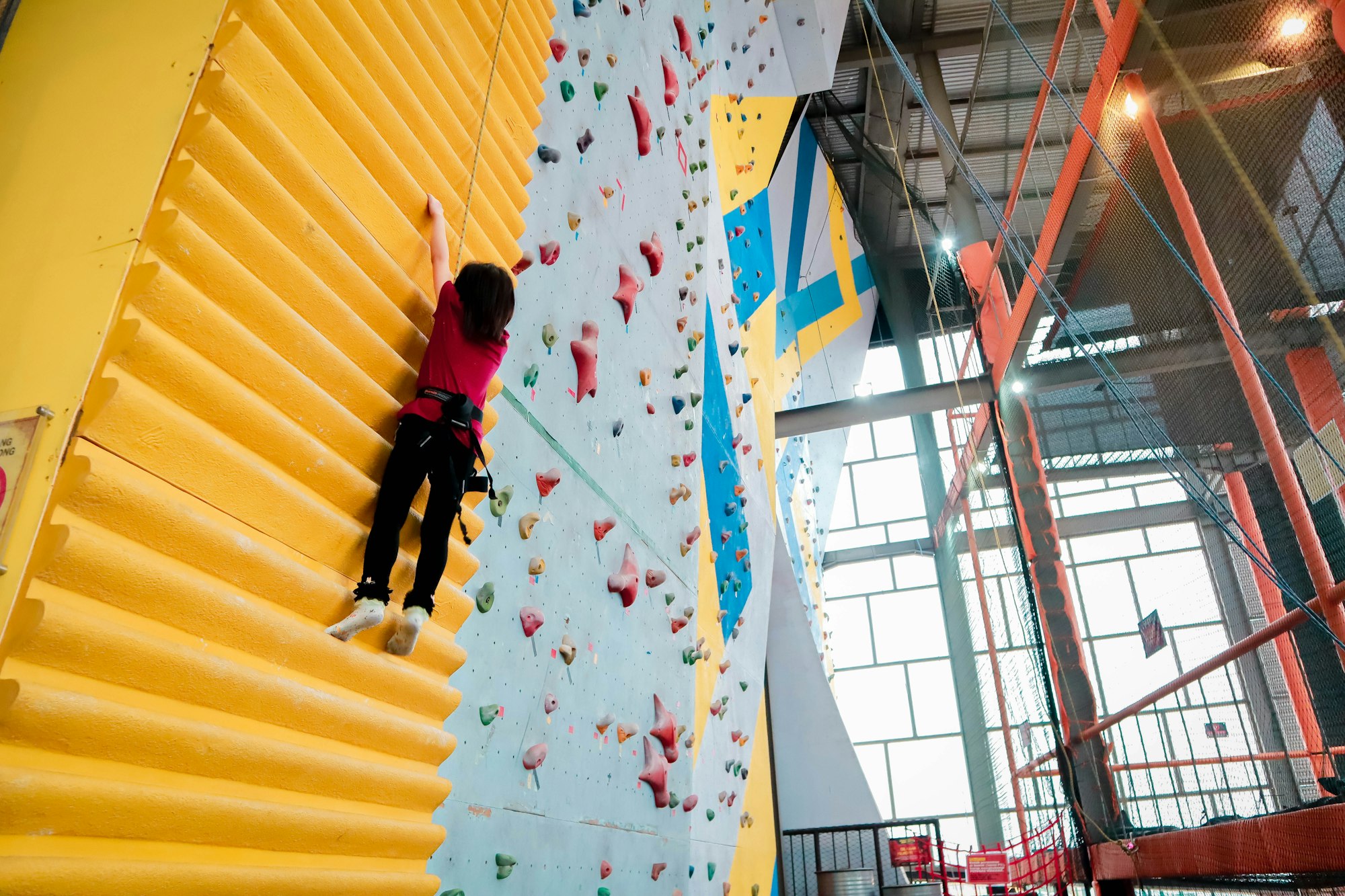
Others, more introspective by nature, may thrive in sports that emphasize autonomy and progressive mastery—gymnastics, swimming, track and field. Here, the rhythm of self-set goals can build confidence without the sensory overload of team dynamics. Both modalities teach discipline, but the flavor differs. Parents sometimes wonder: Is my child missing out if they choose an individual sport? Not at all—activities like fencing or climbing build social skills by introducing structured peer interaction and shared rituals, but in an environment where the pace is controllable.

Motivation, Perseverance, and Value Systems

A familiar challenge surfaces: what if your child’s initial eagerness wanes? It’s common! Fatigue after a difficult session, or a string of cloudy match days, can sap motivation. Here’s where family values and communication enter—expect that following through is part of the process, especially if your child helped to choose the right sport activity child from the outset.

Discuss in advance that joining a club often means honoring a commitment for the season or school year. This teaches not just sportsmanship, but the value of seeing a decision through—echoing broader life lessons. Nonetheless, compassion matters: sometimes a switch is warranted, especially if persistent stress, mood changes, or physical symptoms emerge.

Practical Realities: Schedules, Logistics, and Accessibility

For many, the most daunting hurdle is not interest, but family logistics. Picking a sport across town may seem enticing, but will it hold up when balancing school runs, siblings, and work? When seeking to choose the right sport activity child, examine:

  • Proximity: Is the club near home or school?
  • Frequency: Does the schedule allow for homework, relaxation, and family routines?
  • Cost: Consider registration, uniforms, equipment, tournament fees.
  • Transportation: Who will manage drop-offs and pick-ups?
  • Siblings: How do their activities interlock with this choice?

Remember, physical activity doesn’t have to be club-based; joint bike rides, walks in the park, or informal games lay vital groundwork for health and connection.

Scientific Perspectives: Individual vs. Team, Indoor vs. Outdoor

Team sports wield a unique synergy—improving communication skills, emotional regulation, and collective problem-solving. Meanwhile, research signals that individual pursuits—such as youth athletics, youth sports programs, or even climbing—foster autonomy, time management, and self-sufficiency.

Indoor sports offer reliable, year-round access, protected from unpredictable weather (an underrated advantage for maintaining routine, especially in climates prone to extremes). Outdoor activities, on the other hand, expose children to green spaces and sunshine, both of which contribute to improved Vitamin D synthesis and enhanced mood via natural serotonin boosts.

Ultimately, the question isn’t which is universally best, but how to choose the right sport activity child that weaves together physical, emotional, and logistical harmony. There’s no single template: checking in with your pediatrician can clarify health concerns and guide safety decisions if your child lives with chronic conditions or unique needs.

Collaborating With Coaches and Building Trust

Quality coaching shapes the entire sporting experience. Choose programs led by instructors trained in both skill development and child psychology. Look for signs of care: do coaches value fun and progress as much as victory? Are they attuned to safety, diversity, and adaptive approaches for children with varying needs or abilities? Open lines of communication with staff ensure that your decision to choose the right sport activity child is built on knowledge and confidence, not just chance.

Monitoring Progress: Flexibility and Well-Being

Check in regularly. Has your child’s excitement faded, or do they race to practice each week? Red flags—fatigue, reluctance, irritability—may signal stress or misalignment. Progress should feel invigorating, not burdensome. Adjust activities, seek new challenges, or lighten the load. The healthiest outcome? A sustainable, joyful relationship with physical movement.

Balancing Sport, School, and Family Life

Overscheduling can tip the scales toward exhaustion or resentment. Set aside regular family reviews: does your child have enough downtime? Are academic obligations and fun in proper ratio? Scheduling mindfulness (along with plenty of unstructured play) maximizes the benefits and minimizes risk for burnout.

Pitfalls and Overlooked Hazards

A common misstep: encouraging children to focus on a single sport too soon. Early specialization, although sometimes motivated by perceived talent or competitive pressure, is linked to a higher risk of musculoskeletal injury and psychological stress. The dominant recommendation from pediatric orthopedic societies? Encourage multi-sport exposure until at least early adolescence. Keep enjoyment and personal growth at the center.

Key Takeaways

  • Adapting the choose the right sport activity child approach to your child’s age, interests, and temperament leads to more meaningful outcomes.
  • Listen actively—invite your child to reflect on likes and dislikes. Trial sessions offer valuable insight.
  • Integrate medical and developmental guidance: consult with health professionals if physical or psychological factors are at play.
  • Choose accessible, feasible activities that fit your family’s lifestyle and budget. Don’t ignore the ripple effect on siblings and daily rhythms.
  • Balance engagement with rest, downtime, and family connection to safeguard both physical and emotional health.
  • Monitor for warning signs—pain, reluctance, excessive fatigue—and adjust as needed. Prioritize wellness over relentless progress.
  • Support and encouragement, rooted in empathy and flexibility, help children flourish—in sport, in school, and beyond.

If questions persist or challenges arise, remember that experienced professionals stand ready to help. For tailored advice and free child health questionnaires, download the Heloa application. The journey to choose the right sport activity child is a mosaic—layered, personal, and transformative—best traveled side by side with expert support.

Questions Parents Ask

How can I tell if my child is ready to start a sport?

Recognizing when your child is ready for a sport depends on a mix of their physical abilities, curiosity, and confidence in group or structured settings. Try observing their energy levels, interest in following instructions, and enjoyment in trying new movements—these are often good signs they’re open to discovering a sport. Remember, every child develops at their own pace; there’s no rush. If you sense your child hesitates, reassure them that exploring is part of the process and encourage participation when they seem comfortable and excited.

How do I know which sport fits my child’s personality?

It’s natural to wonder which environment will help your child bloom. Think about whether they are more comfortable playing with others or alone, if they enjoy lively groups or prefer calm surroundings, and if new experiences make them curious or reserved. Sports with teams can appeal to kids who thrive on friendships and collaboration, while individual activities can suit those who love autonomy and personal challenges. Give your child time to try different options and trust that their enjoyment will guide them toward the right choice.

What if my child doesn’t like the sport they start with?

It’s completely normal for children to change their minds after starting a new sport. Interests and comfort levels can shift quickly as they discover what they truly enjoy. Encourage open conversation about their feelings—sometimes, just understanding the reason can help find a suitable alternative or adjust their current experience. If your child seems unhappy or stressed, reassure them that it’s perfectly okay to try something new. Flexibility and listening to your child’s needs are essential to nurturing lasting confidence and enthusiasm for physical activity.

Similar Posts