By Heloa | 22 April 2025

Grasp reflex: your baby’s first incredible grip

7 minutes
de lecture
bebe-aggripe-doigt-grace-reflexe-grasping

By Heloa | 22 April 2025

Grasp reflex: your baby’s first incredible grip

7 minutes
bebe-aggripe-doigt-grace-reflexe-grasping

Par Heloa, le 22 April 2025

Grasp reflex: your baby’s first incredible grip

7 minutes
de lecture
bebe-aggripe-doigt-grace-reflexe-grasping

A baby’s sudden little grip—delicate, yet astonishingly strong—has the power to melt the heart of even the most composed adult. If you’ve ever wondered why your newborn can cling to your finger as if it’s a lifeline, you are witnessing the grasp reflex, a primitive and automatic action present from birth. Many parents find themselves examining those tiny hands, sometimes with concern or curiosity, especially when noticing how their child holds on, lets go, or simply reacts to touch. Questions swirl: Should the grasp reflex always be this strong? Is it normal if my baby only grips with one hand? What does it mean if the reflex lingers, or seems weak? Knowledge here isn’t just for fascination—it’s essential for reassuring you about your child’s health and alerting you to signals that might need extra attention. From primitive survival instincts to neurological milestones, the grasp reflex opens a window into your baby’s developing brain and motor skills. Let’s explore this captivating phenomenon, blending medical insight, practical advice, and gentle encouragement for every stage of early parenting.

What Is the Grasp Reflex? The Science and Story Behind That First Hold

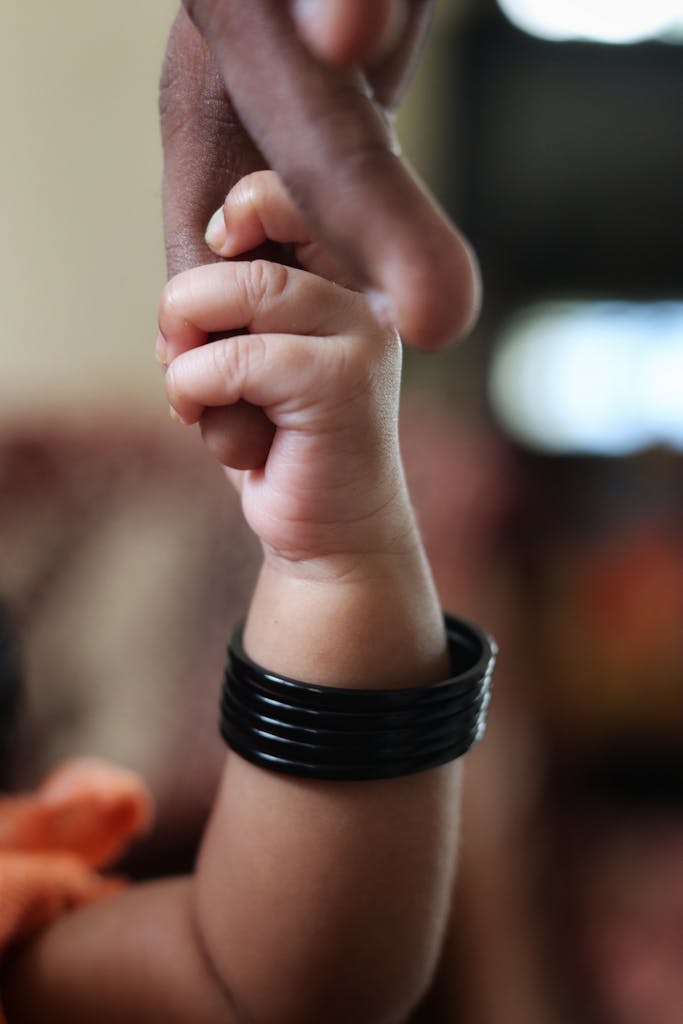
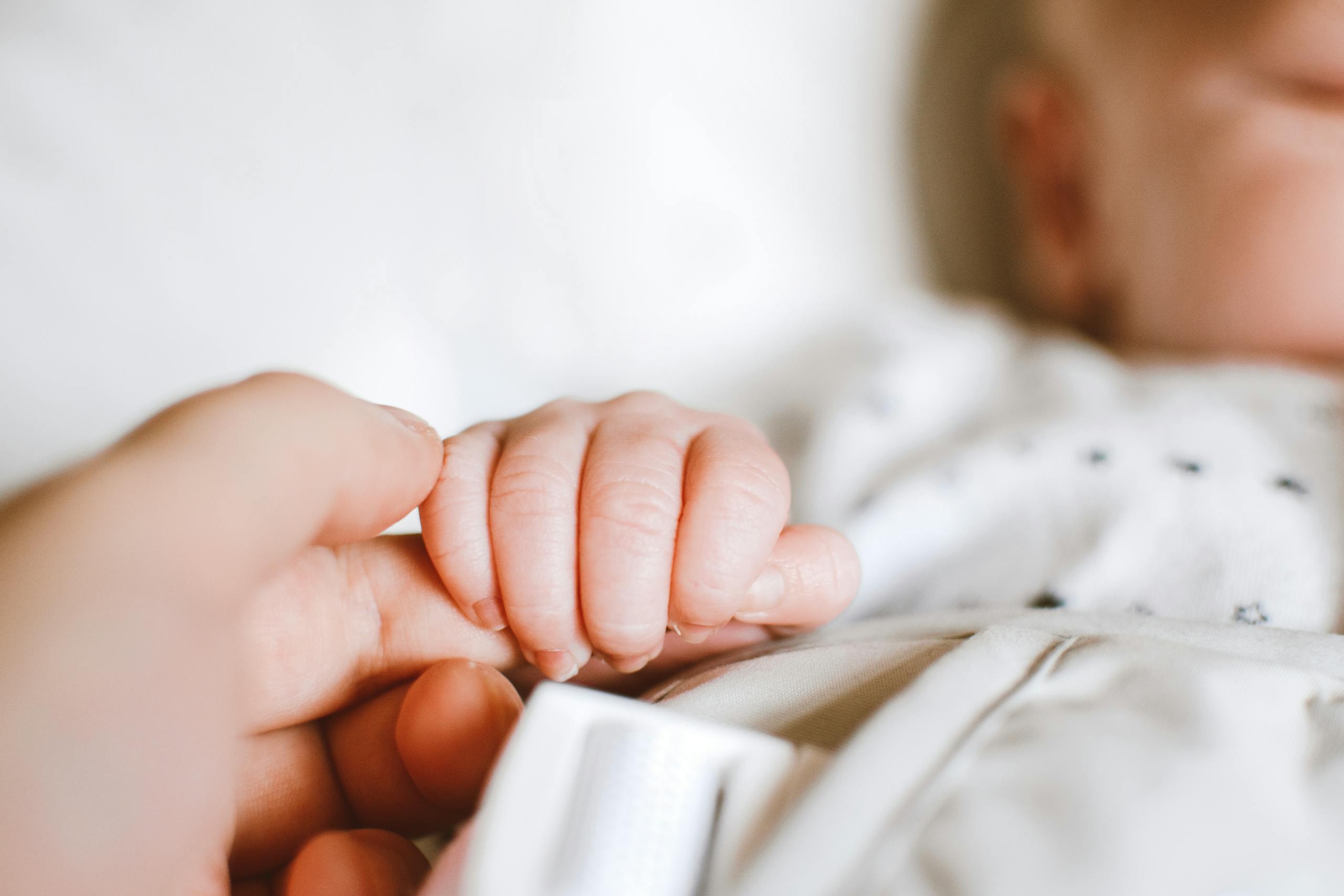
One moment your little one’s hand seems relaxed, the next, their fingers coil tightly around a finger, rattle, or even your saree pallu. This grasp reflex, also called the palmar grasp reflex, is an involuntary response—meaning your baby isn’t choosing to hold on, it happens by automatic wiring in the nervous system. Stroke or press gently on a newborn’s palm, and, almost magically, the fingers wrap around the intruding object. Not just an endearing gesture—this action served, through evolution, to help infants hold fast to their caregivers.

Up to about 4 to 6 months, this involuntary clutch persists, powered by neural circuits running from the palm to the brainstem, bypassing the reasoning parts of the brain, and relying on nerves like the median and ulnar. If you place a finger in an infant’s hand, the strength of their grip can even surprise, sometimes momentarily supporting their own weight! Yet, this peculiar reflex isn’t permanent; with time, the developing cerebral cortex gains more control, and your baby transitions gradually from primitive reflexes to intentional moves like reaching, grasping, and playing.

Palmar and Plantar: The Many Faces of Grasp Reflex

You touch your baby’s palm—a quick, strong clench. But the story doesn’t end with the hand. Ever tickled your little one’s foot and watched their toes curl? That’s the plantar grasp reflex in action, the foot’s mirror-image to the hand’s palmar magic. The plantar reflex tends to last longer, weaving neurodevelopment and survival instincts together.

Then there’s the Babinski reflex, where gentle stimulation of the foot’s sole causes the big toe to rise and the other toes fan out—a normal finding that disappears by 1 to 2 years of age. Each of these reflexes has a timeline, and their coordinated fading marks healthy neurological development. Testing is straightforward for clinicians: a stroke, a press, and the search for symmetry, strength, and age-appropriate response. Irregularities here—such as a weak, absent, or persistent grip—can prompt more detailed neurological checks.

Grasp Reflex on the Timeline: From Fetus to Milestone

Did you ever imagine your baby, while still inside the womb, already practicing these first grabs? The grasp reflex begins to develop as early as 16 weeks of gestation, and it’s often clearly seen in preterm infants too, by around 25 weeks post conception. In full-term newborns, it’s robust—sometimes, yes, surprisingly so. As weeks slip by toward the half-year mark, the grip gradually loosens. Now, voluntary control takes center stage: reaching for a colourful ring, grasping a toy elephant, transferring objects hand to hand. This gentle fade signals that higher brain centers—especially the frontal lobe—are coming online, suppressing automatic behaviours and paving the way for complex movements that support exploring, feeding, and learning.

From Reflex to Real Skill: The Building Blocks of Motor Development

Is the grasp reflex just a fleeting curiosity? Absolutely not. It forms the bedrock of fine motor skills—the ability to hold a spoon, draw with a crayon, eventually tie shoelaces. As the automatic reflex gives way, what emerges is voluntary grasping, honed by muscles strengthening and sensory input multiplying. Interacting with your child (offering textured toys, letting them hold your finger, providing time on their tummy) creates rich stimulation, awakening those tiny hands to explore and master their world.

Encouragement here doesn’t require elaborate routines. Hold out a bright rattle, smile, let your child decide when to let go or hold tight. Frequent exposure to different shapes, textures, and even temperatures (always safe, of course), primes the nervous system and supports seamless reflex integration into purposeful movement.

How Professionals Assess the Grasp Reflex in Babies

The process is gentle and thoughtfully tailored to your child’s comfort. The doctor or nurse ensures your baby is calm, then softly stimulates the palm (or sole, for plantar reflex). They look for a quick, symmetrical closure—the hallmark of a healthy grasp reflex. Lopsided grip, feeble response, total absence—all these patterns may point toward further evaluation. This isn’t about policing your baby’s every move, but about using grasp reflex as a window into mature central and peripheral nervous system function.

Notably, if a baby continues to show a strong, involuntary grasp after the expected age, or if the grip is consistently weaker on one side, health professionals might consider underlying conditions (such as nerve injury, muscle problem, or a brain issue like cerebral palsy). The reverse—no response at all—also urges further neurological scrutiny, helping ensure the best possible care early on.

Nurturing Healthy Reflex Integration: Everyday Parenting Tips

Supporting your baby’s grasp reflex doesn’t mean constant intervention—nature handles much of the work. But gentle, daily activities create an ideal environment for development:

  • Touch and explore: Let your child grab your finger or safe, soft toys.
  • Offer different textures: Fabric swatches, rattles, plush animals—all allow discovery.
  • Prioritise tummy time: Laying on the tummy strengthens the upper body, supporting voluntary reaching and open-handed exploration.
  • Interactive play: Hold your baby’s hand during feeding, gently open and close their fists with songs and rhymes. Natural play is far more effective than scheduled exercises.

And a tip worth remembering: Prolonged periods in car seats, swings, or other devices (except when traveling or sleeping) are best kept short during awake hours, so little hands remain free to move and grow strong.

Grasp Reflex and Clinical Red Flags: When to Consult a Doctor

Some parents wonder: “Should I worry if my baby releases objects too easily? If one hand grips more than the other? If the reflex holds on longer than six months?” These aren’t trivial questions. Early identification of issues streamlines support, especially for signs like:

  • Total absence of grasp reflex at birth
  • Reflex that is strong, persistent, or asymmetric past 6 months
  • Delays in general hand use (such as trouble reaching, holding, or transferring objects)

Also, a once-lost reflex that resurfaces in older children or adults—particularly after brain injury—signals a need for medical evaluation. Here, swift consultation with a pediatrician or neurologist streamlines the pathway to therapies and better outcomes.

When Reflex Integration Faces Challenges

Sometimes, despite a parent’s best efforts and attentive caregiving, the grasp reflex persists or is slow to fade. This may stem from diverse causes: prematurity, subtle neurological conditions, or rare developmental delays. In such cases, occupational or physical therapy becomes a valuable ally. Therapists introduce purposeful activities, exercises, and sensory-rich play designed to tailor the nervous system’s progress. With ongoing monitoring and caring guidance, children often move from reflex to voluntary skill, gaining confidence daily—at their own pace.

If the reflex lingers, daily activities requiring fine motor control—eating, playing, writing—may feel just a bit harder for your child. The addition of sensory processing challenges (such as discomfort with certain touches or textures) sometimes appears, too. Here, empathy, patience, and sustained encouragement during everyday routines make a remarkable difference.

Special Scenarios: Prematurity, Disorders, and Adults

Babies born prematurely may show a less pronounced or delayed grasp reflex—reflecting their neurological age more than any specific pathology. Similarly, absence or asymmetry can occur in the context of brain or nerve injuries, or conditions like cerebral palsy. Occasionally, in adults recovering from frontal lobe injury or illness, the grasp reflex makes a dramatic return—providing helpful clues about the site and extent of brain involvement, steering future therapy.

The Animal Connection: Grasp Reflex in Nature

Ever marvelled at a baby monkey clinging tightly to its mother’s fur as she leaps through the forest? This is the same grasp reflex—nature’s way of ensuring safety and bonding in early life. It’s a beautiful reminder of the deep evolutionary roots shared by all mammals, where primitive reflexes lay the foundation for ever more sophisticated, intentional actions.

Evolving Science: New Pathways in Grasp Reflex Research

Modern tools now let scientists peer deep into the working brain: sensor-driven tests, advanced imaging, genetic analyses. These advances bring sharper understanding of the interaction between the central nervous system and muscle movement, refining our approach to therapy and diagnosis. Factors influencing the grasp reflex—from early preterm birth to environmental stress—are being actively studied, promising future breakthroughs in personalized care and rehabilitation.

Key Takeaways

  • The grasp reflex is a powerful, automatic sign of a healthy newborn nervous system, starting from as early as 16 weeks in the womb and fading by around 4 to 6 months.
  • Gentle fading of this reflex signals that the brain is progressing from primitive pathways to purposeful, voluntary movement—an essential developmental leap.
  • Differences in strength, duration, or symmetry of the reflex may point toward temporary changes or underlying health issues. Any concerns are best discussed with your baby’s doctor to access support quickly.
  • Play-based stimulation—touching, holding, exploring various textures—naturally nurtures hand development. No special exercises are needed, just affectionate, daily interaction.
  • Resources and professionals are available—parents never have to decode baby’s signals alone. For tailored advice and free health checklists, download the Heloa app, where pediatric expertise is always within reach.

Questions Parents Ask

Can you help your baby develop or strengthen the grasp reflex?
Offering your finger or a soft, textured toy is already enough—nature does most of the work. Interactive moments and varied sensations help develop nerves and muscles, but there’s no need for strict exercises. Enjoy the tiny hand’s wonders as part of everyday bonding.

Is the grasp reflex linked to breastfeeding?
Yes, indeed! The instinctive grip often helps newborns connect emotionally with the caregiver during feeding, fostering closeness and sometimes allowing them to hold onto clothing. Beyond nutrition, these gentle touches nurture warm bonds.

Is it normal for one hand to be stronger than the other?
Small differences are common in early weeks. Still, if you notice persistent, clear asymmetry in strength or movement between the hands, it’s sensible to bring this to your pediatrician’s notice. Often it’s temporary, but open observation ensures tailored support.

What if the grasp reflex returns in older children or adults?
A reappearing grasp reflex is rare and usually seen after neurological injury (like stroke or trauma). It can be a valuable clue for doctors to understand which brain regions are affected and to plan appropriate therapies.

Does the reflex disappear on its own?
Yes, in almost all cases. As the cerebral cortex (decision-making part of the brain) matures, voluntary movement takes over and the automatic reflex fades naturally. Every child is unique—patience and support encourage gentle, healthy progress.

Further reading:

Similar Posts

Ever watched tiny fingers wrap around your thumb with astonishing strength, almost defying their delicate appearance? The grasp reflex is one of nature’s most remarkable early marvels, equal parts endearing and mysterious to parents anxiously deciphering the hidden messages nestled in their newborn’s movements. Questions quickly arise — is this strong grip normal? When will it fade? Could its absence signal something you should discuss with your pediatrician? These are more than idle curiosities. They reflect a parent’s perfectly reasonable concern for their child’s neurodevelopment, as well as a desire to nurture healthy growth, day by day, milestone by milestone. The journey into understanding the grasp reflex weaves together evolutionary biology, neurology, and the nuanced art of parenting. Expect answers, practical steps for everyday life, and expert-backed reassurance without platitudes.

What Is the Grasp Reflex? A Window Into Early Brain Development

The grasp reflex (sometimes called the palmar reflex) is an instinctive, involuntary tightening of your baby’s fingers or toes when their palm or foot is lightly stroked. Why does this happen? In medical language, this reflex is “primitive”—and for good reason. Present from birth, it emerges thanks to neural pathways running through the spinal cord and is mediated by the median and ulnar nerves before higher-level cortical inhibition develops. During those first months, your baby’s nervous system is still a work in progress: imagine a city of blinking lights being hooked up one at a time. The grasp reflex lets you glimpse this construction in real time.

But there’s more. Many researchers believe this automatic grip once had a fascinating evolutionary function—allowing tiny infants to cling to caregivers for safety and warmth. Modern babies rarely have to clutch for dear life, but the presence of a grasp reflex signals a healthy central nervous system and underscores the importance of early parent-infant bonding. If you’ve ever felt that first powerful grip, you know: it’s more than a reflex. It’s an early form of connection.

The Science Behind the Reflex: How Does It Work?

The circuitry is as sophisticated as it is swift. When gentle pressure touches the skin of a baby’s hand or foot, sensory receptors send signals through peripheral nerves, racing toward the spinal cord and the lower brainstem—completely bypassing conscious, voluntary brain centers. Babies, whose primary motor cortex and frontal lobes are still under construction, don’t yet have the inhibitory “brakes” to override this instinctual response. The result? Fingers clamp down, sometimes gripping so sturdily that it can even hold the baby’s weight for a moment.

With time—typically between 4 and 6 months—maturation of the brain’s higher regions, especially the prefrontal cortex, tip the balance. Reflexes that once ruled the playground quietly vanish, making way for purposeful, voluntary movements. Should the reflex linger beyond this age, or if one hand grips much more strongly than the other, it can be a hint to check with your pediatrician about potential neurological development concerns.

Types of Grasp Reflexes: Palmar, Plantar, and Beyond

  • Palmar grasp reflex: The crowd favorite. Place your finger in your baby’s palm; their fingers will curl tightly around it every time.
  • Plantar grasp reflex: This related reaction occurs when the bottom of your baby’s foot is touched—notice the toes curling down, a sign the system is firing normally.
  • Babinski reflex: A fascinating contrast. Stroke the outer sole, and the big toe lifts while other toes splay outward. This primitive reaction fades later, typically by age 2, offering pediatricians another benchmark of neurodevelopment.

Medical professionals assess these primitive reactions with simple but exacting techniques: careful, symmetric stimulation and observation, looking not only for the presence of the reflex but also noting if it’s weaker, stronger, or persists longer than is typical.

Milestones: When Does the Grasp Reflex Appear and Fade?

Starting its subtle choreography in the second trimester—yes, even before birth—ultrasounds sometimes reveal these movements in utero. At delivery, especially in full-term infants, a robust grasp reflex reassures physicians that core neural pathways are intact. This grip usually begins to fade as the months pass, melting away between 4 and 6 months, coinciding with the blossoming of intentional movements—look for your baby beginning to explore and reach for toys with curiosity.

For premature infants, the reflex may be fainter or delayed. Rather than a verdict, this often reflects overall neurodevelopmental maturity. Individual timetables vary, so attentive monitoring and adaptation are far more helpful than calendar checkpoints.

From Reflex to Intentional Motion: Pathways to Fine Motor Skills

Here’s the extraordinary upshot: what begins as an automatic grasp reflex lays the foundation for the myriad fine motor skills that underpin everything from self-feeding to writing. As the reflex integrates (medical jargon for “fades and transforms”), voluntary motion emerges. Clumsy, charming attempts to grab a rattle morph into precise, coordinated pincer grips. Encourage this evolution without pressure—present textured toys, offer varied objects to explore, and marvel as your child’s hand-eye coordination blossoms. Not every day needs to feature targeted stimulation, but regular, affectionate interaction takes your baby further than any formal exercise ever could.

Clinical Insights: What the Reflex Tells Medical Professionals

Pediatricians pay close attention to the grasp reflex — not just as a developmental curiosity, but as a highly informative neurological sign. A symmetrical, solid grasp shows healthy connections between the brainstem, cortex, and the muscles. If the reflex is absent from birth or re-emerges later in childhood (or adulthood), this may suggest issues such as developmental delays, injuries, or cerebral palsy. Both persistent and absent reflexes have clear implications: prompt, gentle evaluation can open the door to early support.

Occasionally, deep stimulation might provoke unusual reactions tied not to the grasp reflex but to broader autonomic responses—very rare, and usually associated with other systemic concerns.

How and Why the Reflex Changes Over Time

This shifting dance between primitive spinal activity and emerging cortical control is a template observed across all early reflexes. As inhibitory circuits in the frontal cortex rev up, automatic responses subside. However, if damage occurs—through disease, developmental disorder, or injury—the reflex may stubbornly persist or startlingly reappear. Adults recovering from a stroke, for instance, may again showcase a pronounced palmar grasp reflex, revealing the intricate lacework between brain structure and motion.

Practical Strategies for Parents: Supporting Healthy Development

  • Light touch: Gently stroke your baby’s palm or sole, offering moments of tactile wonder and self-discovery.
  • Varied sensory experiences: Let little hands roam across soft cloths, textured rattles, and surfaces both smooth and bumpy.
  • Tummy time: Essential not just for muscles, but for stimulating free exploration and experimentation with grip and release.
  • Limit restrictive devices: Car seats and swings have their moments, but plenty of free movement fosters healthy reflex integration.
  • Celebrate small triumphs: Whether reaching, rolling, or transferring toys from hand to hand, every milestone is a leap forward in neural and muscular maturation.

When Should You Seek Medical Guidance?

Pediatric attention is warranted if:

  • The grasp reflex is missing entirely at birth.
  • There is a strongly persistent, lopsided, or unusually forceful grip after 6 months.
  • Delays in hand use or global movement milestones surface.
  • The reflex appears in older children or adults following brain injury.

Early professional insight can offer not just reassurance but meaningful guidance for the road ahead.

Early Intervention: Supporting Growth When Reflexes Persist

Should an unusual grasp reflex pattern persist, occupational and physical therapists have a toolbox brimming with tailored strategies—sensory play, movement exercises, and monitored activities that gently encourage voluntary control. Early, individualized therapy can boost confidence, independence, and daily function, especially for children embracing life with neurodevelopmental differences.

When Reflexes Persist: Everyday Realities and Professional Support

For children managing lingering reflexes, everyday activities—dressing, eating, or playing—can turn into challenges requiring patience and creative approaches. Sensory sensitivities may walk hand-in-hand. An empathetic occupational therapist can transform daily routines into opportunities for progress, offering hope and concrete, pragmatic solutions.

The Grasp Reflex in Special Situations and Other Species

Premature infants, children with genetic or developmental differences, and adults recovering from neurological injuries all may display unique versions of the grasp reflex. Far from random, these variations provide invaluable information about nervous system integrity and function—guiding nuanced, adaptive care.

In an evolutionary twist, this reflex appears across many mammals: primate newborns, for instance, rely on a formidable grip to stay connected to their mothers in the wild, underscoring both our biological kinship and the ongoing relevance of primitive reflexes.

New Frontiers in Research: Technology and Genetics

The world of neonatal neurology is evolving at breakneck speed. New sensor-based tools are being developed to finely assess primitive reflexes like the grasp reflex, shining a light on the interplay between genetic background, environmental influences like preterm birth, and the timing of developmental milestones. Innovations in neurorehabilitation offer fresh possibilities for both assessment and supportive therapy, providing more personalized pathways to integration and growth.

Key Takeaways

  • The grasp reflex is a compelling, instinctive movement that offers parents and professionals a glimpse into early brain and nervous system development.
  • A strong, symmetrical reflex from birth, gradually fading by 4 to 6 months, is a reassuring milestone—its persistent presence or early absence can provide early insights requiring attention.
  • Simple, interactive touch, safe play, tummy time, and attentive observation all support your baby’s transition from reflexive to voluntary action.
  • Should questions or worries arise, you have access to caring professionals and rich resources. For personalized guidance and free health questionnaires for your child, consider discovering the Heloa app—reliable support in your pocket.
  • Every baby charts a unique developmental course; understanding, encouragement, and collaboration with healthcare providers are the most powerful tools you have. Let science—and trust in your instincts—guide your journey.

Questions Parents Ask

Can you do anything to stimulate or strengthen the grasp reflex in your baby?

You can gently encourage your baby’s natural grasp by offering your finger or soft objects to hold, always in a calm and playful manner. Introducing a variety of safe, textured items for your baby to explore can support hand development, while keeping interactions enjoyable and stress-free. Remember, everyday moments like holding hands or letting your baby touch different sensations are already helping those tiny muscles and nerves grow. There’s no need to focus on exercises—just let your baby’s curiosity and need for touch guide the way.

Does the grasp reflex have any role in breastfeeding?

Absolutely, the grasp reflex can play a supportive role during breastfeeding. The instinctive grip helps babies hold on to their caregiver or clothing, fostering closeness and security, which may make feeding times more comfortable for both of you. This skin-to-skin contact and bonding are just as important as the mechanics of feeding, creating moments that nurture emotional connection alongside physical nourishment.

Is it normal for the grasp reflex to be different between a baby’s two hands?

It’s quite common to notice small differences from one hand to the other, especially in the early weeks. However, if you observe a clear, persistent difference in strength or consistency between the two hands, or if one hand seems much weaker, it can be helpful to mention this gently to your healthcare provider. Most variations are harmless, but attentive observation and open communication help support your baby’s unique development in the best way possible.

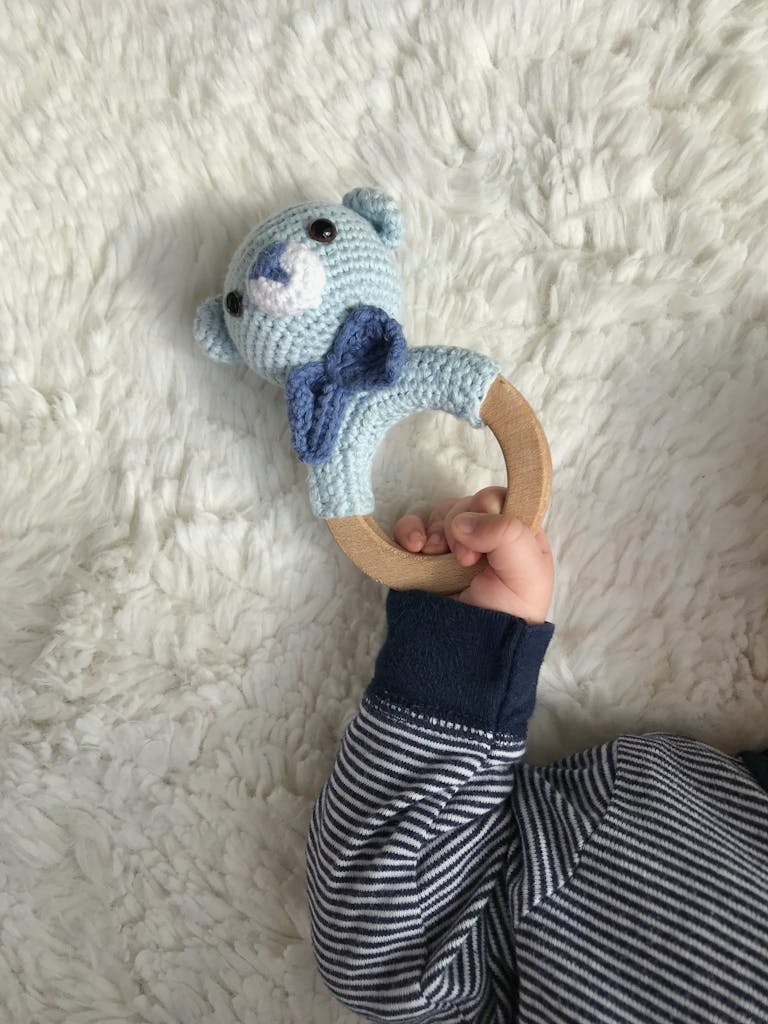
bebe tient hochet bleue avec reflexe de grasping 13542907

Further reading:

Similar Posts