By Heloa | 16 May 2025

Baby-led weaning: nurturing confidence, independence, and joyful discovery at mealtime

7 minutes
de lecture

By Heloa | 16 May 2025

Baby-led weaning: nurturing confidence, independence, and joyful discovery at mealtime

7 minutes

Par Heloa, le 16 May 2025

Baby-led weaning: nurturing confidence, independence, and joyful discovery at mealtime

7 minutes
de lecture

The journey from exclusive milk feeds to the vibrant, sometimes chaotic realm of solid foods—what a milestone for any family! Navigating this passage, baby led weaning stands out for its promise of autonomy, sensory exploration, and joyful mealtimes. Yet, the prospect of letting infants grasp their own food, amid worries about nutrition, allergies, or safety, sparks a thousand questions. Will baby led weaning suit your little one? When is the right time? What if iron or fat intake falters? You might wonder, should one blend purees and finger foods, or follow a strict path? Allow yourself a breath—solid food introduction need not be fraught with stress. Together, let’s unfold clarity on readiness signals, safe food textures, nutritional strategies, how to prevent picky eating, and why the family table can become a true classroom. Prepare to reimagine the first bites, guided by evidence and empathy.

Understanding Baby-led Weaning: Key Foundations

What sets baby led weaning apart? Here, the baby, not the adult, takes the lead. No more covert spoonfuls masked with theatrics—rather, well-chosen finger foods laid out, yours to inspect, squish, maybe toss, but certainly to taste when intrigue overcomes hesitation. The transition often begins near 6 months (sometimes a stretch earlier, sometimes a nudge later, and that’s perfectly normal with individual developmental pacing).

Three major markers indicate readiness:

  • Sitting upright, quite steady, without wobbly support.
  • Losing the tongue-thrust reflex (that automatic shooing away of non-milk items).
  • Demonstrating curiosity—tracking the family fork with keen eyes, reaching out for colourful morsels, perhaps even a surprise grab onto your chapati.

Underlying the simplicity, there’s genuine science: self-feeding encourages early oral-motor skills and coordination, setting the groundwork for future speech and independent eating. Varied exposure? Absolutely—when the plate holds different shapes, colours, and textures (do remember, soft and mashable trumps crunchy or sticky). Teeth are optional—gums possess surprising mashing prowess!

The Benefits of Baby-led Weaning: Independence and Beyond

Isn’t it remarkable how much learning happens at the table? With baby led weaning, the journey goes well beyond mere calorie intake:

  • Autonomy: Each meal becomes an act of self-determination, bolstering self-confidence and agency.
  • Development of fine motor skills: Picking up soft carrot batons, transferring slippery avocado—such tasks fine-tune the pincer grasp and hand-eye synchrony, essential for writing or threading beads in years to come.
  • Dietary diversity: Familiarity breeds acceptance—the more tastes and colours crossed paths with, the less likely food rejection looms in toddlerhood.
  • Social and emotional cohesion: Meals become interactive lessons in sharing, chatting, observing, and mimicking healthy eating patterns.

Parents may find joy, too, as shared mealtimes foster togetherness, conversation, and even a touch of kitchen creativity.

Nutrition in Baby-led Weaning: What Science Tells Us

Could an infant’s self-selection leave nutritional gaps? This concern weighs heavy, especially regarding iron, vitamin B12, and essential fatty acids (think omega-3, omega-6). Indeed, infants’ stores of iron wane by middle infancy, and breast milk alone may not bridge the gap. The keys:

  • Inclusion of animal proteins—eggs, fish, tender chicken, or well-cooked red meat.
  • Generous drizzle of vegetable oils—choose from walnut, rapeseed, soybean, or olive—into soothed vegetables or soft khichdi.
  • Mindful salt and sugar intake—the immature kidneys and fresh taste buds favour mild, natural flavours. Avoid added salt, honey, and minimize sweet foods.
  • Mixed approaches can help—sometimes, a little iron-fortified puree alongside finger foods ensures adequacy, especially if appetite wavers or fatigue shadows the highchair.

Should “BLW” be a rigid rule, excluding the occasional spoon? Not necessarily. Responsive feeding, observing cues of hunger and satiety, matters more than textbook purity. Hybrid methods come with benefits: early puree of allergenic foods (like peanut or egg) before switching fully to self-feeding finger foods when developmental benchmarks are met.

Allergenic Foods: Timing, Tolerance, and Safety

Here, the debates heat up, but evidence adds helpful nuance. Research on food allergy prevention points to the concept of a “tolerance window,” often between 4 and 6 months, when gentle, repeated exposure to allergenic foods (such as peanuts, eggs, dairy) may lower future risk. With baby led weaning, the main stage opens around 6 months, after this window; so what then?

A bridge solution—introduce pureed allergenic foods during the earlier months, then transition to baby led weaning as sitting confidence develops. Always, stagger introductions—give each allergen its moment, observe reactions, and if strong family allergy history or conditions like severe eczema run in the family tree, seek paediatric advice before starting.

Safety at the Table: Choking, Gagging, and Smart Preparation

The fear of choking often lurks in parents’ minds—a completely rational worry. Yet, when foods are cut to size, cooked soft, and adult presence is unwavering, the risk stays low. The science backs this reassurance: rates of choking are not higher in carefully supervised baby led weaning than in traditional approaches.

Best practices include:

  • Seated upright in a sturdy high chair.
  • Big pieces (think baton, not pea), soft enough to yield under gentle gum pressure—steamed apple, boiled carrot, soft rotis, all clear winners.
  • Never offer hard, sticky, or round foods—no grapes, whole nuts, popcorn, or fibrous chunks of meat.
  • Learn first aid—just as a backup, to keep worry in check.

A word on gagging: this protective reflex (distinct from choking) helps infants manage large bits, build “chewing before swallowing” habits, and gain confidence.

Getting Started: Practical Steps for Success

Where to begin? Pause for a calm, familiar setting—first foods are not for rushed evenings.

  • Serve strips, batons, or wedges sticking out beyond the baby’s tiny fist for assured grip.
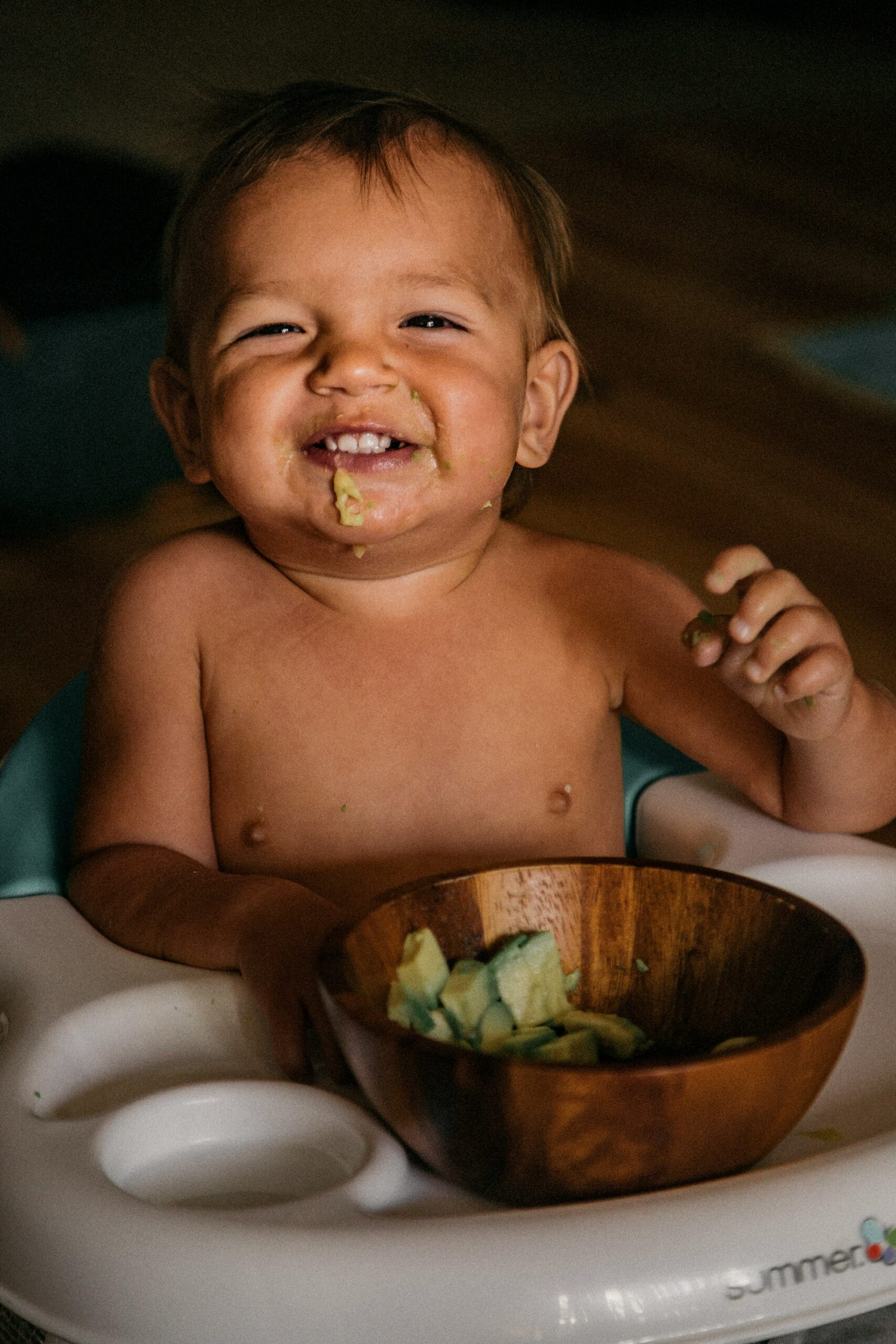
  • Embrace the mess—food on the floor, in the hair, traced on cheeks. That’s processing, learning, growing.
  • Watch for readiness cues: if your baby turns away, closes lips, or tosses food after a few seconds, trust it—they’ve had enough.
  • Use only fresh, unprocessed foods. The allure of commercial baby snacks can be strong but keep faith in home-prepared, no added salt or sugar options.

Choosing the Right Foods and Textures

A variety-packed, thoughtfully curated plate paves the way:

  • Soft, melting fruits: Ripe banana, pear, steamed apple, peach, papaya, or avocado.
  • Tender, cooked vegetables: Steamed carrot, soft beans, zucchini, broccoli florets—or even pieces of pumpkin, as long as the texture is right.
  • Larger pasta shapes, such as penne or chunky macaroni.
  • Strips of chicken or expertly deboned fish cakes; vegan households may opt for legumes or tender tofu.
  • Full-fat dairy: Plain dahi (yogurt), paneer (in soft cubes), or mild cheese.

Remember, until 12 months, breast milk or formula still anchors nutrition—solids augment, not replace, this foundation.

Crafting the Daily Routine: Milk and Solids In Harmony

What’s the schedule? Start with one solid meal a day, then raise the tally gradually – two by 9 months, up to three plus healthy snacks after one year. Timing: aim for mealtime when your baby is rested (not after a cranky spell).

Follow your child—hunger cues include reaching, eyeing food, or that wiggle of excitement when the highchair snaps shut. Signs of fullness? Slower tempo, head turned away, lips zipped. Let them decide quantity; resisting the urge to coax “just one more bite” lays the foundation for mindful eating for life.

Facing Common Troubles

Choking fears—with informed food prep and supervision, risk stays minimal. Knowing emergency protocol offers peace of mind.

Nutrition worries—if iron, healthy fats, or B12 seem lacking, incorporate animal proteins, plant oils, and mixed feeding for a season. Some days are “nibbly,” some days are “hearty”—growth, wet nappies, and energy count far more than empty plates.

Mess stress—embrace it! Hand-mashed dal splattered on cheeks? Yes, it’s messy now, but sensory discovery blossoms from such textures.

Fussy eating—the solution? Neutral persistence. No pressure to eat, repeated casual offerings across weeks; acceptance arrives in time.

Special Circumstances and Cautions

Baby led weaning may not suit every scenario. Care is warranted:

  • Severe eczema, early asthma, or strong family allergy history suggest a slower pace, with mixed feeding and earlier allergen trials under medical oversight.
  • Premature infants or those with unique neurodevelopmental pathways may need a later start and customized advice—paediatric guidance is invaluable here.

Adapting approaches fosters a safer, more inclusive mealtime for all.

Family-Friendly Baby Led Weaning Recipes

Sometimes, inspiration is all that’s needed for a joyful table:

  • Oven-baked vegetable sticks: Sweet potato fries, carrot batons, steamed zucchini.
  • Soft fruit slices: Papaya cubes, ripe pear, or steamed apple slices.
  • Egg preparations: Strips of omelet, softly scrambled eggs.
  • Tender meats: Slow-cooked shredded chicken, softly rolled meatballs.
  • Deboned fish cakes, cubes of tofu, mini khichdi balls (rice and lentil mix)
    Simple tweaks—no salt, modest oil, fresh produce—render every shared meal suitable for the littlest member.

On the move? Pack steamed veggies, soft fruits, or homemade snacks; eating out, choose plain, simply prepared dishes for an easier transition.

Monitoring Progress and Encouraging Healthy Growth

How to know if things go well? Consistent growth, steady weight gain, and an enthusiastic attitude towards food are reassuring. Regular paediatrician follow-ups matter—tracking milestones, watching trends, and discussing any hurdles. Families sometimes find value in jotting down foods tried, responses, and new skills (the first-shared chapati moment is always worth a date!).

Should growth slow or allergies spark, professional guidance ensures timely, tailored support.

Key Takeaways

  • Baby led weaning celebrates independence, sensory learning, and a positive food relationship from day one.
  • Readiness matters—sitting upright and showing interest pave the way for safe and successful solid introduction.
  • Together, careful meal prep and attentive supervision keep the risks low and experiences rich.
  • Varied textures, flavours, and nutrient-dense foods nurture resilience against picky eating and set the stage for lifelong healthy choices.
  • Introducing allergies early, in a stepwise, observed fashion—especially for at-risk infants—safeguards future tolerance.
  • Flexibility and responsiveness—mixing purees with finger foods when appropriate—ensure nutritional completeness.
  • Professional resources stand by your side, and every baby’s pace is normal—celebrate each step.

Desire personalised advice, practical meal plans, or free health questionnaires for your child? Download the application Heloa for expert guidance, tailored to your family’s unique story. Support is always at hand.

Questions Parents Ask

Can baby led weaning be combined with breastfeeding or formula?

Absolutely! Baby led weaning perfectly complements ongoing breastfeeding or formula feeding. Until one year, milk is still the primary nutritional backbone, with solids playing a supporting, exploratory role. You may notice that as your little one’s solid intake climbs, milk feeds drop naturally—the transition dances to each baby’s individual rhythm.

Are there foods to avoid during baby led weaning besides choking hazards?

Definitely—apart from known choking risks, it is wise to avoid honey under 1 year (to prevent infant botulism), cut back sharply on added salt and sugar, and skip certain types of fish like shark and swordfish due to mercury. For dairy, stick to pasteurised products to minimise infection risk.

How do I know my baby is eating enough with baby led weaning?

Early on, much of the plate may end up everywhere but the mouth—stray peas, smeared dal. This is completely normal! What matters most is your baby’s steady growth and maintaining a good number of wet nappies. Watch for clear cues: interest when hungry, turning away or getting distracted when full. Trust their instincts—they are natural eaters, just learning at their own pace. If you feel unsure, your healthcare professional is best placed to reassure and review progress.

Further reading :

Similar Posts

Every parent knows the whirlwind of emotions that comes with introducing solids—excitement tinged with uncertainty, hope for happy acceptance laced with worry about nutrition, choking hazards, and messy chaos. Among the multitude of feeding philosophies, baby led weaning stands out for its invitation: let your child’s hands, intuition, and curiosity set the pace. But what lies beneath the smiling photos—the practical realities, the medical safeguards, and that yearning for reassurance that your baby is thriving? Let’s tackle the science, the stumbling blocks, and the sensory delight that makes baby led weaning both fascinating and sometimes divisive. What makes it so talked-about? How do you know if your baby is ready, and are there hidden pitfalls to watch for?

Understanding Baby-led Weaning: Unpacking the Basics

At its heart, baby led weaning is about putting your infant at the center of their own mealtime adventure. Gone are the days of meticulous spoonfuls of pureed carrots. Instead, baby is seated upright (a critical safety milestone, backed by pediatric recommendations) and offered a selection of finger foods—think soft chunks of steamed sweet potato or avocado slices they can grab, squish, and taste at their own pace. No teeth? No problem; strong gums do the work when food is tender enough to mash between fingers.

When can you start? Not before your baby can sit independently, hold their head steady, and reliably bring objects to their mouth—typically around 6–7 months for full-term, healthy infants. The loss of the tongue-thrust reflex signals another green flag, as does that unmistakable fascination with your dinner plate.

But this isn’t a free-for-all. Safety demands vigilance: avoid anything small, round, sticky, or hard. Grapes, raw apples, whole nuts, tough crusts? Off the menu. Pediatricians explain that the trachea (windpipe) in infants is narrow—smaller than a pencil’s diameter—so food must always be large enough for the baby to hold but soft enough to smush with minimal force.

Why Parents Embrace Baby-led Weaning: Benefits for Whole Family

What drives the surge of interest in baby led weaning? For many, it’s the promise of happier, more independent eaters. Babies, offered choices, select foods and regulate their own intake—building self-trust and fine motor coordination (vital for later skills like writing and self-care). The experience isn’t only nutritional; it’s deeply social and sensory.

Shared mealtimes create micro-lessons in communication, familial bonding, and even healthy eating patterns. Imagine your six-month-old, chortling with glee, exploring the texture of steamed broccoli, observing siblings, and trying to mimic grown-up table manners. Research suggests such early exposure to diverse foods—colors, smells, textures—may reduce food aversions and even the risk of picky eating later.

Some studies hint at a lower likelihood of obesity, possibly due to the child’s greater respect for internal hunger and satiety cues. Still, enthusiasm must be tempered by careful consideration: not every baby or family context is the same.

Potential Nutritional Gaps and Medical Concerns

No feeding method is flawless—baby led weaning included. Parents rightfully worry about iron, vitamin B12, and healthy fat intake, all of which are vital for early brain development and robust growth.

Here’s what research shows: infants need iron-rich foods after six months (the body’s reserves from pregnancy begin to drop). If the baby is mostly gnawing on fruit and vegetables, that gap widens. The solution? Regularly include animal-based proteins (soft strips of chicken, scrambled egg, tender flakes of fish) and plant sources like beans, lentils, or tofu—always cut large and soft for safety. For families following a vegetarian plan, foods fortified with B12, legumes, and appropriately prepared eggs can be valuable.

And don’t forget healthy fats. Adding a spoonful of vegetable oil (like rapeseed, walnut, or olive) can boost brain-building omega-3 and omega-6 fatty acids. Beware the salt shaker: infants’ kidneys are immature, and excessive sodium can cause problems subtle but significant, from dehydration to long-term blood pressure issues.

Are you worried your baby seems to prefer the sweet things? It’s natural—humans are hardwired to enjoy sweetness, but offering vegetables and proteins consistently (not just when the baby “seems interested”) ensures a broader palate for the future.

Allergen Introduction: When and How to Proceed Safely

Food allergies—a shadow that looms in every parent group chat. So, does baby led weaning miss the early “window of tolerance,” during which allergies may be less likely to develop? The answer bridges science and practicality.

Research encourages early, repeated exposure to potentially allergenic foods (like peanuts, eggs, dairy) beginning from 4–6 months, especially for families with a history of allergies or infants with eczema. This typically precedes the classic BLW timeline, raising a conundrum: purees may be safer for those early months before full self-feeding skills are established.

A hybrid approach is often optimal: offer pureed or mashed allergens from 4 months if your pediatrician agrees, then transition to the classic baby led weaning foods—still being cautious, introducing new allergens one by one, and observing for reactions. For babies with severe eczema or multiple allergies in the family, medical supervision is paramount, and sometimes mixed feeding is safest.

Feeding Safely: Transforming Mealtimes into Joyful Exploration

Let’s face it—mealtimes can resemble a laboratory, equal parts discovery and chaos. The baby led weaning model insists on constant presence—never leave your child unattended, even for a second. Upright, well-supported seating in a highchair, large and soft foods, and unwavering supervision minimize risks.

Gagging—that dramatic coughing and face-pulling—can be terrifying yet is part of learning to handle solid food. Medically, gagging is a defense, not a danger. Choking, in contrast, is silent and requires first aid. Many hospitals and health organizations offer infant choking courses—well worth the peace of mind.

A tip from nutritionists: stick to easy-grip, soft textures, and expect (embrace, even) the mess. Bibs, splat mats, and patience are your allies.

Practical Guidance: Getting Started with Baby Led Weaning

Imagine your baby reaching for a slice of ripe avocado or a soft-cooked carrot baton—large enough to clutch, yielding enough to mash with the gums. This is the everyday beauty of baby led weaning, but preparation is key.

Begin with:

  • One solid meal per day, gradually increasing as your child shows interest and appetite.
  • Foods like steamed veggies (big pieces of carrot, broccoli “trees”), soft fruits (banana, pear, peach), and iron-rich proteins (omelet strips, shredded meat, flaked fish, beans).
  • Large pasta shapes, soft tofu cubes, and plain full-fat dairy—each supporting a different sensory and nutritional need.
  • Feeding after milk or a nap—when your child is alert but not desperately hungry—encourages positive associations.

Worried about food refusal? Most babies signal fullness by turning their head or losing interest. Pressuring them hinders their ability to trust hunger cues. Pediatricians note that appetite may fluctuate from day to day—resist the urge to coax or bribe.

Addressing Common Concerns: Choking, Mess, and Dietary Balance

You may be asking: does baby led weaning increase the risk of choking? Large, independent clinical studies show that with proper food preparation and vigilant supervision, choking events are not more common than with traditional spoon-feeding.

Messiness is an inevitable companion, but this tactile play accelerates learning about texture, smell, and taste. Evidence suggests repeated, pressure-free exposure to new foods is far more successful than forced tasting.

Are you anxious about protein, iron, or calorie intake, especially if your child seems slow to accept certain foods? Combining finger foods with purees or spoon-feeding is no failure—many pediatric feeding specialists recommend this flexible mixing, especially during the gradual introduction of allergens or learning to chew.

Who Should Avoid Baby Led Weaning? Medical Considerations

Despite its appeal, baby led weaning is not the universal solution. Infants who were born prematurely, show developmental delays, or have medical risks (such as severe eczema, suspected food allergies, or specific metabolic conditions) require a tailored, sometimes slower approach. Consulting your healthcare provider before embarking on BLW ensures your child’s unique needs are fully considered.

Some babies may reach motor milestones later, requiring parental patience and professional guidance. An open, honest conversation with your pediatrician lays the foundation for a well-supported feeding journey—one that may blend elements of baby led weaning, purees, or both.

Inspiring, Family-friendly Recipes and Practical Meal Ideas

What can meal planning look like? Baby led weaning thrives on simplicity: think vegetable fries (baked sweet potato fingers, carrot strips), large wedges of soft fruit (banana, steamed apple), or strips of omelet. Soft-cooked pasta, shredded chicken, and tofu cubes fill hungry bellies while supporting healthy development.

For outings or travel, pre-pack steamed veggie batons, soft fruits, or homemade snacks—a ready-made solution to unpredictable restaurant menus.

Always remove salt and sugar when preparing shared family recipes. When in doubt, keep it plain, soft, and large enough to grip securely.

Monitoring Growth and Celebrating Milestones

Tracking your child’s progress—weight gain, new skills (like grasping, chewing, biting), and emerging taste preferences—supports peace of mind and optimal development. Many pediatricians recommend regular check-ups, growth chart updates, and noting new foods or reactions in a simple diary.

Questions about growth, persistent feeding challenges, or possible allergies? There’s no harm, only wisdom, in seeking professional advice.

Key Takeaways

  • Baby led weaning empowers infants to self-feed, engage with new textures, and nurture their autonomy—sometimes messily, often joyfully.
  • Wait for clear signals of readiness: sitting unaided, lost tongue-thrust, and enthusiastic food interest—typically beginning between six and seven months.
  • Balance variety and safety: choose large, soft, easy-to-grip foods; avoid choking hazards; and embrace the inevitable mess as vital learning.
  • Mind the key nutrients: iron, B12, and healthy fats support neurological and physical development. “Improved” baby led weaning often blends animal proteins, plant proteins, and added healthy oils.
  • Allergy prevention is nuanced: introduce new allergens early, during the tolerance window, if recommended by your clinician—consider combining purees and finger foods as needed.
  • Shared mealtimes foster family connection and social learning. Mixed methods are not a sign of failure but of adaptability.
  • Health, safety, and parental confidence are supported by ongoing monitoring, engagement with healthcare providers, and a willingness to adapt as your child grows.

Support and guidance are at your fingertips—families seeking trustworthy, tailored advice and childhood health tools can now explore the Heloa app for personalized guidance and free health questionnaires. Empower yourself, embrace the journey, and watch your child’s confidence at the table blossom.

Questions Parents Ask

Can baby-led weaning be combined with breastfeeding or formula?

Absolutely, baby-led weaning works hand-in-hand with continued breastfeeding or formula feeding. Milk remains an essential source of nutrition for babies under one year old. Solid foods, whether finger foods or traditional purees, are offered “in addition” rather than “instead of” milk. The approach lets your child explore and enjoy new textures and flavors, while still receiving all the comfort and nutrients from milk feeds. Many families notice that as babies gradually eat more solids, their intake of milk decreases naturally—chaque bébé avance à son propre rythme.

Are there foods to avoid during baby-led weaning besides choking hazards?

Yes, there are some foods best left off the menu in early months, beyond those that may cause choking. Avoid honey before the age of one, as it can carry bacteria that cause infant botulism. Limit added salt and sugar, as babies’ kidneys are not mature enough to handle extra sodium, and a preference for sweet foods can set in early. Certain fish high in mercury, such as swordfish or shark, are also not recommended for young children. For cheeses and dairy, stick to pasteurized products to reduce any risk of infection.

How do I know my baby is eating enough with baby-led weaning?

It’s reassuring to remember that appetite can vary from day to day. In the beginning, much of the food might end up on the floor or mashed in tiny hands, and that’s entirely normal. Signs your baby is getting enough include steady weight gain and plenty of wet nappies. Babies usually show clear signals of fullness by turning away or losing interest in food. Trust this process and allow them to lead at their own pace; it’s rare for a healthy baby with access to milk and a variety of foods not to meet their needs. If you ever feel unsure, your healthcare provider can offer reassurance and check your child’s growth.

Further reading :

Similar Posts