By Heloa | 25 April 2025

Breastfeeding tea: exploring benefits, ingredients, and smart choices for nursing parents

7 minutes
de lecture
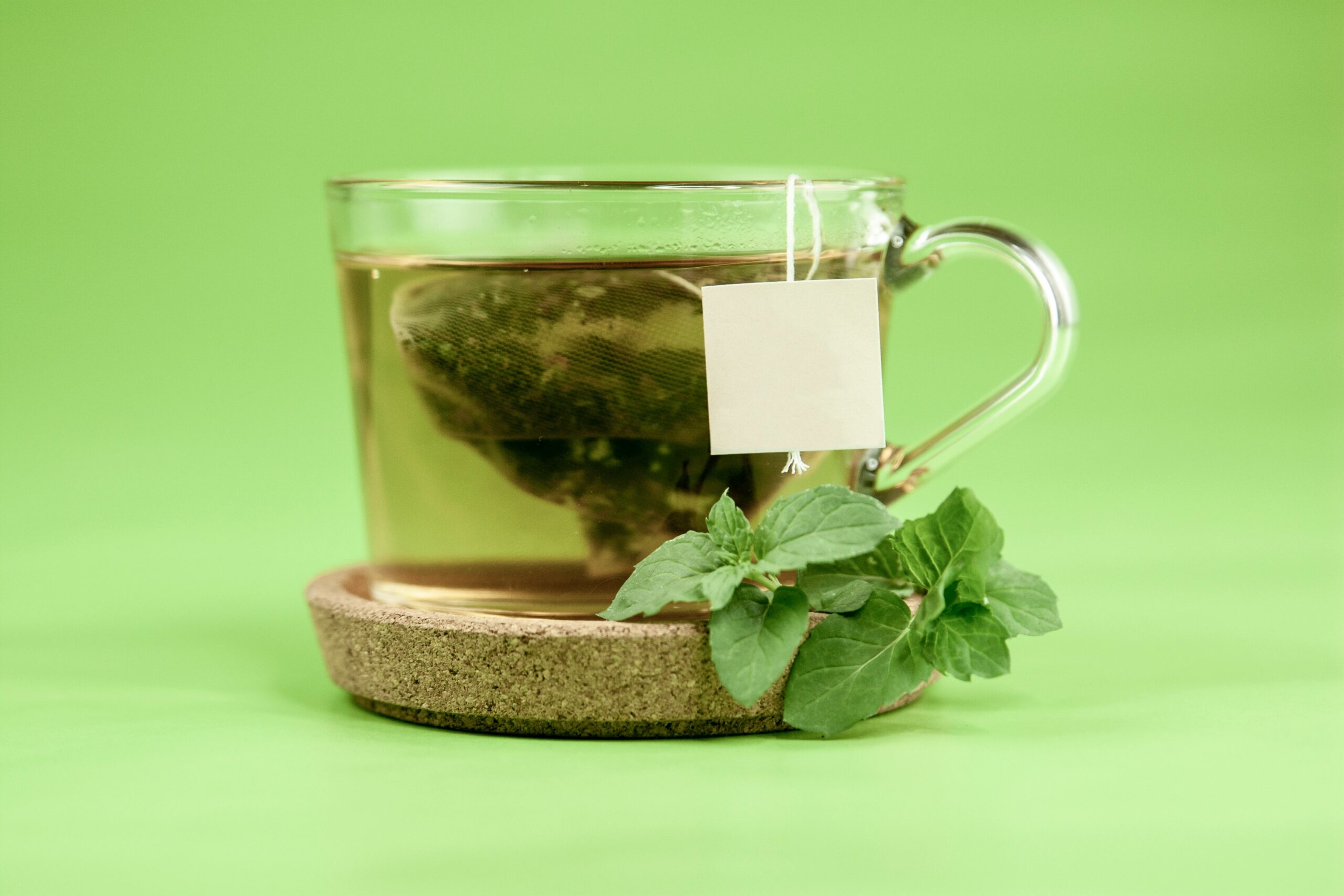
Tisane allaitement infusée dans un verre transparent, idéale pour les mamans qui souhaitent favoriser leur lactation.

By Heloa | 25 April 2025

Breastfeeding tea: exploring benefits, ingredients, and smart choices for nursing parents

7 minutes
Tisane allaitement infusée dans un verre transparent, idéale pour les mamans qui souhaitent favoriser leur lactation.

Par Heloa, le 25 April 2025

Breastfeeding tea: exploring benefits, ingredients, and smart choices for nursing parents

7 minutes
de lecture
Tisane allaitement infusée dans un verre transparent, idéale pour les mamans qui souhaitent favoriser leur lactation.

When a parent sits in the warm silence that follows a newborn’s cry, questions often float beneath the surface: “Am I making enough milk? Will my baby feel content? Is there something gentle, perhaps a daily habit, that could support both of us in this journey?” The ancient, aromatic ritual of preparing breastfeeding tea offers a glimmer of reassurance. Not simply a beverage, but a blend deeply rooted in tradition, science, and the art of maternal care. Yet with so many herbs, blends, and conflicting opinions—how do you know what’s truly safe and effective? Dive into the world of lactation teas, galactagogues, and thoughtful routines that may help both milk supply and well-being, while keeping parental agency and scientific perspective at the forefront. Here, every concern, from ingredient safety to practical brewing, finds its space—with clarity, empathy, and rigour.

Understanding Breastfeeding Tea: Ingredients and Mechanisms

Sipping on a fragrant cup of breastfeeding tea is more than taste—it’s a nod to herbal wisdom and physiological science. These teas, also called lactation blends, typically feature galactagogue herbs (natural substances that may enhance milk production) such as fenugreek, fennel seeds, blessed thistle, milk thistle, and anise. Many blends also bring in red raspberry leaf, nettle, caraway, and sometimes moringa or mint. What do these ingredients claim to do?

  • Fenugreek: Perhaps the most discussed, acting as a phytoestrogen (plant compound that mimics estrogen), potentially stimulating mammary gland activity. Some mothers notice a maple-like scent on their skin as a quirky sign it’s circulating.
  • Fennel and Anise: Both promoting gentle digestive comfort, sometimes not only for the mother but for the baby too through traces passed into breast milk.
  • Blessed Thistle and Milk Thistle: Traditionally believed to support milk flow and help balance postpartum fatigue, though clinical studies are still limited.
  • Red Raspberry Leaf and Nettle: Packed with antioxidants and minerals, supporting overall postpartum recovery.

However, not every herb is a friend to mothers and infants. Sage, parsley, comfrey, and kava kava can lower milk supply or present risks such as liver toxicity—scientific consensus recommends steering clear of these during breastfeeding.

By blending these specific components, breastfeeding teas become a ritual of targeted nourishment, not just a comforting drink. But, why such diversity in the herbal mix? The synergy between these galactagogues and supportive herbs is believed to yield cumulative, gentle action—a gentle nudge, never a guarantee, for milk supply.

The Science and Tradition Behind Breastfeeding Tea

Is the faith placed in breastfeeding tea all anecdote, or does research stand in support? Scientific investigation shows that fenugreek, for example, may have a positive impact on certain women’s milk production, but the scale of benefit can range from significant to subtle, depending on individual biology. Fennel and anise, while championed for their digestive aid, carry limited data regarding direct lactation enhancement. However, one undeniable benefit is hydration—breastfeeding demands increased fluid intake, and an herbal tea without caffeine delivers just that.

What about the placebo effect, the mind’s potential to influence physiology through expectation? Could the calming daily practice of sipping the tea, breathing in its earthy aroma, gently cue the body’s own oxytocin release, thus supporting let-down? Science is still unravelling complexities, yet the intersection of physical benefit, tradition, and mindful self-care forms the heart of the breastfeeding tea phenomenon.

Selecting Safe and Effective Breastfeeding Tea

Choosing a breastfeeding tea shouldn’t feel like a maze of indecipherable labels and risky guesses. How to cut through the confusion?

  • Ingredient Transparency: Only trust brands that list every ingredient, preferably with both botanical and common names. Unlisted additives, artificial flavours, or mystery “herbal blends” are best avoided.
  • Certification: Look for reputable certifications—such as “organic” or “non-GMO”—to ensure absence of pesticides or heavy metals.
  • Caffeine-Free Formulas: Caffeine can pass into breast milk and affect infant sleep, which is especially critical for newborns.
  • Avoid Certain Herbs: As stressed above, teas with sage, parsley, comfrey, or kava kava should not come near the nursing basket.
  • Batch Consistency: Branded lactation teas from reliable manufacturers often undergo stricter quality controls than loose-leaf or small-batch artisanal blends.

The market offers commercial lactation teas (for example, blends modelled on Traditional Medicinals Mother’s Milk or Earth Mama’s Milkmaid) and possibilities for home-made versions. If you opt to create your own, use only trusted sources for the herbs and measure quantities strictly.

How to Prepare and Drink Breastfeeding Tea Effectively

Practicalities matter. Proper brewing is essential—not simply for taste, but for extracting the right amount of beneficial phytochemicals from the herbs.

  • Temperature: Bring water just to steaming, around 90-95°C (194-203°F). Boiling water can destroy sensitive oils in the herbs.
  • Steeping Time: Cover and infuse for at least 5-10 minutes, letting the compounds dissolve fully.
  • Dosage: Most guidelines suggest 1-3 cups per day. More is not always better—overconsumption can increase the risk of digestive upset or contact allergies.
  • Rotation: Rotating between different blends or types can prevent overexposure to one particular herb, especially when using potent galactagogues like fenugreek.
  • Hot or Iced: Preference reigns—warmth soothes on a chilly evening, but iced breastfeeding tea becomes refreshing during those hot afternoons or after a long feed.

Some mothers enjoy their tea plain, while others add a squeeze of lemon (vitamin C, bonus!)—but it’s best not to load up with sugar or milk, unless medically advised, to preserve digestive comfort for both mother and baby.

Safety, Side Effects and Medical Advice

While breastfeeding tea is generally considered safe when consumed as recommended, certain nuances demand attention:

  • Digestive Issues: Fenugreek and similar herbs can sometimes bring on bloating, loose stools, or flatulence. These usually subside but shouldn’t be ignored if they persist.
  • Allergic Reactions: A rare few may experience rashes, swelling, or other allergy signals. If so, discontinue immediately and consult your doctor.
  • Hormone-Sensitive Conditions: Some galactagogue herbs mimic estrogen and might not be suitable for individuals with hormone-sensitive illnesses (examples: previous breast or ovarian cancer). Always seek a medical opinion in such cases.
  • Pregnancy: Fenugreek, especially in high amounts, can stimulate uterine contractions—strictly avoid before childbirth.
  • Infant Sensitivity: Mild digestive discomfort or allergic reactions may manifest in a breastfed infant if certain herbs pass into the milk—watch for changes in stool, mood, or skin.

When uncertainty creeps in or if either mother or baby presents with new symptoms, the expertise of a paediatrician or lactation consultant becomes indispensable for personalized guidance.

Beyond Tea: Food and Lifestyle Strategies for Milk Supply

Breastfeeding tea rarely works in isolation. It becomes a valuable companion to robust, evidence-based feeding practices:

  • Frequent and Effective Breast Emptying: Whether through direct nursing or pumping, demand truly drives supply.
  • Skin-to-Skin Contact: The warmth and touch release oxytocin, promoting let-down reflex and bonding.
  • Balanced Nutrition: Foods like oats, sesame seeds, walnuts, and flaxseed (rich in essential fatty acids) are long celebrated in traditional cultures for their lactogenic impact.
  • Hydration and Rest: Simple yet powerful—water, herbal infusions, and napping when possible lay a true foundation for successful lactation.
  • Stress Reduction: Calming routines—deep breathing, peer support, gentle yoga—contribute to hormonal balance, which in turn influences milk flow.
  • Homemade Herbal Infusions: Thoughtful, measured blends of fennel, nettle, and anise empower mothers to tailor their experience, ensuring each ingredient is personally tolerable and palatable.

By anchoring breastfeeding tea within a tapestry of balanced practices, parents foster a more sustainable and gentle lactation journey.

Demystifying Common Myths: Breastfeeding Tea and Reality

Misconceptions run rampant. Is breastfeeding tea a magic bullet for low supply? Does every cup guarantee a happy, full baby? Scientific evidence and clinical experience say otherwise. The effect—when present—is usually adjunctive, noticeable when paired with good feeding practices. It’s vital to remember that not all herbal blends are equal, and a well-marked label is often more trustworthy than folk remedies or anonymous mixes.

Interestingly, some of the real benefit may lie in the simple act of pausing—preparing, sipping, breathing—a ritual that lowers stress and may gently enhance maternal hormones involved in lactation.

Key Takeaways

  • Breastfeeding tea—a blend of specific galactagogue herbs—can offer gentle support for milk supply and maternal comfort, especially when chosen with care and consumed correctly.
  • Avoid unsafe herbs (sage, parsley, comfrey, kava kava) and always prefer fully transparent, organic, caffeine-free blends with clearly marked ingredients.
  • Proper brewing (right temperature, enough steeping time) and sensible dosage (1-3 cups per day) allow mothers to gain benefits with minimal risk.
  • Pairing breastfeeding tea with regular nursing, ample hydration, a varied diet, and restful routines yields the best outcomes for both mother and baby.
  • Health professionals—paediatricians, lactation consultants—are valuable allies, especially if uncertainty, allergies, or special health circumstances arise.
  • For personalised guidance and free child health questionnaires, download the application Heloa.

Questions Parents Ask

Can breastfeeding tea be taken hot or cold?
Absolutely, it’s all about personal comfort! Many mothers find the warmth soothing after feeds, but an iced breastfeeding tea during hot weather offers equal refreshment. Focus on proper preparation—steep well, then enjoy as you please.

Are there any herbal teas to avoid during breastfeeding?
Yes—steer clear of sage, parsley, comfrey, kava kava, and any blend with unclear ingredients. Even camomile, despite its reputation, is best approached with caution due to possible allergies or lack of safety data for infants. Always read labels and opt for lactation-specific teas or expert advice.

How soon does breastfeeding tea have an effect?
Varies greatly from one person to the next. Some might notice increased milk within a few days, others may not see much change. The context—hydration, feeding/pumping frequency, and stress—matters just as much as the herbs themselves.

Can I brew my own breastfeeding tea at home?
Definitely, provided you use safe, well-sourced herbs and measure portions carefully. Fennel, nettle, and anise make excellent base choices. If unsure, consult a herbalist or lactation consultant.

Is it safe to drink more than three cups per day?
Generally, no. More is not better; exceeding three cups won’t enhance supply and may invite side effects. Stick to recommended amounts unless your healthcare provider advises otherwise.

What should I do if my baby seems unsettled after I start drinking breastfeeding tea?
Pause consumption and consult your doctor—rarely, certain herbs may cause mild reactions in sensitive infants. Watch for digestive changes or skin rashes, and always prioritise medical guidance.

Do I still need to breastfeed or pump if I’m drinking breastfeeding tea?
Yes! The most effective way to maintain or boost milk supply is frequent and effective emptying of the breast. Breastfeeding tea acts as a supplement, never a substitute for direct feeding or pumping.

Does breastfeeding tea work for everyone?
Not necessarily. Biological response to herbs is highly individual. If your supply remains low despite best efforts—and side practices like good diet, hydration, frequent feeding—reach out to a specialist for personalised support.

Remember, your breastfeeding journey is uniquely yours. Support—herbal or otherwise—is available every step of the way.

Similar Posts

When feeding your newborn becomes a daily puzzle, every drop of milk can feel like a hard-earned victory. Many parents, whether navigating early days of lactation or wrestling with the question of low milk supply, reach for supportive traditions. One such tradition—the use of breastfeeding tea—raises as many questions as it promises soothing solutions. What’s really inside that fragrant cup? How can herbal ingredients influence both the body’s chemistry and the delicate dance of milk supply? As myths swirl and medical advice evolves, parents often search for concrete, science-backed answers that fit into the unpredictable reality of postpartum life. From understanding herbal compounds to dietary tweaks, and from brand selection to monitoring subtle responses in both mother and infant, the journey is nuanced. You’ll find practical advice on breastfeeding tea ingredients, safe consumption, possible side effects, alternatives, and evidence-based breastfeeding support—plus the reassurance that every family’s path is unique.

Understanding Breastfeeding Tea: Function and Ingredients

Breastfeeding tea isn’t just another herbal blend on the market. It’s specifically designed to address lactation concerns through the use of galactagogue herbs—plants believed to stimulate the body’s production of breast milk. Curious why fennel, fenugreek, and anise pop up so frequently on labels? Centuries of anecdotal usage have granted these herbs a special place in postpartum care, and modern research, while still evolving, recognizes their physiological actions.

  • Fenugreek: Possibly the most researched galactagogue, fenugreek contains phytoestrogens mimicking the body’s own hormones and can enhance milk volume for some. Yet, a distinctive maple syrup odor in sweat or urine sometimes surprises users—a harmless sign of the herb at work.
  • Fennel: This aromatic seed brings a double benefit: milk-supporting effects and potential relief for maternal and infant digestion (think: less colic or gassy discomfort).
  • Anise: Mild in flavor but powerful for soothing digestion, its essential oils may also gently stimulate lactation.

Looking past the headline act, other contenders step in:

  • Blessed thistle and goat’s rue: Popular in tradition, suggested by some studies to support glandular function, though clinical data remains limited.
  • Milk thistle and moringa: Hailed for anti-inflammatory and restorative benefits, these often join the mix in multi-herb blends for overall wellness.

Breastfeeding tea creators often add in supportive herbs—nettle for minerals and iron, lemon balm and mint for calming notes and flavor, with a warning: excessive mint (especially peppermint) could, paradoxically, reduce milk flow for certain mothers.

What about those lovely teas you brewed before pregnancy? Sage, parsley, and comfrey—herbs sometimes slipped into generic blends—carry risks. For instance, sage and parsley may dampen lactation, while comfrey contains pyrrolizidine alkaloids, posing liver toxicity danger. Kava kava and chamomile, though relaxing, remain poorly studied in breastfeeding and can trigger allergic or adverse effects in infants.

Choosing and Preparing Breastfeeding Tea: Quality, Dosage, and Safety

How do you sift through a crowded shelf of options and find the safest breastfeeding tea? A good rule: always choose brands that clearly disclose their herbal ingredients, display certified organic or non-GMO standards, and confirm transparent, traceable sourcing. This minimizes the risk of pesticide residues, synthetic additives, or mystery fillers—all of which have no place in lactation support.

Preparation matters too. To extract the herbs’ active compounds without loss, steep tea at around 90–95°C (not boiling—which can degrade delicate oils). Cover your cup to trap volatile components, and allow a good five to ten minutes for flavors and medicinal agents to infuse. A serving of 1–3 cups daily is a reasonable limit, as large doses could bring digestive upset—or, in rare cases, hypersensitivity reactions.

Rotate different blends if you make breastfeeding tea a regular part of your routine, which can help reduce overexposure to any single compound. Just as importantly, keep a watchful eye for any new symptoms: skin rashes, unusual infant fussiness, persistent digestive problems, or unexpected allergies.

Exploring Medical and Scientific Evidence: Myths, Facts, and Parental Autonomy

Does breastfeeding tea truly boost milk production? Parent experiences are diverse and research results mixed. While some studies report measurable increases in milk output after herbal supplementation, others suggest no more benefit than placebo. The placebo effect itself, however, speaks volumes: feeling supported and cared for—whether by warm liquid, ritual, or belief—can catalyze the release of lactation hormones like oxytocin and prolactin.

Even with traditional endorsements, medical experts urge caution:

  • Fenugreek: Generally safe for breastfeeding, it should be strictly avoided in pregnancy due to potential uterine stimulation.
  • Hormone-sensitive conditions (e.g., PCOS, endometriosis): Consult your healthcare provider before starting any lactation aid, as some phytoestrogens could interact with underlying health issues or treatments.

Some parents witness dramatic improvements, while others notice subtle or even no physical changes. The individualized nature of milk supply reflects not only the power of herbal interventions but also variations in feeding techniques, infant demand, hydration status, and rest.

Breastfeeding Tea and Infant Well-Being: Safety and Maternal Self-Care

The benefits of breastfeeding tea extend beyond biochemistry. Many mothers discover, sometimes unexpectedly, that the act of pausing to sip a hot infusion brings a moment of peace—restorative, centering, and valuable in a season marked by sleep deprivation and emotional highs and lows.

Herbs such as fennel and anise, when consumed in moderation through tea, appear to transfer mild digestive-soothing agents into breast milk. This may gently help infants facing digestive challenges, though strong clinical evidence is limited. The risk of allergen transmission remains low but real—always observe for a shift in your baby’s demeanor, new rashes, or altered stool patterns.

Essential oils, sometimes touted online for rapid milk stimulation, should never be ingested unless recommended by a specialized physician or lactation consultant; their potency far exceeds that of teas and can lead to serious toxicity.

Complementary Approaches: Dietary Alternatives and Self-Care Rituals

Not all solutions come in a cup. Dietary galactagogues—such as oats, flaxseeds, sesame seeds, and walnuts—offer secondary support for milk production and pack additional nutrients for postpartum health. Lactation cookies (a blend of oats and seeds) serve as a tasty snack that many parents swear by.

If DIY appeals, assembling your own breastfeeding tea blend from bulk herbs is possible: dried fennel seeds, nettle leaf, and aniseed create a personalized, cost-effective mix. Ensure you source from reputable sellers and verify that each herb is safe for both mother and baby.

Daily self-care practices act as often-overlooked yet powerful enhancers of lactation. Evidence underscores the primacy of frequent breast emptying—either by nursing or pumping, day and night. Skin-to-skin contact, warm showers, and deep breathing signal the body to release milk-stimulating hormones naturally.

Balanced nutrition, adequate hydration, and support from friends or postnatal groups further strengthen parental resilience. Remember: breastfeeding tea supports, but does not replace these foundational habits.

Parents sometimes hear that breastfeeding tea is a magic bullet, a guaranteed fix when supply dips. Yet, the reality is more nuanced: herbal teas offer meaningful help for some, minimal change for others, and are never a substitute for the fundamentals of supply and demand.

Other myths surface: “All herbs in teas are safe.” In fact, ingredient vigilance is non-negotiable. Some compounds are well-studied; others lurk with unverified or even adverse effects. Labels like USDA Organic or recognized European certifications add a layer of reassurance when choosing your breastfeeding tea.

Brewing and sipping can soothe nerves, create healthy hydration habits, and support the hormonal environment for lactation. Ultimately, this daily ritual is as much about nurturing emotional well-being as it is about any single plant compound.

Key Takeaways

  • Breastfeeding tea, built around milk-supporting herbs like fennel, fenugreek, and anise, offers a gentle companion for boosting lactation, maternal comfort, and digestion.
  • Choose only organic, certified, and transparently sourced blends—prioritize safety for both mother and baby.
  • Avoid risky herbs (such as sage, parsley, comfrey, kava kava, and chamomile); use mint and lemon balm sparingly, and stay cautious with unverified exotic botanicals.
  • Proper brewing—water temperature, steeping time, covered mugs—protects both flavor and medicinal benefits. Keep daily intake below three cups.
  • Monitor for allergic or digestive reactions in you or your child, and trust your instincts; if you notice new symptoms, consult a professional.
  • Complement breastfeeding tea with food-based galactagogues and prioritize regular, effective breastfeeding or pumping.
  • There is no single, universal answer for lactation challenges—each parent’s journey is unique, supported by evidence, empathy, and choice.
  • Reliable support exists: Healthcare professionals, lactation consultants, and resources like the Heloa app provide personalized advice and free health questionnaires tailored to your child’s needs.

A warm cup of breastfeeding tea can offer a moment of respite and a nurturing hand along your parenting path. Let your intuition, evidence, and support system guide you toward gentle, confident feeding—one sip, one day, one choice at a time.

Questions Parents Ask

Can breastfeeding tea be consumed hot or cold?

Absolutely, breastfeeding tea can be enjoyed either hot or cold based on your preference. Warm tea often provides a soothing moment of comfort, which beaucoup de parents apprécient lors des journées fatigantes. If you find it more pleasant, you can let your tea cool and enjoy it iced—especially refreshing during warmer weather or if you’re prone to overheating after breastfeeding. In both cases, the important thing is to prepare your infusion as recommended, allowing adequate time for the herbs to steep and release their beneficial properties. L’essentiel est d’écouter vos besoins et de rendre ce moment aussi agréable que possible.

Are there any herbal teas that should be avoided while breastfeeding?

Certain herbal teas are best left aside while breastfeeding, even if they seem harmless. For instance, teas containing sage, parsley, or comfrey may reduce milk supply or present health risks. Some blends with bold botanicals, like kava kava, are also discouraged because of potential side effects or insufficient research on their safety for nursing parents and babies. When in doubt, always check ingredient lists and prioritize blends clearly formulated for lactation, ideally with input from a healthcare provider. Rassurez-vous, il existe de nombreuses alternatives sûres adaptées à la période d’allaitement.

How long does it usually take for breastfeeding tea to have an effect on milk supply?

Each parent’s experience can be unique, but if breastfeeding tea has an effect, most notice changes within a few days to a week. Some may see an increase in milk supply rather quickly, while others may find that it takes a little longer—or notice little change at all. Factors like regular breastfeeding or pumping, stress levels, and overall hydration often play a role in how effective herbal teas may be. Restez à l’écoute de votre corps et n’hésitez pas à en parler à un professionnel de santé si vous souhaitez un accompagnement personnalisé.

getty images 61BEhXNR38U unsplash 1

Similar Posts