By Heloa | 22 April 2025

Newborn pacifier: decoding science, comfort, and smart choices for parents

7 minutes
de lecture
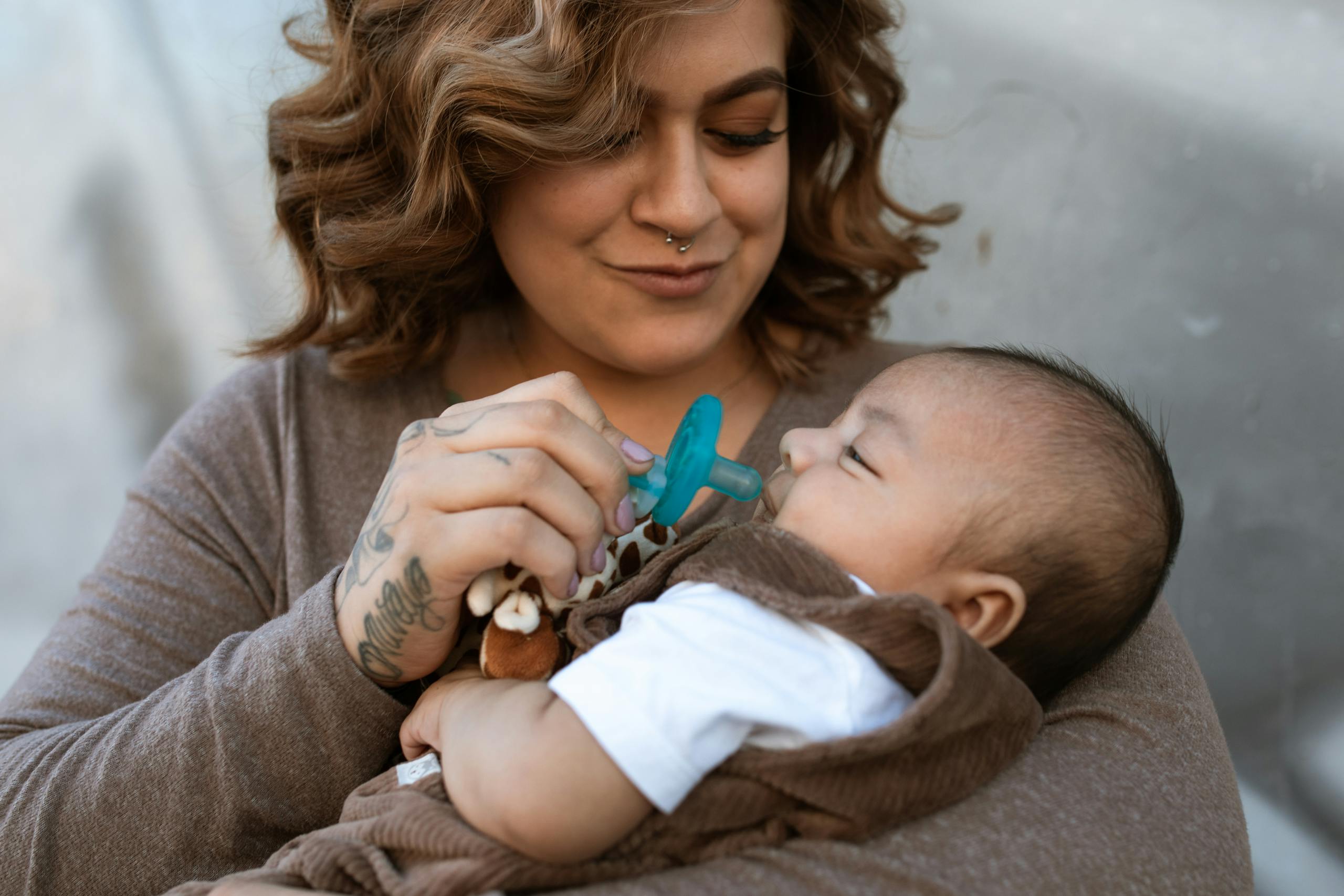
maman-donne-tetine-bebe-avec-sucette-nouveau-ne-de-couleur-bleu

By Heloa | 22 April 2025

Newborn pacifier: decoding science, comfort, and smart choices for parents

7 minutes
maman-donne-tetine-bebe-avec-sucette-nouveau-ne-de-couleur-bleu

Par Heloa, le 22 April 2025

Newborn pacifier: decoding science, comfort, and smart choices for parents

7 minutes
de lecture
maman-donne-tetine-bebe-avec-sucette-nouveau-ne-de-couleur-bleu

The arrival of a newborn brings a storm of emotions—joy, wonder, perhaps even a bit of bewilderment. Among the many questions bubbling in your mind, one often pops up unexpectedly: should I introduce a newborn pacifier? Will it soothe my child or lead to future worries? The debate touches nerves related to sleep, emotional comfort, breastfeeding, and oral health—every parent’s daily universe. Is it a gentle shortcut to peace or an unnecessary reliance? Navigating this journey asks for a measured look at medical evidence, tradition, and your baby’s very own signals. From the mechanics of sucking reflexes to the latest thoughts on SIDS prevention, here’s a panoramic view—rooted in understanding and respect for every family’s rhythm—of what a newborn pacifier can offer, when it shines, and when it asks for caution.

Understanding your baby’s instinct: non-nutritive sucking and comfort

Have you ever noticed your baby latching onto a thumb, your finger, or the corner of a soft blanket when not hungry? This is not a fluke. It’s the remarkable, innate behavior called the non-nutritive sucking reflex—present even before birth, visible on ultrasound as early as the last trimester. This urge is nature’s way of helping newborns manage stress, find security, and even organize their sleep-wake patterns.

A newborn pacifier comes into play here, mimicking the soft, yielding feel of a nipple, crafted from medical-grade silicone or natural latex, and shaped precisely for little mouths. Some infants find it indispensable—others hardly bother with it at all. The key lies in tuning into your child’s temperament. A baby eagerly turning to suck after feeds, displaying a near-constant need to “mouth” objects, might thrive with a pacifier. Another may prefer snuggling or gentle rocking; no single solution fits all, yet understanding this drive is the first step to a calmer daily life.

Sucking beyond feeding: why newborns reach for a pacifier

Imagine a baby’s world: noisy, dazzling, and sometimes overwhelming. Sucking triggers a surprising cascade of biological events—endorphins (natural “feel-good” hormones) are released, heart rate stabilizes, and muscular tension relaxes. The newborn pacifier is not merely a distraction; for many infants, it’s a pathway to emotional regulation. Medical literature acknowledges this soothing effect, especially useful during events like vaccinations, separation moments, or settling to sleep. Premature infants, a particularly vulnerable group, benefit further as pacifiers assist in developing sucking coordination—a skill they need to master bottle or breastfeeding.

But there’s a scientific twist: data from international cohorts suggest that using a pacifier at sleep times can lower the risk of sudden infant death syndrome (SIDS). The mechanisms—possibly related to airway stability or altered sleep patterns—remain partly mysterious but are robust enough for many pediatricians to endorse pacifier use during naps and bedtime (while still emphasizing safe sleeping positions).

Timing and methods: introducing a newborn pacifier wisely

One question you might weigh repeatedly: when, and how, to start offering a pacifier? For exclusively breastfed babies, experts suggest waiting until lactation is firmly established—usually by the third or fourth week—before considering a newborn pacifier. This delay helps avoid “nipple confusion,” a phenomenon where the baby struggles to alternate between the breast and artificial nipples. Bottle-fed infants and those in NICU settings often start earlier, guided closely by medical teams.

When it’s time, approach gently. Offer the pacifier after feeds, when your baby is alert but calm—never try to force acceptance. A newborn-specific pacifier, lightweight with a soft bulbous or orthodontic nipple shape, is your best bet. Monitor your child’s reaction: some will latch on instantly, others will be indifferent. If the first attempt fails, patience pays dividends—preferences can shift as weeks pass. Rest assured, current studies show that correctly timed introduction does not disrupt breastfeeding duration or quality for most families.

Choosing the right newborn pacifier: materials, shape, and safety

Wading through aisles or scrolling online, the options can feel endless. Silicone pacifiers dominate for their durability, easy cleaning, and hypoallergenic properties—essential for young, developing immune systems. Natural rubber pacifiers have a softer texture, sometimes better accepted, but need more frequent replacement due to natural wear.

The shape question is equally nuanced. Orthodontic pacifiers are designed not just for comfort but to support proper jaw and dental development, reducing later orthodontic worries. Classic cherry, bulb, or even flat shapes are available; trial and observation remain your best guides. Always ensure a single-piece shield with large ventilation holes (minimizing skin irritation and choking risks), and check that materials are BPA-free and approved for infant use. Brands like NUK, Philips AVENT, and MAM cater well to these needs.

Pacifier hygiene and safe practices: what medical science insists on

Microbiologists highlight: any object routinely entering your baby’s mouth should be exceptionally clean. For the newborn pacifier, daily sterilising—whether by boiling or using a dishwasher—is standard until six months. Past this point, regular washing is sufficient, but vigilance remains paramount. Any pacifier showing cracks, discoloration, or surface changes must be replaced at once. Always store clean pacifiers in a dry, covered container—not at the bottom of a changing bag or pocket.

Never dip pacifiers in honey, sugar, or sweetened substances. Such practices, sometimes whispered in traditional circles, create a dangerous breeding ground for bacteria (notably Clostridium botulinum spores) and can start destructive dental decay before the first tooth even erupts.

Dependence and dental impacts: balancing comfort and long-term health

You might wonder—what if my child becomes “addicted” to the pacifier? While infants often form strong attachments, overuse can sometimes complicate weaning. Strategies recommended by pediatricians include reserving the newborn pacifier for sleep, travel, or particularly stressful moments, and gradually reducing usage as your child grows.

Dental research draws a clear line: moderate use up to age two rarely causes problems, but prolonged or unrestricted sucking after this window is linked to bite changes and misaligned teeth. Orthodontic models can minimize, but not eradicate, these risks. Aim to gently discontinue by age two to four—adapting the timeline to your child’s development and temperament. Small, consistent changes, praise, and substitute comfort items (a beloved soft toy, for instance) ease this transition.

Alternatives to the newborn pacifier and building self-soothing skills

Pacifiers are not the only comfort pathway. Thumb-sucking, cuddly blankets, rhythmic stroking, or quiet bedtime routines—all play roles in a baby’s self-soothing repertoire. Rotate and combine these techniques; sometimes, after illness or stressful changes, a pacifier may regain its appeal, only to be outgrown quickly once other habits settle in.

Establishing gentle routines—dimmed lights, lullabies, warm baths, or skin-to-skin contact—promotes sleep and reassurance for both baby and parent. Consider these as part of a holistic comfort strategy, with the newborn pacifier just one of several tools.

Practical tips: safety checklist for newborn pacifiers

  • Select age-appropriate pacifiers labeled “for newborns” and check for safety certifications.
  • Always use one-piece, ventilated shield designs to reduce choking hazards.
  • Regularly inspect the pacifier and discard if there’s any damage.
  • Never attach pacifiers to cords, ribbons, or necklaces—opt for certified, short pacifier clips only during supervision.
  • Supervise pacifier use during sleep, and never force a pacifier back into a sleeping baby’s mouth if it falls out naturally.
  • Replace pacifiers every two months, or immediately if damage appears.

Adhering to these guidelines transforms a simple object into a source of both comfort and confidence for parents.

Weaning: letting go of the pacifier at the right time

Medical authorities generally point to the period between two and four years as suitable for total weaning. Many parents find a gradual approach works best: limit the newborn pacifier to naps and nights, offer alternatives for comfort, reward progress, and add extra cuddles during fussier episodes. Sometimes, a more decisive “goodbye” is chosen, especially if the child seems ready. Days of increased neediness or protest often fade quickly—trust your instincts and tap into the collective experience of pediatricians if you feel unsure.

Myths, anxieties, and what science really says

Rumors swirl: will the pacifier ruin breastfeeding, create a dependency, or harm speech? Contemporary pediatric and dental research dispels most fears when use is moderate and age-appropriate. Proper timing is the linchpin for breastfed infants. Dental and speech issues emerge only with prolonged, incessant use past the preschool years—manageable through regular pediatric check-ups.

Rely on balanced information and your own observations. The newborn pacifier is not a universal solution, but nor is it a hazard when fitted thoughtfully into your family’s routines.

Key Takeaways

  • The newborn pacifier addresses primal needs for sucking and soothes many infants—helping with sleep, self-regulation, and even SIDS prevention.
  • Choose hygienic, BPA-free, one-piece models with ventilated shields for maximum safety and comfort.
  • Begin after breastfeeding is established unless bottle-feeding or specifically directed in hospital care.
  • Clean meticulously, monitor for wear, and never coat with sugary substances.
  • Gradually limit and wean by two to four years to avoid dental concerns.
  • Alternatives and complementary routines build lasting self-soothing skills.
  • Reliable, science-based advice (and your own daily observations) will guide the best choices for your child.
  • For more guidance, personalized health tips, and practical questionnaires, consider downloading the application Heloa—a user-friendly resource for every step of your parenting journey.

Questions Parents Ask

What are the signs that my newborn is ready for a pacifier?

Every baby is unique, but some patterns can help you decide. If your child continues to suck after regular feeds, reaches for fingers or fists, or struggles to settle down with only cuddling and feeding, trying a newborn pacifier may help. Remember, this reflects a strong natural sucking reflex—quite common in the early weeks.

How can I safely introduce and use a pacifier with my newborn?

Select a pacifier clearly marked “for newborns”—small, lightweight, crafted from BPA-free silicone or rubber. Sterilize before first use and check often for damage. Introduce gently without forcing—perhaps right after a feed or during periods of fussiness. If your child refuses, take a break and try again later. Always supervise, check for wear, and avoid long attachments that can cause accidents. Observing these practices supports safety and comfort.

Is it okay for my baby to sleep with a pacifier, and how to do it safely?

Yes, most paediatricians agree that sleeping with a pacifier is safe, often even beneficial in lowering SIDS risk. If the pacifier falls out during sleep, there is no need to replace it unless your child wakes and clearly signals for it. Always lay your baby on their back, keep the crib free from loose items and jewellery, and use a single-piece pacifier. Small, practical steps bring peace of mind for both baby and parent. If you have questions or unique concerns, your doctor remains your best support.

Similar Posts

The very first weeks and months with a baby ignite a carousel of emotions—joy, fatigue, curiosity, anxiety. Amid the swirl of questions (How can I help my baby sleep? What if my infant cries for hours at night? Am I missing something essential?), the humble newborn pacifier often appears as both savior and source of debate. Should you offer a pacifier right after birth? Is it safe to use during every nap? Can it disrupt breastfeeding or dental health? And, perhaps most importantly, does it truly soothe your baby—or create extra complications down the road? The science doesn’t always deliver black-and-white answers, but understanding the ins and outs of pacifier use empowers parents to make more confident, peace-of-mind decisions. Let’s shed light on the physiological needs, the proven and suspected benefits, the rare but very real risks, and actionable routines, all while acknowledging that each baby writes their own story.

Understanding newborns: the natural drive to suck

Babies arrive hardwired: the sucking reflex is both primal and persistent. Even before delivery, ultrasound images often catch a thumb or finger in motion, lips closing and opening. Sucking for nourishment (breast or bottle) obviously maintains life, but non-nutritive sucking—when a baby sucks without drawing milk—serves other powerful functions. It stabilizes heart rate, facilitates digestion, and calms the nervous system, releasing soothing endorphins. For some newborns, the need to suck is an almost constant undercurrent, while for others, it’s infrequent or satisfied by fingers or fists.

Parents often find themselves asking: “Is my baby hungry—or simply seeking comfort?” Here the newborn pacifier can play a nuanced role. Used skillfully, it offers immediate, gentle calm, with the added psychological benefit of giving parents a dependable tool when other soothing strategies falter.

The science-backed benefits: soothing, sleep, and SIDS reduction

Instant calm and emotional balance

You might notice that the simple act of sucking on a newborn pacifier can turn a stormy cry into peaceful silence in seconds. The reason lies in neurobiology: non-nutritive sucking increases levels of beta-endorphins—neurotransmitters linked to pain relief and emotional stability. This isn’t just anecdotal. Pediatric studies consistently highlight pacifiers as effective for self-soothing, especially useful during distressing scenarios: vaccinations, traveling, or unfamiliar environments.

An ally for better sleep—yours and your baby’s

Quality sleep is a rare commodity with a newborn. Research suggests that pacifier use supports longer stretches of quiet sleep—for newborns and parents alike—especially when “sucking to settle” becomes part of the bedtime routine. Some babies find sleeping without a pacifier unthinkable. Others will spit it out after drifting off and show no interest. There’s no single rule. But, if your baby struggles to transition between sleep cycles or startles easily, a newborn pacifier can bridge that gap—provided it’s offered safely during sleep.

Lower risk of sudden infant death syndrome (SIDS)

Arguably the most significant discovery concerns SIDS risk. A comprehensive body of evidence, spearheaded by organizations like the American Academy of Pediatrics, finds that offering a pacifier during sleep—naps or bedtimes—correlates with a noticeably lower SIDS incidence. The exact mechanism remains under investigation, but experts suspect it might relate to airway patency (keeping breathing passages open) and altering sleep architecture so infants are more easily arousable. This reassuring scientific anchor tips the balance for many families weighing the pros and cons.

When to introduce a newborn pacifier: timing and feeding

Should a newborn pacifier appear on day one? For infants who are exclusively formula-fed, there’s no evidence of harm in offering a pacifier directly after birth. For those working to establish breastfeeding, the standard advice is to wait until latch and milk supply are well in place—usually by three to four weeks. The rationale? Early pacifier introduction could, in rare cases, trigger “nipple confusion”—a situation where the baby struggles to coordinate sucking at the breast versus the artificial nipple. The available data, however, remains complex and nuanced. Recent clinical trials suggest that when feeding is properly established and monitored, most babies transition fluidly between breast and pacifier.

For premature or NICU babies, the calculus changes. Here, pacifiers do double duty: strengthening immature oral-motor patterns while calming fragile infants under clinical care—always under professional supervision.

Choosing the safest and most suitable newborn pacifier

Pacifier design isn’t about aesthetics—subtle design elements actually affect safety, mouth development, and hygiene:

  • Age-specific size and weight: Choose a newborn pacifier (labeled “0-2 months” or “premature”) for the delicate oral structures of the youngest babies. Oversized shields are critical to prevent choking.
  • Material choices: Silicone dominates for durability, BPA-free safety, and easy sterilization. Natural rubber feels softer but degrades faster and can harbor allergens—swap regularly to prevent bacterial buildup.
  • Ventilation holes: Shields with ventilation holes minimize moisture accumulation, lowering the risk of skin rash or irritation.
  • Shield and handle design: One-piece construction, without detachable parts, greatly reduces choking risk.
  • Orthodontic or round nipple: Orthodontic shapes are engineered to align naturally with a baby’s palate and gums, potentially lowering the odds of dental changes. Round or cherry-shaped nipples are a classic favorite for many infants.

Always choose reputable brands (e.g., NUK, Philips AVENT, MAM, Chicco) and verify the pacifier meets internationally recognized safety standards. Inspect for tears, discoloration, or deformation before every use.

Hygiene and limiting risks: practical strategies

Whatever the model, pacifier hygiene is non-negotiable. Until six months—when immune defenses have only just begun to mature—boiling or dishwasher sterilization after every use is recommended. Older babies still benefit from daily washing with hot, soapy water. Always store spares in a dry, sealed container; never share pacifiers between siblings.

Rotate your stock. Manufacturers regularly advise replacing each newborn pacifier every two months, or at the first hint of damage. Pacifiers are neither heirlooms nor immune to wear and tear—think of them as single-use medical devices with a short shelf life.

Preventing overdependence and promoting gentle weaning

One little object. Yet, for some, life without it becomes inconceivable by toddlerhood. Dependency on a newborn pacifier can intensify if used continuously, day and night, for extended periods. Experts recommend designating clear “pacifier moments”—namely sleep time, car rides, or periods of high distress. This builds a predictable rhythm and makes later weaning markedly easier.

When it’s time to transition away—usually sometime between age two and four—a gradual, loving reduction tends to be most successful. Shrink windows of use, swap the pacifier for soft toys or songs, and offer plenty of encouragement. Occasionally, a faster “cold turkey” approach works better for certain personalities. The process is rarely seamless; short-term fussiness is common and completely normal.

Dental development, feeding, and speech — dispelling fears

One of the most persistent worries: Will continued use alter my child’s bite or oral health? Scientific studies clarify the risks. Short-term use—especially limited to the age before 24 months—has almost no measurable effect on dental arches, palatal shape, or bite alignment. Trouble tends to arise when a newborn pacifier stays in play well into preschool years, past age four. Orthodontic pacifiers blunt but don’t eliminate this risk. As a preventive step, plan weaning by the third birthday at the latest.

Fears regarding delayed speech or language acquisition lack a strong scientific basis: it is only after persistent use (while talking develops) that challenges might rarely arise.

Alternatives and complementary soothing techniques

Pacifiers are a tool—sometimes indispensable, other times outperformed by simple human contact. Some infants reject them outright in favor of thumb-sucking, which brings its own set of dental discussions. Others find tranquility with a soft comfort object, parent’s gentle rocking, white noise, or swaddling. Experimentation is expected, as there’s no universal formula for soothing. Layer soothing methods: combine the newborn pacifier with a soft lullaby for bedtime or offer gentle stroking during moments of distress. The goal is always emotional security, however it’s achieved.

Safe pacifier use: practical, science-based tips

  • Never dip the newborn pacifier in sweet substances—sugar and honey can lead to dental decay and botulism risks.
  • Don’t modify pacifiers (no extra holes, no ribbons tied tightly).
  • Only use a short, non-elastic clip—long cords are a strangulation hazard.
  • During sleep, always place your baby on their back and clear away accessories from the sleep space.
  • If the pacifier falls out during sleep, there is no need to replace it unless your baby asks for it.
  • Always examine the pacifier for cracks or changes in texture before reuse.

Myths, misunderstandings, and finding your path

Concern sometimes arises about undermining breastfeeding or impeding a baby’s self-soothing skills. Most medical consensus points in the same direction: when thoughtfully introduced and moderately used, a newborn pacifier has minimal downsides. The real risks stem from prolonged, unrestricted use—something that’s easily avoided with proactive routines. There’s also no compelling link between pacifier use and speech delay unless dependence lingers into years when expressive language explodes.

Key takeaways

  • The newborn pacifier draws on deep-rooted human needs and is supported by a robust body of medical evidence for its uses—especially in calming, in offering sleep support, and in reducing SIDS risk.
  • Thoughtful, age-appropriate choices—opting for a BPA-free, lightweight, ventilated design meant for infants—ensure the safest experience.
  • Excellent hygiene (sterilization, regular replacement), supervised use, and early weaning plans create a healthy framework for pacifier use.
  • Most concerns about dental impact or breastfeeding disruption dissolve when pacifier use is limited and aligned with developmental stages.
  • Equally, there are many other strategies for supporting newborns: tactile comfort, soothing routines, or simply holding a baby close.
  • Each child, each parent, discovers their own blend of what works best. There’s wisdom in being flexible, balanced, and responsive to signals.

Whenever uncertainty or persistent difficulty arises, knowledgeable healthcare professionals stand ready to guide further. And for daily reassurance, health monitoring, or tailored wellness insights, you can always download the Heloa app for free health questionnaires and customized tips for children.

Parenting, after all, is a constant process of learning and adapting. Stay confident in your caregiving intuition—science, expert guidance, and your own observations can coexist on this remarkable journey.

Questions Parents Ask

What are the signs that my newborn is ready for a pacifier?

Every baby is unique, but some signs can indicate your newborn might benefit from a pacifier. If your baby shows a strong urge to suck even after being fed, tries to suck on their hands or fingers, or seems hard to settle with feeding and cuddles alone, a pacifier may help provide comfort. These signs simply reflect a baby’s natural sucking reflex, which can be very strong in the early weeks. Rassurez-vous, it’s completely normal if your baby seeks extra soothing in this way.

How can I safely introduce and use a pacifier with my newborn?

The first step is to choose a pacifier that’s specifically labeled for newborns—lightweight, small nipple, and made from BPA-free materials. Before offering it, ensure the pacifier is fully sanitized and free from any damage. Introduce the pacifier gently, without forcing it. Observe your baby’s cues—if they refuse it, you can always try again later. You can offer the pacifier when your baby is calm but awake, or during moments of fussiness when other comfort strategies haven’t worked.

For safe use, check the pacifier regularly for signs of wear, always supervise your baby, and avoid attaching it to cords or ribbons longer than recommended. Keeping these precautions in mind can support both comfort and safety.

Is it okay for my baby to sleep with a pacifier, and how to do it safely?

It is generally considered safe for a newborn to sleep with a pacifier, as long as some simple guidelines are respected. If your baby falls asleep while sucking, you don’t need to put the pacifier back in their mouth once it drops out. Always place your baby to sleep on their back, and keep the crib clear of loose items and accessories. Using a one-piece pacifier design reduces choking risks, and non-elastic clips can prevent the pacifier from falling out of reach without endangering your child. If you have any worries, your pediatrician can offer personalized advice to match your baby’s needs. Rassurez-vous, many parents find this routine brings peace of mind for both themselves and their newborn.

maman donne sucette orange a son bebe comme tetine 6849539

Similar Posts