By Heloa | 16 May 2025

Importance of reading in child development

6 minutes
de lecture

By Heloa | 16 May 2025

Importance of reading in child development

6 minutes

Par Heloa, le 16 May 2025

Importance of reading in child development

6 minutes
de lecture

Books scattered across the floor, storytime giggles echoing in a corner, or a child’s small finger tracing brightly coloured letters—scenes like these draw out a question for many parents: what exactly is the Importance of reading in child development? Confronted with endless advice, it’s natural to wonder if reading together is truly as transformative as suggested—especially when balancing demanding routines or when your child seems less than enthralled by printed pages.

Consider, for a moment, this: research in paediatric neurodevelopment is unequivocal. The first three years of a child’s life see more than 80% of brain structures formed—neuronal connections multiplying at astonishing speeds. Reading aloud, at any age, interlaces sound, rhythm, and meaning, laying neural foundations for future learning, memory, and emotional wellbeing. Far beyond improving school grades, it carves out imaginative landscapes, strengthens social skills, boosts vocabulary acquisition, and creates family rituals that signal warmth and security.

What challenges might prevent your child from embracing this journey? Whether access to books is limited, reading feels intimidating, or learning differences create hurdles, solutions abound—and the ripple effect remains immense. The following sections unfold practical insights for nurturing a lifelong bond with books, whether you’re holding a tiny board book or discussing novels with a pre-teen. Let’s see why the Importance of reading in child development is not a distant ideal, but an everyday reality you can foster.

Why Reading Makes a Difference: Brain, Language, and Beyond

Imagine a child listening intently as you read about animals in a jungle, or rhyming along with a playful poem—these small moments fuel exceptional vocabulary development and spark a cascade in language acquisition. Children exposed to abundant language absorb thousands of new words before even stepping into school—some studies show over a million word exposures for those read to daily.

But it’s not just about language; reading stories or picture books actively supports cognitive development, integrating memory, attention, and even reasoning skills. When children hear varied sentence structures, idioms, and expressions, synaptic pathways strengthen, making it easier to connect ideas and draw meaning from the world. Short bursts—think five minutes with a pop-up book—can be as significant as lengthy, immersive chapters.

Let’s not overlook the nuance here: print awareness—the recognition that words and symbols carry meaning—begins the moment your child sees you turn a page or trace letters. In paediatric speech therapy, repetitive reading is often employed to encourage articulation and listening. Why repeat the same story twenty times? Because familiarity cements working memory and helps internalise linguistic structures.

Imagination, Creativity, and Navigating Emotions

How can you support your child’s ability to imagine distant worlds or invent their own stories after the book is closed? Readers become architects of fantasy—every description, dialogue, or dramatic twist is a toolkit for building creativity. When a child visualises a lion’s cave or pretends to be a pirate, they are rehearsing the very skills—role-play, problem-solving, and creative expression—that will support them through schooling and later, social interactions.

Classic moral tales, often passed down in many homes, introduce children to cultural awareness, values, and ethical challenges in a context that is safe and relatable. Notice how a child responds when reading about a character’s dilemma or setback. Books not only soothe everyday worries—worry over a lost toy or a fight with a friend—but also reassure, “You’re not alone in feeling this.”

The emotional intelligence cultivated here is far from trivial. Empathy blooms when children start asking, “How is the monkey feeling after his banana was stolen?” Encouraging discussions around stories, especially when your son or daughter can relate to a character’s feelings or choices, can provide a gentle way to explore otherwise tricky topics.

Social Bonds and Self-Esteem: The Quiet Strength of Shared Stories

It’s easy to overlook the power of a regular bedtime story, but multiple studies in family health and development point to shared reading as a foundation for positive parent-child relationships. When you pause at a funny scene, exaggerate voices, or let your child choose the next book, you reinforce attachment and foster a secure base for exploration.

Group reading—whether in classrooms, libraries, or among friends—builds a sense of belonging. Children learn turn-taking, negotiation (“Who reads first?”), and emotional regulation, skills that extend far beyond books. Importantly, letting your child select books based on interest—be it dinosaurs, cars, or fairy tales—empowers choice and autonomy, fuelling self-esteem and a genuine love for learning.

For children who struggle with reading or face learning differences (for instance, dyslexia), alternatives such as tactile books or audiobooks maintain engagement and build confidence. Even wordless books, where the reader invents the story from illustrations, provide a rich platform for imagination.

Practical Strategies: Age-Appropriate Tips and Adaptation

Infants (0–2 Years)

Introduce board books with vibrant images, high-contrast patterns, and simple textures. Sessions need not be long—a few minutes at a time are enough. Naming objects and describing actions in playful tones—sometimes even singing—encourages early listening and communication skills.

Young Children (3–5 Years)

Picture books, fun rhymes, and short, relatable stories hit the sweet spot for this age. Dialogue, repetition, and inviting your child to “finish” familiar phrases all support letter recognition and memory.

School-Age (6–12 Years)

Balance periods of independent reading with discussions around themes, characters, and real-world connections. Graphic novels, illustrated encyclopaedias, and fantasy adventures all have a place. Encourage setting reading targets—not as pressure, but as shared family goals. Ask reflective questions: “Why do you think the main character chose that path?”

Choosing and Customizing Books

Durability matters for infants; colour and engagement for preschoolers; diversity of genres for older readers. Let your child’s curiosity steer the way and adapt stories to their current interests—science, space, poetry, or traditional tales.

Fostering Positive Reading Habits at Home

  • Keep books within easy reach—not just on high shelves.
  • Designate a corner or routine time for reading: after dinner, before bed, or as part of a weekend ritual.
  • Reduce background media noise; even a short daily session works wonders.
  • Utilize community resources—public libraries, book swaps, or school reading circles—to rotate fresh choices.

Parental modelling is simple yet profound. If your child sees you reading (a novel, newspaper, even a recipe), curiosity follows. Share discussions about your own reading, and ask open-ended questions: “What do you think might happen next?”

Supporting Reluctant and Diverse Readers

Every child journeys toward reading at their own rhythm. Some adore books instantly; others need coaxing. Explore a range—comics, magazines, stories in different languages, or digital formats. Celebrate micro-progress—whether it’s listening to a story, flipping through pictures, or answering a single question.

Encountering barriers? Sensory books, audiobooks, and visual storyboards offer multi-sensory engagement, especially helpful for children with learning differences. Difficulties accessing traditional formats? Communities and organisations now provide digital libraries, free audiobooks, and even tactile story experiences.

Digital Tools and Screen-Based Storytelling

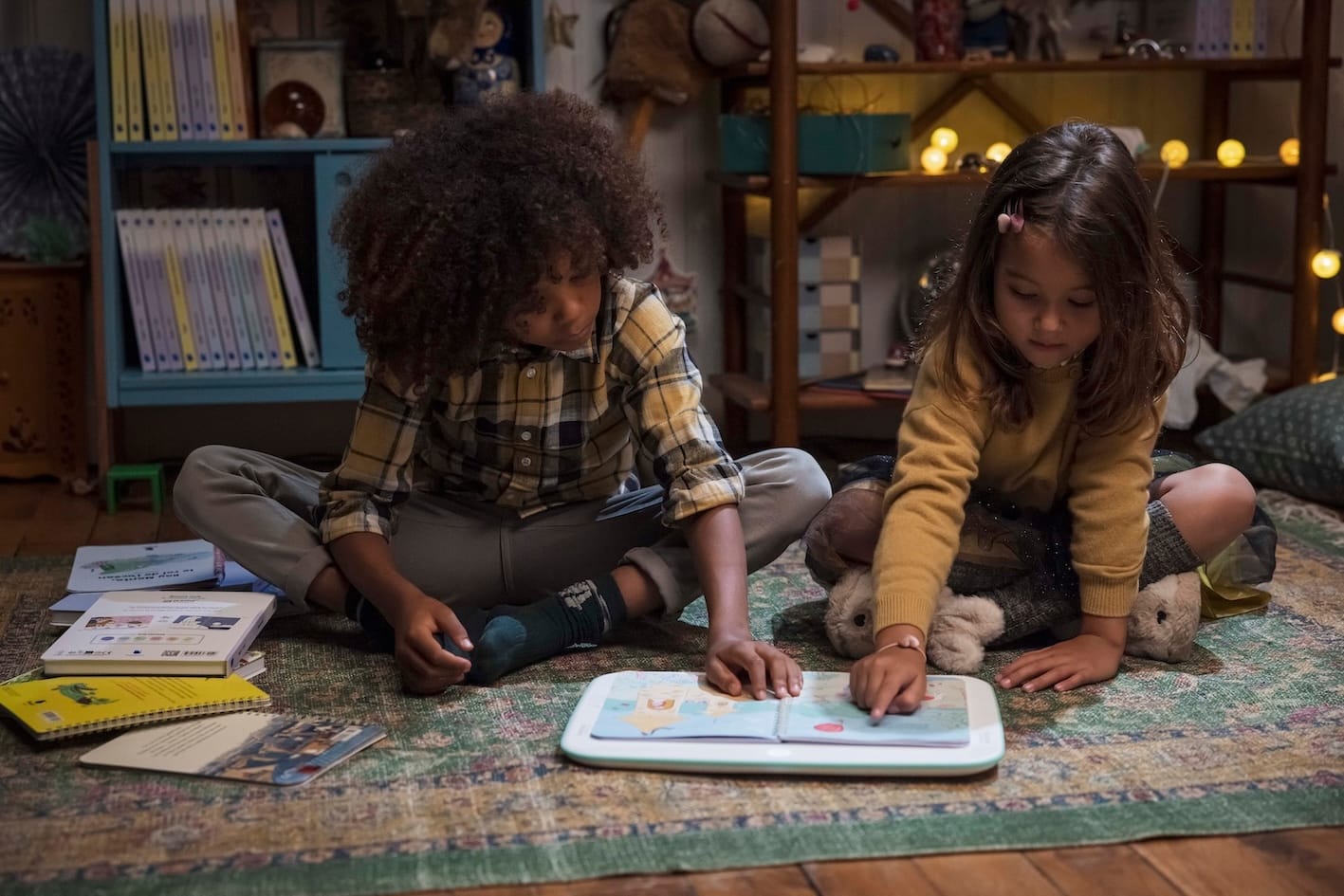
E-books and audiobooks can supplement—not replace—shared reading. Choose interactive digital books that invite participation, and limit screen exposure according to paediatric recommendations. Screen-free story consoles, allowing children to “tap” and trigger sounds or games, add novelty and support early fine motor skills. Technology, when thoughtfully selected, honours your child’s pace and interests; but print-based, face-to-face reading remains central.

The Importance of reading in child development persists across every age and context, from print to digital, picture book to novel, solitary reading to family storytelling.

Key Takeaways

  • The Importance of reading in child development lies in how it shapes cognitive skills, emotional maturity, social understanding, and academic readiness.
  • Early and consistent exposure to books supports language development, attention, critical thinking, and memory—essential for learning.
  • Reading stories nourishes empathy, self-esteem, and cultural awareness, while shared rituals strengthen family connections.
  • Adapting reading experiences to children’s ages, abilities, and interests—whether through print, audio, tactile, or digital options—increases motivation and enjoyment.
  • Reluctant or struggling readers benefit enormously from alternative formats, patient encouragement, and sensory engagement.
  • Resources and healthcare professionals are available at every step for parents facing challenges or seeking advice on reading or development.
  • To access personalised health advice, tips, and free child health questionnaires, you can download the application Heloa.

Questions Parents Ask

How can I encourage my child to develop a love for reading if they aren’t showing much interest?

It’s absolutely normal for some children to be less attracted by books at first. Try introducing a variety of materials—comic strips, magazines, stories based on their favourite television characters, or topics they’re passionate about. Read aloud together, even if just a little; try audiobooks or let your child choose what seems interesting. Keep things relaxed and enjoyable—maybe create a cosy reading corner or make reading part of another routine, like bedtime. Sometimes, just exploring the pictures or talking about book covers is enough to spark curiosity. These little steps can slowly anchor reading as a cherished daily habit.

From what age should parents begin sharing books with their child?

Beginning to read with your child from the earliest months is highly recommended. Even newborns gain from listening to your rhythms and seeing bold images. High-contrast patterns and gentle, musical stories capture attention and foster an early sense of security. Such exposure builds the groundwork for later language and communication skills. There’s no “too soon” or “too late”—read whenever you both are ready.

What to do if my child appears to struggle with reading more than their peers?

Each child follows their unique path to reading. Some take longer and need a little more encouragement. The focus should remain on support, not pressure—enjoy stories together, talk about pictures, and celebrate every effort, however small. Persistent struggles—such as difficulty in recognising words or following the story’s flow—may warrant a conversation with your child’s teacher or a speech-language specialist. Techniques like audio stories, illustrated books, and multi-sensory formats help many children find their reading confidence. Remember: with patience and the right resources, enjoyment—and success—with reading is always within reach.

Similar Posts

Children’s daily lives pulse with routine, discovery, and rapid-fire change. For many parents, the question emerges sharply—will the simple act of reading stories or handling books truly influence a child’s future? The concern is felt keenly, especially when juggling parental fatigue, evolving expectations, or the pervasive lure of screens. The importance of reading in child development is a topic that reveals both hope and uncertainty: does reading merely enrich language, or does it sculpt the very core of emotional security, intellect, and social confidence? Science affirms—powerfully—that the effects are profound, starting from the very first shared page. This exploration will illuminate why early reading matters at every age, how reading shapes cognitive, emotional, and social domains, and how parents can cultivate effective habits—even when faced with limited resources or reading challenges.

Why Early Reading Matters: Foundations in Brain and Language

Neuroscientific research leaves little room for doubt: the importance of reading in child development extends far beyond teaching letters or words. In the first three years, neural pathways multiply with astonishing speed. During this sensitive window, exposing children to rich, spoken language—whether through stories, picture books, or even playful songs—stimulates synaptic development and fortifies connections in regions critical for language acquisition, auditory processing, and cognitive growth.

Parents often notice how toddlers gravitate towards repetition, eagerly requesting the same book again and again. Why is this so effective? Repetitive reading promotes the encoding of vocabulary and grammar patterns, supporting phonemic awareness—the ability to distinguish and manipulate sounds. Print awareness, memory, and the foundations for fluent reading all strengthen with each retelling. This isn’t simply about reciting cute rhymes; it’s a powerful interplay between sensory stimulation, working memory, and language comprehension.

Cognitive Development: Vocabulary, Attention, and Thinking Skills

Imagine your child sitting quietly, eyes tracking illustrations, lips whispering familiar lines—what’s happening beneath the surface? Here, the importance of reading in child development emerges as a bridge to intricate mental processes. Reading with children introduces a world of diverse vocabulary, complex sentence structures, and nuanced expressions. Each new word expands not just a child’s language bank, but also their ability to reason, infer, and solve problems.

Attention span blossoms through plot-following. As parents pause, ask questions, or encourage children to predict what happens next, executive functions—like impulse control and cognitive flexibility—are enhanced. Picture this: a child confronted with a character’s dilemma evaluates possible outcomes, drawing on critical thinking and problem-solving skills that anchor future academic achievement. Scientific studies repeatedly link frequent childhood reading with improved scores in reasoning and literacy (source: American Academy of Pediatrics).

Emotional and Social Benefits: Empathy, Confidence, and Family Attachment

You may wonder, can simple stories truly touch a child’s heart, guide their sense of self, or prepare them for playground disputes? The answer: resoundingly, yes. Through tales of friendship, challenge, or even minor trouble, stories become a script for real life. The importance of reading in child development is magnified as children practice emotional regulation and learn to recognize sadness, joy, or courage in others.

Adults who read with children—and pause to discuss a character’s feelings or choices—provide an emotional template. For example: “Why did the girl share her lunch?” or “How do you think the bear felt when he was left out?” These moments, while seemingly small, help children name emotions, cultivate empathy, and develop strategies for social interaction. Literature becomes rehearsal for life—and a buffer, offering comfort and reassurance.

Family reading rituals forge attachment. Sitting together, children and adults build security and trust not only through physical closeness but shared interest. Even for older children, these routines persist as opportunities for open dialogue and affirmation (“You chose this book; I love discovering it with you.”).

Expanding Knowledge and Stimulating Curiosity

Books offer more than stories; they open doors to discovery and new ideas. The importance of reading in child development is sharply visible when children begin to name animals, identify colors and shapes, or inquire about distant lands and cultures. Handling books—touching textured pages, pointing to details, flipping through sections—engages fine motor skills and introduces foundational concepts in numeracy, science, and geography.

A parent might find themselves fielding unending “why” questions. This is a sign not of distraction, but of healthy curiosity—a drive scientists recognize as pivotal for active learning and long-term engagement with the world.

Adapting Reading Strategies: Age, Ability, and Interest

Reading with Infants (0–2 Years)

Board books, fabric books, and tactile stories reign supreme. Keep sessions short but consistent; name objects, mimic animal sounds, and encourage page turning. These acts may seem playfully simple, yet are a proven incubator for early literacy—the suite of skills that forecast reading readiness.

Reading with Preschoolers (3–5 Years)

Bright illustrations, singing rhymes, and interactive reading invite phonological awareness (the skill of recognizing and playing with speech sounds). Invite preschoolers to complete repetitive phrases or recount familiar stories using pictures. These activities not only bolster memory but prepare the prefrontal cortex for more complex comprehension tasks.

Reading with School-Age Children (6–12 Years)

Older children bloom when given autonomy. Let them select genres—fantasy, comics, adventure—while ensuring a routine space for shared family dialogue. Here, the importance of reading in child development is underpinned by encouraging reflection, literary analysis, and linking fiction to everyday dilemmas. Reading together is never wasted, even as children gain independence; joint reflection deepens understanding and connects the dots between text and real-world situations.

Fostering a Supportive Reading Environment

Children need easy access to variety—picture books, nonfiction, graphic novels—without barriers. Establishing a cozy reading nook, minimizing background noise, and saturating the space with diverse materials fosters autonomy and strengthens the association between reading and comfort. Libraries, community events, and book swaps multiply options for discovery.

Key tip: display books at eye level, rotate them regularly, and celebrate rereading of old favorites. Consistency seeds habit; pleasure sustains it.

Parental Involvement: Modeling, Engagement, and Building Confidence

Modeling enthusiasm for books sends a message stronger than any lecture. When children see adults absorbed in reading—newspaper, cookbook, science magazine—they internalize the value of learning. Talk about stories as a family, pose open-ended questions, and invite debate about characters’ decisions. The importance of reading in child development is strengthened not just through solitary absorption, but through communal analysis and joyful discussion.

If a parent struggles with literacy, there is no shame—research encourages use of wordless picture books, collaborative storytelling from images, or even engaging with high-quality audiobooks. The outcome? A nurturing literacy environment, regardless of one’s own reading ability.

Supporting Diverse and Reluctant Readers

Children are wonderfully diverse in their reading paths. Some leap, others linger on pictures, and some resist text entirely. For children with learning differences—such as dyslexia—multisensory strategies bear immense value. Tactile books, stories accompanied by sound, and graphic novels can unlock engagement where traditional books might not.

Avoid pressure. Celebrate every small milestone; offer praise for effort, not just accomplishment. Social options like book clubs or reading challenges add playful motivation and a sense of belonging.

For those facing resource barriers or health limitations, community libraries, digital collections, and nonprofit organizations can bridge gaps. Audiobooks and textured books are not mere substitutes—they are powerful, parallel avenues to nurture the importance of reading in child development.

Innovation: Balancing Print, Digital Tools, and Screen Time

E-books, interactive applications, and audiobooks (digital storytelling) offer stimulating experiences, particularly for hesitant readers. Use digital materials with intention—be present to discuss stories, and set boundaries to preserve sleep and physical health (the American Academy of Pediatrics advises structured, quality usage). Blending print and digital is not only acceptable, but often necessary for today’s children; the key is participation, routine, and critical selection of content.

New devices, such as screen-free reading consoles, promise creative entry points for children interested in sound, music, or interactive play. These can reinforce fine motor development, support self-pacing, and convert passive listening into an empowering, multi-sensory adventure—without displacing the magic of page-and-paper experiences.

Key Takeaways

  • The importance of reading in child development is profound: it fuels language growth, boosts cognitive and social-emotional abilities, and nurtures lifelong curiosity.
  • Early, regular exposure to reading supports robust vocabulary and communication skills, while reinforcing emotional bonds between parents and children.
  • Encouraging shared reading, discussing stories, and allowing child-directed choice paves the way for academic success and personal growth.
  • There is no single “right” path—adapting materials and methods for a child’s age, stage, and abilities fosters resilience and genuine enjoyment.
  • Modern tools—print, multimedia, and digital innovation—can coexist, provided they are selected thoughtfully and balanced alongside family rituals.
  • For every barrier, resources exist: libraries, digital collections, and medical professionals can offer support for health or literacy challenges.
  • Parents seeking further advice or tailored health questionnaires for their children can download the Heloa app for personalized guidance and free pediatric resources.

Caring for a child involves countless decisions, and questions about reading often arise in the middle of a busy, demanding day. The science is clear: nurturing a reading habit—by any means available and adapted to your child—represents an investment in cognitive, emotional, and future well-being. The importance of reading in child development is not just a principle; it’s a toolkit, ready to empower the next generation, one story at a time.

Questions Parents Ask

How can I help my child develop a love for reading if they are not interested in books?

It’s completely normal for some children to show less interest in books, and each child’s pace is unique. Try to explore different kinds of reading materials—comic books, magazines, or stories about topics they enjoy. Reading together, sharing stories aloud, or even listening to audiobooks can be helpful. Let your child choose what interests them, and create cozy, pressure-free routines around reading. Celebrate any curiosity about stories, even if it’s just looking at pictures or asking questions about book covers. Over time, these small steps can make reading a more enjoyable part of their everyday life.

At what age should parents start reading with their child?

You can start sharing books with your child from the earliest months—even newborns benefit from hearing your voice and seeing bright images. Infants enjoy looking at high-contrast colors and listening to gentle rhythms and melodies in stories. Early reading moments help build attention and foster a sense of security, laying the groundwork for language and communication skills. No matter your child’s age, it’s never too soon—or too late—to enjoy stories together.

What should I do if my child seems to struggle with reading compared to other children?

It’s important to remember that all children develop at their own rhythm. Some children may take more time to feel comfortable with reading. Encourage and support your child without putting pressure on them; enjoying stories together, discussing images, and praising their efforts are already wonderful ways to help. If you notice persistent difficulties, such as trouble recognizing words or understanding stories, don’t hesitate to speak with their teacher or a specialist. There are also supportive techniques and tools—like audio stories and illustrated books—that can build confidence and make reading more accessible for every child. Rassurez-vous: finding joy in reading is a path with many possible routes.

1

Similar Posts