There are mornings when the world seems to race ahead, your hands juggling bottles, tiny socks, and endless to-do lists. Amidst this flurry, have you ever wondered if there’s a way to keep your little one close, content, and cared for—without compromising your ability to move, cook, or even just sip tea? Babywearing steps in as a heartening answer, reconnecting parents with ancient instincts and modern science alike. The close embrace of a carrier or sling isn’t merely about convenience; it’s about oxytocin-fuelled bonds, sharper attention to your baby’s needs, and real support for the delicate dance of breastfeeding, sleep, and growth. From understanding how babywearing soothes both baby and caregiver, to mastering practical safety tips and choosing the right type of carrier, there’s a whole world of knowledge to uncover—carefully shaped by tradition and medical research. Let’s glide through the textures of daily life, practical strategies, health considerations, and the powerful sense of community that surround babywearing.
Making Babywearing Part of Your Family’s Everyday Rhythm
What Is Babywearing and Why Embrace It?
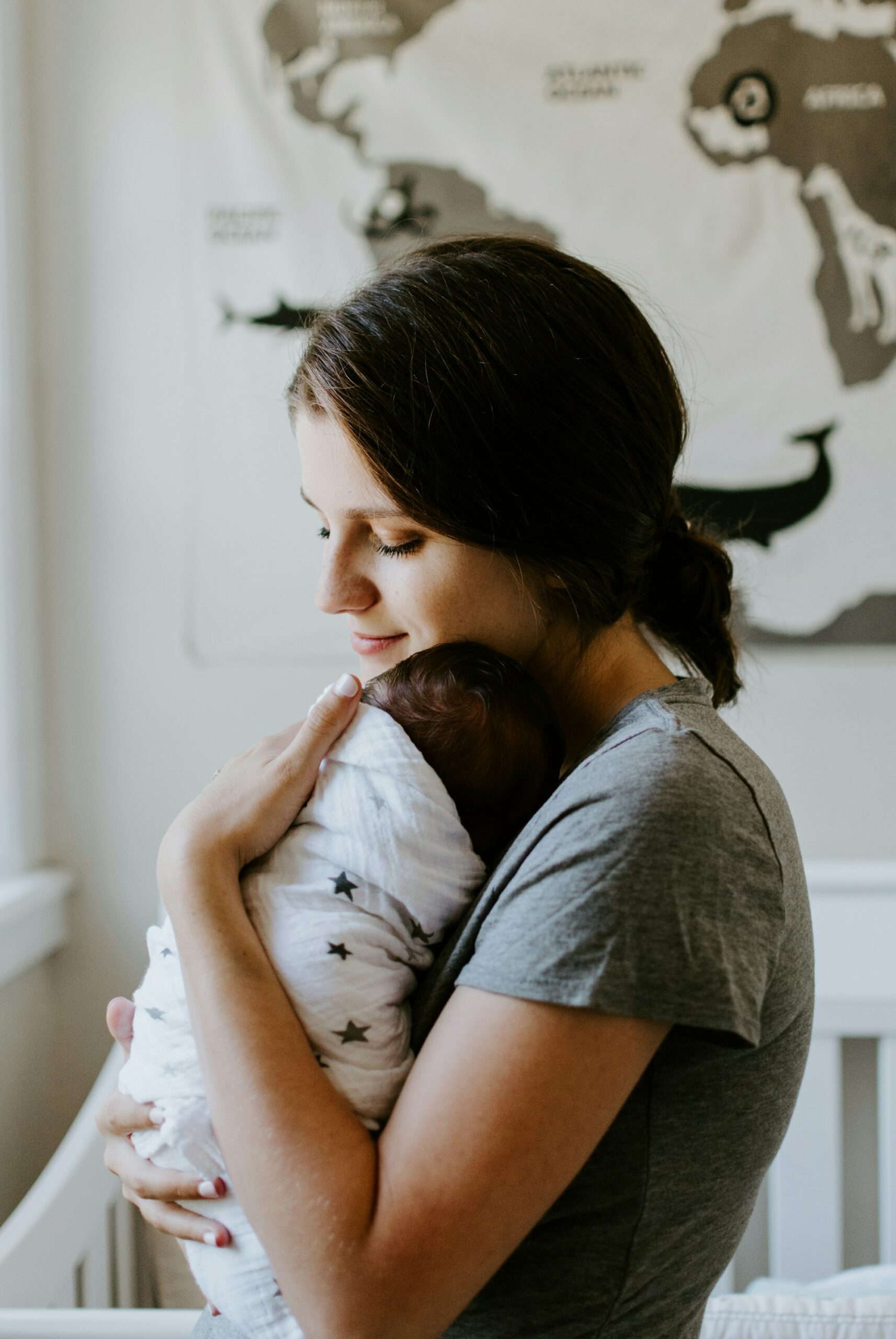
Picture the swirl of a newborn’s first days—tiny fists searching for warmth and heartbeat, tears sometimes erupting without warning, comfort always close but never quite enough. Babywearing transforms this dynamic: a wrap, sling, or carrier envelops your infant against your body, gently echoing the snugness of the womb. But is it only about hands-free multitasking? Far from it. The act of babywearing triggers release of oxytocin—commonly called the “bonding hormone”—which can reduce crying, foster emotional connection, and reinforce the subtle cues that underlie responsive parenting. The science is robust: proximity supports temperature regulation, easier digestion, and more restful sleep. For parents, it’s a bridge to the world—meeting baby’s need for closeness while nurturing personal well-being and efficiency.
Culturally, babywearing is woven through histories—from Inuit amauti to the intricate cotton wraps of southeast Asia. Every tradition, every knot or technique, adapts seamlessly to daily realities, geography, and even climate. This is living heritage, now refreshed with ergonomics and contemporary design.
Why So Many Caregivers are Rediscovering Babywearing
Why has babywearing found its way back into bustling family routines? Parents, navigating ever-changing advice, find reassurance in attachment-focused methods and scientific endorsements for babywearing. Convenience is undoubtedly attractive—you keep your hands free for chores, for older siblings, and even for moments of rest. Yet the deeper appeal lies in the gentle support it offers for breastfeeding, emotional regulation, and the all-important physiological contact. A multitude of carriers exist—each offering unique blends of tradition, technology, and adaptability to suit the unpredictability of parenthood.


Benefits for Babies and Caregivers: Comfort, Development, and Freedom
For Babies: Physiological and Psychological Foundations
Carried close, many infants show less crying, softer transitions between sleep and wakefulness, and visible satisfaction. What underlies this transformation? The upright position provided by babywearing supports efficient digestion, easing notorious villains like reflux and colic. Medical experts highlight the hip-friendly “M-position” (knees higher than bottom, forming a squat)—vital for healthy hip joint development and the prevention of dysplasia. Interestingly, the gentle motion and proximity stimulate neurological growth—boosting formation of social and language pathways, fostering curiosity, and reducing stress hormones.
Consider also the sensory dimension: the soft sounds of your voice, the familiar scent of your skin, rhythmic heartbeat—all acting together to anchor emotional security. Babies in carriers do not just hear the world; they feel it, protected from overstimulation, yet free to observe and learn. This “bubble of comfort”—sometimes hard to explain—simply works, as neuroscientists and paediatricians now widely confirm.
For Caregivers: Enhanced Mobility and Emotional Support
What about the one doing the carrying? Babywearing shifts the weight comfortably, distributing it across shoulders and hips, so that long strolls or even supermarket runs become enjoyable, not exhausting. The emotional uplift is tangible: reduced stress, a stronger sense of connection, even for fathers or grandparents who might initially feel less bonded. Some caregivers remark that wearing their baby almost echoes pregnancy—offering fulfilment, practicality, and a soothing rhythm to daily tasks.
Breastfeeding Ease and Responsive Care
One striking advantage: babywearing can facilitate discreet, on-demand breastfeeding. The closeness helps you spot feeding cues sooner and enables practical nursing in public, often increasing the duration and frequency of successful feeds. This skin-to-skin contact is not just logistical—it supports lactation and helps regulate your baby’s temperature. Medically, this proximity can even boost newborn immunity and stress resilience, as multiple trials underline.
Babywearing for Multiples and Special Needs
For twins or siblings, tandem babywearing with two carriers, or an extended wrap, offers connection and support—an innovation rooted in modern needs but time-tested in practice. Premature or low-toned infants also benefit significantly: skin-to-skin, kangaroo-style carrying stabilises heartbeat, breathing, and promotes healthy weight gain, echoing recommendations from leading paediatric organisations.
Choosing the Best Carrier: Wrapping Science and Tradition Together
Exploring Babywearing Devices
- Wraps: Long pieces of fabric (stretchy for newborns, woven for growing babies)—ultra-adaptable, but sometimes requiring practice.
- Slings: Over-the-shoulder support with adjustability for feedings and fast transitions; especially loved by parents of small infants.
- Soft Structured Carriers (SSC): With padded, buckled straps and support panels, these are popular for outings with both newborns and toddlers.
- Mei Tais: Combining panel and ties, these carriers blend custom fit with heritage-inspired design.
- Backpack Carriers: Rigid, framed gear for the adventurous family, particularly suited to heavier toddlers or outdoor exploration.
Factors to Weigh: Age, Safety, Lifestyle
Selecting a carrier means observing a triangle: your baby’s needs (head, neck, and hip support), your own comfort, and lifestyle patterns. For newborns, a stretchy wrap, a supportive sling, or a padded, adjustable SSC may provide the right blend of coziness and security. Active families or older infants can explore structured or woven solutions. Always consider ergonomic design—look for supportive back panels, broad straps, and quality fastenings—and remember, sharing carriers between caregivers can be simplified with adjustable models.
Sustainability: Ethical Approaches to Babywearing
Eco-conscious options matter to many new parents. Seek out organic cotton, bamboo, or recycled materials. Some brands commit to fair-trade supply chains, ensuring ethical labour and environmental care in every seam. Babywearing communities often encourage secondhand exchanges, reducing waste while keeping support affordable.
Test Drives and Expert Guidance
If in doubt, visit a babywearing library or try local workshops. There’s a genuine value in experimenting—being able to feel different carriers, receive hands-on tips, and adapt choices as your baby grows is priceless.
Techniques and Positions: From Newborn Fury to Toddler Joy
Carrying Styles Explained
- Front, inward-facing: Classic for newborns—supports the head, neck, and hips while facilitating bonding.
- Front, outward-facing: Reserved for older infants eager to see the world, only recommended once significant neck strength develops.
- Hip Carry: Once your baby sits independently, this sideways option offers stimulation and variety.
- Back Carry: Practical for toddlers or vigorous activity—shifts the load for maximum freedom.
Adapt positions as your child grows. Newborns demand upright snugness and “M-position” hip alignment; older babies tolerate more adventure with increased neck and trunk strength.
Tandem and Pregnancy Babywearing
Tandem techniques—front-back or double-sided—support two young children, promoting connection and mobility. For pregnant caregivers, gentle wraps that avoid abdominal compression, and switching to hip/back carries in later months, help ensure comfort for everyone. Always consult a healthcare provider if you have concerns.
Safe Babywearing: Indepth Medical and Practical Guidance
Remember T.I.C.K.S.: The Gold Standard of Safety
- Tight: The carrier should hug your baby; no looseness.
- In view: Baby’s face—always visible.
- Close enough to kiss: Baby’s head at chin-height.
- Keep chin off the chest: At least two fingers’ width of space.
- Supported back: Baby upright, no slumping.
Medical Positioning: Spine, Hips, Airway
Maintaining a gentle “C-curve” (rounded spine), open airway, and the classic “M-position” for hips supports physical development and prevents complications like hip dysplasia and airway compromise.
Heat, Activity and Carrier Maintenance
Babies overheat easily. Light layers, frequent checks (neck, cheeks for sweat or redness), and pausing activity if any signs of distress—these are small steps with significant impact. Inspect your carrier frequently: fraying, loose seams or broken buckles are not just inconvenient, but unsafe. And when does babywearing need to be paused? If your infant has any known respiratory, neurologic, or hip issues, a paediatric check is essential before continuing.
Health Perspectives: Beyond the Obvious
Hip and Spine: Preventing Dysplasia and Promoting Strength
Medical societies underline the importance of spread-squat (“M-position”) support—protecting hips, promoting muscular development and spinal alignment, particularly for younger infants at risk for conditions like developmental dysplasia of the hip. Carried babies instinctively engage muscles, boosting balance, and coordination.
Prematurity: Kangaroo Care
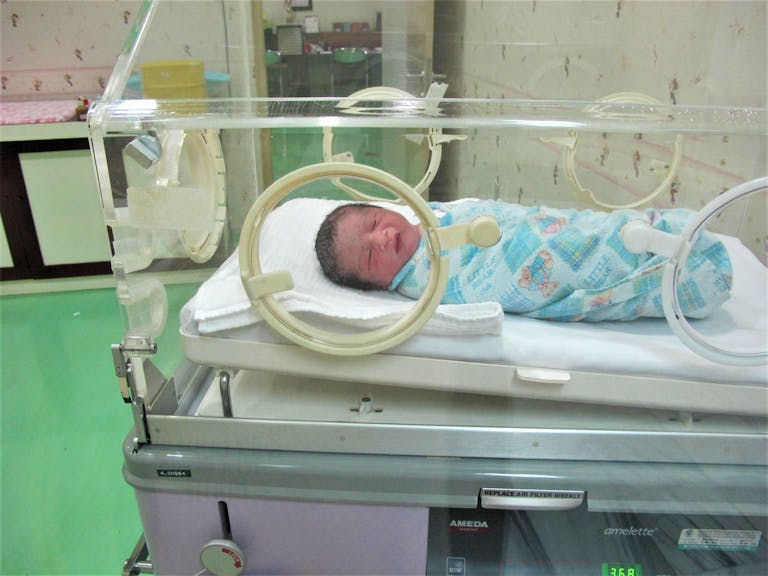
For the smallest babies—those born early or with low weight—kangaroo care is more than comfort; it is prescribed in many hospitals. Studies show skin-to-skin babywearing can regulate heartbeat, breathing, even blood sugar, and dramatically supports breastfeeding rates.
Parental Comfort: Body Ergonomics
Caregivers, too, merit protection. Choose carriers that distribute weight between shoulders and hips, avoid narrow, straining straps, and alternate positions as needed. Recognise any onset of discomfort or fatigue, and be prepared to rest or adapt carrying methods accordingly.
Psychological and Emotional Richness
Building Bonds and Resilience
Every gentle sway in a carrier or wrap nurtures your child’s sense of security and attachment. This is not romanticism—hormonal markers like oxytocin are measurably higher in both baby and parent after skin-to-skin contact, reinforcing what many have always felt.
Easing Stress and Fostering Growth
Reduced crying, calmer babies, and confident parents—these are outcomes documented in both clinical and observational research. Some parents report that babywearing even lessens signs of postpartum sadness or anxiety, creating more space for joy.
Calming: Emotional Regulation in Action
The warmth, motion, and closeness inherent to babywearing gently teach infants to self-soothe. Over time, many children become better adapted to daily transitions and less prone to sensory overload.
Babywearing Challenges: Practical Solutions and Realistic Support
Practicing with Purpose
For first-timers, wrapping fabric around a wriggling newborn brings anxiety. Start low risk—practice with a doll, leverage tutorial videos, and do the first few “real” carries with support at hand. Progress is natural; frustration, common.
Fussiness and Carrier Fit
If your baby cries in the carrier, double-check the position: are hips supported, chin free, airway open? Sometimes, a subtle retightening or a different wrap style makes all the difference.
Physical Limitations
Caregivers with existing back or musculoskeletal concerns should opt for structured, padded models and keep carrying periods short. Consulting a medical professional is wise.
Tapping into Community Wisdom
Online forums, local babywearing groups, and lending libraries are vibrant sources of advice—as well as practical carrier loans or skill-building workshops. There is real power in shared experience.
Everyday Life with Babywearing: From Home to the Wider World
Household Routines, Public Spaces, and Travel
Use babywearing at home for tasks such as cooking, cleaning—always safely away from hazards—or soothing your child to sleep. Carriers are companions for errands, public transport, and even airport queues, often replacing strollers in congested spaces.
Outdoor Activities
Babywearing transforms walks and gentle hikes into bonding experiences. Avoid jogging or high-impact movement; instead, dress your baby for the weather and check position frequently.
Managing Multiple Children
Need to meet the demands of an infant and a toddler? Babywearing allows food preparation, interactive play, and sibling care—streamlining family life.
Caring for Your Carrier
Cleaning and Longevity
Stick to mild detergents, gentle cycles, and air-drying to keep carriers safe and pleasant. Quick attention to stains and regular checks for damage prolong lifespan.
Storage Practices
Keep carriers in a dry, ventilated space—away from sunlight, dust, or moisture. Storage bags are practical allies.
When to Replace
If you spot damage—fraying, broken buckles—or if your baby outgrows the current model’s specifications, switch carriers without delay.
Finding Support: The Babywearing Community
Connecting Through Groups and Knowledge Sharing
Workshops, meet-ups, lending libraries, and digital forums offer a platform for learning, troubleshooting, and confidence-building. International Babywearing Week celebrates cultural diversity—offering events that bring focus to safety, technique, and family joy worldwide.
Trends and Innovations: Future-Ready Babywearing
Modern Design Meets Tradition
Recently, carriers have integrated ergonomic features for hip health, eco-friendly materials, and even antimicrobial fabrics. Innovations include custom adjustability and technology interfaces for real-time safety monitoring.
Environmental and Ethical Shifts
Parents increasingly prioritise brands with transparent supply chains, fair-trade practices, and durable construction. Shared community resources—lending, repair, resale—also reflect a move toward sustainability.
Digital Influence
Tutorials, influencer content, and active online groups democratise knowledge, making safe and joyful babywearing accessible everywhere.
Key Takeaways
- Babywearing nurtures bonds, supports health, and simplifies routines.
- Babies experience better digestion, emotional comfort, and ease of sleep in carriers.
- Selection of the right carrier and maintaining safety are fundamental—secured straps, ergonomic position, and regular checks.
- Practical benefits go beyond convenience: babywearing boosts breastfeeding confidence, connects families with tradition, and fosters secure early attachment.
- Parents facing challenges can always seek help—local lending libraries, medical consultations, or vibrant community groups.
- Sustainable and ethical choices support the well-being of families and the planet.
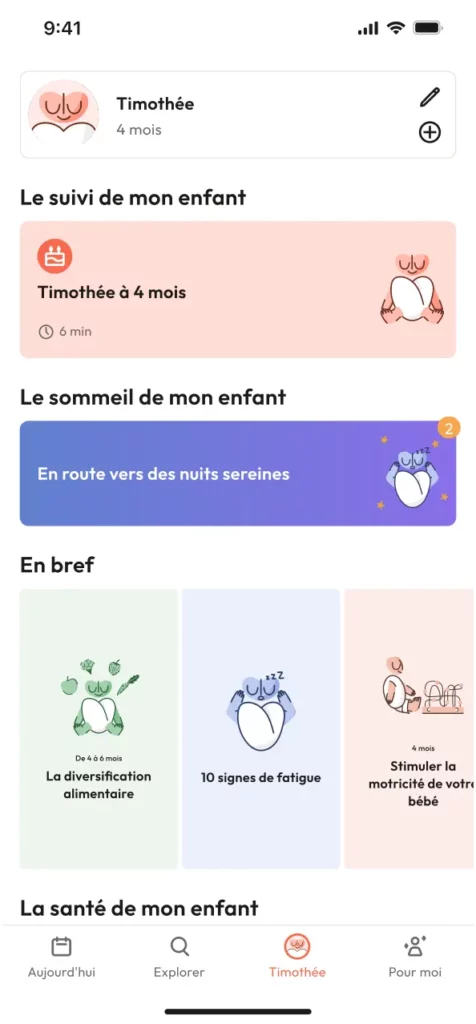
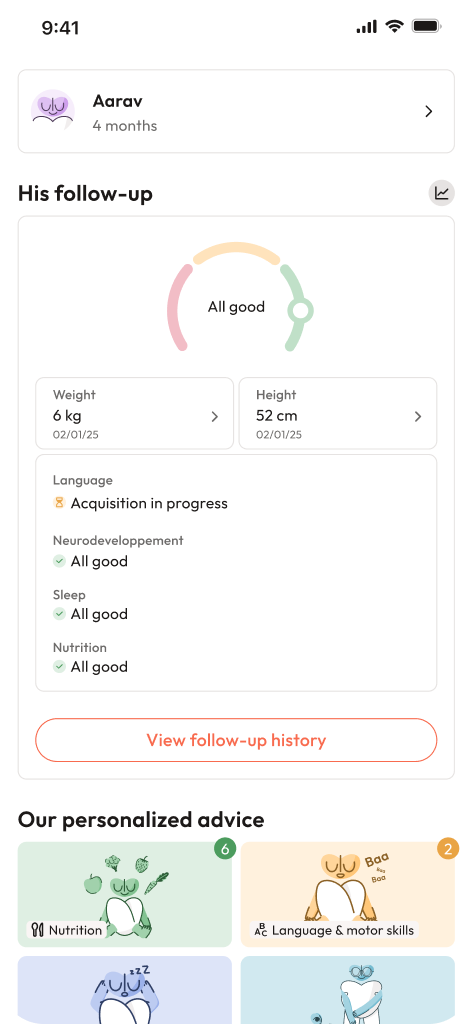
- For tailored guidance and free health checklists, parents can download the application Heloa.
Questions Parents Ask
What age is babywearing appropriate for?
Babywearing can start from the newborn phase, as long as your baby’s airway remains clear and there is soft support for the neck muscles. Different carriers meet the needs of various ages—soft wraps and slings for infants, structured options for older babies and toddlers. When your child grows and gains head control, you may transition to new positions or carriers. Some families enjoy babywearing even with walking toddlers. You will naturally find your rhythm; adjusting to your child’s signals is the golden rule.
Can babywearing be done with twins?
Absolutely, babywearing twins is possible. Some parents prefer using two slings—one on each side—while others opt for specialized twin carriers. You might carry both together or alternate. It can take some practice, and there’s real value in attending a workshop or connecting with a community group for tips and reassurance. Follow your body’s cues and your babies’ needs for a comfortable experience.
Does babywearing help with baby’s sleep?
For many babies, yes—being carried in a carrier or sling often helps babies fall asleep quicker and sleep more peacefully. The combination of warmth, gentle movement, and the soothing sound of a caregiver’s heartbeat can be deeply comforting. Some parents feel surprised by how well their infants nap while being worn, whether at home or outside. If your baby seems to prefer the carrier for naps, rest assured that this is a common and healthy experience.