By Heloa | 15 May 2025

Skin to skin contact: benefits, science and best practices

9 minutes
de lecture
Parentalité : le guide de survie aux injonctions

By Heloa | 15 May 2025

Skin to skin contact: benefits, science and best practices

9 minutes
Parentalité : le guide de survie aux injonctions

Par Heloa, le 15 May 2025

Skin to skin contact: benefits, science and best practices

9 minutes
de lecture
Parentalité : le guide de survie aux injonctions

Gentle touch, the warmth of a parent’s chest, the soft sound of a newborn’s breath—skin to skin contact (also known as kangaroo care) is more than just cuddling. It is a bridge between the world of the womb and the world outside, a lifeline for both physical and emotional stability. Many parents wonder: Is SSC only for fragile premies? Can I do it after a C-section? Does it really help with breastfeeding and bonding, or is it overrated? At the same time, every family has its unique rhythm, habits, and worries—sleep, feeding challenges, or hospital protocols may complicate what seems, at first glance, so simple. What if there was a practice—supported by science, recommended by international experts, and adaptable to nearly every situation—that responds to these anxieties, while fostering connection and health? Step by step, you will discover how skin to skin contact supports temperature regulation, strengthens immunity, sets breastfeeding on the right track, and weaves invisible threads of attachment, for both parent and child. Practical guidance, scientifically validated explanations, and real-world solutions—find answers to your everyday questions and expert-backed advice on how to weave skin to skin contact into your family’s story.

What is skin to skin contact?

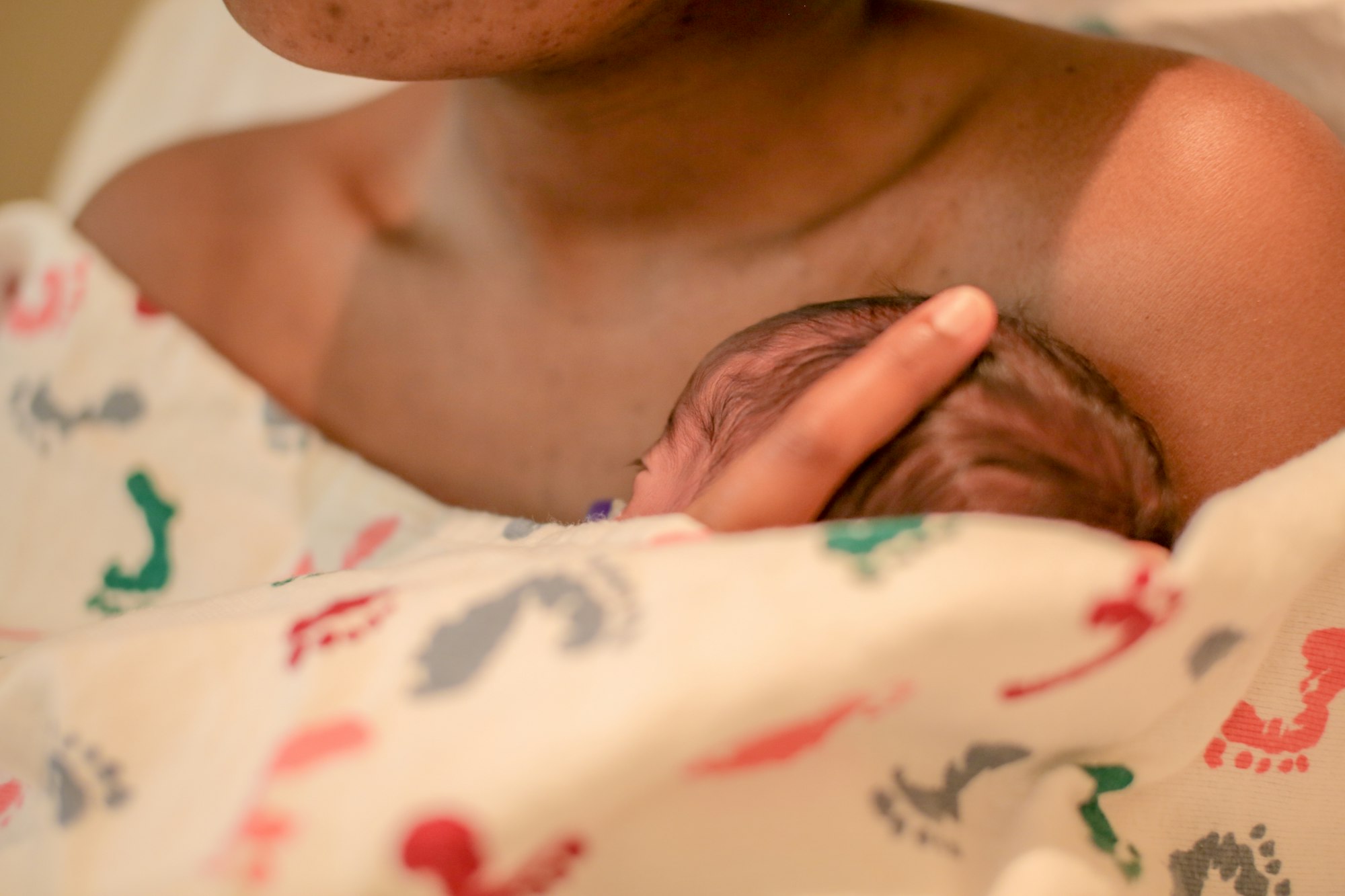
Imagine, moments after birth, your little one—wearing nothing but a tiny diaper—nestled directly on your bare chest. The tiny body moulds to your warmth, the heartbeat beneath your skin whispers reassurance. This is skin to skin contact: immediate, uninterrupted closeness, ideally started within the first ten minutes after birth and continued for at least ninety minutes. Why such precision? Medical research shows that your body naturally adjusts its heat, sometimes more accurately than any device, to keep your newborn’s temperature stable. Not only does this closeness anchor your baby’s wandering vital signs, but it also eases the parent into interpreting every little signal—a flutter of movement, a rooting reflex, a soft sigh. Breastfeeding, sleep patterns, and the microbiome (the helpful bacterial ecosystem coating your baby’s skin and gut) also get a head start thanks to this primal contact.

The science behind skin to skin contact

Physiological miracles in plain sight

When a newborn enters the world, fluctuations in temperature, heart rhythm, and blood sugar are common. Skin to skin contact acts like a natural stabiliser. The newborn pressed against your chest finds equilibrium—heart rate steady, breathing deep and regular, glucose levels less prone to dipping dangerously low. For premature infants, whose fragile systems falter easily, this simple act can be life-changing. Parents, too, experience hormonal cascades: oxytocin (“the bonding hormone”) flows, fading stress and amplifying that deep sense of calm and connection. Not only mothers, but fathers or any caring partner, can experience this physiological magic.

Oxytocin: The quiet architect of bonding

Direct SSC sparks a release of oxytocin—a neurohormone that soothes, knits attachment, and facilitates efficient milk let-down for breastfeeding. Oxytocin doesn’t just create the sensation of love or contentment; it fine-tunes the parent’s sensitivity to the baby’s needs, accelerating recovery after birth and lowering the risk of postpartum complications (for instance, faster placental expulsion and reduced postpartum bleeding). In practical terms: babies feed more effectively, and parents—whether mother or father—feel more confident responding to every whimper or wiggle.

Building young brains and strong emotions

Repeated skin to skin contact in the hours, days, and even weeks following birth orchestrates healthy neurodevelopment. Babies who rest against bare skin show better regulation of sleep-wake cycles, and their brains receive an orchestra of sensory input: warmth, beat, familiar voice and microbe-rich scent. This sensory synchrony helps infants build self-regulation skills—later reflected in stress management, social development, and even school performance. Early, uninterrupted SSC correlates with improved emotional resilience and smoother transitions through childhood milestones.

Stages and timing: When and how often?

The “golden hour” and the power of early contact

The moments just after delivery—the so-called golden hour—host an astonishing sequence. Some babies will cry, others seek the breast, and almost all benefit from that first touch. Medical consensus now leans toward starting skin to skin contact within minutes post-birth, supporting natural feeding instincts, enhancing parent-infant attachment, and smoothing physiological adaptation. Ideally, ninety minutes of uninterrupted contact sets a strong foundation, but repeat sessions throughout the early weeks multiply these advantages.

Early versus delayed SSC: What’s the difference?

Early (within the first 24 hours) SSC still offers noticeable benefits for health and attachment, but those first minutes after birth are uniquely powerful. A delayed start might make exclusive breastfeeding trickier, sometimes interfering with the natural rooting and suckling reflexes that belong to the immediate postpartum phase.

Duration and flexibility

Clinical studies encourage parents: the longer and more frequent the SSC, the greater the physical and emotional rewards. For parents facing work demands, twins, or post-surgical recovery, even shorter, repeated sessions—fifteen minutes here, thirty there—carry proven benefits. Flexibility, not perfection, sets you and your baby up for sustained success.

The hidden benefits of skin to skin contact

Natural body warmer, built-in incubator

Worried about chilly hospital rooms? Skin to skin contact acts as a sophisticated warming system. Your body detects even tiny changes in your baby’s temperature and corrects them instantly, far outstripping many incubators, particularly for preterm or low birth weight infants. Medical professionals consistently highlight reduced risks of hypothermia, one of the invisible threats facing newborns.

Stabilising heart, breathing, and glucose levels

SSC is a master at harmonising heart rate, stabilising breathing, and supporting steady blood sugar—core indicators of a healthy adaptation to life outside the womb. Babies held in skin to skin contact utilise less energy to stay warm; their systems, protected from erratic shifts, are less likely to experience dangerous lows (such as neonatal hypoglycaemia).

Less crying, more calm—for both generations

There’s a peculiar, almost magical, hush that falls when a newborn is pressed against a parent’s chest. Why? The sensations mirror life in the womb: enveloping warmth, rhythmic heartbeat, and the distinctive parental scent. Stress plummets for both participants. For babies facing painful procedures (like vitamin K injections or blood draws), the comfort of SSC actively decreases pain perception and duration of distress.

Immune system boost and microbiome seeding

SSC is far from just emotional—it is immunology in action. Direct contact seeds your baby’s skin and gut with beneficial microbiota: these “friendly bacteria” form the first protective barrier against pathogens, reducing the risk of infection. Babies swaddled in synthetic fabrics or separated too soon miss out on this early immune advantage.

Weight gain, muscle tone, development

Newborns engaging in regular SSC demonstrate more effective feeding and digestion, gaining weight at a healthy pace—a lifeline for preterm or small-for-date babies. Additionally, prone positioning on the parent’s chest offers mild exercise, bolstering neck and postural muscles and setting the stage for robust gross motor development.

Breastfeeding and skin to skin: a scientific alliance

Feeding reflexes and successful latch

Immediate skin to skin contact unlocks innate feeding behaviours: rooting, breast-seeking, and effective suckling. Contact during the first hours leads to higher rates of exclusive breastfeeding at discharge, sturdy latches, and a more satisfying initial breastfeeding experience. Parents find it easier to notice hunger cues long before fussiness or crying set in.

The hormonal whirlwind and milk supply

SSC encourages optimal latch and activates hormonal chains (oxytocin and prolactin) that ramp up milk production and ejection. Studies link SSC to higher and earlier milk volumes, decreasing the likelihood of formula supplementation—a reassurance for those anxious about “milk coming in.”

Formula use and overcoming feeding challenges

Whether after a tough birth, a C-section, or other hurdles, regular SSC helps babies feed more efficiently and mothers feel more confident. Couples often find that persistent, gentle contact can transform even a shaky start into a smoother, more rewarding feeding relationship.

Bonding, attachment and emotional well-being

The quiet work of attachment

Skin to skin contact acts as a glue, accelerating the parent-child bond. Oxytocin pulses through both bodies, nurturing feelings of love, confidence, and security. Fathers and partners, as active participants, describe enhanced attachment—no longer distant bystanders, but hands-on caregivers discovering their own new rhythms.

Beyond infancy: long-term emotional gains

Children who experienced early and sustained SSC show more self-regulation, better stress management, and improved social skills—benefits confirmed by longitudinal medical research. The shared sensory experience instils a bedrock of trust, emotional security, and positive behaviour that echoes well beyond babyhood.

Parental well-being and mental health

Parental stress, anxiety, and risk of postpartum depression fall substantially when SSC becomes part of daily rituals. Partners involved in SSC report higher confidence levels, more active engagement, and enriched communication within the family—an often overlooked but valuable ripple effect.

Adapting skin to skin contact in clinical practice

Vaginal, cesarean birth and NICU settings

From straightforward vaginal births to complicated cesareans or NICU admissions, protocols increasingly support skin to skin contact as soon as safely possible. For mothers in recovery, a partner or another family member can take the lead until direct SSC is possible. Neonatal teams adapt procedures—even amidst medical equipment—to ensure fragile infants are not deprived of this powerful intervention.

Kangaroo Mother Care for the tiniest among us

For preterm and low birth weight infants, the WHO-backed Kangaroo Mother Care approach standardises upright, continuous SSC, exclusive breastfeeding support, and early discharge protocols. Evidence shows sharp reductions in infection and mortality rates—results that underline the practice as more than a comforting gesture.

All caregivers, all settings

SSC is not just a mother’s realm; fathers, grandparents, or any caregiver can step in, provided safe positioning is maintained. Hospitals worldwide are switching to family-centred care, offering training on positioning, warning signs, and recognising newborn behaviour cues, so every baby receives health, resilience, and love.

Step-by-step: How to practice skin to skin contact

Best practices at hospital and at home

  • Prioritise skin to skin contact as early as possible—gently dry the baby, keep only a diaper, and ensure a warm environment.
  • The baby, prone and chest-to-chest, rests on the semi-reclined caregiver; blanket covers the back, but the face stays open to air.
  • Remain for at least 90 minutes, ideally until the first feed is complete. After returning home, daily sessions (even short and frequent) maintain benefits.

Practical tips for safety and comfort

  • Support the baby’s head to the side (airways open, chin off chest); legs tucked, back and shoulders steady.
  • Hats and socks help in a cool room, but always keep the face visible.
  • Caregiver stays awake; if sleepiness arrives, carefully transition baby to a safe surface (on the back).

Overcoming real-world challenges

  • Constantly observe baby’s colour and breathing during SSC: face never obstructed, breathing regular.
  • After cesarean, seek help from family or staff for secure positioning.
  • Twins? Alternate holding or ask for extra hands—what matters is each baby’s safety and support.
  • For a parent feeling weak, another trusted person can step in as the “warm chest.”

Professional guidelines: credibility and best practices worldwide

Universal recommendations

Endorsed by WHO, UNICEF, and the Baby-Friendly Hospital Initiative, skin to skin contact is now the gold standard from birth. Interrupted only for medically necessary procedures, it is built into the fabric of modern postnatal care. Healthcare staff are encouraged worldwide to receive regular updates in SSC technique and safety.

Hospital policies and ongoing training

Maternity and NICU units are developing policies that embed SSC, including during and after surgical births. Regular staff education and collaboration with families create a robust foundation for successful implementation. Expectant parents benefit from anticipatory guidance, so they can confidently advocate for SSC at every birth.

Myths, misconceptions and daily barriers

Safety concerns: what do the studies say?

Medical reviews confirm that, when practiced correctly, SSC is safe. The key? Maintaining an open airway. Caregiver vigilance and appropriate staff training render risk minimal—while the stack of proven benefits continues to grow.

Cultural and institutional habits

Sometimes, tradition or hospital procedure may delay SSC—concerns about infection, urgent weighing, or privacy crop up. Staff shortages or lack of training might interfere. Yet, evidence-based advocacy and sensitive discussion pave the way for normalising SSC as a standard of care, not a luxury.

Family-centred solutions

Ongoing parent education, respect for cultural traditions, and creating hospital routines that accommodate comfort and safety all help foster acceptance. Partners and wider family are welcomed into the care circle, bringing SSC from a “nice-to-have” to a “must-have” for every baby’s start.

Key takeaways

  • Skin to skin contact naturally balances temperature, breathing, and heart rate in newborns—often outperforming machines for these tasks.
  • Early and continuing SSC sets up breastfeeding success, emotional bonding, and boosts confidence for all caregivers—mothers, fathers, or partners.
  • Direct SSC seeds the immune system, supports faster growth, and shapes long-term emotional well-being.
  • Specialised Kangaroo Mother Care protocols support premature and low birth weight babies, reducing health risks and supporting normal development.
  • Practising SSC safely is straightforward and adaptable—support from well-trained professionals and awareness of family needs makes all the difference.
  • Each family’s journey with skin to skin contact is unique—choose what feels right for you, knowing that help is available at every stage. For extra support and health tools, download the application Heloa — a resource packed with personalised guidance and free health questionnaires for your child.

Questions Parents Ask

Are there any specific positions or techniques that make skin to skin contact safer or more comfortable?

Absolutely. For a secure experience, hold your baby upright on your bare chest, head turned to the side, ensuring nose and mouth remain clear at all times. The neck should stay in a natural, neutral position—avoid twisting or chin-to-chest. Support the back and shoulders, use a light blanket for extra warmth (not over the face), and always transfer your baby to a safe, flat surface if you feel yourself drifting to sleep. The aim is comfort, safety, and maintaining the open airway. When in doubt, don’t hesitate to ask a healthcare provider for extra guidance.

Can I do skin to skin contact if my baby is premature or has medical needs?

Yes, and in fact, it might be even more beneficial. Skin to skin contact (often called Kangaroo Care) supports temperature regulation, breathing, and emotional comfort—even for those requiring intensive care or equipment. Hospital teams are trained to help position your baby safely, even in difficult situations. Your gentle closeness, even if it looks different from what you first imagined, is a vital part of your baby’s healing and adaptation.

How can I include skin to skin contact in our everyday routine after the early newborn days?

Skin to skin contact can continue long after the first hours or days. Whether during calm feeding moments, after bath-time, or just while relaxing, these cuddles build ongoing security and connection. There’s no strict stopping point—let your baby’s needs and your comfort be the guide. Even “mini sessions,” squeezed between other tasks, provide powerful emotional and physiological benefits. Keep adapting as your baby grows—what remains constant is the nurturing effect of close, loving contact.

Further reading:

Similar Posts

Becoming a parent often brings a cascade of questions, and quite possibly, a fair share of worries. Perhaps you’re lying awake pondering, ‘How can I offer my newborn the very best start?’, or ‘What does my baby truly need, immediately after birth?’ The world of early infancy is a fascinating swirl of science and instinct, and one gentle, powerful gesture—skin to skin contact—emerges from both. Imagine: a newborn, placed directly onto a parent’s bare chest, heartbeat against heartbeat. Warmth and familiarity envelop both, not only calming but actively shaping health, development, and that intangible bond. You may wonder: does it really make a difference? Is it safe? How long, how often, and… what if things don’t quite go as planned? Here, you’ll discover how skin to skin contact shapes your baby’s health, the underlying medical science, real-world advice for every kind of birth, and respectful guidance however your unique path unfolds.

The foundations: what is skin to skin contact?

Skin to skin contact—sometimes referred to as kangaroo care—means placing your newborn, wearing nothing but a diaper, directly against the bare chest of a parent or caregiver. Typically, this begins in the moments immediately after birth, ideally within the first 10 minutes, and lasts for at least an hour uninterrupted. But at its core, it’s a profoundly simple act: two bodies, together, sharing warmth, touch, and security.

Why does it matter so deeply? The moment of birth is a radical transition. A baby’s lungs must suddenly breathe air, their tiny metabolism must take charge of heat production, and their immune system gets its first real test. Skin to skin contact provides built-in tools for confronting those early challenges. The parent’s body heat, the steady rhythm of a heartbeat, and the scent of familiar skin offer both physiological and psychological anchors for the newborn.

Globally, cultural traditions reflect this need for closeness. Inuit mothers, for example, have long used the amauti—a garment pressing the infant’s body close for warmth and comfort. The modern clinical approach grew out of necessity; in 1980s Colombia, hospitals lacking incubators found newborns, especially those born prematurely, fared better when kept in constant skin to skin contact with a parent. This simple but profound routine is now backed by the recommendations of major bodies like the World Health Organization (WHO) and UNICEF.

The science of connection: physiological and hormonal impact

The ramifications of skin to skin contact ripple through nearly every bodily system in a newborn. Let’s pull back the curtain on those mechanisms.

Vital sign stabilization

A newborn’s temperature can plummet, especially in the sterile chill of a delivery suite. Yet, when cradled in skin to skin contact, a parent’s chest acts as a responsive heater—rising or falling to meet the baby’s needs. Clinical evidence shows that even preterm infants, precariously vulnerable, experience thermoregulation as stable and sometimes superior to what can be achieved in an incubator.

Heart rate and breathing also settle into healthy rhythms. The newborn’s cardiorespiratory system, immature and easily unsettled, absorbs the parent’s rhythms through contact. Blood sugar—a surprisingly precarious parameter in those first hours—is protected, because the baby doesn’t expend precious calories keeping warm, lowering the risk of hypoglycemia.

Hormonal orchestration: oxytocin and more

Both baby and parent benefit from a surge of oxytocin, sometimes called the “love hormone.” In the parent, this chemical cascade supports emotional bonding, reduces stress, heightens relaxation, and even speeds up recovery after birth by aiding in placental expulsion and minimizing postpartum bleeding. For babies, oxytocin bathes the nervous system, instilling calm and laying down early pathways for trust and safety.

Neurodevelopment and emotional regulation

The interplay of warmth, touch, scent, and sound during skin to skin contact fosters brain development by activating specialized neural circuits. Sleep-wake patterns emerge, self-regulation skills are seeded, and the pillars of emotional resilience are built, one snuggle at a time. Babies repeatedly exposed to skin to skin contact in early life tend to show more robust emotional regulation and adaptive social behaviors later on.

From first moments to later weeks: stages, timing, and implementation

The “golden hour”: why timing matters

The hour following birth—often described as the “golden hour”—is a unique neurobiological window. During this time, skin to skin contact helps usher the baby through a series of instinctive behaviors: crying, seeking, rooting, and ultimately, feeding and sleep. Most evidence points to the first 10 minutes as especially pivotal—initiating skin to skin contact as soon as possible increases the probability of early breastfeeding and better physiological stability.

Early versus delayed skin to skin

What if immediate contact isn’t possible? While it’s never too late to begin, the earliest possible start delivers the most pronounced advantages. Early, continuous contact not only favours breastfeeding but also synchronizes parent and infant physiology more effectively.

Continuous versus intermittent contact

Ninety minutes is now widely seen as the baseline for uninterrupted skin to skin contact right after birth (when possible). Longer and repeated sessions throughout the first hours and days stack benefits. In situations where ongoing SSC isn’t feasible—post-cesarean recovery, or baby in a neonatal intensive care unit—frequent, shorter sessions still impart significant health and emotional benefits.

Key benefits decoded: more than just warmth

Thermoregulation: more than just body heat

An infant’s body surface-to-weight ratio makes temperature regulation challenging. Skin to skin contact leverages parental physiology, adjusting as needed—warming, cooling, and keeping vulnerable preterm babies safe from the domino effect of hypothermia.

Cardiorespiratory adaptation and blood sugar

Unstable heart rates, irregular breathing, and unpredictable glucose—all on the early-life menu for newborns—reliably settle when skin to skin contact forms part of their postnatal experience. For very small or preterm babies, the protective effect can be life-altering.

Soothing and stress relief

Babies, as you may have guessed, cry less when held in skin to skin contact. The multisensory input—the familiar scent, the vibrational lull of a heartbeat, synchronizing breaths—can be more potent than a lullaby. Oxytocin floods the system again, lowering stress not just in your child, but in you as well. Research even shows SSC swiftly calms pain responses following minor procedures, such as blood sampling or vaccinations.

Immune system building and the power of microbiota

The skin and gut of a newborn are rapidly colonized by bacteria, much of it initially acquired from the parent’s skin during skin to skin contact. This microbial “inheritance” helps seed and educate the immune system, lowering rates of infection—especially those first delicate days.

Growth, muscle tone, and later milestones

Regular skin to skin sessions promote healthier weight gain and more mature digestion, particularly for preterm or low birth weight infants. Fascinatingly, babies lying prone on a parent’s chest regularly exert and strengthen neck, trunk, and shoulder muscles. This natural “tummy time” supports early motor development and even links to lower rates of sudden infant death syndrome (SIDS).

Breastfeeding and skin to skin contact: a natural partnership

Early initiation, feeding reflexes, and latch

Immediately after birth, skin to skin contact activates newborn feeding instincts. Rooting and suckling behaviors emerge in sequence, enhancing chances of a strong initial latch and efficient feeding. The World Health Organization and the Baby-Friendly Hospital Initiative both highlight uninterrupted SSC after birth as a pillar for optimal breastfeeding.

Enhanced milk production and exclusivity

Prolactin and oxytocin—the “milk hormones”—soar during skin to skin contact, translating into earlier and better-established milk production. Mothers who practice SSC are more likely to exclusively breastfeed at discharge and for months afterward, and difficulties in breastfeeding are less common.

Fewer formula supplements, greater confidence

Studies repeatedly show regular SSC reduces the need for formula supplementation, even in circumstances traditionally seen as challenging (e.g., after cesarean births or when initial latching is tricky). It’s not only a win for nutrition and immunity, but a boost to parental confidence as well.

Emotional synchrony: bonding, attachment, and mental health

Forging early connections

It’s easy to think of skin to skin contact as merely physiological, but the emotional dividends are immense. Hormonal cascades deepen attachment and nurture trust. Both mothers and fathers report feeling more attuned and connected, and that heightened sense of security lays the groundwork for confident parenting.

Shaping long-term emotional resilience

Children given early, regular skin to skin contact display stronger self-regulation and adaptive stress responses. Social and emotional capacities blossom, not just in babyhood, but into later childhood years—sometimes beyond.

Mental health boost for parents

Parental anxiety and postpartum depression? Both show lower rates when early, frequent SSC is part of the postnatal routine. Fathers and other partners enjoy this benefit too. The cycle is self-reinforcing; the more one does SSC, the more attuned and engaged one feels, weaving the fabric of a thriving family.

Bringing it into practice: logistics, context, and overcoming barriers

Vaginal birth, cesarean, and the NICU: adapting SSC

While straightforward after a vaginal delivery, skin to skin contact is equally possible after cesarean sections—sometimes with assistance from staff or partners to ensure safety and comfort. In neonatal intensive care units (NICUs), Kangaroo Mother Care is initiated as soon as the infant is medically stable, regardless of equipment or wires, always prioritizing monitoring for safety.

Kangaroo Mother Care—structured SSC for preterm and low birth weight infants

The term Kangaroo Mother Care (KMC) refers to a coordinated hospital-based program, endorsed by the WHO, offering near-continuous upright skin to skin contact, exclusive breastfeeding support, and early, supportive discharge for fragile babies. KMC has demonstrated significant reductions in neonatal mortality and infections, and improvements in neurodevelopmental outcomes.

Including fathers, partners, and all caregivers

Skin to skin isn’t just for one parent or for mothers alone. Fathers and partners gain just as much from participating, both in terms of bonding and physiological benefit to the baby. When the birth parent cannot do SSC (due to surgery, fatigue, or medical situation), another family member can step in, ensuring that newborns never miss an opportunity for closeness.

Overcoming obstacles: practical safety and real-world realities

Key safety point: always monitor baby’s airway—face visible, nose and mouth never obstructed, neck in a neutral position. If the caregiver feels drowsy, the baby should always be placed on a flat, safe sleeping surface. In cases such as twins, alternate sessions or have both babies supported securely. For any concerns, especially if the baby’s color or breathing seems off, a medical professional should be consulted.

Clinical guidelines and evidence-based implementation

Globally, institutions like WHO and UNICEF, as well as the Baby-Friendly Hospital Initiative, strongly recommend skin to skin contact—immediate, uninterrupted, and across all birth settings. Routine examinations, weighing, and other procedures should never disrupt early SSC unless truly medically necessary. Training and routine education for all staff members ensure safe, consistent implementation, while family education before and after delivery empowers parents to request and advocate for SSC as part of their birthing experience.

Myths, misconceptions, and practical realities

Safety is paramount, and when correct positioning and monitoring are respected, skin to skin contact is exceptionally safe. Cultural or institutional hesitance, concerns about infection, privacy, or staffing challenges occasionally act as barriers. Open dialogue with care teams, respectful consideration of cultural backgrounds, and clear policies make SSC accessible and embraced by more families every day.

It’s important to keep in mind—no two families’ journeys will look precisely the same. There is room for individual adaptation, and no single “perfect” path exists. Parents are encouraged to ask questions, share preferences, and, whenever possible, integrate skin to skin contact into their early routines.

Key Takeaways

  • Skin to skin contact is a natural, evidence-backed strategy stabilizing temperature, breathing, and heart rate far more effectively than isolation or equipment alone.
  • Early, frequent skin to skin contact enhances breastfeeding success, fosters secure attachment, and builds confidence for mothers, fathers, and partners alike.
  • The cascade of benefits—immune protection, optimal growth, neurological development, and emotional well-being—echo throughout the days, weeks, and beyond.
  • Specialized protocols like Kangaroo Mother Care dramatically improve outcomes for premature and low birth weight babies.
  • With medical guidance and sensitive support, skin to skin contact becomes accessible and transformative for every kind of family.
  • Parents, remember: your intuitive connection, paired with evidence-based care, gives your child a powerful foundation.
  • Whenever questions or uncertainties arise, resources and professionals are available to offer support. For tailored guidance and free child health questionnaires, the Heloa app is ready to help you move forward with reassurance and expertise.

Questions Parents Ask

Are there any specific positions or techniques that make skin to skin contact safer or more comfortable?

Absolutely, comfort and safety during skin to skin contact are important for both you and your baby. Generally, laying your baby upright on your bare chest, with their head turned to one side and their nose and mouth uncovered, is recommended. Keep their neck in a neutral position—not too flexed or extended—to help keep their airways clear. Support your baby’s back and shoulders, and if you feel sleepy, it’s best to place your baby in a safe sleep space nearby instead. Feel free to use a light blanket over both of you, avoiding the baby’s face. Remember, every family is different; don’t hesitate to adjust for your own comfort, and if you have any doubts, ask a healthcare professional to guide you.

Can I do skin to skin contact if my baby is premature or has medical needs?

Yes, skin to skin contact can be especially helpful for premature or medically fragile babies. This practice—sometimes called Kangaroo Care—supports your baby’s breathing, temperature regulation, and emotional well-being, even in the neonatal intensive care setting. Of course, there may be equipment or monitoring involved, but teams are usually very supportive in helping parents hold their baby safely. Don’t worry if things look a little different from what you imagined—what matters most is gentle closeness and responding to your baby’s cues. When in doubt, share any concerns you have with the care team: their goal is to help you and your baby feel as connected and confident as possible.

How can I include skin to skin contact in our everyday routine after the early newborn days?

Skin to skin contact doesn’t have to stop after the first hours or days; you can weave it into your daily life as your baby grows. Many parents enjoy quiet moments of cuddling during feedings, after baths, or even just while relaxing together. There’s no strict age limit—trust your instincts and your baby’s reactions. Whether you hold your baby close for minutes or longer stretches, these moments continue to build emotional security and provide comfort. If you have other children or a busy schedule, know that every little bit of closeness can still make a difference. Being present and loving in whatever way works for your family is what’s truly valuable.

Further reading:

Similar Posts