By Heloa | 27 January 2022

How to improve baby’s sleep before 4 months

7 minutes
de lecture
5 astuces pour améliorer le sommeil de bébé avant ses 4 mois

By Heloa | 27 January 2022

How to improve baby’s sleep before 4 months

7 minutes
5 astuces pour améliorer le sommeil de bébé avant ses 4 mois

Par Heloa, le 27 January 2022

How to improve baby’s sleep before 4 months

7 minutes
de lecture
5 astuces pour améliorer le sommeil de bébé avant ses 4 mois

If you’re reading this, chances are, the phrase “improve baby’s sleep before 4 months” echoes in your mind at 2 a.m., as you comfort a restless newborn, or calculate the minutes until the next feed. Nights blur into days, exhaustion becomes a familiar companion, and doubts surface: Is my baby getting enough rest? Are their frequent wake-ups normal? Can anything truly help at this stage? These questions are nothing short of universal among parents of newborns. Exploring ways to improve baby’s sleep before 4 months not only brings comfort, but also supports infant development and, undeniably, your own well-being. Let’s untangle common worries, offer medical insights, and deliver evidence-based strategies, all while respecting your unique parenting style, so you can confidently support healthy sleep step-by-step.

Understanding the Science of Newborn Sleep

Why does sleep matter so much, and what’s really going on in your infant’s brain?

Quality sleep in the first months accelerates brain maturation and supports the immune system by promoting the release of key growth hormones during deep (non-REM) sleep. These restorative cycles, which repeat every 40 to 60 minutes in a newborn, help consolidate neural connections—the very foundation of memory, emotional regulation, and physical development. What’s more, “improve baby’s sleep before 4 months” is not just about hours logged—it’s about supporting a balanced circadian rhythm, even in these earliest days.

Newborns rarely sleep in long stretches; instead, their sleep patterns are characterized by short, fragmented bouts (2-4 hours at a time), frequent awakenings, and a lack of clear day-night distinction. The immature sleep-wake cycle means parents become their child’s external timekeeper. Expect your baby to clock between 14 and 18 hours in 24, but not always when you wish.

Decoding Sleep Cues and Wake Windows

Rubbing eyes, a glazed stare, subtle yawns—or perhaps the classic finger suck—each baby speaks a different language when it comes to sleep cues. Miss these signals and you risk a cascade: overtiredness, fussiness, and difficult settling. But catching these cues early allows you to improve baby’s sleep before 4 months with a smooth, gentle transition to rest.


Clinical sleep research emphasizes wake windows: short, age-dependent spans of alertness. During these first weeks, they can be as brief as 20 minutes for a newborn, gently extending to 90 minutes by 4 months. Overstepping this window often leads to increased cortisol, the stress hormone, making sleep even harder to achieve.

Quick guide to wake windows:

  • 0-1 month: 20–60 minutes
  • 1-2 months: 30–75 minutes
  • 2-3 months: 45–80 minutes
  • 3-4 months: 60–90 minutes

To truly improve baby’s sleep before 4 months, design wind-down routines around these physiological signals, not the clock.

Building Healthy Sleep Foundations

The Role of Predictable Routines

Predictability soothes the newborn brain. Even simple steps—closing the curtains, a lullaby, dimming lights, gentle swaddling (before signs of rolling)—help condition your infant’s body and mind for rest. Medical studies confirm that repetitive cues before bedtime foster earlier and more consolidated sleep patterns. Start your bedtime routine at the first sign of tiredness, not when your baby is already cranky.

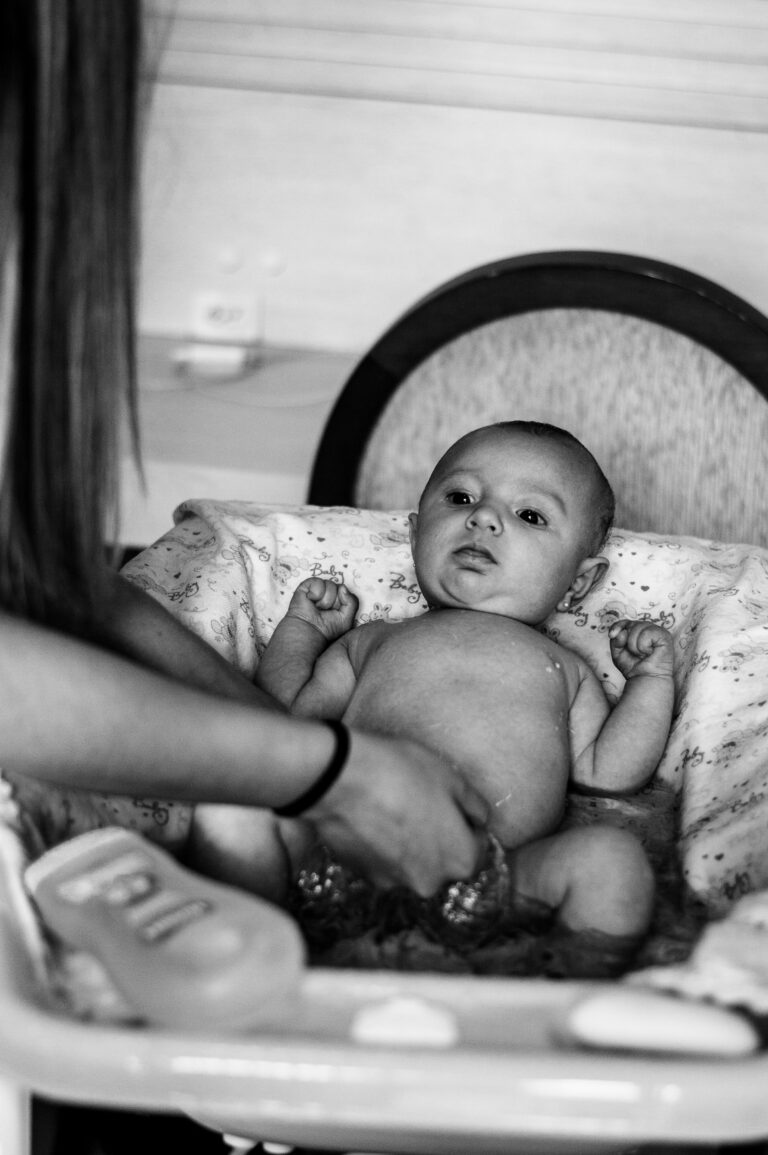
  • Warm bath or gentle wipe-down
  • Soft pajama changes
  • Calming lullaby or white noise
  • Skin-to-skin contact or light massage

Even if your baby needs to be held or rocked, these steps anchor their sleep biology. The goal? To improve baby’s sleep before 4 months by laying the groundwork for self-soothing later on.

Safe Sleep Environment: Medical Guidance

Creating the Ideal Sleep Zone

Safety and comfort walk hand-in-hand. Current pediatric guidelines (from the American Academy of Pediatrics and international experts) recommend:

  • Always place your infant on their back for sleep. This position, combined with a firm sleep surface without any loose bedding or soft objects, dramatically reduces the incidence of SIDS (Sudden Infant Death Syndrome).
  • Maintain a cool, stable room temperature—ideally 68-72°F (20-22°C)—with relative humidity around 60% to support healthy breathing and skin.
  • Dress your baby in a light, fitted sleep sack or breathable layers, never with loose blankets.

Room-sharing (without bed-sharing) further supports a safe sleeping environment. Your proximity eases feeding and parental reassurance while minimizing risks linked to sharing the same sleep surface.

Nutrition and Feeding: Fine-Tuning Nighttime Sleep

Why does feeding matter so much? Because an underfed or overfed baby may struggle to fall asleep—or stay asleep. For infants under 4 months, feeding on demand (watching for rooting, fists to mouth, increased activity) sustains healthy growth and prevents dehydration. Breast milk, digested rapidly, may require more frequent nighttime feedings, while formula can sometimes stretch intervals between night feedings. Neither method guarantees a “perfect sleeper.” True improvements to baby’s sleep before 4 months hinge on responsive feeding, not rigid routines.

To minimize strong feeding-to-sleep associations, try separating daytime feeds from sleep by a few gentle minutes of upright cuddling or a lullaby. At night, feed in near-darkness, with minimal stimulation.

Managing Real-World Sleep Hurdles

Short naps, frequent waking, long crying spells—these are common during early infancy. You might wonder: Is this typical? Should I intervene? Research and lived experience suggest that responsive support (rocking, white noise, holding, pacifier use) is not only normal, but often necessary. Worries about forming “bad habits” are misplaced in these initial months. Instead, respond to soothe—your baby’s neurological capacity for true sleep habits only emerges closer to 4-6 months.

When naps consistently last less than 30 minutes, try extending them by holding your baby for a contact nap or darkening the room. Want to improve baby’s sleep before 4 months? Stay flexible, gentle, and open to adjusting your approach as development unfolds.

Day-Night Rhythm: Gently Guiding Circadian Maturation

The drive to improve baby’s sleep before 4 months often hinges on one thing: helping your baby distinguish day from night. Science points to the significance of light: Expose your infant to natural daylight during waking hours—consider a short stroll with the stroller, or simply a chair by the window. At night, transition to dim lighting, quiet voices, and minimal interaction. Over weeks, this melatonin signaling (the hormone that drives sleepiness) takes root.

  • Daytime: Bright light, conversation, gentle play
  • Nighttime: Low light, slow movements, quick feeds

The aim? To improve baby’s sleep before 4 months by reinforcing the emerging circadian framework.

Swaddling, Pacifiers, and White Noise: Sensory Inputs Explained

Swaddling can calm a newborn’s startle reflex, extending sleep—provided rolling hasn’t started. Consider only breathable materials, ensuring hips can move freely (to prevent hip dysplasia). Stop immediately if your baby rolls.

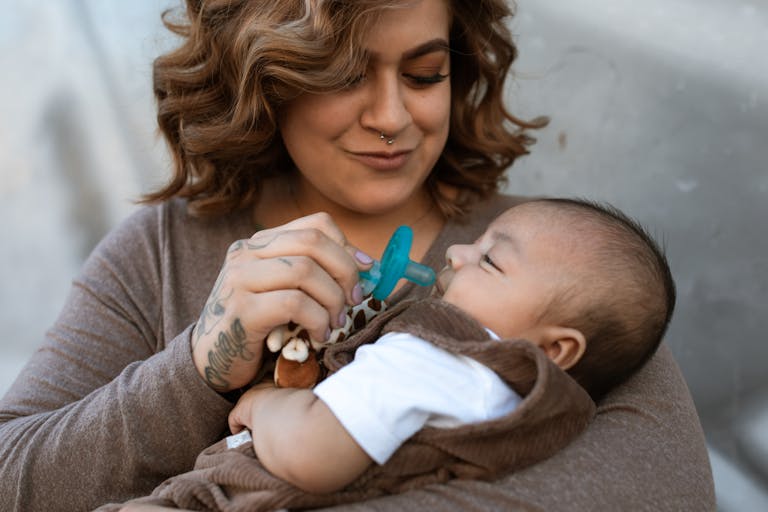
Pacifiers, when introduced after successful breastfeeding is established, have been associated with reduced SIDS risk, and may help infants transition between sleep cycles.

White noise, when kept at safe volumes and distances, can mimic the auditory environment of the womb and block background household disruptions.

Think of these tools as options—not necessities. The real secret to improve baby’s sleep before 4 months lies in responsiveness and environmental support.

Shattering Myths, Embracing Evidence

Sleep is riddled with myths: “Babies should sleep through by 3 months.” False—most infants are not physiologically ready. “More milk at bedtime means longer sleep.” Not quite—overfeeding can create discomfort, not deeper rest. The prevailing consensus from pediatricians and sleep researchers: focus on healthy routines, respect your baby’s developmental stage, and avoid unproven gadgets.

What’s an actionable takeaway? Trust in the medical evidence: feeding needs, not clocks; safe sleep practices, not fancy sleep products; responding to cues, not outdated sleep training.

The Parents’ Role: Well-Being and Support

Facing the ongoing quest to improve baby’s sleep before 4 months can spark frustration, even self-doubt. It’s essential to remember: responsive, loving care—grounded in evidence, not perfectionism—supports your child’s emotional and psychological landscape. Take time to rest, accept help, and press pause on household chores when you need to. If sleep issues persist or distress grows overwhelming, reach out to your pediatrician or a qualified sleep specialist.

There’s no universal formula—but there are always ways forward.

Key Takeaways

  • Gentle, age-appropriate routines and safe sleep settings are foundational to improve baby’s sleep before 4 months—think back sleeping, room-sharing (not bed-sharing), and a firm, clear sleep surface.
  • Watch for early sleep cues and keep wake windows short to reduce overtiredness.
  • Daytime feeds, tuned to hunger signals rather than a strict clock, pave the way for longer night stretches.
  • Routine, light cues, and dim nighttime environments foster an emerging day-night rhythm.
  • Swaddling, pacifiers, and white noise may help, but the keys are medical safety and infant cues.
  • Short naps and frequent waking are normal; resist pressure to sleep train before your baby is physiologically ready.
  • Your own self-care matters. Seek support from health professionals, lactation consultants, or trusted resources when challenges feel unmanageable.
  • For truly personalized advice and free child health questionnaires, download the Heloa app—one more step towards feeling secure in your choices.

Supporting your journey to improve baby’s sleep before 4 months is fundamentally about balancing expert recommendations with your parental intuition—both are valid, both are needed. Your baby, with all their quirks, is on their own timeline, and with patience and trusted guidance, better nights truly are within reach.

Questions Parents Ask

How can I tell if my baby is overtired or just fussy?

Sometimes, distinguishing between overtiredness and ordinary fussiness can feel confusing. An overtired baby may show stronger signs such as rubbing eyes, turning away from interaction, arching their back, or having difficulty settling even when comforted. Fussiness from overtiredness often leads to shorter naps and more frequent night waking. If you notice that soothing is unusually difficult and your baby resists sleep despite clear tired signs, a shorter wake window and an earlier nap or bedtime may help. Each baby is unique, so trust your observations—your intuition matters.

Is it normal for my baby to have short naps at this age?

Absolutely, short naps are very common in infants under 4 months. At this stage, it’s normal for some babies to sleep only 20 to 40 minutes at a time during the day, as their sleep cycles are still maturing. While it can be frustrating, these short naps do not indicate anything is wrong. Patience and a flexible routine tend to help during this period. If your baby wakes crying or seems unrested, comfort and a calm environment can support longer sleep with time.

Does introducing a pacifier help babies sleep better?

Many parents find that a pacifier can soothe their baby and help with falling asleep by satisfying the natural need to suck, which is calming for many infants. Evidence also suggests pacifiers may reduce the risk of SIDS when used during sleep once breastfeeding is well established. However, every baby is different—if your little one isn’t interested in a pacifier or spits it out, there’s no need to insist. What matters most is finding what works best for your family, always staying attentive to your baby’s safety and comfort.

Further reading:

Similar Posts

Every parent, whether just beginning this journey or adding another chapter, faces that perplexing moment: how to improve baby’s sleep before 4 months. Sometimes, the night stretches into countless awakenings and the days blur with uncertainty—are the naps too short, too long, or just right? Navigating these rhythms can feel overwhelming, yet this period contains so much opportunity for learning and bonding. Improve baby’s sleep before 4 months—such a deceptively simple ambition, but so many variables at play: biology, comfort, nutrition, attachment. Let’s untangle the swirl, address the questions that linger in your mind, and detail strategies that honor your baby’s natural development. Along the way, science, empathy, and practical solutions join hands: nurturing night and day.

Recognizing Baby Sleep Cues: The Art of Timing

Spotting early sleep signals isn’t always straightforward—did your baby just yawn out of boredom, or is fatigue peeking in? Watch closely for a mosaic of hints: yawning, that endearing finger-sucking, the unfocused gaze, flutter-blinks, brief eyelid droops, waning interest in toys. Noticing tiny shifts, like twitchy or slow movements, or simply increased clinginess, sets you up to improve baby’s sleep before 4 months by acting before overtiredness takes over. Overtired babies, arching their backs in protest, rubbing tiny fists into weary eyes, or dissolving into frantic cries, need sleep long before those fireworks go off.

Quality Sleep and Its Medical Underpinnings

Why chase regular, restorative sleep so early? During these first months, each stretch of deep shut-eye supports synaptic growth, memory formation, and the pulsating release of growth hormones—quite literally reshaping the developing brain and body. Calm, well-rested infants (study after study emphasizes this) show more predictable mood regulation and greater curiosity about their world. That’s not mere folklore—polished through evolutionary necessity, this restorative rest optimizes immune responses and stabilizes emotional tone, crafting building blocks for cognitive milestones.

Newborn Sleep: Unique Patterns, Distinct Needs

Sleep for a newborn (that magical 0-4 month window) isn’t just a scaled-down version of older children’s patterns. Picture it more like a robust patchwork—short sleep cycles, about 50 minutes apiece, overlapping day and night without a reliable rhythm yet. Total sleep? Often 14-18 hours in 24, little bursts interwoven with waking for feeds. Don’t be unnerved by the unpredictability—this is a normal, temporary architecture, as the circadian clock (the body’s inbuilt day-night timer) is still under construction. Improving baby’s sleep before 4 months means honoring this natural structure rather than imposing rigid schedules or expecting what’s physiological impossible.

Common Myths vs. Evidence-Based Realities

You’ve perhaps heard whispers that babies can be sleep trained from their first breaths, or that one last heavy feed before midnight will buy you hours of undisrupted rest. Such beliefs, though tempting, don’t align with neonatal physiology.

  • Myth: Sleep training works from birth.
    Evidence: The nervous system simply isn’t ready; true self-soothing emerges much later.
  • Myth: Babies should sleep through by 3 months.
    Fact: Those night wakings? They’re wired for survival, supporting both nutrition and parental attachment.
  • Myth: Fancy sleep gadgets make all the difference.
    Science: Added pillows, special toys, or “positioners” increase SIDS risk far more than they enhance sleep duration or quality.

Keep the sleep space safe and minimalist, and rely on consistent, calming routines anchored in your baby’s age and cues.

Understanding Sleep Cycles and Wake Windows

Each infant cycles rapidly between “active” (twitchy, rapid-eye-movement, REM) and “quiet” (still, deep, non-REM) sleep. Roughly every 50-60 minutes, these phases flip. The trick to improve baby’s sleep before 4 months often lies in respecting “wake windows”—the slivers of time an infant tolerates between sleep episodes. Here’s the rundown:

  • 0-1 month: 20 to 60 minutes awake
  • 1-2 months: 30 to 75 minutes
  • 2-3 months: 45 to 80 minutes
  • 3-4 months: 60 to 90 minutes

Why so short? Excessive wakefulness floods the infant brain with stress hormones (like cortisol), making sleep elusive. If you start nap/bedtime routines at the first signs—not the last—you dodge the common pitfall of overtiredness and its aftermath: restless, fragmented sleep.

Biological Rhythms and Environmental Cues

Human babies don’t arrive calibrated for sunrise and sunset; circadian rhythms (rooted in the brain’s suprachiasmatic nucleus) must form from scratch. Improving baby’s sleep before 4 months means harnessing environmental cues—natural daylight for wake times, low lights and quiet for sleep. Within 6-12 weeks, infants who are routinely exposed to sunlight in the daytime and darkness at night begin to consolidate longer sleep stretches after dusk.

Medical and Nutritional Factors: More Than Just Milk

Growth—measured as steady increases in weight, length, and head circumference—directly shapes sleep quality. Babies in the midst of growth spurts often wake more for feeding; this extra energy intake is not regression, but adaptation. Whether breastfed or formula-fed, infants require frequent, on-demand feeds; breastmilk digests faster, so those babies may seek the breast more at night, while formula might stretch out some intervals.

Spotting early hunger cues—rooting, sucking on fists, lip smacking (not just crying)—allows for timely feeding, supporting metabolic and neurological development, and ironically, helps improve baby’s sleep before 4 months by reducing sleep disruptions from hunger.

Over time, a gentle shift toward separating feeding from falling asleep can ease reliance on feeding as the only sleep cue. This, combined with swaddling (until the first signs of rolling), white noise mimicking the womb, and calming routines, helps many babies settle with a broader array of soothing strategies.

Safe Sleep Practices: Reducing Risks, Enhancing Comfort

Medical research leaves no ambiguity on this point: putting babies to sleep on their backs, on a firm, flat sleep surface, without loose bedding or plush toys, dramatically reduces SIDS risk. Room-sharing on a separate cot or bassinet for the first 6-12 months is safest; bed-sharing, although common, raises suffocation risk.

Swaddling (arms snug, hips loose) can decrease startle reflex and foster longer stretches—just discontinue at the first roll. Maintain temperatures between 20-22°C (68-72°F), use a sleep sack for warmth, and keep humidity near 60% for ease of breathing.

Crafting Soothing Rituals and Calming Environments

What rituals truly help improve baby’s sleep before 4 months? Evidence underscores the magic of routine: dim lights, a brief massage, a touch of white noise, soft lullabies, and a clear shift into sleep attire. These actions act as consistent, gentle cues to transition from activity to rest.

The sleep environment matters: blackout shades for naps and night, white noise to muffle ambient disturbances, and a defined sleep space free of clutter. During the first month, lights and sound matter less, but by 2-3 months, minimizing stimulation at nap and bedtime can lengthen rest periods.

Encouraging Self-Soothing and Sleep Independence

Many parents wonder when to begin guiding their infant toward falling asleep alone. Before 4 months, the focus has to remain responsive, but subtle steps can help: try laying your baby down drowsy but awake on occasion, offer soothing (patting, gentle shushing), and, if needed, pick up/soothe/put down. Over time, these approaches lay the groundwork for improved self-soothing as the central nervous system matures.

It’s a marathon, not a sprint—most babies don’t reliably “self-settle” until 4-6 months, and even then, night waking is common. The watchwords: patience, calm consistency, a willingness to adapt.

Supporting Day-Night Sleep Organization

Expose your child to bright daylight each morning—perhaps a family walk or just near a sunny window. Keep bedtime and nap interactions soft, voices low, movements unhurried. Even diaper changes at night benefit from minimal fuss and dim lighting, reinforcing the difference between day and night.

Rethinking the Notion of “Bad Habits”

A pressing question for many: will rocking, feeding, carrying, or white noise spoil a baby’s ability to sleep independently? For infants under 4 months, building trust, security, and a sense of safety matters far more than any habit. Nurturing, responsive caregiving lays sturdy foundations for all future sleep skills.

Psychological and Emotional Wellbeing

Responsiveness is not just a matter of comfort; it is medicine for the growing brain and for parent-child bonding. Consistent, attuned responses lower both your and your baby’s stress, enhancing emotional wellbeing for the whole family.

Taking breaks and seeking support—whether from family, friends, pediatricians, or sleep consultants—is a wise investment in both your resilience and your baby’s development.

Key Takeaways

  • The most effective way to improve baby’s sleep before 4 months is through gentle, responsive routines that honor biological needs and cues.
  • A safe sleep environment—back sleeping, separate cot in the parental room, no extras in the sleep space—reduces risks significantly.
  • Short wake windows and attention to early sleep signals help sidestep overtiredness, paving the way for smoother bedtimes and longer sleep episodes.
  • Prioritize quality, full feedings during the day, and watch for hunger cues before fussiness erupts.
  • Routine and a calm, consistent sleep environment provide powerful signals to the infant brain about when to sleep.
  • Push aside myths—focus on medical science and consult professionals for persistent sleep struggles.
  • Emotional security and trust, built through timely response, lay the groundwork for healthy sleep habits and overall wellbeing.
  • For tailored tips and free child health questionnaires, download the application Heloa to support improve baby’s sleep before 4 months with confidence.

Questions Parents Ask

How can I tell if my baby is overtired or just fussy?
Sometimes, it feels like trial and error. Overtiredness tends to bring stronger reactions: eye-rubbing, turning away, arching the back, or becoming impossible to settle even on your shoulder. Frequent nighttime waking and fragmented naps are common patterns. If comforting feels unusually hard, consider shortening wake windows or beginning the bedtime routine sooner.

Is it normal for my baby to have short naps at this age?
Without a doubt! Short naps (even just 20-40 minutes) commonly mark the early months. The baby’s developing neurological rhythm naturally produces brief cycles. It isn’t a sign of a problem—patience, a flexible approach, and a calming environment support longer rest over time.

Does introducing a pacifier help babies sleep better?
For many, yes. The sucking reflex is inherently calming, and using a pacifier has even shown a possible lowering of SIDS risk (as long as breastfeeding is well-established). However, not every infant will take to it, and that’s fine. What matters is prioritizing safety and comfort in whatever strategy suits your child best.

Further reading:

Similar Posts