
Imagine a room suddenly filled with the sharp, unmistakable sound of your baby crying—a signal that instantly tugs at your heart and perhaps triggers a thousand questions at once. Understanding baby cries isn’t just a matter of trial and error; it’s a delicate dance of observation, intuition, and scientific insights. What does this particular sound mean? Why now? Hungry, tired, or in pain—or is it something else entirely? Every parent, at some point, stares into those expressive eyes and wonders: how can I decode these cries, respond with confidence, and offer true comfort? The reassuring truth: understanding baby cries unlocks new levels of parent-child connection, boosts your confidence, and provides reassurance that each response shapes your baby’s sense of security. Ready to unravel the signals, debunk common myths, and gently guide your baby—and yourself—toward calmer, happier days? Here’s how to make sense of those distress signals and navigate each tearful episode with empathy, knowledge, and practical tools.
The Language of Baby Cries
Babies arrive in this world with a singular, potent tool: crying. For an infant, it’s not a weapon but a lifeline—a vital means of signalling hunger, discomfort, fatigue, pain, or the universal need for closeness. Understanding baby cries is about tuning into the variances in crying patterns, from the repetitive and rhythmic hungry cry—often accompanied by rooting or hand-sucking—to the whiny, drawn-out signals of tiredness, complete with yawning or rubs of the eyes.
You might notice these variations even in the absence of words. A sharp, high-pitched wail? That could point toward sudden pain—think of ear infections or teething flare-ups. Meanwhile, lower, fussy sounds accompanied by wriggling might mean a wet diaper or cramped clothing. Recognising body language in tandem—arching back, clenched fists, facial tension—offers even more clues.
Medical research assures that babies do not cry to “manipulate.” Rather, every tearful episode is a message about physiological or emotional needs, never mischief. Despite popular beliefs, there’s no evidence that allowing babies to cry unnecessarily strengthens their lungs. In fact, prolonged crying can trigger the release of stress hormones, potentially affecting development.


Emotional Impact of Baby Cries on Parents
The sound of a baby’s cry triggers deep emotional responses—sometimes exhaustion, anxiety, or even self-doubt. In those first weeks especially, parents might feel guilt or frustration at not immediately understanding baby cries. Here’s vital reassurance: every parent, no matter their experience level, faces these uncertainties. Feeling emotionally overwhelmed is entirely normal. The act of simply holding your baby or even gently saying “I hear you,” meets an important need for safety and connection, even before the specific cause is understood.
If the crying feels unbearable and no one is present to help, placing your baby safely in their crib for a few minutes while you regain composure is completely acceptable. Your well-being is directly linked to your baby’s, so caring for yourself when emotions run high is more than just permissible—it is recommended in paediatrics.
Main Types and Causes of Baby Cries
Let’s dive into the types most frequently encountered:
- Hungry cry: Recognised by rhythmic, persistent intensity, often escalating if unmet; watch for rooting, sucking, or hand-to-mouth gestures.
- Tired cries: Nasal, fussy, and interspersed with body cues such as yawning, rubbing eyes, jerky movements.
- Discomfort cries: Sudden and abrupt, typically paired with restlessness or squirming—think soiled diaper, clothing too tight, or feeling too hot/cold.
- Pain cries: High-pitched, intense, and sometimes breathless, these cries can signal teething, gas, ear infection, or other medical issues; drooling or cheek-rubbing often accompany.
- Attention or closeness: Starting as mild fussiness, escalating if neglected; body language shows arms reaching or gaze seeking a parent.
There’s also the infamous “witching hour”—those late afternoons or evenings where crying intensifies regardless of your best efforts. This phenomenon, particularly common in the first three months, often reflects overstimulation and accumulated tension as babies adjust to daylight and sensory overload after the womb’s snug comfort.
Interpreting Crying Patterns: Observation Meets Science
Understanding baby cries means observing not just the sound, but also context—timing, circumstances, and physical cues. Studies—such as those by Priscilla Dunstan—suggest that babies may use specific “sound codes” (for instance: “Neh” for hunger, “Owh” for sleepiness, “Heh” for discomfort, “Eh” for needing to burp, “Eairh” for lower gas) that can serve as handy anchors for new parents.
Additional pointers:
- Hunger cries build rhythmically, increasing in volume and intensity.
- Tired cries are punctuated by longer pauses, whining tones.
- Pain signals a sudden, intense spike in both sound and facial expression.
Pay close attention to clusters of fussiness at specific times of day—these provide valuable insight into what your baby experiences as stressors, whether environmental or physical.
Practical Strategies for Responding
So, what to do when your baby cries? Here’s a toolkit refined by paediatric studies and parent stories alike:
- Soothing touch: Holding, swaddling, or using baby carriers fosters security by mimicking the womb’s familiarity.
- Motion: Gentle rocking, stroller rides, or soft swaying often engage a baby’s innate need for movement, releasing tension and promoting calm.
- Sound therapy: White noise, lullabies, or rhythmic shushing—these auditory cues have been shown to regulate newborn stress levels.
- Skin-to-skin contact: Direct chest-to-chest holding boosts oxytocin (a hormone reducing both parent and infant stress).
- Check for physical irritants: Wet diaper, tight clothing, poorly ventilated room—rectifying basic discomfort is sometimes all that’s needed.
- Infant massage: Gently massaging tummy or back may relieve trapped gas or minor digestive discomfort, explained physiologically by stimulation of the vagus nerve.
- Teething aids: Clean, chilled teething rings or gentle gum massages can ease inflamed gums, validated by paediatric guidelines.
Remember: consistency, patience, observation, and trust—these, more than perfection, underpin successful responses.
Managing Challenging Episodes and Seeking Help
Some stretches of persistent or unexplained crying simply defy all remedies, especially during developmental peaks. If, after addressing needs and offering comfort, your baby continues crying—particularly for hours at a stretch—it’s both normal and temporary. Sometimes, babies cry as a method of releasing daily tension, known as “release crying,” and may need little more than reassurance and closeness.
Feeling overwhelmed or “at the end of your rope?” Allow yourself a reset: trade off with a partner, ask a trusted friend or relative, or—if alone—ensure your baby is in a safe sleeping space while you take a few moments to breathe and regroup. Remember, occasional crying does not define your parenting skills.
When Crying Needs Medical Attention
While most crying is benign, red flags demand a swift response:
- Cry characteristics: Unusually prolonged, high-pitched, weak, or dramatically different from typical crying.
- Accompanying symptoms: Fever, difficulty breathing, persistent vomiting, poor feeding, marked lethargy, rashes, or sudden personality changes.
- Pain indicators: Constant ear pulling, inconsolability during diaper changes with significant rash or sores.
If something “feels off,” trust your instincts and seek medical attention immediately. Paediatric protocols advise erring on the side of caution.
Beyond Crying: Other Sounds Babies Make
Babies aren’t limited to distress calls. Cooing, babbling, and early giggles are precious windows into evolving social and cognitive skills. Vowel-like coos begin in the early months, gradually giving way to the melodic, repetitive sequences of babbling (often by four to six months), and soon followed by joyful bursts of laughter. Encouraging this vocal exploration not only fosters language development—it deepens your connection and creates positive associations with interaction.
Parenthood and Self-assurance: Growing Together
No parent gets everything “right” on the first try—understanding baby cries is a progressive journey of learning, observation, and sometimes, admitting uncertainty. Each attempt, each mistake, and every moment of empathy builds your confidence and solidifies your baby’s trust in the world. Seeking advice, sharing caregiving, and safeguarding your own well-being are strategies recommended in paediatric mental health to foster family resilience.
Give yourself grace; patience and adaptability are your best companions in this ever-evolving adventure.
Tools and Resources for Parents
Modern challenges meet innovative solutions. From cry detection apps using AI auditory analysis to supportive digital parenting communities and local health workshops, a spectrum of tools now extends guidance beyond the home. Consulting a paediatrician, accessing local support, following up with a lactation consultant for feeding issues, or seeking brief parental counselling are valid and beneficial steps for parental well-being.
Emotional wellness matters—should exhaustion or anxiety build, consider connecting with peer support or professional counsellors for tailored assistance.
Key Takeaways
- Understanding baby cries offers insight into your baby’s physical and emotional state, supporting effective, compassionate responses.
- Differentiating hunger, tiredness, pain, and need for comfort enables timely, appropriate intervention.
- Prolonged or atypical crying may require medical evaluation—your intuition matters.
- Building a bond through prompt, loving interactions supports robust emotional and cognitive development.
- Parent confidence grows with experience, observation, and openness to support—trust the learning process.
- Explore resources, digital tools, and professional guidance for sustainable well-being.
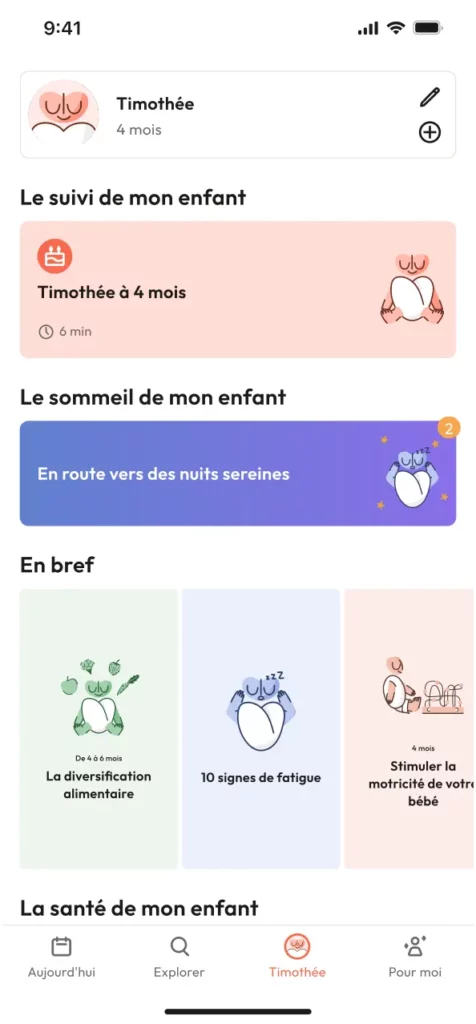
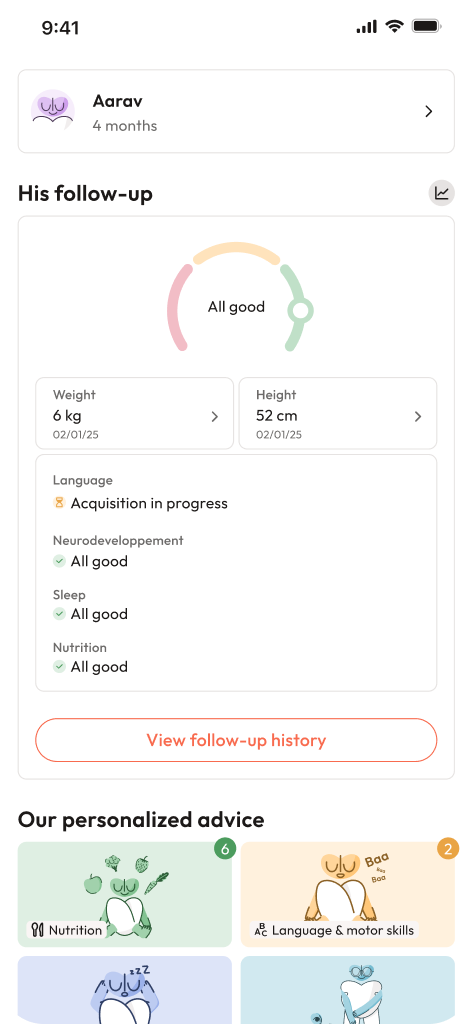
- For personalised tips and free health checklists adapted to your child’s age, try the Heloa application—expert advice is simply a click away.
Questions Parents Ask
Can babies cry for no reason at all?
Sometimes, yes. Even after all essentials—feeding, comfort, hygiene—are addressed, babies might still cry. This “release crying” can signal the body unwinding after accumulated stimuli or adjusting to a shift from wakefulness to sleep. If needs are met, a brief unexplained crying spell is entirely typical. Reassurance and presence remain comforting.
How long should I wait before responding to my baby’s cry?
No strict rule applies. Especially for newborns, swift reassurance is linked to increased security and trust. As infants grow, allowing a brief pause before responding may help distinguish cries and nurture self-soothing, but never ignore a cry that feels unusual. Listening to your instincts is key—prompt response is always acceptable.
Does ignoring repeated crying lead to longer-term issues?
Brief, occasional bouts are normal. However, consistent ignoring of persistent cries may impact emotional well-being over time. Responsive—not perfect—care is linked to healthy attachment and stress regulation. Should fatigue feel overwhelming, seeking support—and caring for yourself—directly benefits your child’s well-being.