By Heloa | 18 May 2025

Newborn needs: essentials for every parent

9 minutes
de lecture

By Heloa | 18 May 2025

Newborn needs: essentials for every parent

9 minutes

Par Heloa, le 18 May 2025

Newborn needs: essentials for every parent

9 minutes
de lecture

Anticipation, joy, a touch of anxiety—these emotions swirl as the thought of welcoming a newborn takes centre stage in your life. Perhaps you’ve heard stories of sleepless nights, the never-ending cycle of diaper changes, and a tiny heartbeat seeking comfort against your own. Doubt may whisper: “Am I ready? Do I have everything my baby will need?” Breathe easy; you are not alone with these thoughts. Newborn needs revolve around both the tangible—clothes, feeding supplies, safe sleep equipment—and the profoundly intangible: emotional warmth, loving connection, a gentle hand to soothe each whimper. How to strike the right balance? What matters most in these earliest days? Here, the essentials converge: the science of newborn care, the art of nurturing, the practicalities of everyday life, and the spark of parental instinct. Discover what shapes your newborn’s wellbeing—right from that very first breath.

Why newborn needs matter from day one

Pause for a moment. Imagine the world from the eyes of your newborn—a rush of new sensations, the shift from the gentle rhythm of the womb to the unpredictable environment outside. During the newborn period, the immune system is delicate, still learning to distinguish between friend and foe. Medical research confirms that preparing to meet newborn needs supports immune resilience, maintains optimal hygiene, and creates an environment where the chance of infection is reduced. Early readiness—keeping feeding supplies, hygiene essentials, and support at hand—lets you concentrate on what truly matters: nurturing those first moments of bonding, protecting your baby from environmental stress, and transmitting a sense of security.

But let’s not mistake needs solely for objects. The requirements of a newborn beat quietly beneath the surface: a need for proximity, gentle touch, and emotionally attuned responses. Scientific reviews highlight the importance of secure attachment for both immediate comfort and long-term developmental outcomes. One cannot bottle parental presence, but every embrace, every soothing glance—these build the emotional foundation underpinning every other aspect of care.

Emotional connection and skin-to-skin contact

Building foundational bonds from birth

Lock eyes with your newborn for the first time. There’s a spark—the “foundational gaze” that marks the beginning of lifelong attachment. In these early hours, your baby instinctively seeks familiar sounds, warmth, and the reassuring sensation of skin-to-skin contact. No matter how softly spoken, a parent’s heartbeat offers profound comfort, echoing the rhythm your baby knew in the womb. Wondering about the science? Skin-to-skin contact, also known as “kangaroo care”, is medically recognised for its benefits: stabilising heart rate, supporting blood sugar levels, regulating temperature, and triggering oxytocin (the hormone of love and relaxation) for parent and baby alike.

This practice is remarkably simple. Place your newborn, clad only in a diaper, directly against your chest. Cover with a soft blanket if needed. Not only does this tactile closeness soothe your infant and encourage breastfeeding, but it also lowers stress hormones, making those early transitions gentler for both of you.

The need for proximity: holding, babywearing, and responsive care

Security in closeness, calm in your arms

Ever wonder if it’s possible to “spoil” a baby with too much holding? Research over decades provides an unequivocal answer: newborn needs include being held, cuddled, and responded to—often and without hesitation. Their brains, still rapidly developing, light up in response to nurturing touch and rhythmical movement. When you pick up a crying newborn and gently sway them, the result isn’t just comfort. It’s building neural pathways for emotional security, teaching your baby that their needs will bring an attuned response.

Consider babywearing—using an ergonomic carrier or sling. This redistributes weight for parental comfort (your back will thank you), frees your hands, and offers your baby a soothing, womb-like environment. Movement promotes gastrointestinal comfort and makes breastfeeding more accessible on the go. Scientific literature identifies a notable decrease in fussiness and a positive impact on parental confidence in those who practice regular babywearing.

Responsive care—answering those earliest cries with gentle consistency—forms the emotional glue that secures trust. Contrary to popular myths, a newborn does not develop adverse habits from being held, but instead learns the world can be a safe, predictable place.

Newborn communication: understanding the language of cries

Decoding your baby’s signals

A newborn’s only language is crying—a signal, never a strategy. Whether it’s hunger, discomfort, or simply the need for a warm embrace, each cry deserves a response. The ability of infants to self-soothe is not yet developed; ignoring persistent cries can lead, over time, to resignation, not resilience. The advice from paediatric specialists: listen carefully, respond promptly. This quick intervention calms biological stress responses, teaching your baby the world is responsive—and you, as their anchor, are reliable.

Shared sleep, safe sleep: balancing comfort and safety

The science and practice of newborn sleep

Sleep—elusive for the parent, vital for the newborn. The sleep needs of an infant are rooted in biology, with fragmented cycles, active (REM) phases, and frequent waking for feeds. Some families find comfort in co-sleeping (parent and baby sharing the same bed or room). Numerous studies associate co-sleeping, when practised safely, with easier night feeding and even a potential reduction in sudden infant death syndrome (SIDS) when paired with breastfeeding.

Safety is, however, foundational:

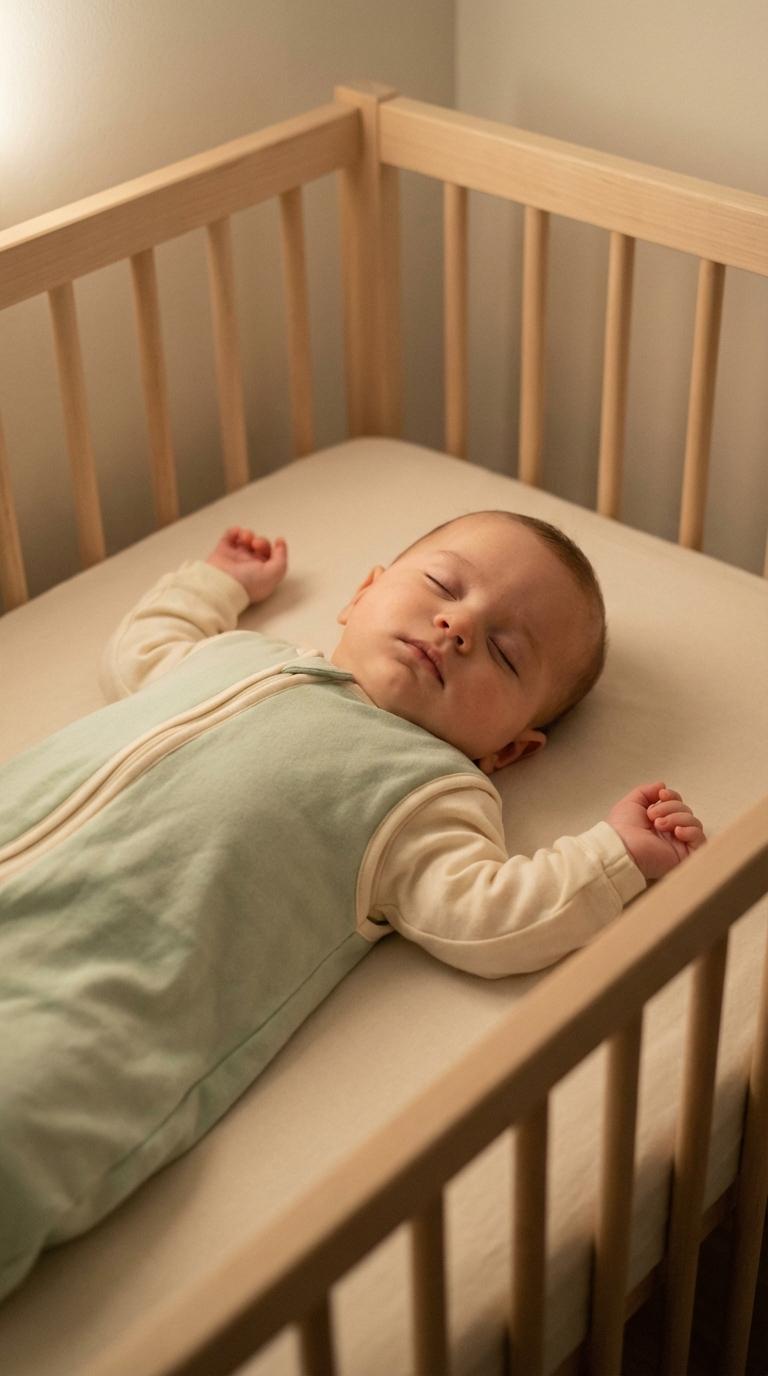
  • Use a firm mattress (avoid soft surfaces that increase suffocation risk).
  • Keep the infant’s sleep space clear of loose bedding, pillows, or toys.
  • Maintain a room temperature between 18–20°C.
  • Never co-sleep if you smoke, have consumed alcohol, or take sedative medications.

A bedside bassinet provides physical proximity with a barrier for added protection. For those choosing a separate crib, place your baby on their back, always on a firm, flat surface with a fitted sheet. Swaddles or wearable blankets (not loose blankets) provide warmth without danger.

A white noise machine may mimic the muffled sounds of the womb and encourage more consolidated sleep, while blackout curtains can be invaluable against early morning sun. Remember, newborn needs for sleep shift over time—adaptability is key.

Clothing and protection: the gentle touch of textile choices

Dressing the delicate newborn

Soft cotton bodysuits, pyjamas, comfortable hats and mittens—each garment selected for a newborn should answer two priorities: thermal regulation and skin protection. Medical literature reminds us that newborn skin is thinner, more permeable, and vulnerable to irritation or overheating. Always opt for hypoallergenic fabric, choosing items without rough seams or abrasive labels. Layering allows for precise adjustment to environmental changes; add or remove as needed.

Here’s a simple wardrobe guide:

  • 7 bodysuits
  • 4 to 6 sleep suits
  • Several pairs of socks, mittens, and hats
  • Swaddle blankets or wearable blankets for cooler nights

Before the first wear, wash all items with baby-safe, fragrance-free detergent. If rashes, redness, or flaking occur, switch to even milder products or consult a paediatrician.

Diapering and hygiene: comfort starts here

The practical science of baby skincare

A single newborn can require up to 9 diaper changes per day; expect to become an expert rapidly! Disposables or cloth—the choice depends on lifestyle, skin sensitivity, and preference. Medical research points to increased risk of irritation with infrequent changing or use of perfumes. Always have a supply of gentle, alcohol-free wipes or simply use cotton wool and water for the most delicate skin.

Do not forget diaper rash cream for protecting at-risk areas (look for zinc oxide-based products). Let the skin air dry before applying a new diaper—a simple tip to minimise moisture buildup.

For bathing: stick to sponge baths until the umbilical cord falls off (usually by week three). Once healed, a few baths per week suffice, using lukewarm water and a fragrance-free cleanser. Watch keenly for signs of infection: redness, swelling, or unusual odour deserves prompt attention from a healthcare professional.

Feeding needs: nurturing with precision and gentleness

Breast or bottle—feeding the newborn

Human milk, when chosen and possible, is naturally designed to match newborn needs—dynamic in composition, rich in antibodies, always fresh. Studies demonstrate benefits for digestion, immune support, and bond formation. The act itself—feeding “on demand”, watching for hunger cues like rooting or sucking—is aligned with established medical advice rather than fixed schedules.

Breastfeeding essentials:

  • Supportive nursing bras and pads
  • Nipple cream (lanolin for rapid healing)
  • Nursing pillow for optimal positioning
  • Breast pump and milk storage bags for expressed milk

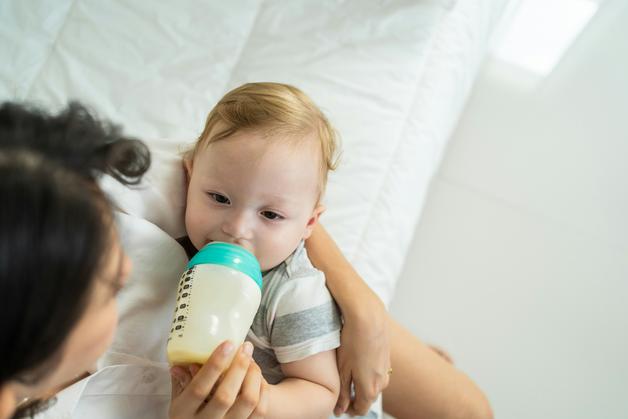
If using formula or mixed feeding, select anti-colic bottles and nipples for easier digestion. Always consult your paediatrician before settling on a brand or preparation method—individual needs may vary. Bottle-fed babies should be held upright and fed in small volumes, imitating the natural rhythm of breastfeeding.

Burp cloths, bibs, and a supportive feeding chair add both comfort and convenience. Listen to your intuition—your baby’s feeding patterns may be unique, and flexibility in routine can prevent unnecessary stress.

Bathing, skincare, and grooming: softness in every detail

The first bath—always a milestone. Choose a baby tub with non-slip support, a gentle, hypoallergenic cleanser, and soft towels. After cleaning, moisturise dry skin with unscented lotion and keep nails trimmed (preferably after a bath). A soft hairbrush assists with gentle scalp care—especially helpful when managing cradle cap, a common and benign infant skin condition.

Health and safety: proactive care from day one

Regular checks and everyday safety

Vigilance—without worry—upholds the well-being of your newborn. Common warning signs to watch: persistent fever, lethargy, feeding refusal, or breathing difficulty. Have a digital thermometer, nasal aspirator, and first aid kit at home. An infant car seat (installed rear-facing) for every journey is non-negotiable.

Baby-proofing starts earlier than many expect: as your baby grows and explores, secure furniture, cover electrical outlets, and keep dangerous substances far out of reach. Always choose baby gear that meets current safety standards and recall information.

Nursery organisation and home environment

Function meets comfort in a thoughtfully arranged nursery. A well-anchored crib or bassinet (with a firm mattress), an armchair for those late-night feeds, suitable storage, and a humidifier (for dry conditions) form the foundation. Don’t overlook blackout curtains, a night-light, and a baby monitor. Keep items used less frequently sourced, labelled, and organised for those midnight searches.

On-the-go newborn needs: mobility with confidence

The world outside beckons soon enough. A well-equipped diaper bag (diapers, wipes, clean outfits, feeding gear, seasonal layers), a stroller or travel system matched to newborn safety, and a securely installed infant car seat equip you for each trip. Consider a soft baby carrier for outings—hands free, baby close! Bonus: a mosquito net for outdoor protection can be indispensable, especially during certain times of year.

Comfort, soothing, and play: nurturing the whole baby

Babies crave comfort in many forms. Swings and bouncers may offer relief, pacifiers (if chosen) can soothe the urge to suck, and white noise—or even your softly humming—can ground an agitated mood. But play, too, is part of newborn needs: brief sessions of tummy time, soft books, and high-contrast toys provide necessary sensory input and build early motor skills. Play is about presence, not quantity or complexity—trust your instincts.

Parental wellness: sustaining the caregiver

The transition to parenthood—a marvel and a test. Rest, nutritious meals, and moments of self-care are not “extras”, but the silent pillars of family well-being. Accepting help—whether from relatives or friends—makes space for recovery and bonding. Many parents find strength in support groups or parenting classes. Sharing responsibilities with your partner, and voicing needs openly, protect mental health.

What newborns do not need

Some products—crib bumpers, plush toys, bottle proppers, walkers—are best left aside, whether due to safety risks or lack of scientific benefit. Items that interfere with safe sleep (loose bedding, pillows) can increase risk unnecessarily. Favour new car seats and mattresses; avoid those second-hand unless you can verify their safety history.

Planning for growth and evolving newborn needs

Organisation—rotating clothing, adjusting feeding routines, ensuring that developmental toys and safety gear match your baby’s changing size and skills—pays dividends. Reassess regularly. When the time comes, donate or store unused items for future children or others.

Tips for an effective newborn registry

Prioritise: think diapers, feeding and hygiene supplies, sleep equipment. Include items at a variety of price points—friends and family often want to support in meaningful ways. Always purchase car seats and mattresses new, and update your registry as you learn more about your baby’s unique newborn needs.

Key takeaways

  • Every newborn has fundamental needs—emotional connection, reliable physical care, nurturing touch—that go beyond the checklist.
  • Essentials encompass soft, hypoallergenic clothing, tailored feeding approaches, strict hygiene, safe sleep, and equipment that meets rigorous health standards.
  • Responding with warmth and structure fosters healthy physical and emotional development—even small, consistent gestures build security.
  • Parental well-being is entwined with newborn health; self-care enables you to care better.
  • Professional advice and reliable resources are always within reach—never hesitate to consult as needed.
  • For ongoing support, practical tips, and health questionnaires tailored just for your child, explore the application Heloa.

Questions Parents Ask

What clothes does a newborn really need for their comfort and safety?

For optimal comfort and safety, a newborn’s wardrobe should focus on soft cotton bodysuits, sleepsuits or pyjamas, hats for warmth, and mittens to protect sensitive skin. Look for easy-to-change designs—press-stud fasteners and envelope necks minimise struggle. Remember, adjust layers depending on the temperature, avoiding overheating. Every baby’s comfort cues are a little different—observe your child and adapt as needed.

What health and safety items should I always have at home for my newborn?

Essential items for newborn health and safety begin with a digital thermometer (preferably for rectal use, as it gives accurate core temperature), a nasal aspirator to help with blocked noses, safe baby nail scissors or a file, and a gentle skin cleanser. Keep a basic first aid kit and a baby monitor accessible. Routinely check that equipment is in working order. If unsure about any health concerns, reach out to a healthcare professional without delay.

How can I help my newborn sleep better and safely?

Creating a secure, calming sleep setting does wonders. Always use a firm mattress with a tightly fitted sheet, keeping the sleep space completely free from pillows, toys, and loose blankets. Lay your baby on their back to sleep—the safest position as widely supported by neonatal health research. Maintain the room temperature around 18–20°C, and consider blackout curtains to dim early sunlight. Handle nighttime awakenings with gentle, low-light interactions. Routines evolve as your baby grows—adjust without worry, and seek advice as needed.

Further reading:

Similar Posts

Welcoming a newborn can feel like stepping into a realm of wonder and responsibility—an undeniable mix of joy, anticipation, and, perhaps, anxious questions. What do newborn needs truly encompass? How can parents feel assured they’re providing the right mix of love, safety, nutrition, and comfort for their baby’s delicate start in life? Whether you’re preparing for your first newborn or have already measured out tiny socks and fiddled with bottle sterilizers, the experience is often marked by a search for answers and a desire to nurture in the best possible way. Here, the multifaceted, science-backed essentials for newborn needs are explored, from the physiological basics to the emotional nuances of attachment, setting a foundation of confidence for every parent keen to support healthy development and robust well-being.

Emotional bonding: the bedrock of newborn needs

Imagine a heartbeat echoing through silent nights, a soft gaze exchanged in the gentlest of dawn lights—connection forms the first of many bridges between you and your child. At the very core of newborn needs is the necessity of closeness. Skin-to-skin contact, often called “kangaroo care,” isn’t just poetic—it’s backed by evidence. Direct physical contact helps regulate your baby’s body temperature, stabilizes their breathing and heart rate, and lowers levels of the stress hormone cortisol. Studies reveal significant benefits for both parent and infant when this practice is initiated early and continued frequently. The intricate dance of eye contact, soft murmurs, and rhythmic touch creates neural pathways that support secure attachment and emotional resilience—an early investment in lifelong mental health.

Proximity and physical care: holding, carrying, and responsiveness

Short, staccato cries pierce the silence; a yearning to be held emerges as one of the most instinctual newborn needs. Far from being a habit to be discouraged, responding to a crying infant with prompt comfort lays the groundwork for trust and stress regulation—mechanisms deeply rooted in your baby’s developing neurological system. Babywearing not only meets your baby’s craving for closeness but also enhances motor development and frees parental hands—a practical innovation supported by ergonomic research. Carriers, slings, and wraps crafted from hypoallergenic materials ensure both safety and comfort, while distributing weight to protect a caregiver’s back and shoulders.

Ignoring a newborn’s expressive cues—especially crying—can suppress these vital early signals, not out of learning, but resignation. Current consensus across psychological and pediatric circles underscores responsive caregiving as central to optimal emotional development.

Addressing newborn nutrition: foundational nourishment

Newborn needs revolve around dependable, responsive feeding. Human milk is evolution’s original solution to early nutrition, packed with antibodies (immunoglobulins like IgA) and bioactive factors uniquely suited to strengthen an immature immune system. For parents who choose or require formula, advances in product safety and composition now allow for carefully regulated alternatives that closely mimic the composition of breast milk.

Responsive feeding is essential. Whether nourishing by breast or bottle, observing satiety cues—like relaxed fists or averted gaze—ensures babies aren’t over- or underfed, aligning nutrition with actual needs. Medical authorities agree: holding your baby semi-upright while feeding reduces the risk of otitis media (middle ear infections) and supports physiological swallowing patterns. Burp cloths, bibs, and feeding pillows may seem like practical afterthoughts, yet they play a role in keeping both parent and baby comfortable and focused on the nourishing exchange.

Safe and nurturing sleep: building security

Between midnight awakenings and daytime naps, sleep quickly becomes a defining part of newborn needs. The safest sleep environment consists of a firm mattress—never a soft cushion—within a sleep space free from loose bedding, pillows, or plush toys. Institutions such as the American Academy of Pediatrics advocate for placing babies on their backs in a dedicated crib or bassinet with only a fitted sheet, as this posture substantially reduces the risk of Sudden Infant Death Syndrome (SIDS).

Co-sleeping, while emotionally appealing and common in many cultures, warrants a nuanced approach. When practiced correctly—without adult bedding near the infant, in the absence of parental substance use, and at appropriate temperatures—it can foster secure attachment and facilitate easier nighttime feeding. A bedside bassinet offers a balance: physical closeness with a barrier to accidental suffocation.

White noise, blackout curtains, and maintaining an ambient room temperature between 64–68°F (18–20°C) all contribute to quality infant sleep by simulating the gentle constancy of the womb environment.

Hygiene and diapering: skin health essentials

High on the list of newborn needs is hygiene. The newborn’s skin, highly sensitive and only partially mature, requires hypoallergenic fabrics, unscented cleansers, and gentle handling. Diaper changing should be frequent—six to nine times daily in early weeks. Always wipe from front to back (especially for girls) to reduce the risk of urinary tract infections. Allowing the skin to air dry and applying a thin barrier of zinc oxide ointment can prevent most diaper rashes.

Until the umbilical cord stump detaches, stick to sponge baths with lukewarm, clean water. Watch for redness, swelling, or foul odor, which could indicate an infection requiring prompt evaluation.

Clothing: practicality marries comfort

Newborns possess narrow thermoregulatory margins; their ability to maintain stable body temperatures is limited. Outfitting your baby in soft, accessible layers supports comfort while also adapting to cool or warm environments. Bodysuits, sleepwear with snaps, cotton mittens, and hats form the backbone of a wardrobe designed to protect fragile skin and maintain warmth. Laundering with baby-safe, unscented detergent (and skipping fabric softeners) helps limit exposure to irritants and potential allergens, preserving the integrity of the newborn’s developing skin barrier.

Health monitoring and safety at home

Clinical vigilance underpins newborn needs. Keep an eye out for fever (defined as rectal temperature above 100.4°F/38°C in infants under three months), persistent lethargy, difficulty feeding, or unusual breathing patterns. Such symptoms warrant timely medical evaluation. A digital thermometer, saline nose drops, a nasal aspirator, and a well-stocked first aid kit should all be on hand.

Rear-facing car seats—installed before your newborn’s first outing—are non-negotiable for travel. Anchoring heavy furniture, covering electrical outlets, and minimizing small, swallowable items reflects the evolving newborn’s expanding environment and growing mobility.

Nursery organization: creating a sanctuary

The nursery acts as a headquarters tailored to newborn needs: a safe crib, a comfortable chair for feeding, smart storage solutions, and humidity control all contribute to streamlined routines and restful nights. Blackout curtains and a humidifier offer tangible benefits for sleep quality and skin health, respectively. Anchor unstable furniture, and always opt for new mattresses and car seats to guarantee adherence to the latest safety standards.

On-the-go mobility and preparedness

Babies are portable, but their needs are not—successful outings depend on forward-thinking preparation. A well-equipped diaper bag is a lifeline, stocked with extra diapers, wipes, clothing, feeding gear, and seasonal accessories like sun hats or footed snowsuits. Pairing a rear-facing car seat with a compatible stroller or wearable carrier ensures safety and comfort. For longer trips, lighter babywearing options distribute weight and provide accessible comfort for both parties.

Comfort measures and developmental play

It’s a myth that newborn needs are limited to survival basics. Gentle soothing—whether through rocking, a pacifier, or the whoosh of white noise—helps infants regulate their rapidly shifting states. Pacifiers, contrary to outdated concerns, may in fact reduce SIDS risk and provide comfort when used appropriately.

Tummy time—daily, supervised time spent on the belly while awake—may appear simple, but it supports motor milestones, reduces skull flattening, and stimulates visual and sensory development. Soft books, contrasting toys, and nurturing interaction invite infants to explore and grow within the safe boundaries of parental attention.

Parental well-being: the overlooked cornerstone

The ability to consistently meet newborn needs hinges on parental wellness. Recovery from birth, uninterrupted blocks of sleep (where possible), balanced nutrition, and the support of family or friends are not luxuries, but necessities. Lean on local parent groups or digital communities as needed. Most importantly, it’s legitimate and wise to delegate, take breaks, and communicate openly with parenting partners—a well-supported caregiver is best equipped to respond to their newborn’s needs.

What newborns do not need: separating myth from science

Despite marketing pressures, not all gadgets and accessories contribute positively to newborn needs. Avoid crib bumpers, loose bedding, and plush toys in sleep spaces, as they add unnecessary risk. Baby walkers aren’t medically recommended—they increase the risk of falls and injuries. Used car seats and cribs may lack up-to-date safety features or show hidden wear. Focus resources on items that align with basic safety, physiological comfort, and family routines—simplicity often offers the greatest peace of mind.

Planning for growth: adaptive preparation

Newborn needs are a moving target. Organize clothing and feeding accessories by size, periodically retiring outgrown items to keep essentials accessible. Update the sleep environment as your baby develops new motor skills, such as rolling or standing, and refresh bottles and feeding accessories as recommended by pediatric guidelines. Future-proofing routines benefits everyone, reducing stress when milestones shift unexpectedly.

Key Takeaways

  • Newborn needs are wide-ranging, from basic physiological stability—nutrition, warmth, hygiene—to emotional connection, regular healthcare, and safety.
  • Emotional closeness, consistent skin-to-skin contact, and attentiveness to behavioral cues foster the neurodevelopment and resilience of your baby.
  • Responsive, on-demand feeding—by breast or bottle—aligns nutrition with the baby’s actual needs, while safe sleep precautions guard against preventable risk.
  • Prioritize hypoallergenic materials, regular health monitoring, and proper car seat installation to buffer your child against common hazards.
  • Simplicity, organization, and practical routines ease transitions, prepare families for changes and reduce everyday stress.
  • Support for your own physical and emotional wellness is not a luxury—it’s a necessity to meet your baby’s needs consistently.
  • When in doubt, consult healthcare professionals, and remember: tailored digital tools such as the Heloa app offer actionable advice and free health questionnaires customized for babies.

Caring for a newborn is an ever-evolving journey. Scientific knowledge, practical preparation, and genuine affection—these form the essence of meeting newborn needs, every hour and every milestone along the way.

Questions Parents Ask

What clothes does a newborn really need for their comfort and safety?

For a newborn, comfort and safety are the priorities. Soft cotton bodysuits, pyjamas or sleep suits, a couple of hats, and mittens can help regulate body temperature and protect sensitive skin. Opt for clothes that are easy to put on and remove, as frequent changes are normal in the early days. Remember, layering is a great way to adapt to your baby’s needs without causing overheating. If you notice your baby is too warm or too cold, simply add or remove a layer. Rassurez-vous, every baby is different—trust your observations!

What health and safety items should I always have at home for my newborn?

Having some essential health and safety items at home helps you feel better prepared. A digital thermometer (for rectal temperature), a nasal aspirator for stuffy noses, baby nail scissors, and a gentle skin cleanser are all useful. Basic first aid supplies and a baby monitor can offer additional peace of mind. It’s important to regularly check that all these items are in good working order. If ever in doubt about a symptom or health concern, don’t hesitate to consult a healthcare professional—support is always available.

How can I help my newborn sleep better and safely?

Creating a calm and secure sleep environment can make a big difference. Use a firm mattress with a fitted sheet, keeping the crib free from pillows, blankets, and toys. Placing your baby on their back to sleep is the safest position. Maintaining a stable room temperature (around 18–20°C or 64–68°F) and using blackout curtains can help your baby rest more easily. Try to keep nighttime interactions soothing and gentle. If sleep feels challenging, rassurez-vous—many parents experience ups and downs, and adapting routines as your baby grows is perfectly normal.

Further reading:

Similar Posts