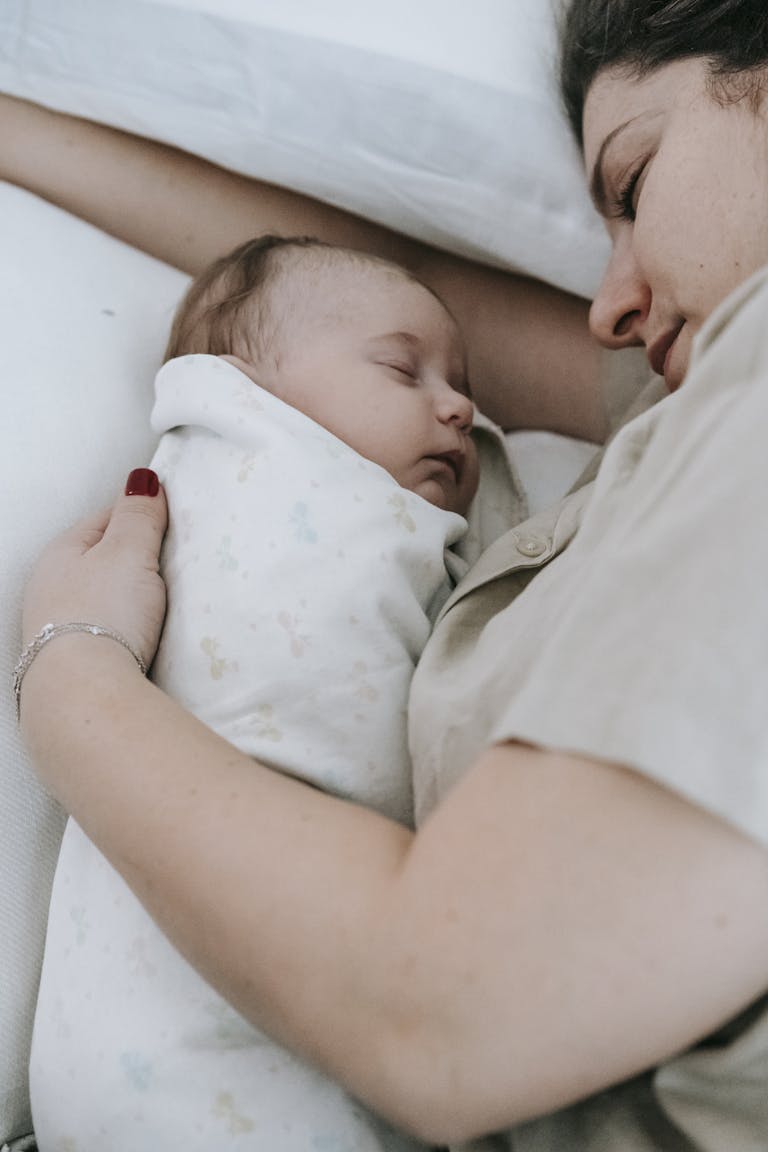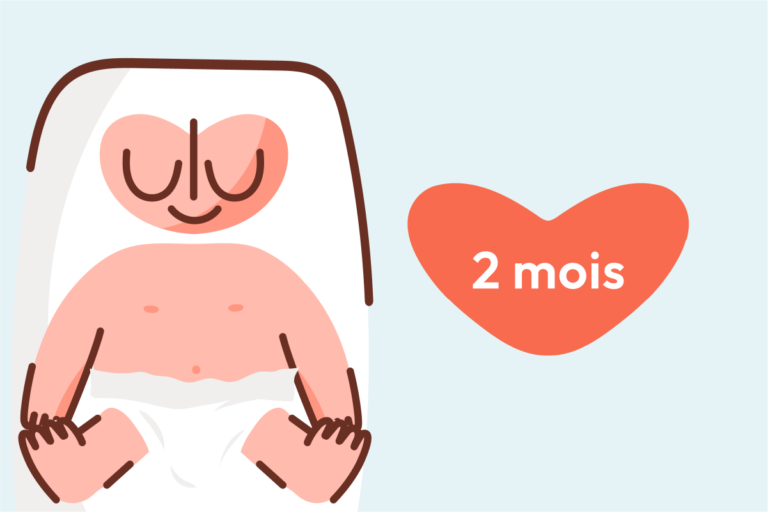
A newborn quietly nestled and wrapped with just the tiniest hands peeking out—such a familiar picture, and yet, behind those serene images, come many questions. Baby swaddling sits at the intersection of tradition, science, and modern parenting doubts. Sleep deprivation, constant fussing, and that tiny startle reflex catching everyone off guard—does a simple cloth wrap really hold the answer? Parents might wonder: “Is it safe? Is it comfortable for my little one? Will swaddling help with colic or sleep? What if my baby starts to wiggle out?” These concerns are more common than we admit. This exploration into baby swaddling approaches the practice with both empathy and precision, ready to shine a light on evidence-based tips, common challenges, and nuanced cultural influences. Expect an honest discussion: what calms a baby, what guarantees safety, and how to adapt as your infant grows—without leaving behind the delicate thread of parental instinct.
Understanding Baby Swaddling: Science Meets Tradition
There’s a certain simplicity to baby swaddling—just a thin, breathable blanket (muslin or cotton are the favourites), several skilled folds, and the baby seems instantly soothed. But beneath the surface lies a fascinating interplay of reflexes, sensory cues, and environmental adaptation. Swaddling mimics the gentle pressure of the womb (that secure, tactile environment every newborn remembers) and has been used around the world to promote better sleep for centuries. The primary medical rationale is rooted in the Moro reflex—that startling jolt many newborns experience—which often interrupts their sleep. By restricting excessive arm movement while maintaining ample room for the hips and legs (absolutely essential, as specialists in hip dysplasia prevention will remind), swaddling can lengthen the duration and depth of infant sleep cycles.
Yet, swaddling is not just about mimicking nature; it’s also about minimizing distress and filtering sensory overload. Swaddled infants generally cry less, with the gentle embrace of fabric acting as a buffer against the constant barrage of new sounds, lights, and sensations. However, such comfort must be delivered with an alertness—no swaddle should ever be tight enough to restrict chest expansion, nor should the cloth ride up over the baby’s face. Consider this the golden rule of swaddling: security without confinement.
Benefits of Baby Swaddling: Sleep, Comfort, and More
What draws generations of parents to baby swaddling, despite the countless sleep aids and gadgets now on the market? For many, it’s the nightly search for peace—for both baby and parent. Let’s look closer:



- Improved Sleep Quality: Babies wrapped with care often sleep longer, waking less abruptly, since the startle reflex is gently muted.
- Temperature Stability: Thin, well-chosen cloths (think breathable muslin) help maintain warmth without risking overheating—a balance pivotal in regions with fluctuating climates.
- Ease of Soothing: Colicky or fussy infants may find unique comfort in swaddling, likely due to the even pressure and muted stimuli. It’s almost as if the cloth acts as a gentle “reset button” for their overloaded little nervous systems.
- Parent-Child Bond: Swaddling is, at its heart, a tactile ritual. Each wrap, each mindful movement builds a sense of closeness, especially for parents grappling with sleep deprivation or uncertainty.
That said, the conversation about baby swaddling isn’t one-sided. Modern paediatric recommendations, influenced by long-term studies, now emphasise the importance of hip-healthy wrapping—hips and legs must never be forced straight but left to rest naturally in a “froggy position”. Improper technique can, indeed, increase risk for developmental dysplasia, so vigilance with each fold is important.
Baby Swaddling Techniques: Tradition Meets Innovation
The method is deceptively simple, and yet the nuances matter.
Traditional Swaddling
Begin with a light cotton or muslin blanket spread flat. Fold the top corner down, making a gentle platform for your baby’s shoulders. Arms can be tucked by the sides or with a comfortable bend at the elbows—whatever your paediatrician or baby prefers. Here’s the art: the swaddle must be secure at the chest (room enough for two to three fingers to slip in) but effortlessly loose at the hips and legs. No straightening or pinning—think freedom within boundaries.
Modern Swaddling Products
Ready-made swaddle wraps, featuring Velcro or zippers, take the guesswork out of late-night folding. These products are increasingly popular due to their reliability: they tend to stay put, rarely come undone during baby’s restless sleep cycles, and usually incorporate “hip friendly” designs—meaning, they allow environmentally safe leg movement. Some let parents customise whether arms are in or out, supporting gentle transitions as baby grows.
Baby Swaddling Around the World: History, Ritual, and Identity
Swaddling isn’t a monolith. Across continents, the core instinct remains—keeping babies warm, secure, and close—but expressions change. In some Asian and African communities, long rectangular wraps may allow greater lower body mobility, crafted with bright patterns and symbolic significance. In European and American traditions, the focus often lands on sleep regulation and ease, with swaddling sometimes becoming synonymous with “bedtime routine.” Elsewhere, ceremonial cloths or ancestral techniques evolve with local wisdom—adapting over generations, based on climate, community beliefs, and available materials.
Even in hospital neonatal units, swaddling is sometimes used for premature infants struggling to regulate their temperature or sensory experience—under close monitoring for hip and respiratory safety, naturally.
Safety and Precautions: Protecting Baby While Ensuring Comfort
Baby swaddling, when properly executed, offers a plethora of benefits, but the boundary between safety and risk is delicate. Key medical insights clarify best practices:
- Always Place on the Back: Swaddled infants must sleep only on their backs. This greatly reduces the risk of Sudden Infant Death Syndrome (SIDS).
- Monitor for Overheating: Thermal regulation is not just comfort—it’s a pillar of infant safety. Use only lightweight and breathable fabrics. Watch for signs such as sweating, flushed cheeks, or rapid breathing.
- Never Restrict Hip Mobility: The lower body should be able to flex and abduct freely. Avoid any wrap that straightens or binds the hips and legs—this single step is vital to preventing developmental hip issues.
- Looseness at the Chest, Security Below the Neck: Swaddles should be snug but not tight—breathing must never be impeded. Maintain a clear neck and head area, with blanket edges anchored below the shoulders.
- Discontinue When Rolling Begins: If baby starts to roll, typically between three to four months, stop swaddling to prevent the risk of accidental suffocation.
When Should Baby Swaddling Be Avoided or Limited?
Some babies resist being wrapped—perhaps arching the back, crying, or consistently fighting the cloth. If your baby seems more distressed after swaddling, consider partial swaddling (arms out) or skip the wrap entirely. Paediatric recommendations favour adaptation—it is absolutely natural for some babies to dislike the sensation, just as others find immense relief. Additionally, once your child attempts to roll, discontinue swaddling altogether (this is a protective response against unsafe sleep positions).
Alternatives to Baby Swaddling: Soothing Beyond the Wrap
If your baby rejects swaddling, there is no cause for concern. Alternatives abound, each with its own set of advantages:
- Baby Sleep Sacks: These wearable blankets deliver gentle containment without constriction, supporting safe sleep even after the swaddling window closes.
- Layering with Loose, Lightweight Blankets: In certain circumstances, particularly for older infants, soft breathable layers can provide comfort with minimal restriction.
- Gentle Bedtime Routines: Combining warm baths, soft lighting, or lullabies may enhance sleep security, acting as a complement or replacement to swaddling.
Focus always on your baby’s cues—comfort, safety, and adaptability are worth more than any textbook routine.
Incorporating Baby Swaddling Into Your Routine
Baby swaddling works best as part of a consistent sleep ritual—reserved for bedtime and naptime rather than all-day use. Signals of sleep readiness—yawning, rubbing eyes, soft whimpers—often coincide with the perfect moment to wrap and settle your baby. As months progress and developmental cues (like rolling) emerge, transition thoughtfully to sleep sacks with free arms. Change may unsettle established rhythms briefly, but gentle persistence eases the shift.
Modern Products vs Traditional Blanket Wraps: What Really Matters?
Modern baby swaddling products, engineered for safety and parental convenience, help reduce common errors—no more slipping edges over the face, a common concern with regular muslin blankets. Their design naturally promotes “hip healthy” positions, and for sleep-deprived parents, quick fasteners mean fewer errors in the dark. That said, traditional cloths—when used with sound technique—offer unmatched flexibility for parents who enjoy the ritual or want something multi-purpose.
Whatever you choose, let your decisions be guided by anatomy: hips loose, chest easily lifted with every breath, and fabrics gentle against sensitive skin.
Troubleshooting Baby Swaddling: Real-World Hiccups and Practical Fixes
Babies are unpredictable. Escape artistry in the middle of the night? Swaddle coming undone? Rather than frustration, see it as a cue for adjustment.
- Consider switching to a swaddling wrap with fasteners if you find your blanket technique falters.
- For babies who resist, try leaving one or both arms out. Some prefer the freedom, especially as they grow.
- If sweating or flushed skin appears, switch immediately to a lighter material or consider abandoning swaddling for the moment.
- Never wrap tightly or cover your baby’s face—this cannot be overstated. If your little one consistently seems uncomfortable, reassess your method or pause swaddling altogether.
Knowledge grows with practice—and so does confidence.
Key Takeaways
- Baby swaddling, when balanced between security and freedom, provides newborns with better, more restful sleep and reduces crying spells.
- Always select breathable, lightweight fabrics and ensure chest and hip movement remain unrestricted.
- Discontinue swaddling the moment your baby starts to roll unaided—this step matters for safe sleep.
- Swaddling suits some babies but not all; pay attention to your baby’s feedback and try alternatives like sleep sacks if needed.
- Modern wraps often make swaddling easier and safer, but traditional blankets work too—so long as you’re attentive to technique.
- Resources and professionals stand ready to help if you have questions; for further tailored support, parents can try the application Heloa for expert guidance and free wellness check-ups.
Questions Parents Ask
How long can a baby be swaddled each day?
Best practice keeps swaddling for sleep times—naps and nights—rather than constant wrapping. Several hours during sleep are typically enough. Awake time is essential for movement and healthy muscle development, helping little ones explore and build strength. If baby shows signs of discomfort or tries to escape, reducing swaddling time makes sense.
What are the pros and cons of baby swaddling?
Swaddling warmly hugs newborns, offering security and reducing the startle reflex—so, more peaceful nights and sometimes less crying for the household. The main caution: wrapping too tightly risks limited hip movement and overheating. Use light, airy fabrics and always keep the hips free. As soon as rolling starts? Swaddling takes a back seat to safety.
How can you tell if a baby does not want to be swaddled?
Babies do communicate—sometimes with subtlety, sometimes with determination. If your little one squirms out, cries more when wrapped, or appears restless, it may be a sign to try arms out or skip swaddling entirely. Observing these cues, trusting your own observations, and adjusting as needed fosters more harmony at bedtime.
Further reading: