For many parents, the arrival of a baby’s first tooth is both a milestone and the start of a series of worries. Cheeks flushed, sleep interrupted, and your little one gnawing vigorously on their tiny fists—sound familiar? Baby teething symptoms may suddenly become the centre of family conversations, raising questions, doubts, sometimes even a touch of frustration. How do you distinguish typical teething signs from something more serious, or soothe a baby bothered by swollen gums at 2 am? Should you worry about that rash around the mouth, the rise in fussiness, or the streak of saliva that never seems to end? Fortunately, answers exist—balanced, science-backed, and immediately applicable. Let us unravel the process behind those emerging milk teeth, decode what’s normal, what isn’t, and offer empathetic, medical guidance for relief and safe oral care. A few solutions could well turn tears into smiles.
Understanding Baby Teething: Stages, Timeline, and Order
Baby teething symptoms start when the roots of primary teeth nudge upward through those soft gums. Typically, this process begins between 4 and 8 months. Yet, a word of reassurance—some start earlier, others later, and this wide range is perfectly physiological. The progression follows a (relatively) predictable pattern:
- Lower central incisors often show up first (around 6–10 months), giving your baby their characteristic gap-toothed smile.
- Upper central incisors soon follow (roughly 8–12 months).
- Next, incisors on the sides, then back to the bigger molar teeth (first molars), and those sharply pointed canines. Second molars, the broadest of all, usually complete the set between 25–33 months.
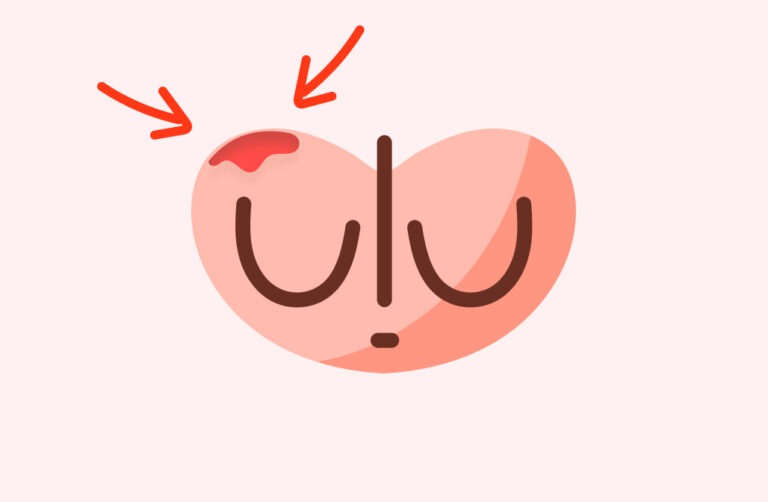
Eruption may occur in clusters. Sometimes, multiple teeth surface in quick succession, amplifying discomfort, drooling, and irritability all at once. Ever peeked into the mouth and wondered about those puffy gums or blueish swellings? That’s the tooth making its slow upward journey—the eruption cyst, usually harmless and fleeting.
Types of Teeth and Associated Symptoms
- Incisors: The first to erupt, linked with increased drooling and frequent chewing.
- Molars: Often the most distressing, since their size and shape create extra pressure under the gum.
- Canines: These are wedged between molars and incisors, sometimes causing local gum tenderness.
Each child, indeed, writes their own timeline. If your little one seems unaffected, count yourself lucky—some children barely flinch, while others may display a veritable symphony of baby teething symptoms.



Recognising Baby Teething Symptoms: What’s Normal, What’s Not?
You may notice a sequence of signals. Some are classic, others subtler, but together they paint an unmistakable picture:
- Drooling: Rivers of saliva, leading to damp chins and occasionally rashes. This is a direct result of extra saliva production, a defensive mechanism by the mouth to soothe those gums.
- Red, puffy gums: Local swelling where the tooth is about to emerge, sometimes appearing bluish or with an eruption cyst.
- Chewing on anything and everything: From toys to car keys, the urge to bite is a natural response to counter gum discomfort.
- Rubbing the ear or cheek: Particularly on the side where a tooth is erupting—related to neural pathways shared by the gums and facial skin.
- Fussiness: Mood swings, crankiness, and night-time wakefulness—telltale fuel for parental exhaustion.
- Mild temperature rise: Some babies present a slight increase, but genuine high fever (above 38°C/100.4°F) is technically unrelated to teething.
- Eating and sleep disturbances: Feeding might become a challenge, and naps that were once routine may be cut short.
- Rash on the chin or cheeks: Triggered by continuous dribble, and best managed by gentle, frequent wiping and application of protective creams.
What’s important to note—increased drooling, changes in behaviour, and swollen, tender gums are all standard baby teething symptoms, whereas high fever, persistent diarrhea, or severe crying signal something else and merit medical attention.
Loss of Appetite and Emotional Changes: A Closer Look
Feeding, often a moment of calm, can suddenly become fraught. Sore gums make bottle feeding or breastfeeding uncomfortable. Introducing soft, cool foods like unsweetened yoghurt or chilled fruit purée may soothe inflammation and encourage reluctant eaters.
When night-time arrives, irritability often peaks. Gentle routines—dimming lights, soft music, and cuddles—can ease anxiety, not just in the baby but, if truth be told, in parents too. Emotional turbulence isn’t just limited to fussing; some babies seek extra comfort, wanting more frequent contact.
Skin Rash and Mild Fevers: Differentiating Reality from Myth
Physiologically, the additional drool is a double-edged sword. While saliva guards irritated gums, it also patiently seeps over the chin, occasionally causing a faint rash (contact dermatitis). Mild redness—sometimes accompanied by small bumps—is typical.
Now, the fever debate: despite popular belief, teething rarely causes temperatures above 38°C. Mild rises are possible, possibly due to gum inflammation and local release of chemical mediators, but sustained or high fever points to infection or another cause.
Teething or Illness? Understanding the Distinction
Certain baby teething symptoms mirror signs of illness, yet science draws significant boundaries. Be watchful for:
- High fever (beyond standard teething zone)
- Persistent diarrhea, excessive vomiting
- Unexplained widespread rashes
- Uncharacteristically severe, inconsolable crying
- Symptoms of a cold—runny nose or coughing unrelated to excess saliva
Infants’ immunity dips slightly after six months, so co-occurrence of viral infections with teething is common. However, causal attribution should be wary—consult your healthcare professional if prominent warning signs emerge.
Keep this in mind: teething typically leads to short-lived, mild symptoms. Anything out of the ordinary deserves prompt medical review.
Timeline and Duration: How Long Do Teething Symptoms Last?
A question whispered by many exhausted parents: “When will it end?” The honest answer—baby teething symptoms for each tooth persist for several days before, and a few days after, the eruption. Imagine waves: discomfort, then calm, repeating with each new tooth, lasting up to a week for each one. Some teeth may erupt together, amplifying the signals, then granting a period of respite.
Gentle Relief: Simple Home Remedies for Teething Babies
Seeking relief? Medical recommendations, combined with generations of parenting wisdom, converge on several tried-and-true methods:
- Gum massage: Using a clean finger, gentle circular movements soothe inflamed tissue.
- Cool washcloth: A damp cloth, chilled (not frozen), offers both pressure and coolness—magic for sore gums.
- Teething rings: Opt for firm rubber, never plastic filled with liquids or beads. Refrigerate, do not freeze.
- Soft, cold foods: For solids-eaters, items like smooth curd or pureed fruits serve double duty: nutrition and relief.
- Comfort and holding: Soothe your child’s emotional state along with their gums—sometimes the parent’s touch is the best remedy of all.
- Protect the skin: Absorbent bibs, regular wiping, and a thin layer of suitable cream shield the chin against drool rash.
What Should Be Avoided?
Not all that glitters is gold. Steer clear of:
- Homeopathic or over-the-counter gels with belladonna, benzocaine, or lidocaine
- Frozen objects—they can cause cold-induced gum injury
- Jewellery for teething (necklaces/bracelets): risk of choking is proven, and benefits aren’t
- Sweet foods or dabbing honey (risk of tooth decay and infant botulism)
- Non-evidence-based remedies
Only trusted, evidence-backed solutions should become part of your teething toolkit. Query every new suggestion; when in doubt, consult a pediatrician or dentist.
Medications: When and How?
Occasionally, pain may surpass tolerable limits, even after multiple non-pharma interventions. Paediatric recommendations include:
- Paracetamol (acetaminophen) and ibuprofen in age-appropriate, doctor-prescribed doses (note: ibuprofen unsuitable for children under 6 months).
- These should only ever be short-term bridges, reserved for genuine discomfort.
- Avoid gels or tablets not specifically approved for infants—serious health risks outweigh questionable benefits.
Oral Hygiene: Building Healthy Habits During and After Teething
Oral care does not start with the first tooth—it begins before. Wiping gums with a soft, damp cloth eliminates milk residue and reduces bacterial build-up. Once that first tooth peeks out:
- Use a soft-bristled baby brush, only a smear (grain-of-rice size) of fluoride toothpaste.
- Start flossing as soon as two teeth touch.
- Don’t allow bottles of milk or juice at bedtime—this habit is strongly linked to early childhood tooth decay.
- Schedule the first dental visit by the first birthday, or within six months of the first tooth.
These routines, once established, create a protective barrier against early decay and support long-term dental wellness.
Parental Support and Building Calm Routines
Life, during teething, may oscillate between calm and chaos. Simplicity in daily routines, predictability in sleep and feeding patterns, and the presence of a patient parent (or grandparent!)—all provide comfort. One or two teething toys, cleaned regularly, suffice over a mountain of options. Respond to curiosity about food textures around six months, while upholding safety as prime.
Let’s not forget self-care: parents facing sleeplessness deserve empathy and encouragement. Asking for help is not a sign of weakness but part of healthy, sustainable caregiving.
Teething Myths: Science vs. Common Beliefs
- Teething is not a cause of high fever or diarrhea. A mild temperature rise and gum discomfort are the norm; anything further needs a thorough health assessment.
- Gels with active anaesthetics (like benzocaine or lidocaine), homeopathic tablets, and teething jewellery are linked to risks such as allergic reactions, choking, and even rare cases of life-threatening side effects.
- Thumb sucking and pacifier comfort: normal in babies, but when persistent past 2–4 years, it can impact tooth alignment and should be discussed during dental check-ups.
Monitoring Dental and General Health: When to Seek Help?
Even as you track baby teething symptoms, vigilance is required for anything atypical. Look for:
- Gum swelling with pus or marked redness
- Unexplained, persistent high fever or vomiting
- Refusal of all fluids and solids
- Lethargy or unresponsiveness
- Dental stains resistant to brushing (white, brown, black)
Any of these warrant a call to your dentist or paediatrician. Early intervention is always preferable.
Key Takeaways
- Baby teething symptoms—from drooling and sore gums to irritability—are part of natural growth and almost always settle without intervention.
- Simple, gentle remedies generally suffice. Medication plays only a supporting role when non-medical strategies fail.
- Start oral hygiene before the first tooth; dental visits help steer long-term health.
- Watch for anything outside the standard symptoms. Persistent or severe changes call for professional advice.
- Each baby is on their own timeline—patience, trust, and informed vigilance will see you through. For personalised health insights, remember to download the application Heloa, which offers tailored advice and free health questionnaires for your child.
Questions Parents Ask
Can teething cause diarrhea in babies?
Some might suspect teething for that unexpected runny tummy, but medical research has not identified a direct link between baby teething symptoms and diarrhea. When drooling increases and saliva is swallowed, stools may become slightly looser. However, true, persistent, or severe diarrhea deserves separate attention from your paediatrician to rule out infection.
Why do babies drool so much when teething?
Increased drool is almost a hallmark of the baby teething symptoms phase. The body’s response to erupting teeth is a surge in saliva, as this helps protect irritated gums and makes swallowing easier. The result? Wet bibs, shiny chins, and sometimes, a gentle rash forming from continuous exposure.
How long do teething symptoms usually last?
No single timeline fits all. Typically, a wave of baby teething symptoms—fussiness, sore gums, drooling—starts 3–5 days before the tooth breaks through and lasts just a few days after. Some teeth (particularly when several erupt together) may extend this phase to a week. If you find yourself questioning whether things are taking too long, never hesitate to consult your paediatrician for clarity and reassurance.
Further reading: