By Heloa | 24 April 2025

Neonatal jaundice: causes, signs, treatment, and prevention

7 minutes
de lecture
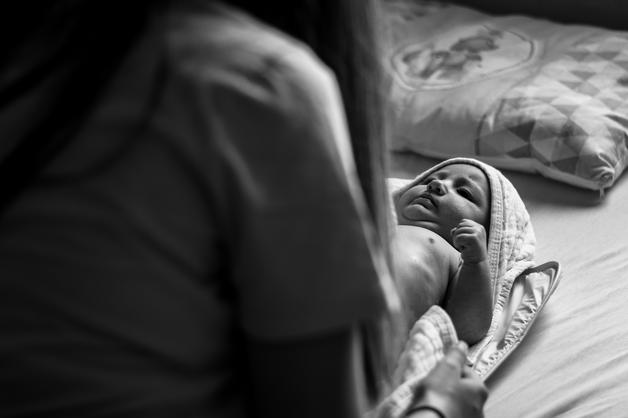
Mère observant son nourrisson, qui pourrait présenter des signes de jaunisse du nourrisson.

By Heloa | 24 April 2025

Neonatal jaundice: causes, signs, treatment, and prevention

7 minutes
Mère observant son nourrisson, qui pourrait présenter des signes de jaunisse du nourrisson.

Par Heloa, le 24 April 2025

Neonatal jaundice: causes, signs, treatment, and prevention

7 minutes
de lecture
Mère observant son nourrisson, qui pourrait présenter des signes de jaunisse du nourrisson.

Neonatal jaundice—just the name might evoke a rush of questions, maybe a flicker of concern, perhaps a moment of helpless wonder. Parents, across countless households, find themselves closely inspecting their newborn’s skin, catching subtle yellow hues under the mellow daylight, questioning if everything is right. Why is this yellow tint so common in babies? Should you worry if your baby’s eyes seem a bit golden, or if the colour hasn’t faded as you’d hoped? Let’s dive deep—exploring the reasons behind neonatal jaundice, ways to easily spot warning signs, proven treatment strategies, and most importantly, how to safeguard your baby’s health without losing sleep over every little change. Along the way, discover practical medical advice, answers to your worries, new perspectives, and support that won’t let you down.

Understanding neonatal jaundice: what, when, and why?

Neonatal jaundice is not just a medical phrase tossed around in the nursery—it describes a yellowish discolouration of the skin and eyes in newborns, caused by the accumulation of bilirubin. Wondering what bilirubin is? It’s a yellow pigment produced when the body breaks down red blood cells, something entirely natural and ongoing. Here’s the twist: newborns, especially those born before term, have immature livers—think of it as an under-trained processing plant—unable to eliminate bilirubin as fast as it accumulates. What does this mean in plain words? Over 60% of full-term babies and a whopping 80% of preterm infants will show some signs of jaundice, mostly between 2-4 days after birth. For many, it fades away with nothing but time; for a few, an escalation requires swift intervention.

But is every yellow baby the same? Not quite. Sometimes, the cause is simply physiological—part of normal newborn adaptation—while at other times, underlying diseases or genetics nudge bilirubin into risky territory, demanding greater attention. The variety of causes, presentations, and responses to treatment is what makes neonatal jaundice a topic every parent ought to be familiar with.

Why does bilirubin build up? A spotlight on newborn physiology

When babies are born, their bodies switch gears in dramatic ways. Red blood cells are replaced at a brisk pace, and the new liver takes charge of handling bilirubin—a process known as conjugation. But this liver, fresh on the job, isn’t always efficient enough, leading to a back-up of unconjugated bilirubin floating in the blood. As levels climb, the pigment seeps into the skin and eyes, giving that classic yellow tint. Is it only the liver at play? No—frequent factors like premature birth, blood group mismatches (like ABO or Rh incompatibility), G6PD deficiency, or even certain infections may further accelerate red cell destruction or bottleneck bilirubin processing.

Types and causes of neonatal jaundice

Physiological jaundice

Meet the most frequent type, developing after the baby’s first day, peaking between days 2–5, and gently resolving without any interventions by two weeks. It’s mostly a benign, expected fallout from adjusting to life outside the womb. Babies eat, poop, and the pigment eventually gets processed away.

Pathological jaundice

But when should parental eyebrows rise? If jaundice shows up within the first 24 hours, lasts past two weeks, or tags along with other signs of illness, it’s often pointing to a pathological cause. These scenarios call for rapid assessment—since untreated high bilirubin can harm the brain (think acute bilirubin encephalopathy or even kernicterus).

Hemolytic and genetic factors

Red cell breakdown outpaces the norm in some babies—thanks to conditions like ABO/Rh incompatibility, inherited disorders such as hereditary spherocytosis, or enzyme issues like G6PD deficiency. These factors can lead to brisk rises in bilirubin, often requiring prompt medical attention.

Feeding-related jaundice

Jaundice isn’t just about biology—sometimes, it’s about what (or how much) your baby eats. Breastfeeding jaundice often pops up when initial milk intake is low, raising bilirubin reabsorption. Breast milk jaundice (not to be confused!) surfaces after a week, typically owing to specific breast milk components affecting bilirubin breakdown. Both types, while generally harmless, can cause concern if feeding isn’t established well.

Other underlying causes

Prematurity, infections from the perinatal period, or rare metabolic and genetic disorders (like disorders in the biliary system) may complicate the picture. If any of these exist alongside jaundice, more intensive monitoring and specialist management may be advised.

Risk factors worth watching

Some families are more likely to deal with neonatal jaundice—those with a family history of hemolytic issues, ethnic backgrounds prone to G6PD deficiency, babies born before 38 weeks, or little ones struggling with feeding. Bruising during birth or early discharge from the hospital can tip the scales too.

Key warning signs and how to recognise them at home

Spotting neonatal jaundice starts with vigilant observation—does the skin tone, especially on the face or chest, seem tinged with yellow? Is the white of the eye (the sclera) no longer clear but lemony? For babies with darker skin shades, subtle changes under the tongue, palms, or soles might tell the real story. Don’t rely on artificial lighting—natural daylight is best.

But more than colour, it’s the general state of your baby that matters. Look for:

  • Unusual sleepiness (is your baby too difficult to wake?),
  • A high-pitched cry,
  • Poor or lazy feeding,
  • Fewer wet or dirty diapers than normal,
  • Fever, limpness, or stiffness.

A practical tip: press gently on your baby’s forehead or nose, then watch—the blanched area should appear yellow if jaundice is present. Does the yellow seem deeper today than yesterday? Is it spreading? These are cues for a doctor’s input.

How is neonatal jaundice diagnosed?

Doctors use a mix of clinical examination—systematically charting where jaundice has spread—and technology. A transcutaneous bilirubin meter painlessly measures levels through the skin, but a confirmatory serum bilirubin test (small blood sample) tells the full story. Sometimes, additional blood work (like the Coombs test for immune-related jaundice, full blood counts, G6PD screening, or infection markers) is needed when the story isn’t straightforward.

It’s essential to distinguish:

  • Physiological jaundice: appears after 24 hours, resolves within two weeks, and generally remains mild.
  • Pathological jaundice: shows up early, rises suddenly, persists, or aligns with illness.

The doctor will also check for unconjugated (typically benign) versus conjugated bilirubin (which can indicate liver or bile duct issues needing special attention).

Why timely treatment matters: possible complications

Mild neonatal jaundice often resolves naturally, but if bilirubin levels climb too high, there’s risk for serious neurological complications, such as acute bilirubin encephalopathy—manifesting as lethargy, poor suck, muscle floppiness or rigidity, and even seizures. Persistent, severe untreated jaundice can lead to kernicterus—long-lasting brain damage causing movement disorders, hearing loss, or learning difficulties. Preterm babies and those with risk factors deserve even more careful monitoring.

Treatment options: what works and when?

Phototherapy

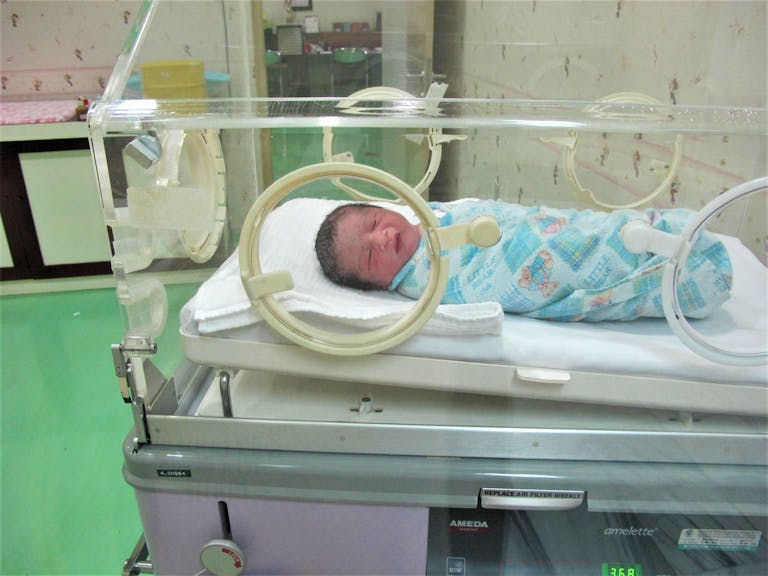
For most moderate or significant cases of neonatal jaundice, phototherapy is the frontline—your baby is gently placed under blue spectrum lights, which transform bilirubin into an excretable form. Hospital phototherapy allows close supervision and rapid results, while some mild, stable cases can continue light treatment at home with professional supervision.

Exchange transfusion

Sometimes, standard remedies aren’t enough. If bilirubin peaks alarmingly or resists phototherapy, doctors perform an exchange transfusion—replacing small amounts of the baby’s blood with donor blood, rapidly cutting bilirubin levels and removing problematic antibodies.

IVIG and treating root causes

For immune-based jaundice (from blood group incompatibility), intravenous immunoglobulin (IVIG) can help dampen red cell destruction. Infections or genetic disorders are addressed as per the underlying problem—therapies become more tailored in these scenarios.

Practical care at home

Early and frequent feeding—regardless of whether you’re breastfeeding or using formula—remains a primary strategy. Regular feeds stimulate more bowel movements, accelerating bilirubin excretion. Safe, brief daily exposure to indirect sunlight (not direct exposure) may assist in mild cases—simply place your baby near a bright window for a few minutes, but never leave exposed skin under harsh sun. Continuous monitoring and scheduled follow-ups secure the path to complete recovery.

Preventing neonatal jaundice (or reducing its risks)

  • Start feeding (breast or formula) as soon as possible after birth, aiming for eight to twelve feeds in 24 hours.
  • Ensure every newborn undergoes screening for jaundice before hospital discharge, especially for those leaving early.
  • Babies at higher risk, those with rising or borderline bilirubin, need prompt and frequent follow-up visits.
  • Prenatal blood tests can spot possible mother-baby incompatibilities early, allowing proactive planning with your health team.
  • Know when to seek advice—if the yellowing increases, your baby has fewer wet/dirty nappies, seems listless, stops feeding well, or has dark urine/pale stools, contact your paediatrician at once.

Everyday support: tips and reassurance for families

  • Encourage effective feeding—do not hesitate to seek advice from nurses or lactation clinicians if unsure about latch or milk flow.
  • Track nappy output and feeds; it gives both you and your doctor essential clues about your baby’s progress.
  • Check your baby’s skin and eyes regularly, especially in natural daylight, and note any changes—documentation helps in follow-up assessments.
  • When worried, trust your instincts. If your baby seems unusually sleepy, refuses feeds, or develops a sharp cry, immediate medical assessment is best—even if only for peace of mind.
  • Remember, most cases of neonatal jaundice are gently transient and settle with time, regular feeding, and parental vigilance. Medical support in these situations is both effective and reassuring.

Key Takeaways

  • Neonatal jaundice is a frequent, mostly harmless condition driven by natural changes in newborns, but early recognition can make all the difference for rare, severe cases.
  • Parents should watch for yellowing skin and eyes, weak sucking, lethargy, or unexpected symptoms—especially during the precious first week of life.
  • Mild cases usually remit as feeding gets established; persistent, quickly escalating, or early-appearing jaundice merits quick medical review.
  • Phototherapy leads treatment for higher bilirubin, ensuring safe, smooth recovery.
  • Scheduled follow-ups and attentive home care protect your baby, and a dedicated paediatric team stands ready to help transform worry into confidence.
  • For ongoing personalised tips, paediatrician-validated advice, and free health questionnaires for your child, download the application Heloa.

Questions Parents Ask

How long does it take for neonatal jaundice to go away?

Typically, most neonates recover from jaundice in about one to two weeks. The yellow discolouration starts fading first from the face, then down the body. The individual timeline varies—some babies take less time, others a bit longer, particularly if they were premature or have extra risk factors. If you see the yellow colour continuing beyond two weeks or your baby acts unwell, checking in with the doctor brings timely reassurance and direction.

Can neonatal jaundice come back after it goes away?

While it’s not frequent, a mild recurrence may occur—mainly if underlying reasons such as feeding issues or rare metabolic difficulties weren’t entirely resolved initially. Usually, this is not a major worry, but if the yellow tint resurfaces intensely or your little one begins feeding poorly or appears drowsy, it’s wise to consult the paediatrician.

Is breastfeeding safe if my baby has neonatal jaundice?

Absolutely—breastfeeding is encouraged and beneficial for nearly all cases of neonatal jaundice. Regular feeds help eliminate bilirubin through stools. Some mothers may need guidance if initial milk flow is low; healthcare professionals and lactation consultants are always prepared to assist. The essential factor: whether breastfeeding, bottle-feeding, or mixed feeding, ensuring your baby is well-fed provides the best environment for healthy recovery. Every family’s approach is respected, and support remains available every step of the way.

Further reading:

Similar Posts

Neonatal jaundice. Two words that often spark both mild unease and a volley of questions for any parent cradling a newborn with an unusual golden glow. Why does this yellow tinge surface just days after birth? Is it a sign of normal adjustment or a warning flag waving for urgent intervention? How can you tell if it’s harmless or veering toward something more serious? Every parent looks for clarity—and reassurance—while anxiously monitoring their little one’s skin and eyes for shifts in color. Neonatal jaundice is an experience both common and bewildering, driven by biology yet demanding attentive care, so understanding the science and the practical steps is key. This deep dive unpacks the causes, signs, diagnosis, treatments, and prevention strategies, blending empathy and medical rigor to empower each parent’s next step.

What is neonatal jaundice? Frequency, recognition, and immediate concerns

Neonatal jaundice is not rare. In fact, it’s remarkably prevalent, touching about 60% of full-term newborns and a striking 80% of preterm babies within the opening week of life. At its heart, neonatal jaundice reflects the body’s tussle with hyperbilirubinemia—an excess of bilirubin (that yellow pigment) in the blood. Why the surge? Bilirubin emerges from the hurried breakdown of red blood cells as babies transition from womb to world, and a newborn’s brand-new liver is still finding its footing to handle this workload.

Notice something off-color in your baby’s cheeks or eyes? Neonatal jaundice often starts on the face, slowly traveling downward, and may show up as early as day two or three. Babies with lighter skin display a telltale yellowing, while for those with deeper skin tones, parents should check the whites of the eyes or beneath the tongue for subtle color changes. Early detection truly matters—when bilirubin levels soar unchecked, there’s a risk of complications that may affect the brain. Key warning signs, such as feeding less energetically, being excessively sleepy, or producing a piercing, unusual cry, deserve immediate attention. Most cases resolve naturally within two weeks, but sustained parental vigilance is the bedrock of safe recovery.

Understanding bilirubin in newborns

Bilirubin isn’t a villain—it’s simply the byproduct when red blood cells wear out and break down. For newborns, this happens at a brisk pace, and because their liver is still immature, processing all this bilirubin isn’t as efficient as it will be in just a few weeks. The result? Bilirubin builds up in the bloodstream, lending that unmistakable yellow hue to vulnerable skin and eyes. The process is natural, if sometimes visually startling.

Common causes of neonatal jaundice

Physiological jaundice: the standard adjustment

Most newborns will encounter what doctors call physiological jaundice—simply the body’s standard response to the newborn phase. Since the liver is still developing its metabolic prowess, it can’t clear bilirubin as quickly as an adult’s would. Typically, this type emerges after the first 24 hours, peaks around days two to five, and gently fades on its own within a week or two.

When does jaundice signal a problem?

Not all jaundice is innocent. Pathological jaundice steps in if the yellowing appears alarmingly early (within the first day), lingers beyond two weeks, or comes with other signs of illness. In these situations, extra vigilance is warranted—rapidly rising bilirubin or persistent jaundice signals a need for further evaluation and potentially immediate treatment.

Hemolytic diseases and blood incompatibility

Now, consider hemolytic conditions—these ramp up red blood cell destruction much faster than normal. The classic antagonists? Blood group incompatibilities (such as ABO or Rh incompatibility), G6PD deficiency (an inherited enzyme issue found more often in people of Mediterranean, African, or Asian descent), or other rare blood disorders. The fallout? More rapid and intense jaundice, often surfacing in those very first hours after birth.

Breastfeeding jaundice versus breast milk jaundice

Here’s a subtle but important distinction. Breastfeeding jaundice typically appears in the first days and has everything to do with insufficient milk intake—so more bilirubin gets reabsorbed instead of leaving the system. Boosting feeds usually solves it. Breast milk jaundice, meanwhile, tends to arrive later (after the first week) and is linked to ingredients in breast milk that modestly slow bilirubin breakdown. Both kinds are usually benign but can puzzle parents and sometimes even providers.

Prematurity, metabolic and genetic influences

Premature babies are more susceptible simply because their liver is even less mature. Add in some metabolic disorders, genetic red cell anomalies, or infections and jaundice can stubbornly persist or flare up more dramatically. Family history often provides important clues.

Risk factors include ethnicity, family history, feeding challenges

Some newborns are simply more likely to develop neonatal jaundice—if they have a sibling who did, if their background places them at higher genetic risk (as with G6PD deficiency), if they were born a bit early, or if they had difficulty with early feeds. Early discharge from the hospital or significant birth bruising can also tip the balance.

Recognizing symptoms: when yellow is more than a color

How jaundice shows on every skin tone

The most visible sign is, of course, yellow discoloration of the skin and eyes. For some, this is obvious; for others, it may only be apparent in strong, natural light. With darker skin, check the eyes, gums, under the tongue, and the soles of the feet.

Alarming signs: poor feeding, limpness, shrill cry

Severe neonatal jaundice can tip into lethargy, listless sucking, sharp, high-pitched cries, fever, limpness or unusual stiffness, or far fewer diapers than expected. These are the signs that shout for assessment, not a wait-and-see approach.

At-home checks: press, observe, repeat

Wondering how to check at home? Place gentle pressure on your baby’s forehead or nose and then release—if the skin looks yellow where you pressed, jaundice is likely present. Always check in daylight. If the yellow expands, darkens, or is paired with odd symptoms, it’s time for expert input.

Diagnosing neonatal jaundice

Physical exam and bilirubin level measurement

Health professionals start with a careful clinical assessment—examining how much of the body has turned yellow, and how deep the hue runs. Non-invasive tools, like a transcutaneous bilirubin meter, offer quick estimates, but a blood test for total serum bilirubin provides a definitive answer.

Sorting the physiological from the pathological

Physiological jaundice arrives a bit later (after 24 hours), peaks, and clears predictably. But if jaundice arrives before the clock has run a day, persists into the third week, or rides along with other worrisome clues (infection, anemia, family history of red cell problems), the scenario demands more scrutiny.

Unconjugated vs conjugated bilirubin: which is it?

Here’s where terminology matters. Unconjugated bilirubin (the indirect type) stems from natural newborn transitions or ramped-up red cell breakdown. Conjugated bilirubin (the direct variant) tells a different story, usually pointing toward liver disease or issues with the bile ducts, and never something to dismiss.

Extra tests: when the story gets complicated

If bilirubin spikes rapidly, arrives suspiciously early or late, or brings other symptoms to the table, healthcare teams may order further tests—blood group typing, a Coombs test (to look for immune causes), tests for infection, G6PD checks, liver function panels, even ultrasound if the diagnosis remains elusive.

Complications and what’s at risk

Why treating severe jaundice can’t wait

Unchecked, extremely high bilirubin levels can cross the blood-brain barrier and damage delicate nerve cells—leading to acute bilirubin encephalopathy (manifesting as floppiness, poor feeding, and sometimes seizures). Ignore it longer, and the rarely-seen but grave danger of kernicterus—long-term brain damage—emerges. Rapid identification and treatment render these outcomes exceedingly rare, and most healthcare systems are well-equipped to prevent them.

Persistent risks if jaundice goes untreated

Long-standing jaundice, left untended, can cast a long shadow—potentially resulting in cerebral palsy, hearing impairment, and developmental challenges. Fortunately, vigilant monitoring and prompt action offer strong shields for most families.

Closer monitoring for high-risk infants

Newborns born too soon, with ample bruising, an early hospital discharge, or a family history of immune-driven jaundice warrant extra bilirubin checks—often within the first days, and even before heading home.

Treatment options for neonatal jaundice

Phototherapy: light as medicine

When neonatal jaundice crosses from mild to marked, phototherapy is the standard care—hospitals employ banks of blue-spectrum lights, which transform bilirubin into a water-soluble form that the body can excrete through urine and stool. Sometimes, with stable and mild cases, families can use fiber-optic light blankets at home with nurse oversight. The approach is safe, effective, and often brings bilirubin levels down within a day or two.

Exchange transfusion and IVIG

Rarely, when bilirubin soars despite phototherapy or if special complications loom (as with significant blood group incompatibility), exchange transfusion comes into play—swapping out the newborn’s blood for donor blood to rapidly clear bilirubin and antibodies. Intravenous immunoglobulin (IVIG) may help if immune causes drive red cell destruction.

Home care: feeding, safe sunlight, and ongoing checks

For mild neonatal jaundice, robust feeding is the frontline remedy—whether breast or bottle, frequent feeds (8–12 times each day) help flush bilirubin with every diaper. Indirect sunlight (indoors, next to a window but out of direct rays) can support the process, but never replaces sound medical advice if you spot worrying symptoms. Observing daily for fading (or deepening) yellow is the parent’s checklist.

Outlook, recovery, and when to expect resolution

With proper care, most neonatal jaundice begins to fade within days after feeding picks up or phototherapy begins. The yellow color recedes from the face last, and few cases linger beyond two weeks. Scheduled follow-up—sometimes in-office, sometimes at home—confirms safe recovery.

Prevention: reducing risk at every stage

The feeding factor: early, frequent, effective

Initiating feeding within thirty minutes after birth, and aiming for frequent, robust feeds, is well-supported by research as one of the easiest and most effective steps to lower neonatal jaundice risk. Consider a tally: 8–12 feeds in 24 hours should be a typical rhythm for newborns.

Hospital protocols and follow-up after discharge

Every newborn undergoes screening for neonatal jaundice before leaving the hospital. If discharge occurs before 72 hours, a follow-up visit within 48 hours is recommended. Babies identified as at-risk warrant especially close observation, with bilirubin checks as needed.

Prenatal care and parent education

Throughout pregnancy, screening for blood group incompatibility helps anticipate complications. Parent education—how to check for yellowing, boost feeding, and recognize danger signs—lays a powerful groundwork for early action.

When to call for medical help

The moment the yellow color worsens, migrates past the face, or is paired with limpness, fever, unusually dark urine, pale stools, or fewer than expected wet/dirty diapers, it’s time to contact your healthcare provider. Swift assessment makes all the difference.

Everyday support and practical strategies

Ensuring feeding is on track

Encourage frequent, effective feeding and don’t hesitate to seek input from nurses or lactation experts. Signs of effective sucking and swallowing mean bilirubin is on its way out of the body. Tracking diapers and feeds offers reassurance to you and clear information to your care team.

Monitoring skin and eyes at home

Keep an observant eye on skin and the whites of the eyes every day. Daylight is best; a gentle touch helps reveal subtle yellowing. Notice any deepening or spreading? Speak with your pediatric team promptly.

When urgent care is necessary

Be alert for jaundice in the first 24 hours, extreme drowsiness, refusal to feed, sudden wails, limpness or stiffness, high fever, or if something feels off. Parent intuition matters—better to check early than to wait.

Finding reassurance in numbers and science

Most neonatal jaundice cases are mild, treatable, and resolve without lasting effects. Treatments are guided by decades of scientific study and clinical evidence. Even when treatment is necessary, the outlook remains overwhelmingly positive.

Key Takeaways

  • Neonatal jaundice is widespread and typically mild—yellow skin and eyes are the hallmarks, but parent vigilance is paramount, particularly during the first week.
  • Early, frequent feeding and attentive daily checks are your best allies in reducing risk.
  • Some cases require small interventions, while a rare few need more active hospital treatment, but timely attention keeps almost all infants safe.
  • Always trust your observations and instincts—better to seek medical input early than to wait and worry.
  • Support and resources abound—consult your pediatric team and, for tailored advice plus easy health questionnaires, download the Heloa app. Parents are never left to manage alone; science, compassion, and practical support are always within reach.

Questions Parents Ask

How long does it take for neonatal jaundice to go away?

Most newborns see the yellow coloring fade within one to two weeks. Each baby is unique—some recover even faster, while others may need a little more time, especially if they arrived earlier than expected or have certain risk factors. If you notice the yellow color lingering beyond two weeks, or if your baby seems unwell, a follow-up with a healthcare professional is important for reassurance and guidance. Remember, you’re not alone—many parents have the same concern, and medical teams are there to support your family until jaundice resolves.

Can neonatal jaundice come back after it goes away?

While it’s uncommon, jaundice can sometimes reappear after it seems to have faded, especially if the underlying cause isn’t fully addressed, such as with certain feeding difficulties or rare liver conditions. A mild return of yellow coloring usually isn’t a sign of something serious, but if the yellowing intensifies or your baby develops other symptoms (like poor feeding or unusual sleepiness), consider reaching out to your healthcare provider for a check-up. Your vigilance is a valuable part of your child’s well-being.

Is breastfeeding safe if my baby has neonatal jaundice?

Absolutely—continuing to breastfeed is encouraged in nearly all cases of neonatal jaundice. Frequent feeding helps the baby’s body clear excess bilirubin through regular bowel movements. If you’re facing challenges with feeding or supply, lactation consultants and medical teams are ready to help. Rassurez-vous, keeping up with feeds, whether breastfeeding, bottle feeding, or a combination, is supportive and safe for your newborn. Every parent’s journey is unique, and what matters most is your baby’s health and your family’s comfort.

jaunisse du nourrisson flavia gava CFqSUX8ANxU unsplash 5

Further reading:

Similar Posts