
By Heloa | 28 May 2025

Mandatory baby check ups: schedule, benefits, and what to expect

7 minutes
de lecture

By Heloa | 28 May 2025

Mandatory baby check ups: schedule, benefits, and what to expect

7 minutes

Par Heloa, le 28 May 2025

Mandatory baby check ups: schedule, benefits, and what to expect

7 minutes
de lecture

A new baby’s arrival brings immense joy, a pinch of wonder, and—quite often—a sprinkle of doubt about what’s best for their health. Many parents wrestle with uncertainty, sometimes even overwhelm, when debating whether all those doctor visits—the so-called Mandatory baby check ups—are really necessary. Is every appointment significant? What if one is missed? Can check-ups really make a difference for a little one who seems to thrive already?

Mandatory baby check ups are anything but arbitrary: these appointments work as milestones, mapping out your child’s path through the early twists and turns of growth. Each visit is an opportunity—a checkpoint, a guiding hand, sometimes even a reassurance—allowing parents to pose questions directly, update their child’s record, and get timely advice tailored to their context, be it about feeding, sleep, or something as precise as the vaccination schedule. You’ll find in the following sections practical explanations, medical facts, and strategies to support you, with a focus on common concerns, regional peculiarities, scheduling, and the modern evolution of preventive paediatric medicine. Expect to find both science and sensitivity.

What exactly are Mandatory baby check ups?

Mandatory baby check ups, often referred to as well-baby visits, stand out as health checkpoints designed to keep track of your baby’s development, spot potential health challenges, and help keep vaccination status on course. While the term “mandatory” sometimes sparks anxiety, the reality is more nuanced. Most countries do not legally enforce every visit, yet healthcare professionals universally recommend adhering to these appointments so as not to miss opportunities for screening, early diagnosis, and timely vaccination.

You might wonder: why all the fuss about a schedule? Each appointment represents a carefully timed marker—a fixed point where growth, reflexes, developmental stages, and overall health are evaluated. It’s a chance to ask, “Is my baby growing as expected?” or “Are the vaccines up to date?” Missing a check-up may result in delayed detection of medical or developmental issues, which can sometimes shift the child’s curve away from the healthy track.

Governmental agencies, paediatric societies, and public health authorities set out structured timelines based on solid medical research. In some places, missing certain screenings or vaccinations can affect eligibility for school or childcare enrolment, a practical reminder that Mandatory baby check ups play a dual role—nurturing child health and supporting community safety.

The timeline: How often are Mandatory baby check ups really needed?

The cadence of Mandatory baby check ups forms a rhythm throughout infancy and early childhood.

  • Just after birth: The first assessment occurs while you’re still in the maternity ward. Here, the newborn’s weight, length, head circumference, heart function, breathing, and basic reflexes are observed—an early snapshot. Newborn screening tests (like the heel prick or hearing screening) can unearth hidden metabolic or sensory issues remarkably early.

  • Within the first 8 days: A paediatrician will typically review feeding and weight variations, monitor for jaundice, and record baseline measurements in the health booklet, which follows your child as a living record.

  • Second week check: This follow-up ensures the baby is adjusting well post-discharge, feeding efficiently, and hitting expected early milestones.

  • Every month until 6 months: Monthly visits allow for timely vaccinations (like those against diphtheria, tetanus, and polio), detailed growth monitoring, and open discussion on feeding and sleep. These months are marked by swift transformations—muscle tone, head control, emerging social reactions.

  • At 9 months, 12 months, and beyond: Fewer visits, but each is packed with assessments—hearing, vision follow-up, booster doses, developmental milestone checklists, sometimes blood tests to rule out anaemia or check for inherited diseases.

  • Yearly after age 2: Growth plots continue, cognitive and social skills are reviewed, and immunizations are kept current according to national recommendations.

Regional differences abound. Some countries require check-ups for state health statistics; others link compliance to access to school or government benefits. In all settings, staying on schedule simplifies vaccine monitoring and keeps crucial health data up-to-date.

What happens at each Mandatory baby check up?

The heart of Mandatory baby check ups is early identification—of both blossoming abilities and unsuspected issues. What does this mean for a parent at the clinic?

  • Growth tracking: Weight, length/height, and head circumference plotted against standard charts. Are curves harmonious? Any sudden drops or spikes?

  • Physical exam: Listening to the heart and lungs, checking hip mobility, reviewing abdominal tone, assessing fontanelles (the soft spots), gauging eye alignment—these details reveal so much about hidden health.

  • Developmental screening: A blend of observing motor movements, speech patterns, and social interactions, often using simple tools and parent questionnaires. Early signs of delays or neurodevelopmental conditions can emerge here, providing windows for early intervention.

  • Sensory screening: In the newborn period, hearing tests often use a soft probe to check response to sound. Vision tracking begins with simple stimuli, evolving over the months into more structured tests.

Some countries include a metabolic screen—just a few drops of blood can detect rare but treatable conditions like phenylketonuria, congenital hypothyroidism, or sickle cell disease. Most parents are only notified if an abnormality turns up—good news often travels silently.

  • Vaccinations: Immunisation stands as one of the pillars of these check-ups. Doses are timed for maximum protection. Measles, polio, hepatitis, pneumococcus—these names loom large in schedules and ensure community immunity.

  • Parental guidance: How to introduce solids? When to worry about teething, rashes, or fevers? Sleep pattern chaos—normal or not? Each visit doubles as a session for tailored advice, always rooted in current paediatric science.

Law, regulations, and records: The rules behind the appointments

“Is it really mandatory?” This question surfaces often. Legally, while the full suite of Mandatory baby check ups is rarely required by law, specific components frequently are. Vaccinations and certain newborn screening results must be documented to access schooling or childcare settings. Some regions insist on periodic health certificates, anonymized for state statistics. Skipping scheduled check-ups can sometimes mean missing important vaccinations, risking delays in childcare enrolment, or creating gaps in developmental tracking.

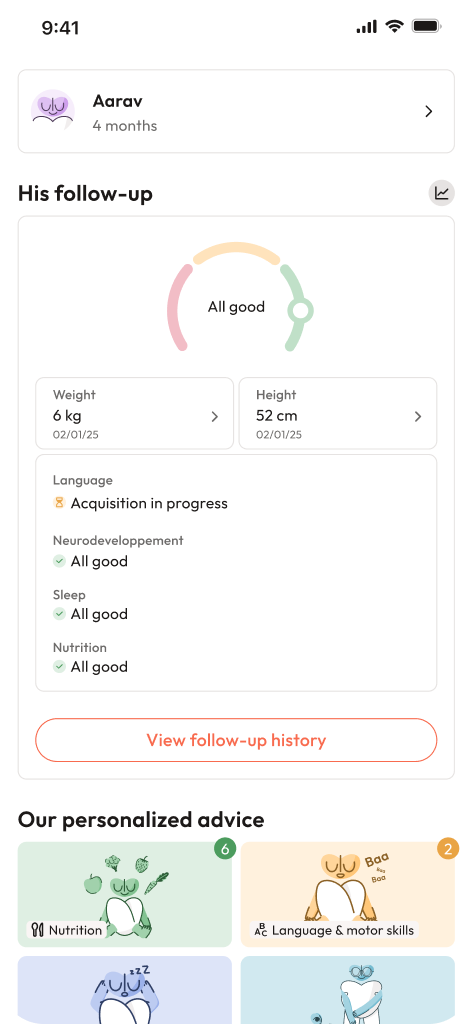
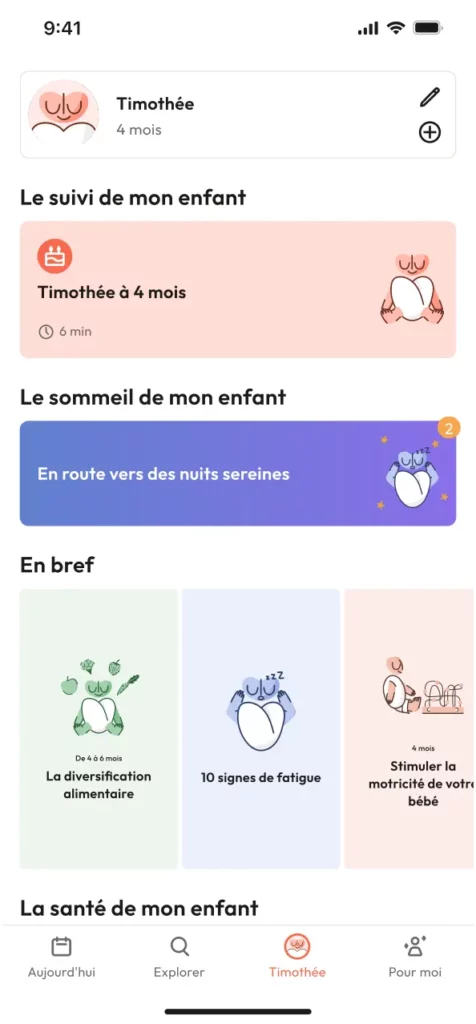
Practical tip: always present your child’s health booklet or digital record at every visit. This “medical passport” forms a chronology, keeping everyone—parents, doctors, even schools—on the same page. Mobile applications have made it easier, with reminders, digital logs, even growth chart plotting at your fingertips. When families relocate, these records pave the way for seamless continuation of care.

For families facing bumps in the road: Access and solutions

Let’s be straightforward: attending every check-up isn’t always simple. Some families wrestle with inconvenient schedules, long distances, or struggles with healthcare access and cost. Community clinics, teleconsultations, translation support, and nurse-led outreach can bridge gaps. If needed, hospitals may even coordinate home visits for early screening soon after birth.

Relocations—whether for work, family, or unexpected events—can disrupt the rhythm of Mandatory baby check ups. It’s practical to keep both paper and digital copies of health records updated. On arrival in a new locality, share the medical summary with your new provider right away, and clarify which checks or boosters are due.

Getting the best out of each appointment: practical tips

Preparation goes a long way. Before each visit, jot down your baby’s feeding habits, sleep trends, any odd symptoms, or parental worries in the health booklet or a preferred app. Come with questions—no matter how small. Take notes during the discussion, ask for clarification, and, if needed, repeat back what you understood. This makes the encounter more interactive, amplifies your confidence, and ensures nothing slips through the cracks.

Fostering a long-term relationship with a consistent healthcare provider supports understanding, trust, and a sense of partnership. When parents engage and share openly, the advice is more meaningful and tailored.

Innovations and worldwide progress in Mandatory baby check ups

Modern Mandatory baby check ups are evolving rapidly. Digital health records, telemedicine, even remote milestone tracking—all now complement traditional clinic visits. Parents can upload measurements, receive vaccine reminders, and access virtual educational sessions from home. The World Health Organization and leading paediatric societies are collaborating to harmonise care schedules and underscore the importance of early emotional, social, and family health support.

As new evidence emerges, the emphasis is shifting: not only are children’s physical milestones tracked, but their social and emotional environments get considered too. Multidisciplinary care networks, peer support groups, and virtual outreach are now woven into the standard preventive approach.

Key Takeaways

  • Mandatory baby check ups are designed to foster healthy growth, spot developmental delays, and safeguard children from preventable diseases.
  • While not always law-bound, certain check-ups and immunisations are essential for entry into childcare and school, making schedule adherence especially important.
  • Maintaining up-to-date health records, either in a booklet or via digital solutions, paves the way for smooth, continuous care—especially during moves or healthcare transitions.
  • Numerous solutions exist to help parents overcome obstacles, from telemedicine to mobile health records, so no family should feel stuck.
  • Innovations such as teleconsultations and digital follow-up enrich the reach and impact of Mandatory baby check ups.
  • Open, sustained communication with your healthcare provider turns each check-up into a partnership—making you the strongest advocate for your child’s wellbeing.
  • For ongoing support and personalised health tools—including free child health questionnaires—parents can download the application Heloa.

Questions Parents Ask

What if my baby misses a Mandatory baby check up?

Missed a visit? Concerns often arise here. Life’s unpredictability sometimes leads to missed appointments, but what’s most important is to reschedule promptly. Healthcare professionals are familiar with the rhythm of family life and are well equipped to combine checks or arrange catch-up vaccinations. Keeping your baby’s health record updated and maintaining open communication with your doctor helps keep their healthcare journey on track.

Are Mandatory baby check ups the same everywhere?

Not quite. The sequence and requirements for Mandatory baby check ups can fluctuate significantly based on where your family lives. Some countries implement compulsory visits or checks; others provide flexible guidance, allowing parents more choice. Vaccination schedules, developmental assessments, and screening approaches might also differ. Travelling or moving? Always check with your new healthcare provider or review local guidelines to make sure your child stays in sync with the recommended path—every system is set up with the community’s resources and goals in mind.

Any tips for tracking all these check-ups and vaccines?

Absolutely. Tracking appointments, growth data, immunisations, and doctor’s notes can get overwhelming. Most providers will offer a physical health record (sometimes called a ‘red book’ or ‘health booklet’), or you can use an app of your choice. Keep this organised, bring it to every clinic visit, and set reminders if possible. With these habits in place, reviewing progress and catching up after a missed appointment feels much less stressful—and your baby’s health timeline remains clear and accessible.

Further reading:

Similar Posts

Wondering if mandatory baby check ups are just another box to tick, or truly essential for your child’s future? Many parents share that flicker of anxiety—What happens during these check-ups? What if a visit is missed? Are all those screenings and records really necessary? The reality is, these scheduled appointments work like a silent net, catching issues before they escalate and ensuring not a single step of your child’s fascinating developmental journey is overlooked. From the reassuring patter of a healthcare provider’s stethoscope to the first tiny head circumference measurement, each interaction is designed to support your family and offer both scientific insight and genuine encouragement. Let’s unravel the concrete steps, scientific rationale, and fine details behind the mandatory baby check ups—with plenty of practical advice to turn each appointment into a resource, not a burden.

What Are Mandatory Baby Check Ups?

Pediatricians and child health experts agree—mandatory baby check ups (also recognized as well-baby visits) serve as periodic health beacons in a baby’s life. These scheduled visits act as milestones, capturing precise measures of growth: weight, length, and even head circumference are meticulously recorded. It’s not just about measurements; these appointments function as developmental landmarks, where movement patterns, reflex responses, and early communication cues are explored with methodical yet gentle scrutiny.

What’s at stake? Early identification of concerns ranging from metabolic disorders (think phenylketonuria or cystic fibrosis) to subtle delays in speech or motor skills. Developmental assessments—short, parent-friendly tools—turn vague worries into concrete observations, mapping your baby’s evolving capabilities. Immunization schedules, outlined in these visits, protect against diseases that could otherwise carry lifelong consequences. And let’s not overlook the power of parental guidance: each session is a rare opportunity to discuss sleep routines, nutrition (from exclusive breastfeeding advice to the timely introduction of solids), and the endlessly debated topic of safe sleep environments.

Is every check-up strictly required by law? Not universally. Some nations mandate specific screenings—for instance, metabolic or hearing tests in the newborn period—while others use strong public health recommendations. However, compliance with the full program of mandatory baby check ups is widely acknowledged as the safest route by child health researchers and practitioners alike.

The Timeline: When Are Mandatory Baby Check Ups Scheduled?

Precision lies at the heart of the mandatory baby check ups timetable, but real life is rarely so rigid. Most countries structure the schedule as follows, with adaptations shaped by local medical boards or health authorities:

  • Immediately after birth in the maternity ward: A thorough clinical exam and initial screenings for inherited conditions or hearing issues take place. Vital data—weight, length, head circumference—is documented, providing a baseline.
  • Within the first 8 days: The elusive ‘first health certificate’ is often issued, targeting early well-being and feeding establishment.
  • Second week of life: Offers space to evaluate your baby’s feeding, home adaptation, and detect emerging signs of jaundice or feeding concerns.
  • From one to six months: Monthly appointments narrow the window for unnoticed developmental challenges, while tracking vaccination status closely.
  • At 9 and 24 months: Nationally recognized health certificates or developmental check-ins are scheduled by many countries.
  • At 12, 15, 18, and 30 months, then annually post age 2: Continued oversight, new vaccinations, and unfolding developmental achievements are systematically reviewed.

Flexibility, however, remains essential. Relocation, illness, or competing family needs sometimes disrupt these intervals. If that sounds familiar, rest assured—continuity is the priority, not strict punctuality. Maintaining updated records and scheduling catch-up visits realigns your child with the mandatory baby check ups pathway.

Regional Regulations and Legal Nuances

Peel back the global map, and the regulatory landscape is a patchwork. In the United States, certain immunizations are entangled with school or daycare eligibility requirements. Australia connects regular check-ups with parental access to government benefits. The United Kingdom populates a “red book” with check-up summaries, transforming it into a running chronicle of a child’s health story. France goes a step further with anonymized health certificates at set ages, married to comprehensive national insurance coverage.

What unites these approaches? The principle of preventive care—warding off complications before they escalate. Specific mandates may vary, but missing the pivotal items—vaccines, newborn screenings—can impact school entry and long-term access to resources.

What Really Happens During a Baby Check Up?

You step into the pediatric office, baby in tow. What unfolds next? Expect a seamless blend of science and supportive care:

  • Detailed measurements: Weight, height, and head circumference are plotted on growth charts each time—visual barometers for healthy development.
  • Physical assessment: Heart and lung sounds, abdominal palpation, skin tone, and neurological reflexes (like the startle reflex or hand grasp).
  • Standardized screening: Tools such as the Ages and Stages Questionnaire scan for movement, social, and communication milestones.
  • Sensory tests: Newborns may undergo hearing screenings; vision is checked as your child gets older.
  • Blood spot (heel-prick) tests: Used to uncover rare metabolic conditions such as phenylketonuria, congenital adrenal hyperplasia, or sickle cell disease.
  • Immunization: Administered according to schedules recommended by specialists, protecting against measles, polio, DTP (diphtheria, tetanus, pertussis), and pneumococcus.
  • Parental partnership: Open dialogue is encouraged—feeding difficulties, sleep issues, or unexplained symptoms can be discussed in detail.

Most programs communicate abnormal results rapidly, ensuring no time is lost in repeating or confirming a test. It’s also noteworthy that, barring detection of an abnormality, many countries will not routinely notify families about “normal” test outcomes—a detail that’s worth clarifying with your provider.

Legal, Regulatory, and Record-Keeping Cornerstones

Though only part of the mandatory baby check ups calendar is enforced by law (primarily vaccination records and certain screenings), diligent documentation preserves continuity. Parents commonly receive a personal health record—a “health booklet” or digital application—which houses every exam, vaccine, and measurement. Moving cities? Bring this record along, ensuring seamless information flow between providers.

Health certificates, anonymized for public data collection in some regions, help monitor infant health on a societal scale—without compromising confidentiality. Always present your paper or digital record at appointments, update it regularly, and safeguard it as you would any essential document.

Overcoming Barriers and Ensuring Access

Modern healthcare recognizes the hurdles—insurance complications, inconvenient appointments, distance, language differences. Responsive systems now include expanded telemedicine, translation services, and even home visits for early screening, particularly for newborns discharged quickly from maternity units. Programs targeting under-served or geographically isolated populations strive to bridge gaps in access, aiming for equity across the full spectrum of families. Catching up after disruption is not uncommon; providers are increasingly attuned to families experiencing forced breaks in routine.

Preparing for Mandatory Baby Check Ups: Practical Steps

A few straightforward strategies transform these appointments from elusive obligations into effective touchpoints:

  • Track measurable data (weight, feeding, sleep) between visits using your health booklet or a reputable mobile app.
  • Prepare questions about feeding, sleep, behavior, or development ahead of time.
  • Note any recent changes at home—new caregivers, illnesses, travel—and bring these up.
  • Write down key advice during the appointment (yes, even on your phone) to reinforce understanding afterward.

Sticking with one provider fosters trust; rapport built over repeated check-ups encourages open discussion about sensitive topics and shared decision-making.

Innovations and Global Trends in Pediatric Preventive Care

Telemedicine is quietly reshaping mandatory baby check ups. Possibilities once out of reach—routine video follow-ups, digital growth tracking, remote milestone monitoring—are becoming kitchen-table realities. Digital platforms consolidate health data, vaccination alerts, and parenting resources in one place.

On an international scale, collaboration between the World Health Organization and pediatric societies is nudging guidelines toward a more holistic, whole-child approach. Social and emotional well-being, parental mental health, and linkage to support networks are now recognized components of preventive care.

Key Takeaways

  • Mandatory baby check ups map the journey of early development, offering detection of subtle or silent health challenges before they become obstacles.
  • Legal frameworks and specific schedules may shift from country to country, but immunizations and screenings are tied to long-term benefits for both individual children and society.
  • Keeping an organized, comprehensive personal health record—paper or digital—is the linchpin of continuity, especially during moves or interruptions in care.
  • Barriers to care exist, but expanded access (telemedicine, translation, outreach) and community resources continue to increase flexibility and inclusivity.
  • Taking a proactive, well-prepared approach to each check-up strengthens the partnership with your healthcare provider and centers your child’s unique needs.
  • Trusted professionals and evidence-based tools are at your disposal; reach out and make full use of their expertise.
  • For personalized advice and free child health questionnaires, you can download the Heloa app—one more way to ensure you’re equipped for each stage of your child’s growth.

Every appointment, every question, every note tucked into that record brings your child one step closer to a healthy, resilient future. The process of mandatory baby check ups is far more than a checklist; it’s a foundation, adaptable, attentive, and built around the well-being of your family.

Questions Parents Ask

What happens if my baby misses a mandatory check up?

It can happen that a check-up is missed due to unexpected events or family constraints. Rassurez-vous, a missed appointment doesn’t mean your baby’s health is at risk—what matters is to reschedule as soon as possible. Healthcare providers are familiar with these situations and will help you catch up on any assessments or vaccines. Keeping an open dialogue with your doctor and maintaining your baby’s health record up to date are simple ways to stay on track, even if your family’s routine is sometimes disrupted.

Are baby check ups the same in every country?

No, the recommended schedule and requirements for baby check ups can differ quite a bit depending on where your family lives. Some countries have legally required visits or screenings, while others provide strong recommendations but leave final decisions up to parents. Immunizations, developmental assessments, and screening tests may also differ. If you move or travel, it can be helpful to check local health guidelines or consult your healthcare provider to ensure your baby’s care aligns with local expectations. Each system is designed to support families in the context of the resources and needs of that country.

How do I keep track of all my baby’s check ups and vaccinations?

Managing appointments, growth measurements, vaccines, and advice can feel overwhelming. Most health providers offer a personal health record, sometimes called a health booklet or a digital app, where you can note every visit and update for your child. Keeping this record organized helps when you see different doctors, move to a new city, or just want to review your child’s progress. You can also set reminders for future appointments and bring the record to each visit, making it easier to follow your baby’s health journey with peace of mind.

Further reading:

Similar Posts