By Heloa | 21 May 2025

Prenatal sex hormones and your baby’s journey before birth

6 minutes
de lecture

By Heloa | 21 May 2025

Prenatal sex hormones and your baby’s journey before birth

6 minutes

Par Heloa, le 21 May 2025

Prenatal sex hormones and your baby’s journey before birth

6 minutes
de lecture

What happens in the womb is nothing short of extraordinary. Many parents, especially those expecting their first baby, find themselves wondering: what, exactly, is happening during those mystical months before a child is born? A common concern: prenatal sex hormones—an unseen orchestra of powerful messengers shaping not only whether a baby is a boy or girl, but weaving deep into patterns of growth, brain circuits, and sometimes even the way a child may look, feel, and think as they grow. Questions often come flying: can hormone changes influence my child’s future health? What if something goes “wrong”? And how do these tiny molecules know where to go and what to do?

This deep dive aims to shine a light, with empathy and respect for diverse experiences, on how prenatal sex hormones—chief among them testosterone and estrogens—operate quietly but dramatically, influencing everything from the architecture of the brain to future play preferences. Unpacking these hormonal influences, we will move through the essential roles of testosterone, estrogens, and androgens, clarify what the science really says about behaviour, fertility, sexual orientation, and gender identity, and highlight the practical, heartfelt side—what every parent deserves to know for genuine peace of mind.

The foundation: What are prenatal sex hormones?

From the earliest weeks in the uterus, prenatal sex hormones are already orchestrating the complex choreographies of physical development. These are primarily testosterone, estrogen (especially estradiol and estriol), and the broader family of androgens. They are not only produced by the fetus—tiny glands already at work—but also by the placenta and flowing in from the mother’s body.

A surge of testosterone around weeks 8 to 24 of gestation is a pivotal moment. This isn’t only about shaping male or female reproductive organs—these hormones are drawing blueprints for how brain circuits will link up, preparing the foundations for activity levels and, later, for interests and behaviours you might recognise on the playground. Imagine, for instance, a network of signals directing the formation of the ovarian follicular reserve (the total number of eggs a baby girl is born with)—a process that will quietly influence fertility decades down the line.

Estrogens, particularly those produced by the placenta, offer protection and shape growth in both male and female embryos. Meanwhile, progesterone—best known for sustaining pregnancy—may also be gently sculpting certain brain structures in ways still being uncovered by medical research. Of note, research shows higher prenatal testosterone tends to be linked with greater male-typical play and behavioural patterns, a phenomenon that holds in some specific medical conditions like congenital adrenal hyperplasia (CAH).

The critical windows: When and how do hormones act?

Timing is everything. Between gestational weeks 8 and 24, the fetal brain is particularly sensitive, with enzymes and receptors ready to respond swiftly to even subtle shifts in prenatal sex hormones. These “critical periods” don’t just affect basic anatomy; they shape the brain’s wiring. The hypothalamus and the amygdala—essential regions linked with emotion, memory, and even social interaction—are particularly influenced.

  • Testosterone surges: These kick in not only during pregnancy, but also during the so-called “mini-puberty” of infancy, and have lasting effects on play patterns, aggression, and certain cognitive traits.
  • Estrogens: These hormones are not just “female” ones; they protect brain cells and shape the placenta, stabilizing various fetal processes.
  • Ovarian follicular reserve: For parents expecting a baby girl, this refers to the pool of eggs created before birth, which peaks at nearly 7 million and then gradually declines. The reserve’s size carries implications for fertility in adulthood, though natural variations are typical.

When something, such as a genetic condition (like CAH), increases or alters androgen levels, the physical and behavioural developments can shift. For instance, studies show that girls exposed to elevated androgens may have interests or preferences more typical of boys, a subtle but fascinating ripple effect of prenatal biology.

Measuring and evaluating hormone levels

Getting an accurate snapshot of the prenatal sex hormones present at any point in fetal development is far from simple. Medical professionals might use:

  • Maternal blood tests: These are easy to collect, but may not always perfectly reflect what’s happening inside the fetal environment.
  • Amniotic fluid tests: Collected during amniocentesis, these samples provide a closer picture, but the process is more invasive.
  • Cord blood: Sampled after birth, giving a backward glance at hormone exposure.

Modern laboratory techniques like LC-MS/MS (liquid chromatography–mass spectrometry) can detect incredibly low levels of hormones, but interpreting what these numbers mean for a child’s future is an altogether different—much less predictable—matter. Fluctuations throughout pregnancy are normal, and so a single reading rarely answers all questions.

Shaping more than anatomy: Brain development and behaviour

Here’s where things get especially intriguing. Prenatal sex hormones are central players not only in defining physical sex but also in “programming” the brain. Studies have identified that surges in fetal testosterone, for example, are associated with childhood patterns such as:

  • Play preferences: Boys, on average, choose different toys than girls, and this distinction appears even in early toddlerhood, linked to those subtle hormonal nudges before birth.
  • Attention and focus: Research draws links between high prenatal testosterone and higher rates of behaviours associated with conditions like autism spectrum disorder (ASD) and ADHD in both boys and girls.
  • Social behaviour: Slight variations in prenatal hormone environment may affect everything from empathy to assertiveness.

Yet, these are trends, not destinies. Genetics, postnatal environment, family dynamics, and sheer chance all intertwine with prenatal sex hormones to determine the wonderfully unpredictable shape of an individual child’s personality.

The newborn genital crisis: What to expect

Shortly after birth, it’s not uncommon for parents to observe a small vaginal discharge, sometimes tinged with blood, in newborn girls. This so-called “genital crisis” is a brief, benign result of falling estrogen levels as the connection with the mother is physically severed. This event, lasting just a few days, resolves on its own. No intervention or worry required—just another way the body elegantly adjusts from the womb to independent life.

Beyond birth: The “quiet” years

After the newborn surge, prenatal sex hormones fade into the background until the drama of puberty begins. The childhood years are a relatively quiet period, hormonally speaking.

Factors impacting hormonal balance in pregnancy

Why are hormone levels different from one baby to the next? The answer is rarely straightforward. Influencing elements include:

  • Genetics: Chromosomes guide which hormones are produced when, and whether small changes (mutations) might tilt the hormonal “mix.”
  • Maternal health: Conditions like polycystic ovary syndrome (PCOS) can alter the hormonal environment, sometimes increasing androgens.
  • Placenta function: This remarkable organ transforms androgens into less potent forms and generates estrogens from fetal and maternal precursors.
  • Environmental exposure: Certain chemicals (so-called endocrine disruptors), high stress, or variations in maternal nutrition may influence hormone levels.
  • Epigenetic changes: These shifts affect how genes are expressed—sometimes in response to prenatal stress, diet, or other external cues.
  • Thyroid function: The thyroid gland in pregnancy has a finger in the hormonal pie as well, modifying the internal balance in nuanced ways.

Sexual orientation, gender identity, and the landscape of diversity

Are prenatal sex hormones fate, carving out a child’s future identity? Science suggests their influence is substantial, especially for aspects like gender-typical play and possibly sexual orientation, but these are rarely the only factors at play. For example, girls with CAH—who experience higher androgen levels in utero—show higher rates of non-heterosexual orientation, though most will still identify with the gender assigned at birth and follow a heterosexual path.

The interplay is intricate; social context, family support, and inherent personality remain vital. Ethical care means providing support and information, leaving space for every child’s individual journey toward identity and self-expression.

A note on ethics and support

Approaching questions about prenatal sex hormones needs more than medical facts; empathy, clear communication, and respect for a child’s growing autonomy are essential. No single number or medical report can define a child’s destiny. Instead, awareness and acceptance of natural variations, attentive observation, and openness to seeking advice form the best foundation for supporting each child.

Key Takeaways

  • Prenatal sex hormones—especially testosterone and estrogens—are essential for the development of reproductive organs, the architecture of the brain, and patterns of behaviour and growth.
  • Variability in hormone exposure is the rule, not the exception—differences, small or large, are part of the human story.
  • Most hormonal effects are set during sensitive “windows” of development, especially between 8 and 24 weeks gestation.
  • The environment in the womb, maternal health, genetics, and even factors like stress or exposure to chemicals influence these hormonal pathways.
  • Many outcomes (such as fertility, behaviour, or identity) reflect a lifelong dialogue between prenatal influences and life experiences—not a one-way street.
  • Laboratory tests offer clues, not certainties; interpretation always requires careful context.
  • Parental love, support, and informed guidance remain the cornerstones of healthy development.
  • For tailored advice, trusted resources, and easy access to questionnaires for your child’s health, consider downloading the application Heloa—a simple way to empower yourself with reliable healthcare support and up-to-date guidance.

Questions Parents Ask

Can prenatal sex hormones affect future fertility?

Sometimes, yes. If hormone levels in the womb are unusual—due to genetic syndromes, rare medical conditions like CAH, or factors affecting the mother or placenta—it can influence how reproductive organs develop or impact how many eggs a baby girl is born with. This might affect fertility years down the line. Often, though, the body manages these processes with remarkable precision, and most babies develop expectedly. If there’s family history or specific concern, consult your healthcare provider for expert advice.

Do prenatal sex hormones influence the risk of certain health conditions later in life?

It is possible. The mix of hormones your child experiences in the womb—whether higher or lower levels—might set the stage for risks such as polycystic ovary syndrome (PCOS), some metabolic differences, or even certain cancers. But genes, how a child grows up, and many lifestyle factors also shape these outcomes. Not every child exposed to altered hormone levels is going to have problems. If you’re worried about a specific risk, an open conversation with your medical team is encouraged—they can give you tailored guidance for your situation.


Similar Posts

Every expectant parent wonders—what shapes my baby’s development long before those first cries? The answer often lies deep within a barely visible world: the realm of prenatal sex hormones. From steering the earliest architectures of the brain to choreographing the formation of tiny reproductive organs, these chemical messengers are both silent designers and energetic sculptors. It’s natural to wonder whether hormonal shifts during pregnancy might affect your child’s behavior, health, or even future identity. Perhaps you’ve heard about conditions like congenital adrenal hyperplasia, or noticed fleeting signs—like a newborn girl’s brief vaginal discharge—and wondered, is this normal? The role of prenatal sex hormones is a blend of the expected, the mysterious, and the scientifically fascinating. Let’s illuminate the complexities, answering questions you may not even know you have, and offering practical guidance for every stage.

What are prenatal sex hormones? The unseen blueprint

Prenatal sex hormones—including androgens (testosterone, dihydrotestosterone), estrogens (estradiol, estriol, estrone), and progesterone—are biochemical powerhouses that shape your baby’s body and brain. These substances are created by your baby’s developing systems, the placenta, and, at times, your own maternal supply. Each hormone acts as an architect, guiding the differentiation of the gonads into either ovaries or testes, setting off a cascade of events that inspire the emergence of male or female internal and external genitalia. But their influence stretches far beyond the anatomy visible at birth.

Here is where the story becomes truly intricate: testosterone, originating mostly from fetal testes, surges between week 8 and week 24 of gestation. The effect? Construction of pathways in the brain—especially regions like the hypothalamus and amygdala—that will shape patterns of exploration, play, and even risk-taking later in life. Meanwhile, estrogens sourced mainly from the placenta and maternal contributions provide neuroprotective effects—shielding and nurturing neural growth. Each hormone, in a perfectly choreographed sequence, whispers instructions that build the physical and psychological blueprint that defines your child’s earliest foundations.

The timeline of influence: Critical periods and hormonal surges

Parents often ask—when do prenatal sex hormones matter most? The answer: windows of sensitivity, or “critical periods,” where hormonal actions shape long-term outcomes. Between weeks 6 and 12, and especially from week 8 to week 24, spikes in androgen (mainly testosterone) levels organize male reproductive structures and masculinize certain brain regions, even before these differences are visible in behavior.

Yet, the process is not limited to boys—girls, too, are influenced by nuanced patterns of hormone exposure. For example, the ovarian follicular reserve in female fetuses—essentially, a reservoir of potential eggs—peaks in number before birth, then diminishes gradually through life. The variety here is immense: millions of follicles dwindle to a mere few hundred in later adulthood. Estrogens and progesterone woven into this process support placental health, brain protection, and foundational reproductive capacity. The narrative? Hormonal choreography sets the tempo and rhythm, but the genetic and environmental “musicians” add countless variations.

The influence on your baby’s brain: From structure to behavior

How do prenatal sex hormones sculpt not just bodies, but personalities? Science paints a fascinating (and sometimes debated) picture. Testosterone’s surge influences development in sexually dimorphic regions—areas where male and female brains differ in structure and function. In both sexes, alteration of these hormone levels can lead to observable variations.

Consider girls born with congenital adrenal hyperplasia (CAH): here, increased prenatal androgen exposure often results in play preferences and behavioral patterns more commonly seen in boys. Studies link heightened fetal testosterone to a spectrum of traits—including increased spontaneous activity, certain cognitive abilities, and tendencies toward behaviors associated with autism or attention-deficit symptoms. Yet, it’s not a one-way street. Genetics, maternal health, and postnatal experience all help determine the child’s eventual path, underlining the sheer complexity parents must juggle—and the futility of blaming oneself for every twist and turn.

The physical story: Beyond anatomy

It’s easy to focus on the external, but the tale of prenatal sex hormones unfolds across the entire canvas of the body. Testosterone and androgens direct the formation of male reproductive structures; without such influence, female pathways develop by default. Interferences—be they genetic, medical, or environmental—may result in variations in genital appearance or function.

Moreover, these hormones don’t stop at reproductive systems. They leave fingerprints on muscle growth, skeletal formation, and even the method by which fat deposits shape the body over time. For parents of children born with differences of sex development (DSDs), awareness of these pathways provides empowerment—medical teams can offer targeted support, ensuring that each child’s unique configuration finds the best possible care.

Newborn changes: The “genital crisis” explained

You might be taken aback to see a brief vaginal discharge or even a spot of blood in your newborn daughter’s diaper. Far from rare, this “genital crisis” represents the sudden withdrawal of high maternal estrogen levels at birth—and a surge of infant-luteinizing and follicle-stimulating hormones as their own systems reboot. The result may be a mini “period” in the first days of life. Although unexpected, this is benign and self-limiting—a physiological echo of the hormonal theater that preceded birth.

For boys and girls alike, after the initial neonatal period, sex hormone activity settles into a relative dormancy, lying quiet until the hormonal overture of puberty begins years later.

Measuring and interpreting hormone exposure: Science meets challenge

When questions arise about a child’s development, you may hear about testing maternal blood, amniotic fluid, or even cord blood to estimate hormone exposure. Each method carries benefits and limitations. Maternal blood, for example, is easy to obtain but offers only an approximate reflection of actual fetal hormone concentrations, heavily filtered through the protective buffer of placental metabolism.

Sampling amniotic fluid grants a more direct window into fetal conditions but is invasive and offered only in select scenarios, typically for broader genetic testing. Cord blood tells a story right at birth, but not during those all-important “critical periods.” Sophisticated technologies like liquid chromatography–mass spectrometry (LC-MS/MS) enable precise readings even of very low hormone levels, but interpretation remains an art, requiring a knowledge of timing, context, and the body’s exquisite ability to regulate and compensate.

What shapes hormone levels? Genetics, maternal health, and environment

Prenatal sex hormones are influenced by an intricate interplay of genetics, biology, and environment. The XX or XY blueprint sketched from conception steers the destiny of the gonads: testes or ovaries. Genetic conditions—like those found in CAH—alter the trajectory, introducing higher than usual androgens. Maternal health, especially conditions such as polycystic ovary syndrome (PCOS), can amplify androgen exposure even further.

Yet, even the healthiest pregnancies experience change from the outside world—environmental endocrine disruptors, chronic stress, shifts in nutrition. The placenta emerges as a vigilant guardian, converting excess potent hormones into less active substances and modulating exposure. Recent advances in epigenetics highlight how gene expression, shaped without changing the underlying DNA, creates further layers of complexity. It is a delicate balance—sometimes unpredictable, always dynamic.

Neurodevelopment, behavior, and the broad spectrum of outcomes

Can prenatal hormone exposure shape neurodevelopment, influence future behaviors, even impact gender identity or sexual orientation? The science is clear: prenatal hormone environments modulate risk, not destiny. Increased prenatal testosterone correlates with a slightly higher incidence of autistic-like traits, or behaviors associated with ADHD, in both boys and girls. Research into DSDs, such as CAH or androgen insensitivity, demonstrates increased likelihood of non-heterosexual orientation or variations in gender identity—yet most individuals maintain gender identity and orientation typical for their sex assigned at birth.

Cultural, psychological, and social factors collectively interact with biology, reinforcing that identities are constructed through a multitude of channels. No laboratory measurement, no single test, can predict your child’s individuality. Every family’s story unfolds within a context of possibility, not prescription.

Ethical considerations and support: Respect, empathy, and empowerment

As a parent, it’s easy to feel overwhelmed when faced with medical jargon or stories of hormonal diversities. The most important lesson, however, is this: prenatal sex hormones contribute to the beautiful, sometimes bewildering spectrum of human variation, not to errors or deficiencies. Medical professionals are partners, offering genetic and physiological insights, but always within the context of observing and responding to your child’s unique temperament and needs.

Ethical best practices champion respectful, personalized care. Transparency, empathy, and affirmation empower families—particularly when facing unexpected diagnoses or differences in development. Ultimately, responsive parenting, open dialogue, and professional guidance pave the way for every child to flourish on their own terms.

Key Takeaways

  • Prenatal sex hormones quietly orchestrate the formation of your baby’s reproductive organs, brain structures, and lay early foundations for personality and behavior.
  • Genetic blueprint, maternal health—including conditions like PCOS—and environmental exposures all influence the hormonal environment in pregnancy.
  • Laboratory results offer a fascinating glimpse into this undercurrent of development, but meaningful interpretation always depends on timing, context, and comprehensive care.
  • Diversity in hormone exposure is universal—creating variation, not deviation. Each child’s pathway reflects a dance between biology and lived experience.
  • Scientific inquiry continues to unlock new understandings, yet no single factor—genetic, hormonal, or environmental—determines fate.
  • Compassionate, respectful, and flexible medical care supports families, whatever their journey holds.
  • Reliable resources and dedicated healthcare professionals stand ready to accompany parents along every milestone and uncertainty.
  • For continuous support, tailored advice, and health questionnaires designed for your child, you can download the Heloa app for free guidance and updates—empowering every parent to feel informed and confident, every step of the way.

Questions Parents Ask

Can prenatal sex hormones affect future fertility?

Fertility can be influenced by the prenatal hormonal environment, especially when there are significant hormonal imbalances. Sometimes, changes in fetal hormone exposure might alter the way reproductive organs develop or how many eggs a girl is born with, which may have an impact on fertility later in life. Most of the time, nature regulates these processes with remarkable precision. If you have concerns related to family history or specific medical conditions, you can always speak with your healthcare provider to receive personalized advice and support.

Do prenatal sex hormones influence the risk of certain health conditions later in life?

The environment in the womb, including levels of prenatal sex hormones, may have long-term effects on the risk of some health conditions such as polycystic ovary syndrome (PCOS), metabolic issues, or certain types of cancers. However, these are influenced by many factors, including genetics, postnatal environment, and lifestyle. Not every child exposed to higher or lower levels of particular hormones will experience problems. If you have a specific worry, discussing it openly with your healthcare team can help you feel supported and informed.

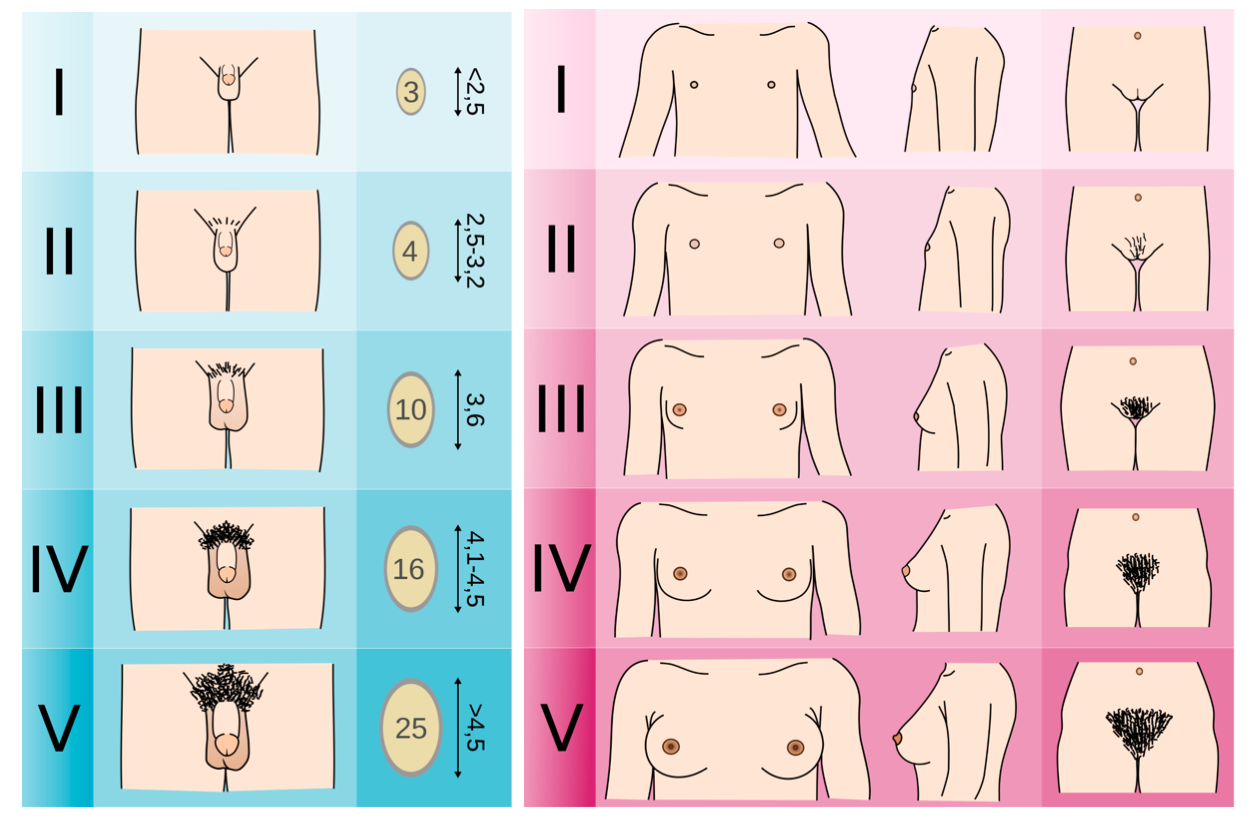
echelle tanner

Similar Posts