
Every parent faces a deluge of questions the moment a newborn enters their life. How much should you stimulate a baby so tiny? Is playing with newborns truly that important for their growth, or is comfort and routine all that matters in the earliest days? Amidst sleeplessness and hospital advice, it’s easy to question whether even the smallest interactive gestures serve any purpose at all. Yet, the reality is more fascinating: your newborn’s brain, like a bustling construction site, constantly builds connections that will shape not only movement and speech, but also emotions and lifelong learning. If you’re searching for clarity on simple activities, developmental benefits, signals of readiness and overload, or just want reassurance that you’re “doing enough,” you’ll find practical answers here. Let’s unravel, section by section, how playing with newborns works in daily routines, how it fits into medical and developmental perspectives, and why every coo, cuddle, and moment of quiet presence holds meaning.
Why Playing with Newborns Fuels Brain and Emotional Development
The astonishing speed at which neural circuits form in those first weeks—it’s difficult to imagine. From the moment your baby locks eyes with you, neurotransmitters surge, forging connections in regions that support vision, language, and memory. Neuroscientists highlight the concept of “experience-dependent plasticity”: when you sing softly, mimic baby’s gurgles, or simply offer gentle touch, synapses are repeatedly activated, making brain pathways robust. It is not merely about entertainment; playing with newborns is foundational for early sensory processing, emotional regulation, and later cognitive skill-building.
Let’s add nuance: sensory experiences in this period aren’t passive. Sights, soft voices, and varied textures provide the brain with critical input, prompting growth in regions associated with attention and learning. Pediatricians refer to “serve and return”—that back-and-forth exchange when you mirror a baby’s vocalisation or follow their gaze—as a core mechanism for healthy communication circuits. Beyond the science, there’s the emotional landscape: oxytocin, sometimes called the “bonding hormone,” surges during skin-to-skin contact and cuddling, weaving a feeling of safety and emotional attachment that research has shown to shape future self-confidence and adaptability.
Do these micro-interactions really lay down the framework for your child’s future? Absolutely—studies confirm that enriched early sensory, language, and touch experiences support not only cerebral cortex growth but also emotional resilience. A smile exchanged or fingers softly wrapped around yours—each moment builds not just muscles or vocabulary, but the bedrock of trust and joy.


What Does Playing with Newborns Actually Involve?
Forget structured games or colourful gadgets—your newborn’s favourite “toy” is you. Scientific consensus aligns: playing with newborns is about present, caring interaction. Eye-to-eye gazes, speaking in lilting, sing-song tones, the gentle rhythm of rocking or lightly running your hand along a tiny arm—the simplest acts provide a treasure trove of sensory and emotional input.
The power of responsive touch—brief moments of skin-to-skin contact, light massage with hypoallergenic oil, slow swaying or cradling—help not only soothe but signal safety. When you answer that soft coo or mimic your newborn’s exploratory hand motions, you’re supporting the development of “secure attachment,” a medical term for the emotional bond that will anchor future mental health and relationship-building.
Newborns fatigue rapidly, so micro-play is most effective: mere minutes of focused attention, separated by stretches of rest and feeding. There is no need to pressure yourself to “schedule playtime”—instead, let daily care moments (after a nappy change, before a feed) become spontaneous opportunities for meaningful connection.
Decoding How Much Play is Enough
Is there a magic duration? Scientists steer away from rigid numbers, but guidance centres around the newborn’s arousal states. During the quiet alert phase—wide awake, eyes bright but not overstimulated—is the ideal time for most playing with newborns. For most, this alertness may surface for 5 to 10 minutes, a few times between longer naps.
Watch for signals: yawning, turning away, fussing, or arching indicate when to pause. Sensory overload is real—even a soft lullaby can become overwhelming after a few minutes. Experts recommend integrating stimulating moments gradually into routines—sing while bathing, make gentle sounds while dressing, introduce tummy time for short spells right after sleep. Let your baby’s cues guide the rhythm.
Safety: The Non-Negotiable Pillar of Play
The sensory world is enchanting but dotted with hazards for the newborn brain and reflexes. Always begin with a supervised, soft play surface—think a clean, hypoallergenic play mat. Vigilance is key: avoid loose objects, tiny items, long cords or strings that could catch or choke. Opt for age-appropriate toys labelled as safe for newborns, and choose those made from non-toxic, easy-to-clean materials.
Ambient safety counts too. Keep lighting soft, rooms comfortably warm, strong scents at bay, and noise levels gentle. Supervise all interactions on couches, beds, or any raised surface, and maintain a buffer zone with pets, who might be curious but unpredictable. Pediatricians stress: gentle touch is best, but every new object or family member should be introduced gradually and with care.
The Most Enjoyable Activities for Playing with Newborns
Routine care can morph into playful rituals rich in developmental value. Consider these scientifically-backed, joyful options:
- Face-to-Face Play: Hold your baby close, eye contact steady. Babies are wired to study human faces. By mirroring their tiny frown or smile, you support saccadic eye movement (the rapid movements that train visual focus) and emotional recognition.
- Talking, Singing, and Music: The richness of language exposure in early days is staggering—repetitive, sing-song speech (sometimes called “parentese”) primes auditory pathways. Even music heard during pregnancy can soothe a newborn, thanks to their amazing capacity for memory.
- Reading Aloud: High-contrast (black-and-white or red-and-white) images stimulate retinal development. The rhythm of your voice, regardless of words, is calming and instructive.
- Tummy Time: Supervised minutes spent on the tummy help prevent flat spots on the head and foster postural muscle strength, crucial for milestones like rolling and crawling.
- Hand-to-Mouth Exploration: Encouraging a baby’s fingers to reach their mouth supports both self-soothing and the development of hand-eye coordination—a subtle but scientific stepping stone to grasping behavior.
- Body Discovery: Gently guiding hands to feet or exploring soft textures tunes proprioception (the sense of body position). Baby massage with simple oil can reduce cortisol (stress hormone) levels and support sleep.
- Bath Time: Reframe bathing as sensory play—water’s temperature, soft splashes, and “swaddled bathing” (wrapping baby in a cloth during immersion) provide reassuring boundaries and comfort.
- Sensory Play: Soft cloths, gentle rattles, safe mirrors—each sparks curiosity without overwhelming. Even limited outdoor strolls (shielded from direct sun and pollution) can introduce babies to natural sounds and movement.
- Movement and Music: Rocking, swaying, or dancing with your newborn in arms not only soothes but introduces rhythm—a foundation for later movement and balance.
Every interaction, no matter how small, is a building block—there’s no hierarchy of importance. The presence you bring is the greatest tool.
Practical Tips for Navigating Newborn Play
- Read Signals Meticulously: Sounds, gazes, and body movements inform you of your baby’s readiness. Responding immediately to these cues not only facilitates smoother play sessions but builds trust and mutual regulation.
- Mirror Warmly: Matching a baby’s vocalisations or facial gestures in a calm tone supports emotional development and communication skills.
- Embrace Flexibility: Rigid scheduling is neither needed nor productive. Instead, spontaneous, short moments—two minutes of singing during a feed, a shared smile over a soft towel—yield exponential benefit.
- Infuse Play into Rituals: Diaper changes, gentle rubdowns after a bath, or simple finger games during dressing routines—all can become rich opportunities for playing with newborns.
- Allow Early Independent Play: Place high-contrast cards or simple safe toys within sight (but not reach) when the baby is calm and on their back, always under watchful supervision.
Strengthening Family Bonds Through Play
Many parents are anxious about sibling interactions or extended family involvement, especially with a newborn’s fragile immune system or unsettled schedules. The solution? Guidance and boundaries. Teach siblings to touch gently, assist with singing or storytelling, and involve them in supervised, nurturing rituals—holding baby’s hand, participating in peaceful walks, joining group cuddle sessions post-bath.
These shared experiences don’t just fill memory books—they build a sense of belonging. Regular, simple rituals—joint reading or soft music before bed—become the threads that hold family units together, fostering empathy and patience.
Spotting Enjoyment and Avoiding Overload
How can you tell if playing with newborns is hitting the mark? Calm, focused gazes, soft coos, relaxed body postures, and those earliest smiles signal engagement and comfort. When a baby tracks your face, extends a hand, or begins to mirror simple expressions, it’s a sign that play is supporting healthy growth and curiosity.
On the flip side, overstimulation often announces itself clearly: repeated yawning, turning away from light or sound, grimacing, or persistent fussiness are unmistakable clues. If these appear, tone down the environment. Reduce light, soften voices, and try swaddling or holding for comfort—short breaks help your baby recalibrate.
Puncturing Myths: What Play for Newborns Is—And Is Not
So many myths swirl around playing with newborns that many families hesitate or become anxious about “doing it right.” If you’ve heard “babies are too young to benefit from play” or “without colourful toys, development stalls,” rest easy—evidence simply doesn’t agree. Human faces, voices, and gentle, responsive touch are by far the most stimulating elements for developing neural pathways at this stage.
Similarly, the notion that lengthy, structured sessions are needed? False. Scientific observations confirm that frequent, short interactions—whether eye contact, a lullaby, or a moment tracing tiny fingers—are vastly more meaningful than hour-long play marathons.
The Long-Term Advantages of Early Play
The dividends of early play unfold across years, not just months. During routine playing with newborns, neural pathways multiply and become more efficient, allowing for smoother acquisition of language, physical milestones like sitting or walking, and even emotional regulation. Pediatric timelines for rolling, crawling, and social smiling often trace back to the health and richness of these primary bonds.
Perhaps less well-known: repeated, caring interactions help not just with cognitive skills, but with future resilience, empathy, and social confidence. Consistent, affectionate play reduces the risk of attachment disorders and supports mental health right through childhood (and beyond). Every small discovery—a baby’s gaze in a mirror, the delight of a soft melody, or the pride at grasping a parent’s finger—builds foundation stones for future learning and strong emotional bonding.
When It’s Time to Seek Guidance
While most variations in play response are normal, there are times when seeking a paediatrician’s advice is wise. If a newborn shows limited eye contact beyond 6–8 weeks, doesn’t react to sound at all, remains extremely stiff or limp for extended periods, or developmental milestones like smiling seem absent, consider consulting your healthcare provider. Early intervention, whether through therapists, support groups, or regular health checks, is not a sign of failure—it is a chance to fine-tune and support your individual child.
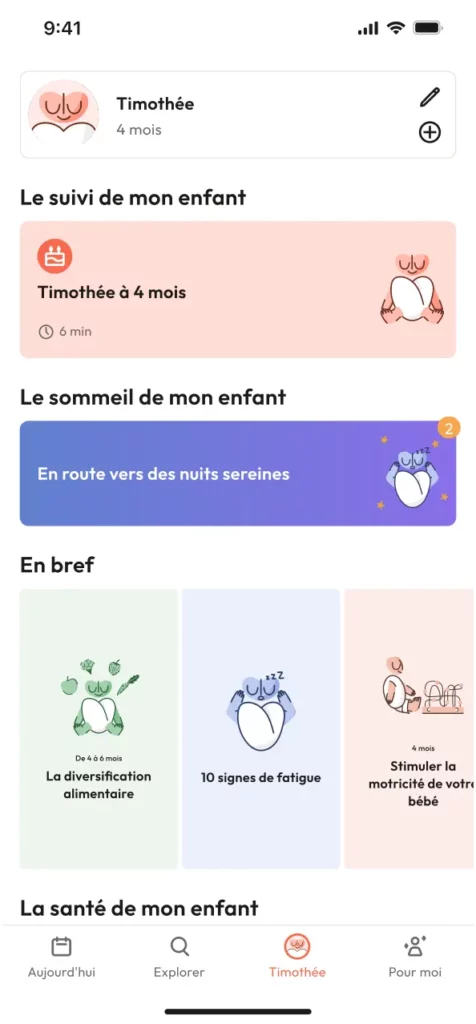
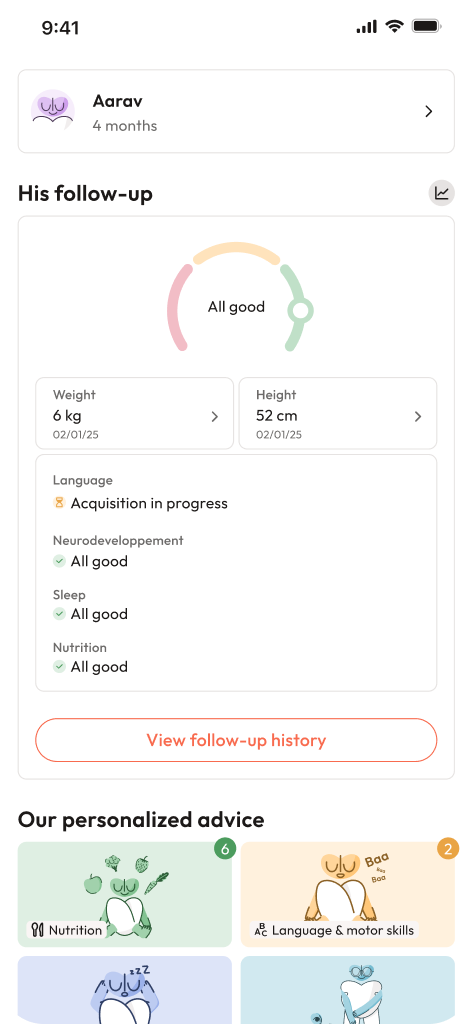
Looking for tailored support? The application Heloa offers personalised advice, interactive health questionnaires, and a gateway to reliable, evidence-based guidance—directly from your smartphone.
Key Takeaways
- Playing with newborns builds brain circuits, healthy attachment, and strong emotional foundations from the very start.
- Short, caring bursts of play scattered across ordinary routines have outsized impact on development and confidence.
- Safety, vigilance, and gentle supervision provide the ideal setting for all early baby activities.
- Family involvement, when combined with clear guidance and calm interaction, strengthens ties and enriches the entire home.
- Early play is not about games or gadgets—it’s the ordinary exchanges, repeated lovingly, that build extraordinary futures.
- Take advantage of expert resources and tools such as application Heloa for individualised advice and free health check-ups for your child.
Questions Parents Ask
How do I understand if my newborn is ready for play or just wants comfort?
Each baby develops a unique style of communication. Usually, when a newborn is calm, with bright eyes and gentle movements, they are available for interaction. Turning away, fussiness, or arching the back indicates they may need rest or soothing touch rather than play. Being present and observant is your best asset—if your baby seems to crave closeness, that’s always appropriate.
When feeling overwhelmed, what are some simple ways to bond with my newborn?
Parenting is demanding, and it’s natural to feel unsure now and then. Bonding doesn’t require elaborate plans. Quiet moments, soft speech, a gentle touch on the cheek, or humming a familiar melody can anchor your connection. Try skin-to-skin contact—just holding your baby to your bare chest can regulate their heartbeat, breathing, and even digestion.
Is it safe to introduce toys in early weeks, or should I wait?
Simple, safe objects such as soft rattles or high-contrast cards can be introduced from birth, provided they are non-toxic, intact, and easily cleaned. However, in the earliest days, your expressions, voice, and gentle hands are still the most effective “stimuli.” Always supervise any contact with toys, and if you sense that your newborn feels overwhelmed, return to basics—close comfort and your presence.
Are there medical advantages to playing with newborns that go beyond development?
Yes. Consistent play supports the regulation of stress hormones (like cortisol), enhances immune responses, and can even help with digestion and sleep cycles. The cascade of neurochemicals released during positive interaction boosts not just mood but overall health resilience.
What if my newborn doesn’t seem to respond much during play?
Variation in responsiveness is common. Premature babies or those recovering from birth complications may exhibit less engagement. It is rarely a sign of worry in the first weeks. If you notice persistent absence of cooing, eye tracking, or smiling after 8 weeks, consult your paediatrician for a developmental screening.
How can siblings safely take part in playing with newborns?
Older brothers or sisters can join by singing soft songs, gently holding the baby’s hand under supervision, or helping with simple rituals like showing toys from a safe distance. Guide siblings to approach with slow movements and teach the value of gentle touch. Group activities like reading or outdoor strolls can benefit everyone—making sibling involvement not just safe but truly valuable.
Are there risks to overstimulation during play?
Absolutely. Newborns are vulnerable to becoming overloaded—too-bright lights, prolonged sounds, too many faces at once can cause distress or fatigue. Watch for fussiness, squirming, eye-rubbing, or a sudden desire to sleep. Intervene by reducing activity, dimming lights, and providing reassurance through holding.
How can technology like apps or digital monitors aid in newborn play and development?
Quality apps, such as the application Heloa, provide evidence-based guidance, personalised health tracking, and developmental checklists—helpful for building confidence and noticing patterns. However, in-person interactions will always form the heart of playing with newborns; technology should support, not replace, this essential process.