By Heloa | 14 May 2025

Baby hair: science, care, and the art of growing up

7 minutes
de lecture
cheveux-bebe-avec-couette

By Heloa | 14 May 2025

Baby hair: science, care, and the art of growing up

7 minutes
cheveux-bebe-avec-couette

Par Heloa, le 14 May 2025

Baby hair: science, care, and the art of growing up

7 minutes
de lecture
cheveux-bebe-avec-couette

Smooth as silk, gossamer in feel—baby hair is that gentle, feathery layer parents notice almost immediately, prompting affection, curiosity, and sometimes a flurry of questions. One moment there is abundant softness, the next a patch of delicate baldness might raise a worried eyebrow. Why does it change? Will those fine strands thicken or vanish? What rituals, shampoos, or grandma’s secrets genuinely help? For many, the journey from those first baby hairs to fuller locks can feel uncertain and, at times, bewildering. Let’s explore what actually shapes the evolution of baby hair, how to support healthy growth (without stress), the science woven into those strands, and the practical care essentials every parent deserves to know.

All about baby hair: What Are Those Soft Strands Really Doing?

At the heart of it, baby hair is predominantly made up of soft, fine vellus hair—tiny, almost translucent, and so light it tickles the fingertips. Unpacking the timeline, hair follicles begin their development in the womb, typically between the 9th and 15th weeks of pregnancy. Around week 20, the fetus becomes adorned with lanugo, a silky, non-pigmented covering acting like a natural insulation blanket. Lanugo doesn’t stick around for long; it’s shed before or soon after birth, replaced by the shorter, fine vellus strands that become instantly recognisable along a newborn scalp, temples, and nape.

You may wonder, what’s the actual function? Not just for show—these hair fibres help regulate skin moisture, offer a gentle barrier, and even support sensory development. The number of hair follicles laid down before birth remains fixed, a subtle reminder that what appears soft and fleeting has deep biological roots, playing a subtle but steady protective role right from the start.

The Science Behind baby hair: From Genetics to Hair Cycles

Vellus hairs, or baby hair, feature a unique structure—ultra-fine, generally unpigmented, sometimes barely visible. At birth, variation is immense: some infants boast a dense mop, others display a bare crown. Genetics, that invisible conductor, orchestrates the pattern: how many follicles, what density, and even shades of pigment. Maternal hormones play another major act. After birth, the drop in these hormones induces what medical experts call telogen effluvium—a temporary phase where baby hair is shed, sometimes in handfuls or clumps, leading to visible patches. For a parent, this can seem alarming, but it’s simply the body’s way of resetting the hair cycle.

Texture and density transform, often unpredictably. The hair growth cycle itself—shifting between stages of active growth (anagen), rest (telogen), and shedding (catagen)—runs more erratically in infants than in adults. Over time, vellus hair may give way to terminal hair—thicker, darker, and more robust—especially as hormonal shifts accompany the move into toddlerhood and childhood.

baby hair Growth: Timeline, Shedding, and What to Expect

So, when does baby hair fall, and when does it regrow? For many little ones, hair shedding begins at around 2–3 months, often in tandem with hormones leaving the system and a natural cycle “reset.” Occasionally, you’ll notice patches or thinning—especially where the head rubs against bedding. Regrowth emerges typically between 6 months and one year, sometimes with a trade: the new hair can show shifts in texture, density, or colour. Is it worrisome if bald patches linger or new growth appears uneven? Not at all. Genetic factors, nutrition, and even friction (from cradle or car seat) can influence the speed and pattern.

By three years of age, most children show fuller and more stable hair coverage. However, changes—whether in curl pattern or volume—may continue, shaped by both genes and environment. Some baby hairs at the hairline refuse to “grow up”, remaining delicately defined well into later childhood or even adulthood—a source of beauty for many.

Why Does baby hair Change? Unpacking Loss, Growth, and Everything In-Between

That dread of seeing more hair on the pillow, or the anxiety over patchy spots, often comes down to simple science. Hormonal transitions post-birth, everyday friction (think cot sleep, car seat, hats), and the basic cycles of hair mean that loss is nearly always temporary. For most families, regrowth is swift and hearty, the cycle repeating as the scalp matures.

Yet, certain signs need attention: prolonged redness, flakiness, persistent baldness, or symptoms like itching could indicate conditions such as seborrheic dermatitis or rare deficiencies. A chat with a paediatrician can shed light, especially if symptoms are slow to improve. While myths abound—“baby hair means poor health!”—most persistent hairlines reflect nothing more than a family trait, passed through generations.

Gentle Care Rituals: Building Healthy Habits for baby hair

Rather than elaborate routines, simplicity reigns supreme. Bath time need not mean daily shampoos—two or three gentle washes each week suffice for most, using lukewarm water and a fragrance-free, pH-balanced shampoo designed for sensitive scalps. Go for just a dab, lathered softly with parental fingertips, followed by thorough rinsing to leave no residue behind.

A soft-bristle brush or wide-toothed comb becomes an essential tool, detangling without tugging, soothing the scalp, and allowing natural oils to distribute. Begin combing from tips upward, breaking tangles gently with patience—not force. Air drying wins over heat styling (skip the dryer, always). For those with cradle cap, a little coconut or mineral oil, massaged in and brushed out carefully before washing, often works wonders.

Adapting baby hair Care for Different Textures

Texture guides technique:

  • Straight and wavy hair: Two to three washes a week. Use a soft brush or wide-toothed comb post-bath while hair is damp. Moisturising can be minimal; focus on gentle detangling.
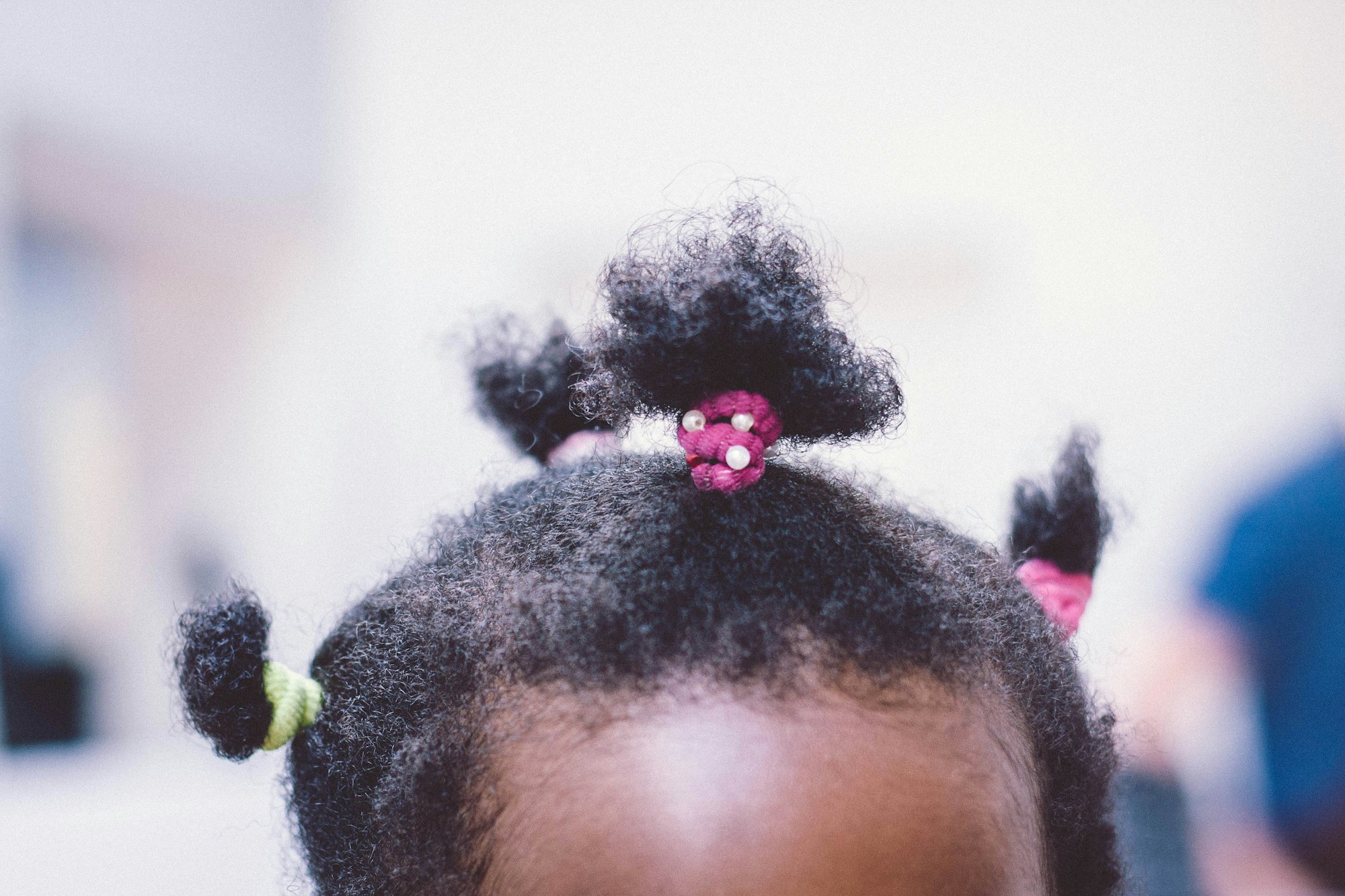
  • Curly and coily hair: Emphasise moisture. One to two washes a week, using rich natural oils like coconut or sunflower. Conditioners assist in detangling, best done with fingers or comb. Skip close hairstyles or aggressive brushing—these can increase breakage risk.

No matter the type, avoid harsh chemicals or strong fragrances. For sensitivity, hypoallergenic and fragrance-free solutions remain safest.

Brushing, Detangling, and Protecting That Sensitive baby hair

Gentle brushing offers more than aesthetics. It’s this act that stimulates the scalp, encouraging shine and uniform oil distribution. Always start from the ends, move gently upward, and favour brushes with soft bristles or flexible teeth. Excessive manipulation can inflame the scalp, particularly for those already prone to irritation. Hats and bonnets? Necessary only in sun or cold, serving as both style and shield.

Timing That First baby hair Cut: Ritual or Milestone?

No medical timeline dictates a perfect moment for the inaugural snip. Many families choose between 6 and 12 months, especially if locks grow into the eyes. Calm, distraction (think soft toys), and safety—use rounded-tip scissors—set the tone for a stress-free trim. If nerves prevail, a trained children’s stylist can handle the task, often with fun distractions and expert ease.

Choosing Products: Safe, Soothing, and Fit for Purpose

Only the mildest will do: tear-free, hypoallergenic shampoos and conditioners. Ditch sulfates, parabens, and perfumes—these can irritate fragile skin. A spot of coconut or sunflower oil (on scalp, not face) soothes and hydrates. Oatmeal-based creams assist when dryness appears. For toddlers, the occasional child-specific leave-in conditioner or gentle styling gel is fine, though always one new product at a time and always monitor for reactions.

Common baby hair Problems: From Cradle Cap to Shedding

Shedding, patching, dryness—they’re part of the journey. Regularly adjust sleep positions if friction patches emerge. For allergies or irritation, pare down to only hypoallergenic products. If redness or scaling lingers, seek paediatric advice rather than persevering with home remedies. Cradle cap—those yellow, crusty patches—is neither contagious nor dangerous. Oil, soft brushing, and the mildest shampoo are usually enough.

Baby Hair and Nutrition: What’s Going on Inside Reflects Outside

In those first months, milk—breast or formula—delivers all vital nutrients. After six months, expanding the menu matters: proteins, iron, omega-3, vitamins A, B, C, E, and healthy fats all underpin both hair and overall growth. Think puréed meats, iron-rich cereals, eggs, creamy yogurt, vegetables, and avocado. Hydration cannot be neglected—water plays an essential background role in the quality of baby hair.

Myths, Realities, and Cultural Practices Around baby hair

A swirl of beliefs persists: that shaving increases thickness (not true—growth rates depend on the follicle, not a razor’s edge), or that daily brushing leads magically to fuller hair (it doesn’t, but it can cause breakage if rough). In many families, baby hair has its own rituals and pride: from first-lock ceremonies to intricate stylings and celebrating those delicate “edges.” Cultural practices bring richness—but scalp health and comfort should always come first.

Key Takeaways

  • Baby hair is normal, dynamic, and expected to change thanks to genetics, hormones, nutrition, and age.
  • Calm, consistent care—soft washing, gentle brushing, fragrance-free products—makes a big difference in allowing delicate strands and scalp to thrive.
  • Nutritious feeding after six months actively boosts healthy hair development; iron, proteins, and healthy fats matter as much as vitamins.
  • Sensitive scalp? Keep routines minimal and watch for any reaction, pivoting quickly to hypoallergenic solutions.
  • Embracing your child’s natural hairline, texture, and baby hair patterns builds confidence. No single appearance is “ideal.”
  • Medical concerns (intense flaking, redness, slow regrowth) deserve a word with a paediatrician—better to be reassured.
  • For ongoing guidance, practical tools, and personalised health questionnaires tailored to children, download the application Heloa: an easy companion to safe, stress-free baby hair care and parent support.

Questions Parents Ask

What exactly is “baby hair” and why does it appear along my child’s hairline?

“Baby hairs” refer to those ultra-soft, wispy strands around the edges of a child’s hairline. They are much finer than the longer scalp hair and appear as a normal step in hair development. These fine hairs usually become more noticeable after a haircut or specific hairstyles, gently framing the face and sometimes giving a cute, soft-edged look.

Will all my child’s baby hair fall out and be replaced by new hair?

Yes, it is normal for baby hair—the fine, fluffy hair present since birth—to be gradually shed and replaced by stronger, thicker hair. The timing and extent can vary quite a bit from child to child, depending on individual genetics and hormone patterns. As new hair grows, you might notice changes in colour, thickness, or curl. This is a natural process and not a cause for concern.

Can I safely style my baby’s hair or smooth down their baby hairs?

Of course. Gentle styling is entirely possible and even enjoyable. Use a soft baby brush, fingertips, or specially designed mild baby hair care products. Avoid tight bands, harsh gels, or too much brushing—these can cause breakage or scalp irritation. If you want to smooth baby hairs, a dab of safe oil or simple water often does the trick. Always let the natural pattern lead the way and, when in doubt, less is more.

My baby has bald patches or uneven growth. Should I worry?

Bald spots and uneven hair growth in infants usually stem from sleeping position, normal shedding, or gentle friction. It’s rarely a sign of health trouble. As long as the scalp is not red, scaly, or showing soreness, it’s simply part of the cycle. Consult your paediatrician if you notice persistent redness, swelling, or very slow regrowth.

Are there best practices for preventing hair and scalp issues in babies?

Yes—keep to regular but gentle routines. Rotate sleeping positions, use only soft brushes and mild shampoos, avoid tight accessories, and check ingredient labels for hypoallergenic, fragrance-free formulas. For cradle cap, a tiny bit of oil followed by soft brushing and a mild wash usually helps. If irritation continues, check with your health provider.

Similar Posts

Parents often pause at the subtle fuzz that crowns their baby’s head — or, sometimes, the dazzling lack thereof. Is this gentle halo a sign of perfect health, or reason for worry? Why does some baby hair seem to vanish overnight, replaced by downy stubble or bold curls? From the very first soft strands to the sometimes puzzling patches of baldness, baby hair is a constant source of curiosity and, occasionally, concern. Whether fretting over scattered tufts, wild bedhead, or silky smooth baldness, many parents ask: Is my child’s hair growing “normally”? What should I do (or avoid) to nurture a healthy scalp? Scientific answers exist, but they come wrapped in layers of genetics, hormone shifts, nutrition—and, yes, even cultural traditions. Let’s break down what’s happening under those tiny follicles, decode the bewildering cycles of baby hair, and discover how small daily gestures can make a big difference for your baby. Expect detailed science, empathetic advice, and a little celebration of the spectacular diversity of infant hair.

The Science Behind Baby Hair: Biology, Genetics, and Hormones

Baby hair—more precisely, vellus hair—is a unique physiologic marker. At birth, this fine, soft downy hair is radically different from the thicker, darker terminal hair that eventually defines adult styles. Did you know that hair follicles actually form months before birth? Between weeks 9 and 15 of gestation, follicle “blueprints” are set. Around week 20, a temporary coat called lanugo makes its debut, serving as insulation and protecting skin. Lanugo is typically shed before or just after delivery, replaced by the wispy, delicate baby hair familiar to so many parents.

Each person’s unique hair journey begins with these genetic instructions. The number of hair follicles is set for life before you meet your newborn for the first time. So why does some baby hair seem to retreat or even vanish, only to return in a different form? After birth, falling maternal hormones trigger a process called telogen effluvium—think of it as a planned “shedding reset.” This leads to visible newborn hair loss between 2 and 3 months, soon followed by a burst of new hair growth. It’s perfectly common, but can be disconcerting to watch a once-hairy baby temporarily go bald, or see distinct “peach fuzz” patches. There is wide normal variation: some infants sport a thick mat by six months, while others still flash shiny scalps. Much of this variation is written in their genetic code and influenced by hormone levels, not external care.

Understanding Types, Changes, and Hair Growth Cycles

Wondering why your child’s hair growth seems unpredictable? Here’s the behind-the-scenes story. Baby hair consists almost exclusively of vellus strands, lacking the pigment and structure of later terminal hairs. Their hair growth cycle—the alternation between active growth, rest, and natural shedding phases—moves more quickly and irregularly for infants than for adults. That means sudden changes in coverage, density, and texture are the rule, not the exception.

Thick at birth, thin at six months? Absolutely normal.
New curls where there were once only pin-straight tufts? Genetics in action.
Bald spots on the back of the head? Friction from sleep, not disease.

Vellus hair gradually gives way to terminal hair over the first years of life. Around age three, most children exhibit a stable hair pattern and thicker strands, although shifts can continue all the way through adolescence. Friction, nutritional status, and individual hormone swings play a role—not just what’s in your shampoo bottle.

Baby Hair Concerns: Common Problems and Scientific Explanations

Is baby hair loss a warning sign? For the vast majority, no. Shedding, patchy regrowth, and temporary thinness occur with natural cycles after birth. Uniform loss typically reflects postnatal hormonal changes. Bald patches correlated with sleep position are commonplace and nearly always resolve as babies grow more active and mobile. However, certain symptoms need closer attention. Parents should seek advice if they notice:

  • Intense redness or persistent flaking
  • Stubborn crusts or oozing (beyond mild cradle cap)
  • Delayed regrowth by well into the toddler years

Medical considerations include seborrheic dermatitis (cradle cap), allergic reactions, nutritional deficiencies, and rare congenital disorders. Most of these have treatments—or at least clear approaches—so don’t hesitate to ask for medical insight.

Expert Hair Care: Practical Routines and Medical Tips

How do you take care of fragile baby hair? The best advice is equal parts simplicity and science. Use lukewarm water with a gentle, fragrance-free, pH-balanced shampoo designed for infants—two to three times a week suffices. Rinse thoroughly to prevent product residue, which can cause irritation.

Brush with a soft-bristle brush or wide-tooth comb. Start detangling at the hair tips and work upward; never tug or yank. Limit brushing to what’s needed, and always use gentle hands—these fibers are delicate.

For the familiar yellowish crusts of cradle cap, pediatricians recommend a multi-step approach:

  • Apply a light, inert oil such as coconut or mineral oil to soften scales.
  • Gently brush away loosened flakes.
  • Cleanse the scalp with mild shampoo, repeating as necessary.

Avoid harsh chemicals, strong fragrances, and tight accessories—they can provoke allergies or mechanical breakage. If your child’s hair is especially dry or sensitive, select only hypoallergenic products, and introduce one new product at a time to spot potential reactions.

Personalized Approaches: Caring for Different Hair Textures

No one-size-fits-all rule exists. Straight, wavy, curly, and coily hair each demand special approaches:

  • Straight and wavy hair responds well to two or three washes weekly, occasional brushing, and minimal product.
  • Curly and coily hair needs enhanced hydration. Wash less frequently (once or twice per week), always detangle with conditioner and fingers or a wide comb, and lock in moisture with natural oils (such as coconut or sunflower oil).

Remember to avoid over-manipulating any hair type—frequent ponytails, braids, or friction from rough hats can spell trouble, especially in babies.

First Haircut: Timing, Technique, and Safety

When, exactly, is the “right” time to give a first haircut? Age is less important than need—typically, hair obstructing vision, causing discomfort, or forming stubborn tangles signals the moment. Most parents choose between 6 and 12 months. If tackling the task at home, use only rounded-tip scissors, trim small sections, and wait until your baby is calm. Otherwise, a children’s stylist familiar with wiggly clientele is the safest bet.

Nutrition and Healthy Hair Growth

Perhaps surprisingly, what lands on your baby’s plate plays a foundational role in future hair health. Milk (breast or formula) thoroughly covers nutritional requirements up to the introduction of solids (around six months). Afterwards, a diet rich in protein, iron, omega-3 fatty acids, vitamins A, B, C, E, and healthy fats fortifies both scalp and strands.

Practical examples:

  • Offer iron-fortified cereals, puréed meats, and eggs.
  • Incorporate a variety of fruits and green vegetables.
  • Use yogurt and avocados to deliver crucial healthy fats.

Adequate hydration rounds out the recipe for vibrant baby hair. Nutritional imbalances, by contrast, occasionally manifest as weak, thinning hair—another reason pediatricians probe diet during checkups.

Baby Hair, Traditions, and Identity

Across cultures, baby hair is loaded with symbolism—pride, belonging, identity. Intricate braids, creative edges, and decorative gels (“baby hair styling”) feature prominently in African, Latinx, and South Asian communities. Fashion trends, too, have embraced the hairline “peach fuzz” that once seemed secondary, championing it as a marker of beauty and resilience. Medical experts agree: as long as scalp health remains protected and no harsh products are used, cultural styling is entirely legitimate and—often—deeply affirming for families.

Debunking Baby Hair Myths

Misconceptions abound. Let’s clarify:

  • Shaving or cutting baby hair more often will not change thickness or accelerate growth. That’s up to genetics and health.
  • Brushing, even daily, doesn’t “train” hair to grow faster. It can, however, damage fragile fibers if too vigorous.
  • Temporary hair loss or shifting color is typical, not a warning sign.

What does encourage long-term vitality? Science points to gentle routines, nourishing diets, and an environment free from excess stress or irritation.

Key Takeaways

  • Baby hair goes through remarkable changes—fluctuating in thickness, texture, and coverage, all orchestrated by genetics, hormones, and nutrition.
  • Focusing on gentle, age-appropriate washing and brushing is a strong foundation for scalp health.
  • Opting for mild, hypoallergenic products protects against irritation; avoid harsh chemicals, fragrances, and tight accessories.
  • From six months onward, build a diet that delivers iron, protein, healthy fats, and key vitamins to support both hair and overall wellbeing.
  • Respect your child’s natural growth rhythms—there is no universal timeline or appearance for healthy baby hair.
  • Cherish and celebrate diverse hairlines and textures; styling shouldn’t come at the cost of scalp comfort.
  • Unusual symptoms or persistent issues? Always consult a healthcare professional for tailored answers.
  • For ongoing support, expert advice, and pediatric checklists, download the Heloa app for personalized tips and free health questionnaires for your child.

Nothing compares to the tactile memory of running your fingers over a baby’s soft head—the living proof of how science, nurture, and daily love intertwine.

Questions Parents Ask

What are “baby hairs” and why do they appear along the hairline?

Baby hairs are those short, wispy strands you may notice along your child’s hairline or edges. They are softer and finer than the rest of the hair, and appear naturally in both infants and sometimes even in adults. These delicate hairs help frame the face and can become more visible following haircuts or specific hairstyles.

Will my child’s baby hair fall out and be replaced by different hair?

Yes, it’s perfectly normal for the fine, soft hair your child is born with to fall out gradually and be replaced by more mature hair over time. As your child grows, baby hair often gives way to thicker, stronger hair. This process unfolds naturally, and the color or texture may change as well. Every child has their own timetable, but rest assured, these changes are all part of normal hair development.

Can baby hair be styled or managed safely?

Absolutely. There are gentle ways to manage or style these delicate hairs, whether to keep them tidy or simply celebrate their presence. Using soft brushes or your fingertips, as well as mild hair care products designed for babies, allows you to style without risking breakage or irritation. If your little one has very noticeable baby hairs and you wish to smooth them down, opt for non-aggressive approaches and always respect the natural texture—they are a beautiful and normal part of childhood.

Similar Posts