By Heloa | 16 May 2025

Fever in children: symptoms, causes, and treatment—for every curious, caring parent

7 minutes
de lecture

By Heloa | 16 May 2025

Fever in children: symptoms, causes, and treatment—for every curious, caring parent

7 minutes

Par Heloa, le 16 May 2025

Fever in children: symptoms, causes, and treatment—for every curious, caring parent

7 minutes
de lecture

Sometimes, a child’s warm forehead jolts a wave of concern through a parent’s mind. Is this just another “normal” fever in children, or could it be something alarming? The experience is almost universal: that wave of uncertainty, the silent calculation of temperature degrees, the urge to ease their distress immediately. “Fever in children” regularly prompts worried parents to ask: Is this dangerous? Should I medicate? When must I call the doctor? Your questions are valid, and the journey through such moments can be a maze. But understanding why fever occurs, its typical symptoms, the body’s intricate ways of responding, and practical home management can transform anxiety into empowered action. Here, you’ll find in-depth, science-based guidance—grounded, detailed, and relatable—on recognising, measuring, managing, and interpreting fever in children, along with practical tips, medical explanations, and thought-provoking perspectives.

Understanding fever in children: what parents need to know

What exactly happens when “fever in children” appears on your radar? The body, driven by the brain’s hypothalamus, hits the temperature “reset” button, nudging body heat above 100.4°F (38°C)—considered the clinical threshold for fever in children—in response to signals called cytokines. These chemical couriers surge in the presence of infection, making the body a much less comfortable place for viruses and bacteria. Contrary to popular belief, such fever isn’t the enemy. It is, in most cases, a shield: part of a carefully orchestrated immune response. Viral agents—a child fever cause—like influenza, seasonal flu, or COVID-19, and sometimes, bacterial offenders such as strep, can set the process in motion. You might also see a spike after a vaccination, or if a child is overdressed or exposed to hot climates, leading their body to struggle with heat regulation.

What’s truly striking is that “fever in children” doesn’t obey a strict schedule. Mornings can bring cooler readings, while evenings creep higher. And yet, it’s rarely just about the thermometer. Parents, have you noticed that how your child behaves—their energy, their level of alertness—often tells more than any number?

Recognising symptoms and measuring fever in children

Consider this: shivering, flushed cheeks, clinginess or sudden tiredness—these are the body’s visible messengers. Your child might shun food, or grow unusually irritable or droopy. If they also cough, have a headache, muscle ache or even a rash, pay close attention. These are not merely random complaints; they are the language of the immune system, asking you to observe with care.

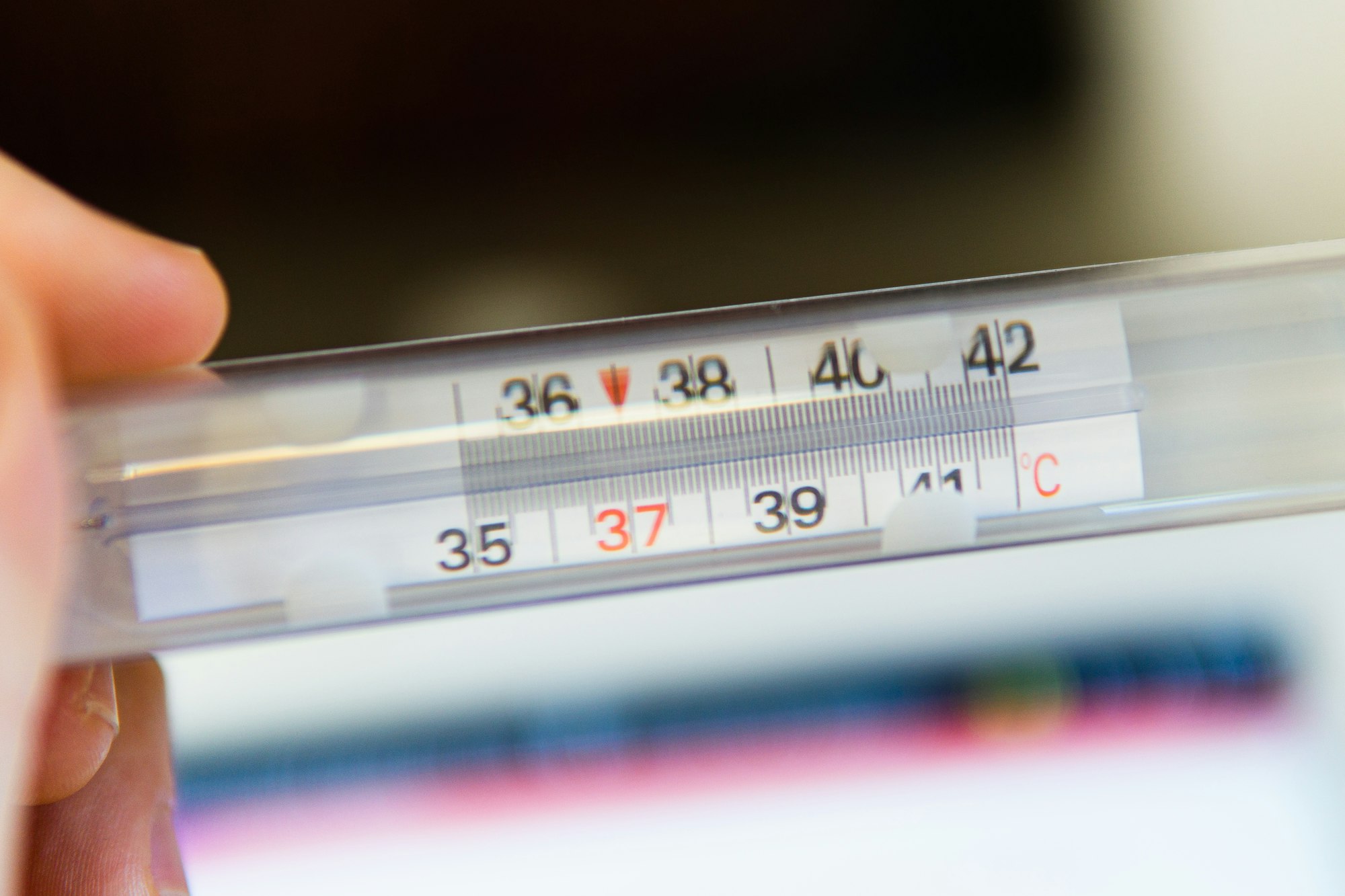
When that familiar touch-the-forehead instinct kicks in, what next? Reaching for a digital thermometer is your best bet. For infants under one year, the gold standard is the rectal route, or, less invasively, a temporal artery thermometer for a quick sweep across the forehead. As children grow, ear (tympanic) or oral readings work well. Precision matters: always check temperature when your child is calm and at rest for accuracy.

But tool selection isn’t where your attention ends—consistent technique is vital. If you log the readings, along with your child’s symptoms and mood throughout the day, patterns emerge that can be vital for informed discussions with your healthcare provider, especially if symptoms linger or new warning signs appear.

The science behind fever in children: immune defence at work

A “fever in children” is more than a simple spike in body temperature—it’s the tip of the immunological iceberg. Once foreign microbes breach initial defences, white blood cells rally, releasing inflammatory signals that command the hypothalamus to conserve and raise body heat. Vasoconstriction (tightening of blood vessels), muscle shivering, and activation of macrophages amplify this defence mechanism. This temporary discomfort is meant to slow the invaders’ progress, giving the child’s immune cells a vital upper hand.

Mostly, your little one will pick up a viral infection—perhaps the common cold or a mild flu. These typically resolve without antibiotics. Bacterial infections, less frequent but often more severe, may warrant antibiotics or direct medical oversight. There’s nuance here: after routine immunisations, mild fever is an expected (and, in some sense, reassuring) sign that the body is building immunity. Rarely, more obscure culprits like autoimmune conditions or heatstroke are to blame, and it’s the context—associated symptoms, your child’s overall condition—that helps draw the lines between benign and worrisome.

Interpreting fever and what the thermometer really means

Does every fever in children call for urgent action? Not at all. It’s all about the overall clinical picture. For newborns and babies younger than three months, a rectal temperature of 100.4°F (38°C) is enough to warrant a doctor’s consultation—these little ones lack mature immune defences, and subtlety can mask danger. For older children, look for how your child behaves beyond the number. If fever sticks around beyond three days, returns after a short break, or is paired with new, concerning symptoms like drowsiness, breathing difficulty, dehydration signs (dry mouth, scanty urine, no tears), or persistent vomiting, reach out for expert help.

Why stress about tracking the readings? Fever patterns—spiking highs, persistent plateaus—provide essential context. A single reading can mislead; a trend tells the story.

Home management of fever: supporting comfort and recovery

Not every fever in children demands aggressive treatment. Your child’s comfort—hydration, rest, and supportive measures—outweighs any blind pursuit of normalising temperature.

Non-medical strategies for comfort

  • Offer oral fluids liberally—water, breast milk, oral rehydration solutions (especially during viral infections accompanied by vomiting or diarrhoea).
  • Dress your child in lightweight clothing—think loosely woven cotton during hot weather—to allow heat to dissipate.
  • Ensure the room is well-ventilated but not cold (target 18°C to 20°C).
  • Skip cold sponging or sudden baths: these can trigger shivering, leading to discomfort or unintended temperature spikes.

When to consider medication

If your young one appears unwell, fussy, or is struggling to rest, medication can help. Acetaminophen (paracetamol), dosed appropriately (60 mg/kg/day in 4–6 doses), is a safe and effective first-line. For children older than three months, ibuprofen (20 mg/kg/day in 4 doses) provides potent relief, especially for those with coexisting inflammation (joint or throat pain). Ketoprofen is an option from six months, but never mix different anti-inflammatory drugs. Avoid aspirin due to the rare but dangerous Reye’s syndrome—particularly if infection by viral agents, such as influenza or chickenpox, is suspected.

Medication is not mandatory for every fever in children. If your child remains playful or alert despite the fever, comfort measures suffice. Let their behaviour, not just the number, guide you. If unsure—or if your child faces discomfort beyond home treatment’s reach—the wisdom of a paediatrician is invaluable.

When does a fever in children demand medical attention?

There is wisdom in knowing when to pause and seek help. The very young—infants under three months with any fever—require prompt medical review. For older children, warning signs take centre stage:

  • High fever persisting beyond three days.
  • Repeated vomiting or refusal to drink.
  • Breathing difficulties: rapid pace, indrawing at the chest, blue lips or nails.
  • Unresponsiveness or continuous sleepiness.
  • Convulsions/seizures—especially if prolonged or recurrent.
  • Signs of dehydration— dry mouth, absence of tears, pronounced sleepiness, scanty urine.
  • Rashes that do not blanch (turn white) with pressure.

Unusual drowsiness, a stiff neck, pronounced light sensitivity, or a bulging (or sunken) fontanelle in infants are all red flags. In these situations, hesitation is not your ally—trust instincts, and consult your doctor immediately.

Serious complications and special scenarios

Parents often fear the spectre of febrile seizures—the dramatic, brief convulsions some children experience with rapid temperature rises (usually between 6 months and 6 years). Though deeply alarming, these episodes are rarely dangerous or long-lasting. Lay your child safely on their side, keep the airway clear, and never place anything in their mouth. Call for medical help if the seizure stretches beyond five minutes or if recovery feels sluggish.

Dehydration—a danger that sneaks up during stubborn fevers, especially with vomiting or diarrhoea—demands vigilance. Look for sunken eyes, dry lips, diminished urination. Encourage fluids frequently; medical intervention is required if there’s no improvement.

Majors threats—meningitis, sepsis—are rare, but require immediate recognition. Sudden, persistent lethargy, a non-fading rash, trouble breathing, and pronounced sensitivity to light demand emergency care.

Preventing fever in children and promoting resilience

It’s easy to feel powerless, but some simple actions offer strong protection. Rigorous hand hygiene—both for caregivers and children—drastically reduces infections. Clean living and play spaces, limiting exposure to sick contacts, and encouraging balanced meals, restful sleep, and ample physical activity build a robust immune foundation. Minimising exposure to smoke or polluted air further shields vulnerable little airways.

Fever in children: demystifying common myths

  • All fevers are dangerous. In reality, fever in children is often just a sign of immune defence—very high fevers (above 107.6°F/42°C) are exceptionally rare.
  • Fever reducers must always be used. Unless your child is truly uncomfortable, prioritise comfort and behaviour over numbers.
  • Teething causes high fever. Teething is uncomfortable and might cause minor temperature rises, but real “fever in children” nearly always signals infection.
  • Cold baths or fans are useful. Such practices can worsen discomfort—skip them in favour of gentle comfort.
  • Fever that doesn’t come down with medicines is dangerous. Some infections naturally cause persistent fever; accompanying symptoms and the child’s state matter more.

Let reason guide action, and steer clear of fixing on the thermometer figure alone.

Key takeaways

  • Fever in children often signals an immune defence, not a disaster.
  • Your child’s comfort, fluid intake, and general behaviour matter more than timer precision.
  • Accurate, age-appropriate temperature measurement guides best care.
  • Most cases of fever in children resolve smoothly with home care and supportive strategies.
  • Warning signs—persistent high fever, trouble breathing, dehydration, unresponsiveness—require professional insight, quickly.
  • Trusted, science-backed advice and easy-to-use tools, like the Heloa application, stand ready for guidance and tailored child health questionnaires.

Questions Parents Ask

How long does a typical fever last in children?

Most fevers in children related to viral infections settle down within three to four days. Sometimes, temperature may yo-yo for a while before settling completely. If fever hangs on beyond 72 hours, or dips and returns, it’s a good step to check with your doctor—especially if other symptoms show up alongside.

Can teething cause a fever in my child?

Teething might bring about mild irritability, drooling, or a barely-there shift in body warmth, but true fever in children (above 100.4°F/38°C) nearly always links back to infections rather than erupting teeth. If your child looks especially unwell or the fever stubbornly stays, monitor closely and consult a professional.

Is it safe to let my child play or go outside if they have a fever?

A gentle question with a nuanced answer. Light rest is ideal, yet, children’s spirits are not so easily curbed. If your child rallies, remains bright-eyed and only mildly affected, quiet indoor play can be fine. However, vigorous activity, and any exposure to high temperatures, should be off the table until they’re fever-free for at least a day. Always let their energy (and your parental instinct) guide the rhythm of recovery.

Further reading:

Similar Posts

Anxiety can surge like a wave when your child’s skin feels alarmingly warm, cheeks blooming with an unnatural flush, or a digital thermometer flashes numbers that seem too high. Fever in children often triggers concern; is it an emergency, or merely a sign that the immune system is working as nature intended? Every parent has felt that moment of uncertainty, trying to interpret symptoms, behaviors, and numbers on a thermometer. Let’s lift the curtain on fever in children, exploring why it occurs, what it really signifies, and how best to respond. Parental questions abound—how high is too high? When should you reach for acetaminophen? What warning signs deserve a swift call to a healthcare provider? Clarity is within reach—explained with science, compassion, and actionable advice, ensuring no parent needs to wrestle with doubt when fever in children strikes.

Understanding fever in children: the body’s defense in action

Why does fever in children happen? Beneath the surface, the child’s immune system launches into action—an orchestra of cytokines, chemical messengers that signal the hypothalamus in the brain to raise the body’s thermostat. This isn’t randomness; the higher temperature leverages the body’s internal defenses, making it harder for viruses or bacteria to multiply. Imagine a powerful built-in shield, boosting the work of macrophages (those specialized white blood cells heroically patrolling for pathogens), and recalibrating the battle zone against invaders.

Most cases of fever in children stem from viral infections: cold, influenza, or even illnesses like roseola. Occasionally, the trigger is bacterial—think strep throat, urinary tract infection, or less commonly, pneumonia or meningitis. Fever can also surface after vaccinations (a reassuring sign the immune system is learning to protect), or from non-infectious triggers such as medication reactions, inflammatory disorders, or rarely, heat stroke from excessive external warmth. Sometimes the cause seems elusive, but the body’s choreography remains unchanged: protect, defend, recover.

Curiously, normal temperature isn’t static. The day brings natural fluctuations—cooler in the morning, rising toward evening. For children, a temperature above 100.4°F (38°C), most accurately detected with a rectal thermometer, is considered a fever. Yet, the number matters less than how your child seems overall—alert or listless, hydrated or not, cheerful or inconsolable?

Recognizing the signs: symptoms, temperature checks, and behavioral shifts

Fever in children tends to announce itself—it rarely comes quietly. Parents might first notice warm, sweaty skin, maybe even shivering, or flushed cheeks radiating heat. Irritability often slips in alongside lethargy, a dip in appetite, or puzzling fussiness. These physical cues often accompany symptoms like chills, headache, cough, sore throat, or, in some cases, dehydration and rashes.

Reliable temperature checks matter. A digital thermometer—rectal or temporal artery for infants, tympanic (ear) for toddlers and older children—gives an accurate measurement. For infants under 12 months, rectal or temporal readings lead the pack. Toddlers may tolerate ear or rectal measurements best, whereas older children handle oral readings. Measuring temperature when your child is calm enhances reliability.

Consider behavioral changes—are they sleeping excessively, cranky, or less responsive? Drinking and urinating as usual? A child’s overall demeanor often speaks volumes, sometimes louder than the hottest thermometer reading.

What causes fever in children: from viruses and bacteria to less common agents

When fever in children erupts, the immediate question is always “Why?” Most frequently, viral infections take the blame: common cold, influenza, COVID-19, or less predictable viruses like roseola. These usually run their course without needing antibiotics.

Bacterial infections—think strep throat, pneumonia, urinary tract infections—may call for a different approach, often requiring antibiotics and closer observation. After routine childhood immunizations, a mild, short-lived fever signals the immune system is busy building protective antibodies.

Less familiar but important, non-infectious causes creep in: Kawasaki disease, inflammatory conditions, reactions to certain medications, or even overheating from extra clothes or a sweltering environment. Blood transfusions and rare autoimmune disorders can, too, manifest with fever. Whatever the cause, context remains king—observing the complete band of symptoms, not just the isolated fever in children.

Making sense of temperature numbers and warning signs

Numbers don’t always tell the full story—especially with fever in children. A rectal thermometer reading of 100.4°F (38°C) or higher signals medical fever in infants, toddlers, and older kids. Regardless of how you measure temperature, use the same method consistently to track patterns. Jotting down readings, associated symptoms, and times of day brings clarity, especially if symptoms stretch beyond a few days.

When does fever warrant closer attention? If the fever drags on past two to three days, recurs episodically, or comes with difficult breathing, recurring vomiting, marked lethargy, or dehydration (dry mouth, no tears, scant urine), it’s time to consult your healthcare provider. Critical red flags in infants under 3 months: any fever at all (>100.4°F/38°C) justifies prompt medical attention.

In other scenarios, watchful waiting is usually appropriate, guided by how your child appears and behaves. Instinct is a powerful ally. If something feels amiss, seeking advice is wise.

Practical home management: comfort measures and safe medication use

Relief for fever in children is less about achieving “normal” numbers and more about enhancing comfort and preventing complications like dehydration. Science backs simplicity here.

Non-medication comfort measures:

  • Offer fluids frequently—water, breast milk, oral rehydration solutions, or clear soups, tailored to your child’s age.
  • Dress your child lightly and avoid excess bedding. Overbundling can aggravate fever.
  • Keep the room at a moderate temperature—ideally between 64.4°F and 68°F (18°C-20°C).
  • Skip the cold baths or sponging; these often increase discomfort or leave your child shivering.

Medication guidance:

  • Acetaminophen (paracetamol) is the gold standard for reducing discomfort, dosed at 60 mg/kg/day split into 4–6 doses. Ibuprofen fits for children over 3 months (20 mg/kg/day split into 4 doses), and ketoprofen may be considered after six months (2 mg/kg/day split into 4 doses).
  • Never combine two anti-inflammatory drugs simultaneously—avoid doubling up.
  • Aspirin? Not for children, unless your healthcare professional gives the green light—risks (like Reye’s syndrome) outweigh benefits.
  • The golden rule: treat discomfort, not fever alone. If your child is alert, playful, and hydrated—even with a high temperature—medication may not be needed. If discomfort dominates, thoughtful use of medication helps.

Seek advice with any uncertainty. Reading medication labels and double-checking doses with your provider can offer extra peace of mind.

When to consult a healthcare professional

Fever in children is common, yet some scenarios call for prompt consultation:

  • Any infant under 3 months of age with a temperature at or above 100.4°F (38°C)
  • Persistent fever (over 2–3 days) or recurrent episodes
  • High fever exceeding 104°F (40°C)
  • Accompanying alarming symptoms: persistent vomiting, troubled breathing, unresponsiveness, seizure, or signs of dehydration (dry mouth, lack of tears, very little urine)
  • Rashes that don’t blanch (“disappear briefly”) when pressed

Additional urgent signs:

  • Fast or labored breathing, bluish lips or nails
  • Loss of consciousness or poor responsiveness
  • Mottled, marbled skin, or unexplained bruising
  • Danger signals: disproportionately sleepy, stiff neck, bulging or sunken fontanelle (infant’s “soft spot”), or uncontrollable crying

If these arise, reach out directly, or dial emergency services if needed. Parental instincts are valid—when worry clouds the picture, erring on the side of caution is wise.

Complications and exceptional circumstances

Usually, fever in children resolves gently, but a few complications deserve mention. Febrile seizures, typically landing between 6 months and 6 years, can alarm: brief shaking, loss of consciousness, then rapid recovery. Witnessing this event can be terrifying—lay your child on their side, clear nearby hazards, and don’t place anything in the mouth. Emergency care is only required if the seizure exceeds 5 minutes, repeats, or recovery is incomplete.

Dehydration lurks as another risk. Warning signs include sparse urination, drowsiness, dry lips, or sunken eyes. Encourage fluids; persistent symptoms? Prompt evaluation is warranted.

Rarely, fever in children flags serious illnesses like meningitis or sepsis—non-blanching rash, profound lethargy, light sensitivity, severe headache, or breathing difficulty should prompt immediate care.

Preventing fever in children: building healthy routines

Reducing the frequency and severity of fever in children is feasible with a handful of practical habits:

  • Handwashing—scrubbing with soap, especially before meals and after outings—significantly reduces contagion.
  • Keep shared spaces clean, and when possible, limit exposure to others who are ill.
  • Support immunity: offer balanced meals, ensure adequate nightly sleep, and promote regular physical activity appropriate for your child’s age.
  • Opt for a smoke-free environment. Environmental smoke increases vulnerability to respiratory illnesses.

Developing and modeling these habits empowers children, giving them tools for lifelong health.

Myths, realities, and science-based reassurance

Voices on playgrounds, family chat groups, and even well-meaning grandparents often amplify myths about fever in children. Let’s untangle fact from fiction:

  • Myth: Every fever is dangerous and must be medicated immediately.
    Fact: Fever in children is most often a healthy sign of the immune system at work. Only temperatures above 107.6°F (42°C) are risky—these are vanishingly rare.

  • Myth: Teething produces high fever.
    Fact: Teething can bring discomfort and mild temperature elevation, but true fever in children points instead to infection.

  • Myth: Persistent fever that doesn’t drop with medication spells danger.
    Fact: Some viral illnesses don’t yield easily—the real indicators of severity are other symptoms and overall demeanor.

  • Myth: Cooling a child with ice baths, cold sponging, or fans helps recovery.
    Fact: These practices increase discomfort or trigger shivering; comfort measures and hydration are a better investment.

Focus on evidence, observe your child as a whole person, and sidestep persistent legends about fever in children.

Key takeaways

  • Fever in children is a familiar, mostly protective response to infection—often more of a friend than a foe.
  • Prioritize your child’s overall wellness and comfort, not just the thermometer numbers.
  • Rely on accurate, age-appropriate temperature measurement.
  • Most cases of fever in children can be calmly managed at home, emphasizing fluids and comfort.
  • Stay alert for warning signs or symptoms that signal a need for closer medical evaluation—especially in infants or with persistent, severe symptoms.
  • Resources and pediatric professionals are available to help you make informed, confident decisions.
  • For personalized guidance and free child health questionnaires, explore the Heloa app—your support hub when questions arise about fever in children or any health concern.

Arm yourself with understanding, empathy, and accurate information. Trust the science, trust your observations, and trust that support is available whenever needed.

Questions Parents Ask

How long does a typical fever last in children?

It’s natural to wonder about the duration of a fever, as each child’s recovery time may vary. Most fevers linked to viral infections in children resolve within three to four days. Sometimes, the fever may come and go before fully disappearing. If your child’s fever lasts longer than expected, especially beyond 72 hours without improvement or if it comes back after a short break, it is wise to consult your healthcare provider for reassurance and further guidance. Remember, the majority of childhood fevers are short-lived and related to mild infections.

Can teething cause a fever in my child?

While teething may cause mild discomfort and a slight rise in body temperature, it rarely leads to a true fever above 100.4°F (38°C). If your little one develops a notable fever, it’s generally due to another underlying reason, such as an infection. If you notice that your child seems particularly uncomfortable or the fever persists, it’s helpful to keep an eye on any other symptoms and reach out to a healthcare professional if you’re unsure.

Is it safe to let my child play or go outside if they have a fever?

Parents often wonder if children should rest completely or if they can return to play when they have a fever. In general, gentle rest is beneficial, but each child is unique. If your child feels alert and wants to play quietly, brief periods of calm activity in a comfortable indoor environment are usually acceptable. However, it’s preferable to avoid strenuous activities and exposure to extreme temperatures. Outdoor play can wait until your child feels better and their temperature has returned to normal for 24 hours. When in doubt, tune into your child’s energy and comfort, and allow them to recover at their own pace.

Further reading:

Similar Posts