By Heloa | 16 May 2025

Teething baby: everything parents need to know

8 minutes
de lecture

By Heloa | 16 May 2025

Teething baby: everything parents need to know

8 minutes

Par Heloa, le 16 May 2025

Teething baby: everything parents need to know

8 minutes
de lecture

Teething—two syllables that can instantly spark concern, confusion, and even a hint of dread among new parents. The journey of a teething baby is often marked by a whirlwind of drooling, crankiness, disrupted sleep, and the constant search for anything safe to chew. Sound familiar? Many parents worry if their baby’s fussiness might signal something more serious, or wonder whether that relentless urge to gnaw is truly related to teething. Understanding what’s normal (and what isn’t), backed by scientific explanations and up-to-date medical guidance, is the first step to turning worry into confidence. Ready to transform your teething baby journey into one that’s clear, manageable, and even a little empowering?

Plunge into a detailed exploration of the teething timeline, signs (both classic and unexpected), practical methods to soothe discomfort, the importance of early oral care, and strategies that recognize the emotional needs of growing families.

Recognizing a teething baby: signs and timing

What really is teething in babies?

Visualise this: your baby’s first teeth—those tiny, dazzling pearls—begin their slow ascent, pushing upwards from hidden gumline depths. This biological passage is called teething. The process is as ordinary as it is remarkable. All babies are born with 20 primary teeth snugly concealed in their gums. As time ticks forward, hormonal signals soften the gum tissue, paving the way for these teeth to erupt. The outcome? Gums may become swollen and delicate, sometimes sporting a visible hard bump just under the surface.

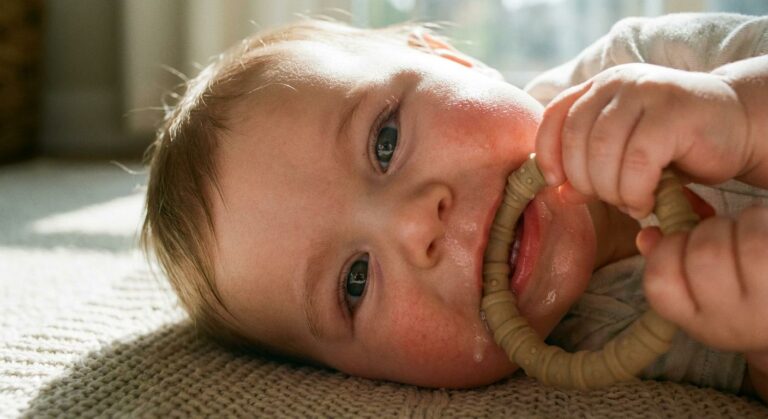
Is your teething baby drooling a small waterfall? Clamouring to chew everything—even the edge of your sari? That’s completely typical. From persistent irritability, a rosy rash around the mouth (thanks to continuous saliva), and subtle feeding changes, teething can shape your little one’s daily rhythm in surprising ways.

When does teething begin?

The textbook answer: most teething babies start this saga at around six months. But the true story is a bit more varied. Some infants surprise their parents by showing that first tooth at only four months, while others patiently (or not-so-patiently) wait up to a year. The sequence? The lower central incisors usually brave the world first. By the third birthday, the cast is generally complete—20 dazzling teeth primed for all those giggles and first bites.

Baby tooth eruption: a predictable cascade

Here’s how the journey generally unfolds:

  • Lower central incisors
  • Upper central incisors
  • Lateral incisors
  • First molars
  • Canines
  • Second molars

The discomfort isn’t uniform—often, the first eruptions bring the sharpest protest, but subsequent teeth may glide in with less drama. Still, every teething baby writes their own story, influenced by genetics and temperament.

Why does teething cause discomfort?

Think of the gums as densely innervated, very sensitive tissue. As teeth push through, they trigger inflammation, mild swelling, and tenderness. A teething baby perceives this as unfamiliar, sometimes even painful, especially when feeding or trying to sleep. Thankfully, most discomfort can be soothed with thoughtful interventions at home.

The impact of teething on babies

Physical signals: from tender gums to a shy fever

The classic portrait of a teething baby isn’t one of unremitting agony—but rather a tapestry of signs, both mineral and fleeting. You may notice:

  • Swollen or red gums (often with a visible white “nub” beneath the surface)
  • Fussiness or being extra clingy
  • Plentiful drooling (protect skin to prevent irritation)
  • The infamous urge to chew anything in sight

Interestingly, it’s common for teething babies to develop a slight rise in temperature—but when measured, it’s generally within safe limits (below 100.4°F / 38°C). Also, ear-tugging and cheek-rubbing may occur as pain radiates along neural pathways.

Sleep, feeding, and the “new normal”

It’s not unusual for teething to temporarily disrupt your baby’s night time serenity. Sleep may be harder to come by. Sore gums might make feeding—nursing or bottle—less appealing, or conversely, some babies find the act of nursing relaxing. Averse to hard foods? Experiment with chilled, soft textures—puréed fruits or plain yogurt often win the day. Hydration with small, frequent sips of water (if the baby is older than six months) can make a tangible difference.

Mood, behaviour, and routine shifts

Perhaps your easy-going teething baby has suddenly become a professional cling-seeker, seeking the comfort of arms far more than before. Repeated crying, unpredictable nap timings, and retreat from usual favourites are not uncommon. These patches, though taxing, are temporary; as the teeth emerge, calm generally returns.

Identifying teething symptoms: what’s normal and when to seek help

The tell-tale signs—and what’s unusual

Most teething symptoms are short-lived, mild, and manageable at home:

  • Classic irritability and tears (usually resolving as the tooth emerges)
  • Noticeably swollen or red gums
  • Rashes or redness round the mouth (saliva-induced)
  • Copious drooling—sometimes with damp clothes as silent witnesses!
  • Mild temperature elevation

Other less frequent signs can include decreased appetite and extra night wake-ups. Persistent ear-tugging without fever? Often linked to teething baby stage, but if accompanied by high temperature or signs of distress, paediatric evaluation for ear infection becomes wise.

Red flags—when to consult a doctor

Certain symptoms call for prompt attention:

  • High fever (beyond 100.4°F / 38°C)
  • Marked lethargy, loss of responsiveness
  • Vomiting, diarrhoea, widespread rash
  • Repeated refusal to eat or drink
  • Minimal urine output
  • Prolonged, inconsolable crying

Teething, by itself, does not cause systemic illness. If your teething baby exhibits symptoms outside the above “classic” picture, medical review is best for peace of mind and timely treatment.

Illness versus teething: how to tell?

Ask: is the fever high? Are digestive upsets present? Is the skin rash spreading? Embedding this checklist in your parental arsenal guards against delay when true illness is at play. As a rule, teething doesn’t manifest with high fever or digestive disturbances.

Safe and effective ways to soothe teething discomfort

Teething toys, chewables, and what to avoid

A cool, solid rubber teether is often a teething baby’s best friend. Chilled, not frozen, is key—frozen items risk injury. Always avoid liquid- or gel-filled teethers that can crack or leak, and leave teething gels (especially benzocaine or lidocaine formulas) on the shelf—they may have unsafe side effects.

Never tie a teether or any object around a baby’s neck, wrist or ankle—these pose real choking or strangulation dangers.

Gum massage and cool comfort

A clean finger, gentle pressure, or a cool, damp washcloth can provide real comfort for an irritable teething baby. Avoid hard or sharp-edged objects; injury to developing gum and tooth is best avoided.

Breastfeeding, bottle and hydration hacks

Some teething babies find breastfeeding deeply soothing, while others struggle—each response is valid. For babies eating solids, cold purées or simple refrigerated yogurt are excellent choices. If over six months, add sips of clean water, which helps with hydration and soothes the mouth.

Medical pain relief: when and how

If your teething baby’s discomfort overwhelms basic measures, paracetamol (acetaminophen) at appropriate, medically prescribed doses may provide respite. Ibuprofen is an alternative for babies over six months, if needed. Stay clear of homeopathic gels or teething tablets—a number contain substances like belladonna, linked to toxic effects.

Comfort routines and emotional support

Rhythms matter. Consistent bedtime, gentle rocking, soft music, and quiet hugs can all become anchors for a teething baby facing sleepless nights. Comfort is not spoiling—scientifically, affectionate touch helps reduce stress and build resilience.

Oral care during and after teething

Gums and teeth: cleaning from the start

Even before the first little tooth appears, daily cleaning with a damp, soft cloth sets the stage for healthy mouths. Once teeth make their debut, a baby toothbrush with soft bristles and a smear (the size of a rice grain) of fluoridated toothpaste is perfect for twice-daily brushing.

Brushing, toothpaste, and flossing

No need to rinse after brushing—a small layer of fluoride is protective. Once two teeth make contact, use gentle flossing to remove residue between them. And remember, teething baby routines are foundations for a lifetime of dental health.

Tooth decay prevention

Milk or juice bottles at bedtime? Not advised—they raise cavity risk, especially with newly erupted teeth. Keep sugary snacks rare, clean pacifiers regularly, and use water as the main drink after six months.

First dental visit

By age one or when the first tooth appears, a dental check-up is best. Dentists can offer guidance on everything from cleaning technique to pacifier habits.

Common pitfalls and safety tips for teething babies

Unsafe products: why to steer clear

Avoid jewelry (necklaces, anklets, bracelets) marketed as teething aids—these are recognised choking and strangulation risks. Amber necklaces, especially, lack proven benefits and are best avoided.

Teething gels, homeopathic and sweet solutions: what science says

Benzocaine and lidocaine teething gels may cause rare but serious side effects and are not recommended for teething babies. Homeopathic tablets, especially those containing belladonna, are also unsafe. Dipping teethers in honey or sweet syrups brings dental decay and, for babies under a year, risks dangerous botulism.

Preventing oral injuries

Stick with solid rubber teethers or a chilled washcloth. Never give frozen foods, or tie anything around body parts, and always supervise chewing to preempt accidental injury.

Myths, facts, and reassurance for parents

Widespread misconceptions

No, teething baby symptoms do not include high fever, severe diarrhoea, or dangerous illness. And no, jewelry and traditional numbing gels are not effective or safe.

What the research actually shows

Gentle massage, chilled teethers, and paediatrician-recommended medications are the reliable remedies economists, paediatricians, and child health experts agree on. If your teething baby seems unusually unwell—always consider a different diagnosis.

Crafting a comfort zone

From regular wiping of drool to steadfast routines and ample cuddles—these everyday gestures build security. Each act of support helps a teething baby weather the discomfort and emerge healthier and happier.

Supporting parents through the teething baby stage

Self-care and stress-busting

The emotional toll of a teething baby phase is sometimes underestimated. It’s completely valid to feel exhausted or frustrated by disrupted routines. Ask for support—be it sharing feeding duties, or a brief solo walk. Deep breathing, light stretches, and connecting with other parents—online or offline—can replenish flagging reserves.

Eat nourishing meals, maintain hydration, squeeze in rest where possible, and if feeling truly overwhelmed, engage with paediatricians or local parent groups. Guidance and encouragement are just a conversation away.

Emotional perspective

A fussy teething baby isn’t seeking to “misbehave”—it’s a physiological drive for comfort. Consistent empathy, patience, and gentle reassurance set the stage for secure attachment and resilience, far beyond the teething phase.

Teething and developmental milestones

Parallel progress: teething and other skills

Teething often waltzes alongside other milestones: newfound ability to grip and mouth objects, the slow introduction of new tastes and textures, and expanding curiosity. There’s no evidence suggesting teething delays motor or mental development—a teething baby can learn, play, and thrive all at once.

Delayed teething: when to be concerned?

If by 18 months a teething baby still shows no sign of teeth, or if there are multiple developmental concerns, professional evaluation is sensible. But isolated delayed teething is rarely a sign of underlying problems—biology marches to its own unique drumbeat.

Key Takeaways

  • The teething baby stage is natural, sometimes a little noisy, and always temporary.
  • Most teething baby symptoms—like gum swelling, drooling, and mild fussiness—can be soothed with gentle gum massage, chilled teethers, and comforting routines.
  • Begin dental hygiene with a soft cloth for gums, progressing to a baby toothbrush and trace of fluoridated toothpaste as soon as that first tooth peeps through.
  • Avoid hazardous products like jewelry, gels with benzocaine or lidocaine, and sugary “remedies”.
  • Trust your instincts—any high fever, persistent vomiting or rash, or unusual behaviour requires consultation with your paediatrician.
  • Your well-being matters just as much; get support whenever needed.
  • For expert advice tailored to your family, download the application Heloa for personalised tips and free health questionnaires for your child.

Questions Parents Ask

Can teething cause a runny nose in babies?

It’s very easy to attribute every sniffle your teething baby makes to those hard-working gums. While mild runny nose can accompany teething due to increased saliva, actual research indicates teething is not a direct cause of cold-like symptoms. Most often, infection with minor respiratory viruses picked up as your baby explores the world is to blame. If snot turns thick or green, or there are extra symptoms like cough or fever, it’s wise to check with your paediatrician.

How long does each teething episode last?

Most parents wonder—how long will their baby be uncomfortable each time a new tooth arrives? Generally, each tooth stirs up fussiness for just a few days before and after it shows up. While the teething baby chapter may seem endless, most discomfort is brief and sporadic. Remind yourself—calmer days are truly just around the corner.

Do all babies experience the same teething symptoms?

The answer is unequivocally no. Every teething baby is unique. Some seem mostly unfazed; others voice their discomfort more straightforwardly. Genetics, sensitivity, and temperament all play a role. Don’t worry if your baby’s teething looks different from the neighbour’s—if anything seems out of the ordinary, a chat with your paediatrician provides welcome reassurance.

Further reading:

Similar Posts

Few parenting experiences are as universally discussed, mysterious, and (let’s be honest) occasionally overwhelming as having a teething baby. That moment when the first tooth attempts its shy debut beneath your child’s soft gums can be bittersweet—full of anticipation but rich in uncertainty. Will tonight bring another sleepless stretch? Is that rosy cheek from erupting teeth or a sign of something else? If these questions ever echo through your mind, know you are entering a complex period where curiosity and concern often intertwine. The path to understanding a teething baby involves translating seemingly erratic changes in mood, appetite, and sleep into actionable care. Let’s explore what a teething baby truly goes through, the oral development milestones ahead, medical know-how for soothing pain, and, not least, evidence-based reassurance tailored for every parent’s journey.

Recognizing a teething baby: unraveling the signs and the timeline

What exactly is happening beneath the gums?

Consider what is brewing beneath those soft folds—a sequence both intricate and predictable. Every teething baby is born with a full complement of 20 primary teeth, dormant, hidden like tiny pearls under the gumline. With growth spurts come powerful hormones, whispering signals that soften gum tissue and enable tooth eruption. This process of eruption creates friction and swelling. You may notice pronounced gum swelling or tenderness, and even the keenest appetite can dissipate, replaced by a relentless urge to chew on anything—soft toys, cool teethers, or even tiny fists.

When does this all begin? And how does it progress?

For most, the journey starts near six months—though stepping in a month or two earlier or later remains entirely within the realm of normal. Typically, the lower central incisors lead the charge, soon accompanied by their upper neighbors. The sequence is rarely a wild guessing game: incisors, followed by lateral incisors, first molars, canines, and then second molars—each with its own flare of symptoms but gradually forming part of an emerging, functional set. By the age of three, a teething baby usually brandishes a full smile rich with primary teeth, each marking its own chapter.

Why does it cause discomfort?

The mechanics are clear: as each tooth erupts, pressure builds. The gums become inflamed—swollen, sore, sometimes even bluish. Saliva pours out, not just as a drool-filled bib but as a protective response lubricating the irritated oral tissues. Medical research shows that the discomfort peaks with early eruptions, mellowing with each subsequent tooth as baby and parent both grow seasoned.

The impact of teething on the baby: what changes do parents really see?

Physical discomfort unravelled

It’s not just a matter of a cute, toothy smile struggling to emerge. A teething baby attacks each day differently: one moment, serene; the next, overwhelmed by gum pain. Drooling often leads to red chapped skin on the chin or cheeks, and a slightly increased temperature (hovering below 38°C/100.4°F) is common. Many parents notice a toddler fiddling with their ears or cheeks, not as random behavior, but because pain radiates—the trigeminal nerve’s anatomy means the whole area can “light up” during teething.

Changes in eating and sleeping patterns

Does your baby suddenly refuse the bottle, arch away from the breast, or cry inconsolably mid-meal? Chewing can aggravate irritated gums, sometimes causing a teething baby to eat less or nurse longer for comfort. At night, sleep splinters. Short naps, wakes for seemingly “no reason,” and unpredictable rhythms dominate these stretches. Offer cold, soft foods (think yogurt or chilled fruit purée) to ease feeding, and ensure hydration—both milk and water beyond six months—remains steady.

Emotional rollercoaster: mood, behavior, and irritability

Expect the well of patience to run low. A teething baby can appear more irritable, clingy, or suddenly choose you as the only acceptable comfort object. This shift is temporary, a testament to both their discomfort and their neurodevelopmental need for extra closeness. Consistency in routines—feeding times, bedtime rituals—help re-anchor their security during turbulent weeks of teething.

Differentiating normal teething from health problems

Classic teething symptoms: what’s on the checklist?

  • Swollen gums with a bluish or reddish hue
  • Profuse drooling (hello, damp onesie changes!)
  • Visible desire to gnaw or bite
  • Vasodilation in the skin presenting as red cheeks or mild rash
  • Ear-pulling or cheek rubbing (often misunderstood as ear infection)
  • A modest rise in temperature
  • Disturbed sleep and decreased appetite—for a few days

Glance into the mouth and those gums may look angry; sometimes, you’ll spot the white tip of a tooth about to break through.

When should you reach out to a healthcare provider?

Teething is rarely the culprit for high fever, persistent diarrhea, vomiting, or alarming lethargy. If symptoms escalate—fever rising above 38°C/100.4°F, a limp or unresponsive baby, dehydration (marked by fewer wet diapers or trouble drinking), or an unmistakable change in overall behavior—prompt medical advice is warranted. Gastrointestinal distress or real ear infections can masquerade as teething; trust your instincts as a parent and don’t hesitate to reach out.

It’s easy to link every sniffle or restless night to a teething baby, but medical data says otherwise. Teething does not confer protection against infections nor directly cause serious symptoms. The overlap in timing—just as babies begin exploring the world (touching everything and putting objects in their mouths)—makes concurrent viral or bacterial infections far from rare. A careful eye and a lower threshold for consultation support both baby’s safety and your peace of mind.

Safe and effective ways to ease teething baby discomfort

The science of soothing: teethers, gum massage, and chilled comfort

Hand your teething baby a solid, chilled teething ring—one made of medical-grade rubber (avoid gel or liquid-filled types, which can leak). The coolness numbs inflamed gums and provides tactile relief via chewing, a reflex deeply rooted in oral sensory feedback. But freeze nothing—frozen items risk gum injury.

A clean finger works wonders: gently massage sore gum tissue in small circles. A damp, cooled washcloth can become a safe remedy, especially when baby’s chewing urge spikes. Avoid hard or brittle substances—some “natural” remedies have emerged as accidental culprits for oral injuries.

Breastfeeding, feeding, and hydration in the midst of teething

Feeding a teething baby may look different each day. For some, breastfeeding is a comfort anchor. Others may struggle, especially if the latch is painful. Soft, easily swallowed foods (let chilled applesauce, mashed banana, and yogurt join the menu where age-appropriate) offer relief, while sips of water help replace lost fluids from persistent drooling.

Analgesia and pain management: what’s evidence-based?

Acetaminophen (paracetamol), dosed precisely by weight, can be used for moderate pain if non-medicinal strategies falter. For babies older than six months, ibuprofen may help reduce both pain and inflammation. Avoid all over-the-counter gels containing benzocaine or lidocaine—documented risks, including methemoglobinemia and toxic reactions, have sparked recommendations against their use in infants. Homeopathic teething tablets—especially those with belladonna—should be firmly avoided, supported by both regulatory advisories and toxicology reports.

Comforting routines and the power of emotional support

When daylight wanes and the teething baby is at their most unsettled, gentle cuddling, a familiar lullaby, or softly spoken words can transform distress into calm. Routines built around warmth, predictability, and compassionate attention do not just nurture trust—they facilitate a regulatory framework every teething baby craves during times of discomfort. If the nightly routine is disrupted, adapt with patience—flexibility will serve both you and your child.

Oral care during and after teething: foundations for lifelong dental health

Before teeth, and as they erupt: beginning daily oral hygiene

Even before the first tooth appears, wiping the gums gently with a damp cloth mitigates bacterial buildup. Once that inaugural tooth surfaces, afford it a tiny smear of fluoridated toothpaste (the equivalent of a grain of rice) and switch to a pediatric soft-bristled toothbrush. Brush twice daily to embed healthy habits.

Introducing brushing, toothpaste, and flossing

Brushing should never become a battle. Let your teething baby explore the toothbrush under supervision—curiosity can morph into enthusiasm given the right tools. When two teeth touch, gently use floss to clean between. Avoid rising immediately after brushing: Fluoride’s protective action is maximized when left on the enamel.

Preventing cavities (early childhood caries): strategies that matter

How easily overlooked is the impact of letting a baby fall asleep with a bottle! Sugary drinks (juice, milk) coating newly emerged teeth fuel the bacteria responsible for decay. Instead, prioritize water—especially for night-time comfort after six months. Keep teething toys meticulously clean, and minimize the use of foods and drinks with added sugars.

The first dental visit: laying the ground for oral health

Arrange a first dental checkup after tooth eruption or by baby’s first birthday, whichever arrives first. Dentists provide personalized advice on brushing, feeding, pacifier use, and how to prevent trauma to tiny, growing teeth.

Pitfalls and safety tips: safeguarding your teething baby

Teething necklaces and jewelry: a risk not worth taking

Teething necklaces, amber beads, and all forms of wearable remedies may be widely advertised but remain unsafe. Strangulation and choking risks are well-documented—clinically, their efficacy has yet to be proven.

The pitfalls of topical gels, homeopathic products, and sweet solutions

As alluring as it seems, reaching for medicated gels or homeopathic tablets can have unintended consequences. Ingredients like benzocaine or belladonna carry real health risks in infants. Dipping a pacifier or teether in honey or sweet spreads isn’t a benign old-wives’ trick: It introduces the hazards of cavity formation and, for infants under one year, the threat of infant botulism.

Preventing accidental injuries

Stick to solid, chilled teething rings or a soft, damp washcloth. Supervise all chewing sessions, avoiding frozen items and hard substances that pose fracture or choking hazards. Never tie anything around your baby’s neck or wrists—no exceptions.

Teething myths, parental reassurance, and evidence-based realities

Lingering misconceptions exposed

Despite persistent myths, teething does not directly cause severe fevers, diarrhea, or systemic illness. Nor do necklaces, tablets, or topical gels enhance comfort or speed tooth eruption. The scientific consensus is clear: A teething baby benefits most from straightforward, safe approaches.

How to cultivate a comforting environment

Keep skin dry with frequent gentle wiping to prevent drool rash. Maintain a peaceful sleep environment, offer cuddles, and avoid over-stimulation. Safe chewable items, hydration, and consistency act as guardrails during these turbulent chapters.

When in doubt, prioritize knowledge and seek guidance

Medical literature, dental organizations, and pediatric guidelines converge on best practices. If symptoms seem out of proportion to teething or linger, always default to timely medical advice—peace of mind is an invaluable companion for any parent.

Supporting parents through the teething baby phase: self-care and resilience

Stress management, empathy, and realistic expectations

It isn’t an overstatement: A teething baby can flip a family’s daily script, bringing joy and frustration in uneven waves. Moments of exhaustion and doubt are natural. Schedule short breaks, ask for a hand from relatives or friends, and let supportive connections—parent groups, digital communities—anchor you. Sleep, hydration, and nourishment for yourself are as essential as nurturing your child.

Should overwhelm build, candid conversations with pediatricians or health professionals lighten the load and foster renewed confidence.

The teething baby as symbol of healthy development

Every new tooth is not just a source of discomfort, but a visual milestone of your child’s growth and adaptation. Responding empathetically to distress not only provides relief but cements the vital parent-child bond underpinning future trust and security.

Teething and developmental milestones: what’s happening beneath the surface?

Progressing alongside new skills

The teething baby often learns more than just managing oral discomfort—object manipulation, mouthing, and even first experiments with solids frequently emerge together. The oral-sensory advances of this phase are stepping stones toward independent eating and speech.

When delayed teething becomes a concern

Most babies have at least one tooth by 18 months, yet late eruption alone is rarely ominous. Should a child show other developmental flags, slowed growth, or persistent health problems, a healthcare provider’s input ensures nothing is overlooked.

Key takeaways

  • The experience of a teething baby often involves fluctuating discomfort, altered routines, and brief but deeply felt challenges for the entire family.
  • Recognize typical signs: sore, swollen gums, intense drooling, temporary changes in sleep or feeding, and increased need for comfort.
  • Safe methods carry the day: solid, chilled teething rings, gentle gum massage, careful oral hygiene, and judicious use of infant analgesia—only on a practitioner’s advice.
  • Oral hygiene starts with the first tooth and builds lifelong habits; empower your child by introducing gentle brushing with a fluoridated toothpaste and guidance from dental professionals.
  • High fever, severe or persistent symptoms, gastrointestinal trouble, or lethargy suggest illness beyond teething—always consult a pediatrician in these instances.
  • Your resilience, attentive routines, and self-care are indispensable during weeks of teething baby challenges.
  • For additional resources, expert health insights, and tailored questionnaires covering your child’s key milestones, discover the Heloa app—a smart ally in your parenting journey.

Questions Parents Ask

Can teething cause a runny nose in babies?

It’s understandable to wonder if teething is behind every sniffle when your little one is uncomfortable. While many parents report a mild runny nose during teething, research shows that teething itself does not directly cause cold-like symptoms. The runny nose is often due to increased drooling or because babies at this age naturally explore their environment more, picking up minor viruses. If your baby’s nasal discharge becomes thick, yellow, or green, or if they have other signs of illness such as fever or coughing, it may be helpful to speak with your healthcare professional.

How long does each teething episode last?

Parents frequently worry about how long their baby will be uncomfortable each time a new tooth appears. While the entire teething process spans several months, each individual tooth generally creates discomfort for just a few days before and after it breaks through the gums. However, every child is unique—some may breeze through teething with barely a fuss, while others require more comfort and attention for each tooth. Rassurez-vous, these challenging periods are usually brief and will pass quickly.

Do all babies experience the same teething symptoms?

Every baby is wonderfully unique, and so are their teething experiences. Some little ones show many signs—like gum rubbing, drooling, or being more clingy—while others seem to get teeth with almost no noticeable changes. Genetics and temperament both play a role, so try not to compare your child too closely to others. If your baby seems especially uncomfortable or has symptoms that worry you, seeking the opinion of a healthcare professional offers valuable peace of mind.

Further reading:

Similar Posts