
Baby developmental toys: play & milestones from 0-12 months
Baby developmental toys, mapped to 0–12 month milestones: easy, safe picks for motor control, sensory play, and early language—so you can choose with confidence, at your baby’s pace.
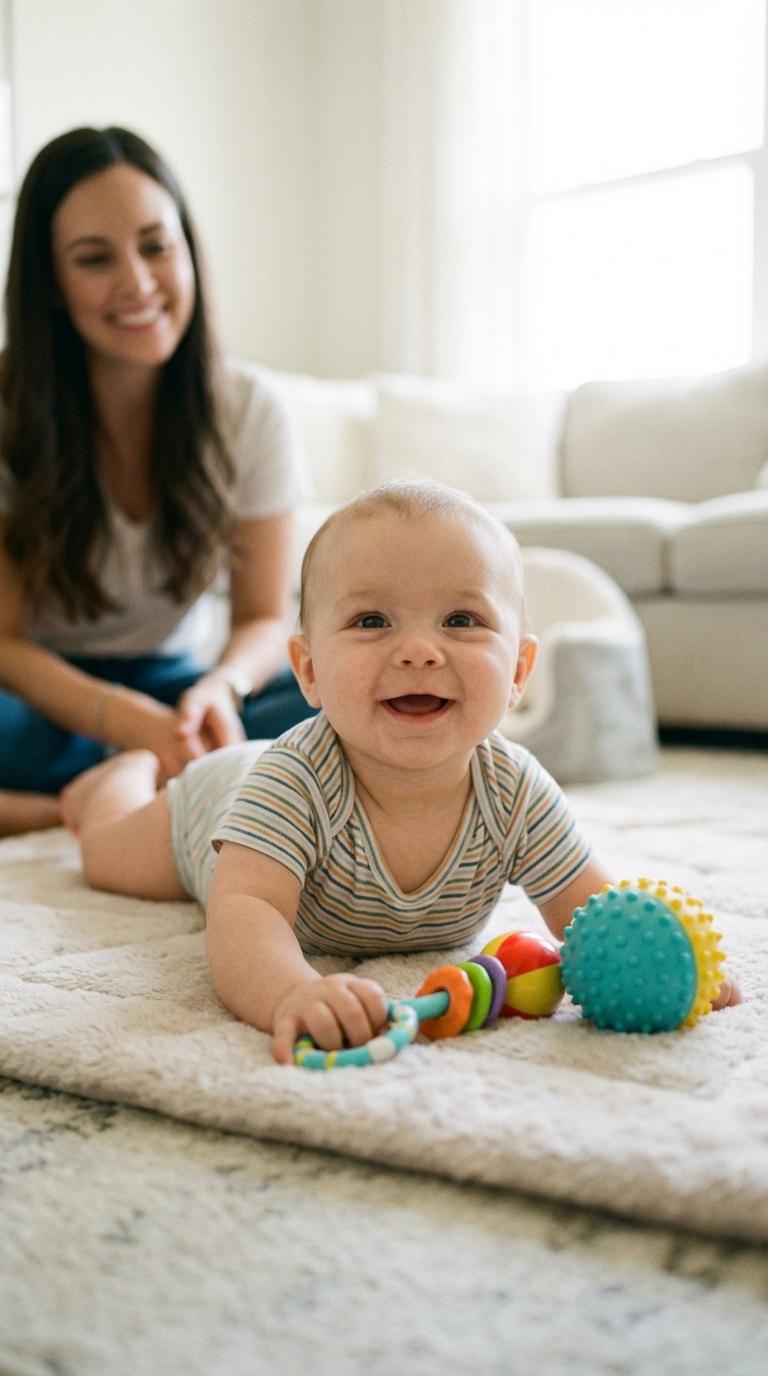
Baby developmental toys, mapped to 0–12 month milestones: easy, safe picks for motor control, sensory play, and early language—so you can choose with confidence, at your baby’s pace.
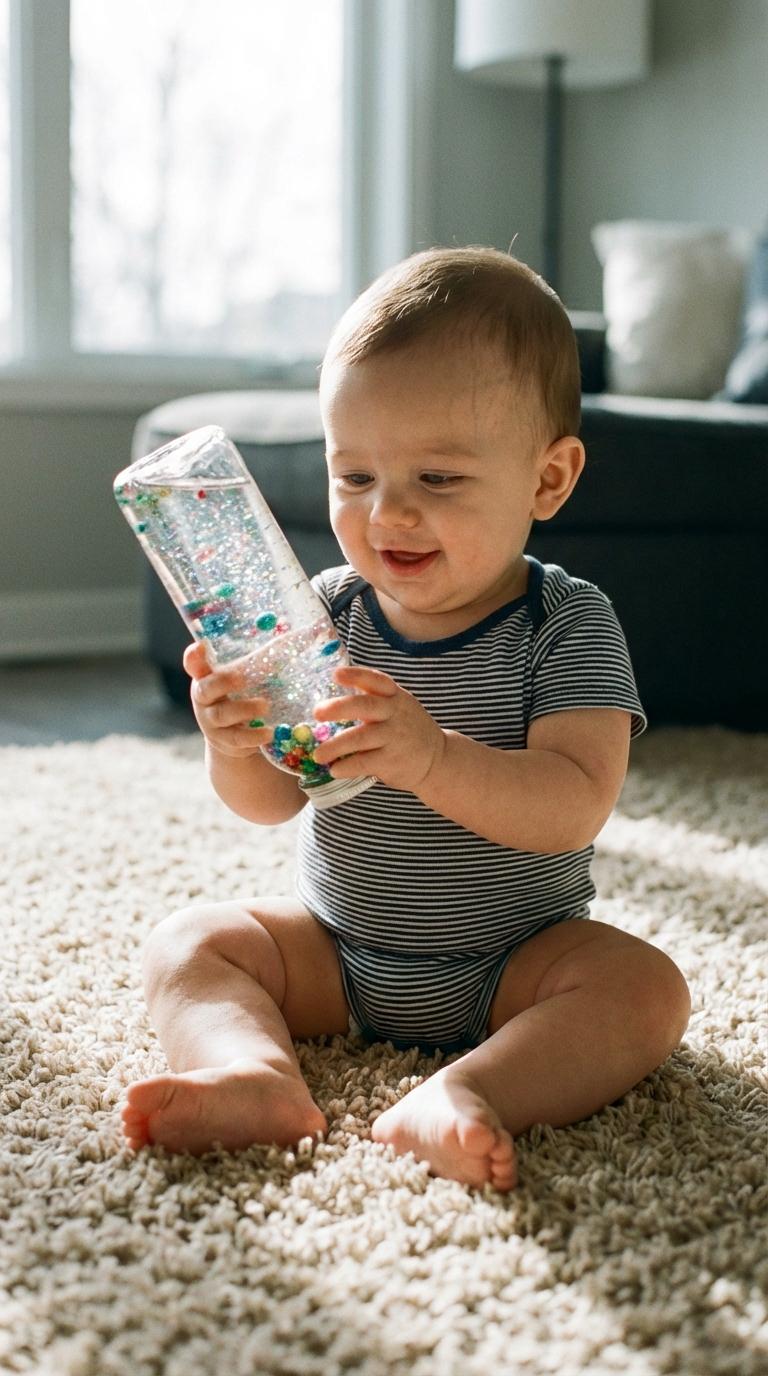
Make DIY baby sensory toys at home with safe, age-wise ideas (0–3 years), simple materials, clean-up tips, and quick steps for calm, happy playtime.

Separation anxiety in babies, made simple: when it starts, peak timeline, common signs, and gentle routines—bye-bye cues, comfort objects, and caregiver transitions—for calmer goodbyes.

Baby clenched fist is often a normal early reflex. Learn what’s typical, when to check with a paediatrician, and gentle ways to encourage opening.

Celebrate baby’s first Christmas with gentle routines, safe gift picks, cosy photo ideas, and simple health boundaries—so the day feels calm, warm, and truly memorable.

Thumb sucking, decoded by age: why it starts, teeth and speech impact, and kind, practical ways to help your child stop—without stress or shame.

Baby crying to communicate may mean hunger, sleepiness, tummy discomfort, pain, or too much stimulation. Learn easy-to-spot cues, gentle soothing steps, and red flags to seek timely support.
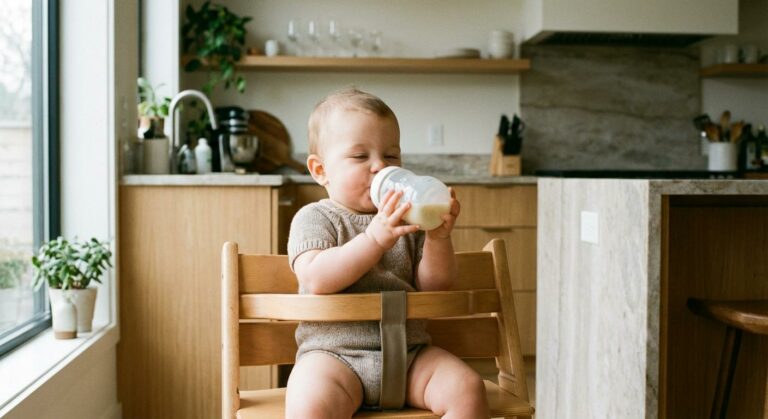
When do babies hold their bottle? Most start between 6–12 months. Spot readiness signs, build grip gently, and keep feeds safe, comfy, and confident for your little one.

Baby cooing decoded: what those sweet sounds mean, when they begin, and how coos move towards babbling. Simple ways to encourage it, plus early signs to check in with your paediatrician.

When do babies hold their head up? Explore a clear 0–7+ month timeline, early signs of stronger neck control, and gentle tummy-time ideas—so you can track progress with ease and reassurance.
End of content
End of content