Breastfeeding. A word charged with warmth, but also—let’s admit it—layers of worry when it comes to breast milk storage. Many parents quickly find themselves standing bewildered by the fridge, scrutinising date labels, or peering anxiously into the freezer, wondering: is this milk still good for my baby? Should I throw it, or can it be salvaged? And what about those endless choices of containers, sterilisation routines, and nighttime pumping marathons—are you doing it right? With so much at stake, taking charge of breast milk storage means blending scientific evidence with practical routines, not to mention a healthy dose of improvisation, to ensure your child gets the very best, even on days when nothing else goes to plan. In the next sections: let’s demystify storage rules, decode safe temperatures, explore ideal containers, delve into the “why” behind every protocol, and share realistic tips designed to fit into real family life.
Maintaining Hygiene and Choosing the Right Setup for Breast Milk Storage
Before a single drop of expressed milk finds its way into storage, think of hygiene as the essential gatekeeper—uncompromising, yes, but also empowering. Every session begins with meticulous handwashing: warm, soapy water (not a rushed rinse), followed by careful drying. Each pump attachment, teat, and storage container must be cleaned—rinsing first in cold water (this prevents protein “cooking” that triggers stubborn residues), then scrubbing in hot, soapy water or cycling them in the dishwasher’s hottest setting. Add sterilisation if your baby is preterm or unwell, ensuring all invisible bacteria are banished from the process. Does it sound elaborate? For hospitalised newborns or those particularly vulnerable, these hospital-standard steps become routine safeguards.
Moving to containers: science points to specialty BPA-free plastic or glass bottles, or designated breast milk storage bags—single-use, sterile, and designed to avoid chemical migration. Always label with both the date and (if sending to daycare) your child’s details. Store smaller volumes—ideally 30 to 90 ml per batch—to ensure not a drop is wasted; a thawed, half-finished bottle must, after all, be discarded for safety.
A quick checklist for your daily routine:



- Wash your hands before each handling.
- Use specialty storage bags or containers with tight-fitting lids (food-grade).
- Label every container meticulously.
- Store in small batches matching your baby’s usual intake.
- Designate an area—a specific fridge shelf, a kitchen corner—free from potential household contamination.
Why Breast Milk Storage Protocols Matter So Deeply
It’s easy to overlook: breast milk isn’t just food. Its complex blend of fats, proteins, immune factors, and beneficial bacteria (like bifidobacteria) creates a liquid shield, custom-built to protect and nourish. Doctors and researchers emphasise: how breast milk is stored directly determines its nutrient profile and immunological impact. Improper storage? It can accelerate the degradation of enzymes such as lipase or destroy fragile immune proteins, eroding milk’s protective qualities. For mothers unable to nurse directly—whether due to work, medical circumstances, or logistical hurdles—optimal breast milk storage techniques preserve milk’s unique potency, transforming every pumped session into real-world immunity for your child.
Composition and Medical Science Behind Stored Breast Milk
Delving into the biochemistry, breast milk’s nutrients—triglycerides, caseins, secretory immunoglobulin A (sIgA), growth factors—remain largely stable if properly cooled or frozen. Lipids (the “good fats”) provide energy and brain substrate, while glucose ensures rapid calcium absorption. Antibodies, which shield against infections, are surprisingly durable, but vulnerable to repeated temperature shifts or contact with contaminated surfaces.
Several key physiological insights:
- Lipase, a natural enzyme, may create a soapy aroma in stored milk. This isn’t dangerous but points to high enzyme activity. Swirling (never shaking) typically redistributes separated fats.
- Losses of certain nutrients (like vitamin C) occur with longer refrigeration, but most essential proteins remain intact up to four days when properly stored.
- Milk quickly becomes susceptible to bacterial multiplication if left at fluctuating, high temperatures—especially during summer months.
How Long and Where? Temperature and Time Rules Explained
Strict time and temperature management isn’t just a technicality—it forms the backbone of breast milk storage safety. Let’s detail the protocol with medical clarity:
- At room temperature (up to 25°C or 77°F): safe for up to 4 hours, possibly 6 hours if freshly pumped and handled scrupulously.
- In the refrigerator (≤4°C/39°F): optimal usage is within 3 to 4 days, stretchable to 8 days in strictly hygienic, very cold conditions.
- Basic freezer attached to a fridge (-18°C/0°F): up to 6 months; deep freezers ( -20°C or -4°F) extend this to 12 months, though best quality is retained under 6 months.
- Insulated cooler bag (with frozen ice packs): up to 24 hours on the move—every travelling parent’s ally. Place milk in the centre, not pressed against ice packs.
Take note: Milk expands upon freezing—leave space in each container. Avoid the fridge door where temperature varies with each opening. Store newest milk behind older batches for easy FIFO (first-in, first-out) rotation.
Thawing, Warming, and Preparing Breast Milk for Feeding
Curious about the safest way to bring frozen milk back to life? Let’s walk through the protocol. The gold standard is a gradual thaw in the refrigerator, typically overnight. If pressed for time, a bowl of warm (never hot) water or a gentle stream under the tap works as a secondary option. Steer clear of microwaves or boiling water: these create uneven heating and may deactivate fragile antibodies while risking burns from “hot spots.”
Practical points worth remembering:
- Swirl gently to homogenise—never shake, as mechanical agitation can destabilise milk structure.
- Test the temperature by dripping milk on the inside of your wrist; it should be neutral or just slightly warm.
- After thawing, use refrigerated milk within 24 hours, and after warming, discard leftovers after a maximum of 1–2 hours—bacteria from baby’s mouth rapidly multiply in partially consumed bottles.
- Never refreeze thawed milk—protein integrity drops, while bacterial risks spike.
Troubleshooting Spoilage and Unusual Changes
Does your stored milk look or smell odd? Some variation is normal—inactivity of enzymes like lipase can give a soapy or metallic aroma, especially in frozen batches. Colour ranges from bluish to creamy; it reflects dietary shifts, not quality loss. However, unmistakable sour, rancid, or “off” odours, or a lumpy, curdled appearance (unaffected by swirling), signal spoilage. In such cases, discard the milk immediately.
Best practices:
- Regularly inspect containers for leaks, cracks, or compromised seals—these are bacterial gateways.
- If baby refuses a particular batch, offer freshly pumped milk.
- When in doubt, consultation with a medical provider or lactation specialist is always appropriate.
Matching the Container to the Baby and the Context
Not all bottles and bags are created equal. For short-term, opt for glass or thick-walled, BPA-free containers (rigid plastic or glass). For freezing, specialty breast milk storage bags designed to tolerate expansion and prevent permeability are ideal. Always label with the expression date; if your milk is destined for daycare, add the baby’s name. Prefer small batches—30–90 ml—mitigating wastage and simplifying thawing.
Extra precaution for vulnerable neonates: equipment and storage routines must be hospital-grade, with rigorous sterilisation and date tracking, following all recommendations from healthcare providers.
Common Errors With Breast Milk Storage—And How to Sidestep Them
Despite the best intentions, mistakes happen:
- Skipping container labels or using generic food bags risks confusion—and spoilage.
- Forgetting to clean pump parts thoroughly between sessions invites bacterial growth.
- Using unsuitable containers might introduce plasticizers or permit leaks during freezing.
- Relying on the microwave for reheating risks partial nutrient destruction as well as scalds.
Quick solution: Establish a station and a routine. Sterilise containers, prep labels in advance, and rotate by date without exception.
Day-to-Day Hacks and Organisational Tips for Breast Milk Storage
Staying organised transforms a potentially overwhelming experience into a manageable, even empowering, everyday task. Use a dedicated shelf in the fridge and freezer for breast milk storage. Employ colour-coded stickers or a simple app for tracking (freezer “oldest-to-front” policy). Pre-measure feeds to match your baby’s appetite; this reduces wastage and simplifies preparations when time is tight.
Sharing feeding responsibilities? Leave clear written or app-based instructions. Prepare bottles the night before, especially for daycare. Set routine reminders to check inventory, ensuring the oldest milk is always used first.
Key Takeaways
- Breast milk storage routines bridge nutritional science and family logistics, turning expressed milk into safe, potent immunological defence—even on chaotic days.
- Handwashing, sterile preparation, and accurate labelling create a safe storage chain from pump to feeding.
- Temperature matters: up to 4 hours at room temperature, 3–4 days in the fridge, 6–12 months in a deep freezer (with clear marking).
- Avoid microwave heating; thaw slowly to conserve nutrients. Discard partially consumed bottles after 1–2 hours.
- Inspect stored milk visually and by scent before use; anything doubtfully fresh is better discarded than risked.
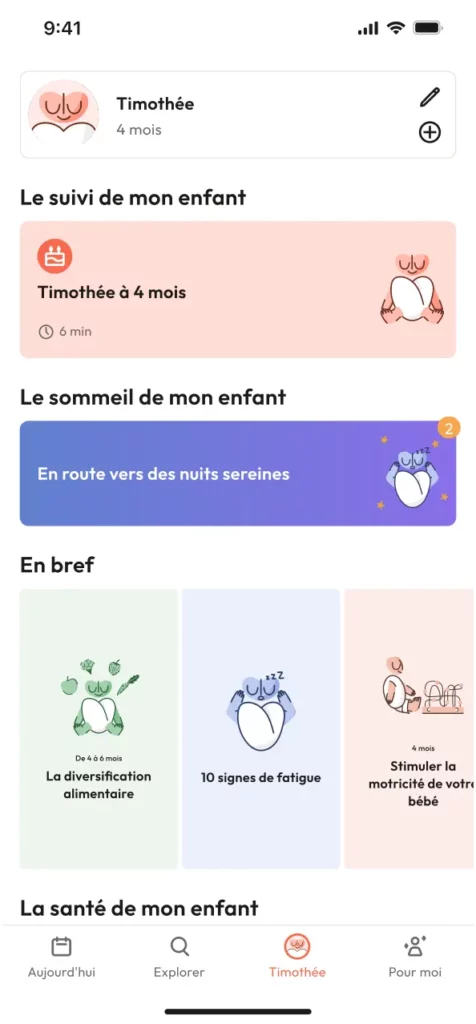
- Parents facing questions or unexpected challenges can find ongoing guidance and reassurance with healthcare professionals, lactation consultants, or by using resources like the application Heloa for personalised expert advice and free child health questionnaires.
Questions Parents Ask
Can I mix freshly expressed breast milk with already refrigerated milk?
Certainly! If you plan to merge freshly expressed breast milk with milk that is already cooled, ensure the new milk is chilled to the same temperature as the batch in your fridge. Once temperatures are level, combine in a sterile storage container. When labelling, always use the oldest date for accurate tracking. If confused or facing unusual circumstances, consult with a lactation consultant or paediatrician for specific recommendations.
Is it safe to refreeze thawed breast milk?
Once breast milk has been thawed, refreezing is not advised. This practice helps maintain nutritional profile and lowers the likelihood of bacterial proliferation. Instead, thaw only what you expect your baby to consume. Any surplus in a bottle that’s already been fed from should be used within 1–2 hours or discarded for optimal safety.
How can I tell if stored breast milk has gone bad?
If you notice a strong sour, rancid, or otherwise unpleasant odour, or if the milk is clumpy or separates and does not remix with gentle swirling, it’s likely unsafe for consumption. Sometimes, a soapy or metallic scent is caused by natural enzymatic activity—usually harmless, but if in doubt, it’s best to err on the side of caution and discard the batch. Observant, informed handling is the strongest safeguard for your baby’s nutrition.
Further reading: