By Heloa | 23 April 2025

Baby vitamins: supporting growth, immunity, and confident parenting

6 minutes
de lecture
radio-nouveau-ne-au-milieu-d'orange-illustrant-les-vitamines-bébé

By Heloa | 23 April 2025

Baby vitamins: supporting growth, immunity, and confident parenting

6 minutes
radio-nouveau-ne-au-milieu-d'orange-illustrant-les-vitamines-bébé

Par Heloa, le 23 April 2025

Baby vitamins: supporting growth, immunity, and confident parenting

6 minutes
de lecture
radio-nouveau-ne-au-milieu-d'orange-illustrant-les-vitamines-bébé

Wondering if your little one is actually getting all the nutrients needed for such intense phases of growth? You’re not the only parent with these doubts. With the constant chatter about baby vitamin needs and deficiency risks, unease teeters close—especially if your child looks fatigued or the scales move a little slower than expected. The push and pull between traditional diets, modern busy lifestyles, and vitamin supplementation presents a daily puzzle for families. Here, the focus shifts to tangible solutions, rooted in simple explanations as well as medical exactitude, allowing you to move confidently from uncertainty towards steady choices.

Questions swirl—Do all babies need vitamin supplements? Which ones matter most—the legendary vitamin D drops, the orange glow of vitamin A, the immune-friendly vitamin C? Should one lean on breastfeeding alone, select infant formula fortified with everything, or rush for multivitamins from day one? And what are the risks of missing or overdoing any vital vitamin? Rather than forging ahead with guesswork or copying what your neighbour does, understanding your child’s unique requirements and rooting decisions in science eases the way. Let’s break down the essentials, spotlight the moments when supplementing matters, and explore ways to decipher those cryptic symptoms of vitamin deficiency.

Why Vitamins Matter So Much in Babyhood

It’s astonishing—babies go through more physical transformation in their first year than most of us do in a decade. Baby vitamin requirements are tightly linked to this furious pace. Cellular growth, neurodevelopment, building a robust immune system, forming healthy bones—each demands a specific blend of nutrients, delivered at just the right time.

Vitamin A, for instance, isn’t just about clear eyesight; it’s necessary for developing healthy tissues and fortifying immunity. Vitamin D has acquired celebrity status for its indispensable role in bone mineralisation—babies’ bones literally need it to absorb calcium from the gut. Vitamin C elevates infection defence and supports iron absorption, which helps stave off iron-deficiency anaemia. Vitamin K acts silently in the background, ensuring the blood clots as it should, and the complex family of B vitamins underpins everything from energy production to neurological development.


So, the marvel of growth is orchestrated like a symphony—one missing note, and the harmony can fall apart. Yet balance is delicate; excess of any one baby vitamin holds its own risks, making the medical approach to supplementation highly personalised.

The Essential Vitamins: Roles and Natural Sources

Vitamin A: Supporting Vision and Immunity

A baby’s world is full of visual landmarks—the first smiles, colourful toys, the gentle glow of night lights. Vitamin A takes centre stage for healthy retinas and immune resilience. You’ll find it in breast milk, paired in formulas designed for infants, and later in pureed carrots or leafy greens. Importantly, both deficiencies and excessive intake can lead to problems—so moderation, not abundance, sets the standard.

Vitamin D: The Foundation for Bone Strength

Vitamin D is unique; sunlight triggers its formation in the skin, yet direct exposure is avoided in infants to keep delicate skin safe. Because of this, and with vitamin D rarely abundant in breast milk, supplementation has become routine for most babies, especially for those on exclusive breastfeeding. Queries about the correct dosage or the right formulation? That’s a frequent discussion with paediatricians. Consider this vitamin the architectural support for those ever-growing bones and teeth—its role in calcium absorption is non-negotiable.

Vitamin C: Guarding Against Infections

Sniffles and minor infections—these can seem endless in infancy, and that’s where vitamin C earns its due. Present in breast milk and later in fruits like oranges, guavas, or green vegetables, it strengthens the body’s natural defences and improves iron utilisation. For babies with restricted diets or whose meals lack enough fresh produce, physicians might recommend a baby vitamin supplement to bridge those gaps.

Vitamin K: Silent Protector

You probably remember—the one vitamin routinely given as an injection right after birth. Vitamin K steps in for proper blood clotting, safeguarding against dangerous bleeding episodes unique to newborns. For most, the injection at birth and subsequent feeding patterns cover their needs. In rare cases, or where oral vitamin K is chosen, ongoing medical guidance can guarantee sufficiency.

B Vitamins: Energising Growing Bodies

Growth surges, new movements, babbling—the daily marvels of infancy have the B vitamin group working nonstop behind the scenes. These vitamins (such as B6, B12, niacin, riboflavin, thiamine, folate) collectively fuel the metabolism, support brain function, and facilitate red blood cell production. Sources span from breast milk and formula to the first tastes of grains, lentils, dairy, and leafy greens.

From Milk to Solids: Safe Sources of Baby Vitamins

Breast Milk and Fortified Formula

Both breast milk and fortified infant formulas are meticulously structured to deliver the baby vitamin spectrum appropriate for an infant’s rapid development. While exclusive breastfeeding is highly encouraged for the first six months due to its nutritional completeness and immune factors, vitamin D often remains an exception—its levels hinge on sunlight exposure, which is frequently insufficient.

For formula-fed little ones, certified and regulated brands provide a solid foundation, often fortified with additional vitamins (like D and iron). Comparing product labels isn’t just marketing—look for those that mention specific daily values a baby needs, instead of vague promises.

Introducing Complementary Foods

At around six months, the culinary adventure begins—first spoons of pureed carrots, pumpkin, spinach, soft fruits, or protein-rich lentil (moong dal) soups add texture and nutrients. These solids expand the vitamin palette. Prioritise fresh, naturally colourful foods. Iron-fortified cereals, yoghurt, mashed eggs, and soft bits of paneer or chicken offer B vitamins and minerals needed for everyday energy and neurocognitive growth. New foods mean new opportunities—but also new vigilance for possible allergies, so introduce one ingredient at a time.

Baby Vitamin Supplements: When and Why?

Not all infants need supplementary vitamins; the decision depends on feeding patterns, underlying health, and regional challenges like limited sunlight. Exclusively breastfed babies generally require daily vitamin D drops, typically 400 IU from birth, as advised by healthcare providers. Premature or low-birth-weight babies, or those on restrictive diets (like vegan families), may need iron, B12, or multivitamin support.

Over-the-counter solutions abound, but caution is key: excess vitamin intake, especially of fat-soluble forms (A, D, E, K), can be just as harmful as deficiency—think nausea, irritability, even disturbed bone growth. Always ensure supplements are prescribed or approved for your child’s age.

Spotting and Preventing Vitamin Deficiencies

What does a vitamin shortage look like in babies? Signs are often subtle: unusual tiredness, pale skin, dull hair, delayed milestones. Persistent unexplained symptoms—recurrent infections, slow healing, irritability—raise the index for a possible deficiency in specific baby vitamin categories.

Prevention revolves around a balanced approach: replacing missing vitamins only as advised, keeping processed foods minimal, and judiciously enhancing the diet with seasonal vegetables, fruits, and proteins as the baby grows. Keeping open communication with a trusted paediatrician ensures swift action if any red flags appear.

Tips for Balancing Baby Vitamin Intake

  • Begin solid foods with variety in mind—think rainbow-coloured vegetables, pulses, fresh fruit.
  • Read labels when selecting formula; look for specific vitamin-enriched types.
  • Don’t rush to supplement—only introduce vitamin products after discussing with your doctor.
  • Observe, reflect, and adapt—no universal recipe fits all, as babies’ needs shift with age and circumstance.
  • Monitor for any unusual changes—loss of appetite, persistent fatigue, or recurrent illnesses all deserve attention.

Key Takeaways

  • Baby vitamin intake is intimately tied to steady growth, immune power, and physical resilience.
  • For most infants, breast milk and regulated infant formula provide a balanced foundation, but vitamin D needs are usually higher than diet alone supplies.
  • The transition to solids opens new doors; prioritising fresh, seasonal produce and iron-rich foods reduces future risk.
  • Never start a supplement “just in case”—consult medical advice each time, as both too little and too much can be risky.
  • Early attention to signs of deficiency allows prompt correction, sparing long-term complications.
  • Support and customised guidance are always at hand—parents can turn to their healthcare team or discover tools like the application Heloa for ongoing, tailored advice and easy-to-use health questionnaires focused on children’s wellbeing.

Questions Parents Ask

What are baby vitamins and why might a baby need them?

Baby vitamins are supplements containing essential nutrients that infants may not always receive in adequate amounts from their usual diet, such as vitamin A, C, D, or minerals like iron or zinc. Although breast milk or formula usually covers most needs, extra support could be necessary in certain situations—such as specific health issues or restricted dietary patterns. Deciding to give vitamins is a medical decision, always made together with your doctor to match your child’s unique requirements.

Which baby vitamins are generally recommended for infants under 12 months?

Vitamin D often tops the list—especially for babies fed exclusively with breast milk, as it usually does not provide enough for optimal bone and immune strength. For most, daily vitamin D drops (about 400 IU) are recommended from birth through the first year. Depending on feeding style, growth concerns, or health circumstances, your paediatrician may also look at iron or other nutrients, so don’t hesitate to raise all your concerns at follow-up visits. Tailored solutions exist for every child’s unique situation.

Further reading:

Similar Posts

You might find yourself closely examining every label, every spoonful, wondering if your baby’s diet truly covers all their needs. The term baby vitamin can sound both reassuring and daunting, conjuring images of tiny bottles, nutritional charts, and the eternal parental anxiety: “Am I doing enough for my child’s well-being?” From the whirlwind of first feedings to the gradual introduction of a kaleidoscope of foods, many parents seek clarity—how do you guarantee your baby receives what their body needs to thrive? Let’s unravel the science, dispel misconceptions, and shine a light on sound strategies to prevent deficiencies without overcomplicating your daily routine. Here’s what you need to know about pivotal vitamins, practical supplementation, and the signs to watch for at every stage of your child’s journey.

Why Are Baby Vitamins So Important? The Scientific Perspective

A baby’s breathtaking pace of physical and neurological development demands finely tuned nutrition. Baby vitamin supplementation, when needed, underpins healthy bone mineralization, effective immune responses, and robust organ formation. Vitamin A supports photoreceptors—the cells in the retina that allow your child to adapt from light to dark—while vitamin C sustains collagen synthesis, essential for unblemished skin and vascular health. Vitamin D, often called the “sunshine vitamin,” orchestrates calcium balance and skeletal formation. B vitamins bolster neurological wiring, serving as coenzymes in many metabolic pathways.

Is it necessary to supplement every baby? Not always—scientific consensus highlights that both breast milk and fortified formula provide a solid baseline, especially in the first six months. Yet, unique circumstances sometimes demand tailored interventions. The interplay between genetics, diet, and even environmental exposures (like sunlight) may tip the scale.

The Spectrum of Essential Baby Vitamins and Their Roles

Vitamin A: Illuminating Vision and Retinal Health

Commonly referenced as the “vision vitamin,” vitamin A goes beyond night vision: it modulates immune responses and assists in cellular differentiation—a process during which stem cells specialize into vital tissue types. Sources include breast milk, dark leafy vegetables, egg yolk, and fortified cereals. Both insufficient and excessive intake may cause adverse effects (a delicate balance, as with all fat-soluble vitamins), so dietary variety is key.

Vitamin D: The Calcium Conductor and Modulator of Immunity

Infants—especially those in regions with minimal sunlight—often need a baby vitamin D supplement. Synthesis requires ultraviolet exposure, but recommendations call for strict sunshade protection, sometimes leading to insufficient endogenous production. Supplementation (typically 400 IU/day for breastfed infants) prevents rickets—a disease marked by bone deformities and delayed growth contributed by low calcium absorption. Check with your pediatrician to calibrate dosing, as excess carries risk of toxicity.

Vitamin C: Guardian Against Infection and Iron Ally

Essential for immune vigor, vitamin C also enhances intestinal uptake of dietary iron, shoring up defenses against anemia. Found abundantly in citrus, strawberries, bell peppers, and broccoli, its “water-soluble” status means the body stores only limited quantities—consistent dietary intake is necessary. If fresh produce remains limited or inaccessible, supplementation under medical advice can bridge gaps.

Vitamin K: Shield Against Bleeding

Most newborns receive a vitamin K injection within hours of birth. Why? This baby vitamin orchestrates normal blood clotting, closing the door on rare—yet catastrophic—hemorrhagic disease of the newborn. For babies unable to receive the standard injection, oral regimens exist but carry nuanced efficacy differences discussed with healthcare providers.

The B Vitamin Family: Orchestrators of Energy and Brain Pathways

Think of the B group (B1, B2, B3, B6, B12, folate, biotin, pantothenic acid) as the backstage crew enabling countless enzymatic reactions. Deficiencies, though infrequent in balanced diets, can present as fatigue, neurological delay, or growth disturbance. Animal products, whole grains, and leafy greens fill these needs in complementary feeding—especially critical as baby transitions from milk alone to diverse solids.

Natural Sources and the Art of Introducing Solids

Breastfeeding and Infant Formula: The Foundations

Nature engineers breast milk to deliver an evolving blend of baby vitamin essentials—antibodies, micro- and macronutrients—adjusted in real time to the baby’s age and feeding habits. When breastfeeding isn’t an option, fortified infant formula steps in; regulatory standards demand that formula delivers precisely calibrated concentrations of vitamins and minerals. This ensures coverage for vitamins like D, A, E, and B12 (a particularly vital nutrient for neurological development).

The Transition to Solids: A Palette of Nutrients

The adventure begins around six months, as oral exploration invites pureed vegetables, soft fruits, and protein-rich grains. A varied introduction nurtures not just taste preferences but also exposes your child to a broader spectrum of baby vitamin sources. Iron-fortified cereals, mashed lentils, sweet potatoes—all are rich in different micronutrients. Rotate foods, explore new textures, and gradually layer in more complex choices—dietary diversity counteracts risk of single-nutrient deficiencies.

Supplements: A Precision Tool—Not for Everyone

Not every baby requires supplementation. Exclusive breastfeeding (or use of non-fortified formulas), prematurity, medically restrictive diets (such as veganism), or chronic health conditions may warrant tailored baby vitamin support. Vitamin D and iron top the list of concerns in these cases. Pediatric professionals often recommend daily drops containing essential nutrients, but always in dosages attuned to age and current intake.

What does the evidence say about multivitamin use in healthy, term infants? It’s mixed: over-supplementation of certain nutrients can produce adverse reactions, including vitamin A or D toxicity. Hence, any supplementation plan should emerge from collaborative discussion with your pediatrician.

Recognizing and Preventing Vitamin Deficiency

Spotting early warning signs of deficiency can be challenging. Fatigue, inconsistent weight gain, repeated infections, or skin changes might be subtle but significant. For instance, persistent pallor could signal iron inadequacy, while gum bleeding might hint at vitamin C shortfall. Medical professionals may order blood tests or advise dietary modifications before symptoms escalate.

Prevention is the linchpin. A diet that spans the vibrant spectrum of fruits, vegetables, lean meats, and whole grains usually suffices. Yet, high-need infants (those born preterm, with absorption disorders, or after complicated pregnancies) may need closer monitoring and swift intervention.

Practical Strategies for Building Balanced Nutrition

So how can a parent proactively shield their child from deficiency, without falling into the trap of over-supplementation?

  • Mix up first tastes often: expose your baby to a rainbow of foods early and often.
  • Choose fresh ingredients over processed alternatives; higher nutrient content means fewer gaps.
  • Introduce one new item at a time, watching for both nutritional benefits and any allergic response.
  • Avoid self-prescribing supplements; pediatric consultation ensures the right approach for your child’s physiology.
  • Remain adaptable: nutritional needs shift as babies grow, become more mobile, and their tastes evolve.

Key Takeaways

  • Baby vitamin needs hinge on individual dietary intake, developmental stage, and environmental factors like sunlight exposure.
  • Breast milk and fortified formulas reliably provide the core requirements for the first months, with select cases warranting specific supplementation (notably for vitamin D or iron).
  • Introduction of solid foods expands baby vitamin diversity—prioritize whole, fresh foods for maximum nutritional punch.
  • Regular dialogue with your healthcare provider empowers you to detect, prevent, and correct any deficiencies.
  • Resources and evidence-based digital tools, including the Heloa app, offer personalized guidance and free child health questionnaires to support you—every step along the way.

Your vigilance and willingness to ask questions are powerful tools in nurturing your child’s health. Balanced nutrition is not about perfection, but about adaptability, continuous learning, and partnership with pediatric professionals. The “perfect” baby vitamin routine? It’s the one tailored to your family’s unique reality.

Questions Parents Ask

What are baby vitamins and why might a baby need them?

Baby vitamins are specifically designed to provide nutrients that babies may not get enough of from their regular diet, such as vitamins A, C, and D, and sometimes minerals like iron or zinc. While many babies receive what they need from breast milk or formula, there are moments where extra support can be helpful—especially for babies with particular health needs or those who follow specific diets. Rassurez-vous, the choice to supplement is most often discussed and adapted with your pediatrician, who can help you make the best decision for your child’s individual situation.

Which baby vitamins are recommended for infants under 12 months?

Vitamin D supplements are frequently recommended for infants, especially those who are exclusively breastfed, as breast milk on its own might not provide enough of this vitamin for optimal bone growth and immune health. For infants between birth and 12 months, vitamin D drops are a common choice. Your healthcare provider may suggest different vitamins or minerals based on your baby’s unique needs, so n’hésitez pas à poser toutes vos questions lors des rendez-vous de suivi. There are solutions tailored to every situation.

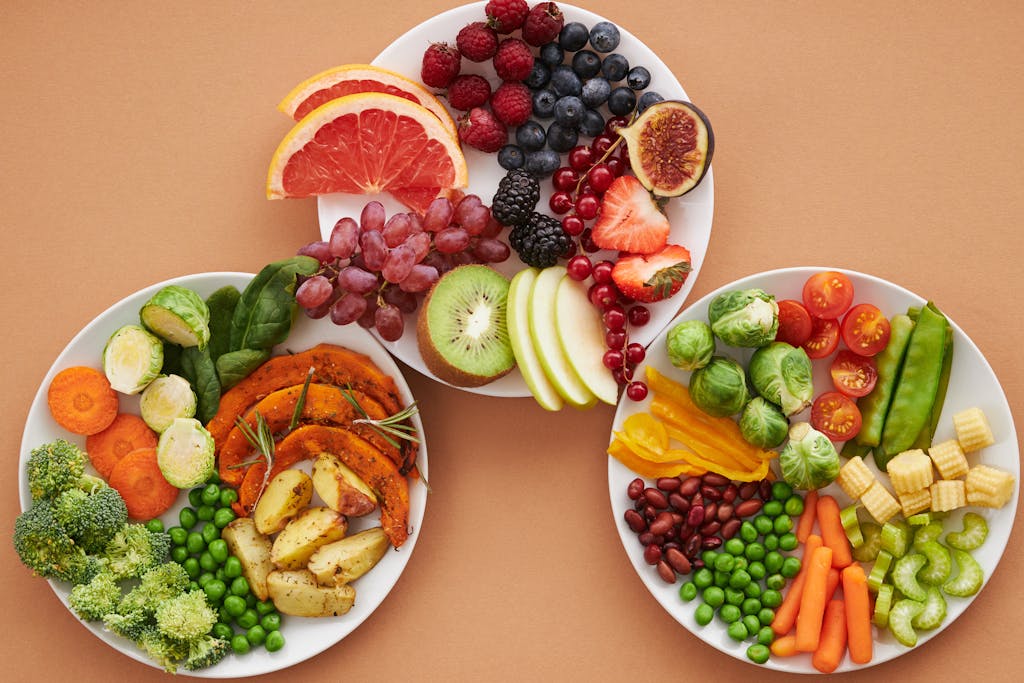
3 assiettes de fruits remplient de vitamines 5966430

Further reading:

Similar Posts