By Heloa | 25 April 2025

Baby probiotics: benefits, safety, and how to choose the right option

7 minutes
de lecture
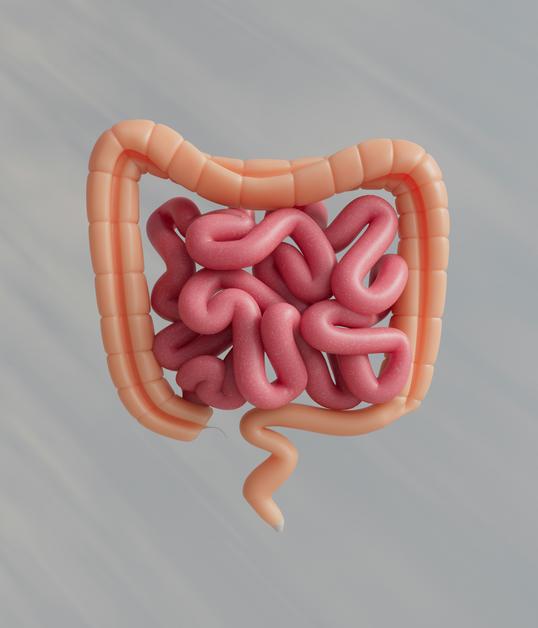
Probiotique bebe : Diagramme illustrant le système digestif d'un bébé, soulignant l'importance des probiotiques pour la santé intestinale.

By Heloa | 25 April 2025

Baby probiotics: benefits, safety, and how to choose the right option

7 minutes
Probiotique bebe : Diagramme illustrant le système digestif d'un bébé, soulignant l'importance des probiotiques pour la santé intestinale.

Par Heloa, le 25 April 2025

Baby probiotics: benefits, safety, and how to choose the right option

7 minutes
de lecture
Probiotique bebe : Diagramme illustrant le système digestif d'un bébé, soulignant l'importance des probiotiques pour la santé intestinale.

All those early worries about your baby’s tiny tummy—gurgling sounds at night, episodes of colic, or a sudden bout of diarrhea after antibiotics—can turn any peaceful day into a whirlwind of uncertainty. In this universe of first smiles, sleepless nights, and endless questions, the concept of baby probiotics emerges: live, friendly bacteria, so tiny yet so influential, that science is steadily confirming just how much their presence (or absence) may impact your infant’s digestive comfort, immune defences, and even mood. Parents often ask: Do baby probiotics genuinely help? Are they safe from day one? How can you select from dozens of drops, powders, and formulas lining the pharmacy aisles? Let’s examine the real impact of baby probiotics, explore what science supports, and unravel practical steps—always with a gentle focus on your child’s unique needs.

Understanding baby probiotics: what are they and why do they matter?

“Probiotics”—the very word conjures images of tiny allies, bustling within your baby’s gut. Medically speaking, baby probiotics are preparations containing live beneficial bacteria, such as Bifidobacterium (for instance, B. lactis BB12) and Lactobacillus (like L. reuteri DSM 17938). Their role? To recover or maintain the delicate microbial balance in your infant’s digestive tract, especially when natural equilibrium is disturbed—think c-section birth, or after a round of antibiotics.

While breast milk elegantly delivers not just probiotics but also human milk oligosaccharides (HMOs)—that serve as nourishment for these “good” bacteria—formula brands now compete, touting probiotic and prebiotic-enriched blends. Drops, too, are readily available, custom-designed for infants (never an afterthought, as the needs of a newborn’s gut microbiota are distinct from adults).

Imagine the gut as an evolving ecosystem. Every moment of colic, every gassy episode, or immune quirk can often be traced to the microscopic communities living within. When disturbances like illness, medication, or feeding difficulties arise, probiotics can offer gentle, non-pharmaceutical support—sometimes shortening crying periods in colicky babies, sometimes supporting more efficient digestion. But, as the science confirms regularly, the right strain, the right timing, and proper administration make all the difference.

The infant gut microbiome: nature’s foundation and what shapes it

Consider the gut microbiome as a first shield and trainer for the immune system. At birth, a baby’s intestine is nearly sterile, but colonisation begins at lightning speed. Vaginal delivery paves the way for maternal transmission of hardy, beneficial strains (Bifidobacterium, Lactobacillus), giving these children resilient gut flora from the start. C-section? The sequence alters, often resulting in delays and a different bacterial composition—sometimes linked with increased risks of atopic disorders or gastrointestinal upsets.

Diet steps in as a major influencer. Breastfeeding floods your infant’s gut with a continuous supply of live bacteria and the remarkable HMOs, supporting a preponderance of bifidobacteria—microbes renowned for soothing the gut lining and “training” the immune system to distinguish friend from foe. Formula, even if balanced, is not the microbiological twin of breast milk, and the microbial profile differs accordingly.

Add in the unavoidable events—antibiotic courses, which can “clear-cut” not just problematic germs but also beneficial strains, or the varied exposures to pets, older siblings, or sanitised environments—all of which nudge the gut microbiota in unique directions. Most changes are transient, especially with breastfeeding and use of targeted probiotics that restore balance after such disruptions. A diverse, balanced gut flora in infancy has been linked to better digestion, fewer allergies, and sometimes a milder course for pesky issues like eczema.

Types and sources: discovering which baby probiotics really help

Not every bacteria is equal—this is not just a scientific catchphrase, but a vital consideration. Baby probiotics typically feature precise strains like Lactobacillus reuteri DSM 17938 (noted for colic relief), Bifidobacterium species (B. infantis, B. lactis BB12) for digestive comfort, and Lactobacillus rhamnosus GG, especially favoured after antibiotics or diarrheal illnesses. Their effects are not interchangeable—each interacts differently with an infant’s gut.

But what about “synbiotics” or “prebiotics”?

  • Probiotics: live, beneficial bacteria.
  • Prebiotics: special fibres (like HMOs, inulin, FOS) that nourish good bacteria.
  • Synbiotics: both combined, providing a “seed and feed” approach for the microbiome.

Natural sources? Breast milk heads the list, no rival in early months. However, as the months pass, and especially for formula-fed infants, some formulas with added probiotics and prebiotics aim to mimic this benefit. For infants past six months, the occasional spoon of yogurt or fibre-rich foods (bananas, oats) can further support gut health—though, as paediatricians regularly caution, probiotic-rich foods before six months are not encouraged.

Supplements are not all created equal. Look for those specifying the strain (for credibility—no vague “Lactobacillus” listing), guaranteeing a colony-forming unit (CFU) count until expiry, and holding third-party certifications for quality.

Why consider baby probiotics: practical reasons and promising research

The gut is not just for digestion—about 80% of immune cells reside here, making every meal, every microbe, every decision about feeding, count. Baby probiotics have demonstrated the ability to help “train” the immune system, dampening exaggerated responses and perhaps steering children away from atopic dermatitis or allergies.

Digestive harmony? These friendly bacteria act as “crowd control,” edging out gas-producing and less-desirable bacteria, regulating stool patterns and sometimes diminishing colic, constipation, or reflux. Studies have pinpointed Lactobacillus reuteri DSM 17938 as effective in easing colic among breastfed babies, while L. rhamnosus GG and Saccharomyces boulardii are well-documented for tackling antibiotic-associated diarrhea.

Much of the benefit is visible only during continued supplementation—most strains don’t permanently colonise. Does this mean, then, that once you stop, the benefit evaporates? Not entirely, as periods of better gut function may help the system “remember” more robust patterns, though ongoing use is often necessary for persistent issues.

For allergies and eczema, the story is still evolving. Early and balanced microbiome exposure may reduce the later risk of these conditions—a field of intense research, with promising but still-developing evidence.

How and when to give baby probiotics: practical tips for parents

Timing is about context. Baby probiotics are safe from birth in healthy, full-term infants, but choice and dosage depend on your baby’s situation. If born via c-section, after antibiotics, or during acute digestive upset (colic, diarrhea, constipation), supplementation may be worth discussing with your doctor.

Practical dos:

  • Choose only supplements formulated for infants (not generic probiotics!).
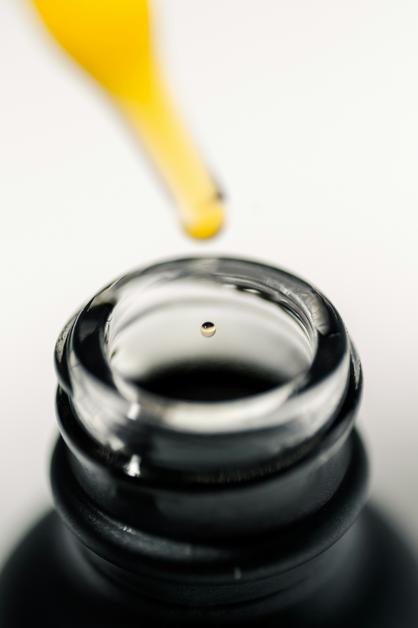
  • Never exceed recommended dosage (usually, 5 drops a day—always check the packaging).
  • Don’t touch droppers to your baby’s mouth (prevents contamination).
  • Mix powders or drops with breast milk or formula at room temperature—not hot, as heat destroys live bacteria.
  • Keep to a routine (whether morning or bedtime), as consistency matters more than the exact timing.

Always consult your child’s doctor—especially for premature babies, those with very low birth weight, or known immune vulnerabilities.

The evidence: what clinical research really shows

The medical literature backs several distinct probiotic strains for infants. Lactobacillus reuteri DSM 17938 stands out for reducing crying in breastfed babies with colic (shorter crying spells, less stressed evenings). L. rhamnosus GG and Saccharomyces boulardii help shorten diarrhea duration, particularly after antibiotics.

Constipation? Evidence is less robust. While some families report softer stools, research remains mixed, with outcomes differing by strain and supplementation period.

The prospect of preventing future allergies or eczema remains intriguing. A baby’s microbiome, exposed early to diversity and balance, may indeed help “set the switch” against allergic tendencies—but this is an area still under exploration, not a claim of guaranteed protection.

Long-term impacts differ for formula-fed versus breastfed babies, with continued supplementation often playing a key role in maintaining, if not establishing, those benefits.

Is it safe? What should parents watch for with baby probiotics

For healthy, full-term babies, side effects are minimal: perhaps mild extra gas, or changes in stool consistency that resolve naturally. For those babies born preterm, with extremely low birth weight, or specific health issues, the calculus changes—rare but serious complications like sepsis are documented, especially if a product not specifically tested for infants is used.

Labels matter: seek brands specifying strain, CFU count, and carrying certifications from trusted, independent bodies. Avoid vague, untested supplements and grandiose claims. Simple formulations with the smallest number of added ingredients tend to be best tolerated.

Don’t forget storage conditions—some probiotics need refrigeration, others just a cool, dry place. And expiration dates are not suggestions.

Practical ways to support your baby’s gut beyond supplements

Probiotics are a piece—not the entire puzzle. Breastfeeding remains one of the most effective means to naturally populate your baby’s gut with both live bacteria and nourishing prebiotics. Gentle skin-to-skin contact and direct feeding encourage microbial diversity and immune strength.

Once past the weaning threshold, introducing a variety of prebiotic-rich foods (bananas, oats, artichokes) helps maintain a balanced gut flora. Sensible hygiene (frequent handwashing without sterilising every surface) encourages healthy microbial exposure.

Limit antibiotic use to truly necessary situations, knowing every course can disrupt your child’s newly established microbiota, but also trusting that with thoughtful feeding and, when needed, baby probiotics, balance generally returns.

Above all, trust your own observations. If your baby is thriving, alert, and comfortable—whether exclusively breastfed, mixed fed, or using a carefully chosen supplement—this is your best sign you’re on a good path.

Key takeaways

  • Not every baby requires baby probiotics, but the right strain, at the right time, can ease digestive troubles, support immunity, and sometimes reduce future allergy risks.
  • Look for infant-specific products, with clearly labelled, clinically researched strains, and guard against vague labeling or unsupported health claims.
  • Breastfeeding provides probiotic and prebiotic support rivalled by no supplement; use products especially when recovery from antibiotics or c-section is needed.
  • Probiotics offer benefits chiefly during regular use; their positive effects typically fade after cessation unless supported through diet and environment.
  • Overall gut health thrives in a nurturing home, where diet, moderate hygiene, and gentle routines work together—supplements are just one possible support.
  • For guidance tailored to your child’s needs, trustworthy resources and health professionals stand ready to support you. Families wishing for locally adapted advice and free health checklists for their children can also download the application Heloa.

Questions Parents Ask

Can you give probiotics to a newborn?

Yes, certain baby probiotics are designed for use right from birth. Still, before starting any supplement—especially with babies born preterm or with medical conditions—a consultation with your paediatrician is wise. Your healthcare provider will be able to evaluate if this option suits your baby, recommending the safest strain and dosage adapted for your child’s unique profile.

What is the best time of day to give baby probiotics?

No universal answer exists for this—what matters most is consistency. Some parents prefer mixing probiotics with the morning bottle or breastfeed for routine, while others choose bedtime. The essential point is to administer baby probiotics at the same time each day, ensuring regularity in bacterial support. Always avoid mixing the supplement with hot liquids, as this may reduce live bacterial counts.

Are there risks in giving probiotics to infants?

For the majority of healthy babies, side effects from baby probiotics are rare and typically limited to mild bloating or slightly altered stool patterns. However, for premature infants, those with very low birth weight, or special medical needs, consulting with a paediatrician is necessary before introducing supplements. Always select well-researched, infant-specific products with clear strain and CFU labeling—it’s your baby’s wellbeing, and quality truly matters here.

Similar Posts

As parents gaze at their newborn, many questions race through their minds—some fleeting, some persistent. Feeding choices, sleep patterns, skin rashes, and those unexpectedly loud tummy gurgles. Digestive comfort and immune strength are not just minor concerns; they permeate the daily routine, affecting feeding, sleep, and general well-being. Among the solutions often recommended, baby probiotics have emerged, promising balance in this delicate period. Do they truly hold the key to a more peaceful digestive system or a calmer baby? What does trustworthy evidence actually say? Concerns about safety, necessity, and effectiveness are valid—especially when products seem to multiply at every pharmacy shelf. Here, the intention is clear: provide parents with robust information, answer persistent questions, and empower careful decision-making around baby probiotics.

What Are Baby Probiotics and How Do They Work?

Walk into any pharmacy, and you’ll likely spot a range of baby probiotics—sometimes labeled with exotic bacterial names or boasting terms like “gut flora support” or “immune enhancement.” But what are they, really? At their essence, baby probiotics contain live microorganisms, often species of Lactobacillus or Bifidobacterium, which, when offered in the right dose, may help foster a more harmonious environment in a baby’s gut.

Why is this “gut flora”—also known as the microbiome—so important? In newborns, it is rapidly evolving, impacted by delivery (vaginal birth versus C-section), feeding method (breast milk or formula), antibiotic use, family environment, and even how many siblings or pets share the home. Bifidobacterium infantis and Lactobacillus reuteri, among others, are not just names on a label; they are the species scientifically spotlighted for fostering digestive comfort and immune training. Picture it like a small city developing after birth—probiotics serve as new, helpful ‘inhabitants,’ reclaiming space that would otherwise be open to less welcome occupants (harmful bacteria).

Breast Milk, Formula, and Supplements

Breast milk is not just a nutrient supply; it is a dynamic ecosystem. It contains not only beneficial bacteria but also prebiotics—special sugars (like human milk oligosaccharides) that nourish friendly gut bacteria. If breastfeeding is not possible, certain formulas attempt to replicate this benefit, either by adding probiotics, prebiotics, or both (synbiotics). For some families, specially formulated probiotic drops or powders become a practical solution, especially after events like antibiotic courses or a C-section.

Deciphering the Infant Microbiome: Birth, Development, and Disruption

You may wonder—how does a baby’s gut become populated in the first place? The answer is a blend of science and circumstance:

  • Vaginal Delivery: The baby encounters the mother’s own microflora—particularly Lactobacillus and Bifidobacterium strains—during passage through the birth canal, essentially receiving a foundational ‘gut starter kit.’
  • Cesarean Delivery: These infants often have delayed or altered acquisition of bacteria, frequently presenting with fewer beneficial strains and a higher proportion of environmental or skin-derived bacteria. Some evidence links this difference to heightened risk for digestive upset or recurrent infections.
  • Breastfeeding vs. Formula: Breast milk supplies both immunoglobulins (protective proteins) and a host of live bacteria, supporting a predominance of bifidobacteria and creating a soothing, resilient digestive terrain.

Modern life brings unique challenges—early antibiotic exposure, hospital stays, and changing family structures. Antibiotics, in particular, although sometimes indispensable, do not discriminate: both good and bad bacteria are affected, sometimes creating an imbalance (dysbiosis) that can last for weeks. Breastfeeding and targeted baby probiotics can help rebalance this micro-ecosystem.

Types, Sources, and Selecting the Right Probiotic

Set aside marketing slogans and examine the label: which strains are present? A closer look matters, as not all probiotics confer the same benefits, and only those studied in infants should be considered. Bifidobacterium lactis BB12 and Lactobacillus reuteri DSM 17938 are backed by clinical studies for their safety and potential efficacy.

  • Probiotics: Live, beneficial bacteria that populate the gut.
  • Prebiotics: Nutritional fibers—think inulin, GOS, and FOS—that selectively nourish these bacteria. (Imagine prebiotics as the “fertilizer” and probiotics as the “seed.”)
  • Synbiotics: A thoughtful combination of both, aimed at producing a stronger, more consistent positive effect.

While breast milk leads the charge naturally, formula with added probiotics (always check for explicit strain listing and independent quality certification) or liquid supplements offer another pathway. Note: yogurt and other fermented foods can help after six months, but should not replace supplements for babies under that age.

Health Benefits and Current Research: What Can Baby Probiotics Really Do?

Here, the spotlight turns to clinical reality. The strongest results speak to certain, specific situations:

  • Infant Colic: Evidence robustly supports Lactobacillus reuteri DSM 17938 for reducing crying time in breastfed babies. It does not work instantly; most studies observed effects within days to weeks of daily use.
  • Diarrhea (including post-antibiotic): Clinical trials validate Lactobacillus rhamnosus GG and Saccharomyces boulardii as beneficial in shortening the duration and severity of diarrhea.
  • Immune Support: While 80% of immune function resides in the gut, translation to fewer infections is less direct. Nonetheless, a balanced microbiome may train the immune system to respond effectively and avoid overreacting—potentially reducing the risk of eczema and certain allergies, as observed in some long-term studies.

For constipation, research is less convincing, though many parents anecdotally report improvement. Remember, benefits are generally observed during regular supplementation; baby probiotics often do not permanently inhabit the gut.

When and How to Start: Practical Guidance for Parents

Introducing baby probiotics might seem simple, but it’s worth considering the optimal context and method:

  • When?
  • After C-section
  • Post-antibiotic therapy
  • During digestive symptoms (colic, diarrhea, constipation), always under a pediatrician’s guidance

For healthy, full-term infants who are breastfed, mother’s milk already imparts substantial benefits. If supplementation seems appropriate, opt for infant-designed products (drops or powder is generally easiest for this age group).

  • How?
  • Only choose supplements marked infant-specific; adult strains can behave unpredictably in young babies.
  • Dropper hygiene matters: avoid direct mouth contact to prevent bacterial cross-contamination.
  • Mix only with cold or room temperature breast milk or formula; heat destroys live cultures.
  • Follow package instructions—usually five daily drops, not more, unless otherwise directed by a healthcare professional.

Every baby is different. Some show noticeable improvement within days, others need longer or may respond differently. Parental intuition, backed by pediatric oversight, remains invaluable.

Safety: Considerations and Cautions

The safety profile for baby probiotics in healthy, full-term infants is reassuring, with side effects generally limited to temporary gas or minor changes in stool pattern. Nevertheless, exceptions must be highlighted:

  • Premature, very low birth weight, or immunocompromised infants: Very rare cases of sepsis have been reported, strongly linked to improper product selection or contamination. For these populations, only hospital-recommended and closely monitored probiotics should be considered.
  • Regulation: Supplements are not stringently regulated like medicines. Trustworthy brands will list precise strains, CFU count (colony-forming units—a measure of how many live organisms per dose), expected shelf life, and independent quality certification. Avoid supplements lacking transparency or using vague marketing language.

Enhancing Baby’s Gut Health Beyond Supplements

Although baby probiotics play a promising role, comprehensive gut health springs from multiple, interconnected habits:

  • Breastfeeding as often as possible, not just for nutrients but for live bacteria and prebiotics promoting a diverse, resilient microbiome.
  • Skin-to-skin contact: Beyond warmth and comfort, this practice supports microbial sharing, reinforcing colonization of beneficial bacteria.
  • Diet transitions: After six months, gradually introduce prebiotic-rich foods like bananas, oats, and artichokes, which will support the established bacterial communities.
  • Antibiotic stewardship: Resist requests or pressures for unnecessary antibiotics, favoring them only for clear indications.
  • Balanced household hygiene: Focus on reasonable cleanliness—meaning frequent handwashing and safe food handling—without descending into a sterile environment, which can paradoxically hinder microbiome development and immune balance.

Supporting the gut is not a one-size-fits-all process. Each family, and each baby, writes a unique story—baby probiotics may play a leading or supporting role, but the script is multi-dimensional.

Key Takeaways

  • Baby probiotics are live microorganisms introduced to infants to nurture gut and immune health, especially in situations of disrupted balance (C-section, antibiotic use, digestive issues).
  • Not all strains are equally effective; products should specify studied strains (like Lactobacillus reuteri DSM 17938 and Bifidobacterium lactis BB12) and guarantee CFU up to the expiration date.
  • Breastfeeding offers natural, evidence-based support for a healthy gut microbiome. Baby probiotics act as an adjunct—especially after certain medical events.
  • Parents should consult healthcare professionals before supplementing, particularly for premature or immunocompromised infants.
  • Building and maintaining gut health exceeds what supplements provide: it’s a tapestry woven from diet, gentle hygiene, and a positive early environment.
  • There is a spectrum—from immediate relief of symptoms like colic, to possible long-term immune protection—yet the scientific landscape continues to evolve.
  • Trust in transparent labeling, medical guidance, and evidence-based choices offers reassurance in this dynamic field.

Rich, reliable support is within reach. For tailored recommendations, detailed health questionnaires, and access to pediatric experts, explore the Heloa app—a practical resource created to simplify the health journey for your family.

Questions Parents Ask

Can you give probiotics to a newborn?

Yes, certain probiotics are designed specifically for newborns, but it is always best to speak with your pediatrician before starting any supplement. Babies born prematurely or with specific health needs may require careful consideration when introducing probiotics. Health professionals can help you determine whether it is appropriate for your baby, and recommend the safest option adapted to their unique circumstances.

What is the best time of day to give baby probiotics?

While there is no one-size-fits-all moment, many parents choose to give probiotics at the same time each day to help with routine. Some find it convenient to add them to morning feeds, while others prefer bedtime. What matters most is consistency rather than the specific hour. You can gently mix probiotic drops with breast milk or formula (ensuring the liquid is not hot to preserve the beneficial bacteria). If you are unsure about timing, do not hesitate to discuss it with your pediatrician for a plan tailored to your baby’s habits.

Are there risks in giving probiotics to infants?

For most healthy, full-term babies, probiotics are generally well-tolerated with minimal side effects such as mild gassiness or subtle changes in stool. However, for babies who are premature, have a very low birth weight, or specific health concerns, it is essential to seek medical advice before introducing any supplement. Always choose products intended for infants and certified for quality and safety. Rassurez-vous, with a professional’s guidance, introducing probiotics can be done calmly and safely.

probiotique bebe colin lloyd G7bjM dHPEI unsplash

Similar Posts