By Heloa | 24 June 2025

Natural childbirth: empowering parents, embracing choices

7 minutes
de lecture
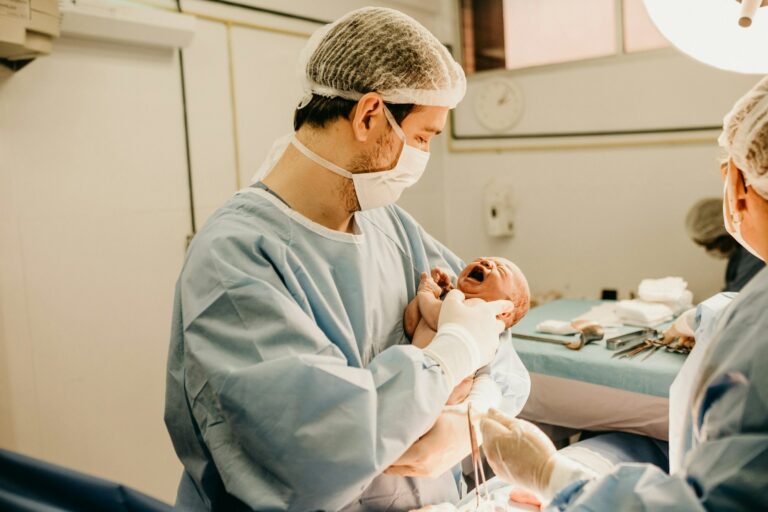
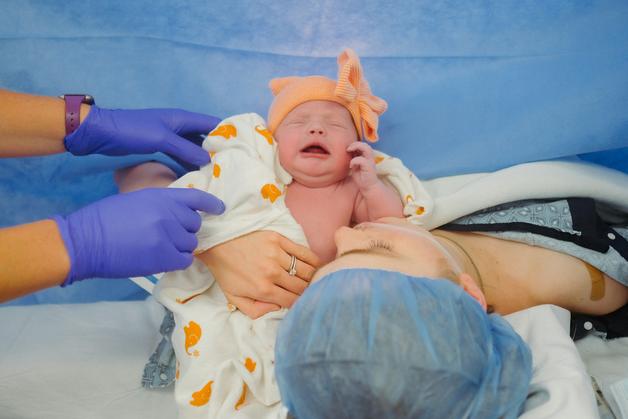
Image d'une mère tenant son nouveau-né après un accouchement sans péridurale, dans un cadre médical apaisant.

By Heloa | 24 June 2025

Natural childbirth: empowering parents, embracing choices

7 minutes
Image d'une mère tenant son nouveau-né après un accouchement sans péridurale, dans un cadre médical apaisant.

Par Heloa, le 24 June 2025

Natural childbirth: empowering parents, embracing choices

7 minutes
de lecture
Image d'une mère tenant son nouveau-né après un accouchement sans péridurale, dans un cadre médical apaisant.

Amid fluttering anticipation and a touch of apprehension, questions swirl—can birth truly be experienced gently, with respect for the body’s own wisdom? Many parents wonder if enduring labour “naturally” is an ordeal to be survived or a path to empowerment. Natural childbirth draws much attention here: some view it as a harmonious journey, others see it as daunting. But is it only about enduring pain, or is something deeper at stake? Let’s shine a light on your choices, exploring what natural childbirth actually means, the real benefits and challenges, and how preparation—mental, physical, emotional—makes all the difference. Flexibility, practical tips, scientific insights: the road ahead is as unique as every childbirth itself.

What Natural Childbirth Means: Philosophies, Practices, and Myths

Defining Natural Childbirth—More Than “No Medicines”

Natural childbirth isn’t just about “saying no to injections” or braving pain. It’s a philosophy: respecting your body’s inherent ability to bring forth new life, with minimal reliance on medical interventions. Think of it as trusting nature, but never shutting the door on medical support. For a moment, picture a space where you move, change positions, breathe deeply, and make choices about your own comfort measures, whether that’s relaxing music, a warm bath, or soothing back massage. Techniques such as dedicated prenatal breathing exercises, gentle movement, hydrotherapy (using water for relaxation), massage, acupressure, and focused mental preparation become your toolkit.

Many start with childbirth education classes, like Lamaze or the Bradley method, hypnobirthing, or even prenatal yoga—where the aim is building confidence, knowledge, and a sense of control. Importantly, the presence of a birth partner or doula—someone skilled in giving emotional and physical support—makes a world of difference. Far from being an extreme choice, natural childbirth is about constructive readiness. If, at any time, a switch becomes necessary—medical help remains available. That’s the hallmark of genuine empowerment: choice.

Debunking Popular Myths

Parents may hear all sorts of stories: that natural childbirth is only for the “brave” or that it forbids all medical comfort. In truth, most women use a blend of techniques—a good birth team keeps both non-pharmacological and pharmacological options open. It’s not about who is “strongest.” It’s about what works for you, with respect given to your body’s signals and the circumstances that unfold.

Key Benefits of Natural Childbirth for Mothers and Babies

Strength for Mothers: Fast Recovery, Empowered Experience

  • Shorter recovery: Without anaesthetic drugs or surgical interventions, most mothers can walk, stand, and begin early feeding sooner. Pelvic sensation remains intact, so the urge to push is clearer and easier to follow.
  • Reduced complications: Lower rates of instrumental assistance (like forceps or vacuum), less risk of episiotomy (a surgical cut near the birth canal), and fewer issues tied to fever or lengthy labours are commonly recorded in scientific studies.
  • Active bonding: Hormonal surges—especially oxytocin—work best when not interrupted by medications. Early mother-infant contact accelerates emotional connection and stimulates milk production.
  • Confidence and agency: Facing the challenge in your own way (whether in a cozy home, a calm birthing center, or a hospital’s natural-birth suite) often leaves new mothers feeling deeply accomplished and resilient.

Well-being for Babies: Gentle Beginnings, Strong Attachment

  • Immediate skin-to-skin: Babies, usually more alert at birth without sedative medicines, can snuggle directly on their mother’s chest—regulating breathing, temperature, and heart rate. This close contact encourages early breastfeeding, which has direct benefits for immunity and neurodevelopment.
  • Calmer transition: Reduced intervention means a lower risk of breathing difficulties or feeding challenges in those precious first hours.
  • Long-term health: Some research hints at fewer issues with gut flora and a fortified immune system—although this is still under scientific discussion.

Pain, Perception, and Practical Coping

You may be wondering: what is labour pain, really? Isn’t it too much to bear without medicines? Labour pain comes from strong, rhythmic muscle contractions of the uterus, along with pressure on nerves and tissues. However, unlike an illness or accident, this pain is cyclical—building with contractions, easing in between, and often described by mothers as purposeful.

  • Expectation shapes experience: Evidence shows mental preparation—breathing, mindfulness, explanation of what to expect—reduces pain perception and lessens anxiety.
  • Support matters: A caring team—midwife, doula, birth partner—can suggest position changes, counterpressure, supportive words, and touch at exactly the right moment.
  • Flexibility stays essential: If pain breaks all previous limits, don’t hesitate to discuss comfort options; an epidural or pain relief remains a possibility unless birth is imminent.

Preparing for Natural Childbirth: Knowledge, Body, and Mind

Learning and Understanding: The Education Pillar

Attending thorough preparation classes (in groups or online), hearing others’ positive birth stories, reading trusted books—all these build a bank of practical know-how. Understanding how contractions work, what positions ease discomfort, and which techniques work for pain transforms uncertainty into confidence.

Physical Readiness: Training for an Endurance Event

  • Prenatal exercise: Pelvic tilts, gentle stretching, walking, and targeted yoga routines keep joints supple and muscles strong.
  • Breathing drills: Deep abdominal breaths help during contractions; practiced regularly, they become second nature.
  • Perineal massage: Massaging the area between vagina and anus a few weeks before due date can gently stretch tissues, making them more resilient (scientifically shown to lower tearing rates).
  • Diet and hydration: Nutritious meals and plenty of fluids prepare the muscles for strenuous work.

Mental and Emotional Backing: From Fear to Trust

  • Visualization, affirmation, and relaxation: Techniques from hypnobirthing or meditation anchor the mind, turning doubts into focus.
  • Peer sharing: Listening to others demystifies the process, replaces fear with hope, and helps manage diverse reactions—tears, laughter, frustration—during labour.

Creating a Birth Plan—Your Voice, Your Choices

A written list of preferences—pain management, birthing positions, who you want present, how to handle unexpected scenarios—opens honest conversations with doctors and midwives. Flexibility is the heart here: a plan is a compass, not a contract.

Birth Environment: Home, Center, or Hospital?

  • Home birth: Familiar surroundings, freedom of movement, personalized rituals; safest for low-risk pregnancies under the guidance of an experienced midwife and with a clear transfer arrangement.
  • Birth center: Calm, supportive, family-focused spaces that provide non-clinical care with quick hospital access if needed.
  • Hospital-based natural birth: Modern hospitals may offer “natural birth suites”—dim lighting, birthing balls, intermittent monitoring—and respect for your plan, with immediate medical help nearby.

Pain Management—Natural Tools and Science

  • Controlled breathing: Slows heart rate, carries more oxygen to both mother and child, dampens stress.
  • Movement and positioning: Upright poses, walking, squatting—these use gravity, reduce pressure, and promote efficient descent.
  • Hydrotherapy: Warm baths relieve tight muscles, lessen perception of pain, and boost endorphin release.
  • Massage and touch: Gentle back rubs, counterpressure points (like acupressure on the lower back), and heat packs are proven in studies to ease discomfort.
  • Music, lighting, aromatherapy: Soothing scents (lavender, chamomile), soft tunes, and low lights help mothers retreat into a “bubble of comfort.”

Trusted Support—The Circle Around You

Your emotional environment can tip the scales. Partners provide encouragement, sometimes even just holding hands or wiping a brow at just the right moment. Midwives and doulas suggest new positions, keep a reassuring presence, and act as advocates—never judgmental, always listening. Healthcare professionals monitor the well-being of both mother and baby and adjust their approach if risks increase.

Open conversation, gentle advocacy, and shared decision making spark trust on all sides. That collaboration keeps your needs at the center, even as events evolve.

Labour Stages: Each Phase, Each Strategy

  • Early labour: Mild contractions—ideal for restful activity, snacks, hydration, gentle walks, music, baths.
  • Active labour and transition: Stronger waves—position changes, focused breaths, massage, and verbal support become vital.
  • Pushing and delivery: The final stretch—upright positions often work well, guided (but not forced) pushing helps protect tissues, continuous encouragement is invaluable.
  • Golden hour: The first uninterrupted hour—direct skin-to-skin and relaxed feeding solidify the mother-infant bond, elevate oxytocin, and smooth emotional adjustment.

Adaptability—The Hidden Power

Birth rarely follows a predictable pattern. Sometimes the best-laid plans shift quickly: perhaps pain intensifies, energy drops, or a complication arises. When adjustments are necessary—whether that means an epidural or an urgent intervention—flexibility becomes a sign of wisdom, not failure. Early discussion with an anesthesiologist offers peace of mind about your “windows” for pain relief options. True calm comes from being prepared for surprises, not hoping they’ll never arise.

Stepping Into Recovery—Body and Bonding

Physical Recovery

Expect vaginal bleeding (lochia), perineal soreness, and a gradual return to pre-pregnancy comfort. Cool compresses, easy pelvic floor exercises, gentle walking, and attentive hygiene support healing. Regular medical check-ups catch early issues and reassure you that recovery is progressing normally.

Emotional Wellness

Skin-to-skin and early feeding nurture not only the baby’s brain but also the mother’s heart. Emotional shifts—a mix of joy, tears, exhaustion—are normal. Family, partners, doulas, and community resources make a huge difference. Don’t let persistent sadness or anxiety linger without seeking help; compassionate support is part of healthy parenthood.

Myths, Misunderstandings, and Authentic Narratives

True natural childbirth is neither reckless nor about stoic endurance. Parents, after positive birth experiences, often say they “discovered an inner strength”—and recommend practical tips like practicing breathing, staying flexible, and inviting comforting elements into the birth setting. Each story is equally valid, whether plans change or not; the journey is what builds resilience.

Key Takeaways

  • Natural childbirth is a philosophy celebrating the body’s innate strength, backed by careful preparation, open options, and personalized support.
  • Techniques—controlled breathing, movement, hydrotherapy, informed support—make pain manageable and reduce the need for intervention.
  • Medical science reveals multiple benefits: quicker recovery, fewer complications, and improved mother-infant bonding.
  • Flexibility is the real “secret ingredient,” turning the unknowns of birth into a positive and empowering story.
  • Every parent has the right to carve their own birthing path; there are plenty of resources available, and professionals are ready to walk with you.
  • For personalised guidance and free health checklists for your child, download the Heloa application.

Questions Parents Ask

What are the disadvantages of natural childbirth?

Natural childbirth promises a unique sense of agency and can speed up recovery—yet, for many, the lack of pain medications can amplify the challenge, especially if labour is long or new difficulties arise unexpectedly. Sometimes urgent interventions or transfers become necessary, which can be stressful if you expect a predictable course. Preparation is key: skilled support, information, and being open to adapting your plan helps parents respond rationally and safely—your choices always remain open.

Where can I find support and information about natural childbirth techniques?

Seeking reassurance and practical advice is both reasonable and wise. Many parents benefit from childbirth education sessions, now readily available at hospitals, birthing centers, or online platforms. These programs cover all key practical skills—relaxation, breathing, effective movement, and real-world advice. Parent communities, either local or online, give space to share personal experiences and seek peer support. Trustworthy books, official websites, and—most importantly—the direct guidance of experienced midwives or doulas enrich your journey and bolster confidence. Never hesitate to bring up your concerns with your medical team; whatever your path, their expertise stands ready to guide you.


Similar Posts

Imagine standing at the threshold of one of life’s most profound transformations—welcoming your baby into the world—while questions tumble in your mind. How much will it hurt? Is “natural childbirth” simply about declining every option the hospital offers? Could my body, with all its quirks, really handle this? Curiosity mingles with concern: Will I be able to walk after delivery? What if plans change at the last minute? These are universal worries for parents considering natural childbirth, and each deserves more than a rehearsed answer—they require compassion, clarity, and science. This overview dives into the many realities of natural childbirth: what it means, how pain is managed, the tangible benefits for both mother and baby, and the flexible choices available to every family. Expect a mosaic of perspectives—medical evidence, shared experiences, and practical advice—all composed to empower your decisions along the way.

Defining Natural Childbirth: Approaches and Realities

Choosing natural childbirth means trusting the body’s physiological design to orchestrate birth with minimal intervention. No spinal blocks, no synthetic hormones, and no scheduled surgery. Instead, this approach centers on respecting spontaneous labor, harnessing techniques such as breathing exercises, mindful movement, hands-on support, and a nurturing birth environment. The focus? Enable the mother to remain present, mobile, and actively engaged.

Is natural synonymous with “no pain relief”? Not quite. Instead of medicated options, families lean on a spectrum of non-pharmacological strategies: from relaxation methods and hydrotherapy to guided imagery and support from partners, doulas, or midwives. Classes—Lamaze, Bradley, hypnobirthing—build the confidence that knowledge brings, while pain is recast from a feared adversary to a process with purpose.

Curious about common myths? Many believe natural childbirth means refusing all medical help, but in practice, flexibility is essential. Need an epidural late in labor? It doesn’t erase the preparation or pride in your journey. Ultimately, the message is straightforward: your experience is shaped by your choices, preparation, and the support surrounding you.

Physical and Emotional Benefits: Insights from Medical Science

For Mothers: Faster Recovery, Deeper Empowerment

After natural childbirth, many mothers report a swifter physical recovery. Absence of anesthesia maintains mobility during labor—walking, squatting, choosing positions that feel right—which can help reduce the need for forceps or vacuum extraction. Retained sensation and intact reflexes permit mothers to sense their body’s cues for effective pushing, sometimes resulting in fewer perineal tears or need for episiotomy.

Science also highlights the hormonal storm surrounding spontaneous vaginal birth. Oxytocin and endorphins flood the system, fostering not only pain relief but a profound mother-infant bond—that skin-to-skin embrace post-delivery is more than heartwarming; it stabilizes your baby’s vital signs and supports early breastfeeding.

On the emotional front, parents frequently describe the experience as transformative. Confidence surges, resilience blooms. Referencing testimonies, mothers often remark, “I discovered strength I never thought possible,” capturing the psychological uplift underlying the effort.

For Babies: Alertness and Early Attachment

Babies arriving through natural childbirth generally benefit from immediate skin-to-skin contact—a seamless transition that supports thermal regulation, heart rate, and successful breastfeeding initiation. Without exposure to certain medications, newborns often appear more alert and responsive, ready for their family’s gaze and embrace.

Why is uninterrupted bonding so celebrated? Research associates early contact with neurodevelopmental security and improved immune activation, laying a foundation for long-term health. Beyond the headlines, it’s the details—calm breathing, coordinated reflexes, an eager root for the breast—that reassure exhausted parents: this start matters.

Pain in Labor: Lived Experience and Medical Understanding

Pain is rarely far from the mind when natural childbirth is mentioned. What does labor pain feel like? Medically speaking, uterine contractions (the muscle waves that open the cervix and guide your baby down) radiate to the lower back, abdomen, and sometimes thighs. The sensations intensify during active labor, but schools of thought remind us: pain is not a monolithic experience.

Individual perception varies: one person interprets contractions as overwhelming, another as manageable waves. Factors tipping the scale? Preparation, emotional support, and a belief in the purpose of pain. Some women, with mindfulness or hypnosis training, adapt their perception—reported anxiety can drop, pain feels less chaotic.

Importantly, the decision to switch to medical pain relief remains available. This adaptability—knowing an epidural or analgesics can still be requested—brings peace of mind to many parents. No choice made in labor defines the value of the birth.

Preparing for Natural Childbirth: Practical Steps

Building Knowledge and Confidence

Childbirth education is the bedrock of preparation for natural childbirth. Lamaze, Bradley, hypnobirthing, and prenatal yoga courses demystify labor’s stages, introduce movement strategies, and detail comfort measures. Books, podcasts, and parent groups round out an evolving toolkit.

Adopting Physical and Mental Readiness

Preparation splits into two main tracks:

  • Mental Readiness: Visualization, mindfulness, and relaxation help normalize labor pain, reframing it as purposeful. Therapy sessions, peer stories, or tailored hypnotherapy nurture an adaptive mindset.
  • Physical Readiness: Prenatal fitness, pelvic muscle exercises, and perineal massage (shown to lower risk of severe tearing) prime the body. Some turn to raspberry leaf tea; always best discussed with a healthcare provider for guidance.

A thoughtfully flexible birth plan emerges from this groundwork. This blueprint details your wishes for pain relief, labor mobility, environment, and support, but it’s a living document—adjustable as reality unfolds.

Home Birth: Familiarity and Control, With Caution

Home births tempt with privacy, calm, and maximum mobility. The comfort of familiar scents, sounds, and supportive faces can be powerful. Yet, safety remains essential: the option is generally recommended for low-risk pregnancies under the care of skilled midwives, with ready plans for hospital transfer if signs of fetal distress or maternal complications arise.

Birth Centers: A Hybrid Haven

Birth centers bridge the home-hospital gap. Typically midwife-led, they champion family-centered care and non-invasive monitoring, boasting both a homey ambiance and rapid access to emergency services. Warmth, hydrotherapy tubs, and supportive staff make these settings a preferred middle path.

Hospital Settings: High-Tech, High-Touch

Modern hospitals are not incompatible with natural childbirth. Many offer private birthing suites where parents are encouraged to express preferences—intermittent monitoring, free movement, or using a birthing ball. The advantage? Full medical backup if complications emerge, with staff trained in both low- and high-intervention scenarios. Open conversation, documented birth plans, and support people at your side help harmonize safety with autonomy.

Partners and Professionals: Building the Circle of Support

The cast of birth is rarely limited to the mother. Partners—spouses, friends, or chosen loved ones—provide grounding reassurance, counter-pressure, and advocacy. Midwives excel in guiding physiological labor, adjusting positions, and identifying early signs of distress. A doula brings specialized emotional tools and coping techniques, which studies link to reduced intervention rates and greater maternal satisfaction. Medical staff ensure expertise and fast response, their vigilance helping maintain focus on a positive outcome.

The key is open, ongoing communication. Expressing fears, needs, and hopes long before labor begins fosters shared understanding and helps everyone respond—tenderly, efficiently—when the unexpected occurs.

Coping With Labor: Stages, Strategies, Flexibility

During early labor, contractions may allow for sleep, nourishment, and quiet activity—rest, hydrate, walk, or settle into a warm bath. Active labor ups the ante. Position changes, controlled breathing, focused visualization, and hands-on massage become frequent allies, with the environment tailored to your comfort (dim light, music, aromatherapy).

The “transition” phase—faster cervical change, overwhelming sensations—triggers intense reactions: shivering, doubt, an urge to give up. This is normal. Support, steady hands, affirmations, and a reminder that each surge brings you closer help carry parents through.

Once pushing begins, upright, gravity-aided stances can speed fetal descent and minimize tearing. The first golden hour after birth, uninterrupted by medical tasks, is a window for skin-to-skin, soothing oxytocin release, and the first latch.

Expect plans to change—adjustment is not defeat, but a marker of attunement to each twist and turn. Discussing epidural timing with anesthesiologists early ensures clear understanding about options and boundaries.

Recovery and Postpartum Wellness: Healing Matters

Natural childbirth often leads to fewer restrictions in the initial recovery phase. Still, soreness, lochia (vaginal bleeding), and perineal discomfort are expected. Cold packs, careful hygiene, hydration, and progressive pelvic floor exercise support tissues as they mend. Regular checkups track physical and emotional recovery—never ignore pain, fever, or intense sadness.

Bonding and breastfeeding thrive in the quiet after birth. Skin-to-skin contact right away helps regulate temperature, heart rate, and builds trust between parent and baby. Early latching, with lactation support if needed, helps ward off issues like engorgement or cracked nipples. Emotional highs and lows—sometimes both in a single day—are natural. Doula support or trusted community voices can reduce anxiety and encourage resilience.

Myths and True Stories: Realism and Resilience

Doubts often flourish—does natural mean unnecessary suffering? Far from it. With guidance, education, and skilled support, pain can be mitigated and parents frequently describe the experience as life-affirming. Access to medical help remains ever-present. Birth isn’t measured in “how tough you are,” but in flexibility, adaptation, and emerging with a healthy baby (and parent).

Worth sharing: parents recommend practicing breathing and visualization, leaning on partners for touch or encouragement, and shaping an ambiance that soothes—music, aromas, dim lights. Update plans as needs change and ask for what you want at every stage.

Key Takeaways

  • Natural childbirth prioritizes the body’s capabilities, minimal intervention, and thorough preparation—empowering each family to craft their unique experience.
  • Benefits extend beyond birth: swifter maternal recovery, stronger parent-infant bonding, and a smoother start for breastfeeding.
  • Pain in labor is real and individual, but a spectrum of non-pharmacological tools and professional support help manage it effectively.
  • Choosing the right setting—home, birth center, or hospital—enhances safety, comfort, and alignment with your values.
  • Every parent deserves a robust circle of support. Open conversation, flexibility, and self-compassion transform challenges into growth.
  • No journey is measured by its perfect execution—adapting with grace, reaching for medical support when warranted, and celebrating every outcome are at the heart of positive, empowered parenthood.

Resources and empathetic professionals stand ready to guide you—whether planning, laboring, or recovering. For ongoing support tailored to your family, explore the Heloa app to access personalized advice and free health questionnaires for your child. The path is yours to shape.

Questions Parents Ask

What are the disadvantages of natural childbirth?

While natural childbirth often brings a sense of accomplishment and the possibility of faster recovery, il convient de reconnaître que cette option s’accompagne aussi de certains défis. Not having access to pain relief medications can make labor more intense for some, which may feel overwhelming, especially if labor is long or complications arise. In rare cases, urgent medical interventions may become necessary, which can be stressful if not anticipated. Rassurez-vous : being well-supported and informed helps families feel prepared for unexpected changes, and your choices can always evolve according to your needs.

Where can I find support and information about natural childbirth techniques?

It’s completely normal to want guidance and reassurance on the journey toward natural childbirth. Many parents find valuable resources in childbirth education classes, which are often offered in hospitals, birth centers, or online—these sessions cover relaxation, breathing techniques, and practical advice. Parent communities and support groups, both local and online, offer a space to share experiences and ask questions. Books, reputable websites, and advice from healthcare professionals such as midwives or doulas can also enrich your preparation and help you feel more confident. N’hésitez pas à en parler avec votre équipe médicale : their support is there for you, whichever path you follow.

accoucher sans peridurale hans isaacson mDCTNDj2HNw unsplash

Similar Posts