Balancing protection and freedom—this is perhaps the silent heartbeat in every parent’s mind. How to protect your child without overprotecting—in other words, how much is just enough? Thoughts like, “Is this decision too restrictive?” or “Am I exposing my child to unnecessary risks?” often echo in daily routines. The unique art lies in creating a secure base, yet granting those little wings space to flutter, tumble, and learn. Today, let’s delve into the delicate balance between shielding children from hazards and nurturing their independence, drawing upon both expert recommendations and practical everyday wisdom. Why does healthy protection matter? What are the real outcomes when the pendulum swings too far? And how do everyday habits, from late-night curfews to school drop-offs, shape resilience and confidence? Let’s unravel these questions, weaving medical insight with compassionate, actionable advice.
What is healthy child protection?
Wondering how to protect your child without overprotecting in everyday scenarios? It’s less about building metaphorical walls, more about laying stepping stones and watchful guidance. Healthy child protection means setting boundaries—like fixed play zones or regulated gadget time—while letting curiosity roam within those fences. Predictable routines offer psychological safety; children thrive on knowing what to expect. What transpires at the neuronal level? Stable routines reduce cortisol (stress hormone) release, bolstering emotional regulation and cognitive flexibility. Emotional warmth—hugging your child after a long school day, sharing stories at bedtime—fosters oxytocin release, fortifying attachment bonds that serve as resilience buffers.
But does protection mean removing all risks? Quite the contrary. Children benefit biologically and emotionally from moderate, managed challenges. Age-appropriate rules—no screen use before homework, but allowing supervised online interactions—help children gradually master decision-making. Open, calm conversations about safety, instead of blanket prohibitions, enable children to internalise judgment skills, activating the prefrontal cortex and shaping lasting behavioural patterns.
Why dangers are ever-present—and why fear is not a solution
Picture this: a curious toddler reaching for an electrical socket, a teen yearning for independence on bustling city roads. Hazards abound—road injuries, cycling accidents, infections, digital dangers like cyberbullying. Yet, research in developmental neuropsychology clearly highlights one point: shielding children from every single risk suppresses adaptive skills. Immunologists confirm that some environmental exposure—playing in the dirt or minor physical stumbles—primes the immune system, curbing allergies and autoimmune disorders.



Does perpetual vigilance keep your child safer? Evidence suggests otherwise. Fear, when excessive, actually magnifies anxiety neural circuits. Children enveloped in parental fear may develop phobias, struggle socially, or display low self-efficacy. So, how to protect your child without overprotecting? Facilitate gradual, supervised exposure to new experiences. Let small failures happen. Talk openly about everyday risks—crossing the street, climbing trees—while demonstrating risk assessment behaviour.
What does overprotection look like?
Overprotection often starts with innocent intentions—the lunchbox packed with only “safe” foods, the tight supervision at playgrounds, the detailed tracking of friendships. Yet, the line blurs when parents micromanage homework, choose activities exclusively, monitor messages, or discourage solo outings. Surveillance apps, constant reminders, or relentless questioning, although well-meaning, can undermine psychological autonomy.
What signals should ring alarm bells? Here’s what paediatric psychologists frequently observe:
- Reluctance or outright refusal to allow typical peer interactions (like sleepovers)
- Hypervigilance around social media, without space for discussion or trust-building
- Assigning an exhaustive schedule with little room for self-directed play
Repeated intervention, even in disputes over toys or minor school arguments, prevents children from naturally resolving conflicts and learning regulation of their own emotions.
Signs and consequences of overprotective parenting
Why pay heed to overprotection’s subtle effects? Clinically, children of overly protective parents may present with delayed self-regulation, increased separation anxiety, or heightened emotional lability. Low self-esteem—manifested by statements like “I can’t do this without my mom/dad”—often surfaces when autonomy is routinely curtailed. Paediatric studies correlate overprotection with reduced resilience (the capacity to bounce back after adversity), frequent somatic complaints (like unexplained stomachaches), and difficulty forming peer relationships.
For parents, the stress isn’t negligible. Parental burnout, defined as emotional exhaustion from continuous hypervigilance, is well documented. Emotional enmeshment—where parent and child mirror each other’s anxieties—may disrupt healthy detachment in adolescence, perpetuating cycles across generations.
The benefits of balanced protection
Building trust and emotional security
Imagine your child confiding about a playground misunderstanding, or asking for advice instead of hiding a mistake. This scene, grounded in mutual trust, blossoms when protection aligns with autonomy. Medical literature affirms that children raised in emotionally secure environments—where mistakes are learning opportunities, not catastrophes—display stronger coping abilities and adaptability.
Fostering confidence, autonomy, and resilience
How to protect your child without overprotecting so confidence flourishes? Assign challenges paired with emotional support: navigating public spaces independently, ordering food, or managing a school project. Success triggers positive feedback loops in dopamine circuitry, reinforcing self-belief. Occasional failures, buffered by your empathetic presence, teach perseverance—key to lifelong resilience.
When parents model confidence (“Let’s figure this out together” instead of “You’re not ready”), children absorb this steady assurance, eventually internalising, “I am capable.” The journey, not flawless performance, matters most.
Encouraging your child’s independence and growth
Giving your child responsibilities
The science is clear: responsibility activates pathways for competence and pride. Assigning household chores, letting a child carry their own bag, or managing pocket money (even imperfectly) cultivates intrinsic motivation. Over time, responsibility handled well correlates with greater emotional intelligence and independence in adulthood.
- Preschoolers: Arranging their toys, carrying water bottles
- Primary schoolers: Packing their schoolbag, setting the table
- Preteens: Keeping a homework planner, budgeting allowances
Every small task signals, “You are trusted” — a building block for robust self-esteem.
Educate about risks, not just rules
Too often, prohibitions (“Don’t touch!”, “No running!”) overshadow explanations. But neurologists and psychologists advocate a shift: delineate the “why” behind every instruction. This not only fosters compliance but enhances critical thinking and risk evaluation—skills governed by maturing executive functions in the brain.
Discuss real-world examples (“If you cross the street without looking, cars can’t always stop quickly”) instead of mere limitations. Children, especially above age six, benefit from participative learning and real-life scenario role-plays.
Letting children learn from experience
Mistakes—forgotten water bottles, missed assignments, minor playground conflicts—shouldn’t always elicit immediate rescue. Giving space for natural consequences (while ensuring fundamental safety) allows children to process disappointment, recalibrate decisions, and develop adaptive coping strategies. This process activates adaptive neural pathways for emotion regulation.
Resist stepping in too quickly; instead, ask, “What could you try differently next time?” This supports narrative building and promotes neuroplasticity in problem-solving regions.
Be a model for handling challenges
Children absorb more from watching than listening. Share aloud your own dilemmas: “The power went out, so I will light a candle and check the fuse.” Giving children a window into real-life decision making, complete with your calming strategies, equips them to mirror those responses—particularly during unpredictable events.
As maturity grows, involve children in simple joint decisions—choosing weekend activities, budgeting for an outing—so they understand consequences firsthand and fine-tune judgment skills.
Creating an environment open to communication
A home where daily woes or triumphs—big or small—are welcomed builds an emotional safety net. Open communication buffers stress responses, and teens from such families have lower rates of risky behaviour, according to behavioural research. Simple rituals—nightly check-ins, weekly family meetings—reassure children that even uncomfortable topics won’t be met with shame or dismissal.
How to protect your child without overprotecting in everyday life
Positive strategies at home
Establishing routines embedded with responsibility—packing schoolbags, caring for personal items—reliably boosts executive functioning. Privacy is paramount; knocking before entering, respecting belongings, and allowing alone time fosters trust. Consistent rules, with periodic re-evaluation, nurture a feeling of predictability and fairness.
Nurturing at school and socially
Healthy friendships and unstructured play offer prime opportunities to practice negotiation, empathy, and self-assertion. When peer conflicts arise, stepping back (unless there is bullying or harm) often yields better conflict-resolution skills and emotional maturity. Encourage participation in extra-curriculars by supporting, not steering—let your child choose, even if the outcome isn’t perfect.
Online and digital safety
In our digital age, “how to protect your child without overprotecting” extends beyond physical spaces to cyberspace. Openly discuss privacy settings, digital footprints, and what to do if an uncomfortable message appears. Models of digital citizenship—respecting privacy, asking before posting photos—communicate boundaries without surveillance. As your child shows responsible behaviour, gradually increase their autonomy online, reinforcing the idea that trust is reciprocal.
Supporting yourself as a parent
Managing your own fears and emotions
Parenthood brings along a basketful of worries; sometimes justified, sometimes exaggerated by the news or societal expectations. Notice when a decision stems more from your fear than from your child’s actual need. Strategies like mindfulness, deep-breathing techniques, and regular parental downtime (whether reading, gardening, or gentle exercise) recharge emotional reserves. When struggling with persistent anxiety, consulting a paediatrician or psychologist offers valuable external support.
Navigating parenting disagreements and external opinions
Differences in parenting style are as old as families themselves. Aligning with co-parents—perhaps discreetly reconciling different viewpoints after bedtime—offers children an island of consistency. Extended family, teachers, or neighbours may have strong opinions, but prioritising your own child’s temperament and wellbeing, not societal norms, is evidence-based. External voices can inform, but need not dictate.
Practical steps for balanced parenting
Teaching safety and decision-making skills
Engage your child in making family safety plans—fire drills, safe meeting points, emergency contact lists. Discuss hypothetical situations: “If you get lost at the park, what would you do?” This exercises risk assessment, a cornerstone of self-reliance. Highlight and reinforce positive outcomes (“You remembered to call when you were late—well done!”), treating mistakes as chances for learning.
Monitoring vs. trusting your child
Gradually shift from hands-on supervision to subtle monitoring—regular check-ins, clear curfew guidelines. Trust is not an all-or-nothing venture; it evolves. Keep open doors for honest conversations, so children feel safe reporting mishaps instead of hiding them.
Adapting as your child ages
Children’s needs mutate with each growth phase. Review limits and responsibilities periodically—can your eight-year-old handle making their own lunch? Is your teen ready for a solo shop trip? Allow gradual responsibility expansion while offering guidance, not intrusion. This adaptive dance between closeness and space prepares children for adulthood’s unpredictable landscapes.
When to step in and when to step back
Recognising real threats from “teachable moments” is the heart of how to protect your child without overprotecting. Immediate intervention is necessary for unmanageable risks: traffic dangers, unsafe adults, medical emergencies, or visible distress beyond routine frustration. In most other scenarios, background support suffices—watchful, but not hovering. Look for red flags: sudden withdrawal, persistent sadness, marked changes in sleep or appetite. These warrant intervention or professional consultation.
Common pitfalls and how to avoid them
Avoiding over-involvement mistakes
Resist the reflex to say “no” first, schedule every minute, or intrude upon budding privacy. “Fixing” every slip, overanalysing friendships, or micromanaging routine tasks chips away at self-sufficiency. Embrace moments of controlled risk—climbing that unusually high park slide, attending a sleepover, attempting a science experiment (with safety measures, of course).
Encouraging balance, trust, and communication
Swap fear-driven warnings for calm explanations. Practise “curiosity over control”: ask, listen, then guide. Place experimentation and learning at the forefront—express genuine excitement for novel discoveries, even if the journey is messy or unpredictable.
Key Takeaways
- Adopting an approach focused on “how to protect your child without overprotecting” leads to stronger confidence, autonomy, and adaptability.
- Recognise the subtle cues of overprotection, both in child behaviour and your parenting patterns.
- Promote gradual independence, clear limits, and age-appropriate choices—backed by both science and empathy.
- Communication, grounded in trust and honesty, anchors your child during challenging transitions.
- Your own emotional wellbeing plays a direct role in balanced parenting. Self-reflection and self-care are priorities, not luxuries.
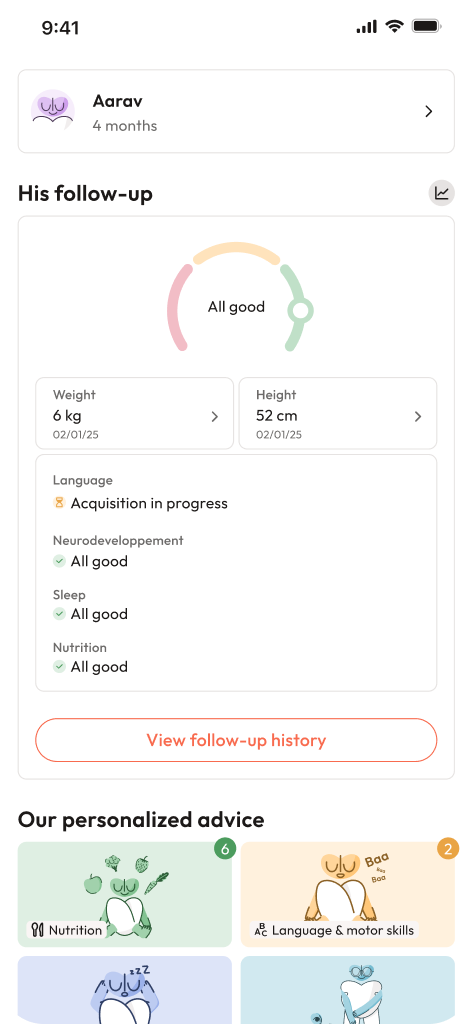
- The journey isn’t lonely—numerous resources, professionals, and Heloa (with tailored health advice and child health assessments) are at your fingertips, ready to support you at every stage.
Questions Parents Ask
How can I teach my child to make safe choices without making them anxious?
The trick is to create an environment where questions and mistakes are part of the learning process. Start with real-life scenarios and involve your child in brainstorming solutions, instead of instructing every move. For example, ask: “What would you do if you got lost in a shopping mall?” Listen to their ideas, gently correct or add, and encourage calm, open-ended thinking. Explain safety steps in a relaxed, confident tone—not alarmist—so your child feels equipped, not fearful. Over time, small successes build self-assurance.
What do I do if I disagree with my partner about what is “too protective”?
Differences in parenting style can stem from personal childhood experiences or simply varied perceptions of safety and independence. Set time aside for a gentle discussion when the child isn’t present. Focus on shared values—a harmonious family environment, promoting growth, or fostering happiness. If understanding doesn’t come easily, talking with a neutral counselor or healthcare professional can help align perspectives. What matters most is presenting united, predictable support to your child, so they know what to expect.
How do I know if I’m being too protective?
Signs may not always appear obvious. If you find yourself solving small problems on your child’s behalf, experiencing discomfort when your child faces very minor risks, or hesitating to allow experiences that peers their age are having, it may be time to reflect. Does your child get easily discouraged, shy away from new things, or constantly seek your reassurance? These could be gentle signals to step back, while still ensuring safety. It’s a balancing act—adjust slowly, and don’t hesitate to reach out to professionals or peer groups for perspective.
By embracing science, practical experience, and a spirit of empathy, finding the balance in how to protect your child without overprotecting becomes less about rigid rules and more about nurturing capable, confident, and well-rounded individuals.