
For many Indian parents, baby daily care can feel like an endless loop: feeding, burping, nappies, spit-up, laundry, and then… repeat. Add humid weather, sweaty neck folds, winter dryness, or hard-water issues, and daily care starts looking like a full-time shift.
Still, baby daily care does not have to be rigid. The goal is simple: keep your baby fed, clean, comfortable, and safe—by removing what irritates (drool, milk, sweat, stool), preventing moisture from sitting in creases, and supporting the skin barrier.
What baby daily care includes (and what it doesn’t)
Baby daily care is a small set of repeatable steps. Not a perfect schedule.
Most families cover:

- Feeding (breastfeeding, formula, or mixed), with signs intake is going well (steady growth, alert periods, regular wet nappies).
- Sleep and soothing, with a safe sleep space and calming cues.
- Nappy care and hygiene: prompt changes, gentle cleaning, protection of the diaper area.
- Simple grooming: nails, scalp care, dressing as per temperature.
- Developmental care: talking, cuddles, supervised tummy time, age-appropriate play.
- Safety habits: hand hygiene, safe sleep environment, basic babyproofing, car seat checks.
What baby daily care usually doesn’t require? A daily bath. Or strong fragrance products. Or scrubbing “until squeaky”.
Why predictable routines feel reassuring (for baby and parents)
Babies learn through repetition. When cues happen in a familiar order—feed, cuddle, nappy, sleep—the brain starts anticipating what comes next. That predictability supports early self-regulation (shifting from alert to calm), and transitions often become smoother.
For parents, a simple baby daily care rhythm cuts decision fatigue. It also helps you notice meaningful changes early: fewer feeds, fewer wet nappies, a new rash, unusual sleepiness.
Daily rhythm by age: newborn to 12 months
Wake windows are short—often 45–60 minutes. Many days look like a loop: feed, nappy, brief awake time, then sleep.
- Feeding is commonly every 2–3 hours, including nights.
- Sleep may total 14–17 hours in 24 hours, in short stretches.
Hygiene is mostly local cleansing. Sponge cleaning is often preferred until the umbilical stump falls off.
4–6 months: clearer naps, early solids readiness, more play
Awake time stretches (often 60–120 minutes), and naps may start forming a pattern. Total sleep often settles around 12–15 hours per day.
Some babies show readiness for solids now: good head control, sitting with support, interest in food, and a reduced tongue-thrust reflex. Milk (breast milk or formula) remains the main nutrition.
7–12 months: structured meals, mobility, and bigger safety needs
Wake windows often reach 2.5–3.5 hours, with many babies moving toward two naps by 9–12 months. Meals become more structured: typically 3 meals per day plus snacks, alongside breast milk or formula.
Mobility rises fast (rolling, crawling, pulling to stand). Baby daily care now includes active supervision, choking-prevention habits, furniture anchoring, stair gates, and consistent car seat checks.
Building a flexible routine that follows your baby’s cues
A helpful flow is feed when hungry, play when alert, offer sleep when tired. Some babies doze off while feeding—yes, that can still work. The aim is not a rigid timetable, it is a predictable flow that respects cues.
Typical wake windows (rough ranges):
- Newborns: 45–60 minutes
- 2–4 months: 60–90 minutes
- 4–6 months: 90–120 minutes
- 6–9 months: 2–3 hours
- 9–12 months: 3–4 hours
If naps are consistently short and your baby seems cranky, shorten awake time a bit. If your baby fights sleep, try offering it a little earlier for a few days and reassess.
Hunger, tiredness, and overstimulation cues to notice
Early hunger cues: rooting, hand-to-mouth, lip-smacking, turning toward breast/bottle. Crying is a late cue.
Sleep cues: yawning, eye rubbing, looking away, reduced movement, sudden fussiness after play.
Overstimulation cues: arching, frantic movements, turning away from faces, escalating crying after noise/light/activity. Reduce input (dim lights, quiet voice), then move toward a feed or sleep opportunity.
Adapting during growth spurts, regressions, and travel days
Growth spurts can look like cluster feeding, more frequent waking, and shorter naps for a few days. Offer extra feeds, protect nap chances, and keep wind-down cues steady.
Sleep regressions often show up around 4 months and again later. Keep bedtime steps consistent, shorten wake windows if overtiredness builds, and keep night interactions calm and boring.
On travel days, keep one or two familiar anchors: the same bedtime steps, a comfort item, and similar sleep conditions (dark, cool, quiet). Morning daylight helps reset the body clock.
Baby hygiene frequency: how often to bathe vs. clean key areas
Baby skin is thin and more permeable than adult skin. The acid mantle (the skin’s mildly acidic protective film) and the skin microbiome (friendly skin bacteria that support barrier function) are still stabilising, so too much washing can lead to dryness, tightness, flaking, and redness.
The goal in baby daily care: cleanliness without friction.
How often is a bath really needed?
A practical rhythm:
- 0–1 month: prioritise local cleansing, short baths if needed.
- 1–6 months: baths usually 2–3 times per week, with targeted daily cleansing on non-bath days.
- After 6 months: same idea, adjusted for solids, crawling mess, and season.
If your baby loves an evening bath, it can be soothing. Keep it short, use gentle products, and watch for dryness.
What you can clean daily (without stripping the skin)
Daily care does not have to mean a full bath. Focus on what gets dirty:
- Face and hands: lukewarm water + clean washcloth, pat dry.
- Eyes: saline, without rubbing.
- Skin folds (neck, armpits, groin): only if damp/dirty, then dry carefully.
- Nappy area and genitals: at every nappy change.
Simple principle: less soap, more gentleness.
Preparing for hygiene time: warmth, supplies, and hand hygiene
A wet, naked baby cools quickly—especially in an air-conditioned room. Searching for supplies mid-change is stressful too.
Room and water temperature
- Room: about 22–24°C, without drafts.
- Bath water: around 37°C (bath thermometer, or wrist/elbow test).
A simple supplies checklist
- Soft towel (plus one backup if possible)
- Washcloth
- Cotton pads/compresses
- Saline single-use vials
- Gentle, fragrance-free cleanser (used sparingly if needed)
- For nappy changes: water + cotton, or an oil-based cleanser if you use it
- Barrier cream if redness is present
Products: what often helps—and what often irritates
Often helpful:
- Mild, fragrance-free cleanser with skin-friendly pH
- Saline for eyes and nose
- Fragrance-free moisturiser if skin is dry
Often irritating:
- Bubble baths and scented oils
- Antibacterial soaps (often drying)
- Strong products on mucous membranes
Morning routine: a calm start-of-day checklist
Change the nappy soon after waking and take 10 seconds to look at the skin. Mild redness? Clean gently, pat dry, and consider a protective layer (especially after stool). A short nappy-free moment helps the area dry.
Wipe face and hands with a damp cloth or gentle wipes. Clean eyes from inner to outer corner with a clean area each time.
Feeding and burping basics
Feed when your baby shows early cues. For bottles, hold your baby semi-upright and use paced feeding (pause, let your baby swallow and breathe, then continue). Burp mid-feed and at the end if your baby seems uncomfortable.
After feeds, keeping baby upright for about 10–20 minutes may reduce spit-up in some babies.
Getting dressed for comfort (Indian climate-friendly)
Aim for breathable layers—usually one more layer than an adult would wear in the same room. Overheating can disturb sleep and irritate skin (especially in humid weather).
For sensitive skin, choose soft cotton, avoid rough seams, and wash new clothes in a gentle detergent.
Face care step-by-step: simple, predictable, gentle
A consistent order often reassures babies—quick, soft gestures, same sequence.
Eyes: one cotton pad per eye
- Put saline on cotton or a compress.
- Clean from inner corner to outer corner.
- Use a separate pad for each eye to limit germ transfer.
Nose and ears: gentle care, no digging
- Nose: a few times per week, more during a cold, saline can help loosen secretions.
- Ears: clean only the outer ear. Do not insert cotton buds into the ear canal (injury risk, wax pushed deeper).
Face, neck, and hands: the milk and drool zones
Milk and drool collect fast:
- Clean traces of milk/saliva.
- Check behind the ears and the neck fold where moisture lingers.
- Hands often need daily cleaning—they go straight into the mouth.
Body, skin folds, and nappy area: clean without irritation
Daily hygiene aims for cleanliness, not rubbing. Skin often gets irritated more from friction than from the mess itself.
Skin folds: remove moisture, then dry well
In folds, water and milk can sit and lead to maceration (whitish, softened skin), redness, and small cracks.
- Clean gently with a damp washcloth or cotton.
- Dry by patting, not rubbing.
A fold that is clean but still damp can turn red within hours.
Nappy area: every change, with diaper rash prevention
- Clean at every nappy change, especially after stool.
- Dry carefully.
- If red: simplify (water, careful drying, barrier cream such as zinc oxide if needed).
If a diaper rash persists, spreads, or shows small “satellite” bumps, medical advice helps distinguish irritation from yeast (Candida).
Genital care: simple, respectful steps
- Girls: clean front to back.
- Boys: clean the penis and scrotum without forcing anything.
If your baby has a foreskin, avoid forced retraction. Natural separation happens gradually and can take years.
Bathing and baby skincare basics
Use lukewarm water around 37–38°C. Keep the room warm, gather everything first, and never step away—not even for a second. A few inches of water is enough, with steady head and neck support.
Bath frequency by skin type (including eczema-prone skin)
Most infants do well with 2–3 baths per week. Daily baths are optional, but sensitive or eczema-prone skin often does better with shorter, less frequent baths.
Between baths, stick to what actually gets dirty: face, hands, neck folds, nappy area.
A simple bath sequence
1) Eyes and face (water or saline)
2) Hair: often 1–2 times per week is enough
3) Body: water is often enough, use cleanser where needed
4) Nappy area last, then rinse
Post-bath routine: pat dry, moisturise on slightly damp skin
Pat—don’t rub—then moisturise within about 3 minutes, while skin is still slightly damp. This reduces transepidermal water loss (water escaping from the skin surface) and supports comfort.
Dry by patting in the neck, armpits, groin, and behind the knees.
Sensitive skin: keeping cleansing gentle and moisture consistent
Sensitive baby skin can be stripped by long baths, hot water, and harsh soaps. Keep cleansing brief (about 5–10 minutes), use mild cleanser only where needed, and rinse well.
Moisturiser is not only “cosmetic” for babies with dryness. Daily use supports the skin barrier by sealing in water and smoothing rough patches. Reapply to dry areas as needed—especially in winter or if AC dries the air.
If skin seems reactive, simplify baby daily care: one gentle cleanser, one moisturiser, one barrier cream. Introduce new products one at a time and patch-test on a small area for 24–48 hours.
Extra care that is not necessarily daily (and that is normal)
Not everything needs to happen every day. Observation and simplicity go a long way.
Umbilical stump care and what to watch for
The umbilical stump dries, darkens, and usually falls off between day 5 and day 15.
- Clean daily as per your post-birth guidance (often a compress plus an appropriate antiseptic), then dry well.
- Leave it open to air as much as possible.
Watch for spreading redness, warmth, swelling, oozing, unusual odour, or fever.
Scalp care and cradle cap
Cradle cap is common and usually harmless.
- Apply a suitable oily product for a few minutes.
- Lift scales gently with a washcloth or soft brush.
- Do not scratch.
If it oozes, becomes very red, smells unusual, or spreads onto the face, seek medical advice.
Mouth and early teeth hygiene
- Before teeth: a damp compress if needed.
- From the first teeth: baby toothbrush twice daily, with an age-appropriate fluoride toothpaste in a rice-grain amount.
Feeding and nutrition in baby daily care
Breastfeeding can be smooth for some families and difficult for others. Comfort matters: pain often means latch/position needs adjusting, or you may need support.
Signs feeding is going well often include steady weight gain, alert periods, and regular wet nappies.
For pumping: consistent sessions often help more than intense sessions. Use clean equipment, store milk in clean containers, label it, and warm milk in warm water (not the microwave).
Formula and bottle feeding safety
Prepare formula exactly as the label states. Clean hands, clean bottles, and avoid adding cereal or sweeteners unless a clinician advises.
Use paced feeding, never prop a bottle.
Common storage basics:
- Prepared formula can be refrigerated up to about 24 hours.
- Once baby has fed from a bottle, discard leftovers after about 1 hour.
Starting solids and allergens around 4–6 months
Solids are about learning, not replacing milk. Readiness signs include head control, sitting with support, interest in food, and ability to swallow.
Start small with single-ingredient foods. Include iron-rich foods early. Avoid added salt and sugar.
Allergens (peanut, egg, dairy, wheat, soy, fish) are often introduced in this window in age-appropriate forms. If your baby has eczema or a strong family history, ask your paediatrician for a plan. Watch for hives, swelling, vomiting, cough/wheeze, or breathing difficulty (urgent care for severe symptoms).
Diapering and skin comfort throughout the day
1) Keep supplies within reach.
2) Keep one hand on your baby for safety.
3) Clean gently, front to back.
4) Pat dry fully—moisture drives irritation.
5) Apply a thin barrier layer if skin is red or after stools.
6) Put on a clean nappy that is snug, not tight.
Preventing and soothing diaper rash
Diaper rash is often irritation from moisture, friction, and stool enzymes.
- Change promptly.
- Let skin dry before closing the nappy.
- Use barrier protection if rash-prone.
- Choose fragrance-free wipes/products, fewer ingredients often means fewer surprises.
If the rash has bright red patches with sharp borders, satellite spots, or does not improve in a few days, it may be yeast-related and needs medical advice.
Sleep routines that support baby daily care
Back to sleep, every sleep. Firm, flat surface with fitted sheet only. No pillows, loose blankets, bumpers, or soft toys.
Room-sharing (same room, separate surface) is commonly advised in infancy.
A soothing bedtime routine
A short routine (about 20–30 minutes) is enough: dim lights, optional bath a few times per week, fresh nappy, pyjamas, a quiet book or song, feed if needed, then into the safe sleep space.
Night care considerations
Change the nappy before bedtime. Overnight absorption may reduce wake-ups. Keep night stimulation low: dim light, quiet voice, brief interactions.
When to call a paediatrician
Seek urgent medical advice for:
- Fever ≥38.0°C in any baby under 3 months.
- Signs of dehydration: markedly fewer wet nappies, very dark urine, dry mouth, no tears, unusual sleepiness.
- Breathing trouble: rapid/laboured breathing, chest retractions, grunting, bluish lips/face.
- Feeding refusal with low urine output, lethargy, or persistent vomiting.
Also seek advice for worsening rash, blistering/oozing skin, or umbilical redness that spreads.
À retenir
- Baby daily care is best as a simple rhythm: feed, a little play, then sleep—guided by cues.
- Daily hygiene rarely means a full bath, focus on face, hands, folds, and the nappy area.
- Baths are often enough 2–3 times per week, keep them short, warm, and supervised.
- Pat dry carefully (especially folds) and moisturise when skin is dry to support the barrier.
- If fever, dehydration signs, breathing trouble, feeding refusal, or worsening skin/umbilical changes appear, professionals can guide you.
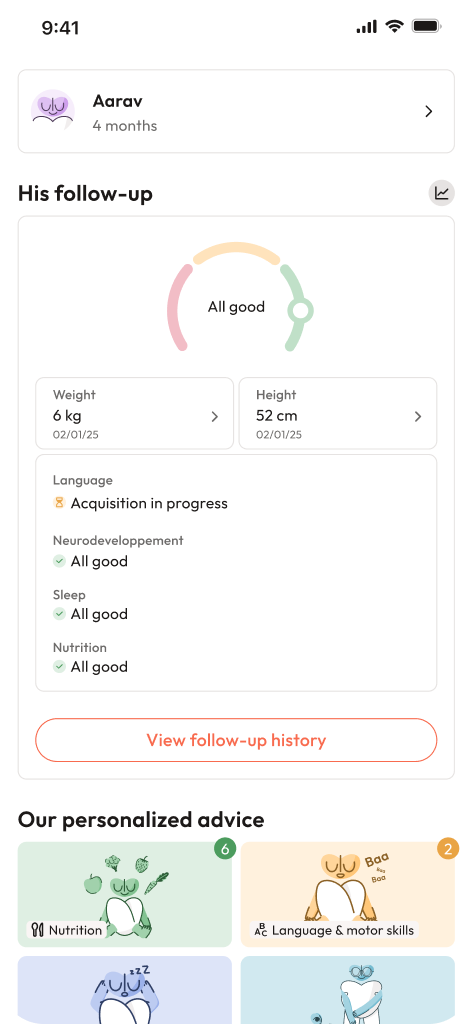
- For personalised guidance and free child health questionnaires, you can download the Heloa app.

Further reading :
- Washing and bathing your baby (https://www.nhs.uk/baby/caring-for-a-newborn/washing-and-bathing-your-baby/)