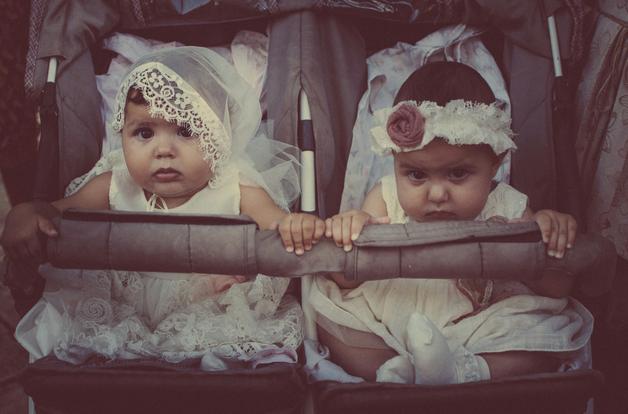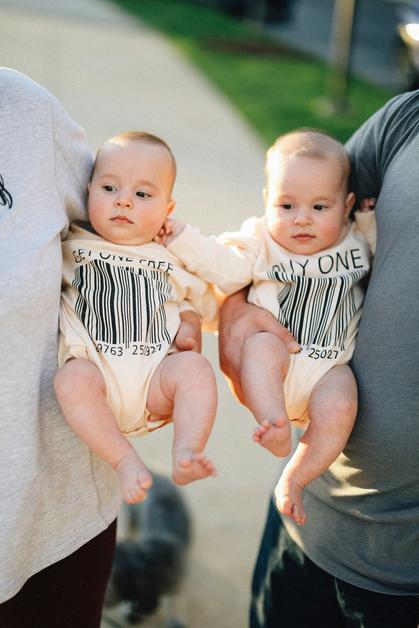
Double heartbeat at the very first scan. Twinned curiosity and a thousand questions, all racing at once. For many parents, discovering a pregnancy with fraternal twins is nothing short of astonishing—sometimes overwhelming—peppered with wonder, uncertainty, and practical worries. What does it really mean if you’re carrying two babies that aren’t identical? Will they look alike, share behaviour, experience the world in synchrony? How does the body cope? Which myths cling on, and what does modern science reveal? With fraternal twins, nature offers the rare chance to see how genetics and environment intertwine—and yet, each child remains entirely their own person. Understanding this intricate dance (from double ovulation, to day-to-day dynamics at home) helps parents anticipate, adapt, and appreciate the unique journey ahead.
What are Fraternal Twins? Biology, Similarities, and Differences
Fraternal twins, medically called dizygotic twins, result when two independently fertilised eggs implant themselves in the uterus during a single cycle. Imagine: double ovulation, two separate eggs, each swept up by a different sperm. In contrast with identical twins (one egg splitting miraculously), fraternal twins carry, on average, only 50% of the same DNA—all the genetic diversity of siblings born in different years, but sharing months in the same womb.
Strikingly, fraternal twins may be of the same sex or boy-girl pairs; their physical features often leap apart—one with curls, the other with straight hair, eye colours dancing from brown to grey. Dichorionic diamniotic pregnancies—where each twin has a fully independent amniotic sac and placenta—are most common, guarding against several risks linked to placental sharing.
The Medical Science of Dizygotic Twinning
Beneath the surface, the story is biological artistry. Double ovulation means two eggs ripen during the same menstrual cycle. With separate sperm fertilising each, two embryos begin developing side by side—like neighbours, not clones. This phenomenon is driven partly by the mother’s genetics and hormones. Fertility peaks, ovulation induction treatments, or simple familial inheritance play their role—delivering double joy, double heartbeat.



During prenatal ultrasound, two distinct placentas or amniotic sacs typically announce their presence. While sometimes identical twins can mimic this appearance, true certainty comes with karyotyping or, more rarely, by noting clear gender differences.
Genetics, Family History, and Environmental Triggers
What stirs double ovulation? Several influences work hand in hand:
- Maternal Age: After 35 years, hormonal shifts (especially higher FSH levels) make releasing multiple eggs more likely.
- Family Background: If double ovulation features in the mother’s family, chances rise subtly. No such link for the father’s side.
- Ethnicity and population background have dramatic differences in rates—certain groups record more frequent fraternal twins than others.
- Assisted Reproduction: Medications and fertility procedures, such as ovulation induction and IVF, increase the probability significantly due to the simultaneous maturity and fertilisation of more than one egg.
Here, reproductive medicine and genetics intertwine—a dance of chance, biology, and sometimes science-led intervention.
Recognising, Monitoring and Supporting Twin Pregnancies
Diagnosis and Early Signs
Can a mother sense if she is carrying fraternal twins in early pregnancy? Symptoms—extra fatigue, heightened nausea, greater womb growth—are common, but they don’t speak only of twins. Only detailed ultrasound can confirm two developing babies, two hearts beating separately, two sacs, two placentas—each thriving on its unique timeline.
Medical teams increase vigilance during check-ups:
- Growth monitored for both twins via regular ultrasound,
- Maternal blood pressure and glucose checks—due to increased risk of hypertension and gestational diabetes,
- Advice adapted, ensuring nutritional sufficiency and early detection of complications.
Medical Risks: Prematurity, Growth, and Maternal Health
Dichorionic diamniotic pregnancies with fraternal twins hold lower risks for conditions like twin-to-twin transfusion syndrome, yet single pregnancies remain less complex. The likelihood of preterm birth soars: 60% of twins arrive before 37 weeks, and many require neonatal support for premature lungs or feeding difficulties. Sometimes one twin grows ahead, the other lags—growth restriction is a regular challenge. Maternal risks—pre-eclampsia, postpartum haemorrhage, anaemia—are also higher.
Careful prenatal monitoring, adjusted nutrition (increased protein, iron, folic acid), and diligent rest periods are not just desirable but necessary.
Delivery: Vaginal Birth or Caesarean?
When two babies share a womb, birth plans become cooperative endeavours, not blanket formulas. Doctors assess the position of both twins closely; if the first is head down and no other risk factors dominate, vaginal delivery may be recommended. But if either baby is breech, or other complications intervene, caesarean delivery ensures safety. Adaptability, clear communication with your obstetrician, and thorough preparation matter more than strict planning.
Immediate Neonatal Care
When fraternal twins arrive, neonatal teams assess weight, gestational age, breathing, and feeding capacity. Prematurity and low birth weight are common; sometimes, NICU (neonatal intensive care unit) support is needed, but most twins, with tailored feeding and development checks, thrive with time. Early intervention (physiotherapy, nutrition, regular health checks) becomes a powerful asset if challenges appear.
Genetics and Health: Each Twin as an Individual
Diversity in Genes, Blood Types, and Developmental Timelines
With fraternal twins, the genetic deck shuffles freely. One may be a sprinter, the other a storyteller; hair texture, facial features, even blood group can diverge. Each child inherits a unique constellation from shared parents, but not a copy-paste.
Doctors remind families: treat each twin as an individual. Health risks—like thalassemias or certain allergies—might affect one, not the other. Growth, learning, even illness patterns may unfold offbeat.
Developmental Pathways: Encouraging Independent Growth
Milestones—rolling, sitting, walking, speaking—won’t always arrive hand-in-hand. Some parents notice one twin blazing ahead, the other watching and learning, or vice versa. This is normal, not cause for worry. Individual strengths, unique interests, and distinct temperaments blossom if differences are encouraged rather than compared. Conversation, eye-contact, play, all bolster each child’s confidence and sense of identity.
Psychomotor Checks and Emotional Wellbeing
Premature twins, especially, benefit from close follow-up. Regular paediatric assessments, adjusted timelines for developmental checks, and open channel of dialogue with health care providers—these let both children flourish, ensuring that small delays don’t become sources of anxiety for parents.
Everyday Life with Fraternal Twins: Family, Home, and Society
Nurturing, Bonding and Affirming Individuality
In the home, fraternal twins often confuse visitors—sometimes they look startlingly similar, sometimes, you would never guess they are twins. Choosing their own clothes, having some solo time with parents, and encouraging independent friendships at school can all help affirm their unique identities. Some parents select separate classrooms, while others find both children draw strength from their closeness—there is no universal rule.
Social Perceptions and Cultural Influence
Outside the family, reactions are wide-ranging: sometimes, people barely register twinhood when features differ so much; at other times, fascination and questioning can overwhelm. In many cultures, fraternal twins stir stories, from good fortune to cherished myths. It’s a journey punctuated by side glances in public, repeated questions from strangers, and an evolving awareness of how society sees twinning.
Support Networks and Resources
Support is essential, especially for daily organisation and emotional resilience. Parent groups—whether online, or local—offer shared wisdom about sleep routines, feeding tricks, and balancing the demands of work, home, and two growing personalities. Some look to organisations and twin clubs for practical tips; others find relief in informal chats with fellow parents of multiples.
Nutrition and Healthy Living for Twins and Mothers
Maternal Nutrition and Infant Feeding
Carrying fraternal twins isn’t just “double” the effort—it’s also double the required nutrition. Diets rich in calcium, protein, iron, and sufficient calories support both maternal stamina and foetal growth. After birth, breastfeeding can be challenging but entirely possible, sometimes needing a little more patience and support. Monitoring each twin’s weight gain, appetite, and wellbeing ensures tailored nutrition at home.
Creating a Nurturing, Safe and Stimulating Home
Organisation becomes a fine art—scheduled but flexible routines, safe spaces for play, batches of meals prepared ahead, clear roles for family members. Interaction with other siblings, friends, and relatives supports social development—and gives each twin a sense of identity beyond the “pair.”
Adapting Practices and Respecting Culture
Family traditions—how to feed, dress, celebrate milestones—may adapt subtly with fraternal twins. What works for one family may not for another. Engaging with extended family, drawing from community wisdom, and balancing external advice with the needs of your own children helps everyone feel secure and valued.
Fraternal Twins in Myths, Culture and Public Imagination
From Legends to Modern Media
Throughout history, twins—especially fraternal twins—fire imaginations. Myths, folktales, even star-crossed heroes appear as twins, sometimes cast as symbols of luck, sometimes as bringers of special destiny. Literature, films, and television introduce fraternal twins as both similar and strikingly different, echoing the lived experience of many families.
Finding Community Support and Advice
Associations, local or national, offer networks for those wishing to exchange ideas or seek answers to everyday questions: sleeping through the night, balancing attention, managing school admissions. Accessing these resources can transform worry into reassurance and enable parents to navigate hiccups with greater ease.
Key Takeaways
- Fraternal twins arise when two separate eggs, fertilised by two distinct sperm, are conceived together—making them siblings born at the same time but genetically unique.
- Double ovulation is influenced by maternal age, genetics, ethnic background, and fertility treatments.
- Most fraternal twins form dichorionic diamniotic pregnancies, lowering the risk of placental complications but elevating the need for extra vigilance through pregnancy and at birth.
- Health care for fraternal twins is always child-specific; risks like prematurity, growth restriction, and individual health conditions mean each twin needs personal monitoring.
- Families gain by recognising, celebrating and encouraging the individuality of each child—whether through personal hobbies, separate class placements, or one-to-one attention.
- Support networks, online or local, and professional paediatric care are valuable companions, offering information, encouragement, and practical strategies for daily life.
- Access personalised advice and free health questionnaires for your children at application Heloa: support is just a tap away.
Questions Parents Ask
Can fraternal twins have different fathers?
A surprising but scientifically explained phenomenon—rare but possible! In medical terms, this is heteropaternal superfecundation. Two eggs released in one cycle can, if intercourse occurs with different partners in a short window, be fertilised by different sperm from different men. Both children grow together, genetically unique as always, and are cared for with the same love and support.
Do fraternal twins always develop at the same rate?
No, synchrony isn’t expected with fraternal twins. Each child can roll over, crawl, walk, or talk at their own pace—sometimes by months apart. Variations in learning, social interactions, and interests are natural; what matters is focusing on each child’s individual progress. If concerns arise, it is advisable to share them with a paediatrician, who can provide tailored guidance and reassurance.