By Heloa | 2 December 2025

Postpartum period, recovery, health and life

10 minutes
de lecture
A young woman checks her planner in a bright living room to track her cycle and return of menstruation.

By Heloa | 2 December 2025

Postpartum period, recovery, health and life

10 minutes
A young woman checks her planner in a bright living room to track her cycle and return of menstruation.

Par Heloa, le 2 December 2025

Postpartum period, recovery, health and life

10 minutes
de lecture
A young woman checks her planner in a bright living room to track her cycle and return of menstruation.

Welcoming a baby marks the beginning of the postpartum period, a phase overflowing with transformation—not only for the body but for emotional wellbeing and family rhythm too. Parents might wonder, “Will my body ever feel ‘normal’ again? When will my energy return? Is it usual to feel teary one moment and elated the next?” In these early months, every hour can bring a new question or symptom, making daily realities both fascinating and, at times, overwhelming. Physical discomfort, cycles of fatigue, sudden tears amid joy, and negotiations with one’s new parental identity are woven together. To help navigate this intense landscape, it’s helpful to know what to expect, understand normal versus concerning symptoms, and feel empowered about choices. Here, let’s explore the timeline, key body changes, mental health dimensions, feeding decisions, practical strategies and the medical nuances of recovery—so you can move forward with information, confidence, and reassurance, step by step as you build your life with your newborn.

Understanding the postpartum period: timeline and key changes

The postpartum period—also called puerperium by clinicians—refers to the time after delivery when the body is gradually returning to its pre-pregnant state. This journey is definitely not a sprint. While 6 weeks is often cited as the “standard” recovery window, your body, mind and routine may evolve for 6 months or even a year. To make sense of this, let’s break down the timeline:

  • First hours after birth: your uterus contracts powerfully, blood loss is monitored, and feeding (breast or bottle) gets underway. Early skin-to-skin contact sets the tone for bonding and feeding rhythms.
  • Acute phase (first 6–12 hours): intense monitoring but also the magic of those first few snuggles.
  • Early days (2–7): lochia (post-birth vaginal bleeding) is usually bright red, while the colostrum in your breasts shifts toward mature milk. Many parents experience “baby blues”—tears, mood swings, anxiety—all mixed with physical exhaustion.
  • Weeks 2–6: lochia lightens in color and flow, energy improves for short walks, perineal or cesarean wounds start to heal, and well-baby checks keep a watchful eye on feeding and weight gain.
  • Months 3–6: pelvic floor and core strength slowly rebuild. Periods may return, especially if breastfeeding is not exclusive, but the rhythm varies greatly.
  • Beyond 6 months: some people find their cycles, mood and daily stamina are finally closer to pre-pregnancy patterns—even as the identity of “parent” feels newly solid.

It’s worth noting: sleep, relationships, mental health, and hormonal changes continue to shape daily realities all along. Every path through the postpartum period is different, which is why patience and support matter so much.

Hormonal, physical and emotional shifts

What causes this rollercoaster effect? After delivery, pregnancy hormones such as estrogen and progesterone drop rapidly, while others (like prolactin, critical for milk production) remain high, especially if breastfeeding. These biochemical swings can lead to dramatic mood fluctuations and intense fatigue, and may amplify feelings of joy or sadness—sometimes both in a single hour.

Body changes follow their own rhythm. The uterus—roughly the size of a watermelon just after birth—shrinks back over weeks, while vaginal discharge (lochia) transforms from red to brown to yellow/white. For some, hair starts shedding a few months in (that ‘postpartum alopecia’), and skin changes or even acne can surface as hormones rebalance.

Identity, too, is reshaped. Matrescence—a term denoting the transition to motherhood—is a mosaic of pride, loss, self-doubt and growth. Not forgetting relationship dynamics: the balance of household roles, intimacy, and the search for shared rest. How one moves through this postpartum period depends as much on social and emotional support as on biology.

Physical recovery and common body changes

Uterus, bleeding and pain

Vaginal bleeding (lochia) is one of the hallmarks of the postpartum period. Initially, it’s bright red and plentiful, gradually tapering and changing color. By 4–6 weeks, most will notice light spotting; a minority may see discharge linger longer.

Afterpains—strong uterine cramps—are especially common during breastfeeding, triggered by oxytocin. While unsettling, they help the uterus shrink and curtail bleeding. If you find pain overwhelming, acetaminophen/paracetamol or NSAIDs (if safe for you) provide relief, but rest, hydration, and gentle movement also help.

Red flags? Soaking a pad in less than an hour, passing large clots, a foul odor, or fever call for swift medical attention. Retained tissue or uterine infection is rare but demands prompt treatment.

Perineal recovery after vaginal birth

If you had a vaginal delivery, minor tears or an episiotomy (small incision to prevent unpredictable tearing) may bring soreness, swelling, or bruising. Most superficial tears heal in 1–3 weeks, deeper wounds taking longer.

Practical steps—ice packs in the initial days, sitz baths (warm water soaks) after that, diligent hygiene with a peri bottle, sitting on cushions, and keeping the area dry—can all ease discomfort.

Warning signs that shouldn’t be ignored: persistent severe pain, wound breakdown, redness, or unusual drainage.

Cesarean recovery and incision care

Abdominal birth means a healing arc of 4–6 weeks just for the first stage. Expect swelling, tenderness, and sometimes numbness near the incision. Gentle walks help circulation; avoid heavy lifting or sudden twists.

Clean and dry incision care is vital. Monitor for redness, increased pain, or pus-like discharge. Breathlessness or swelling in one leg deserves immediate review—these can signal rare but serious clots.

Pelvic floor and core health

Pelvic floor muscles—the network supporting the bladder, uterus, and bowel—may be weakened, leading to “leaks” or a heavy sensation. Early, gentle Kegel exercises (engaging and releasing these muscles) are safe, even days postpartum, if comfortable.

Diastasis recti (a gap in the abdominal wall) appears in some—by lifting your head when lying down and feeling above or below your belly button, you might notice a gap. For symptomatic cases or significant bulging, targeted rehab under the supervision of a pelvic physiotherapist is wise.

Bowel, bladder and hemorrhoid care

Constipation happens often: drink more water, up your fibre (fruits, whole grains, dals), and, if needed, use a gentle stool softener. Hemorrhoids (swollen veins near the rectum) flare up too—witch hazel pads and warm baths do bring relief.

Bladder changes such as frequency or mild incontinence are common, but an inability to pass urine or intense burning indicate a possible urinary tract infection or, on occasion, damage requiring attention.

Skin, hair and hormonal shifts

The famed postpartum hair loss (telogen effluvium) usually strikes between months 2 and 4, lasting a few months before regrowth starts. Acne, melasma (skin darkening), or excessive sweating commonly make brief appearances too—gentle skincare and sun protection are your best allies.

Return of periods after birth: lochia, ovulation, contraception

What heralds the return of a menstrual cycle? After the placenta is delivered, the brain–ovary connection (the hypothalamic-pituitary-ovarian axis) does not snap back instantly. Instead, heavy lochia gives way to a pause—only then does the “true” period make its return.

For non-breastfeeding parents, hormones surge quickly: ovulation may restart as early as 4–6 weeks, and the first period arrives in about 6–8 weeks (though up to 12 weeks is normal). For those exclusively breastfeeding—particularly with night feeds—prolactin remains high, suppressing ovulation. No periods may occur for several months. A single, abrupt episode of heavier bleeding around days 10–14 (sometimes called a “little return”) is common and not always a proper period.

Important note: ovulation can occur before the first period. In practical terms, that means pregnancy is possible—contraception merits discussion, even before cycles have reappeared.

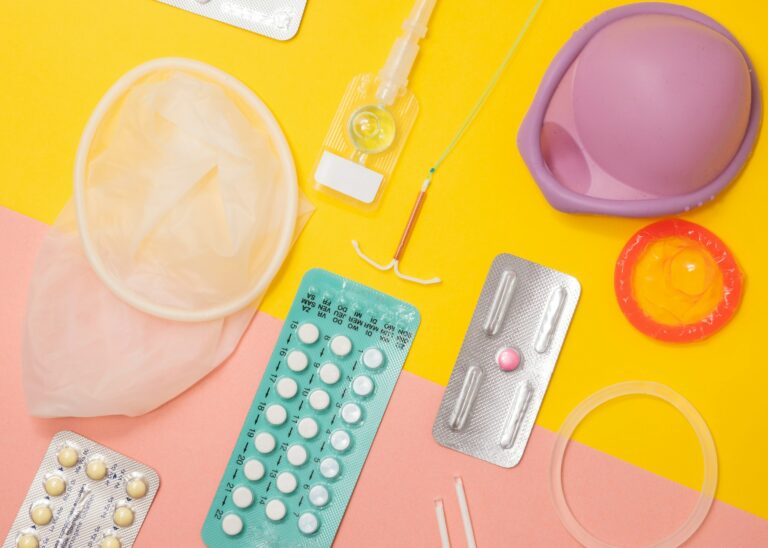
  • Contraceptive options compatible with lactation include progestin-only pills, IUDs, subdermal implants, and condoms. The LAM (lactational amenorrhea method) is effective for birth spacing only with exclusive breastfeeding before 6 months with no period yet.
  • Cups and tampons? Avoid internal menstrual products until wounds have healed and bleeding has stopped—usually after the 6-week check.

Mental and emotional health: between baby blues and new beginnings

Mood changes during the postpartum period come in waves. Roughly 70–80% of parents feel the “baby blues”—emotional fragility, irritability, sleep difficulty, and weepiness. These feelings typically subside by week two.

For 10–20%, more persistent symptoms suggest postpartum depression or anxiety: inability to enjoy baby, panic attacks, deep sadness, and trouble functioning. Untreated, these can affect both parent and child, impacting feeding and bonding. Screening tools like the Edinburgh Postnatal Depression Scale aid early identification; therapies include cognitive behavioural therapy, talk therapy, and, if required, medications compatible with breastfeeding.

Rarely, postpartum psychosis—marked by hallucinations, confusion, or unsafe behaviour—may develop. This is an emergency requiring rapid medical intervention.

Open conversation, practical emotional support, and small daily rituals for rest can help buffer vulnerable parents through this time.

Breastfeeding, pumping and feeding choices

The start of breastfeeding is a learning curve. Early skin-to-skin nurtures milk production, yet latch issues, engorgement, or painful nipples may disrupt plans. Lactation consultants make a genuine difference—don’t hesitate if discomfort persists.

If bottle or combination feeding, paced-bottle methods (upright holds, slow-flow teats, letting baby control the pace) guard against overfeeding. Always choose age-appropriate, iron-rich formula if supplementing.

Expressing milk? A quality pump, the correct flange size, and a regular routine (every 2–3 hours at first) maintain supply. Labelling, storing (refrigerated or frozen), and safe defrosting keep baby fed and healthy, whether at home or returning to work.

Nutrition, hydration and energy

Healing demands energy. Protein-rich foods (paneer, lentils, eggs), iron sources (haemoglobin recovery is slow if you’ve lost blood), and omega-3s (DHA from low-mercury fish or supplements) underpin recovery. Vitamin C and calcium—think citrus, leafy greens, dairy—keep tissues strong.

Hydration—aim for 2–3 litres daily if breastfeeding. Keep a bottle nearby during feeds and snack on high-water fruits or smoothies.

Radical diets? Not helpful now. A gradual approach—0.5–1 lb/week loss, only after medical clearance—sustains milk supply and mood.

Sleep, rest and managing fatigue

Disrupted sleep is unavoidable in the postpartum period—night feeds, unpredictable naps, and daytime drowsiness define the early weeks. Small daytime naps and a “split shift” approach with your partner (if possible) lessen exhaustion. Persistent fatigue that won’t resolve may signal anemia or thyroid concerns—ask for a health check (CBC, ferritin, thyroid panel) if you’re not bouncing back.

Movement and safe return to exercise

Start gentle: diaphragmatic breathing, pelvic floor tightening, and short walks can begin soon after birth, barring medical restrictions. More demanding routines—core work, running, heavy weights—are often delayed until 6 weeks post-vaginal birth or 8–12+ weeks after caesarean. Any surge in bleeding, heaviness or pain should prompt you to slow down and seek advice.

Sexual health, fertility, and contraception

Desire and comfort after birth vary immensely. Vaginal dryness, especially with breastfeeding, is common—water-based lubricants or, rarely, topical oestrogen (if prescribed by your doctor) can restore comfort.

Many resume sex after the 6-week review but personal readiness, emotional wellbeing, and contraception should be considered. Remember, ovulation is possible before the first menses.

Follow-up, tests and vaccinations

Post-birth check-ins—early in the first 1–3 weeks and a comprehensive review at 6–12 weeks—monitor mood, wound status, blood pressure, and feeding. For parents who had gestational diabetes, a glucose test after delivery assesses long-term risk. Vaccinations (Tdap, MMR, influenza, COVID-19) are reviewed and updated based on local recommendations; most are safe in breastfeeding.

Warning signs and complications: what deserves extra attention

  • Heavy bleeding or clots
  • Large wounds that aren’t healing or have increasing redness or discharge
  • High fevers, breathlessness, leg pain or swelling
  • Chest pain, faintness, or severe tummy pain

Any intent or thoughts of self-harm, harm to the baby, or sudden behavioural changes need urgent help.

Life logistics and practical supports

Home organisation makes daily rhythms smoother: feeding and diapering stations, pre-cooked meals, and a strategy for handling visitors reduce decision fatigue. Planning for work return? Sort out pumping logistics, freezer space, and know your local rights on breaks and privacy.

Special situations and complex recoveries

High blood pressure, diabetes, thyroid disorders, or a challenging birth demand close follow-up. Multiples, preterm deliveries and NICU adventures require synchronised support. If your journey included loss or trauma, compassion-driven care and access to bereavement counselling can help healing take root.

Cultural practices and postpartum traditions

Traditional postpartum rituals—confinement periods, gentle massage, special foods—can support rest and emotional connection. But be mindful: avoid anything raising infection risk or replacing medical assessment. Belly binding can be comforting, but pelvic rehab comes first if pelvic heaviness or pain linger.

Preparing before birth for a smoother recovery

Build your support circle, stock essentials, freeze nourishing meals, and jot down health contacts and feeding plans. If mental health struggles have ever touched your life, create a safety plan—know the warning signs for yourself, keep contacts handy, and identify which person can step in for the baby if urgent care is necessary.

Body image, confidence and self‑compassion

Your body will change for months, sometimes years. It’s more than appearance—it is about function, comfort, and the confidence to care for yourself and your baby. Choose soft, supportive clothes, set mini-goals, and celebrate each win—no matter how small. Comparing with others is a slippery slope; your path through the postpartum period is unique.

Partner, family, and community support

Day-to-day caregiving is lighter with active support: sharing nights, helping with household chores, and offering kind words. Building a “village”—with peer groups, doulas, helpful relatives, or trusted paediatricians—makes every challenge easier to shoulder.

Essential postpartum kit and home checklist

You may find relief with high-absorbency pads, a peri bottle for hygiene, sitz baths, ice or heat packs, pain relief as prescribed, nipple care items, and healthy snacks nearby. Clothes that are loose and easy for breastfeeding, a supportive pillow, and sturdy footwear enhance comfort too.

Milestones: tracking recovery and progress

Improvements reveal themselves—bleeding lessens, wounds knit, core strength grows, and leaks subside. As mood and stamina rise, you may feel more at ease caring for your baby, sharing moments with your partner, or even reimagining intimacy when ready.

Key takeaways

  • The postpartum period unfolds over months, not just weeks. Healing is slow and layered, encompassing the body, mood, and daily routine.
  • Lochia, a “little return” of bleeding, and the true resumption of periods all follow distinct patterns.
  • Exclusive breastfeeding usually postpones periods and ovulation; mixed feeding or no breastfeeding may trigger cycles much earlier. Ovulation can precede the first menses—making contraception planning important.
  • The LAM method works only under strict feeding and timing conditions. Progesterone-only contraception, IUDs, and condoms are compatible with lactation.
  • Red flags—heavy bleeding, big clots, high fever, foul odor, severe pain—require immediate attention. Never ignore persistent sadness, anxiety, or thoughts of self-harm.
  • Breastfeeding remains safe through periods; any drop in milk or fussiness in the baby is usually temporary.
  • Prioritize sleep, nutritious food, hydration, and gentle rehab for pelvic muscles.
  • Support and professional help are available at every step. For ongoing, personalised advice, download the Heloa app for free child health questionnaires and tailored tips.

Questions Parents Ask

Can I use tampons or a menstrual cup during the postpartum period?

Many parents are curious about this, which is completely valid. While lochia (post-birth vaginal discharge) is ongoing and tissues are still healing in those first few weeks, internal menstrual products—like tampons, cups, or discs—should usually be avoided. Pads or absorbent underwear enable you (and your doctor, if needed) to monitor bleeding closely and lower the risk of infection. Once the bleeding has stopped and your healthcare provider says the wounds are fully healed—commonly after the 6-week check—it’s generally okay to use tampons or a cup, if you feel comfortable. Any fever, foul-smelling blood, new pain or unusual bleeding should always prompt you to stop using internal products and check with your doctor.

Can I get my period while I’m still having lochia?

Lochia and periods, though both involve vaginal bleeding, are not the same thing. Lochia is the body’s way of cleaning out the womb after birth, fading in amount and changing in colour week by week. True periods only start after lochia mostly finishes and there’s a gap with almost no bleeding. Occasionally, you might encounter a brief fresh burst of bleeding around days 10–14 (sometimes nicknamed a “little return”)—typically this is not the true period. Sudden, heavy blood loss, strong odour, fever, or dizziness all call for prompt review. Uncertainties about what you’re seeing are quite normal—if in doubt, a call to your provider clarifies everything.

When is it safe to have sex after giving birth?

No fixed rule applies here. The best answer hinges on your comfort, the type of delivery, and how wounds are healing. Several doctors suggest waiting until after the 6-week postnatal visit, but there’s no universal mandate. When you decide to resume sex, use contraception if pregnancy is not wanted—since ovulation may come before the first period. Go gently, use lubrication if vaginal dryness is bothersome, and speak openly with your partner about comfort and boundaries. Any sharp pain, bleeding, fever, or concern about healing must prompt a chat with your doctor or a pelvic physiotherapist.

A mom relaxes with hot tea and a hot water bottle to relieve the effects of the return of menstruation.

Further reading:

Similar Posts

Sleepless nights, a tiny human learning to feed, a body that feels familiar and foreign at the same time. If you are wondering why your emotions surge, why bleeding changes color, or when cycles and intimacy might feel normal again, you are right on time. The postpartum period is not a sprint, it is a recalibration of hormones, tissues, sleep, and identity. You want road signs, not rules, plus clarity on red flags. You will find timelines that make sense, science explained in plain language, options for feeding and contraception, and practical actions you can take today.

understanding the postpartum period, timeline and key shifts

You might ask, how long does recovery take, and when will my body feel steady again. Clinicians often focus on the first 12 weeks, sometimes called the fourth trimester, yet many physiologic processes continue up to 12 months. The postpartum period is the clinical window after birth known as the puerperium, the time when the uterus shrinks, hormones reset, and daily life reorganizes.

What to expect across common checkpoints

  • First 24 hours, the uterus clamps down, skin to skin supports feeding, and teams monitor bleeding and vital signs.
  • Days 2 to 7, lochia bright red then darkens, milk transitions, swelling eases, and the normal baby blues may peak.
  • Weeks 2 to 6, bleeding lightens, mobility improves, gentle pelvic floor activation begins.
  • Weeks 6 to 12, a comprehensive postpartum visit reviews healing, mood, contraception, and activity clearance.
  • Months 3 to 12, progressive strength returns, cycles may resume, and family rhythms stabilize.

The biology behind the shifts

  • Hormones, after placenta delivery, estrogen and progesterone fall sharply, prolactin and oxytocin rise if breastfeeding, which supports milk production and bonding while suppressing ovulation.
  • Uterus, uterine involution is the cellular shrinkage that closes placental vessels and reduces bleeding.
  • Identity and relationships, exhaustion and new roles can strain communication, planned micro breaks and clear boundaries help.

physical recovery, what changes and how to support healing

uterus, bleeding and pain

Bleeding evolves in stages. Early on, rubra looks bright red, then serosa turns pink or brown, then alba appears light yellow or white. A steady downtrend over 4 to 6 weeks is typical. Afterpains are normal, especially with breastfeeding, since oxytocin triggers uterine tightening. Acetaminophen or an NSAID, if your clinician agrees, rest, warmth, and hydration offer relief.

Red flags that need urgent review

  • Soaking a pad in under one hour, repeated over two or more hours
  • Large, repeated clots
  • Fever above 38 Celsius, foul odor, escalating abdominal pain

perineal recovery after vaginal birth

Shallow tears often settle by week three, deeper repairs take longer. Early care matters, cool packs first two days, then warm water soaks, gentle cleansing with a peri bottle, pat dry, use a soft cushion when sitting. If you notice spreading redness, new drainage, wound separation, or pain that intensifies rather than eases, contact your clinician. Many parents benefit from education on perineal tear healing and episiotomy recovery to set expectations and reduce anxiety.

cesarean recovery and incision care

Abdominal surgery recovery typically improves across 4 to 6 weeks, and full stamina may take longer. Keep the incision clean and dry per surgical advice, look for increased redness or fluid, avoid heavy lifting until cleared, and use log rolling to sit up. Short walks aid circulation and reduce clot risk. Concerns that require immediate care include fever, opening of the incision, leg swelling or pain, or shortness of breath. Evidence based strategies for cesarean section recovery include pain control that preserves mobility, bowel regimen to prevent straining, and support for abdominal wall mechanics.

pelvic floor and core health

Think of pressure management. Gentle contractions of the pelvic floor paired with diaphragmatic breathing reduce bearing down. If you feel heaviness in the pelvis, urinary leakage, or a bulge sensation, flag it. A visible midline gap when lifting the head, consistent with diastasis recti postpartum, often improves with targeted rehab. A trained therapist can guide pelvic floor rehab and progressive loading that respects tissue healing.

bowel, bladder and hemorrhoid care

Constipation makes everything harder. Hydrate, increase fiber with fruits, legumes, and whole grains, consider a stool softener if advised. Burning with urination, urgency plus fever, or inability to pass urine warrants evaluation for a urinary tract infection postpartum. Hemorrhoids usually ease with warm soaks, witch hazel pads, topical relief, and softer stools. Severe, purple, or very painful hemorrhoids may need a procedure.

skin, hair and hormonal shifts

Postpartum hair shedding peaks around months two to four due to a reset in the hair growth cycle, then regrowth picks up by 6 to 12 months. Night sweats, acne, and changing breast fullness reflect hormonal recalibration. Gentle skincare and sun protection are sensible, ask about compatible treatments if you are breastfeeding.

return of periods after birth, cycles, ovulation and contraception

You may wonder, is this bleeding a period or lochia. Lochia is not a period. Lochia starts immediately after birth and winds down over weeks. A true period shows up after a gap with minimal or no bleeding, signaling that the ovaries and uterus have resumed a cycle. A brief bump in bleeding around day 10 to 14, sometimes called the little return, often reflects normal clearance of a small clot or changes in activity and is usually short lived.

Timing depends on feeding

  • No breastfeeding, ovulation often resumes around weeks 4 to 6, the first period appears around weeks 6 to 8, though later can still be normal.
  • Exclusive breastfeeding, high prolactin suppresses the ovulation cascade, periods can be absent up to 6 months or longer. This aligns with the lactational amenorrhea method, which reduces pregnancy risk only when strict criteria are met.
  • Mixed feeding, fewer feeds, especially at night, can bring back ovulation and bleeding sooner.

What the first periods may look like

  • Heavier flow with clots, more cramping
  • Longer duration, up to 7 to 10 days
  • Sensations like pelvic heaviness or breast tenderness

Concerning patterns that need assessment

  • Bleeding that becomes heavy with dizziness or faintness
  • Strong odor, fever, or escalating pelvic pain, think of endometritis
  • Bleeding beyond 10 to 12 days without a downtrend

Breastfeeding during periods, absolutely fine. Some people notice a brief dip in milk supply or a taste shift that makes the baby adjust the feeding rhythm for a few days. Frequent feeds, rest, and fluids support production. Remember, ovulation can occur before the first period, so pregnancy is possible even without prior bleeding.

Contraception choices

  • Contraception postpartum can start early depending on method and health history.
  • Options compatible with breastfeeding include progestin only pill, implant, hormonal IUD, copper IUD, and condoms.
  • The LAM criteria are threefold, baby under 6 months, exclusive or near exclusive breastfeeding with day and night feeds, and no return of bleeding consistent with a period.
  • If any criterion changes, add another method to reduce the chance of pregnancy.

Late return and planning another pregnancy

  • Exclusive breastfeeding can delay cycles beyond 6 months without indicating disease.
  • If you are not breastfeeding and there is no period by 3 to 6 months, check with your clinician to rule out pregnancy, thyroid issues, or elevated prolactin.
  • If you hope to conceive, gradually reducing night feeds may support the return of menses postpartum and earlier ovulation, that is, fertility after birth.

mental and emotional health after birth

You might ask, are these mood swings normal. Baby blues usually start in the first days and resolve by 2 weeks. When sadness persists, when worry turns intrusive or panic episodes appear, consider postpartum depression or postpartum anxiety, both are common and treatable. Screening tools such as the Edinburgh Postnatal Depression Scale, PHQ 9 for depression, and GAD 7 for anxiety help identify when more support is needed. Therapy works, cognitive behavioral therapy and interpersonal psychotherapy have strong evidence. When medication is needed, perinatal experts can select options compatible with breastfeeding. Severe symptoms with confusion, hallucinations, or rapidly shifting mood suggest postpartum psychosis, a medical emergency that requires immediate care and supervised infant safety. All of this sits inside the broader frame of maternal mental health, which benefits from sleep protection, nutrition, and social support.

feeding your baby, breastfeeding, pumping and formula

Getting started

  • Skin to skin and early latch cues, rooting and open mouth movements, trigger milk production.
  • A deep latch brings the chin into the breast, with rhythmic suck and swallow. Soreness that persists or damage at the nipple signals a need for help with position or latch mechanics, classic latch issues.

Common challenges

  • Engorgement improves with warmth before feeds, cold after, and hand expression to soften the areola for latch.
  • Nipple pain reduces with a better latch, varied positions, and breathable nipple care. Cracks or bleeding need prompt review.
  • Plugged ducts and mastitis, think massage toward the nipple, frequent milk removal, warmth, and early antibiotics when infection is suspected. Fever plus a red, tender wedge in the breast deserves medical review.

Pumping and return to work

  • Choose a reliable pump and correct flange size, then practice pumping breast milk on a schedule that mirrors your infant’s pattern.
  • Label and store safely, room temperature for about 4 hours, fridge for 3 to 4 days, freezer for up to 6 months, best by 3 to 4 months. Thawed milk is used within 24 hours and not refrozen.
  • Plan private breaks and cold storage at work, document your pumping times, and keep spare parts.

Bottle and combination feeding

  • Use paced techniques for bottle feeding, a semi upright hold, slow flow nipples, frequent pauses.
  • Combine breast and formula thoughtfully, offer the breast first when possible, then consider formula feeding that is iron fortified and age appropriate. A flexible infant feeding schedule helps you anticipate hunger while watching your baby’s cues.

Bonding and baby care

  • Eye contact, responsive feeding, and skin to skin foster bonding with baby and align with newborn care basics that protect growth and attachment.

nutrition and hydration for recovery

Think of food as healing material. Adequate protein supports tissue repair and milk building, often 1.0 to 1.5 grams per kilogram body weight daily depending on needs. Iron matters after heavy bleeding, use oral iron and recheck blood counts and ferritin after 4 to 6 weeks if deficient. Omega 3 DHA around 200 to 300 milligrams daily supports mood and infant brain development, choose low mercury fish or algae DHA. Choline, vitamin C, and calcium contribute to recovery. Practical strategies, batch cook, freeze portions, keep protein rich snacks close by. Hydration helps, drink to thirst, aim for roughly 2 to 3 liters daily while breastfeeding. All of this sits inside nutrition postpartum and self care postpartum that respects your energy.

sleep, rest and energy management

Newborns wake often, sleep comes in fragments, and the sleep drive builds across the day. Use bright morning light to cue alertness, keep caffeine earlier in the day, nap briefly when possible. Partners can split night shifts to secure at least one uninterrupted block of sleep for each adult. If fatigue is severe and unrelenting, check iron status and thyroid function. For practical routines, try simple sleep tips postpartum, such as a wind down ritual and consistent light cues.

movement and safe return to exercise

When to move, and how. Gentle mobility and breath work can start early if comfortable, think ankle pumps, pelvic tilts, and diaphragmatic breathing with pelvic floor engagement. Increase walking distance gradually, then add low load strength. Watch for stop signals, heavier bleeding, pelvic heaviness, new pain, or urinary or bowel leakage during activity. High impact training returns only after clearance and when pelvic pressure control is back, often after 6 weeks for uncomplicated vaginal birth and 8 to 12 or more after cesarean, individualized to healing.

sexual health and contraception after birth

Desire can ebb during the postpartum period, which makes sense with fatigue, lactational dryness, and healing tissues. Water based lubricants and pelvic floor therapy help. Some people benefit from low dose vaginal estrogen, discussed with the clinician to balance breastfeeding goals and symptom relief. For pregnancy prevention, plan contraception postpartum before resuming intercourse. Long acting reversible contraception such as IUDs and implants, progestin only pills, and condoms are common choices that fit different preferences and medical histories.

medical follow up, tests and vaccinations

Schedule early contact in week one to three, then a comprehensive evaluation by week 6 to 12. Teams check blood pressure, mood screens, wound healing, and feeding patterns. If you had gestational diabetes, plan postpartum glucose testing. Pain medicines such as acetaminophen and ibuprofen are generally compatible with breastfeeding, confirm all medications with your clinician. Vaccinations like Tdap, MMR, influenza, and COVID updates are safe during breastfeeding and protect both you and the infant through antibody transfer.

warning signs and when to seek care

Know the urgent patterns. Heavy bleeding that soaks pads rapidly, repeated large clots, foul smelling discharge, fever, severe abdominal pain, redness or drainage from a wound, chest pain, shortness of breath, or calf swelling. These can signal postpartum hemorrhage, infection such as endometritis, clot risk, or pulmonary issues. Mental health emergencies include thoughts of self harm or harming the baby, hallucinations, or severe disorganization. Seek immediate care.

life logistics and practical supports

Set up feeding stations with water and snacks, keep a peri bottle in each bathroom, stock pads and comfortable underwear, and freeze easy meals. Prepare brief boundary scripts for visitors, we are resting and cannot host today, thank you. For work transitions, arrange pumping accommodations early, a written schedule, and cold storage.

special situations and complex recoveries

Some recoveries need tighter follow up, hypertensive disorders, significant blood loss, thyroid disease, diabetes, autoimmune conditions, multiples, preterm birth, or a NICU stay. Coordinate with obstetrics, pediatrics, and mental health. If trauma or loss touched your birth story, trauma informed counseling and peer support help integrate the experience and protect future well being.

cultural practices and traditions

Many families value confinement practices, warming foods, and gentle massage. Respect supportive rituals while avoiding anything that increases infection risk or delays medical care. Belly binding may feel comforting, use it lightly and pair it with pelvic floor and core rehab rather than relying on compression alone.

preparing before birth for smoother recovery

A plan written in late pregnancy saves energy later, list support people and what they will do, groceries, meals, laundry, pet care. Note clinician contacts, emergency numbers, feeding preferences, and follow up appointments. Create a mental health safety plan, what are my warning signs, who do I call, who can care for the baby if I need urgent help.

body image, confidence and self compassion

Bodies change with pregnancy and the postpartum period, from skin to muscle to posture. Choose comfortable clothing, supportive bras, and footwear. Measure progress in function, better sleep chunks, fewer leakage episodes, easier walks, steadier mood. Comparison steals energy, curiosity gives it back. Small daily actions add up.

partner, family and community support

Partners can make the household run, night diapering, burping after feeds, meal prep, laundry, appointment logistics. Short, predictable gestures, a glass of water delivered at each feed, a 20 minute window for a shower, communicate care. Community matters, local parent groups, lactation clinics, doulas, home visitors, and pediatric programs can connect you to resources.

essential postpartum kit and home checklist

Recovery and comfort

  • High absorbency pads and comfortable underwear
  • Peri bottle, sitz bath basin, ice and heat packs
  • Acetaminophen or ibuprofen if approved
  • Nipple care supplies and a breathable nursing bra
  • Water bottle and protein rich snacks
  • A firm cushion to protect tender perineum or incision

Mobility and daily ease

  • Supportive shoes, a light abdominal support if it feels good
  • Feeding pillow, night light, phone charger at the feeding station
  • A simple notebook or app for feeds, diapers, and questions for visits

milestones, tracking recovery and progress

Physical markers, bleeding tapering, wounds closing, steadier core control, fewer leaks. Emotional and functional markers, improved mood, longer sleep stretches, increased confidence in baby care, return to intimacy when comfortable. You can revisit these monthly to see change over time, not overnight.

seo enriched terms for clarity and search intent

To help you find precise answers when you search, here are key terms used once for clarity and context, each aligned with the theme of the postpartum period

  • postnatal period
  • postnatal care
  • postpartum recovery timeline
  • mastitis
  • postpartum blues
  • postpartum anxiety
  • postpartum psychosis
  • bonding with baby
  • infant feeding schedule
  • newborn care basics
  • return of menses postpartum
  • lactational amenorrhea method
  • sleep tips postpartum
  • self care postpartum
  • safety tips for new moms

key takeaways

  • The postpartum period unfolds across weeks and months, the body heals, hormones recalibrate, and identity shifts. Expect variability, look for steady trends rather than perfect timelines.
  • Lochia is not a period. A short increase around day 10 to 14 can be normal. First cycles may be heavier and crampier, then settle.
  • Exclusive breastfeeding can delay cycles and ovulation for months, mixed or no breastfeeding often brings earlier return. Ovulation can precede the first period, so contraception matters if pregnancy is not desired.
  • Seek urgent care for heavy bleeding, large clots, fever, foul odor, severe pain, wound changes, chest pain, shortness of breath, or calf symptoms. Mental health emergencies need immediate help.
  • Support the pelvic floor and core with gentle activation and progressive loading, monitor pressure signals, and involve a pelvic health therapist when needed.
  • Nutrition, hydration, and sleep protection are not luxuries, they are physiologic supports for healing, mood, and milk.
  • Therapy and medication for mood and anxiety are effective and can be compatible with breastfeeding. Screening tools help decide next steps.
  • Practical systems at home, visitor boundaries, and partner routines reduce decision fatigue and preserve energy.
  • For personalized tips and free child health questionnaires, download the Heloa app at this link, https://app.adjust.com/1g586ft8.

Questions Parents Ask

Can I use tampons or a menstrual cup during the postpartum period?

Many parents wonder this — it’s a sensible question. For the first weeks after birth, while lochia is present and tissues are still healing, internal products (tampons, menstrual cups or discs) are generally not recommended. Pads or period underwear allow you and your clinician to monitor bleeding and lower infection risk. After bleeding has stopped and your care provider confirms healing (often at the 6‑week check, though timing can vary), most people can reintroduce tampons or cups if they feel comfortable. If you notice fever, a foul smell, increasing pain, or unusual bleeding, avoid internal products and contact your clinician.

Can I get my period while I’m still having lochia?

Lochia is the normal postpartum discharge that gradually changes in color and amount; it is not the same as a menstrual period. Usually a true period appears only after lochia has largely finished and there’s a clear break. Sometimes you may see a short bright‑red increase in bleeding around day 10–14 — often nothing to worry about — but persistent heavy bleeding, a strong odor, fever, or feeling faint are signs to get checked. Rest assured that some variation is normal; if you’re unsure, a quick call to your clinician can help you feel more secure.

When is it safe to have sex after giving birth?

There’s no single right answer — it depends on healing, comfort and personal readiness. Many clinicians suggest waiting until the postpartum visit (around 6 weeks) so wounds and bleeding can be evaluated, but some people resume sooner or later depending on how they feel. Use contraception if you don’t want to conceive, because ovulation can happen before the first period. Take it slowly, use lubrication if needed, and speak openly with your partner about comfort and boundaries. If intercourse causes sharp pain, heavy bleeding, fever, or if you have concerns about wounds or stitches, reach out to your clinician or a pelvic health specialist for support.

A mom relaxes with hot tea and a hot water bottle to relieve the effects of the return of menstruation.

Further reading:

Similar Posts