By Heloa | 20 May 2025

Co-parent role after maternity leave: keys to success as a family

6 minutes
de lecture

By Heloa | 20 May 2025

Co-parent role after maternity leave: keys to success as a family

6 minutes

Par Heloa, le 20 May 2025

Co-parent role after maternity leave: keys to success as a family

6 minutes
de lecture

Returning to work after maternity leave—a time marked by both anticipation and apprehension—often leaves parents pondering: how will responsibilities shift, who will hold the baby at midnight, and what if routines turn chaotic? The co parent role after maternity leave is no mere title; it demands a new rhythm, genuine teamwork, and, above all, adaptability. Many parents wonder if balancing career, emotional support, night feeds, and nurturing a strong family bond is an impossible juggling act. But expert insight, a bit of planning, and a willingness to tackle challenges together can transform family life. Throughout this article, discover not only practical strategies but also the medical and psychological science underscoring every tip for a harmonious co-parenting partnership. Vox populi—let’s lift the burden, strengthen connections, and ensure every parent finds their feet.

Embracing the co parent role after maternity leave

Whether you’re trading shifts at midnight or passing a warm bottle in sleepy silence, the co parent role after maternity leave weaves two lives around the shared needs of a newborn. It’s more than dividing chores—it’s about fostering connection, supporting each other’s well-being, and crafting a secure space for your child to thrive.

Active co-parenting anchors on several pillars:

  • Shared responsibilities: Both parents pitch in, from nappies to night-time soothes, feeding to fun.
  • Communication and planning: Early discussion helps clarify boundaries and ensures invisible mental loads—like scheduling check-ups or remembering vaccines—aren’t carried by one alone.
  • Emotional support: Parenthood brings hormonal surges, fatigue, and doubts. Standing together, acknowledging each other’s struggles or achievements, becomes essential.

Parents frequently experience mood swings and tiredness linked to sleep deprivation and hormonal readjustments—a reality shaped by postpartum physiology. Awareness and respect for each other’s mental health isn’t luxury; it’s survival.

Why sharing matters: Unpacking the science

When both caregivers engage, studies in paediatric psychology consistently reveal:

  • Improved cognitive and emotional growth in children due to predictable, nurturing routines.
  • Reduced parental burnout. Shared load means less chronic stress, lowering cortisol (the stress hormone) often linked to postpartum exhaustion.
  • Secure attachment formation. Over time, daily, loving interactions with both parents cement trust in the developing infant brain.

Notably, even when workplace policies seem to favour only one parent (many Indian organisations still offer limited paternity leave), open conversation and flexibility—like alternating work-from-home days or adjusting personal routines—can bridge these gaps.

Making transitions smoother together

Everyday rituals for bonding

The days after maternity leave are precious: a sensory symphony of baby’s first stretches, eyelid flutters, night-time feeds, sudden cries, and perhaps a touch of colic. Taking turns—maybe one parent handles the 2 AM soothe, the other sings lullabies at 6 AM—not only preserves sanity but deepens personal attachment. For the non-birthing parent, participatory activities like bathing, skin-to-skin cuddles, or bottle feeds (even with expressed breast milk) foster oxytocin release, which science links to parent-child bonding and stress reduction.

How to weave these in?

  • Schedule family routines, even in 10-minute snatches: giggle time, music, reading.
  • Allow for flexible roles; some families alternate chores or take charge of different “zones” (kitchen, laundry, bedtime).

Supporting the recovering parent

Physically, the postnatal period—whether after vaginal delivery or caesarean—can bring uterine contractions, lochia (post-birth bleeding), musculoskeletal pain, and emotional fragility. When one parent takes over cooking, errands, or helps older siblings with school runs, the recovering parent gains rest, accelerating healing and reducing risks of postpartum complications (infections, delayed wound healing).

Silent gestures—a warm pack, a favourite snack, or handling midnight diaper duty—speak volumes. Medical science confirms: mental support and adequate rest lower risk of postnatal depression.

Emotional and moral scaffolding

The post-birth roller-coaster is more than sleep loss. It’s hormonal tides (think prolactin, oestrogen, oxytocin shifting gears), unwelcome advice from relatives, and unexpected visitors. A gentle word, an understanding nod, or setting boundaries for visitors can protect family peace, shielding new mothers from overstimulation and stress, proven contributors to delayed recoveries.

Communication and partnership: The silent glue

Building dialogues that last

Open, honest communication—listing tasks, venting fears, or joking about diaper explosions—builds resilience. Family psychologists recommend weekly “check-ins,” where both partners air small grievances and recalibrate duties. Shared digital calendars or a humble whiteboard can turn invisible workloads into visible, manageable tasks.

Expressing gratitude—“Thanks for handling the late meeting pickup”—or even voicing worries about not feeling “parent enough” fosters empathy and prevents resentment.

Strengthening family unity

No two parents are the same. One favours early bedtimes, the other improvises meals. Instead of friction, approach differences as family “assets.” Discuss, adapt, seek compromise. If tension simmers, external support (paediatrician, family therapist, or peer group) can help untangle knots calmly.

Structuring routines and responsibilities

Fair division in practice

Start by drawing up a list: daily tasks, who enjoys what, and which errands feel like punishment. Don’t shy away from swapping occasionally; today’s bottle prepper might be tomorrow’s grocery champion. Families who adapt roles over time report greater relationship satisfaction and fewer frustrations.

Check in: Have you allowed roles to calcify, or do evolving needs (growth spurts, illnesses, new jobs) require adjusting the balance?

Child-centred, consistent routines

Children, even before the age of one, thrive on predictability. Clear boundaries—meal times, bedtime rituals, playful signals—enhance their sense of safety and reduce tantrums. Co-ordinate with your co parent role after maternity leave to reinforce routines and discipline approaches, making transitions (day-care, relatives’ visits) smoother.

Juggling career and home: Work-life blend

Balancing jobs and giggles

As parents toggle between meetings and lullabies, workplace flexibility becomes the unsung hero. Whenever possible, negotiate remote options, flexible timings, or gradual returns—a smooth transition benefits you and the baby. Prioritising lactation breaks, tapping into parent support networks, or pooling resources (trusted nannies, part-time help) can lighten the load; several studies confirm these measures lower stress and support family stability.

Advocating for family-friendly workplaces

An open conversation with HR, linking presence at home to overall productivity, may encourage policy changes over time. Form or join employee parent groups: shared voices are more persuasive. The co parent role after maternity leave flourishes in environments welcoming to newcomers in parenting.

Optimising child development and parental bonds

Hands-on engagement

Active involvement—feeding, soothing, playtime—nourishes infant neurological circuits responsible for emotional regulation and secure attachment. Joint participation, sometimes in the presence of relatives or caregivers, demonstrates partnership, breaking down antiquated stereotypes about who “should” parent.

According to developmental paediatrics, such engagement impacts:

  • Self-esteem and socialisation skills in toddlers.
  • Lower rates of anxiety and sleep disorders linked to inconsistent caregiving.
  • Enhanced vocabulary and early learning (yes, even silly songs count).

Supporting each other for family well-being

Participation from both parents buffers against shocks: teething, colic, unexpected fevers. As the co parent role after maternity leave unfolds over months, families who adjust their division in response to real-world chaos emerge more resilient, their children more adaptable and secure.

Addressing hurdles head-on

Managing guilt, criticism, and logistics

Modern parenting, saturated by social comparison and unsolicited advice, often triggers guilt or doubts. Acute tiredness, a missed school event—these can evoke frustration. Accepting help, setting realistic standards, and regularly resetting priorities is far healthier than maintaining a façade of perfection.

If relatives question choices, quiet confidence—“We’re choosing what works for our family right now”—helps maintain peace. Medical professionals advise regular discussions, honest sharing of fatigue or worries, and, if needed, professional guidance for stress management.

Support networks and expert help

When overwhelmed, tap into parent groups, trusted family, or professionals—paediatricians for developmental worries, therapists for emotional strain. Timely support interrupts the cycle of isolation, strengthens family bonds, and provides practical help during difficult moments.

Key Takeaways

  • Co parent role after maternity leave thrives with shared responsibility, honest communication, and a willingness to adapt.
  • Active daily involvement from both parents is linked to better child health, cognitive growth, and emotional resilience.
  • Emotional, logistical, and mental support are equally vital—sometimes more than material help.
  • Child-centred, consistent routines and proactive adaptation prevent burnout and foster secure attachments.
  • Leverage workplace flexibility and support groups—science confirms this improves well-being for parents and children alike.
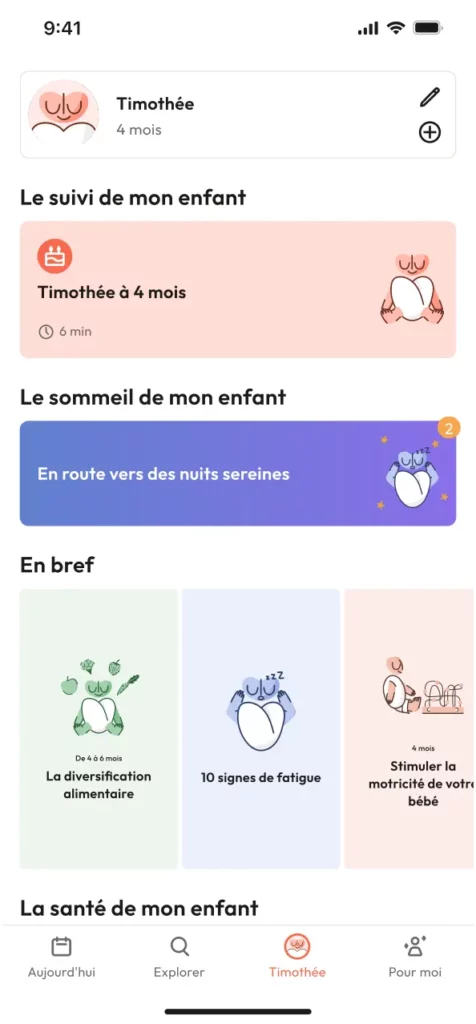
  • Never hesitate to seek help—whether from family, professionals, or digital platforms. For personalised advice and free paediatric questionnaires, try application Heloa.

Questions Parents Ask

How can co-parents maintain a strong connection with their child after returning to work?

In the daily bustle, consistency and intention matter far more than the clock. Sharing morning cuddles, evening story sessions, or a quick family walk—these small gestures carve out regular bonding. Even amidst work demands, prioritising such rituals genuinely strengthens relationships. Focus on the quality of engagement, not simply the number of hours.

What are some ways co-parents can support each other emotionally after maternity leave?

Transitioning back to work often brings fatigue and anxiety that both parents experience in distinct ways. Creating space for honest conversations, listening attentively, and acknowledging each other’s efforts help maintain a positive dynamic. Even small words of encouragement or sharing brief check-ins after the baby sleeps can go a long way toward emotional stability.

How can co-parents divide nighttime responsibilities to ensure both get enough rest?

Divide and conquer is more than an idiom—it’s a science-backed strategy for better sleep! Some families alternate full nights of duty, while others split the night into shifts, ensuring each partner gets at least one stretch of uninterrupted rest. Adapt as you go; regular communication about energy levels and health will guide you to the right rhythm for your family.


Similar Posts

The blur between sleepless nights, newborn cuddles, and the steady drum of daily routines—that’s where many parents find themselves, gazing at the first weeks after maternity leave. If you’re wrestling with fatigue or mixed feelings about sharing duties, wondering how your family will adapt, the challenges are real. From the relentless pace of pediatric appointments to jostling personal and professional expectations, parents crave both clarity and empathy. The co parent role after maternity leave emerges not as a script to follow but as a dynamic, evolving partnership—one filled with new rhythms, emotional highs and lows, and the pressing need for balanced teamwork. Ahead: unpacking practical strategies, debunking myths, and diving into what science truly reveals about sharing the journey of parenting after maternity leave.

Embracing the co-parent role after maternity leave: teamwork at the core

Redefining shared parenting responsibilities

When adjusting to the co parent role after maternity leave, many parents anticipate a logistical relay race—feeding, diaper changes, sleep routines, managing the endless flow of laundry. These visible tasks, while vital, only scratch the surface. Equally impactful: the mental load—anticipating doctor visits, remembering to schedule vaccines, and silently tracking developmental milestones. This invisible stream of planning is as real as any midnight feeding. Research underscores that balanced partnerships, where each caregiver alternates and adapts to the family’s shifting needs, not only reduce exhaustion but also promote infant well-being (see: studies on paternal-infant bonding and shared parental leave outcomes).

Building emotional support and healthy attachment

The co parent role after maternity leave is far more than childcare logistics. Scientific studies on early child development highlight that infants thrive in emotionally responsive environments. For the co-parent, sharing skin-to-skin contact, soothing fussiness, singing lullabies, or handling nighttime awakenings creates powerful neurobiological pathways—think oxytocin surges and strengthened parent-infant attachment. These interactions enable both parents to form unique bonds, fortifying the child’s sense of security and supporting healthy emotional regulation. Wondering if dads and non-birthing partners really make a difference? The answer is unequivocal: yes, and the benefits are measurable (lower cortisol levels in infants, reduced risk of postpartum mood disorders).

Practical involvement in household management

Let’s not pretend: after maternity leave, the to-do list only expands. Beyond care routines, the co parent role after maternity leave encompasses household management—from prepping meals (nutritionally balanced to support breastfeeding and maternal recovery) to keeping track of health records. Running interference with visitors, fielding texts from grandparents, organizing grocery runs, and even coordinating chores like bottle sterilization, all alleviate the postpartum load. The payoff isn’t just a tidier home; mothers who receive tangible support experience faster physical recovery and decreased incidences of postpartum depression and anxiety, as shown in recent maternal health literature.

Bonding moments for every caregiver

For many partners, the first moments alone with the newborn after maternity leave can feel thrilling—and daunting. You might ask, “Am I doing this right?” Science provides reassurance: babies are extraordinarily adaptable and will bond through repeated, caring interactions—feeding, soothing, simple eye contact. For breastfeeding families, co-parents can still play critical roles: assisting with latch, bringing water or snacks, or offering emotional reassurance during challenging feeds. Bottle-feeding or mixed feeding allows direct participation, promoting oxytocin spikes for both caregiver and child.

Supporting the mother’s recovery and adjusting to new family dynamics

Beyond the newborn, maternal recovery remains a medical and emotional priority. Uterine involution, perineal healing, cesarean wound care—these medical realities demand rest and reduced exertion. During the delicate postnatal phase, the co parent role after maternity leave transforms: absorbing the bulk of household responsibilities, handling older siblings’ routines, and monitoring for signs of postpartum mood disturbances (persistent sadness, anxiety, appetite changes). Early intervention and shared vigilance can be life-changing.

Administrative and logistical cheerleading

Never underestimate the chaos of paperwork. The co parent role after maternity leave often means wrangling paperwork—registering the birth, picking up prescriptions, attending pediatrician check-ups, and keeping vaccination records current. For many, these tasks are an invisible source of stress; sharing the load isn’t just helpful, it’s protective.

Communication and adapting parenting styles

Open dialogue and flexibility

Communication—honest, empathetic, and regular—underpins the co parent role after maternity leave. Experts recommend explicit conversations about expectations (who handles midnight wake-ups, who calls the pediatrician, how is the workload split?). Use shared digital calendars, notes on the fridge, even ten-minute check-ins after bedtime. This transparency transforms invisible labor into acknowledged contribution. Let flexibility reign; as your baby’s needs shift, so should your strategies.

Respecting individual styles

No two parents approach challenges identically. Some thrive on routine, others prefer spontaneity. Judgment rarely helps, but building trust and finding overlap—a shared bedtime ritual, agreed discipline boundaries, or common approaches to infant sleep—creates cohesion for the child. When conflicts escalate or outside criticism intrudes, returning to agreed-upon priorities and seeking professional support are both valid.

Practical strategies for shared parenting: action plans, not wish lists

Dividing physical and emotional labor

Start with a simple inventory: what needs to be done daily, weekly, and occasionally? Co-parents should divide tasks according to schedules, preferences, and unique skills, checking in as the newborn’s needs evolve (colic, teething, sleep regressions). Swapping roles amid sleep deprivation is not a failure but a strength—a pattern observed in resilient family systems.

Stability and routine: bedrock for your child

Predictable routines anchor children. Research on infant and toddler circadian rhythms shows that consistent sleep schedules, regular mealtimes, and aligned household rules foster healthy growth and less behavioral disruption. The co parent role after maternity leave extends here: co-designing boundaries and responding uniformly, even across multiple homes, reassures and stabilizes infants during developmental leaps.

Work-life balance and pushing for workplace support

Advocating for flexibility and understanding workplace tools

Finding the equilibrium between career and parenting—often called “work-life integration”—calls for creative problem-solving. Remote work, gradual returns post-leave, and proactive advocacy for parental rights all support the co parent role after maternity leave. Engaging HR, leveraging workplace parent communities, and requesting lactation accommodations are not indulgences but evidence-based strategies to retain workforce participation and support child development.

Building better workplace cultures

When employees share their parenting realities, demand family-friendly policies, and form support networks, workplace well-being improves across the board. Higher satisfaction, lower turnover, and less burnout benefit not just parents, but organizations as a whole. The co parent role after maternity leave is dramatically easier in environments that recognize and adapt to changing family needs.

Optimizing child development and early parent-infant bonding

Neurodevelopment and attachment: every interaction counts

Daily, engaged caregiving—singing, touch, verbal interaction—stimulates infants’ neural pathways, supports early language development, and builds resilience to stress. Both parents’ active participation reduces gendered stereotypes and ensures the child does not develop overly narrow attachment patterns. Even micro-interactions (diaper changes, gentle rocking) are building blocks for robust socioemotional health.

Whole-family flourishing

Decades of longitudinal studies correlate cooperative parenting with lower rates of behavior issues and stronger academic outcomes later in life. When both partners step up, the entire family becomes more adaptable. Children sense and internalize this teamwork, translating to better stress management and overall well-being.

Real-life hurdles: guilt, criticism, and logistical acrobatics

Addressing emotional challenges and external pressures

It is natural to experience guilt—over missing milestones, enduring judgment from relatives, or feeling “not enough.” The co parent role after maternity leave does not erase these feelings but allows them to be shared, normalized, and gradually reframed. Openly discussing doubts, prioritizing the family’s actual needs over outside opinions, and seeking support when needed are acts of strength, not weakness.

The power of support networks

Professional guidance, mental health check-ins, and connecting with peer parents provide lifelines during the early months. Recognize your own limits; if frustration, anxiety, or low mood persist, reaching out to healthcare providers is a valid and effective step. Many find relief—and practical answers—by connecting with parent groups, pediatricians, or perinatal counselors.

Key takeaways

  • The co parent role after maternity leave thrives on transparency, adaptability, and genuine teamwork.
  • Proactive involvement by both parents—emotional, practical, and in household management—directly influences maternal recovery and child well-being.
  • Rigorous communication, flexible routines, and respect for individual parenting styles make adaptation smoother and prevent resentment.
  • Advocate for family-friendly workplace policies; research strongly links such support to healthier outcomes for both children and parents.
  • Remember: seeking advice from medical or mental health professionals is a mark of attentive care, not deficiency.
  • Access additional guidance, personalized health questionnaires, and up-to-date parenting tools by downloading the Heloa app.

With science, empathy, and a dynamic approach, the co parent role after maternity leave becomes a source of confidence and stability for every family stepping into this extraordinary chapter.

Questions Parents Ask

How can co-parents maintain a strong connection with their child after returning to work?

Balancing work and family can sometimes feel overwhelming, but de petits moments quotidiens aident à nourrir la relation parent-enfant. Partager les routines du matin ou du soir, organiser un temps de jeu ou de lecture, ou encore proposer une sortie en famille le week-end permet de renforcer ce lien. Même si le temps passé avec l’enfant change, l’attention et la présence restent tout aussi importantes. N’hésitez pas à vous appuyer sur des rituels simples mais réguliers pour créer de beaux souvenirs tout au long de la semaine.

What are some ways co-parents can support each other emotionally after maternity leave?

La reprise du travail peut être source de fatigue et d’inquiétude pour chaque parent. Il est important de partager ses ressentis, d’écouter l’autre sans jugement et de se rappeler que chacun fait de son mieux. De petites attentions ou des encouragements quotidiens contribuent à maintenir une dynamique positive. Vous pouvez également fixer des temps d’échange réguliers, même brefs, pour discuter de ce qui se passe bien ou des difficultés éventuelles. Se soutenir mutuellement aide à traverser les changements plus sereinement.

How can co-parents divide nighttime responsibilities to ensure both get enough rest?

Organiser des relais pendant la nuit peut véritablement soulager la fatigue liée à l’arrivée d’un bébé. Certains parents choisissent de se relayer selon les jours ou les emplois du temps, d’autres préfèrent partager chaque nuit en deux parties, pour que chacun bénéficie d’un créneau de sommeil ininterrompu. Soyez à l’écoute de vos besoins et adaptez le fonctionnement au fil des semaines. Il n’y a pas de solution unique, l’important est que chaque parent puisse, dans la mesure du possible, trouver un équilibre et préserver sa santé.

Similar Posts