By Heloa | 18 May 2025

Dyscalculia: a closer look at children’s challenges with numbers

8 minutes
de lecture
Dyscalculie

By Heloa | 18 May 2025

Dyscalculia: a closer look at children’s challenges with numbers

8 minutes
Dyscalculie

Par Heloa, le 18 May 2025

Dyscalculia: a closer look at children’s challenges with numbers

8 minutes
de lecture
Dyscalculie

Numbers swirl, clocks tick, coins clink, and for countless children, these daily encounters are as slippery as marbles on a tiled floor. Dyscalculia—often nicknamed “number blindness” in medical literature—frequently puzzles parents and educators alike. You may observe your child hesitating before announcing which pile of building blocks is bigger, struggling again and again with simple sums, or recoiling at the mention of a maths test. Such scenes can spark worries, questions, and above all, a deep desire to support your child’s journey. So, what is Dyscalculia? Why do some children find numbers so baffling, and what can a parent do when faced with this intriguing learning difference? Time to dive into core concepts, scientific insights, and above all—practical pathways to help children with Dyscalculia thrive, both today and well into adulthood.

What Is Dyscalculia? When Counting Isn’t Simple

Dyscalculia is not just about being “bad at maths.” It is a specific learning disability rooted in neurological and genetic factors. Picture the brain like a city’s network of roads; for a child with Dyscalculia, some highways to the “number sense” neighbourhood—mainly around the parietal lobe and more precisely, the intraparietal sulcus—develop differently. This “number sense,” which helps most people rapidly recognise how many apples are on a table or how much change to expect, remains fuzzy or unreliable.

Struggles often begin early: difficulty lining up beans to count them, slow recall of times tables, mixing up symbols like + and –, or frustration organising numbers while copying sums. Yet intelligence is not at stake; children are bright, curious, and engaged in other areas. What changes? The brain’s wiring for maths. Neuroimaging consistently reveals differences in neural connections and the overall “mathematical reasoning” network.

Is it common? Studies estimate nearly 3% to 7% of children may be affected, regardless of gender. And whilst some learning struggles come and go, Dyscalculia is lifelong—though its face may change with age. Whether in a bustling classroom or at the market, signs linger and shift, often causing children to sidestep maths tasks or dread anything involving numbers.

What Causes Dyscalculia? Between Genes, Brains, and Circumstances

Like a puzzle with interlocking pieces, several factors may contribute to Dyscalculia:

  • Genetic influence: A child with a family member who struggles with maths is statistically more likely to face similar challenges. Differences in genes regulating brain development are part of the story.
  • Neurological aspects: The spotlight falls on the parietal cortex, particularly the intraparietal sulcus, guiding that crucial “number sense”—the basic ability to estimate, compare, and manipulate quantities even before counting starts.
  • Cognitive profile: Many children with Dyscalculia find it difficult to link “number words” (like five) to actual amounts, or struggle to recall basic arithmetic facts. “Symbolic processing”—the brain’s handling of written digits and the quantities they represent—tends to be shaky.
  • Environment and education: Limited exposure to stimulating maths activities or inconsistent teaching can exacerbate latent difficulties, although they do not cause Dyscalculia by themselves.
  • Co-occurrence with other “dys”: Dyslexia (reading) and ADHD (attention and memory) frequently overlap. Many experts agree this stems from shared brain pathways, with each condition presenting its own unique hurdles.

Types of Dyscalculia: Not One Size Fits All

Just as colours blend into shades, Dyscalculia appears in various forms:

  • Developmental Dyscalculia: Present from early years, signs often emerge with the first exposure to counting and basic calculation.
  • Acquired (Acalculia): Triggered by neurological events such as stroke or injury, this variant appears suddenly after a period of normal functioning.
  • Primary Dyscalculia: Arises independently, not linked to other intellectual or sensory difficulties.
  • Secondary Dyscalculia: Occurs together with wider challenges—like intellectual disability or very restricted access to education.
  • Comorbidity: Overlaps with learning and attention disorders, compounding challenges with planning, memory, or reading.

Understanding these nuances can help parents and educators tailor support and avoid blanket solutions.

Recognising Dyscalculia: Signs and Symptoms Through the Years

Dyscalculia can shape daily experiences in unpredictable ways. Early on, children might:

  • Hesitate with basic counting or misidentify simple digits.
  • Rely on fingers long past expected ages to solve sums.
  • Find “ordinals” (first, second, third) perplexing, or falter with concepts like “more” and “less.”
  • Get muddled playing number-based games or comparing quantities.

As schooling progresses, telltale experiences persist:

  • Slow to master addition, subtraction, and multiplication.
  • Difficulty recalling even well-practised maths facts.
  • Struggles reading numbers with two or more digits, or arranging sums vertically on paper.
  • Mistakes interpreting arithmetic symbols, or confusion solving word problems.
  • Notable problems telling the time on an analog clock, or managing pocket money.

During adolescence and into adulthood, the picture may shift yet again:

  • Mental calculations (like estimating bills or distances) remain a struggle.
  • Anxiety around monthly budgeting, calendar planning, or dealing with weights and measures gets pronounced.
  • Avoidance of situations involving maths—sometimes hidden behind inventive coping mechanisms.

Emotionally, the impact can be profound. Children may lose confidence, develop math anxiety, withdraw in group settings where maths is front and centre, or become frustrated with repeated setbacks.

Diagnosis: When, How, and Why to Seek Support

Clarity begins with recognising that persistent maths struggles merit expert attention—not blame or quick-fix approaches. Teachers, who often spot patterns of difficulty, can refer children for further screening. Paediatricians may suggest seeing a neuropsychologist, an educational psychologist, or assembling a team (sometimes including occupational therapists or psychiatrists) skilled at unravelling learning profiles.

A thorough diagnosis rests on:

  • Standardised tools evaluating number sense, working memory, reasoning strategies, and overall intellectual abilities. Psychometric tests compare performance to age and grade norms.
  • Ruling out unrelated factors, such as hearing problems, vision difficulties, global intellectual delays, or the impact of inconsistent education.
  • Checking for co-occurring challenges: ADHD, dyslexia, or language issues—each can muddy the waters but deserve attention in their own right.
  • International standards—the DSM-5 or ICD-10—insist symptoms must persist for six months or longer, and be unrelated to intelligence or opportunity.

Diagnosis is not a label, but a passport to individualised support, helping each child find strategies that align with their unique strengths.

How Does Dyscalculia Affect Everyday Life? Practical, Social, and Emotional Facets

The effects reach well beyond the classroom:

  • Educational pathways: Often, even motivated children find maths lessons an ordeal, which can cloud all academic ambitions. Subject choice and success in competitive exams may become restricted.
  • Everyday tasks: The list is vast—counting out money at the shop, splitting snacks fairly, cooking with measurements, even catching a bus on time or understanding a printed timetable.
  • Social participation: Maths crops up everywhere, so avoiding games, group tasks, or extra-curricular activities may become a habit to mask difficulties.
  • Emotional responses: The heart of Dyscalculia is not just confusion, but often worry, embarrassment, and an overhanging sense of “missing out.” Over time, self-esteem can dip, and children may become more withdrawn or irritable.

Developing independence is a sensitive journey—especially as handling dates, bills, and appointments becomes part of growing up.

Practical Support: Strategies, Tools, and Family Togetherness

Parents often wonder—what really works? Research and experience suggest a flexible, strengths-based approach:

Visual and Experiential Techniques

Concrete experiences embed understanding. Lay out grains of rice, use blocks, show numbers with fingers—even dance out steps across a room. Diagrams, visual checklists, and colourful charts can anchor abstract maths to something real. Maths conversations during chores—like splitting parathas, counting mangoes, or measuring flour—usher numbers into daily life without drama.

Multisensory Learning

Touch, see, move, hear: counting beads, chanting sums aloud, tapping numbers into a calculator—activating different senses helps embed connections, especially for children who struggle to “see” numbers in their head.

Breakdown and Repetition

Divide big sums into smaller, clear steps. Written planners, checklists, and time organisers bring order. And yes—repetition (gently and supportively offered, not pressured) is a friend, not a foe. Apps and games tailored for Dyscalculia, such as The Number Race or Dybuster Calcularis, offer bright, interactive practice.

Assistive Technology and Accommodation

  • Calculators are not “cheating”—they are gateways to focusing on logic, patterns, and reasoning, freeing precious brain space.
  • Individual Education Plans (IEPs) or similar adjustments allow extra time, alternative testing formats, written instructions, and access to manipulatives.
  • Occupational or neuropsychological therapy sessions focus on coping mechanisms, teaching strategies, and emotional resilience.

Family Involvement

Routine family participation—handling shopping lists, plotting bus routes together, tallying cricket score sheets—transforms maths from threat to shared experience. Praising effort, not just results, builds tenacity. And celebrating all strengths—whether in art, reading, or kindness—fosters resilience.

Recent Research, Technology, and Policy Shifts

Fresh discoveries continue to reshape expert thinking. Advances in neuroscience now highlight clusters of brain networks involved in maths processing, not a single “math centre.” Adaptive, computer-based tools are delivering early, tailored interventions—yes, even in pre-primary years—showing encouraging improvements in basic number sense and calculation. While not a cure, such approaches nurture gradual, enduring progress. Policymakers are slowly waking up as well, pushing for more targeted classroom support and robust teacher education to spot Dyscalculia early.

Still, consensus holds: effective help is about ongoing adaptation, not one-off solutions. Regular review, seamless communication across teachers, families, and therapists, and a willingness to tweak tools all matter.

Misconceptions: Myths vs Reality

  • Lazy? Far from it—Dyscalculia stems from the way the brain works, not effort or attitude.
  • Just practice more? Targeted, responsive supports are vital; repetition alone yields little.
  • Boys or girls only? Both can be affected equally.
  • Maths struggles reflect intelligence? Absolutely not. Many with Dyscalculia shine in language, science, art, or athletics.
  • It disappears with age? The underlying difference persists, but can be managed with support and strategy.
  • Emotional impacts? Completely real. Frustration, avoidance, or even tears over homework are understandable, not signs of weakness.

Key Takeaways

  • Dyscalculia is a lifelong, brain-based learning difference that affects mathematical skills but not intelligence.
  • Symptoms can surface any time, from preschool counting to adult finances, with variability in severity and presentation.
  • Early identification—matched with targeted tools, patience, and family engagement—yields the most positive outcomes.
  • Scientific advances and adaptive technology offer promising ways to bolster learning and reduce anxiety.
  • Parents can play an active role by making numbers part of enjoyable, everyday routines—not battles to be won.
  • Need tailored advice? Trust the Heloa app for expert-backed guidance, free child health questionnaires, and personalised resources for different stages of development. Professional support is always only a conversation away.

Questions Parents Ask

How can parents help at home if their child has Dyscalculia?
Bringing maths into ordinary family routines works wonders. Slice a watermelon and count the pieces together; use coloured blocks to build towers and discuss “more or less.” Prefer short steps over long lectures—small, visible wins fuel confidence. Visual tools, like a number line on the wall or a stack of coins for pocket-money practice, provide tactile feedback. Patience and calm encouragement set the tone: every new connection or correct addition is a reason to smile. Progress may arrive slowly, but it gathers pace with praise and gentle persistence.

Can Dyscalculia affect adults too?
Certainly. Even grown-ups with Dyscalculia can flounder calculating discounts while shopping, or find calendar planning a puzzle. The good news? Strategies help at any age—digital reminders, calculators, budgeting apps, and open-minded employers all make a difference. Seeking guidance from therapists or joining peer groups may be empowering. Never hesitate to try new techniques, and remember: needing help is simply a part of lifelong learning.

Is Dyscalculia commonly linked with other learning differences?
Very much so. Many children with Dyscalculia experience reading (dyslexia) or attention (ADHD) issues alongside number challenges. The underlying “wiring” overlaps. Recognising these connections is vital—addressing one area often unlocks progress elsewhere, allowing specialists to tailor support to the child’s full profile.

Is there a complete cure for Dyscalculia?
Not at present, but progress is possible. Early and ongoing intervention—combined with empathy, adaptive methods, and technological aids—makes a significant difference. The condition itself is lifelong, but its daily impact can be softened, and confidence can grow with the right support.

How is Dyscalculia diagnosed in children?
Skilled professionals use standardised tests to assess number sense, recall, and reasoning. Rule out vision or hearing issues and ensure difficulties aren’t due to inconsistent schooling. Evaluation often looks at broader cognitive strengths and potential overlaps with other learning or attention differences.

Are emotional difficulties common in children with Dyscalculia?
Yes, emotional impacts are not only common but also significant. Frustration, self-doubt, and avoidance of maths are everyday realities for many children. Open discussion, empathy, and regular celebration of strengths outside maths can offset these effects. Family reassurance and targeted professional support ease worries and promote resilience.

Similar Posts

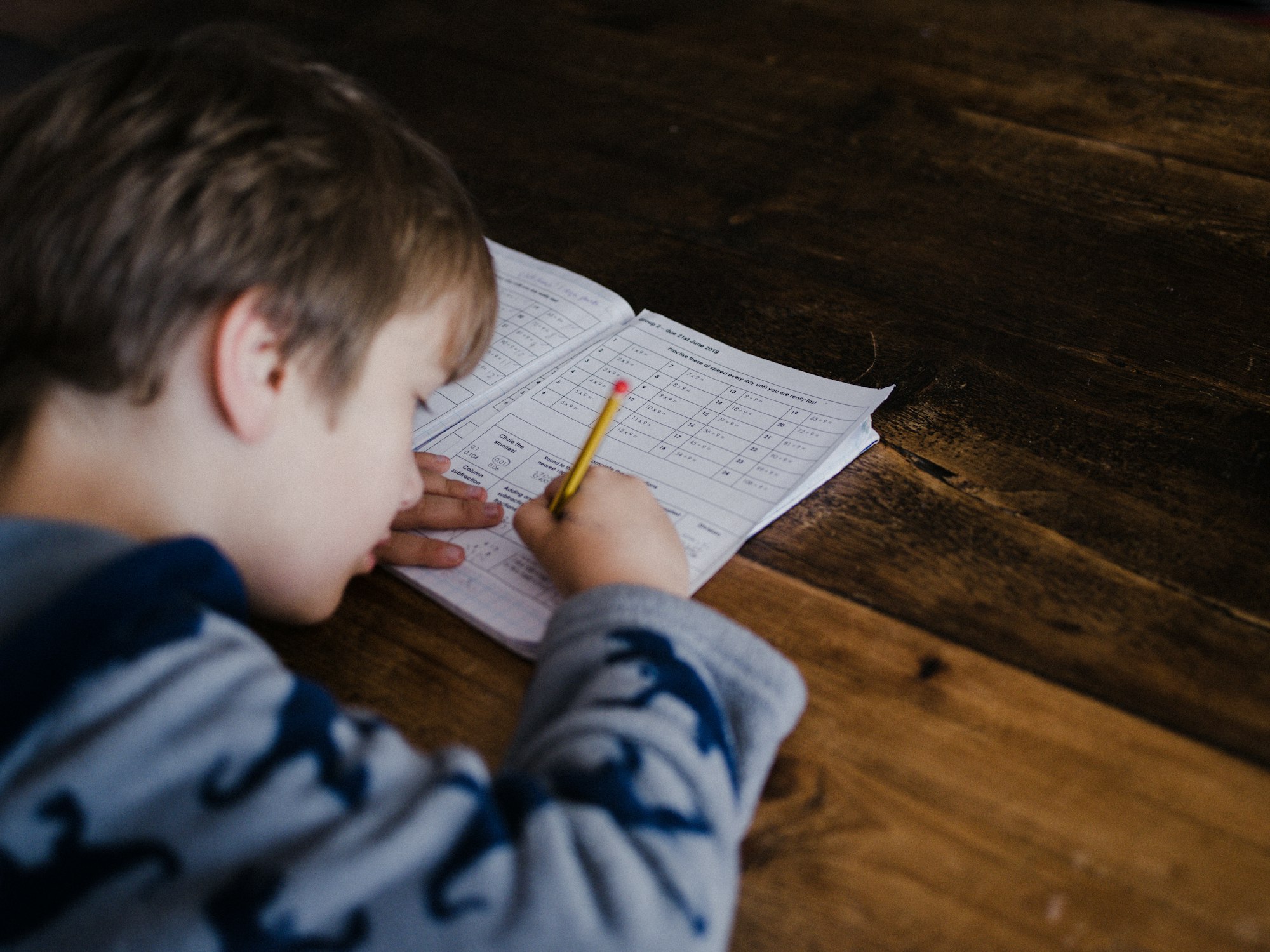
Dyscalculia—such a clinical, almost abstract word, yet for many parents, it carries the weight of daily frustrations and invisible questions. Picture a child staring at a math worksheet, brow furrowed, eyes darting from numbers to fingers as if trying to broker peace between two stubborn adversaries. Does it always have to be this hard? Is this stubbornness, a lack of effort, or something deeper? Many parents, vigilant and caring, instinctively notice when numbers baffle their child far more than reading or drawing ever did. Why does counting coins evoke confusion, or estimating time feel like deciphering a foreign script? Dyscalculia stands at the heart of these mysteries—a neurological difference shaped by genetics and brain structure, not by a child’s willpower or intelligence. This isn’t about laziness or a failure to try.

Across this exploration, several themes emerge: what dyscalculia is, why it happens, how to spot the signs, and, most valuably, how evidence-based interventions and family support can empower children. Here’s a comprehensive, medical, and empathetic lens on dyscalculia—its roots, impact, and the diverse ways to help your child navigate a world so often ruled by numbers.

Understanding Dyscalculia: Beyond Simple Math Struggles

Dyscalculia is a specific learning disability that strikes at the core of number processing and mathematical operations. Imagine a brain wired for storytelling, for design, but one that falters as soon as the logic of numbers enters the scene. Is it the same as simply being “bad at math”? Absolutely not. Dyscalculia is distinct—a neurological disorder with roots in the way the brain, and especially the parietal lobe and the intraparietal sulcus, process numbers and quantify the world.

Statistically, about 3% to 7% of children—whether boys or girls—wrestle with dyscalculia. This prevalence matches that of other learning differences, yet it remains far less recognized than dyslexia, its better-known counterpart. For many children, this disorder doesn’t stop at struggling with times tables; it seeps into daily life, making it daunting to tell time, organize schedules, or even judge quantities when cooking. The impact stretches far beyond the classroom.

Peering Into the Causes: Genetics, Brain Anatomy, and Early Experiences

Why does dyscalculia appear? This is not a story of “bad teachers” or “not trying hard enough”; the origins run deeper, tangled in both biology and experience.

  • Genetic factors: Studies show that a family history of learning disabilities ups the odds—heredity plays a significant role in how number sense forms in the brain.
  • Neurological underpinnings: Advanced imaging studies reveal marked differences in the parietal lobe—more precisely, alterations in the intraparietal sulcus. This region is essential for understanding quantities and relating symbols to magnitude. Here, a weak “number sense” emerges not from neglect, but from the way neural connections are established.
  • Cognitive differences: While some children master basic estimation, they may never link the concept of “three apples” with the digit “3,” or mentally manipulate numbers with the automaticity their peers show.
  • Environmental influences: Limited exposure to numbers early on might intensify the challenge—but environmental deprivation rarely creates dyscalculia from scratch.
  • Comorbidity: When dyscalculia shares the stage with ADHD, dyslexia, or even visuospatial difficulties, the picture grows more complex—multiple domains of brain function occasionally overlap, amplifying the difficulty.

Not All Dyscalculia Is the Same: Different Types and Pathways

Dyscalculia is not a single, monolithic disorder. It splinters into several varieties:

  • Developmental dyscalculia: Present almost from the start of life, tied to underlying neurodevelopmental and sometimes genetic differences.
  • Acquired dyscalculia (sometimes referred to as acalculia): Sudden onset following brain trauma, stroke, or illness in a previously skilled individual.
  • Primary dyscalculia: Stands alone, unaccompanied by broader intellectual, sensory, or emotional challenges.
  • Secondary dyscalculia: Numbers falter because of broader developmental disorders—illustrating that math difficulties can stem from multiple roots.
  • Linked challenges: The high rate of overlap with dyslexia, executive function deficits, and even conditions like anxiety, further muddies the waters.

Recognizing the Clues: Signs and Symptoms at Different Stages

How does dyscalculia surface in the real world? The clues are often subtle, shifting as children grow.

During early childhood:

  • Persistent trouble recognizing numbers, even as peers breeze through lessons.
  • Difficulty matching a small pile of toys to a numeral on a flashcard.
  • Reliance on “counting out loud” or fingers long after others have memorized basic facts.
  • Games involving number skills often lead to avoidance or perplexity.

Through primary school:

  • Slow, arduous mastery of addition or subtraction—sometimes each calculation feels like re-inventing the wheel.
  • Mistakes with place value—confusing “23” and “32,” or misaligning columns during addition.
  • Difficulty telling time on analog clocks, remembering math facts, or estimating costs with any accuracy.
  • Frequent anxiety or agitation when homework demands calculation or estimation.

In adolescence and into adulthood:

  • Difficulty managing money, organizing daily life around schedules, or remembering numerical data (phone numbers, dates, locker combinations).
  • Continued discomfort with any activity tied to numbers—budgeting, comparing prices, planning trips.
  • Deep-seated avoidance, sometimes paired with embarrassment, especially under time pressure or scrutiny.

Let’s pause for a question: Could these struggles be laziness? Absolutely not. Brain imaging and cognitive studies repeatedly demonstrate that these challenges arise from genuine differences in brain structure and function—not character flaws.

The Path to Diagnosis: Science, Tools, and Multidisciplinary Teams

How is dyscalculia diagnosed? Teachers are often the first to suspect an underlying issue, noticing a mismatch between classroom effort and achievement. Yet diagnosis goes much deeper than observations.

  1. Professional screening and referral: A referral to a specialist—usually a neuropsychologist, child psychiatrist, or educational psychologist—sets the wheels in motion.
  2. Neuropsychological evaluation: Standardized tests (such as the WIAT or KeyMath) measure abilities in numerical processing, arithmetic, reasoning, working memory, and visuospatial skills. The goal isn’t labels, but understanding which areas are specifically affected.
  3. Exclusion of other causes: Vision or hearing deficits, overall intellectual disability, poor schooling, or aftermath of brain injury are carefully considered and ruled out.
  4. Screening for co-existing conditions: Dyscalculia and dyslexia often travel together, and ADHD is a common companion—each bringing its own nuances to learning and attention.
  5. Diagnostic criteria: Internationally recognized guidelines (ICD-10, DSM-5) specify that difficulties must last at least six months and persist despite targeted, adequate instruction.

Thorough assessment offers clarity—and relief—by ensuring that mislabeling and misplaced expectations don’t cloud the support a child receives.

How Dyscalculia Shapes Daily Life: The Ripple Effects

Math is everywhere—embedded in cooking, play, time management, shopping, and later, independent living. These are some of the areas where dyscalculia exerts its quiet, yet insistent, influence.

  • Academic hurdles: Chronic math difficulty can color a child’s schooling experience, limiting subject choices and affecting progress.
  • Everyday activities: Buying snacks, calculating change, reading timetables, or measuring ingredients can feel insurmountable.
  • Emotional fallout: Anxiety, embarrassment, and avoidance—particularly if peers or adults misunderstand the struggles—can take root.
  • Independence: Struggles with schedules or budgeting don’t fade away; they simply change shape as children become teenagers and then adults.

Does this mean affected children can never be independent? Far from it. With effective strategies and genuine understanding, many go on to thrive in careers that value creativity, pattern recognition, or interpersonal skills—domains where dyscalculia takes a back seat.

Interventions That Work: Strategies to Support Children

Given the right support, children with dyscalculia make remarkable progress—sometimes transforming their relationship with numbers and, more importantly, their sense of self-worth.

Effective approaches include:

  • Visualization and concrete aids: Physical objects—blocks, coins, colored counters—make numbers tangible.
  • Experiential learning: Letting a child count steps, share snacks equally, or measure during cooking turns abstract concepts into lived experiences.
  • Multisensory teaching: Combining sight, touch, and sound to reinforce learning pathways.
  • Stepwise breakdown: Complex problems are split into manageable chunks, with each step carefully outlined.
  • Strengths-based encouragement: Many children excel outside mathematics—music, drawing, language—giving them opportunities to shine and build confidence.

Tools and accommodations:

  • Calculators and abacuses: These are not “cheats,” but smart supports that allow children to focus on the logic of a problem rather than the mechanics of calculation.
  • Assistive technology: Software like Number Frames, Dybuster Calcularis, and The Number Race adapts to a child’s unique needs, offering accessible, game-like practice.
  • Visual organizers: Schedules, checklists, and templates support organization and planning, making daily life less overwhelming.
  • Educational accommodations: Individualized Education Plans (IEPs), extra time, step-by-step instructions, and alternative assessments all help students show what they know, not just what they can calculate on the spot.
  • Professional therapy: Engagement with neuropsychologists, speech and occupational therapists, or educators trained in learning differences, adapts support at every phase of development.

In everyday family life:

  • Routine, repetition, and patient practice—praise for effort, space to try again, without undue pressure.
  • Family participation—cooking, shopping, and travel become classrooms in disguise, filled with positive, practical math experiences.
  • Emotional validation—remind your child that persistence is as valuable as swift success, and that everyone brings different gifts to the table.

Addressing anxiety:

  • Conversation, empathy, and if necessary, psychological support lessen math-related anxiety. For some families, open discussions clarify that brains differ—in structure, not in worth.

Scientific Advances and Ongoing Questions

Recent years usher in optimism: neuroscience shines a light on parietal and frontal brain networks key to numerical processing. Adaptive, research-based digital interventions provide personalized practice, harnessing technology as an ally. Policies in some regions formally recognize dyscalculia, opening up educational accommodations and workplace support. Yet, disparities persist and screening, especially for older children and adults, remains patchy. Teacher training, early identification, and societal awareness all shape outcomes—sometimes as much as the interventions themselves.

Misconceptions still echo. Dyscalculia is not a byproduct of laziness, nor can it be outgrown with repetition alone. Children don’t “grow out” of it; rather, with direct, consistent support, they develop strategies that carry them through school and into adulthood. Boys and girls are affected equally; intelligence is never to blame.

Key Takeaways

  • Dyscalculia is a neurological learning difference affecting mathematical and numerical abilities, unrelated to intelligence or motivation.
  • Symptoms may involve difficulties with number sense, arithmetic, estimation, recognizing and writing numbers, and using mathematical symbols—changing with age and developmental stage.
  • Early identification and thorough assessment pave the way for tailored, effective intervention.
  • A blend of concrete tools, visually anchored and experiential learning, patient family-supported practice, and professional guidance unlocks the greatest progress.
  • Understanding, compassion, and medical expertise empower children to face not just the challenges of math—but also the social and emotional impacts that ripple from dyscalculia.
  • Assistance, technological tools, and a rich array of educational resources exist—professional advice offers direction when questions or challenges seem insurmountable.
  • For deeper, personalized guidance and free children’s health questionnaires, explore the Heloa app.

With the right recognition, support, and community, children with dyscalculia are not defined by what they cannot do—but celebrated for each unique way they can flourish.

Questions Parents Ask

How can I help my child at home if they have dyscalculia?

Supporting a child with dyscalculia at home may require creativity and patience. You can use everyday activities—such as cooking, setting the table, or playing board games—to gently reinforce number sense in a relaxed and pressure-free way. Visual supports, like colored blocks or number lines, help make numbers less abstract. It’s helpful to break mathematical tasks into smaller steps and celebrate small achievements together. Remember, creating a positive and encouraging environment plays a key role, and progress may come gradually—each step forward counts.

Can dyscalculia affect adults too?

Absolutely, dyscalculia doesn’t only affect children; adults may also experience challenges with numbers throughout their lives. This can show up as difficulty managing finances, reading timetables, or handling work tasks that involve calculations. If you or someone you know is struggling, know that it’s never too late to seek support. Strategies such as using calendars, calculators, or helpful apps can make daily life and work tasks easier to manage. And remember, asking for help is a sign of strength—many adults discover practical tools that help them thrive.

Is dyscalculia linked to other learning differences?

Yes, dyscalculia often coexists with other learning differences, like dyslexia or ADHD. For some, challenges with numbers might be noticed alongside difficulties with reading, attention, or executive functioning. This overlap is quite common and does not reflect a lack of ability or effort in your child. Recognizing these combined challenges can be important, as it may allow professionals to offer more tailored support that addresses your child’s unique learning profile in a holistic way.

Similar Posts