By Heloa | 24 April 2025

Hand, foot, and mouth disease: symptoms, care, and prevention

7 minutes
de lecture
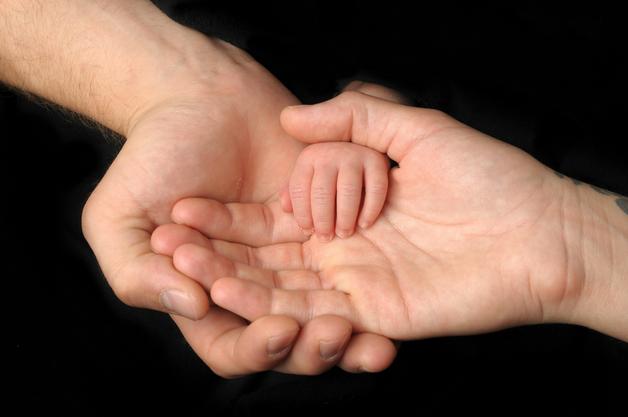
Mains d'adulte tenant une petite main d'enfant, symbolisant l'importance de la prévention de la maladie pied main bouche.

By Heloa | 24 April 2025

Hand, foot, and mouth disease: symptoms, care, and prevention

7 minutes
Mains d'adulte tenant une petite main d'enfant, symbolisant l'importance de la prévention de la maladie pied main bouche.

Par Heloa, le 24 April 2025

Hand, foot, and mouth disease: symptoms, care, and prevention

7 minutes
de lecture
Mains d'adulte tenant une petite main d'enfant, symbolisant l'importance de la prévention de la maladie pied main bouche.

Worried about that sudden fever, a rash erupting on tiny hands or feet, or painful ulcers making your little one reluctant to eat? If your child is under five, your mind might immediately leap to Hand foot and mouth disease—and not without reason. This common viral illness often turns a calm household upside down, sparking questions about how contagious it is, whether siblings or you could catch it, and what can ease your child’s misery when every sip seems to sting. No one wants to see their child uncomfortable or worry about infection spreading like wildfire through school or daycare. So, what precisely is going on inside your child’s body when Hand foot and mouth disease strikes, and how do you navigate recovery and prevention? Let’s decode the science, answer your burning questions, and offer practical advice to smooth this challenging journey.

What is Hand, Foot and Mouth Disease – And Why Does It Happen?

At its heart, Hand foot and mouth disease is a viral infection, often sweeping through groups of toddlers and preschoolers in waves, particularly during the hotter seasons or when the weather shifts. The guilty parties are usually members of the enterovirus family—primarily coxsackievirus A16, sometimes enterovirus 71, or on occasion, coxsackievirus A6. These aren’t household names, but for parents, recognising that multiple viruses can be involved is vital: immunity to one doesn’t block out the rest.

Does that mean a child can get Hand foot and mouth disease again? Actually, yes. While the body becomes resistant to the specific strain after exposure, encountering another virus in the group can bring the illness back knocking.

Why are children under five so prone? Picture the preschool environment: constant play, shared toys, unfiltered coughs and sneezes, and the parade of sticky fingers-to-mouth behaviour. Their immune defense is not fully mature, giving viruses a free pass more often than in older kids.


How Does Hand, Foot and Mouth Disease Spread So Easily?

Ever wondered why outbreaks seem to explode overnight in playgroups? Hand foot and mouth disease is a master of transmission, exploiting both direct and indirect pathways. It leaps from person to person via:

  • Contact with saliva, nasal secretions, or even drool—think about how often toys end up in little mouths.
  • Blister fluid—the content inside those telltale skin blisters packs a viral punch.
  • Respiratory droplets—a simple cough or sneeze can do the trick.
  • Surfaces and objects—the virus clings to doorknobs, toy blocks, cutlery, and more, waiting for new hosts.
  • Stool—parents changing nappies need to be especially vigilant.

Curiously, even those who appear perfectly healthy might still be silent carriers, spreading viruses via stool for weeks after recovery. While children are most contagious during the feverish early days, it doesn’t stop there.

Recognising Symptoms: From Fever to Rash and More

What to Watch For in Children

Imagine this: a normally energetic child turns listless, feverish (temperatures ranging anywhere from just above 38°C, sometimes soaring to 40°C), with a sore throat and little interest in food. Three to seven days after being exposed, the battle begins.

Then, the typical signs emerge:

  • Painful mouth ulcers—small, red, often evolving into ulcers with a pale centre. Located inside the cheeks, on the tongue, and gums, these cause plenty of drooling, fussiness, and resistance to drinks or meals.
  • A rash with blisters—flat or raised, usually 2–6 mm wide, appearing on the palms, soles, and sometimes fingers or toes. For some, the rash may extend to buttocks, knees, or genitals. Unlike chickenpox, these usually aren’t itchy—unless a blister ruptures, leading to tenderness.
  • Swollen lymph glands in the neck.
  • Additional clues: a mild cough, runny nose, and in rare cases, diarrhea. Some children with existing skin conditions like eczema might notice clusters of new skin lesions.

As the days pass, blisters dry and peel, usually healing in a week. One rare, surprising outcome: a few weeks post-illness, fingernails or toenails may temporarily shed (a harmless condition known as onychomadesis).

What About Adults or Older Children?

Less frequently affected, adults might have a sore throat, mild fever, muscle aches, or—sometimes—no symptoms at all. Despite minimal signs, they can still pass the virus to others.

Diagnosis: How Do Doctors Identify Hand Foot and Mouth Disease?

Often, a parent’s account of symptoms—combined with the unique appearance of mouth ulcers and rashes—points directly to Hand foot and mouth disease. Doctors rely on clinical evaluation: Are the mouth sores painful? Is the rash localised to hands and feet, or more widespread? Recent outbreaks or sick contacts can help confirm suspicions.

Occasionally, a doctor might check for other lookalike illnesses. How to tell if it’s not chickenpox? Chickenpox rashes are usually intensely itchy, scattered all over, and display lesions in several stages. Herpangina, on the other hand, causes ulcers deep in the throat, rarely accompanied by hand or foot rash. Impetigo, a bacterial imposter, results in sticky, crusted sores. Lab tests (like a throat or stool swab) are rarely needed except in severe or unresolved cases.

Home Care: Easing Pain and Supporting Recovery

Soothe, hydrate, and give space for the body to do its work—core pillars for Hand foot and mouth disease management. While science has yet to deliver a cure-all antiviral, several steps help:

  • Pain and fever relief: Child-safe doses of paracetamol or ibuprofen bring comfort. Avoid aspirin due to possible risks.
  • Hydration is everything: Small, frequent sips of water, and chilled treats like popsicles or yogurt, can turn a stubborn refusal into careful sipping. Oral rehydration fluids prevent dehydration, especially if eating proves difficult.
  • Choose the right foods: Steer clear of citrus, salty, or crunchy snacks that aggravate ulcers. Soft, cool foods go down more easily.
  • Skin care for blisters: Resist the temptation to pop blisters. Instead, let them dry naturally. Regular handwashing and meticulous cleaning (surfaces, toys) slow contagion.
  • Encourage rest: Don’t underplay the healing power of naps and quiet time. Energy returns as the virus retreats.

Children almost always recover at home, but staying attentive to red flags (see below) is wise.

Stopping the Spread: How to Protect the Whole Family

The best defence against Hand foot and mouth disease? Everyday routines, turbocharged with a focus on hygiene. There’s no universal vaccine (except some efforts targeting enterovirus 71 in select countries), so these habits matter doubly:

  • Thorough handwashing: Before every meal, after using the toilet or changing diapers, following outdoor activities—soap and water are your best allies.
  • Vigilant cleaning: Disinfect play areas, doorknobs, and shared toys frequently.
  • No sharing of personal items: Cups, towels, pacifiers, toothbrushes—keep items separate during outbreaks.
  • When to keep children home: Children should remain at home if they have a fever or open blisters. Safe return to group settings is generally once they’ve been fever-free for 24 hours and skin lesions have crusted or healed.
  • Family-wide hygiene: From parents to older siblings, everyone plays a part in halting transmission chains.

Red Flags: When Should Parents Seek Medical Advice?

Even though Hand foot and mouth disease is generally mild, don’t ignore these warning signs:

  • Danger of dehydration: Few or no wet nappies, unusual drowsiness, dry mouth, or sunken eyes—these can indicate urgent need for fluid replacement and medical assessment.
  • Infected blisters: Blisters that become red, very tender, swollen, or start to leak pus might imply a secondary bacterial infection.
  • Rare complications: Severe headaches, persistent vomiting, extreme drowsiness, confusion, seizures, difficulty breathing, unexplained limb weakness—all rare, but requiring immediate doctor attention. Such complications (like viral meningitis or encephalitis) are extremely rare but merit a prompt response.

Those odd nail changes weeks later? Almost always benign and self-limiting.

Recovery and Immunity—What Happens Next?

Reassuringly, most children with Hand foot and mouth disease bounce back fully within 7–10 days. Once the fever drops and blisters dry, your child usually returns to their lively self. While the contagious period is highest in the early phase, the virus can continue to be passed on, especially via stools, for several weeks after recovery.

Immunity to the infecting strain develops, but with several viruses in the mix, repeat attacks—although typically milder—can still happen.

Myths and Medical Insights

Have you wondered if Hand foot and mouth disease is somehow linked to animals? Not true; it is unrelated to “foot-and-mouth” disease in livestock. Or whether antibiotics speed recovery? Unfortunately not—the answer lies solely in supportive care, as only antibiotics target bacteria, not viruses.

Vaccine research is progressing, and select vaccines for enterovirus 71 are used in some countries, but for most, the best approach continues to be strong hygiene and awareness.

Long-term impacts? Extremely rare, except for those temporary nail changes and, in exceptionally scarce cases, neurological complications that almost always resolve.

Key Takeaways

  • Hand foot and mouth disease most often affects young children, but adults and older kids aren’t immune.
  • First symptoms include fever, sore throat, reduced appetite, and in a few days, painful mouth ulcers and a classic rash with blisters.
  • There’s no specific cure—relief comes from painkillers, generous fluids, gentle foods, rest, and hygiene.
  • Main lines of defence remain handwashing, thorough cleaning, and keeping sick children at home until they’re no longer contagious.
  • Complications are rare, but always watch for dehydration and unusual symptoms.
  • Curious about further advice or want health checklists? Professionals and helpful tools are just a click away. Download the application Heloa for tailored tips, free health questionnaires, and support.

Questions Parents Ask

Can older children or adults get hand, foot and mouth disease?

Absolutely, yes. While younger children are more prone, older siblings and adults can get Hand foot and mouth disease too. Often, symptoms are milder in adults—or they might go unnoticed entirely—but those carrying the virus can still pass it on. That’s why robust hygiene is important for the whole household.

How can I tell if my child is actually getting better?

Recovery starts showing once the fever settles and their liveliness returns. If your little one begins to eat or drink again, and blisters slowly dry out, they’re on the mend. It’s normal for children to feel tired even as they heal fully—expect energy levels to bounce back gradually within about a week or ten days.

Which creams or products work best if my child’s skin is sore?

No ointment speeds up the healing of blisters, but gentle, fragrance-free moisturisers can soothe sensitive skin. Avoid popping the blisters—let nature handle it. If any blisters become unusually red, swollen, or leak discharge, consult your doctor for additional treatments. Sometimes, comfort comes not just from topical relief, but from simple reassurance and being present with your child.

Further reading:

Similar Posts

Hand, foot and mouth disease often surfaces without warning—suddenly, your toddler is refusing food, a fever rises, and strange little blisters dot tiny palms or feet. Why does this illness seem to ripple through childcare centers at the speed of light? For parents, the confusion can be overwhelming. How contagious is it really? How can you comfort a distressed child who won’t drink a sip? As you navigate these stressful moments, a balanced, science-based approach makes all the difference. What actually is hand, foot and mouth disease, and why does it target young children so persistently? Let’s explore its causes, symptoms, and supportive care, while uncovering science-backed prevention and clarifying what’s actually worth worrying about.

What Is Hand, Foot and Mouth Disease?

Hand, foot and mouth disease—frequently abbreviated to HFMD—is a widespread viral illness. While adults can certainly contract it, the highest incidence is among toddlers and preschoolers. The name comes from its telltale signs: mouth sores, together with a rash and blisters appearing predominantly on the hands and feet (though sometimes the buttocks and legs join in).

What’s behind this pattern? The main culprits are non-polio enteroviruses—predominantly coxsackievirus A16 and enterovirus 71, recognizable names for healthcare professionals but perhaps perplexing for families. Unlike “foot-and-mouth disease,” a livestock condition, hand, foot and mouth disease is strictly a human issue—no connection with animals, despite the similar name.

Contagion thrives where children gather: daycares, playgrounds, and preschool classrooms. Immunity develops to each unique viral strain, but with several variations in circulation, a child may experience this illness more than once.

How Does Hand, Foot and Mouth Disease Spread?

Contact. That word, so simple yet so central. Hand, foot and mouth disease is efficient—a shimmer of saliva on a toy, respiratory droplets from a cough, or the microscopic residue left on surfaces after diaper changes can all harbor the virus. Infected stool remains loaded with enterovirus particles for weeks. Even after a child seems well, viral shedding—that covert release of virus through bodily fluids—may continue silently.

Curious hands, constant mouthing of toys, and little ones still mastering hygiene offer hand, foot and mouth disease ample opportunity to circulate. The virus is particularly persistent on hard surfaces and shared playthings, making routine disinfection a practical necessity. Notably, even asymptomatic children and adults are able to unknowingly pass the virus to others.

Symptoms: What Parents Might Notice

In Children

The first warning sign typically arrives three to seven days after exposure—a fever appears, perhaps mild at first (hovering around 100.4°F/38°C), and often accompanied by unexplained tiredness or a sore throat. Appetite dwindles. Irritability peaks.

Then, hand, foot and mouth disease reveals its signature:

  • Painful ulcers or sores blossom inside the mouth, especially on the tongue, gums, and inside cheeks. The discomfort can lead to drooling (especially in toddlers), refusals to eat, and sometimes outright distress during meals.
  • Rash and blisters surface on the palms, soles, fingers, and toes. Red, sometimes surrounded by a halo, these blisters may also erupt on knees, buttocks, or the genital area. In most cases, they don’t itch, but their tenderness is unmistakable if ruptured.
  • Some experience swollen lymph nodes, a slight runny nose, cough, or even mild diarrhea. An odd symptom, temporary nail loss (medically termed onychomadesis), has been reported several weeks after illness but typically resolves on its own.

Children with eczema are at risk of clustered lesions on already sensitive skin.

In Adults

While adults exhibit greater resistance, infection isn’t impossible. When symptoms present, they are frequently milder: low-grade fever, tiredness, and familiar blisters or mouth sores. Yet, perhaps the greatest concern? Asymptomatic adults often serve as unnoticed transmitters in family clusters.

Diagnosing Hand, Foot and Mouth Disease: What Do Doctors Look For?

Testing is rarely required. Pediatricians rely heavily on the characteristic clinical presentation: a combination of fever, mouth ulcers, and the classic non-itchy rash on the hands and feet. Recent outbreaks at daycare or close contact with sick children can serve as clues.

Distinguishing hand, foot and mouth disease from lookalikes offers a fascinating glimpse into the diagnostic process:

  • Chickenpox erupts with intensely itchy, varying rashes—quite unlike the more predictable spots of HFMD.
  • Herpangina, another enterovirus infection, causes mouth ulcers confined to the throat, lacking the hand and feet rash.
  • Impetigo, a bacterial skin infection, involves crusty sores, distinct in texture and course.

Laboratory tests—such as a throat or stool swab for enterovirus detection—are reserved for severe or ambiguous cases.

Caring for Your Child at Home: Comfort First

No parent relishes seeing their child silent and miserable. The reality? There’s no direct cure for hand, foot and mouth disease; instead, management is all about symptomatic relief and preventing complications.

  • Reducing fever and pain: Use age-appropriate doses of acetaminophen (paracetamol) or ibuprofen. Aspirin, it’s worth repeating, should not be administered to children.
  • Hydration: This cannot be emphasized enough. Soothe mouth pain with cold liquids or soft foods—think yogurt, ice cream, or gently flavored popsicles (but avoid the acidic or spicy). Children especially vulnerable to dehydration must be monitored closely; dry lips, scant urination, or unusual lethargy are immediate red flags.
  • Blister care: Blisters heal best if left undisturbed. Resist the urge to pop them. Gentle cleansing and keeping the area dry reduce infection risk.
  • Rest: Fatigue lingers, and children may crave sleep—honor those frequent naps and restful pauses.

Most children transition from miserable to mended in about a week. When to seek medical input? If your child struggles to swallow, shows little interest in fluids, or exhibits concerning symptoms such as persistent fever or reduced consciousness, prompt professional evaluation is essential.

Prevention: Science-Based Strategies to Protect Your Family

Hand, foot and mouth disease thrives on overlooked moments. Yet, practical steps can tip the odds in your family’s favor:

  • Vigilant handwashing—lathering with soap after diaper changes, before meals, and post-playground excursions. Teach, model, and when necessary, supervise.
  • Disinfection of shared objects and surfaces—wipes and routine cleaning of toys, door handles, and electronic devices can dramatically reduce viral particles.
  • Avoiding the sharing of personal items—from pacifiers to utensils and towels.
  • Keeping sick children home—especially while feverish or if blisters are moist. A return to normal activities is safest when your child has been fever-free for at least 24 hours and blisters have crusted or healed.
  • Sibling squabbles aren’t just a source of stress—they’re a vector for spreading infection. Encouraging hand hygiene for all household members builds a shield of protection.

No universally available vaccine exists in most countries, although targeted vaccination programs against enterovirus 71 show promise in specific regions like China.

When to Seek Further Help: Rare Complications and Medical Attention

While hand, foot and mouth disease is overwhelmingly a mild, self-limited illness, it pays to be alert—dehydration, secondary bacterial infection of blisters, or rare neurological complications (such as viral meningitis or encephalitis) may develop.

Is your child unable to drink, listless, or despondent? Are there seizures, neck stiffness, or breathing difficulties? Swift medical intervention is warranted in these situations. Thankfully, these scenarios are exceedingly rare, but an abundance of caution never hurts.

Temporary nail loss—a late-appearing and completely benign consequence—may startle, but it resolves spontaneously.

Hand, Foot and Mouth Disease: Myths, Facts, and Ongoing Research

Antibiotics? Not effective. Hand, foot and mouth disease requires supportive care only. The misconception that antibiotics speed recovery lingers, yet clear communication with your healthcare provider can demystify this process.

“Can pets catch it?” A frequent question—and the answer is a definitive no. Hand, foot and mouth disease is a human virus, unrelated to the livestock illness often confused with it.

Exciting research on vaccines continues, with innovative approaches targeting severe enterovirus 71 strains already in use in certain countries. Broader protection for all strains remains a sought-after scientific challenge.

Key Takeaways

  • Hand, foot and mouth disease is typically self-resolving within seven to ten days, with symptoms centered around fever, mouth ulcers, and a distinctive rash on hands, feet, and sometimes the buttocks.
  • Supportive, science-based care focuses on pain relief, hydration, gentle foods, and blister care—vigilant hygiene and home isolation remain the mainstays of prevention.
  • Remember, although most cases are mild, persistent high fever, dehydration, or any signs of lethargy or neurological changes deserve prompt medical evaluation.
  • No global vaccine exists yet, but research is accelerating and targeted vaccinations are available in some areas. Effective hand hygiene and regular disinfection provide robust defense.
  • If you wish to receive personalized health guidance, free symptom questionnaires, or additional evidence-based advice for your child, you can download the Heloa app.

Parents juggle a world of uncertainties. With knowledge, empathy, and tools to respond, hand, foot and mouth disease becomes less of a mystery—and far less intimidating.

Questions Parents Ask

Can older children or adults get hand, foot and mouth disease?

Absolutely, even though it is more frequent among younger children, older children and adults can sometimes contract hand, foot and mouth disease as well. In adults, symptoms tend to be milder or may even go unnoticed, but they remain contagious and can pass the virus to others. This is why maintaining good hygiene for everyone in the household, regardless of age, is valuable in limiting the spread.

How do I know when my child is recovering from hand, foot and mouth disease?

Reassuringly, recovery often begins once your child’s fever lowers and their energy gradually returns. Blisters and rashes will start to heal—as they dry and fade, your child should become more comfortable eating and drinking. Most children recover fully within a week to ten days, and lingering fatigue is normal as they regain strength.

Are there any specific creams or products that help with the skin discomfort?

There is no treatment that speeds up the healing of blisters, but you can try gentle, fragrance-free moisturizers or creams if your child’s skin feels dry or sensitive. It’s best to avoid popping the blisters, as this natural healing process helps prevent any risk of skin infection. If discomfort becomes pronounced or you notice signs of infection, a healthcare professional can suggest additional soothing options. Remember, providing extra cuddles and reassurance can do wonders for your child’s comfort!

maladie pied main bouche alex pasarelu S8BW Wx9G8I unsplash

Further reading:

Similar Posts