By Heloa | 20 May 2025

Parenting tips for energetic children

7 minutes
de lecture

By Heloa | 20 May 2025

Parenting tips for energetic children

7 minutes

Par Heloa, le 20 May 2025

Parenting tips for energetic children

7 minutes
de lecture

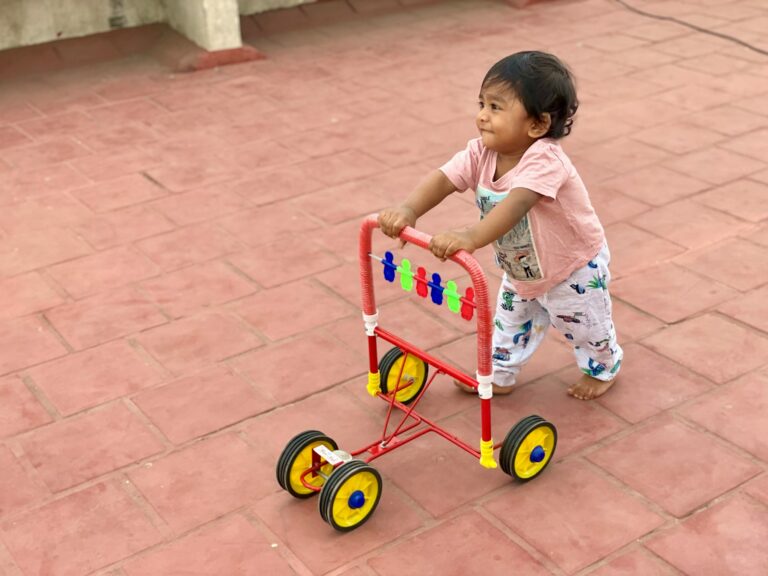
Raising a child whose energy feels boundless, whose curiosity explodes at every turn, and whose legs rarely seem to tire—such a scenario, equal parts exhilarating and exhausting, is well-recognised by many parents. Suddenly, silence is a rare visitor, and terms like “rest time” or “quiet moments” often seem like distant dreams. But behind that swirl of movement lies a unique temperament—one that, when understood and embraced, can blossom into creativity, resilience, and even empathy. Many parents grapple with the fine balance: offering encouragement for their child’s exuberance while gently steering this abundant energy into productive and harmonious routines. How do nutrition, structured environments, and strategies grounded in medical research support both the child and the family’s well-being? What distinguishes natural, high energy from something that might require more attention? Here, you’ll find practical parenting tips for energetic children—infused with scientific insight, didactic explanations, and a rhythm designed to match the vibrance of daily family life.

Recognising energetic children: temperament, traits, and misconceptions

You might look at your child and notice a constant buzz—feet tapping, hands busy, questions pouring in rapid succession, and a seemingly endless urge to climb or leap. Is this simply “being playful” or something more persistent? Energetic temperament reflects a natural variability among children in nervous system activity (often driven by genetics and early environment). Traits such as high movement frequency, intense sensory seeking (touching, jumping, running), fierce curiosity, and strong emotional reactions are not signs of disrespect or wilful disobedience.

Myth persists: Do all energetic children have ADHD? The short answer, backed by paediatric studies, is no. ADHD (Attention-Deficit/Hyperactivity Disorder) is a medical diagnosis, not a personality trait. Only when hyperactivity is coupled with inattention or impulsivity causing significant impairment—across home and school—should further assessment be considered. Routine paediatric follow-ups can reassure parents and rule out underlying medical or sleep issues, such as iron deficiency or screening for sleep disorders.

Punishing high energy is ineffective and can harm self-esteem, medical literature confirms. Instead, parenting tips for energetic children focus on channeling drive, providing context, and nurturing confidence.

Emotional landscape and self-regulation: validation and techniques

Rarely static, energetic children can swing between joy, frustration, or disappointment almost instantly. Emotional intensity—sometimes labelled “overreactive”—stems from rapid shifts in brain chemicals like dopamine and noradrenaline. Validation becomes essential. Naming emotions aloud (“You look very excited right now! Let’s take a breath together”) not only soothes but wires their brains for better self-regulation, a core finding in developmental neuropsychology.

Breathing exercises, gentle mindfulness (using stories or music), and modelling calm responses reduce cortisol (stress hormone) both in adults and children. If your own patience wears thin after a long day, medical research encourages a pause. Stepping away, communicating calmly (“Mummy needs two minutes to breathe, then we can talk”), or reflecting on personal stressors achieves more than forced control.

Practical approaches:

  • Carve out five-minute solo breaks pre or post school runs.
  • Use countdowns or visual timers during transitions to prepare the child—and yourself.
  • Enlist support if tension rises; teamwork is not a sign of weakness.

Physical needs: movement, nutrition, and sleep—what science says

Why do some children “bounce” while others are content to watch? It’s partly neurologically wired. High-energy children benefit tremendously from regular, planned physical outlets—think sports, outdoor play, or “heavy work” (carrying groceries, pushing laundry baskets), which help regulate proprioceptive input and modulate adrenaline.

Nutrition plays an underrated role in stabilising energy peaks and troughs. Frequent nutrient-rich snacks—whole grains, protein-rich lentils, nuts, curd, and fresh fruits—keep blood sugar steady (a major driver of mood and stamina). Dehydration, even mild, can amplify irritability and trouble with focus; keep a water bottle handy all day. Reducing refined sugar lessens wild spikes in energy and crashes that follow.

Sleep hygiene, meanwhile, must not be underestimated. Medical research links consistent bedtime routines, minimal screen exposure pre-bed, and soothing sensory rituals (dim lights, soft music, gentle massage) to better melatonin release and improved sleep quality. If persistent settling issues arise, consult your paediatrician for evaluation of sleep disorders or environmental sensitivities.

Social development: guiding connection and empathy

Often gregarious, energetic children thrive in socially stimulating environments but may need extra guidance around sharing, waiting their turn, and reading cues. Medical studies on child socialisation recommend guided group play, simple cooperative games (passing the ball, constructing blocks together), and storytelling sessions to build empathy and communication.

Regular playdates, art projects, and community activities (like football club or music classes) foster a sense of belonging and teach vital negotiation skills. Collaboration between parents and educators is essential: sharing routines, sensory triggers, or successful calming strategies ensures consistency and predictability for the child.

Structure and environment: design for predictability and calm

Imagine trying to learn in a world where the rules keep shifting—predictability is a hidden superpower for energetic children. Visual schedules, set times for activities, and simple, consistent boundaries reduce anxiety and support behavioural control. The keyword here? Clarity. Paediatric occupational therapists advocate for visual charts, token boards, or colour-coded timetables to help children anticipate change.

A calm-down space, equipped with sensory objects (stress balls, soft cushions, gentle lights), allows for voluntary self-regulation—a concept supported by child development psychology. “Heavy work” stations—such as indoor obstacle courses or trampolines—offer big muscle activity compatible even during monsoon season.

Sample schedules inject variety and reliability: wake-up routines, energetic play, focus time, snack break, creative quiet period, outdoor session, calming dinner, bath, and gradual wind-down all help frame the child’s day without rigidity.

Encouraging positive activity: sports and creativity

Which sports and activities capture abundant energy while supporting holistic development? Soccer, swimming, martial arts—each improves coordination, social skills, and cardiovascular health, while tapping into group belonging. Indoors, inventive games like “Simon Says”, balloon badminton, or building projects foster both movement and cognitive challenge. Rotating games prevents boredom and leverages novelty’s motivating pull.

Board games and role-play sessions not only capture attention but teach turn-taking, patience, and flexible thinking. Frequently introducing new materials (clay, blocks, musical instruments) boosts dopamine pathways associated with learning and satisfaction.

Fostering focus, attention, and emotional health

Concentration, for a high-energy child, is not just about sitting still. Cognitive neuroscience underscores the value of breaking tasks into smaller steps, frequent movement breaks, and using fidget toys or weighted lap pads. Outdoor sessions—especially those in nature—demonstrably improve attention spans and reduce hypervigilance.

Teaching relaxation and self-calming techniques (like “smell the flower, blow out the candle” breathing, yoga stretches, or quiet colouring) cements self-regulation skills. Sensory tools—beads, stress putty—add immediate tactile feedback, helping maintain focus. During calm moments, introduce mindfulness or short guided audio sessions to embed these habits early.

Social and emotional resilience: nurturing empathy and adaptability

Modelling empathy in daily interactions is easily overlooked; labelling emotions, offering comfort, or discussing feelings during conflict teaches children to name and manage both their own and others’ states. Predictable routines, celebrated small wins, and scaffolding through transition periods (with countdown timers or visual reminders) reduce stress and awaken a healthy growth mindset.

Of note: emotional resilience grows through encouragement, regular achievement, and transparent communication around setbacks. These approaches build robust neurological circuits for adaptive coping in later life.

Communication and discipline: gentle connection

Clear rules—communicated simply, eye to eye—are far more effective than frequent punishments. Positive reinforcement (“I noticed you helped put away your toys, great teamwork!”), small visual rewards, and consistent feedback drive behaviour far better than negative consequences. Connecting emotionally before correcting actions helps defuse tension and increases children’s openness to redirection.

Natural consequences—such as missing out on a treat if clean-up is unfinished—establish logic without shame. After a strong parental reaction, apologising (“Today I was upset, I should have spoken gently”) demonstrates that mistakes are opportunities for learning, not threats to connection.

Preventing overwhelm and addressing challenging behaviours

Restlessness, blank stares, or sudden irritability often signals overstimulation—a surge in external or internal sensory input overwhelming their system. Medical sources advocate regular “sensory breaks”: jumping, stretching, squeezing tactile materials, or brief retreat to a calm zone. During meltdowns, validation, maintaining boundaries, and modelling self-soothing reinforce security and teach healthy responses over time.

Routine trackers, understanding triggers (hunger, overstimulation, unfulfilled need for movement), and building regular transition rituals mitigate escalation. If challenging behaviours persist or interfere with daily life, discussing concerns with your healthcare provider ensures timely guidance.

Nutrition and maintaining consistent routines

A steady diet rich in whole grains, protein, fruits, and vegetables—along with regular hydration—forms the cornerstone of alertness, mood stability, and attention regulation. Encourage healthy snacks (nuts, seeds, fruit, curd, whole grain crackers), swapping sugar-laden items for natural alternatives. Limiting high-sugar processed foods prevents glycaemic spikes, which can affect not just mood but cognitive performance as well.

Involve children in meal planning and preparation; autonomy increases buy-in for healthy choices, and family meals foster connection.

Working with schools and caregivers

Children are best supported when home and school collaborate. Share successful routines, sensory tools, or calming strategies with teachers; request movement breaks or flexible seating if required. Transparent communication ensures accommodations—sensory fidget aids, access to quiet corners—are respected and available.

Ongoing support meetings, discussing strengths as well as challenges, create a network that upholds your child’s dignity and confidence at every step.

Nurturing strengths, confidence, and individuality

Every spark—art, music, construction, problem-solving—deserves recognition. Observing and tuning into interests, rotating resources, and providing space for hobbies (not just structured activities) lets children develop mastery and self-esteem. Choose projects together, celebrate effort, learn from mistakes, and value the journey as much as the outcome.

Parental self-care and support systems

Supporting energetic children demands reserves of patience and compassion. Prioritise your own breaks, enjoyment, and exercise. Reach out to parent groups, mental health professionals, or child development experts if challenges linger or escalate. The journey is dynamic; realistic expectations and compassionate self-talk nourish the entire family system.

Key Takeaways

  • Practical parenting tips for energetic children blend routines, encouragement, and structured outlets to foster both calm and creativity.
  • Emotional validation, clear communication, and self-regulation skills support balanced development.
  • Evidence-based approaches—ranging from nutrition to sensory strategies—calm restlessness and nurture resilience.
  • Advocacy with schools and building a strong support network empower both child and parent.
  • Each child’s journey is personal; remaining open, adaptable, and willing to seek advice from professionals ensures well-being thrives.
  • For free health tools and daily parenting support, parents can download the application Heloa for personalised guidance and child health questionnaires.

Questions Parents Ask

How can I help my energetic child concentrate on schoolwork?

Concentration, especially for a child bubbling with movement, can sometimes feel like asking a river to be still. Try breaking tasks into smaller portions, allowing short “energy breaks” between sessions, and using visual checklists where each step is clear. A quiet, dedicated space (even with a simple table and chair) helps reduce distractions. Warm praise for any effort—“You worked so hard on this!”—boosts motivation. Stay close for reassurance, but remember, each child’s pace can differ significantly.

Are there activities that channel my energetic child’s energy indoors?

Absolutely—rainy days or busy streets are no restriction! Create mini obstacle courses with household items, encourage dance parties, or set up balloon volleyball. Art and building blocks keep minds engaged and fingers busy. Sensory bins (rice, lentils, sponges) offer tactile satisfaction. Rotating the games—something new every week—maintains interest and gives their abundant energy a safe, positive route.

When should I consider seeking professional advice about my child’s energy levels?

High energy, on its own, speaks of temperament and individual wiring, not problems. If daily routines, schoolwork, or friendships become persistently difficult or overwhelming, or if a child is unable to settle even with guidance and strong routine, consult your paediatrician or a child development specialist. Assessment is a sign of care—not deficit. Professionals provide kind, tailored support for both you and your child, ensuring growth remains joyful and steady.


Similar Posts

Every parent, at one point or another, finds themselves grappling with an inexhaustible swirl of energy erupting from their child—the kind of bustling spirit that fills rooms and spills into the smallest corners. Questions often swirl: Is this restlessness normal? Is my child simply spirited or is something more nuanced unfolding? When bedtime stretches into midnight marathons and shoes are always muddy from the latest adventure, doubts and fatigue tend to creep in. Yet underneath this flurry lies immense potential, creativity, and resilience. Mastering effective parenting tips for energetic children can not only transform tension into teamwork, but pave the way for a confident and thriving young person. Today, let’s untangle the web of temperament, explore tailor-made strategies from nutrition to emotional resilience, and embrace both the science and art embedded in raising high-energy children.

Understanding energetic children: Separating fact from fiction

What does it actually mean to be an energetic child?

Is your child constantly in motion—climbing, darting, leaping from one idea or activity to the next? These high-octane behaviors are often both exhilarating and perplexing. Pediatric temperament research consistently highlights that high energy, or hyperactivity, is often a normal variation. Some children simply display greater “motor activity” (movement levels linked to genetics and environment), while others pursue more sensory input—think spinning or squeezing—seeking sensory feedback for nervous system regulation. The intensity can be striking, but it isn’t inherently pathological.

In medical terms, energetic children differ from those with disorders like ADHD (Attention-Deficit/Hyperactivity Disorder) by the extent and impact of their behaviors. While ADHD involves persistent patterns that disrupt daily functioning and require a formal diagnosis, most energetic children just have a vigorous temperament. Personality traits such as “novelty seeking” (the desire for new experiences) and “sensory seeking” (the drive for sensory-rich situations) are well described in child psychiatry literature.

Busting myths: High energy or clinical concern?

One common theme in parenting tips for energetic children is the reassurance that high activity does not automatically mean behavioral pathology. It is a misconception to immediately associate boundless energy with medical diagnoses. In fact, experts urge parents and professionals to distinguish between age-appropriate exuberance and persistent, impairing patterns. Importantly, punishment has little effect on reducing physical energy—structured environments and positive reinforcement are far more effective. What may appear as misbehavior is often simply artistic chaos or cognitive curiosity in action.

Tailoring support to their unique temperament

Emotional needs: Validation and emotional coaching

These children feel everything deeply. Imagine a scale where both joy and disappointment leap to the extremes—emotional lability is closely tied to physical exuberance. Pediatric psychology underscores the significance of labeling and normalizing emotions. “You’re disappointed because the park is closed,” or “You’re excited by the new puzzle,”—such comments help wire the brain to recognize and self-soothe. The amygdala (emotion center) is often easily triggered in energetic children; over time, repeated, calm validation from trusted adults enhances the child’s ability to activate their own “braking system” (prefrontal cortex regulation).

Practical approaches:

  • Pause and decompress: Five quiet minutes alone in the car before school pick-up can help you meet your child’s tornado of energy with more patience.
  • Model self-regulation: Count to ten, say out loud, “I need a calm moment, then I’ll help you.” Children observe and learn.
  • Seek support: When tempers flare, passing the baton—even briefly—can interrupt negative cycles and allows you to return with renewed calm.

Physical needs: Activity, nutrition, and rest

Vigorous movement is not just a release but a physiological necessity for many energetic children. Pediatric occupational therapy recommends providing a diet of “heavy work”— pushing, pulling, jumping. Activities like trampolining or carrying groceries actually regulate the body’s proprioceptive system (sensory feedback from muscles and joints), helping children find calm after bursts of activity.

Nutrition is another pillar: unstable blood sugar can amplify hyperactivity or “crashes.” A simple trick is to offer complex carbohydrates alongside protein—whole grain crackers with cheese or apple slices with peanut butter—to ensure steadier energy and attention.

Sleep, often elusive for such children, is regulated by both external routines and internal biology. Blue light exposure and stimulating activities close to bedtime disrupt melatonin release. Replacing screens with a calming bedtime routine (dim lights, soft music, gentle stretches) can help the body shift gears.

Social needs: Navigating relationships

Energetic children often shine in social settings, but peer interactions can prove bumpy, especially when personal boundaries get blurred. Proactive social coaching—role-playing, teaching turn-taking, narrating feelings in real-time—helps develop friendships and empathy. Team sports, guided group play, and small group activities are excellent platforms to practice cooperation and communication. Schools and caregivers benefit from knowing your child’s temperament; collaborative strategies between home and classroom set up both environments for success.

Constructing an environment where energy is an asset

Why structure liberates, not restricts

Predictability, far from stifling, is actually a safe harbor for energetic children. Well-established routines reduce anxiety and help the child’s nervous system shift between activity and rest. Visual schedules—pictures or icons representing daily steps—appeal to both pre-readers and older children, enhancing autonomy and reducing parental fatigue.

Rules should be concrete and enforced with a steady voice. Predictable boundaries do not squash joy but rather create a framework within which energy can be spent constructively. For example, “Inside voices at the table; outdoor voices during play.” Children thrive on knowing the rules don’t shift with adult moods.

Calming spaces and sensory strategies

Parents often discover that a calm-down space—a beanbag, soft blanket, and fidget object in a corner—can make all the difference. These spaces should invite, not punish. Occupational therapists suggest “sensory breaks” (squeezing play dough, jumping on a mini-trampoline, listening to white noise) to help recalibrate the sensory system and prevent meltdowns.

A daily rhythm might oscillate: energetic play, focus time, nutritious snack, quiet project, outdoor exercise, warm bath, and bedtime. Predictable sequences help energetic brains anticipate transition.

Positive outlets: Balancing activity and calm

Physical outlets: Sports, outdoor adventures, and home-grown gymnastics

Sports such as soccer, swimming, martial arts, and basketball not only strengthen the body but also reinforce focus, discipline, and social learning through structured teamwork. Outdoor pursuits—hiking, climbing, bike rides—engage both mind and muscle, providing a therapeutic “reset” for overstimulated children.

On rainy days, transform the living room into an obstacle course or stage a family dance party; construct hideouts with blankets, play balloon volleyball, or build elaborate towers with blocks. These parenting tips for energetic children turn everyday spaces into laboratories for movement and invention.

Cognitive engagement: Games, crafts, and puzzles

While movement is key, energetic children also benefit from mental challenges that channel their drive. Board games, treasure hunts, creative writing, and artistic projects harness cognitive stamina, turn-taking, and perseverance. Regular changes of activities and occasional surprises (“Today let’s make soap bubbles!”) maintain novelty and motivation.

Supporting focus, attention, and emotional health

Techniques to foster concentration

Focus doesn’t always come naturally. Visual schedules, frequent movement breaks (“jump like a frog for one minute, then back to homework”), using fidget toys or weighted vests—all evidence-based interventions—are shown to enhance sustained attention. Task breakdowns (“First pick up the toys, then put away books”) and short, varied tasks suit attention spans that dart and flutter.

Teaching relaxation and mindfulness

Self-calming can be difficult if the nervous system is perpetually “revved.” Simple, accessible techniques—breathing exercises (“smell the flower, blow out the candle”), progressive muscle relaxation, gentle yoga—have been validated in research to lower baseline cortisol and improve resilience over time. Practicing these skills during calm moments, rather than during crises, sets the stage for effective use when stress spikes.

Mindfulness and sensory tools

Short mindfulness activities—guided meditations, mindful coloring, listening to soft music—help anchor the wandering mind. Sensory aids like soft weighted blankets, stress balls, and quiet corners further support emotional equilibrium.

Social-emotional growth: Empathy, resilience, and group life

Teaching empathy, cooperation, and friendship

Young children rarely arrive programmed for empathy—it is, instead, modeled and patiently taught. Narrate emotional exchanges (“Billy looks sad; how can we help him feel better?”), validate feelings during disputes, and celebrate every small act of kindness (“I saw you wait for your friend; that was thoughtful.”). Over time, such scaffolding leads to healthier peer connections.

Building resilience and supporting transitions

Routine and encouragement are the quiet architects of emotional resilience. Predictable schedules lower anxiety and foster adaptability. When changes come, advance notice (“In five minutes we put away the Legos”) and visual timers help children mentally prepare, limiting outbursts and anxiety during transitions.

Discipline reframed: Gentle, consistent, and connected

Setting boundaries without conflict

Energetic children benefit from simple, clear rules repeated calmly. Eye contact, visual cards, and short instructions (“Walk—don’t run—inside”) are effective. When boundaries are crossed, natural consequences work best (“If homework isn’t done now, free time will be shorter later”). Refrain from punitive or negative labels; instead, appeal to your child’s growing sense of responsibility.

The power of praise and positive reinforcement

Catch good moments—immediate, specific praise (“I noticed you helped your brother with his shoes”)—and deliver them more often than corrections. Stickers, tokens, or extra stories make rewards tangible and memorable.

Repair, reconnect, and teach

If you lose your temper (and all parents do), apologize clearly: “I was tired and yelled. I should have used a calm voice.” Subsequent cuddles, quiet play, or reading together repair the bond, demonstrating to your child that honesty and vulnerability are strengths.

Managing challenging behaviors and overstimulation

Recognizing warning signs

Irritability, zoning out, or frenetic shifts in emotion are red flags for overstimulation. The body’s stress response system (the HPA axis) floods with “fight or flight” chemicals; early intervention with sensory breaks or retreat to a safe space can prevent escalation into tantrums or shutdowns.

Tantrums: What helps?

Remain steady. Name the feeling, set boundaries, offer a sensory strategy (“Want to squeeze this ball?”), and keep transitions predictable. If a pattern persists, jot down when and where meltdowns occur—looking for triggers like hunger, fatigue, or loud environments helps parents fine-tune preventive strategies.

Nutrition and hydration: Fuel for balanced energy

The role of diet

Stable blood sugar supports stable emotions. Skipping meals, excessive sugar, or dehydration quickly lead to mood swings and distractibility. Pediatric nutrition guidelines recommend complex carbohydrates, lean proteins, fruits, vegetables, and ample water. Snacks—nuts, yogurt, whole grains, fruit—provide fuel for both mind and body between meals.

Healthy choices: Practical tips

Children imitate what they see—adults who drink water, choose fruit over candy, and involve children in snack prep reinforce positive habits. Avoiding packaged foods high in additives or simple sugars can reduce negative effects on concentration and mood.

Teamwork: Aligning home, school, and caregiving

Effective communication with educators

A collaborative approach produces the best outcomes. Openly share what routines, sensory tools, and strategies work best for your child. Request sensory breaks, access to a quiet area during overstimulation, and flexible seating when necessary.

Consistency across care settings

Align routines, expectations, and language between home, school, and caregivers. This provides the energetic child with a coherent framework, empowering predictable self-regulation across contexts.

Nourishing strengths and self-esteem

Observing and nurturing talents

Every child brings gifts to the table. Watch closely—does your child gravitate toward music, drawing, engineering projects, or sports? Rotating activities keeps engagement fresh. Praise process over product (“You worked so hard on that tower!”), supporting intrinsic motivation and long-term confidence.

Encouraging initiative and autonomy

Allow your child to lead in choosing activities—when possible, let them design weekend plans or select which hobby to try next. This fosters agency and a sense of ownership over their strengths.

Parent well-being: Sustaining your energy, too

Self-care and stress management

Adulthood demands can clash with bedtime standoffs or rainy day chaos. Carve out moments for yourself, turn to trusted friends, and embrace rest without guilt. Resilience in parents models resilience for children; no one thrives in continuous depletion.

Seeking support and professional input

Connecting with others facing similar joys and struggles can normalize the experience and spark fresh ideas. If your efforts feel insufficient, or behaviors seem beyond typical energetic range, consulting your pediatrician or a child psychologist provides reassurance and targeted strategies.

Practicing patience—one step at a time

Reframe: high energy is not a challenge to be vanquished, but a trait to be understood. Celebrate gradual growth, forgive setbacks, and keep expectations flexible yet loving.

Key takeaways

  • Parenting tips for energetic children flourish most in structured environments with clear routines and expectations—but always leave ample room for joyful exploration.
  • Distinguishing typical temperament from clinical concerns is key; most children thrive when their unique needs for movement, sensory input, and validation are met.
  • Employ positive reinforcement, gentle boundaries, and well-defined transitions to support focus, self-regulation, and emotional health.
  • Address nutrition, hydration, and sleep as foundations for balanced energy levels and stability.
  • Partnership with teachers and caregivers ensures coherent support and maximizes your child’s strengths.
  • Parental well-being is essential: rejuvenation, self-compassion, and community are as necessary as any disciplinary technique.
  • If questions or persistent struggles arise, remember: professional resources are available for further guidance.
  • For personalized health tips and free screenings tailored to children, parents can download the Heloa app and explore a wealth of targeted guidance.

Questions Parents Ask

How can I help my energetic child concentrate on schoolwork?

Supporting focus can be a daily challenge when your child is full of energy. Try breaking assignments into small, manageable tasks and encourage short movement breaks between each part. A quiet, distraction-free space and the use of visual schedules or checklists can provide clarity. When you see effort, acknowledge it warmly—your support and encouragement really matter. If needed, stay nearby for reassurance, and remember: every child finds their rhythm in their own time.

Are there activities that channel my energetic child’s energy indoors?

Absolutely! Energetic children often thrive with creative movement indoors. Consider setting up simple obstacle courses using cushions and chairs, encouraging dance sessions, or organizing playful games like balloon volleyball. Craft projects, building with blocks, and sensory play (such as playdough or water tables) can also keep busy hands and minds engaged. Rotating activities helps maintain their interest while giving them a positive outlet for their abundant energy.

When should I consider seeking professional advice about my child’s energy levels?

Most of the time, high energy simply reflects a child’s natural temperament and curiosity. However, if you notice that your child’s activity level regularly makes daily routines, school, or friendships difficult, or if they seem unable to calm themselves even with guidance and structure, it may be helpful to seek advice from a pediatrician or child development specialist. There is no shame in asking for help—professionals are there to support both you and your child with kindness and expertise.

Similar Posts