By Heloa | 24 April 2025

The appert rule: reliable guidance for infant feeding and nutrition

6 minutes
de lecture
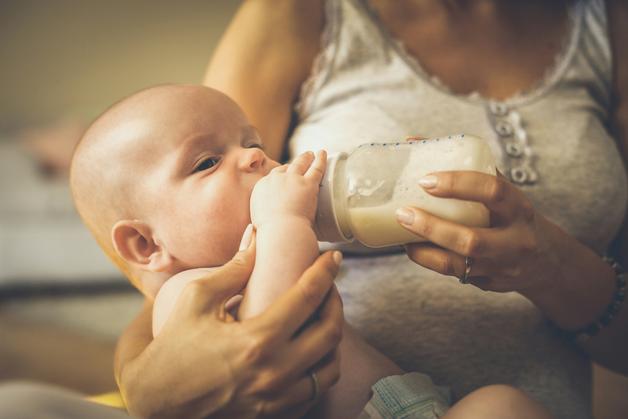
Bébé buvant du lait au biberon, illustrant la règle d'Appert pour la conservation des aliments.

By Heloa | 24 April 2025

The appert rule: reliable guidance for infant feeding and nutrition

6 minutes
Bébé buvant du lait au biberon, illustrant la règle d'Appert pour la conservation des aliments.

Par Heloa, le 24 April 2025

The appert rule: reliable guidance for infant feeding and nutrition

6 minutes
de lecture
Bébé buvant du lait au biberon, illustrant la règle d'Appert pour la conservation des aliments.

Modern parenthood, often a tangle of joyous moments and lurking worries, brings with it a flurry of questions—some echoing late at night: “Is my baby getting enough milk?” “How can I be absolutely certain my little one’s nutrition is on track?” These questions, poignant yet common, have traversed generations, finding fresh resonance in homes across the globe. Amidst these uncertainties, the appert rule emerges like a lighthouse on a foggy coast. Precise yet gracefully simple, it transforms a parent’s concern into a plan, offering a direct method to estimate daily milk requirements. What if there’s a way to blend science with your intuition, making feeding choices that nurture both reassurance and your baby’s growth? In the following, find clarity on how the appert rule can become an anchor for your feeding routine—exploring its origins, the science underpinning its effectiveness, practical guidance, and the nuances every parent should keep in mind. No detail is too small, no answer too simple—here, both your doubts and curiosity find space.

The Origins and Philosophy Behind the Appert Rule

Let’s rewind to the era of discovery, where innovation was born out of everyday necessity. At the heart of this story is Nicolas Appert, a visionary in the realm of food safety and preservation. His ingenuity led not only to airtight food storage—paving the way for what would be later called “appertization”—but also influenced infant feeding practices. The appert rule, while fundamentally about daily milk quantification, actually sits at the intersection of nutritional biochemistry, practical everyday life, and parental psychology.

From a scientific lens, the appert rule is a straightforward calculation: multiply the baby’s weight in kilograms by 150, then add 250 millilitres. The beauty of this formula lies in its universality—a clear reference point regardless of your baby’s temperament or feeding quirks. One can see the echo of Appert’s food preservation logic here: precision, hygiene, predictability. Imagine a newborn weighing 3 kg; by plugging this into the calculation, daily intake becomes a figure of approximately 700 ml—a number, not just a guess.

Why Choose a Formula-Based Approach?

You might wonder, why not simply feed on cue? While recognizing and responding to your baby’s hunger signals remains the gold standard, the unpredictability of newborn routines or variations in maternal milk output can make estimation tricky. Scientific guidance like the appert rule works as a steady compass—especially valuable for families navigating bottle feeding or supplementing breast milk.


Moreover, milk—be it breast milk or infant formula—is the sole source of essential macronutrients (proteins, fats, carbohydrates) and micronutrients (vitamins, minerals) during the first months. Precision in providing these ensures sustained growth, healthy immune development, and optimal brain function. Scientific consensus, including national and international pediatric health authorities, consistently underscores the critical role of early nutrition, with feeding volumes carefully calibrated.

How to Apply the Appert Rule at Home

Step into the daily rhythm of caring for a tiny human, and precise guidelines quickly become invaluable. Here, the appert rule offers concrete steps to demystify feeding:

  • Weigh your baby—preferably unclothed, using a reliable scale.
  • Apply the formula: Baby’s weight (kg) × 150 + 250 ml = approximate daily milk requirement.
  • Divide the result by the number of feeds your baby usually takes per day; the outcome is the volume per feed.

For example, with a 4 kg baby: 4 × 150 = 600; 600 + 250 = 850 ml per day. If your child takes 7 feeds, that’s roughly 120 ml per feed.

But, numbers tell only half the story. Some babies eagerly finish every drop, while others prefer several smaller and more frequent feeds. Bursts of hunger may cluster around growth spurts, while days of contentment bring less demand. This is where the appert rule becomes a framework—not a script. Allowing flexibility, the guideline fits into your routine without demanding strict adherence.

Feeding Methods: Breast Milk, Formula, and Mixed Feeding

Breast milk remains the “gold standard”, uniquely composed with immune factors, digestible proteins, hormones, and living cells not found in formula. However, modern infant formulas, crafted with attention to nutrient density, can provide essential nourishment when direct breastfeeding isn’t feasible or needs supplementing. The appert rule is compatible with both methods—helping gauge expressed breastmilk needs for working parents or calculate formula water-to-powder ratios.

Safety, though, is paramount:

  • Always start feed prep with clean, washed hands.
  • Use sterilised bottles and feeding equipment to avoid contamination—bacteria thrive in milk residues.
  • Freshly boiled and cooled water is ideal for formula, as water quality and temperature influence both mixing and pathogen risk.
  • Avoid reusing leftovers; even refrigeration has its limits, as bacteria like Cronobacter can multiply.

The rhythm of daily feeds, underpinned by hygiene and careful measurement, becomes comfortingly predictable.

Medical and Scientific Insights: The Science Beneath the Appert Rule

Behind this simple formula stands a foundation in food science and infant physiology. Nicolas Appert’s method of appertization—heating food in sealed containers to inactivate dangerous microbes—redefined food security in the 19th century. This principle, translated to infant nutrition, means stability, safety, and predictable outcomes.

Pasteurization and appertization might sound similar, but they differ in science and consequence. Pasteurization, developed later, uses lower temperatures to target specific pathogens, requiring refrigeration. Appertization, by contrast, sterilises the entire contents, enabling ambient storage and longer shelf life. For feeding, this technology supports the preparation of safe formulas and ready-to-feed bottles, especially valuable when access to refrigeration is inconsistent.

Still, parents may wonder: is anything lost in this process? Nutritionally, while most macronutrients remain stable under heat, some vulnerable vitamins—such as vitamin C and certain B vitamins—can degrade. Balanced diets and properly formulated infant milk address these minor losses, but understanding the science helps inform parental choice.

Balancing Structure and Sensitivity: The Limits and Flexibility of the Appert Rule

Every child is an individual; biology defies strict calculation. The appert rule offers, above all, a starting point. Some infants, driven by metabolism, genetics, or gender, may demand more (or less) than formula dictates.

During rapid phases of growth—a “growth spurt”—hunger cues might surge unexpectedly. Conversely, some babies show early satiety or may temporarily reduce intake due to minor illnesses or teething. Watch for telltale signs: are nappies consistently wet? Is weight gain within normal parameters? Does your baby exhibit alertness, curiosity, and sustained growth? These physiological indicators unfold a picture more nuanced than calculations alone.

It’s perfectly reasonable to trust these cues. Most healthy babies self-regulate well, and subtle adjustment to feeding volume based on observed behaviour often leads to more harmonious routines.

Medical professionals stand as allies—consulting them not only validates your observations but also ensures any unique medical conditions are managed with expertise.

Extending Appert’s Legacy: Contemporary Nutrition Tools and Resources

The interplay between yesterday’s innovations and today’s technologies is unmistakable. Locally made feeding calculators, digital tracking tools, and evidence-based articles supplement the theoretical guidance of the appert rule, empowering parents to synchronize science and instinct.

Rigorous food safety regulations—shaped by agencies like the Food and Drug Administration—trace their roots to Appert’s original vision: sterilisation, packaging integrity, and preventive hygiene, elements at the heart of modern infant nutrition. Manufacturers today invest in heat-resistant packaging, improved sealing materials (think: coated cans, retort pouches), and data-driven equipment. Reliability and food safety, once fragile, are now standards.

Advances continue: fortified formulas now echo the nutrition profile of breastmilk ever more closely; eco-friendly packaging and robust digital monitoring enrich parental support.

Key Takeaways

  • The appert rule delivers a practical, evidence-based tool for estimating your baby’s milk requirements—blending scientific clarity with the flexibility parents need.
  • This method, grounded in historical innovation and modern physiology, includes built-in adaptability for your child’s changing needs and biological rhythms.
  • Safety and hygiene, paired with careful feed calculation, reduce feeding stress and promote long-term well-being.
  • Prioritising observation—monitoring nappies, growth, and alertness—often tells you as much, or more, than rigid schedules.
  • Trusted professionals and up-to-date digital resources can enrich and personalise your feeding journey. For extra guidance and free health questionnaires tailored to your child, you can also download the application Heloa.

Questions Parents Ask

What age does the appert rule apply to?

The appert rule is generally intended for newborns and infants in their first months, when milk—either breast or formula—is the main nutrition source. As solid foods begin to enter the diet (usually after six months), energy and nutrient requirements diversify. Adjustments should be made as your baby’s individual appetite and growth dictate—and consulting the paediatrician brings confidence at every stage.

Is the appert rule suitable for premature babies?

Preterm infants often require tailored nutrition plans which account for their specific needs and growth trajectories. Medical professionals usually design feeding regimens more customised than the appert rule provides. For preemies, closely coordinated advice from the paediatric team is always recommended; their progress and metabolic needs can be quite distinct from term newborns.

Can the appert rule help if my baby isn’t gaining weight as expected?

When weight gain lags behind, the appert rule serves as a reference rather than an absolute answer. Checking for frequent wet nappies, overall vitality, interest in surroundings, and consistent growth is essential. Minor fluctuations don’t always indicate a problem; nonetheless, when doubts persist, a health consultation will help clarify the situation, providing peace of mind for adjustment.

How do I ensure formula feeding is as safe as possible?

Start with strict hand washing, use sterilised feeding equipment, and prepare formula with freshly boiled and cooled water. Stick to recommended mixing instructions—never dilute or concentrate powder-and-water ratios outside guidelines. Left-over milk should not be reused; refrigeration slows but doesn’t halt bacterial growth. Adhering to these practices ensures your baby’s feeding is both safe and nutritionally adequate.

Does the appert rule accommodate feeding during illnesses or growth spurts?

The appert rule is a standard guideline, but real life is full of exceptions. During times of illness or rapid growth, needs can temporarily increase or decrease. Being observant—tracking hunger, fullness, and comfort—will help you provide what your baby needs, always keeping scientific recommendations as helpful tools, not unbreakable rules.


Similar Posts

Battling with the daily uncertainties surrounding your baby’s feeding routine? The very first days and weeks are punctuated by one question after another—sometimes whispered at 2 a.m., sometimes exclaimed in front of a half-finished bottle. Is my baby taking enough? Could there be too much? How can I be sure their little body receives everything it needs for optimal growth, immunity, and development? Amidst the overwhelming abundance of advice, the Appert rule, a deceptively simple mathematical formula, emerges as a powerful ally for parents striving for confidence in nurturing. Grounded in scientific principles and the ingenuity of food preservation, it brings a much-needed sense of structure, offering a steady benchmark while always respecting every baby’s unique signals. Expect to discover practical calculation tools, physiological explanations, and important safety tips—all interconnected to foster both reassurance and autonomy.

The Appert Rule: Historic Roots and Scientific Foundations

Step back for a moment—picture France in the late 18th century: food insecurity was rife, infant mortality soared, and reliable solutions felt perpetually out of reach. Enter Nicolas Appert, renowned as the “father of food preservation,” who quite literally changed the trajectory of both nutrition and safety practices. While he’s often celebrated for advancing canning, sterilization, and what’s now known as appertization, his endeavors also touched on infant nourishment with the development of the Appert rule.

What exactly is the Appert rule? At its core, it is a precise calculation: multiplying an infant’s body weight (in kilograms) by 150, then adding 250 milliliters. The result is a recommended total milk volume per 24 hours—suddenly, the foggy world of newborn feeding gains clarity. For example, for a 3 kg newborn: (3 × 150) + 250 = 700 ml over 24 hours; for a 4 kg baby: 850 ml. This formula feels straightforward but is underpinned by robust physiological reasoning: the dynamic metabolic needs of infants, variable gastric capacity, and the importance of sustaining steady growth, all feed into this recommendation.

But why link feeding quantity to weight? Because metabolism, nutrient requirements, and fluid needs scale with body mass—tiny fluctuations can make a visible difference in such a miniature, rapidly developing organism. The Appert rule thus brings medical reasoning directly into the home, empowering parents with a tangible starting point.

From Bottles to Breast: Practical Applications for Every Family

If you’re holding a bottle and feeling lost, or expressing breast milk and guessing how much is enough—pause. The Appert rule offers a scientific anchor, removing the guesswork. Do you wonder if it applies whether you’re using formula or breast milk? Absolutely. Although breast milk composition adapts to an infant’s needs (thanks to immunoglobulins, enzymes, and ever-shifting fat/protein ratios), the daily volume still matters for overall hydration and caloric intake.

But here’s where nuance enters: no two babies have identical appetites, growth spurts, or digestive tempos. Some infants empty bottles with gusto and scan for more; others drift off, milk unfinished, having satisfied their needs in half the time. Physiological cues—rooting, sucking, increased alertness, but also turning away or arching backs—speak volumes and deserve your full attention. Rigid application of any rule can quickly clash with this living, breathing reality.

So parents, observe: if your baby persistently acts hungry post-feeding, consult the formula again—perhaps a modest increase is in order. Alternatively, if feeds are regularly unfinished and weight gain remains steady, trust that satiety, not force, should guide you.

Science and Food Safety: The Enduring Legacy of Appertization

Why does the name Appert ring out in medical and food safety circles? Beyond milk volumes, his preservation method—appertization—underpins so much of what makes today’s infant foods and formulas possible. At its simplest, appertization uses heat to sterilize and eliminate pathogens, notably bacteria like Clostridium botulinum, thus protecting vulnerable populations (newborns included) against devastating foodborne illnesses.

Yet, every process brings trade-offs. High-heat sterilization (appertization) achieves long shelf-life and robust safety, yet may slightly reduce levels of heat-sensitive vitamins—think vitamin C, some B vitamins. Pasteurization, conversely, preserves more of these nutrients but with shorter storage times owing to residual microbial survival. Both strategies have carved their niche; formulas and infant foods leverage sterilization for safety, while parents using breast milk should continue best hygiene practices to avoid contamination.

Feeding Realities: Adapting Guidelines to Individual Infants

Rigid formulas rarely fit snugly in real-world parenting. The Appert rule is a valuable benchmark, but infants are marvelously inconsistent. Growth spurts (often around three weeks, six weeks, three months, and again just when you start to feel confident), illnesses, and individual metabolism introduce daily variability. Gender, genetic makeup, and even climate influence needs beyond a single formula’s reach.

A balanced perspective—one that marries the precision of the Appert rule with careful observation—promotes sustainable routines. If your child’s growth curve climbs steadily, their nap and wake cycles are balanced, diapers are plentifully wet, and their temperament remains content, confidence in your approach is justified. However, unexpected patterns—persistent hunger, poor weight gain, signs of dehydration—deserve a prompt call to your healthcare professional.

A quick note for those combining breastfeeding and top-up formula: record the volumes given, watch for feeding clues, and remember that variation is perfectly natural. Structure can coexist with flexibility, and your daily rhythm can adapt as your baby’s needs shift with maturity.

Hygiene, Preparation, and Safety: Medical Guidance for All Feeding Choices

Whether your family’s reality is exclusive breastfeeding, formula feeding, or a blend, safety is paramount:

  • Always perform meticulous handwashing before prepping feeds.
  • Sterilize bottles, teats, and breast pump parts (boiling, steam sterilizers, or appropriate chemical sterilants).
  • For formula, freshly boiled and cooled water is essential to destroy potential pathogens.
  • Prepare formulas just before use; refrigeration of leftovers is safe briefly, but never reuse milk beyond safe storage times.
  • Precise measurement, careful mixing, avoidance of over-concentration (linked to digestive issues and mineral imbalance)—these actions build a safety net around your baby’s health.

Ask your child’s pediatrician for specific advice tailored to prematurity, medical conditions, or if hydration concerns arise. Guidelines exist but professional assessments can detect subtleties the Appert rule alone cannot address.

From Kitchen to Digital Era: Innovations Anchored in Science

The march of progress is relentless—where once glass jars were hand-sealed, now digital tools and databases support families in real-time. Modern formulations, fortified with docosahexaenoic acid (DHA), nucleotides, and prebiotics, reflect decades of nutritional science layered upon the baseline set by the Appert rule. Robust regulations from authorities like the Food and Drug Administration (FDA) or European Food Safety Authority (EFSA) reinforce trust in product sterility, composition, and honest labeling.

Emerging eco-friendly packaging, traceability apps, and feeding calculators (many available on smartphones or tablets) arm parents with just-in-time information. Now, parents can scan, input, and adjust plans without endless spreadsheets or sticky notes on the fridge.

Limits, Controversies, and the Road Forward

No rule—however tested—can fully capture the vibrant diversity of infant needs. Nutritional adequacy is more multifaceted than simple volume; it wraps in metabolic rates, absorption capacities, even psychosocial context. Some critics point to the minor vitamin losses from high-heat processing, others underscore the unmatched biological complexity of human milk.

Are formulas getting closer to breast milk? In composition, yes—thanks to research and fortified ingredients. But the body’s living response, immunological factors, and dynamic adaptation remain a unique advantage of direct breastfeeding. For medically fragile or lactose-intolerant infants, hypoallergenic and specialty formulas offer safe alternatives. Digital health grows ever more sophisticated, promising personalized nutrition advice for tomorrow’s families.

Key Takeaways

  • The Appert rule provides an evidence-based formula—weight in kilograms times 150, plus 250 ml—to estimate an infant’s daily milk requirement, supporting parents in structuring feeding routines.
  • Observing your baby’s hunger and fullness cues is vital; the rule is a flexible support, not a rigid mandate. Growth spurts, illness, and individuality always take precedence.
  • Safety emerges from every step: careful hygiene, proper formula prep, and storage. Breast milk offers unique immunological protection, while modern formulas aim for balanced nutrition and robust safety.
  • Scientific advances in food preservation (appertization), nutritional fortification, and digital health tools give today’s parents the advantage of robust information and resilient routines.
  • Professional support matters—pediatricians, midwives, and dietitians make personalized recommendations, particularly for babies with special medical needs.
  • Find additional guidance and track your child’s development with trustworthy resources like the Heloa app, offering tailored health questionnaires and expert advice, so that daily uncertainties can give way to a deeper, science-backed confidence.

Questions Parents Ask

What age does the Appert rule apply to?

The Appert rule is mainly designed for newborns and young infants, generally during the first months of life when milk is the only or primary source of nutrition. As solid foods are gradually introduced, individual needs can change, so it becomes important to rely on your healthcare provider’s advice to adjust feeding routines in response to your child’s developing appetite and milestones. Every baby is unique, and what works for one may differ for another—so feel free to adapt as your little one grows.

Is the Appert rule suitable for premature babies?

For premature babies, particular attention is needed regarding nutrition. Their needs can be different from full-term infants. The Appert rule provides a general estimate for term newborns, but for preterm babies, medical teams often recommend specialized feeding plans that consider their specific growth rates and health conditions. Don’t hesitate to ask your pediatrician for a plan tailored to your baby—support is available to help you meet their unique needs.

Can the Appert rule help if my baby isn’t gaining weight as expected?

If your baby’s weight gain seems slower than anticipated, the Appert rule can serve as a starting point, but it is not the only factor to consider. It’s important to assess the overall picture, including diaper output, alertness, feeding cues, and growth trends over time. Sometimes, minor fluctuations are part of normal development. If you’re concerned, discussing your observations with a healthcare professional will provide reassurance and help identify if a different approach is needed—every baby grows at their own pace.

regle dappert getty images 0bwTRCdkLjc unsplash

Similar Posts