By Heloa | 24 April 2025

Baby yogurt: nutrition, introduction, and safe feeding for babies

7 minutes
de lecture
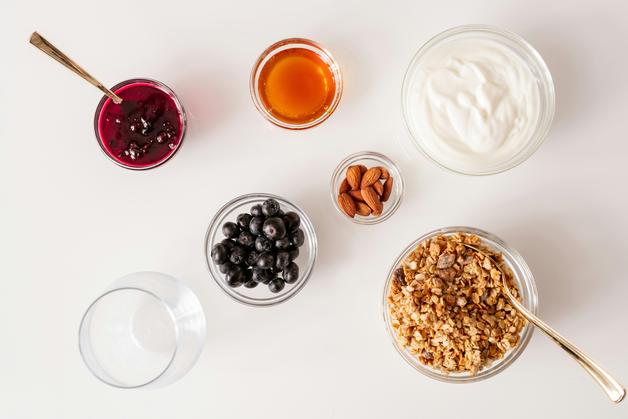
Bol de granola avec fruits, yaourt et petits pots de confiture, idéal pour un petit suisse bébé.

By Heloa | 24 April 2025

Baby yogurt: nutrition, introduction, and safe feeding for babies

7 minutes
Bol de granola avec fruits, yaourt et petits pots de confiture, idéal pour un petit suisse bébé.

Par Heloa, le 24 April 2025

Baby yogurt: nutrition, introduction, and safe feeding for babies

7 minutes
de lecture
Bol de granola avec fruits, yaourt et petits pots de confiture, idéal pour un petit suisse bébé.

Longing for a nourishing food that can gently guide your baby into the world of solids—a food that promises both creamy comfort and robust health benefits? Many parents worry about allergies, digestion, taste acceptance, and the seemingly endless debate between choosing dairy or plant-based alternatives. Does the word “baby yogurt” conjure up questions about safety, nutrition, or age-appropriateness? If so, you are in excellent company. Understanding the exact moment and the safest way to introduce baby yogurt, while balancing modern nutritional science and traditional wisdom, can feel overwhelming. Below, discover answers built on scientific insight and practical experience—bringing clarity, actionable options, and peace of mind.

What Sets Baby Yogurt Apart?

At first glance, yogurt looks deceptively simple. Yet, the world of baby yogurt is both nuanced and lush with choices. Crafted from whole milk and intentionally free of added sugars, honey, and artificial flavourings, this variety stands apart from regular yogurt on the supermarket shelf. Why the fuss over full fat? Young brains demand energy—lipids fuel critical neural pathways, accelerating both cognitive and physical milestones. Peeking at the label, you’ll notice many high-quality baby yogurts boast extra fortification: calcium, vitamin D, and sometimes even folic acid or iron.

If you ever scanned the ingredients with furrowed brows, you might have seen terms like “live and active cultures.” These probiotics—a squadron of beneficial bacteria—support digestion, nurture gut flora, and can even foster early resilience against allergies. A baby’s gut, freshly exposed to solid foods, is delicate. That’s why pasteurisation matters; only pasteurised yogurts should land on your baby’s spoon in these early months.

Let’s not sideline texture: baby yogurt is delightfully creamy and silky-smooth. This makes it a champion for infants who are just learning to manoeuvre more complex textures in their mouths, enhancing sensory development and encouraging oral skills.

Ready, Set, Spoon: When and How to Introduce Baby Yogurt

The six-month milestone often marks a new adventure—one filled with anticipation, trial, and (sometimes) hesitation. Around this age, most babies show readiness signs: sitting with confidence, holding up their heads, opening wide at feeding times, exploring food with eager curiosity. Baby yogurt, introduced at this moment, acts as a bridge between milk feeds and a more varied palette.

How much is too much? Begin with a teaspoon or two, observing carefully for any signs of discomfort or allergy. Gradually scale up to 60–120 ml (2–4 ounces) per day, ensuring baby yogurt complements but does not replace the nutritional foundation of breast milk or infant formula—these remain the main sources of energy until the first birthday.

Curious about presentation? Offer baby yogurt by spoon or, if your child craves autonomy, preload a silicone spoon to foster self-feeding confidence. The thicker consistency of Greek yogurt makes it especially manageable for small hands, while a swirl of pureed banana, stewed apple, or softened carrot can create delicious combinations without resorting to sugar-laden store varieties.

Introducing one new ingredient at a time—followed by a three-day observation window—allows you to isolate and pinpoint any potential allergens. Medical science is unequivocal: avoid raw milk, honey, and added sugars entirely for the first year.

Should family history include dairy allergies, a chat with your paediatrician is advised before yogurt ever leaves the fridge.

The Science Behind Baby Yogurt: Nutrition Explained

What exactly makes baby yogurt a cornerstone in weaning? It’s not just tradition—it’s biology and evidence.

  • Protein: Builds the foundations of muscles, organs, and immune function; baby yogurt offers easily digestible protein for swift growth.
  • Healthy fats: Power the brain as neurons form and synaptic connections flourish.
  • Calcium and vitamin D: Strengthen bones and teeth, partnering closely for skeletal health.
  • Probiotics: Support digestive health, nurturing beneficial bacteria that can help regulate stools, reduce tummy troubles, and defend against harmful pathogens.
  • Vitamins B6, B12, and A: Bolster tissue repair, energy metabolism, vision, and immunity.

Interestingly, the structure of baby yogurt also helps in the shift from liquids to solids, preparing gums and jaws for eventual chewing while maintaining a gentle, non-irritating profile.

Choosing the Right Baby Yogurt

It’s natural to feel the weight of choice. Should you pick cow’s milk or goat’s milk yogurt? What about fortified soy? The best offerings are always plain, full-fat, and pasteurised yogurt—with “live cultures” ticked on the packaging. For some, plant-based options like fortified soy yogurt are a necessity due to allergy or personal preference; but do scrutinise these for adequate protein, calcium, and vitamin D.

Words like “organic” on a tub may reassure—these yogurts often come without pesticide residues or antibiotics—though nutritional value remains comparable to conventional options if you’re focusing on core nutrients. Always skip any product listing thickeners, added sweeteners, or exotic flavouring agents.

A final note: fresh fruit or safe nut butters (after introducing each one separately) can transform baby yogurt into an enticing, healthful bowl without undermining its nutritional integrity.

Safety: Allergies and Common Concerns

Worried about allergy? That’s entirely understandable. Dairy remains one of the most common infant allergens. Signs of trouble can appear swiftly or after several exposures and may include rash, hives, swelling, vomiting, coughing, or diarrhoea. In contrast, true lactose intolerance is exceptionally rare in infancy because a baby’s digestive system is primed for milk digestion. Still, if any worrisome symptoms surface, pause yogurt immediately and seek medical input.

Too much dairy at this stage can also disrupt iron absorption—one reason medical experts recommend moderation and emphasise iron-rich foods (like pureed lentils, spinach, or meat) alongside baby yogurt.

Above all, never substitute pasteurised, full-fat baby yogurt with artisanal, unpasteurised dairy or products that risk foodborne illness, especially unprocessed cow’s milk or yogurt blended with honey before one year.

Creative Serving Ideas, Meal Planning, and Storage

Feeling stuck with plain yogurt? There’s an entire palette of culinary creativity awaiting you. Mix baby yogurt with:

  • Pureed mango, apple, or papaya (beta-carotene galore!).
  • Steamed and mashed pumpkin or sweet potato.
  • Iron-fortified baby cereal for a complete prandial experience.

Greek-style baby yogurt lets little ones try self-feeding sooner; you might pre-load spoons or offer small dollops as finger food practice. As a savoury twist, baby yogurt can become a gentle dip for cooked vegetable sticks or soft bread.

Meal planning tip: Start with minimal amounts and increase gradually—always attuned to your child’s hunger cues and reactions. Rotate flavors and pairings to awaken curiosity (and prevent boredom).

Leftovers? Always refrigerate baby yogurt swiftly after opening and use within 24 hours for maximum safety. If traveling, store portions in an insulated bag with an ice pack. Discard at any sign of sour smell, separation, or colour change.

Homemade vs Store-Bought Baby Yogurt

Making baby yogurt at home feels reassuring for many—control over ingredients, absence of additives, and tailoring of texture and flavour. Stringent attention to hygiene is non-negotiable: always opt for pasteurised milk, sterilised utensils, and prompt refrigeration. Home-prepared baby yogurt maintains freshness for 3–5 days post-setting.

For busier days, store-bought options deliver consistency and peace of mind about bacterial safety, provided you choose plain, pasteurised, and additive-free varieties.

No matter the source, the hallmarks are identical—live cultures, full-fat content, and absolute absence of honey or added sugar.

Practical Tips, Myths, and Solutions

Is your baby wrinkling their nose at the first spoonful of baby yogurt? Don’t fret. Accepting new textures is an incremental process. Blend yogurt with a favourite fruit or a bit of mild spice like cinnamon (if already introduced) to encourage acceptance.

Lactose intolerance, often misunderstood, rarely surfaces at this age; the live cultures in baby yogurt further break down lactose, making it gentler than cow’s milk. For allergic babies, alternatives like goat’s, sheep’s, or fortified soy-based yogurts serve as options—but always under medical advice and after a careful check of nutritional sufficiency.

Routine paediatrician reviews and dietary logs can streamline the introduction of allergenic foods. And if persistent doubts linger, safe is always better—pause, consult, and proceed with confidence.

Fostering Healthy Eating Habits

Introducing baby yogurt in its unsweetened, natural state performs double duty: nourishing the body and shaping taste preferences for years to come. Children exposed to authentic flavors, beautifully unmasked by sugar or chemicals, often embrace a broader range of healthy foods as they grow.

Pairings matter, too. Baby yogurt alongside vegetables, fruits, and grains provides variety—helping little ones discover joy in culinary exploration.

Key Takeaways

  • Baby yogurt is more than just a snack—it’s a foundation for growth, gut health, and developing eating skills.
  • Begin introducing full-fat, plain, pasteurised baby yogurt around six months, always starting small and watching for reactions.
  • Greek-style, organic, and plant-based yogurts offer variety; always double-check nutritional adequacy and ingredient lists.
  • Avoid raw milk, honey, and added sugars under twelve months, and always prioritise iron-rich complementary foods.
  • Flexibility is key. Medical consultations are invaluable, especially for allergy-prone families—nutritional needs and feeding preferences vary, and trusted professionals offer support every step of the way.
  • Explore more guidance and tailored advice by downloading the application Heloa, a resource brimming with personalised tips and free health questionnaires for your child.

Questions Parents Ask

Is baby yogurt the same as regular yogurt?

Not exactly. Baby yogurt is designed specifically for infants, using pasteurised milk and boasting a super smooth texture to ease those first bites. This variety often leans on extra nutrients like vitamin D and iron, catering to the unique growth needs of little ones. Unlike many regular yogurts—which might carry added sweeteners, flavours, or even preservatives—baby yogurt keeps it clean and gentle. The emphasis is on safety and easy digestion, making it the preferred early option for young tummies.

Can I give flavoured or sweetened yogurt to my baby?

Tempting as it may be, the best bet is always plain, unsweetened options when it comes to baby yogurt. Early exposure to sugary foods can shape taste buds, heightening cravings in the future and raising questions about lasting health habits. If you wish to enhance taste profiles, opt for a swirl of fresh mashed fruit or vegetable puree—these bring both sweetness and a nutrient punch to the table, sparing your baby from unnecessary sugars or additives.

How do I choose a baby yogurt if my child has an allergy or sensitivity?

Allergic to dairy, or simply worried about how your baby will cope with new proteins? Exercising caution is wise. Assess every label carefully—cow, goat, and sheep’s milk all carry allergy risks. If there’s a history of food sensitivity, consult your doctor before introducing any variant. Sometimes, fortified soy yogurts step in as suitable alternatives, but these should offer matching amounts of protein, calcium, and vitamin D. Every baby is unique—professional guidance shapes the safest journey for your little one. When in doubt, pause and reach out for help.

Similar Posts

Wondering when and how to introduce baby yogurt? The world of infant feeding can feel like a tightrope walk. Should you add dairy at six months, or wait a little longer? Is full-fat better? Will yogurt upset tiny tummies or smooth the road to diverse eating? Navigating these questions, parents want reassurance and clarity—especially when allergies, gut health, and brain development are at stake. Baby yogurt arrives on the scene promising gentle nutrition, but not every spoonful is the same. Together, let’s unpack what baby yogurt really means, address concerns about allergens and safety, explore diverse paths to tasty, nourishing meals, and cultivate confidence for the sometimes-bumpy journey of introducing new foods.

What Is Baby Yogurt? Understanding the Science and Practicalities

The term baby yogurt refers to products intentionally formulated for infants and toddlers, focusing on gentle textures and age-appropriate nutrition. Unlike many yogurts on the adult shelf, baby yogurt revolves around whole milk, offering a rich source of dietary fat—vital for the rapid brain development and astonishing cellular growth that define early childhood. This is not the age for skimming, blending, or sweetening; the best options are plain, full-fat, and pasteurized.

Why the fuss about pasteurization? Raw milk can harbor dangerous bacteria such as Salmonella or Listeria, especially risky for developing immune systems. Pasteurization—gentle heating to destroy pathogens—renders baby yogurt safe to enjoy. Many options also feature live active cultures—friendly bacterial species such as probiotics, which support a balanced intestinal microbiome and facilitate healthy digestion, potentially reducing colic and easing constipation.

Let’s demystify terms. What exactly does “enriched” mean? Certain baby yogurts go a step further, enhancing their formulas with essential vitamins (A, D, B12), calcium, iron, and extra probiotics designed for developing digestive tracts. Read labels thoroughly: you want minimal—ideally zero—added sugars, no honey (a source of infantile botulism risk), no artificial flavors, and evidence of both pasteurization and live cultures.

When and How to Introduce Baby Yogurt: Readiness, Allergies, and Community Practice

Starting solids feels like a milestone, fraught with anticipation and occasional uncertainty. The consensus across pediatric societies? Baby yogurt is often suitable around six months, once other solids enter the menu. Yet, every baby presents a unique readiness puzzle: sitting with stability, diminished tongue-thrust reflex, grabbing for your spoon, and managing food in the mouth signal the “go” light.

How much? Begin small. One or two teaspoons—just a taste—allow you to observe reactions. Over time, this can expand to 2–4 ounces within a varied diet, always complementing rather than displacing breast milk or infant formula (which should remain central until at least twelve months). Offer it gently: a soft spoon, a pre-loaded utensil for independent attempts, or blending with fruit purees for flavor variety and visual appeal.

Allergy risk, though real, should not create anxiety. Dairy is classified as a major food allergen, potentially provoking hives, gastrointestinal upset, or more severe responses. Introduce baby yogurt incrementally, with a three-day observation window before offering other new foods. If you or your baby have a personal or immediate family history of allergies, consult a healthcare provider prior to introducing dairy. Probiotics and fermentation make yogurt easier to tolerate than milk for many infants, given reduced lactose levels—the sugar that can challenge immature digestive systems.

Choosing the Best Baby Yogurt: Plain, Full-Fat, and Beyond

Not every dairy product in the refrigerator aisle earns the “baby yogurt” label. The standouts share certain characteristics:

  • Plain, unsweetened, full-fat: Essential for neurological growth and energy needs.
  • Pasteurized: Safety first.
  • Evidence of live active cultures: Look for Lactobacillus bulgaricus, Streptococcus thermophilus, or other probiotics—these microbes engineer the yogurt’s creamy texture and digestive benefits.
  • Minimal, real-food ingredient lists: Milk, cultures—anything beyond that demands scrutiny.
  • No added sugars, honey, artificial flavors, or thickeners.

Cow’s milk yogurt is the gold standard, but goat or sheep’s milk yogurts, when fortified with folic acid and vitamin D, can serve as suitable alternatives, especially for sensitive tummies. Plant-based yogurts—most reliably those based on fortified soy—offer dairy-free paths, provided they supply equivalent protein, calcium, and vitamin D. Beware coconut or almond yogurts without meaningful nutrients; always scrutinize fortification and ingredient quality.

Greek yogurt deserves a special mention: its thick consistency not only supports motor-skill development for self-feeding but also raises the protein quotient—especially welcome in rapidly growing children. Blend gently with steamed fruit or vegetables to diversify nutrients and flavors while avoiding added sugars.

Nutritional Benefits and Potential Risks: Evidence-Driven Guidance

What makes baby yogurt so valuable for growing infants? Let’s travel through its nutritional architecture:

  • Protein for muscle, organ, and cellular growth.
  • Healthy fats (emphasis on omega-3 and omega-6) supporting brain development, nerve insulation (myelination), and long-term metabolic health.
  • Calcium and vitamin D forging bones and teeth in a once-in-a-lifetime burst of skeletal growth.
  • B vitamins (B6, B12, riboflavin, niacin) facilitating immune development, red blood cell formation, and energy metabolism.
  • Probiotics: microbial allies fortifying gut flora, aiding digestion, and potentially lessening allergy risk.

Scientifically, yogurt’s probiotic profile sets it apart; these live cultures metabolize much of the lactose, producing lactic acid and other metabolites that create a tangy flavor and softer texture. For babies prone to minor digestive upsets, this transformation makes yogurt uniquely gentle.

Allergy risks remain. Watch for rashes, swelling, vomiting, or apparent abdominal pain. True lactose intolerance in infancy is rare, but milk protein allergy—triggered by casein or whey—may emerge with symptoms from hives to digestive distress; any such response warrants swift medical advice.

Excessive dairy can impede iron absorption, raising the specter of iron deficiency. Maintain moderation: offer baby yogurt in reasonable portions, alongside iron-rich foods like lentils, pureed meats, or fortified cereals.

Serving, Meal Planning, and Storage: Practical Strategies for Everyday Life

How to keep baby yogurt fresh, interesting, and nourishing, day after day? Simplicity pays off: serve it plain or blend it with mashed fruits—banana, blueberry, peach—or gently cooked vegetables such as carrot or sweet potato. For a protein boost, swirl in pureed chickpeas or lentils (after safe introduction).

Greek-style yogurt’s luxurious texture makes it easy to pre-load on spoons for tiny hands, encourages self-feeding, and prevents messy drips (well, sometimes). Dollop yogurt on soft, steamed vegetable sticks as a dip, or mix it with infant cereals for breakfast that balances complex carbohydrates and protein.

Storage demands care: refrigerate open containers immediately, use homemade yogurt within 3–5 days, and never leave yogurt unrefrigerated for more than two hours. Signals of spoilage—off odors, altered texture, separation—mean it’s time to discard. For outings, insulated bags and ice packs preserve safety.

Homemade vs. Store-Bought Baby Yogurt: Pros, Cons, and Hygiene

Is homemade better? Some parents cherish the control: using pasteurized whole milk, adjusting fermenting times for desired tang, omitting commercial thickeners, confidently skipping all sugars and honey (never safe before 12 months due to infant botulism risk). Adhering to scrupulous hygiene, using sanitized containers, tightly managing temperature, and refrigerating quickly are all non-negotiable.

Store-bought baby yogurt offers consistent convenience and reassurance—clear labeling, controlled pasteurization, and, if you choose wisely, unadulterated plain yogurt with live active cultures. When time or confidence is short, this can be an invaluable ally on busy mornings or family outings. Check for credible certifications and transparent nutritional labeling. Both approaches nourish growth when applied thoughtfully.

Myths, Troubleshooting, and FAQs: Scientific Answers for Everyday Challenges

Does every baby love yogurt instantly? Not at all. Texture sensitivity is real; some infants recoil from slick, cool foods, while others embrace them wholeheartedly. If a wince meets the first spoonful, patience and gentle persistence—perhaps mixing yogurt with a familiar fruit or gradually offering Greek yogurt’s firmer texture—can help.

Concerns about lactose intolerance frequently surface but are rare in infancy. Most adverse reactions relate to milk proteins. If rash, persistent digestive symptoms, or respiratory discomfort appear, pause immediately and arrange for professional assessment. Goat, sheep, or soy-based yogurts—properly fortified—can sometimes substitute, but always monitor closely and discuss changes with your healthcare provider.

Yogurt need not stand alone: mashed avocado, pureed meats, or fortified infant cereals can all be excellent, nutrient-dense options for babies hesitant or intolerant to dairy.

Cultivating Healthy Eating Habits: Early Exposure, Diverse Tastes

Introducing baby yogurt without sweeteners allows early, sensitive palates to appreciate the natural flavor of dairy, steering taste preferences away from sugar before habits set in. Pairing yogurt with vegetables or grains transforms snacking into sensory exploration and supports a robust, adaptive approach to new tastes.

Variety is everything. Offer different textures, temperatures, and food combinations—not only fruits and vegetables, but also diverse protein sources. Encourage self-feeding, embrace mess, and trust that food acceptance waxes and wanes as your baby learns.

Key Takeaways

  • Baby yogurt delivers protein, healthy fats, calcium, vitamins, and probiotics—elements essential for growth, bone strength, immune function, and digestive health.
  • Introduce plain, pasteurized, full-fat baby yogurt from around six months—as part of a varied diet, in small initial portions, and never as a substitute for breast milk or infant formula in the first year.
  • Avoid yogurts with added sugar, honey, thickeners, or artificial flavors in the first year of life. Seek products with live active cultures and safe ingredients.
  • Monitor closely for allergy or intolerance: symptoms like rash, swelling, vomiting, or persistent fussiness warrant prompt consultation with your healthcare provider.
  • Both homemade and store-bought baby yogurt can be healthy choices—emphasize hygiene, ingredient quality, and age-appropriate nutrition.
  • Creative presentation—blending with pureed vegetable or fruit, using Greek yogurt as a dip, adding to infant cereals—keeps meals engaging.
  • For personalized guidance, up-to-date recommendations, and comprehensive health questionnaires, parents are invited to download the Heloa app for tailored child health advice and resources.

Curiosity, patience, and informed choices guide you through these crucial early food experiences—one joyful, sometimes messy, always meaningful spoonful at a time.

Questions Parents Ask

Is baby yogurt the same as regular yogurt?

Baby yogurt is specially formulated to meet the needs of infants and young children. Unlike most regular yogurts, baby yogurt is made with pasteurized milk and designed to have a very smooth texture, making it easier for babies to eat and reducing the risk of choking. Baby yogurts also tend to be enriched with important nutrients like vitamin D or iron, which support healthy growth and development. It’s also important to choose options without added sugars, artificial flavors, or preservatives, while adult yogurts may contain these ingredients. Reassuringly, choosing baby yogurt helps you offer a safe and nutritious dairy introduction that’s adapted for younger tummies.

Can I give flavored or sweetened yogurt to my baby?

Giving babies flavored or sweetened yogurts may seem tempting, especially if you hope to please their palate. However, it is generally best to opt for plain, unsweetened varieties for the earliest introductions. This approach helps babies become accustomed to natural flavors and reduces exposure to added sugars, which are not recommended in infant diets. Many flavored yogurts are higher in sugar and may contain artificial additives. If you wish to vary the taste, consider mixing plain baby yogurt with a small amount of mashed fruit or a gentle veggie puree. This makes mealtimes fun while keeping them nutritious and safe.

How do I choose a baby yogurt if my child has an allergy or sensitivity?

If your child has a known allergy or sensitivity—especially to cow’s milk protein—it is necessary to be extra cautious. Some baby yogurts use cow’s, goat’s, or even sheep’s milk, and even traces can cause reactions in sensitive children. Always check labels thoroughly and speak with your healthcare provider before introducing new dairy products. There are fortified plant-based yogurts, like soy yogurts with added calcium and vitamin D, which may be suitable alternatives for some babies, but each child is unique, and medical advice is essential for safe introduction. If you ever have any doubts or notice unusual symptoms, don’t hesitate to reach out for professional support.

petit suisse bebe sara cervera 4caIPcmVDII unsplash

Similar Posts