Hearing your baby cry the second you step toward the door can hit like an alarm bell. Is it “too much”? Is daycare going to be a daily battle? And what about those nights when bedtime suddenly feels impossible? separation anxiety in babies is usually a healthy sign of attachment, yet it can still be exhausting, especially when work, travel, or family obligations make separations unavoidable. Expect a clearer timeline, the signs that truly matter, and practical, gentle strategies that respect your baby’s developing brain.
Separation anxiety in babies: what it is (and what it isn’t)
separation anxiety in babies describes distress triggered by distance from a familiar caregiver: crying, clinging, searching, protesting the handoff. That “trigger” is the key.
You may be wondering: isn’t that just fussiness? Sometimes, yes, and sometimes no.
- Normal fussiness: improves when the immediate need is met (hunger, wet diaper, fatigue, overstimulation).
- separation anxiety in babies: escalates specifically when you move away, turn your back, or leave the room, even if all basic needs are already met.
Separation anxiety vs. stranger anxiety
These two often travel together.


- Separation anxiety = “Where did my safe person go?”
- Stranger anxiety = “Who is this new person?”
If your baby cries even with a well-known caregiver when you leave (grandparent, familiar babysitter, daycare key person), separation tends to be the main driver.
The science, in plain words: attachment and the stress system
A baby’s brain is built for proximity. Familiar cues, your voice, smell, the way you hold them, signal safety. When you leave, the body can switch into a stress response (activation of the autonomic nervous system, with sympathetic “alarm” signals). Crying and clinging are not manipulation, they are survival-based communication.
As the months pass, your child develops:
- Object permanence (knowing you exist even when unseen)
- memory of routines
- early language comprehension
Oddly, object permanence can make goodbyes louder at first: your baby can anticipate your absence, but cannot yet grasp time (“after lunch,” “two sleeps”).
Timeline: when separation anxiety starts, peaks, and eases
There is no perfect schedule, but parents often recognize this pattern:
- Around 4–6 months: early signs, your baby notices distance, settles best with familiar sensory cues.
- 6–9 months: separation anxiety in babies becomes common, leaving the room can trigger protest.
- 9–18 months: frequent peak (mobility + strong preferences + limited sense of time).
- 18–24 months: understanding grows, simple time markers may start to help.
- 2–3 years: many children soften significantly as language and emotional regulation mature.
Improvement usually looks like this:
- crying that shortens (minutes rather than long stretches)
- faster calming with another caregiver
- quicker return to play
- fewer sleep disruptions linked to “checking” that you’re still available
Why it suddenly feels worse: common triggers
Even a baby who was “fine last week” can intensify.
Common amplifiers include:
- missed naps, late bedtimes, overstimulation
- illness, teething pain, reflux discomfort
- travel, a new home, a new sleep space
- starting daycare or caregiver turnover
- stacked transitions (move + new sibling + parental stress)
A short regression after change is common. It usually signals a need for extra predictability, not that anything is “broken.”
Signs parents notice (day, night, and feeding)
Daytime signs
With separation anxiety in babies, you might see:
- crying when you step away or go behind a door
- reaching arms up, full-body clinging
- following you from room to room (older babies/toddlers)
- “doorway panic” when you pick up keys or a coat
Goodbye and reunion patterns
Goodbye can be loud: stiffening, arching, clinging, sobbing.
Reunion is often relief, then sometimes a surprise: a brief push-away, fussiness, or seeming “angry.” That can be a stress reset, not rejection. Calm closeness (hold, soft voice, familiar routine) usually reconnects the circuit.
After a longer absence, you might see two opposite styles:
- clinging intensely, as if your baby needs to “re-charge” proximity
- seeming distant for a while (less eye contact, playing “as usual”)
Both can be normal ways the nervous system settles back.
Sleep-related signs
Sleep is the longest separation of the day, so separation anxiety in babies often shows up here:
- resisting the crib or bedroom
- crying when laid down
- increased night waking
- early-morning distress
Always zoom out: ear infection, fever, hunger, temperature, and pain can mimic or amplify separation-driven waking.
Feeding changes
During separations, feeding can shift:
- different volumes or timing
- bottle refusal (very common)
- extra comfort feeding on reunion
The question to track is simple: Does it start to improve when routines and caregivers are steady?
Short separations vs. several days away: why it feels different
A multi-day absence is not just “a longer errand.” For a baby, it can mean a cascade of sensory changes: different arms, different smell of laundry, different light at bedtime, different response timing. That can raise baseline stress and disrupt sleep and appetite.
What tends to matter most:
- duration and frequency (two nights vs. seven)
- the substitute caregiver’s steadiness and responsiveness
- how closely routines are kept (naps, meals, bedtime cues)
- clear, consistent goodbyes (yes, even if your baby cries)
What helps most, day to day
Co-regulation: lending your calm
Babies “borrow” the adult nervous system. Slow voice. Soft shoulders. Confident hands.
Try a simple pattern:
- Name it: “You don’t like goodbye.”
- Offer contact: cuddle, gentle rocking, hand on chest.
- Hold the boundary: the separation still happens, but the caregiver stays warm and steady.
If a caregiver is taking over, their calm matters just as much. A responsive adult helps the parasympathetic system (the “settle” branch) come back online.
Predictability: the brain loves repetition
A consistent sequence teaches: you leave → I’m cared for → you return.
Keep the steps boring (boring is soothing):
- arrive
- one cuddle
- handoff
- one phrase
- leave
Gradual practice (when possible)
With separation anxiety in babies, “small and frequent” often works better than rare, dramatic separations.
Ideas that fit real life:
- step into the next room for 10–20 seconds, then return
- repeat, lengthen slowly
- practice when your baby is fed and rested
If your baby cries, it doesn’t automatically mean “stop.” It means “they noticed.” The goal is crying that can be soothed, not silence at all costs.
Goodbye routines that reduce tears over time
Long, hesitant goodbyes can keep the stress system switched on. A short goodbye can feel kinder.
- Warm and brief: hug, kiss, smile.
- One consistent sentence (avoid long explanations).
- Leave without sneaking out (disappearing can increase later vigilance).
Simple scripts:
- “I’m going to work. I’ll be back after your nap.”
- “Grandpa will keep you safe. I’ll come back after snack.”
For toddlers, use concrete markers:
- “After two sleeps, I’m back.”
Gentle practice at home: games and micro-separations
Want a low-pressure way to support object permanence?
- Peekaboo with a scarf
- hide-and-find a toy under a cloth
- call from the next room: “I hear you. I’m coming back.”
Keep it playful. Stop before your baby is overwhelmed. Small wins stack.
Building security between separations
Security grows from “reliable return,” not from never leaving.
Helpful anchors:
- a familiar comfort object (used in calm times too)
- a caregiver who keeps the same bedtime cues (sleep sack, lullaby)
- a short written plan for the caregiver (sleep cues, feeding rhythm, medical info)
A practical “care note” can include:
- nap windows and early tired signs
- usual soothing (rocking, pacifier, white noise)
- feeding amounts and what is already introduced
- health basics: allergies, medicines, what to do for fever
- contact numbers and consent for medical care if needed
When parents worry about multi-day separations, one detail often makes a big difference: matching the “signature” of bedtime. Same order, same song, same sleep sack. The brain reads it as continuity.
Breastfeeding and separations: no-pressure options
If you breastfeed, separations can bring two needs: baby’s intake and your comfort.
- If away for days: express milk roughly in line with your usual feeding pattern when you can (to reduce engorgement and support supply).
- On reunion: many babies request frequent feeds, it can be both nutrition and emotional regulation.
Bottle refusal? Consider alternatives with caregiver support:
- open cup or straw cup (age-appropriate)
- spoon or small sips paced calmly
If pumping is difficult during travel, focus first on comfort and avoiding blocked ducts (regular expression, gentle massage, hydration). Seek medical advice if you have breast redness, fever, chills, or significant pain (possible mastitis).
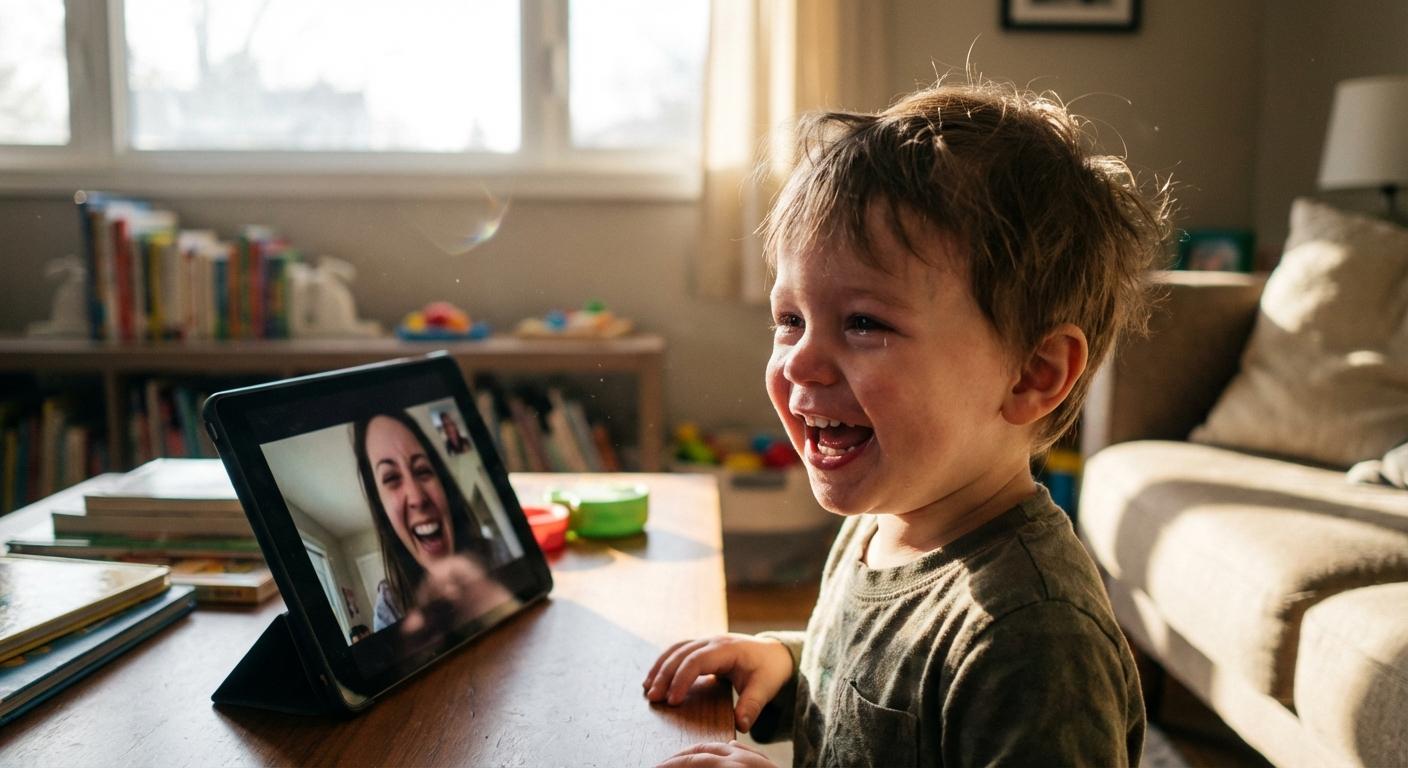
Longer separations: staying connected (without overstimulating)
When there is travel or hospitalization, parents often ask: should we video call? The answer depends on your child’s age and temperament.
- Under 6 months: a short recording of your voice at the same time each day can be calming.
- 6–12 months: very brief video (1–2 minutes) may work if the caregiver is right there to co-regulate.
- Over 1 year: a predictable, short call can help, if it escalates crying every time, pause and try again later.
The goal is not a perfect emotional reaction. It is continuity: familiar cues, predictable rhythm.
Daycare and other caregivers: smoother handoffs
Drop-off combines multiple stressors: separation + new environment + different sleep cues.
A workable flow:
- arrive on time
- same short script
- hand baby to the caregiver (clear handoff)
- leave calmly
If possible, ask for:
- a consistent key caregiver
- a staggered start (short stays that lengthen)
- brief updates (“cried 5 minutes, then played”) that help you stay calm next time
And at home, keep the rest of the day simple when daycare starts: earlier bedtime, fewer errands, extra floor play. Less load on the nervous system, more capacity to adapt.
Nighttime: responding without escalating
When separation anxiety in babies spikes at night, aim for reassurance with low stimulation:
- gentle voice
- brief touch
- consistent settling steps
Two gentle approaches often used:
- gradual retreat (“camping out”)
- pick-up/put-down (calm in arms, then back down drowsy)
Whatever you choose, give it 1–2 weeks of consistency before judging results. Switching every two nights can keep the pattern unstable.
When to seek help
Professional input is worth it when distress is intense, persistent, or affects health.
Contact your pediatrician if you notice:
- feeding refusal, dehydration signs, weight loss, or poor growth
- sleep disruption that severely affects daytime functioning
- persistent inconsolable crying or unusual withdrawal
- separation distress that worsens steadily or persists well beyond age 3
- developmental concerns or regression (language, social engagement, play)
Sometimes a clinician may discuss separation anxiety disorder in older toddlers/children when anxiety causes clear impairment. Early support can reduce family stress and strengthen coping.
Key takeaways
- separation anxiety in babies is usually a normal developmental phase tied to attachment, object permanence, and a maturing stress response.
- It often appears around 4–6 months, may peak between 9–18 months, and tends to ease through toddlerhood.
- Triggers like illness, travel, missed naps, and daycare transitions can intensify symptoms.
- Short, consistent goodbyes, predictable routines, and gradual practice support adaptation.
- Multi-day absences can feel harder because many sensory cues and routines change at once.
- If feeding, growth, or sleep are significantly affected, or if distress is extreme, talk with a healthcare professional. Support exists, and you can also download the Heloa app for personalized tips and free child health questionnaires.
Questions Parents Ask
Can separation anxiety start “suddenly” after a trip, illness, or a new caregiver?
Yes—reassuringly, that can be completely normal. Big changes (travel, teething pain, a cold, starting childcare, a parent returning to work) can make your baby’s nervous system feel less predictable for a while. Some babies then “cling harder” to rebuild safety. Keeping the next few days simple—steady sleep cues, familiar faces, and the same short goodbye routine—often helps the intensity fade.
Is it OK to practice leaving my baby, or does that make it worse?
Gentle practice is usually helpful when it’s responsive and gradual. Short separations that end with a calm reunion can teach: you go, I’m safe, you return. You can try stepping out briefly when your baby is fed and rested, then slowly lengthen the time. If your baby cries, it doesn’t mean the practice failed—what matters is that a caring adult can comfort them and the pattern becomes easier over time.
How long should I let my baby cry at daycare drop-off?
There isn’t one “right” number. Many babies calm within a few minutes once the caregiver engages them, others need longer, especially in the first weeks. It can help to ask for a quick update: How long did it take to settle? What helped? If crying stays intense for a long period every day or affects sleep and feeding, it may be worth discussing adjustments with the childcare team and your pediatrician.
Further reading :