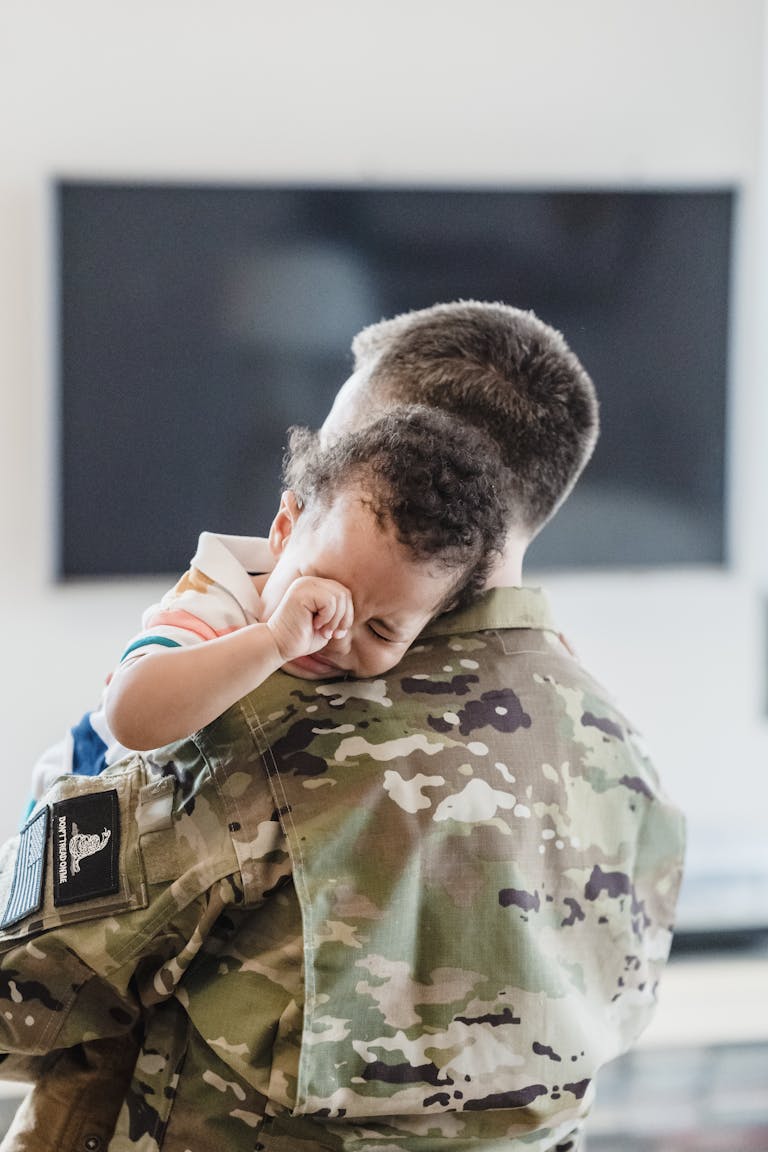

Parents may hear a sudden, seal-like cough in the middle of the night and wonder: is my child choking, wheezing, or getting dangerously sick? croup can sound dramatic because it affects the tightest part of a young child’s upper airway. The good news: most croup episodes are viral and improve quickly with the right steps at home and, when needed, a simple medical treatment. Knowing what croup is, how to spot severity early, and when to seek urgent help can turn a chaotic night into a clearer plan.
What croup is—and why it can sound so scary
Croup is inflammation of the upper airway, mainly the larynx (voice box) and trachea (windpipe). In most children it’s caused by a virus. When the immune system reacts, inflammatory cells and fluid move into the airway lining, creating edema (swelling).
In toddlers, the narrowest portion of the airway sits just below the vocal cords: the subglottic region. A few millimeters of swelling there can reduce airflow a lot. That is why croup can sound intense even when oxygen levels remain normal.
Barking cough and stridor: what those sounds mean
- The barking cough happens when air is pushed through swollen tissues around the vocal cords.
- Stridor is a high-pitched noise heard mostly on breathing in (inspiratory stridor). It often gets louder when a child cries.
Why nights are often worse
You may notice croup flares after bedtime:


- Lying down can increase secretion pooling.
- Indoor air may feel dry.
- Fatigue reduces a child’s ability to compensate.
Who gets croup most often
Croup is common between about 6 months and 3–5 years. After that, the airway is wider, so swelling causes less obstruction and less noise.
Types of croup you may hear about
Viral croup often starts like a cold: runny nose, congestion, maybe a mild fever. Then the cough changes—drier, harsher, barky. Hoarseness is common.
Spasmodic croup
Spasmodic croup tends to appear suddenly at night, sometimes with little or no fever and minimal cold symptoms. Episodes can recur.
“Laryngotracheobronchitis” in plain language
This term means inflammation of the larynx, trachea, and sometimes the larger bronchi—often the typical viral form of croup.
Causes and risk factors
Most croup is viral. The most frequent cause is parainfluenza virus, but others can do it too:
- RSV
- Influenza A/B
- SARS‑CoV‑2
When bacteria are a concern
Bacterial causes are uncommon. Clinicians worry more when a child looks very ill, has high fever, deteriorates quickly, or does not improve after standard croup treatment (for example bacterial tracheitis).
Triggers in recurrent/spasmodic croup
When croup keeps coming back, triggers may include smoke exposure (including vaping aerosols), strong odors, allergies/atopy, or GERD (reflux), especially with nighttime symptoms.
How croup spreads
Viruses that cause croup spread through droplets (coughing, sneezing), close contact, and contaminated hands or surfaces.
Practical prevention:
- handwashing,
- avoid sharing cups/utensils,
- clean shared toys,
- keep a child home until fever-free for 24 hours (without fever medicine) and breathing is comfortable.
Symptoms to recognize early
Croup typically brings barking cough, hoarse voice (or hoarse cry), and sometimes stridor, especially at night.
Breathing effort: what to look for
Watch for:
- retractions (skin pulling in at the base of the neck or under the ribs),
- nasal flaring,
- very fast breathing or pauses.
Drinking and hydration clues
Breathing effort can make drinking harder. Monitor wet diapers/urine output, saliva and tears, and alertness.
How long croup lasts
Most croup improves over 3–5 days. With a steroid dose, noisy breathing often eases within hours and is clearly better within 24–48 hours.
Mild, moderate, or severe croup
- barking cough,
- no stridor at rest (maybe only when upset),
- minimal retractions,
- drinking is okay.
Moderate
- stridor at rest,
- visible retractions,
- increased effort, but responsive and often still drinking.
Severe
- loud stridor at rest with marked distress,
- poor air movement or tiring breathing,
- difficulty drinking,
- blue/gray color around lips or unusual sleepiness.
When to seek urgent or emergency care
Seek urgent assessment if:
- stridor happens while your child is calm,
- retractions or labored breathing are visible,
- breathing stays fast and does not settle,
- nasal flaring or breathing pauses appear.
Go to emergency care or call emergency services if:
- lips/face turn blue or gray,
- your child is very sleepy, floppy, difficult to wake, or exhausted,
- drinking stops or wet diapers become very rare,
- symptoms started after a choking episode.
Epiglottitis: rare, but different
With Hib vaccination, epiglottitis is uncommon in many countries, but it remains an emergency. Typical signs include high fever, severe sore throat, drooling, trouble swallowing, and a very ill-looking child. The barking cough is usually absent.
How doctors diagnose croup
For most children, croup is a clinical diagnosis—history plus exam.
Pulse oximetry may be used to check oxygen saturation. X-rays are not routine, they are considered when symptoms are atypical, response to treatment is poor, or another diagnosis is suspected.
Home care for mild croup
Crying increases turbulence and can worsen stridor.
- Hold your child upright.
- Keep voices soft.
Fluids and fever comfort
Offer frequent small drinks. For fever or throat pain, use acetaminophen/paracetamol or ibuprofen at the correct dose for age and weight. Avoid aspirin.
Cool air or humidified air
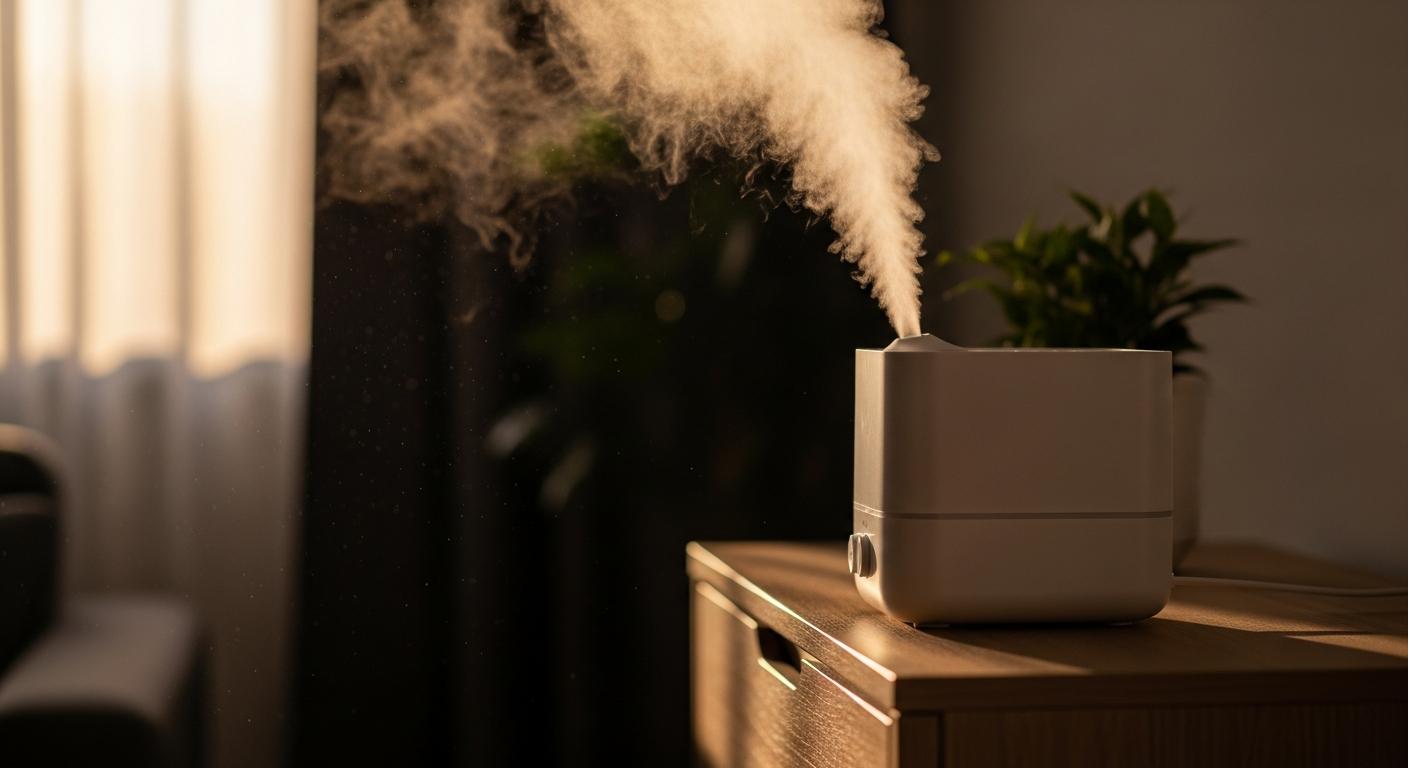
Some families try cool night air or a humidifier. Evidence is mixed, but comfort can improve.
- Avoid hot steam (burn risk).
- Clean humidifiers to prevent mold.
Honey for cough (only over 1 year)
For children older than 12 months, honey can soothe coughing. Never give honey under 1 year due to infant botulism risk.
A practical nighttime plan
1) Pick your child up and hold them upright.
2) Check: stridor only with crying, or also at rest?
3) Look for retractions or nasal flaring.
4) Offer small sips if swallowing is comfortable.
If stridor persists at rest or breathing effort increases, seek urgent care.
Safe sleep reminder
After symptoms settle, return to safe sleep: on the back, firm mattress, no pillows, no improvised inclined setup.
Medical treatment for croup
A single dose of dexamethasone reduces inflammation and subglottic swelling. Many children improve within 2–6 hours, with benefit lasting 24–72 hours.
Nebulized epinephrine
Nebulized epinephrine is used for moderate-to-severe croup with stridor at rest and significant work of breathing. It often improves symptoms within minutes, but the effect can wear off after about 2–4 hours. Observation is needed.
When hospitalization is considered
- persistent stridor at rest,
- need for repeated epinephrine,
- low oxygen levels,
- dehydration or poor intake,
- very young infants or children with significant underlying conditions.
Antibiotics: usually not
Antibiotics do not help viral croup. They are used only if bacterial infection is suspected.
Prevention and recurrent episodes
A smoke-free home and fewer irritants (strong fragrances, harsh sprays) can reduce airway irritation. Hand hygiene helps, and vaccines (influenza, COVID-19) reduce some viral triggers.
Recurrent croup (often three or more episodes in a year), episodes under 6 months, beyond 5–6 years, or poor response to usual therapy can prompt evaluation for airway anatomy, reflux, or atopy.
Key takeaways
- Croup is upper-airway inflammation, swelling in the subglottic region makes the noise dramatic.
- Barking cough and stridor often worsen at night, calm, upright positioning and fluids can help in mild cases.
- Stridor at rest, retractions, nasal flaring, fast or tiring breathing, or poor drinking signal the need for urgent assessment.
- A steroid dose (often dexamethasone) reduces swelling, nebulized epinephrine may be used for more severe episodes with monitoring.
- Most children recover within a week, repeated croup may justify discussing reflux, allergies, or airway differences with a clinician.
- For tailored guidance and free child health questionnaires, you can download the Heloa app.
Questions Parents Ask
Is croup contagious, and when can my child be around others again?
Yes—croup is usually caused by common cold viruses, so it can spread through cough/sneeze droplets and on hands and surfaces. Many children are most contagious in the first few days of their cold (often before the barky cough peaks). Daycare or school can feel reasonable again once fever has been gone for 24 hours without medicine and breathing is comfortable—parents often find that a lingering cough alone can last longer without meaning “still very contagious.” When in doubt, a quick check-in with your childcare setting’s rules can reduce stress.
Can croup come back after it improves?
It can. Some kids seem much better during the day and then sound worse again at night for a couple of nights—this is a common pattern and not automatically a sign of danger. Recurrent episodes over months can happen too, especially in children who catch frequent viruses. If episodes are happening often (for example, several times a year), start very young, or feel unusually intense, it may be helpful to discuss possible contributors like reflux, allergies/atopy, or irritants (including smoke and vaping aerosols).
Can adults get croup?
True croup is mainly a childhood condition because young children have narrower airways. Adults can still get viral laryngitis or tracheitis that causes hoarseness and a harsh cough, but the classic “barking” sound with stridor is much less common. If an adult has noisy breathing, chest tightness, or trouble catching their breath, urgent medical assessment is important.
Further reading:
- Croup – Symptoms & causes: https://www.mayoclinic.org/diseases-conditions/croup/symptoms-causes/syc-20350348
- Croup – Diagnosis & treatment: https://www.mayoclinic.org/diseases-conditions/croup/diagnosis-treatment/drc-20350354
- Croup – StatPearls – NCBI Bookshelf: https://www.ncbi.nlm.nih.gov/books/NBK431070/