
Worm worries can start quietly: a baby who suddenly sleeps poorly, repeated scratching during diaper changes, or redness around the anus that doesn’t settle. Many parents in India search “baby dewormer” hoping for a quick, safe fix. The best results usually come from three moves: confirm the likely cause, use the right medicine (if needed), and prevent reinfection at home.
What a “baby dewormer” actually is
A baby dewormer is generally an anthelmintic medicine, an anti-worm drug used against intestinal helminths. In children, the worms most often discussed are:
- Pinworms / threadworms (Enterobius vermicularis)
- Roundworm (Ascaris lumbricoides)
- Whipworm (Trichuris trichiura)
- Hookworm (Ancylostoma / Necator)
- Sometimes tapeworms
The right baby dewormer depends on the suspected parasite, your child’s age, weight, health history, and exposures (siblings, daycare, travel, soil).
Many babies with “tummy issues” do not have worms. Reflux, viral gastroenteritis, constipation with an anal fissure, cow’s milk protein reactions, or diaper irritation are far more common. That is why diagnosis matters before any baby dewormer, especially in infants.

Why self-medicating with a baby dewormer can be risky
When nights are disturbed, it is tempting to treat “just in case”. In infants, this can backfire:
- Some medicines are not labelled for very young ages, or require close medical dosing.
- Symptoms can mimic worms but need different care (dehydration, bacterial infection, allergy, bowel obstruction).
- Many products use weight-based dosing. Doses copied from relatives or online posts can be wrong because babies gain weight fast.
If your baby is under 12 months, a baby dewormer decision is usually clinician-led.
Worms vs other parasites: not everything is solved by deworming
“Parasites” can mean:
- Worms (helminths): treated with dewormers such as albendazole, mebendazole, pyrantel, flubendazole (availability varies).
- Protozoa (like Giardia): often cause watery diarrhoea and may need different tests and medicines.
A stool test may be used when diarrhoea is prolonged, there is weight loss, or travel exposure. A baby dewormer does not treat every parasite.
When to suspect worms in a baby
Pinworms: common in children, less common in young infants
Pinworms are common in preschool and school-going children, in babies they are less typical, though possible with older siblings or daycare exposure. So there is no “automatic” baby dewormer. Treatment is chosen when symptoms plus exposure make worms likely.
How babies catch worms: contamination and reinfection
Pinworm eggs are microscopic and spread via hands and surfaces: toys, bedding, towels, bathrooms, switches, door handles. Hand-to-mouth behaviour is normal in babies, which is why pinworms can spread quickly.
A common reason symptoms return is reinfection. Eggs can remain viable for 1 to 2 weeks. A baby dewormer may work, and then the cycle restarts if eggs are still present at home.
Situations that increase risk
- daycare/playschool
- school-going siblings
- thumb-sucking/fingers in mouth, long nails
- soil exposure (gardens, sandpits)
- travel to higher-prevalence areas
Pets are not the usual source for pinworms (mostly person-to-person), but doctors may still ask about animals to rule out other patterns.
Why deworming can matter for comfort and nutrition
Pinworms can cause intense nighttime itching and broken sleep. Other intestinal worms may contribute to abdominal discomfort, altered appetite, diarrhoea or constipation, and sometimes poor weight gain.
In heavier burdens (more likely in endemic settings), worms can worsen nutrition through reduced intake, poorer absorption, and (with hookworm) blood loss that can aggravate iron deficiency anaemia.
Types of worms: the common patterns
Pinworms: the “night itch” cycle
Pinworms live in the colon. At night, the female lays eggs around the anus. Eggs become infectious within hours, stick to skin and fabric, then move to hands and back to the mouth. This is why treatment often includes a repeat dose plus hygiene steps.
Soil-transmitted worms (roundworm, whipworm, hookworm)
- Roundworm (Ascaris): eggs swallowed from contaminated soil/produce. Heavy infection can cause bloating, pain, vomiting, rarely obstruction. Some children cough/wheeze during larval migration.
- Whipworm: can cause diarrhoea and abdominal pain, heavy infection may affect nutrition.
- Hookworm: larvae penetrate skin from contaminated soil, linked with anaemia in high-burden infections.
Here, choosing a baby dewormer by guesswork is not wise. Dose and duration can differ, and testing may be needed.
Tapeworms and less common causes
Sometimes parents notice “rice grain” segments in stool. Certain tapeworms relate to undercooked meat exposure, some pet-associated pathways involve ingestion of infected fleas.
Signs your baby may have worms
Nighttime anal itching
The most suggestive pinworm sign is nighttime itching around the anus. Babies may wake often, squirm, cry, or seem uncomfortable late night. Redness can appear, and scratching worsens irritation.
Sleep disruption and irritability
Broken sleep shows up the next day. More crying, less appetite, a baby who is difficult to settle. Is it teething? Maybe. Is it a mild viral illness? Also possible. But if the discomfort peaks at night and repeats for several nights, it is worth thinking about worms and discussing a baby dewormer plan rather than guessing.
Digestive symptoms (not specific)
Belly pain, bloating, nausea, mild diarrhoea, constipation, or vomiting can occur, but these are not specific. They matter more if paired with:
- nighttime anal itching
- known pinworms in siblings/daycare
- visible tiny white moving threads
Worms seen in stool or diaper
Some parents see tiny white moving threads on stool, diaper, or bedding. Not seeing worms does not rule out pinworms (eggs are microscopic).
Common mix-ups
Diaper rash, eczema, and constipation-related fissures can look similar. Timing helps: pinworm itching is often worse at night.
If you think you saw a worm
- Note what you saw and when, a photo can help your clinician.
- Ask about the pinworm tape test.
- Avoid starting a baby dewormer in very young infants without advice.
When to contact a paediatrician before using a baby dewormer
Babies under 12 months
Under 12 months, do not start a baby dewormer unless your paediatrician advises it.
Red flags
Get prompt medical input if your child has:
- persistent vomiting or cannot keep fluids down
- dehydration signs (very few wet diapers, dry mouth, no tears)
- severe/worsening abdominal pain, marked distension, inconsolable crying
- blood in stool or vomit
- marked lethargy, poor feeding, rapid weight loss
- very pale skin or suspected significant anaemia
- persistent fever or a baby who seems unusually unwell
How worm infections are diagnosed
Pinworm tape test
Do it:
- in the morning on waking
- before bathing
- before applying creams
Press clear tape to the skin around the anus and place it on the lab support. Often done on 3 consecutive mornings.
A negative test does not always rule out pinworms (no egg-laying that night, low burden, technique issues).
Stool tests (O&P)
Stool ova and parasite testing can help for many worms and protozoa, especially with prolonged diarrhoea, weight loss, belly pain, or travel exposure. Multiple samples may be needed.
Baby dewormer medicines used in children
Common options include:
- Pyrantel (often for pinworms)
- Mebendazole and albendazole (broad coverage)
- Flubendazole (availability varies)
- Praziquantel (mainly tapeworms)
In India, some products may be OTC while others are prescription. Always check labels and confirm age suitability with a pharmacist.
Household contacts
For pinworms, treating household members together is often advised to reduce reinfection. This is not automatic for every worm.
Pinworm treatment: why a second dose is common
Many regimens use:
- a first dose, then
- a second dose about 15 to 20 days later
Reason: medicines target worms more than eggs, and eggs can persist in the home.
Do not double doses if you missed the repeat dose. Ask how to restart.
Albendazole as a baby dewormer
Albendazole is a broad-spectrum dewormer used against roundworm, hookworm, and whipworm, and is used in public health programmes.
In many endemic programmes, children 12-23 months receive 200 mg single dose, older children often receive 400 mg. In clinical care, doctors balance likely benefit and safety, especially in younger children or if repeat courses are planned.
How doctors choose the right baby dewormer
Doctors consider the suspected worm, the child’s age and weight, formulation (suspension vs chewable), and medical history (liver disease, malnutrition, other medicines). Concentration (mg/mL) matters. Two syrups can require different volumes.
Baby dewormer by age: what parents commonly hear
Age cut-offs can vary by product and by local policy. Still, a broad idea helps:
- Under 6 months: treatment is unusual and individualised.
- 6 to 12 months: options can be limited, supervision matters.
- From 12 months onwards: more programmes and labels allow deworming in higher-risk settings.
If you are unsure, take the baby’s current weight from the last clinic visit and ask the paediatrician or pharmacist whether a baby dewormer is suitable.
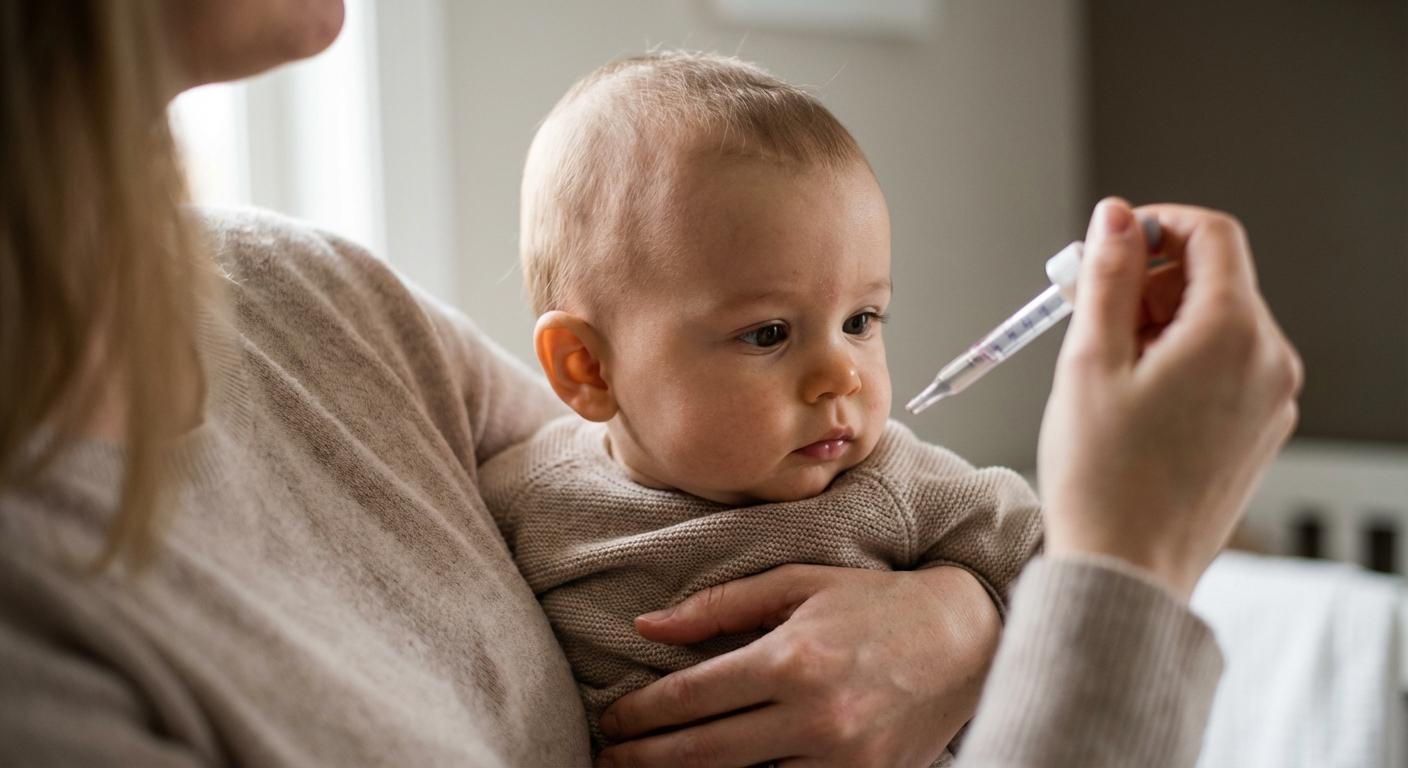
Giving a baby dewormer safely
- Use the measuring syringe/cup provided.
- Give slowly into the side of the mouth.
- Note the date and plan the repeat dose if advised.
If your baby vomits soon after a dose, do not automatically repeat it. Call your paediatrician or pharmacist.
Baby dewormer safety and side effects
Most children tolerate dewormers well when used correctly. Mild effects can include tummy upset, nausea, looser stools, belly cramps, or vomiting.
Seek urgent care for breathing difficulty, facial swelling, widespread hives, persistent vomiting with dehydration, severe abdominal pain, unusual drowsiness, or yellow eyes/skin.
Preventing reinfection after baby dewormer (especially pinworms)
For about 1 to 2 weeks:
- wash hands with soap after diaper changes and before meals
- keep nails short and clean
- morning bath can remove eggs laid overnight
- wash bedding/towels often, avoid shaking laundry
- wipe high-touch surfaces, clean mouth-toy items, vacuum bedrooms
The aim is to reduce egg transfer, not to make the home “hospital clean”.
Natural or herbal “baby dewormer” remedies
Garlic, pumpkin seeds, turmeric mixes, herbal syrups, and essential oils are popular. In infants, strong evidence for reliable clearance is limited, and safety is a concern (unpredictable dosing, allergies, irritation). Oral essential oils should be avoided in young children.
If a family wants to try something traditional, it is safer to use it only as supportive care (not as a replacement for diagnosis and proper treatment) and to clear it with the child’s doctor.
Special situations that change the plan
Preterm or low-birth-weight babies
Extra caution is needed. Routine deworming is usually deferred until age eligibility, suspected infection is evaluated individually.
Travel and higher-prevalence exposures
After travel, persistent diarrhoea, belly pain, or poor weight gain may need targeted stool testing rather than guessing a baby dewormer.
Anaemia, malnutrition, chronic conditions
If anaemia or malnutrition is present, deworming may be only one part of care. Nutritional support and sometimes iron supplementation may be needed, along with growth monitoring.
Key takeaways
- A baby dewormer is an anthelmintic, the right choice depends on parasite type and weight-based dosing.
- Pinworms are a common suspicion in children but less typical in young infants, so a baby dewormer is not automatic.
- Eggs can survive 1 to 2 weeks, so reinfection is common, hygiene matters.
- The tape test (often 3 mornings) supports diagnosis.
- Babies under 12 months and any child with red flags need medical review before a baby dewormer.
- Pinworm treatment often includes a second dose 15 to 20 days later.
- Your paediatrician and pharmacist can tailor safe care. You can also download the Heloa app for personalised guidance and free child health questionnaires.
Further reading :