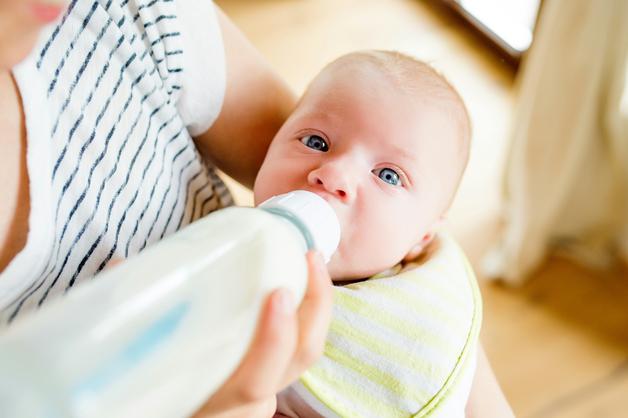
Worried about baby hydration during an Indian summer, a long car ride, or a week of loose motions? Many parents ask the same thing: is my baby drinking enough. Between breastfeeding or bottle feeds, warm weather, sweating, crying, and confusing diapers, doubt can creep in fast. The reassuring part is physiology: milk hydrates and nourishes together, with salts and minerals suited to immature kidneys. Plain water comes later, at the right time, with simple guardrails.
Baby hydration basics: what “well hydrated” looks like
For everyday baby hydration, you do not need to count every millilitre. Look for patterns.
Reassuring signs:
- feeds happening regularly (breastfeeds or correctly prepared formula)
- wet diapers staying close to your child’s usual baseline
- lips and mouth not unusually dry
- urine generally pale yellow (after the first days)
- your baby is reasonably alert between sleeps for their age
Why it matters: water supports blood volume, transport of glucose and amino acids, and electrolyte balance (mainly sodium and potassium). It also helps temperature control and kidney function through urine.

Babies dehydrate faster than adults because they need more fluid per kg and have smaller reserves. Their kidneys cannot concentrate urine well yet. That creates two realities:
- dehydration can happen quickly
- too much plain water can also be risky, as it may dilute blood sodium
Baby hydration by age: what to offer
Newborns (0–2 months): breast milk or formula only
In the first weeks, baby hydration is covered by breast milk or infant formula.
Giving plain water at this age can:
- reduce milk intake (less energy and fewer nutrients)
- contribute to hyponatremia (dangerously low blood sodium) if amounts are high
What to watch: steady feeding, usual wakefulness, and frequent wet diapers.
Infants (2–6 months): water is still usually not needed
From 2 to 6 months, milk remains the only drink most babies need. In hot weather, the safer reflex for baby hydration is to offer feeds more often (shorter gaps), not to add water.
Safety points:
- avoid large amounts of plain water (electrolyte dilution risk, especially under 6 months)
- do not replace a milk feed with water (hydration and energy go together)
If there is vomiting, diarrhoea, or fever, get medical advice early.
Infants (6–12 months): introducing water with solids
Once solids start (often around 6 months), baby hydration becomes shared:
- milk remains central
- water can be offered in a cup with meals
- foods add water too (fruits, vegetables, soups)
Think a few sips, not a new main drink. Many babies drink very little water initially, that is normal.
Practical tip: offer water in an open cup or straw cup when your baby is upright and supported.
Toddlers (12–24+ months): water becomes the default drink
From around 12 months, water becomes the everyday drink between meals and during play. Milk can stay in the routine, but for baby hydration in toddlerhood, water gives steadier coverage across the day.
Easy moments to offer water:
- on waking
- with meals
- after physical activity
- after coming back from an outing
If your child refuses water but asks for milk repeatedly, a simple rhythm helps: water offered regularly, milk at planned times.
What increases needs: heat and illness
Indian summers, humid monsoons, and active play increase sweat and fluid losses. Fever, vomiting, and diarrhoea can raise dehydration risk quickly.
For baby hydration during illness, aim for small amounts often, and watch urine output and behaviour.
Breast milk, formula, and water: choosing the right fluid
Breast milk and baby hydration
Breast milk is mostly water and suits infant needs. It also changes during a feed: early milk is more watery, later milk is richer in fat. In warm weather, babies often feed more frequently.
Seek guidance promptly if a breastfed baby has fewer wet diapers than usual, seems unusually sleepy, or has a very dry mouth.
Formula and baby hydration: mixing matters
Mix formula exactly as per the tin/label.
- Too much water (over-dilution) lowers calories and nutrients and can raise risk of water intoxication and hyponatremia.
- Too little water (over-concentration) increases renal solute load (extra work for kidneys).
Use safe water, keep bottles clean, and avoid stretching formula with extra water.
When to start water
Water is usually introduced around 6 months with solids. Before that, it can displace milk intake and disturb electrolyte balance. After 6 months, water supports cup practice and complements meals, but it should not replace breast milk or formula during the first year.
Weaning and baby hydration
As solids increase, milk intake often shifts gradually.
A practical balance:
- under 12 months: milk remains the main fluid and calorie source
- water with meals and snacks
- more regular water as your child moves into toddlerhood
If appetite drops during teething or illness, prioritise milk (or ORS when appropriate) over extra water.
How much water after 6 months?
6–12 months
A typical range is about 120–240 mL/day, offered as sips with meals. Many babies start around 100–300 mL/day and increase depending on weather and foods.
For baby hydration, signs matter more than hitting a number.
Total daily fluids
After solids begin, total fluids include milk + water + water from foods. Many babies 6–12 months take roughly 800–1,000 mL per 24 hours, with variations.
Toddlers
Many toddlers drink about 1–4 cups/day (roughly 240–950 mL), depending on weather, activity, and milk intake.
Baby hydration cues: the fastest checks
Wet diapers and urine colour
- urine colour: pale yellow is reassuring, darker suggests more fluids may be needed
- diaper/urination pattern: a noticeable drop from your child’s baseline is an early warning sign
A commonly used benchmark in babies is around 6–8 wet diapers/day, but the trend matters more than the exact count.
Other reassuring signs
Often consistent with good baby hydration:
- moist mouth
- tears when crying
- normal play and interaction
- a fontanelle that is not sunken
Stools can change a lot with feeding and weaning. Stool pattern alone is not a reliable hydration marker.
Dehydration in babies and toddlers: signs and next steps
Early dehydration can show up as fewer wet diapers, dry mouth, darker urine, and irritability.
Moderate dehydration may include sunken eyes, a sunken fontanelle, marked sleepiness or irritability, and reduced skin turgor.
Severe dehydration is an emergency and may include extreme lethargy, very little or no urine, fast breathing, cold or mottled hands/feet, or seizures.
Common causes include vomiting, diarrhoea, fever with poor intake, very hot days, and incorrect formula preparation.
Urgent red flags
Seek urgent medical care if you notice:
- no urine for many hours, especially no urine for about 6–8 hours in a baby
- baby unusually sleepy, limp, difficult to wake, or poorly responsive
- repeated vomiting with inability to keep fluids down
- severe dehydration signs (sunken eyes/fontanelle, no tears, very dry mouth)
- seizures or sudden change in consciousness
Baby hydration during illness: ORS and practical steps
Fever increases fluid losses. Vomiting and diarrhoea remove water and salts.
- Babies: offer breastfeeds or formula feeds more often.
- Older babies and toddlers: offer water regularly in addition.
For vomiting, tiny frequent sips work better than a large drink. A spoon or oral syringe can help.
With diarrhoea, oral rehydration solution (ORS) is often the best option because it replaces water and electrolytes in the right balance. Prepare it exactly as directed.
A practical starting approach if vomiting is also present:
- 5–10 mL every 5–10 minutes
- increase gradually as tolerated
Avoid juice, soda, and very sweet drinks, they can worsen diarrhoea.
Hot weather baby hydration and heat safety
Babies overheat faster due to immature temperature regulation.
To support baby hydration in the heat:
- offer milk feeds more often
- keep baby in breathable cotton layers and out of direct sun
- plan outings in cooler hours
- check diapers and behaviour for early clues
Toddlers benefit from planned water breaks: a few sips every 15–20 minutes during outdoor play.
Too much water: overhydration risk in infants
Too much plain water can dilute blood sodium and cause hyponatremia, which can affect the brain. Highest risk is under 6 months, and when formula is over-diluted.
Prevention for safe baby hydration:
- no routine plain water under 6 months unless advised
- mix formula exactly as directed
- after 6 months, offer small water amounts mainly with meals
Water-rich foods (6+ months)
For early solids:
- puréed pear, apple (cooked if needed)
- mashed avocado
- soft-cooked vegetables like lauki/bottle gourd, pumpkin
For toddlers:
- curd/yogurt
- soups and stews
- watermelon, muskmelon, strawberries
Drinks to avoid or limit
- Under 12 months: avoid juice.
- Ages 1–3: limit 100% juice to about 120 mL/day, with meals.
- Avoid teas and herbal infusions for babies.
Coconut water may sound like a good idea in summer, but it is not a routine drink for babies, prefer plain water after 6 months and milk feeds as appropriate.
Baby hydration safety in India: choosing water and preparing bottles
For bottle preparation, water choice depends on local supply and product labelling.
- Bottled water: choose one labelled suitable for preparing infant feeds.
- Tap water: may be suitable if local quality is reliable.
- Filtered water: not automatically better.
For formula, lower mineral content is preferred (formula already contains minerals). Also:
- wash hands
- measure powder and water accurately
- avoid keeping opened water bottles beyond 24 hours
When to seek medical advice
Call for advice if you notice a clear drop in wet diapers/urination, persistent dark urine, dry mouth, no tears, or poor feeding.
Seek urgent care if there is no urine for many hours (especially around 6–8 hours in a baby), unusual drowsiness or poor responsiveness, vomiting preventing fluids staying down, ongoing diarrhoea with dehydration signs, blood in stool, or seizures.
To remember
- Baby hydration in early months is covered by breast milk or correctly prepared formula, plain water is generally unnecessary before 6 months.
- After solids begin, offer small water sips with meals, in toddlerhood, water becomes the main drink between meals.
- Track baby hydration using wet diapers/urination pattern, urine colour, mouth moisture, and energy.
- Heat, fever, vomiting, and diarrhoea raise needs, ORS helps when gastroenteritis is suspected.
- Professionals can guide you, and you can download the Heloa app for personalised advice and free child health questionnaires.

Further reading :