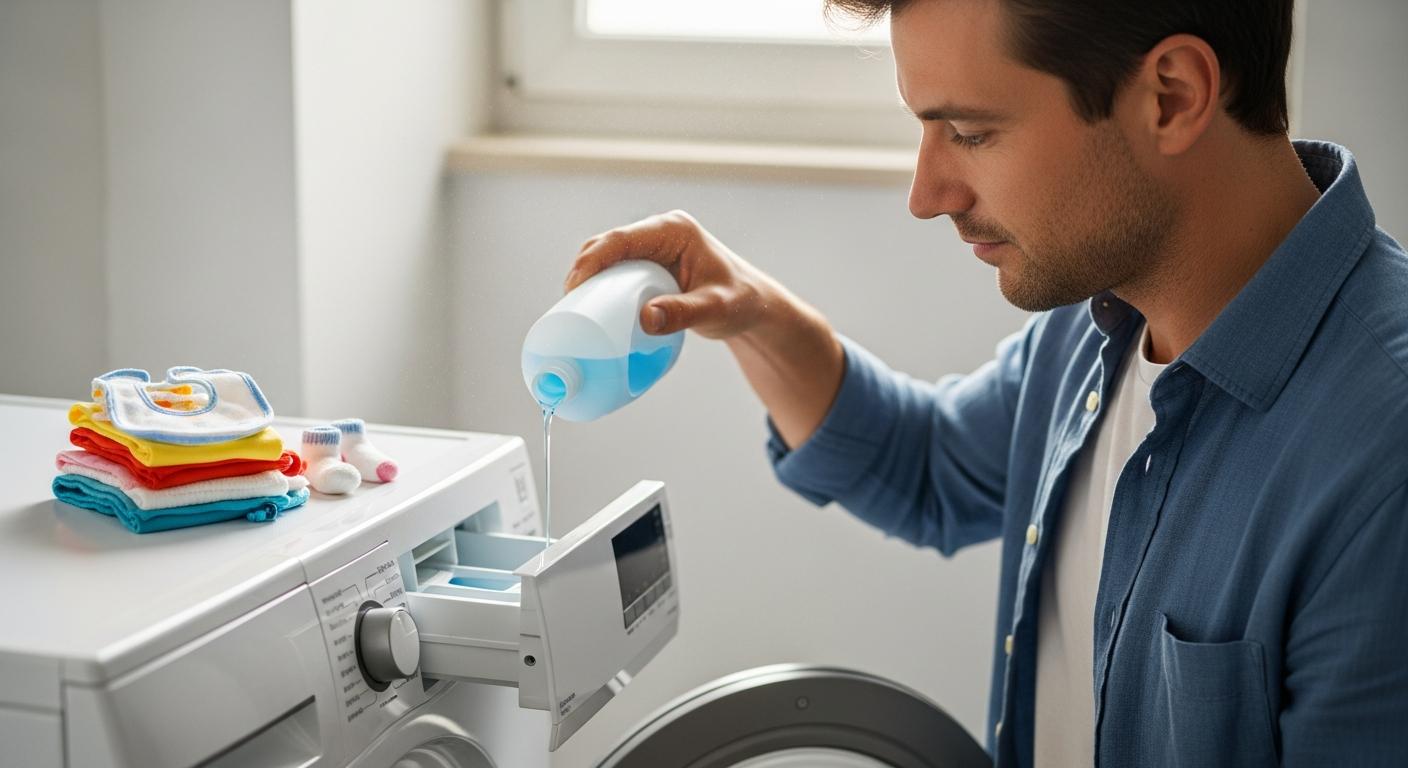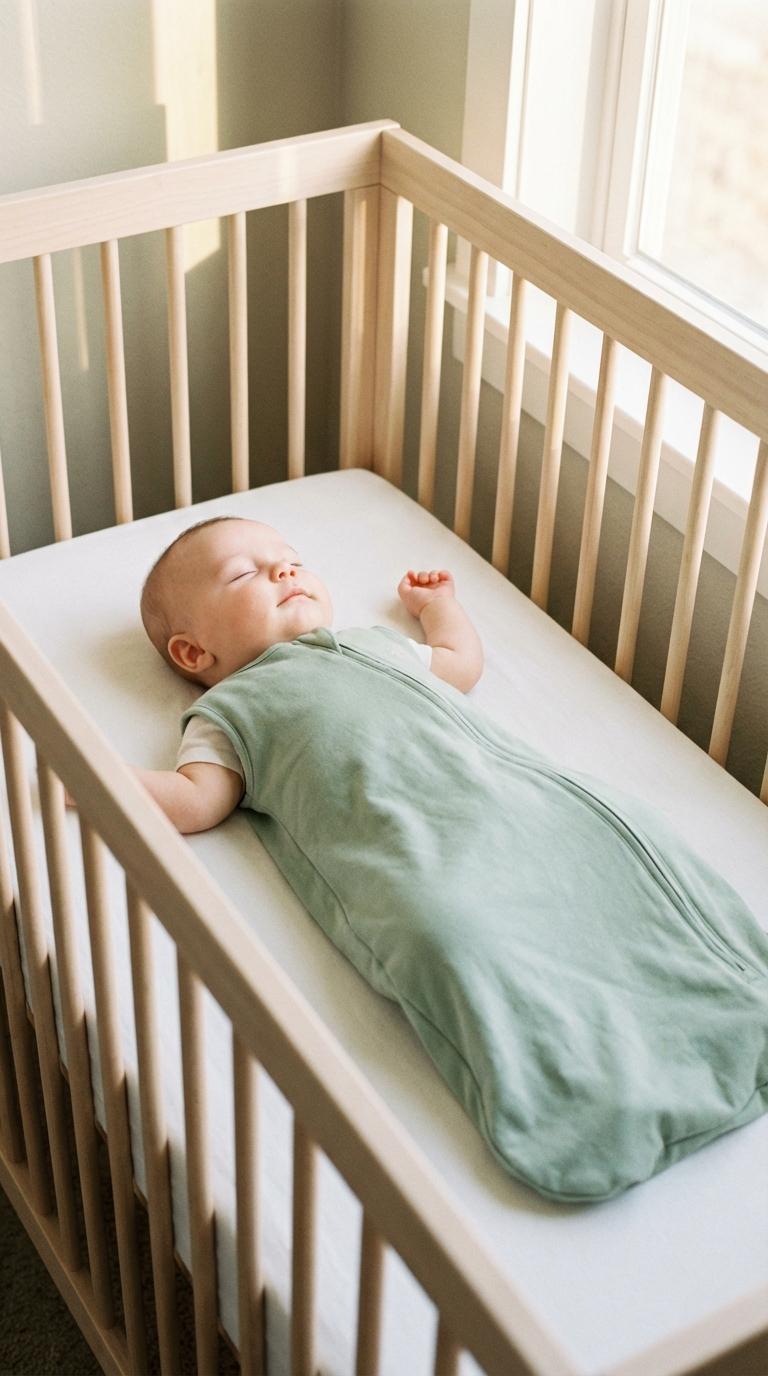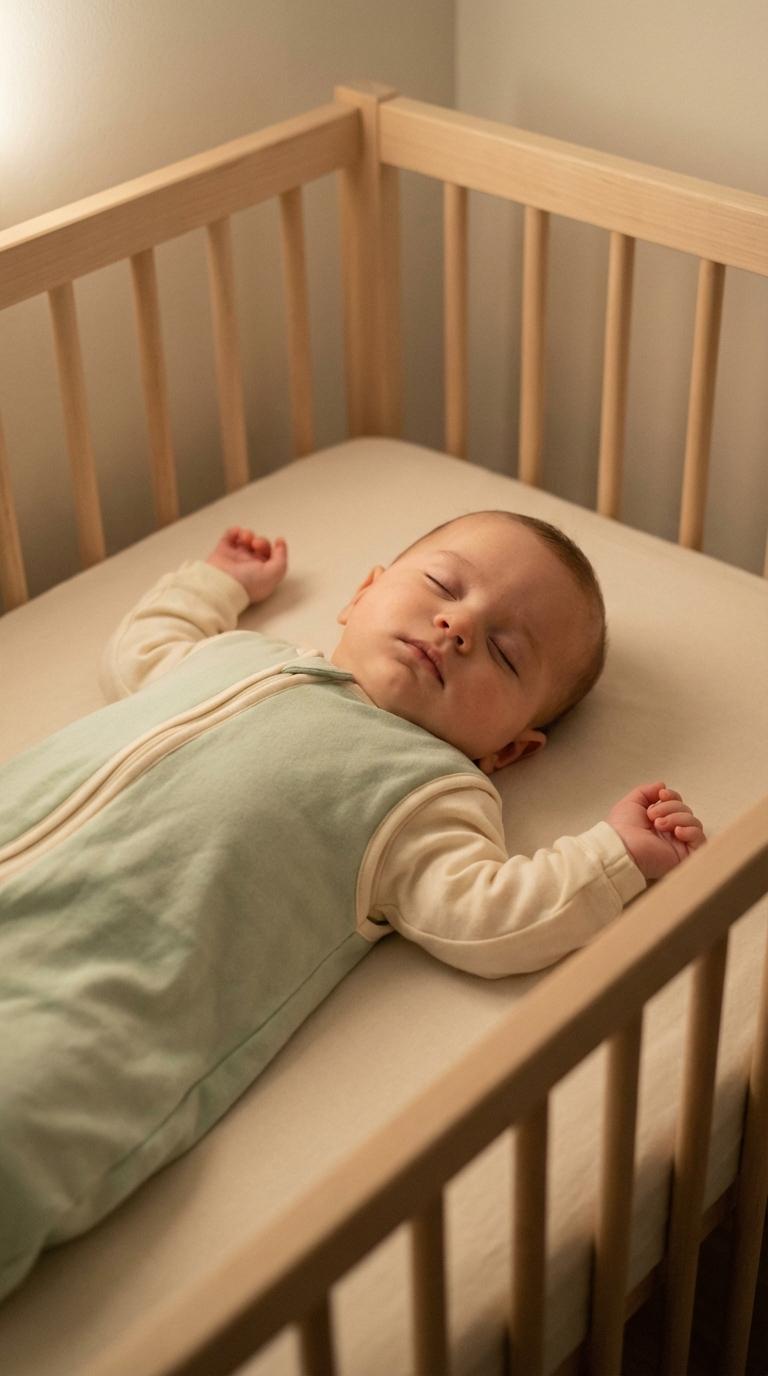
Parents often find out the hard way: a onesie can look perfectly clean and still irritate the skin. A faint red band at the waist. Tiny bumps at the neck where the sleep sack rubs. And then the late-night question pops up—should you change baby detergent?
In Indian weather, this doubt comes faster. Heat, sweating, frequent outfit changes, and hard-water laundry in many cities can all increase detergent residue on fabric. Add a newborn’s immature skin barrier (the stratum corneum is still “learning” to hold water), and small exposures repeated for hours can matter.
Baby detergent basics parents actually need
What baby detergent is (and how it differs from regular detergent)
Baby detergent is a laundry product sold for infant clothes, nappies, towels, and bedding. The cleaning science is not magic: most formulas still use surfactants (molecules that lift oils and dirt) plus builders to work better in hard water.
The practical difference is often what a baby detergent leaves out:

- strong perfume
- dyes/colourants
- sometimes optical brighteners (whitening agents that deposit on fibres)
- sometimes enzymes (but not always)
You may see “non-bio” on the pack. That usually means enzyme-free.
Why baby detergent can make a real difference for skin comfort
Fabric sits on baby skin for long hours—sleeping, feeding, cuddling, car seat time. Newborn skin is thinner, more permeable, and prone to dryness (higher transepidermal water loss). When sweating and friction join in—very common in Indian summers—irritation becomes easier to trigger.
A baby detergent does not treat eczema (atopic dermatitis). But it can reduce exposure to irritants left behind in fibres. For some babies, the combination of fragrance + overdosing + poor rinsing can contribute to:
- redness
- itching
- eczema flares
Think of baby detergent as one adjustable knob, like using an emollient or choosing soft cotton, not as a cure.
Baby detergent vs regular detergent: what matters most
The key is not “baby vs adult” on the label. It is irritants and rinse-out:
- Added scent: some “baby” options are scented, fragrance-free is different.
- Added colour: many are dye-free, but not all.
- Depositing additives: some families prefer no optical brighteners.
- Enzymes: enzyme-based washing removes milk/food stains well, enzyme-free may feel gentler for highly reactive skin.
A regular “free & clear” detergent can be as suitable as baby detergent if it is truly fragrance-free, dye-free, and you rinse properly.
Benefits and trade-offs: gentleness, rinseability, cost, cleaning power
- Gentleness: fewer common triggers may reduce itching and flare-ups.
- Rinseability: the routine matters, overdosing is a top reason clothes feel stiff or “soapy.”
- Cost: baby detergent often costs more per wash.
- Cleaning power: many handle daily milk/spit-up well, heavy stains need pre-treatment (and sometimes enzymes).
Do you really need a baby detergent?
When newborn laundry may benefit from dedicated baby detergent
In the first weeks, skin is more reactive and clothing contact is constant—onesies, mittens, swaddles, sleep suits. A dedicated baby detergent can help when it is fragrance-free, dye-free, and rinses cleanly.
Pre-washing new clothes before first wear is also useful. Manufacturing finishes and packaging residues can irritate delicate skin.
When a regular “free & clear” detergent can work
Many Indian households do well with a standard sensitive-skin detergent, especially if it is explicitly fragrance-free and dye-free.
What makes the biggest difference:
- measure carefully (no extra “just in case”)
- avoid overloading the drum
- consider an extra rinse
Some clinicians find many babies can shift from baby detergent to a regular sensitive option around 6 months if skin stays calm.
Baby detergent for babies with sensitive skin, eczema, or dermatitis
If your baby has eczema, recurring rashes, or suspected contact dermatitis, reduce variables:
- choose baby detergent with no fragrance and no dyes
- consider non-bio (enzyme-free) if flares persist
- add an extra rinse to reduce detergent film
- stop fabric softener (it coats fibres)
If irritation continues, speak with your paediatrician or dermatologist. Sometimes the trigger is not the detergent itself, but residue, sweat trapped under tight clothing, or fragrance transfer from adult laundry.
How to choose the best baby detergent
A simple checklist for newborns
Pick a baby detergent that is:
- clearly labelled fragrance-free and dye-free
- simple in formulation (fewer add-ons)
- ideally without optical brighteners
- easy to dose accurately
- effective at 30°C washing (common for daily loads)
The best baby detergent for sensitive skin: what to prioritise first
1) fragrance-free + dye-free
2) correct dosing + extra rinse
3) consider non-bio if reactions persist
4) avoid brighteners and “freshness” additives
Fragrance-free vs scented baby detergent
Perfume is a frequent trigger in sensitive skin. If you are seeing dryness, eczema, or unexplained redness, switching to fragrance-free baby detergent is often the quickest trial.
“Natural” fragrance can still irritate, and essential oils can be allergens.
“Unscented” vs “fragrance-free”
- Fragrance-free: no fragrance ingredients added.
- Unscented: may still include masking agents.
For reactive skin, fragrance-free is usually the safer choice.
Dye-free baby detergent: when it helps
Colourants add no cleaning benefit. Going dye-free reduces one more exposure.
Hypoallergenic claims: how to read them
“Hypoallergenic” suggests the product is designed to reduce allergy risk, sometimes with tolerance testing. It is not a guarantee. Skin response depends on:
- your baby’s barrier strength
- how much detergent you use
- water hardness
- rinsing quality
- other products touching fabric (softeners, adult perfumes)
Baby detergent ingredients: what to look for and what to avoid
Keep the ingredient list simple
Many detergents contain:
- surfactants
- water-hardness helpers (like citrate)
- pH adjusters
- sometimes mild alkaline builders
Fewer ingredients means fewer possible triggers.
Ingredients families often avoid
- fragrance/perfume
- dyes/colourants
- optical brighteners
- certain preservatives (more relevant for liquids)
Optical brighteners
They work by depositing molecules on cloth to make whites look brighter. On baby clothing, that coating is rarely useful.
Preservatives in liquid detergents
Liquids usually need preservatives to remain stable. Some can trigger dermatitis in sensitive people.
Isothiazolinones: a known sensitiser family
Some liquids may contain:
- methylisothiazolinone (MIT)
- methylchloroisothiazolinone (MCIT)
- benzisothiazolinone (BIT)
- octylisothiazolinone (OIT)
If your baby’s skin is highly reactive, choosing baby detergent that avoids these can be a reasonable trial.
Enzyme-based vs enzyme-free baby detergent
Enzymes (proteases, amylases, lipases) remove milk, food, and stool residue well. Some eczema-prone babies tolerate enzyme-free better—especially if residue tends to stay in fabric.
A practical routine:
- enzyme-free baby detergent for daily washing
- targeted pre-treatment for occasional tough stains
The invisible factor: residue from overdosing and poor rinsing
Even a gentle baby detergent can irritate if too much stays in fibres. Suspect residue if:
- clothes feel stiff or slippery
- there is strong smell after drying
- you see white streaks on dark fabric
Try: reduce dose, avoid overloading, choose a longer cycle, add an extra rinse.
Labels and certifications: useful signals, not personal promises
Certifications can help shortlist products, but no stamp can guarantee perfect tolerance for every baby.
If you see eco-labels or “dermatologist tested,” treat them as supportive information. Your baby’s skin—and your rinsing routine—remain the final test.
Baby detergent formats: liquid, powder, pods
Liquid baby detergent
Easy to dissolve in cooler water, convenient for daily loads. Main pitfall: overdosing.
Powder baby detergent
Often strong on stains and may have fewer preservatives. But in short, cold cycles it can leave deposits if not dissolved fully.
Baby detergent pods
Pre-measured and tidy, but keep them locked away, they can look like sweets. If a pod doesn’t dissolve fully, it can leave concentrated residue on fabric.
Baby detergent performance for real-life messes
Stain removal: what to expect
Gentle detergents manage routine laundry well. For heavy stains, speed and pre-treatment matter.
Poop stains
Remove solids, rinse cold, pre-treat, wash promptly. Check before drying.
Spit-up and formula
Protein stains: rinse cold first, then wash with baby detergent.
Diaper cream (zinc oxide)
Blot excess, pre-treat with a small amount of detergent, rinse well, wash. Extra rinsing prevents build-up.
Odour control without heavy scent
The aim is to remove the source, not mask it. If odour lingers: reduce dose, add rinse, do not leave wet clothes sitting in the machine.
Fabric softness
Scratchy clothes often mean residue or mineral build-up, not “bad fabric.” Lower the dose and rinse again, avoid fabric softeners.
How to wash baby clothes with baby detergent
Before first wear
Wash new clothes once before first use. In the early weeks, some families prefer washing baby items separately if adult laundry is heavily fragranced.
How much baby detergent to use
Start with the smallest dose for your load size. Baby loads are small, a full cap is rarely needed.
Hard water: common in India
Hard water can make clothes feel rough and can trap detergent film. Do not add extra detergent. Instead:
- measure accurately
- use an extra rinse
- consider a longer cycle for bulky items
Best temperature and cycle
30–40°C works for most baby items if the label allows it. Avoid overloading, space helps proper rinsing.
When to add an extra rinse
- eczema/dermatitis/frequent rashes
- switching baby detergent
- stiff or strongly scented laundry after washing
- thick items like towels and sleep sacks
How often to wash
- bibs/burp cloths: daily or every 1–2 days
- outfits: as soiled (often daily)
- sheets: weekly, immediately if soiled
Pre-treating stains without setting them
A gentle routine
Rinse cold, blot, apply a tiny amount of detergent, wait 5–15 minutes, wash. Check before drying.
When to soak (and when not to)
Soak stubborn stains 15–60 minutes. Avoid very long soaks for delicate fabrics.
Fabric softener, cloth nappies, and other sticking points
Fabric softener
Softener leaves a coating and often fragrance. It can irritate skin and reduce absorbency.
Cloth nappies
Build-up from detergent film or oily residue can cause leaks and stubborn odour. Basics:
- no softener
- a baby detergent that rinses clean
- rinse settings adjusted for your machine and water
If nappies feel slick or repel water: reduce dose, add rinses.
Avoid “product cocktails”
Layering scented detergent + softener + stain sprays increases exposure. If skin is reacting, simplify.
Baby detergent safety at home
Storage
Store detergents high and locked, in original packaging. Pods and concentrates are risky.
Spotting sensitivity reactions
Watch for new redness exactly where clothing touches, worsening eczema, or itch soon after dressing. Rewash with a simpler baby detergent and add an extra rinse.
Seek urgent medical help for facial swelling or breathing difficulty.
Homemade detergent: a cautious note
Soap-based homemade mixes can leave soap/glycerin deposits, especially in cool, quick cycles. If your baby is very reactive, test on a few items only, and switch back if you notice residue.
When to switch from baby detergent to regular detergent
Many families try the change around 6 months if skin has been stable. Transition gradually:
- trial a fragrance-free, dye-free regular detergent on a small batch
- keep an extra rinse for 1–2 weeks
- expand if skin stays calm
À retenir
- Baby detergent matters mainly because it can reduce irritant residue on fibres touching delicate skin for hours.
- “Hypoallergenic” helps shortlist, but dosing and rinsing often decide comfort.
- Start with fragrance-free and dye-free, keep formulas simple, skip optical brighteners if skin is reactive.
- For very sensitive skin, consider avoiding isothiazolinones and trying enzyme-free baby detergent.
- Overdosing is common—use less, and add an extra rinse when needed.
- Fabric softener often triggers irritation and reduces absorbency, especially for cloth nappies.
- If rashes persist, your paediatrician or dermatologist can guide you, you can also download the Heloa app for personalised tips and free child health questionnaires.