
Second pregnancy differences can feel very real from the first few weeks—yet they rarely mean that anything is “wrong”. Many mums notice an earlier bump, earlier kicks, and a body that gets tired faster because life is already full (school runs, office calls, lifting a toddler, managing the house).
So what’s actually common in second pregnancy differences, what is simply “body memory”, and what deserves a quick call to your gynaecologist or maternity team? You’ll see how the uterus, abdominal wall, hormones and daily routine shape symptoms, how antenatal care may be tailored, and what postpartum can look like with baby number two.
Second pregnancy differences: the quick overview parents want
The most common changes at a glance
Second pregnancy differences often follow a few recognisable patterns:
- You may show earlier because the abdominal wall has already stretched.
- You may feel quickening sooner (first felt fetal movements), partly because you identify the sensation faster.
- Braxton Hicks contractions can start earlier or feel more noticeable.
- Fatigue can feel heavier when you’re pregnant while parenting.
- Back and pelvic discomfort can begin earlier as posture shifts sooner and ligaments loosen.
- Labour is often shorter, with a quicker active phase for many women.
- Postpartum cramps (afterpains) can be stronger, especially during breastfeeding.
Why your experience can still be different this time
Trends are helpful, but they are not promises. Second pregnancy differences can shift in timing and intensity depending on:

- Placenta position (an anterior placenta may cushion kicks early on)
- Your body type and abdominal wall tone (including diastasis recti, i.e., separation of the abdominal muscles)
- Baby’s position
- The gap since your last birth
- Daily factors: sleep debt, iron stores, physical workload, stress, and hydration
Even with the same parents, each pregnancy has its own physiology.
Why a second pregnancy can feel so different
Each pregnancy is unique: familiar sensations, new surprises
Pregnancy is not a repeat telecast. Hormones (hCG, oestrogen, progesterone) can vary—and so can your sensitivity.
Some symptoms feel familiar: first-trimester sleepiness, slower digestion, breathlessness, ligament pain. Others change dramatically. Nausea that was intense the first time may be mild now (or the other way around). Breast tenderness can be stronger or barely there. Mood can feel steadier—or more reactive. Feeling “different” is a common part of second pregnancy differences.
The biggest drivers: spacing, age, and life with an older child
Three practical reasons explain many second pregnancy differences:
- Time between pregnancies: If pregnancies are close together, the body may not have fully rebuilt reserves (sleep, pelvic floor tone, iron/ferritin). Fatigue and aches can feel amplified.
- Age: With time, recovery from poor sleep and musculoskeletal strain (back, hips) may feel tougher for some mums.
- An older child at home: More lifting, less rest, and more mental load—symptoms feel louder.
“Body memory”: uterus, abdominal wall, ligaments, and pelvic support
After the first pregnancy, tissues have already been stretched and remodelled.
- Uterus memory: The uterus may expand from a baseline that is more distensible, so the bump appears earlier even though baby’s growth is not faster.
- Abdominal wall containment: If diastasis recti persists, the midline connective tissue can widen more easily, contributing to an earlier bump, core fatigue, and back strain.
- Ligaments and pelvis: Pregnancy hormones increase ligament laxity, pelvic pressure or pelvic girdle pain may show up earlier, especially if the pelvic floor is still regaining strength.
Experience matters too: many women notice movements or practice contractions earlier simply because they recognise them.
Belly, posture, skin, and breasts: what parents often notice
Showing earlier is usually mechanics, not “too much baby”
One of the most talked-about second pregnancy differences is an earlier bump. The main reason is mechanical: a previously stretched abdominal wall plus a uterus that expands more easily makes the belly project sooner.
A useful reassurance: an early bump alone does not prove excess fluid or a “big baby”. Growth is assessed with clinical measurements (like fundal height), your overall health, and ultrasound when indicated.
Posture, back, and pelvic load can hit earlier—especially with toddler lifting
If the bump shows earlier, your centre of gravity shifts earlier. Combine that with ligament laxity and the result can be:
- Lower back pain
- Sacroiliac joint pain
- Pubic symphysis discomfort (front-of-pelvis pain, often worse when separating the legs)
Indian day-to-day life adds its own load: stairs, squatting, carrying groceries, lifting your older child, long commutes. What can help (with medical clearance):
- Gentle regular movement (walking, swimming, prenatal yoga)
- Pregnancy-adapted strengthening (glutes, back, deep core)
- Pelvic health physiotherapy
- A maternity support belt for some women (discuss with your doctor or physio)
Skin and stretch marks: what influences them
Skin has already stretched once and may behave differently now. Genetics, skin elasticity, and speed of stretching matter. Moisturising can reduce dryness, itching and tightness, but it cannot guarantee prevention of stretch marks.
Breast changes: sometimes less intense, sometimes more
Breast tissue changes in every pregnancy: glands develop, blood flow increases, areolae may darken. Some mums feel less tightness the second time, others feel more. A supportive bra can make a big difference.
Call your clinician promptly for a localised hot, red, painful area with fever, or severe breast pain.
Symptoms across the weeks: more intense, milder, or simply different
Fatigue: hormones plus a non-negotiable schedule
First-trimester fatigue is common, and in second pregnancy differences it can feel heavier because your day cannot pause. Progesterone increases sleepiness, and your body is adapting to higher blood volume.
If fatigue is extreme—especially with paleness, dizziness, unusual breathlessness, or a racing heartbeat—ask for evaluation. Iron deficiency (low ferritin) is common and treatable.
Nausea and digestion: timing varies a lot
Nausea and vomiting often start around 4–6 weeks and improve by 12–14 weeks, but not always. Progesterone also slows digestion, increasing reflux, bloating, and heaviness.
Practical strategies:
- Small, frequent meals
- Limit oily/spicy food if it worsens symptoms
- A plain snack before getting out of bed
- Steady hydration (small sips can be easier)
Seek help quickly if vomiting is persistent with dehydration, weight loss, or inability to keep fluids down (hyperemesis can require medical treatment).
Constipation, bloating, and frequent urination can show up earlier
Constipation is common, and iron tablets may worsen it. Helpful basics: water, gradual fibre increase, fruits/vegetables, and daily gentle movement. If iron is contributing, discuss alternatives rather than stopping it.
Frequent urination can begin early due to hormone-driven changes in kidney filtration and increased pelvic blood flow.
Call your clinician if urination burns, there’s fever, blood in urine, or back/flank pain—UTIs in pregnancy should be treated.
Mood: more confidence, or more anxiety
Experience can bring calm—yet it can also bring worry because you remember how intense newborn life can be.
Bring these signs up early:
- Persistent anxiety that feels intrusive
- Ongoing sadness
- Loss of interest in daily life
- Thoughts of self-harm
Support is available during pregnancy, not only after birth.
Braxton Hicks: noticed earlier, especially with fatigue or dehydration
Braxton Hicks are usually irregular tightenings that improve with rest, hydration, and a change of position. Many multiparous women simply recognise them sooner—another common part of second pregnancy differences.
Seek prompt advice if contractions become regular and painful before 37 weeks, or if there is bleeding, fluid leakage, or strong pelvic pressure.
Feeling baby sooner: movement changes in a second pregnancy
When you might feel movement
Many mums feel movement around 16–18 weeks in a second pregnancy, sometimes earlier. In a first pregnancy, it is often closer to 18–20 weeks. An anterior placenta can cushion kicks and delay what you feel.
What early movements can feel like
Early movement may feel like fluttering, bubbling, gentle taps, or a “fish turning”. Experience helps you tell the difference between baby and gas.
From around 20–24 weeks onward, if movements are clearly and persistently reduced compared with your baby’s usual pattern, call your maternity team.
Weight gain and body image: what to expect and what to watch for
A different trajectory is common
Second pregnancy differences often include a different weight pattern. Reasons include pre-pregnancy BMI, nausea, activity level, meals on the go, and leftover weight from the first pregnancy.
Common guideline ranges used in many settings:
- BMI 18.5–24.9: 11.5–16 kg
- BMI 25–29.9: 7–11.5 kg
- BMI ≥ 30: 5–9 kg
In the first trimester, gain is often small, then aims for steady, individualised progression.
Red flags that need medical advice
Rapid weight gain along with swelling and symptoms like headache, vision changes, or upper abdominal pain needs prompt assessment (blood pressure monitoring, urine protein, evaluation for hypertensive disorders).
Prenatal care in a second pregnancy: what stays routine, what adapts
Your history matters—because it helps personalise care
Antenatal care follows a similar structure, but your doctor may tailor monitoring based on the first pregnancy:
- Prior preeclampsia or pregnancy hypertension
- Prior gestational diabetes (sometimes earlier screening)
- Prior preterm birth (clear action plan, cervix monitoring may be considered)
Tests and visits: a familiar framework with possible adjustments
For most uncomplicated pregnancies, core care is similar:
- Regular antenatal visits (frequency varies)
- Blood and urine tests early in pregnancy
- Ultrasound scans such as first-trimester dating/NT scan and the anomaly scan at 18–22 weeks
- Glucose screening commonly around 24–28 weeks
Your schedule may change depending on symptoms, growth, placenta location, or medical history.
Close spacing and age: steady vigilance without panic
Short intervals between pregnancies may increase fatigue and some obstetric risks. If you had a previous caesarean, the team may discuss spacing to reduce scar-related risk.
Making appointments workable with another child
Practical ideas that often help:
- Club tests/appointments on the same day when possible
- Arrange childcare for longer ultrasound visits
- Keep a notes list of questions
- Focus on consistent follow-up rather than perfect planning
Labour and birth with baby number two
Labour may be shorter—but variation is normal
In many multiparas, the cervix and soft tissues respond faster, contractions can be more efficient, and labour may be shorter. But it is not guaranteed.
If your first labour was very fast, plan childcare and travel logistics ahead of time.
After a prior caesarean: VBAC vs planned repeat caesarean
VBAC (you may hear TOLAC during pregnancy) can be an option in many situations, especially with a prior low transverse incision and no contraindications like placenta previa.
A key safety point: VBAC planning works best in a facility that can perform an emergency caesarean if needed, with appropriate monitoring.
A rare but serious risk is uterine rupture, often estimated around 0.5–1% depending on circumstances. The decision is personalised—based on the reason for the first caesarean, current pregnancy factors, and your preferences.
Postpartum differences after a second baby
Recovery while caring for an older child
Healing still takes time, but the daily load is bigger. When possible, protect rest, avoid heavy lifting (especially repeated lifting of the older child), and accept help with meals and home tasks.
Afterpains: why cramps can be stronger
Afterpains are uterine contractions as the uterus shrinks back (involution). They are often stronger after subsequent births and can feel more intense during breastfeeding because oxytocin rises with sucking. Warmth and pain relief advised by your clinician can help.
Seek medical advice for severe pain, fever, foul-smelling discharge, or heavy bleeding.
Feeding: more confidence, or new challenges
Milk usually increases around days 2–4. Experience may help with positioning, but every baby is different (latch issues, weak suck, engorgement).
For engorgement: frequent effective feeds, latch support, warmth before feeds and cold after, and gentle expression if needed. Early help can prevent complications like mastitis.
Postpartum red flags that need urgent care
Seek urgent medical care if you have:
- Fever (about 38°C or higher)
- Heavy bleeding (soaking a pad in an hour) or large clots
- Severe abdominal pain
- Foul-smelling lochia
- Chest pain or shortness of breath
- One-sided leg pain/swelling
- Thoughts of self-harm
À retenir
- Second pregnancy differences are common: earlier bump, earlier movements, more fatigue, and different emotions.
- Many second pregnancy differences are explained by abdominal wall stretch, uterine distensibility, and ligament laxity.
- Seek care for dehydration, urinary infection symptoms, severe fatigue with warning signs, or regular painful contractions before 37 weeks.
- Movement is often felt earlier, but persistent reduction after 20–24 weeks should be checked.
- Antenatal care is broadly similar, but may be tailored to your previous history.
- After a prior caesarean, VBAC may be possible for many women, with the right setting.
- Postpartum can feel different, especially stronger afterpains and the practical demands of two children.
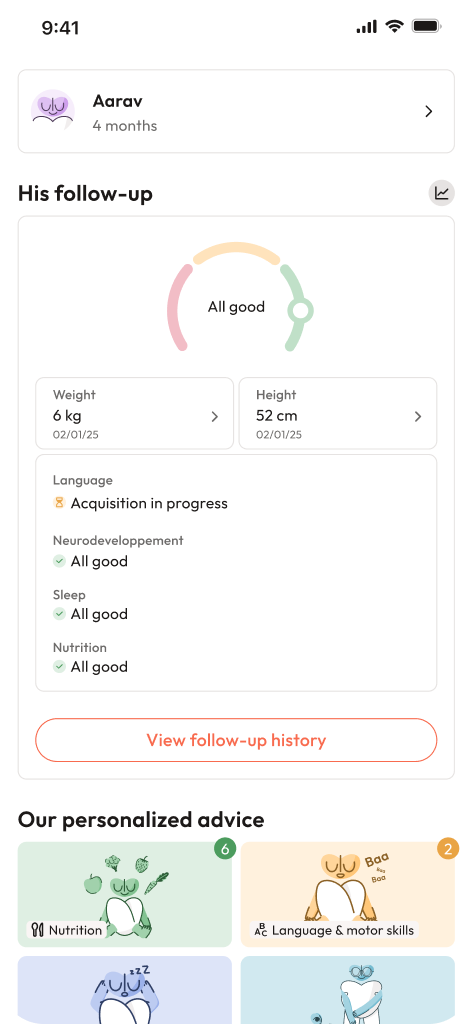
- Support exists: your doctor, midwife, lactation consultant, and you can download the Heloa app for personalised advice and free child health questionnaires.