Parents in India often search baby chocolate for very different reasons. Sometimes it is about feeding (a toddler demanding “choco”, grandparents offering a bite after a family function). Sometimes it is about gifting (a sweet box for a naming ceremony, baby shower return gifts, or a birth announcement hamper). And then come the real worries: sugar, teeth, sleep, allergies, choking, and that uneasy feeling (“Am I starting something too early?”).
With baby chocolate, the safest approach is simple: match it to your child’s age and chewing ability, keep portions tiny, avoid daily habits, and choose the least risky texture.
Baby chocolate: what parents usually mean
The phrase baby chocolate commonly points to two separate things:
- Food: chocolate or chocolate-flavoured foods offered to a baby/toddler in very small amounts.
- Gift: chocolates bought to celebrate a new baby (for adults to eat), often in decorative packaging.
From a paediatric nutrition angle, babies do not need chocolate for growth. Chocolate is a “pleasure food”. It can fit later, but it works best as occasional, small, and thoughtfully chosen.

Three points decide most of the risk:
- Age and oral skills (chewing vs mashing, swallowing control)
- Sugar exposure (dental caries, preference for sweet taste, frequent snacking)
- Safety (texture, hard bits, crunchy inclusions, allergens)
Baby chocolate as gifts: baby shower, naming ceremony, and birth announcement boxes
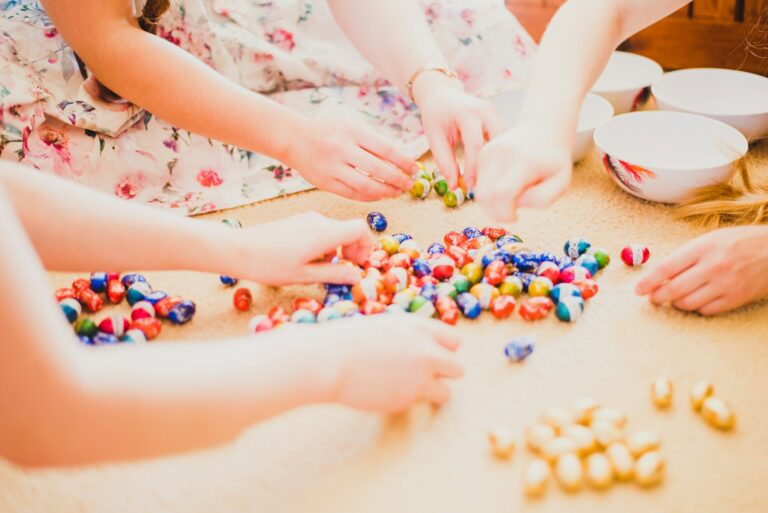
In many Indian families, baby chocolate is part of celebration culture: baby shower favours, return gifts, hospital visit hampers, or a small sweet box for a naming ceremony.
- Baby shower chocolates: party favours with baby-themed designs.
- Birth announcement chocolates: personalised pieces with name/date.
One practical India-specific detail: heat and humidity. Chocolate melts quickly in summer and during transit. If you are gifting baby chocolate, choose insulated packing when possible, avoid afternoon deliveries, and do not leave parcels in the sun or in a parked car.
Can babies eat chocolate? Safety by age
Newborn to 6 months: no baby chocolate as food
Before 6 months, feeding is breast milk and/or infant formula. The digestive tract is still developing, and chocolate adds:
- added sugar (in most products)
- cocoa stimulants, especially theobromine (plus a small amount of caffeine)
At this stage, baby chocolate should be treated as an adult gift category, not baby food.
6-12 months: if you want the flavour, choose cocoa taste (not a chocolate bite)
During complementary feeding, some parents want to introduce a mild cocoa note. The most controllable option is:
- a tiny pinch of unsweetened cocoa powder, mixed very smoothly into a texture your baby already tolerates (fruit puree, mashed banana, soft porridge, or curd/yogurt if dairy is already introduced).
The goal is taste discovery, not a “portion of chocolate”, and without added sugar.
Quick kitchen tip: cocoa powder clumps. Sieve it, whisk it in, and check for lumps so the texture stays fully smooth.
Under 12 months: why many families wait
Many parents prefer to wait until after the first birthday. Common reasons:
- Added sugar is best avoided in infancy, most baby chocolate products are sugar-forward.
- Cocoa contains theobromine and caffeine, which can affect sleep or make some babies a bit more unsettled.
- Chocolate products frequently contain allergens (milk, soy lecithin, sometimes nuts, and cross-contact warnings).
- Early sweet tastes can shape strong preferences, and frequent sweet bites can become a habit.
- Choking risk goes up with small hard pieces (chips, buttons) or crunchy add-ins.
From 12 months: baby chocolate can be introduced, gradually and occasionally
From 12 months, you may choose to offer baby chocolate occasionally:
- either as home food with unsweetened cocoa
- or as a micro-portion of plain chocolate
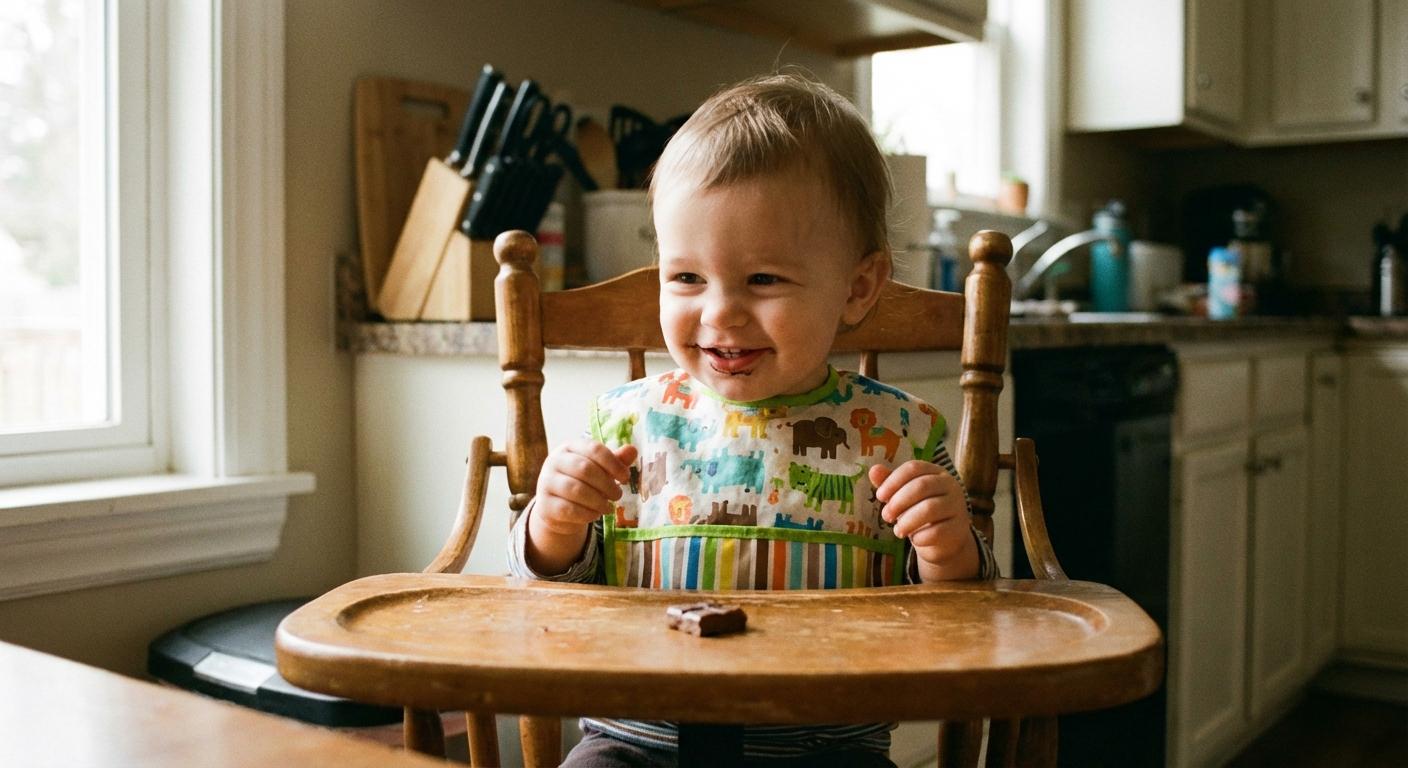
A sensible starting amount is 1-2 grams (a tiny fragment, not a full square). Then observe over the next 24 hours: stools, tummy comfort, and sleep.
Some children show no effect. Others become slightly more alert at bedtime. Sensitivity varies.
18-24 months: why some parents still wait
Even with better chewing, cocoa exposure can stack up fast (biscuit, flavoured milk, dessert, then chocolate). Also, cocoa products may contain trace metals like cadmium, lead, and nickel in small amounts. Health authorities generally advise reducing exposure for young children.
What does that mean at home?
- Occasional is different from daily.
- Avoid multiple cocoa items on the same day.
2-3 years: easier, but not unlimited
By 2-3 years, chewing is usually more reliable (still with adult supervision). baby chocolate can be:
- a small piece of simple chocolate
- or a homemade dessert where you control sugar
Avoid hard-filled candies, nut-studded bars, and very sweet chocolate-coated treats.
2-6 years: keeping baby chocolate as a treat
For toddlers and preschoolers, chocolate can fit without becoming a daily expectation:
- Keep portions small.
- Keep it planned (a family treat after a meal), not repeated little bites.
- Offer water after.
- Brush teeth morning and night, if possible, brush after sweets.
When to avoid chocolate (timing and individual tolerance)
Avoid baby chocolate:
- close to naps/bedtime if your child seems sensitive to stimulants
- on an empty stomach if it triggers tummy discomfort
- during phases where reflux-like discomfort or constipation worsens after cocoa
Portion size and frequency: the duo that changes everything
After 12 months, think taste, not snack:
- 1-2 g chocolate, very occasionally, or
- a tiny pinch of unsweetened cocoa mixed into smooth food
The goal is not finish the square. It is simply exploring a flavour.
A simple portion guide
- 12 months: 1-2 g, very occasional
- 2 years: 3-5 g
- 3 years: 5-6 g (about one small square), without making it routine
If it is a festival day or birthday, prioritise safety and then return to the usual rhythm the next day.
Occasional vs regular: how habits build
Chocolate can become automatic quickly, especially when relatives offer it as a “quick smile”. To keep baby chocolate occasional:
- set a frequency limit (many families find once a week is plenty)
- avoid repeated sweet tastes across the day (chocolate milk plus biscuit plus candy adds up)
- remember: small daily amounts accumulate
Best time of day
Theobromine may delay sleep. If you notice harder naps or late bedtime after baby chocolate, offer it earlier: morning or after lunch.
What’s inside chocolate: reading ingredients like a parent
Cocoa percentage: what it suggests
- Higher cocoa percentage often means less sugar, more bitterness, and more stimulants.
- Lower cocoa percentage usually means more sugar, milk chocolate also adds dairy.
For young children, higher cocoa is not automatically better. It may be less sweet, yes, but stimulants can be higher.
Caffeine and theobromine: why they matter
Cocoa naturally contains caffeine and theobromine. In some young children these can show up as:
- extra wakefulness
- longer time to fall asleep
- irritability or overactive behaviour
If this happens, it is not a character issue. It is biology. Reduce portion, shift timing earlier, or pause.
Common ingredients and additives
A basic chocolate often contains cocoa mass, cocoa butter, sugar, and sometimes milk solids.
Common additives:
- lecithin (soy or sunflower)
- vanilla/flavourings
- salt
Shorter ingredient lists are often simpler to manage.
Fillings and mix-ins that change the risk
Add-ins can change both nutrition and safety:
- caramel/nougat: sticky, sugary (tougher for teeth)
- wafers/cookie bits: crunch plus possible gluten
- nuts/crisped bits: choking risk plus allergen risk
For toddlers, smoother is usually safer.
Sugar and dental health: why structure matters
Dental risk depends heavily on frequency. One planned sweet after a meal is not the same as sweet sips and bites spread all day.
Supportive habits:
- avoid multiple sweet intakes across the day
- offer sweets with a meal, not as constant grazing
- offer water after
- brush teeth twice daily, consider brushing after chocolate when practical
Sticky filled chocolates cling to teeth longer than a tiny piece that melts.
Allergens and sensitivities
Cocoa allergy is rare, other ingredients are common triggers
True cocoa allergy is uncommon. Reactions are more often linked to:
- milk
- soy
- tree nuts
- cross-contact (“may contain”)
Milk chocolate: cow’s milk protein allergy vs lactose intolerance
Milk chocolate contains milk proteins. Cow’s milk protein allergy is an immune reaction and can trigger symptoms even with small amounts.
Lactose intolerance is different (enzyme-related) and is less common in infants, though tummy discomfort can occur.
If milk allergy is suspected/confirmed, avoid milk chocolate and choose clearly labelled dairy-free options.
Nuts and cross-contact
Nut ingredients are common in chocolate, and cross-contact is frequent. If you are buying baby chocolate for a group (school event, party), nut-free products from dedicated facilities are safer when available.
Soy lecithin
Many chocolates contain soy lecithin. It is a small amount, but it matters for children with soy allergy.
What to watch after a first taste
After first exposure, watch for:
- hives, red patches, swelling of lips/face
- vomiting, diarrhoea, abdominal pain
- coughing, wheezing, breathing discomfort
Breathing difficulty or significant swelling needs emergency care.
If your child has eczema or an allergy-prone background
Extra caution makes sense:
- offer a minimal amount
- choose a simple format (often unsweetened cocoa in a familiar smooth food)
- offer earlier in the day
- do not introduce several new foods on the same day
Choking hazards and safer formats
What raises choking risk
Choking risk rises with:
- hard chunks (nuts, brittle pieces)
- candy inclusions
- hard caramel
- large bites
- small hard pieces swallowed whole (chips, buttons)
A useful self-check: does your child truly chew, or mostly mash with gums?
Safer serving approaches
- Keep the child seated upright and supervised.
- Prefer melted drizzles, thin smears, or cocoa stirred into smooth foods.
- Avoid chunky, filled, crunchy, or nut-containing chocolates for young toddlers.
- Do not leave baby chocolate accessible for free snacking.
Trace metals in cocoa: reducing exposure through moderation
Cocoa may contain trace metals such as cadmium, lead, and nickel in low amounts. The goal is not “zero”, but sensible exposure:
- keep cocoa foods occasional, not daily
- avoid stacking multiple cocoa products the same day
- rotate treats (fruit, plain curd/yogurt, fruit puree)
Baby-friendly alternatives when your child wants choco
Carob as a cocoa-free option
Carob can give a chocolate-like flavour without caffeine. If it suits your child, it can be a gentle alternative.
Easy ways to offer cocoa taste without excess (12+ months)
Dose-controlled ideas:
- plain yogurt/curd plus a tiny pinch of unsweetened cocoa (soften with fruit puree)
- apple/pear puree plus a small cocoa touch (mix until smooth)
- ripe mashed banana plus a tiny pinch of cocoa
Choosing baby chocolate in stores: a quick label checklist
Look at:
- sugars per 100 g
- cocoa percentage (helpful context, not the full story)
- ingredient order (first ingredient is the most present)
- allergen statements and “may contain” notes
Baby branding can mean a smaller portion or softer texture. It does not guarantee low sugar.
Buying baby chocolate as a gift (without stress)
Match the occasion
For a newborn, baby chocolate gifts are for adults. For baby showers, they are for guests. Choose accordingly: a neat gift box for close family, or bulk favours for parties.
Packaging, delivery, and heat
- choose insulated/ice-pack shipping when available
- avoid long transit in peak summer
- time delivery so someone receives it quickly
Bulk order pointers
- order early for personalisation approval
- check shelf life and best-before window
- request clear allergen details if gifting to a group
Key takeaways
- Before 6 months: no chocolate, baby chocolate is for adult gifting.
- 6-12 months: if you want a cocoa note, use a tiny pinch of unsweetened cocoa, fully mixed into a smooth texture, very occasionally.
- From 12 months: baby chocolate can be offered occasionally, starting with a micro-portion (about 1-2 g).
- Sugar and teeth: frequency matters more than one-time quantity. Planned treats beat all-day grazing.
- Sleep: theobromine can affect some children, shift timing earlier if needed.
- Moderation helps limit exposure to trace metals from cocoa, avoid stacking cocoa products in the same day.
- Allergens are more often milk/soy/nuts than cocoa itself, read labels carefully.
- For personalised guidance and free child health questionnaires, parents can download the Heloa app and reach out to health professionals when something feels off.