
A sudden, harsh “barking” cough at night can shake any parent, especially when it comes with a squeaky sound as your child breathes in. Is it a noisy viral illness? Is the airway getting tight? And when should you go to a doctor right away?
Croup is common in young children, and most episodes settle well. Still, croup can become serious when swelling narrows the upper airway. Here is what to watch for, what tends to help at home, what doctors may give in the clinic or emergency room, and when to seek help without delay.
Key takeaways about croup
What croup usually looks like
Croup (often called laryngotracheitis) is swelling around the larynx (voice box) and upper trachea (windpipe). Typical signs are:
- Sudden barking cough
- Hoarse or raspy voice
- Sometimes inspiratory stridor (high-pitched noise while breathing in)
Many parents notice croup sounds worse when the child is crying, and improves a bit when the child calms down.


When it can become urgent
Seek same-day medical assessment if you notice:
- Stridor at rest (noisy breathing when your child is calm)
- Increasing work of breathing (chest/neck pulling in, nostril flaring)
- Trouble drinking/breastfeeding
- Vomiting with poor fluid intake
- Symptoms that keep returning and don’t settle
Call emergency services immediately if there is:
- Severe breathing difficulty
- Bluish/grey colour around lips/face
- Pauses in breathing
- Extreme tiredness, unusual sleepiness, or reduced responsiveness
- Drooling or trouble swallowing
- Breathing noise becoming very quiet while your child looks worse
What often helps most (at home and in care)
At home:
- Keep your child calm (crying worsens narrowing)
- Offer small, frequent fluids
- Use saline for a blocked nose if needed
- Keep your child upright during a flare
In medical care, a single dose of dexamethasone is commonly used for croup to reduce swelling. If symptoms are more significant, nebulised epinephrine (adrenaline) may be given for quick, temporary relief, with observation afterwards.
Understanding croup: what it is and why it happens
A simple definition
Think of croup as swelling at the top part of the breathing tube. When that swollen area vibrates or air squeezes through it, you hear the barky cough and sometimes stridor.
What happens in the airway
Most croup is viral. Immune signals increase blood flow and make tiny vessels leakier, causing subglottic oedema (swelling just below the vocal cords). Because a child’s airway is small, even mild swelling can make breathing sound loud and feel effortful.
Why the cough sounds “barky”
Swelling changes airflow and tissue vibration, leading to:
- Barking cough
- Hoarseness
- Stridor when airflow becomes turbulent (often on breathing in)
Who gets croup (and why age matters)
Croup most often affects children aged 6 months to 3 years. It can occur up to about 5-6 years, but severe episodes are less common as the airway grows.
Before 6 months, croup is less typical. A very young baby with noisy breathing needs careful assessment because other conditions can mimic it.
Types of croup
Viral croup vs spasmodic croup
- Viral croup: follows cold symptoms and may include fever.
- Spasmodic croup: sudden night-time onset, often little/no fever, can recur.
Some children have more reactive upper airways, allergies or gastro-oesophageal reflux may contribute.
Croup symptoms to watch for
Classic symptoms
Typical croup symptoms include:
- Barking cough
- Hoarse voice
- Stridor
- Runny nose
- Sometimes fever
Watch for retractions (skin pulling in between/under ribs or at the base of the neck).
Feeding and swallowing
When breathing is uncomfortable, babies and toddlers may feed less, pause more, or struggle to coordinate suck-swallow-breathe. Wet nappies help you gauge hydration.
High fever with a child who looks very unwell, drools, or struggles to swallow is less typical for viral croup and needs urgent review.
Why symptoms worsen at night
Night-time flares are common in croup due to fatigue, lying down, day-night airway changes, and dry indoor air. Upset and crying make symptoms louder.
Mild vs moderate vs severe
Mild croup
- Barking cough
- No stridor at rest (or only when crying)
- Minimal/no retractions at rest
- Drinking reasonably
Moderate croup
- Stridor at rest
- Clear retractions
- Faster breathing, anxious/agitated
- Reduced drinking
Severe croup
- Stridor at rest with marked retractions
- Very laboured breathing or signs of tiring
- Pale/blue/grey colour around lips/face
- Unable to drink
- Unusual sleepiness or hard to wake
- Possible pauses in breathing
What causes croup and how it spreads
Viral causes
Croup is usually caused by viruses, especially parainfluenza. Influenza, RSV, adenovirus, rhinovirus/enterovirus, and SARS-CoV-2 can also cause croup.
Often it starts like a simple cold, then the barking cough appears, with a night-time flare.
What can worsen symptoms
Even with viral croup, irritants can make it worse:
- Cigarette smoke
- Overheated rooms and very dry air
- Air pollution, dust, strong room fresheners/sprays
Contagiousness and seasonality
Croup spreads via droplets and contaminated hands/surfaces. Incubation is often 2-6 days. Children are usually most contagious early.
In India, parents often see more viral infections during monsoon and winter, but croup can happen any time.
Croup sounds: stridor vs wheezing
- Stridor: upper-airway sound, usually on breathing in.
- Wheeze: lung sound, often on breathing out (more suggestive of asthma/bronchiolitis).
Stridor at rest plus retractions is a strong reason for urgent assessment.
How croup is diagnosed
Diagnosis is usually clinical: the doctor checks cough quality, stridor, breathing effort, hydration, alertness, and colour. Pulse oximetry may be used.
X-rays are considered if symptoms are atypical, severe, not improving, or if another diagnosis is suspected.
Croup vs other conditions that can look similar
Doctors may consider:
- Epiglottitis: high fever, drooling, difficulty swallowing, muffled voice (emergency).
- Bacterial tracheitis: worsening illness with high fever, poor response to usual croup treatment.
- Foreign body: sudden onset after choking.
- Anaphylaxis: breathing trouble with hives/swelling/vomiting/collapse.
Treatment for croup in clinic or ER
Steroids
A single dose of dexamethasone is standard for croup (often 0.6 mg/kg, up to ~10 mg). It reduces inflammation and night-time worsening.
Nebulised budesonide may be used if oral steroid is not possible. Some centres use prednisolone.
Nebulised epinephrine
Nebulised epinephrine is used for moderate to severe croup, especially stridor at rest with significant retractions. Because the effect is temporary, observation afterwards (often 2-4 hours) is typical.
Oxygen and admission
Oxygen is given if saturation is low. Admission is more likely with persistent stridor at rest after treatment, inability to drink, oxygen need, or signs of tiring.
Croup home care that supports breathing and rest
Keep your child calm
With croup, calm is practical medicine. Hold your child upright, speak softly, keep lights low. If the noisy breathing does not ease when the child settles, get medical care.
Fluids and positioning
Offer small, frequent fluids. Keep your child upright during a flare. Once breathing is calm again, follow safe sleep for babies: back, firm flat surface, no pillows.
Blocked nose
Saline drops/spray and gentle suction (only if needed) can help feeding and sleep.
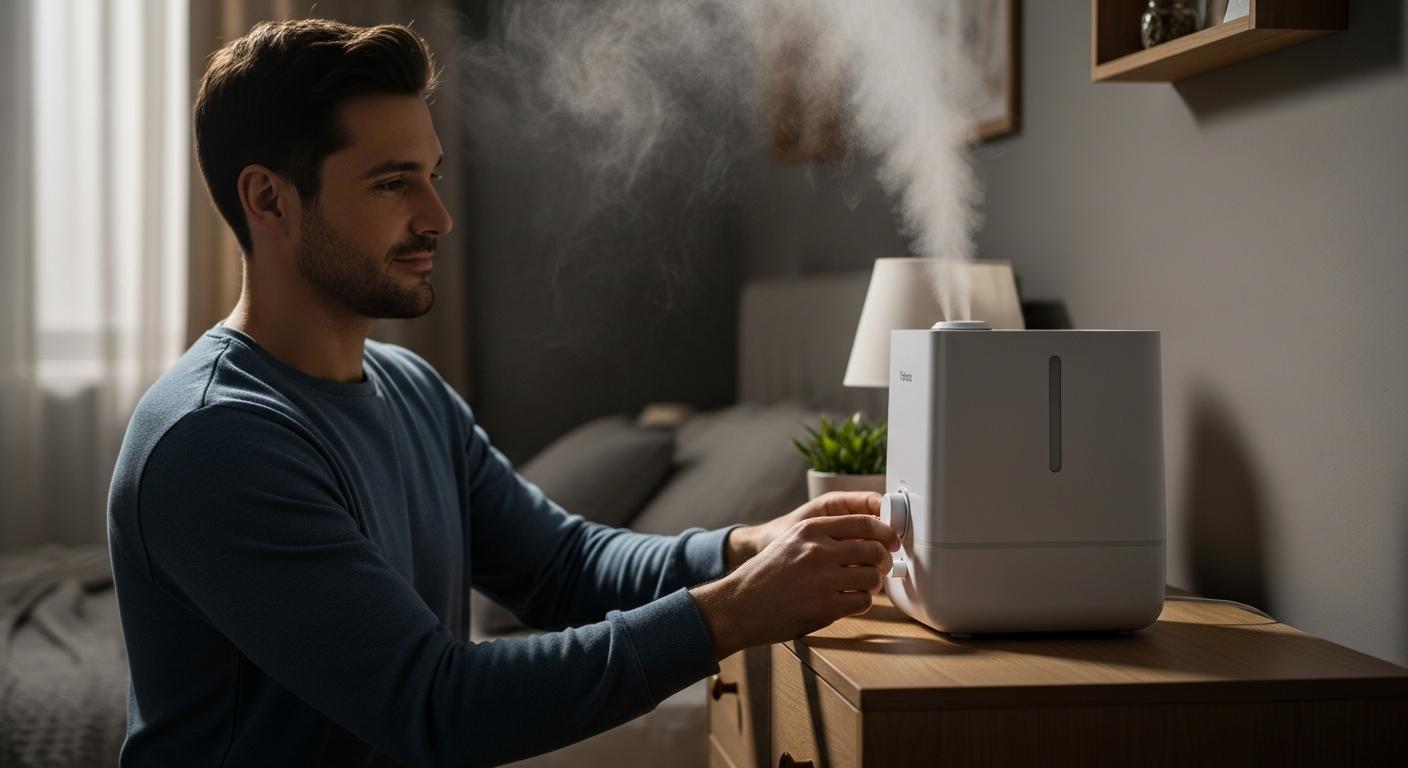
Humidity, steam, cool air
Steam can burn and humidified air has not shown reliable benefit for croup. Avoid hot-water steam methods.
Some children settle briefly with cool air near an open window, use it as a comfort step, not as a reason to delay care.
Handling a night-time episode
- Pick up and keep upright
- Keep the room quiet
- Use saline for nose block if needed
- Offer sips once breathing settles
Seek urgent care for stridor at rest, worsening retractions, poor drinking, or if you feel worried by breathing effort.
Medicines and approaches to use carefully
- Paracetamol or ibuprofen can help comfort (avoid aspirin).
- Antibiotics do not help viral croup.
- Avoid cough suppressants/sedating medicines.
- Avoid essential oils for babies and young children.
- Decongestants are usually not helpful in young children.
How long croup lasts and recovery
Often the first 1-3 nights are worst. Many children improve within 48 hours and recover in 3-7 days, though a mild cough may linger.
Return to daycare/school is usually reasonable once fever is gone for 24 hours (without medicines) and breathing is comfortable at rest.
Complications and recurrence
Most croup settles at home. A small percentage need hospital care for observation, fluids, oxygen, or repeated treatment.
Recurrent croup can happen, especially with spasmodic patterns. Discuss further evaluation if episodes are frequent, unusually severe, occur outside the typical age range, or recovery is atypical.
To remember
- Croup causes a barking cough, hoarseness, and sometimes inspiratory stridor.
- Stridor at rest, retractions, poor drinking, unusual sleepiness, or colour change need urgent medical attention.
- Calm, upright positioning, saline for nose block, and frequent fluids are key supports.
- Doctors often give dexamethasone, nebulised epinephrine is used for more significant symptoms with observation.
For tailored guidance and free child health questionnaires, you can download the Heloa app.
Further reading: